DonateSupporterVisit Heritage
  • Tūrangawaewae
    Places
  • Tira Māori
    Māori Heritage
  • Poutairangahia
    Archaeology
  • Rauemi
    Resources
  • Mō Tātou
    About Us
  • New Zealand Heritage List
  • Nominate and submit
  • Explore the List
  • National Historic Landmarks
  • Plaques
  • Rainbow List Project
  • Lost heritage
  • Visit Heritage
  • Our properties
  • Turnbull House Project
  • Collections
  • Shop
  • Tohu Whenua
  • Tira Māori
  • Conserving Māori heritage
  • Marae built heritage
  • Māori heritage on the List
  • Hinemihi—Te Hokinga Mai
  • What is archaeology?
  • Is there a site on my property?
  • What are my legal requirements?
  • Affecting an archaeological site
  • Declaring an archaeological site
  • Archaeology FAQs
  • Archaeology Digital Library
  • Archaeology guidelines and templates
  • Resources
  • Funding
  • Publications
  • Sustainable management guides
  • Disaster recovery
  • Podcasts & digital resources
  • Education Hub
  • Conservation plans
  • About
  • Board
  • Māori Heritage Council
  • Senior Staff
  • Offices
  • Contact us
  • Careers
  • Covenants
  • Fast-track
  • Corporate documents
  • Currently consulting on
  • Our submissions
  • News
Quick links
Rārangi Kōrero | The List
Explore the List
National Historic Landmarks
Ngā Manawhenua o Aotearoa me ōna Kōrero Tūturu
Quick links
Tapuwae
A Vision for Places of Māori Heritage
Funding for Māori Heritage
Resources
Quick links
Archaeological Authority Portal
Applying for an archaeological authority
Archaeology FAQs
Browse the most frequently asked questions about archaeological authorities and the archaeological process.
Quick links
Quick links
Contact us
Offices
DonateSupporterVisit Heritage
  • Tūrangawaewae
    Places
  • Tira Māori
    Māori Heritage
  • Poutairangahia
    Archaeology
  • Rauemi
    Resources
  • Mō Tātou
    About Us
  • New Zealand Heritage List
  • Nominate and submit
  • Explore the List
  • National Historic Landmarks
  • Plaques
  • Rainbow List Project
  • Lost heritage
  • Visit Heritage
  • Our properties
  • Turnbull House Project
  • Collections
  • Shop
  • Tohu Whenua
  • Tira Māori
  • Conserving Māori heritage
  • Marae built heritage
  • Māori heritage on the List
  • Hinemihi—Te Hokinga Mai
  • What is archaeology?
  • Is there a site on my property?
  • What are my legal requirements?
  • Affecting an archaeological site
  • Declaring an archaeological site
  • Archaeology FAQs
  • Archaeology Digital Library
  • Archaeology guidelines and templates
  • Resources
  • Funding
  • Publications
  • Sustainable management guides
  • Disaster recovery
  • Podcasts & digital resources
  • Education Hub
  • Conservation plans
  • About
  • Board
  • Māori Heritage Council
  • Senior Staff
  • Offices
  • Contact us
  • Careers
  • Covenants
  • Fast-track
  • Corporate documents
  • Currently consulting on
  • Our submissions
  • News
Quick links
Rārangi Kōrero | The List
Explore the List
National Historic Landmarks
Ngā Manawhenua o Aotearoa me ōna Kōrero Tūturu
Quick links
Tapuwae
A Vision for Places of Māori Heritage
Funding for Māori Heritage
Resources
Quick links
Archaeological Authority Portal
Applying for an archaeological authority
Archaeology FAQs
Browse the most frequently asked questions about archaeological authorities and the archaeological process.
Quick links
Quick links
Contact us
Offices
  • Places
  • Nominate and submit
  • National Historic Landmarks
  • Places
  • Nominate and submit
  • National Historic Landmarks
  • Tira Māori
  • Conserving Māori heritage
  • Marae built heritage
  • Tira Māori
  • Conserving Māori heritage
  • Marae built heritage
  • Archaeological authorities
  • Archaeology Digital Library
  • Archaeological authorities
  • Archaeology Digital Library
  • All resources
  • Publications
  • Funding
  • All resources
  • Publications
  • Funding
  • FAQs
  • FAQs
Follow us on:
Places
  • Places
  • Nominate and submit
  • National Historic Landmarks
Tira Māori
  • Tira Māori
  • Conserving Māori heritage
  • Marae built heritage
Archaeology
  • Archaeological authorities
  • Archaeology Digital Library
Resources
  • All resources
  • Publications
  • Funding
FAQs
  • FAQs
Follow us on
HomePrivacyTerms and conditionsAbout this site
© Heritage New Zealand Pouhere Taonga 2026.
 
Harley House

172 Milton Street, NELSON

Private

Historic Place Category 1

List No. 255

Quick links:
List GalleryLocationDetails
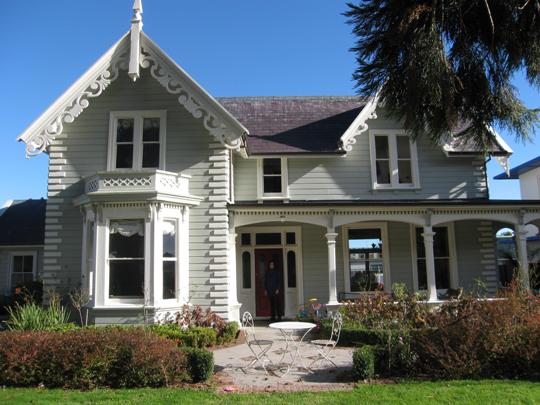
Harley House, 172 Milton Street, Nelson | Alison Dangerfield | 14/06/2010 | Heritage New Zealand Pouhere Taonga
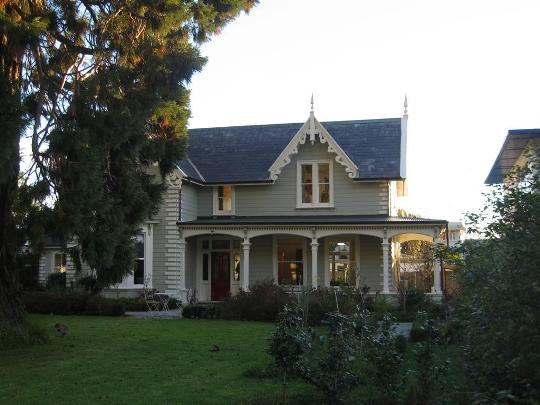
Harley House, 172 Milton Street, Nelson | Alison Dangerfield | 04/06/2010 | Heritage New Zealand Pouhere Taonga
Harley House, 172 Milton Street, Nelson | Alison Dangerfield | 14/06/2010 | Heritage New Zealand Pouhere Taonga
Harley House, 172 Milton Street, Nelson | Alison Dangerfield | 04/06/2010 | Heritage New Zealand Pouhere Taonga

List Entry Information

Overview

Status
Listed

List Entry Status
Historic Place Category 1

Access
Private/No Public Access

List Number
255

Date Entered
16th November 1989

Date of Effect
16th November 1989

City/District Council
Nelson City

Region
Nelson Region

Extent of List Entry

The extent includes the land described as Lot 1 DP 16676 (RT NL10D/899) Nelson Land District and the building known as Harley House thereon. The extent excludes the garage and office on the southern boundary.

Legal description

Lot 1 DP 16676 (RT NL10D/899), Nelson Land District

Detailed List Entry
Significance

Historic Significance

Historical Significance or Value The house was built for Charles Harley (1805-1892) who arrived as one of the first settlers in Nelson in February 1842. He was a carpenter but by 1848 was running the Carpenters Arms tavern. By 1868 he was a wealthy gentleman, the Harley family being prominent in the hop-growing and brewery business of the district. The house passed to his grandson Charles John Harley in 1892 and was in the Harley family until 1960 when it was bought by the Cawthron Institute. Members of the Harley family have continued to be prominent in Nelson, three descendants including Charles John Harley having served as mayors of Nelson. The Cawthron Institute Museum occupied the house from 1960 until it was disbanded due to lack of funds.

Physical Significance

ARCHITECTURAL SIGNIFICANCE: The Harley house is a fine example of the larger houses of the first colonists in Nelson. The simple plan, neat detailing and intricate hand sawn bargeboards are all elements of the Carpenter Gothic style for which Nelson of the 1860s was particularly noted. Of special significance is the decoration, especially the bargeboards, which are boldly carved in three separate patterns - an unusual variation. The bay window is also finely detailed. This is a most attractive and elegant colonial house. TOWNSCAPE/LANDMARK SIGNIFICANCE: The Harley house is set back from Milton Street and is now crowded in by buildings of the Cawthron Institute and the DSIR.

Construction Professional

Name

Scott, John [No. 1]

Type

Architect

Biography

Scott emigrated to New Zealand from Scotland and settled in Nelson. He ran a construction company and became a prominent businessman. He was responsible for the construction of many important Nelson buildings, such as the Provincial Government Building (1866) as well as several banks, churches and residences. Scott served on the Nelson City Council and was a key figure in the building industry of the district.

Construction Details

Start Year

1960

Type

Modification

Description

Modified for museum and office accommodation; verandah parapet and three chimneys and fireplaces removed.

Start Year

1869

Type

Original Construction

Construction Materials

Timber framed on stone foundation walls forming a basement cellar; rusticated weatherboards and roof with shingles. The interior walls and ceilings are of lathe and plaster finish except in the scullery and servants room where timber sarking was used.

Notable Features

The highly ornate bargeboards over the steeply gabled windows, and the elaborate verandah.

Physical Description

ARCHITECTURAL DESCRIPTION (STYLE): The Harley house is a two storeyed dwelling with a T plan, one room wide throughout. It has a one storey gable roofed wing at the south end. The main wings are gable roofed with gabled dormer windows. All gables are surmounted by finials. Beneath the main gable, facing Milton St., is a 3-sided bay window at ground floor level. The remainder of the east and north sides of the house is enclosed by a verandah, with wooden posts, arches and balustrade of classical styling. The house has neatly detailed wooden window mouldings, door surrounds and a fine staircase with curved balustrade. Facing Milton and Halifax Streets the weatherboarding has quoins and the gables have very ornate fretwork on the bargeboards. Each bargeboard has a different design. MODIFICATIONS: Considerably modified in 1960 for museum and office accommodation; verandah parapet and three chimneys and fireplaces removed.

Reference

Information Sources

Salmond, 1986

Jeremy Salmond, Old New Zealand Houses 1800-1940, Auckland, 1986, Reed Methuen

Colonist

The Colonist

Cawthron Institute

Cawthron Institute

Smedly, 1982

Beryl Smedley, Harley Family History, Nelson Provincial Museum, 1982

Report Written By

This historic place was registered under the Historic Places Act 1980. This report includes the text from the original Building Classification Committee report considered by the NZHPT Board at the time of registration. Please note that entry on the New Zealand Heritage List/Rarangi Korero identifies only the heritage values of the property concerned, and should not be construed as advice on the state of the property, or as a comment of its soundness or safety, including in regard to earthquake risk, safety in the event of fire, or insanitary conditions.

Further Information

Current Usages

Uses: Accommodation

Specific Usage: House

Former Usages

General Usage:: Accommodation

Specific Usage: House

General Usage:: Research

Specific Usage: Scientific Facilities - other

Themes

Web Links

Overview

Status

Listed

List Entry Status

Historic Place Category 1

Access

Private/No Public Access

List Number

255

Date Entered

16th November 1989

Date of Effect

16th November 1989

City/District Council

Nelson City

Region

Nelson Region

Extent of List Entry

The extent includes the land described as Lot 1 DP 16676 (RT NL10D/899) Nelson Land District and the building known as Harley House thereon. The extent excludes the garage and office on the southern boundary.

Legal description

Lot 1 DP 16676 (RT NL10D/899), Nelson Land District

Status

Listed

List Entry Status

Historic Place Category 1

Access

Private/No Public Access

List Number

255

Date Entered

16th November 1989

Date of Effect

16th November 1989

City/District Council

Nelson City

Region

Nelson Region

Extent of List Entry

The extent includes the land described as Lot 1 DP 16676 (RT NL10D/899) Nelson Land District and the building known as Harley House thereon. The extent excludes the garage and office on the southern boundary.

Legal description

Lot 1 DP 16676 (RT NL10D/899), Nelson Land District

Significance

Why is this place significant?

Historic Significance

Historical Significance or Value The house was built for Charles Harley (1805-1892) who arrived as one of the first settlers in Nelson in February 1842. He was a carpenter but by 1848 was running the Carpenters Arms tavern. By 1868 he was a wealthy gentleman, the Harley family being prominent in the hop-growing and brewery business of the district. The house passed to his grandson Charles John Harley in 1892 and was in the Harley family until 1960 when it was bought by the Cawthron Institute. Members of the Harley family have continued to be prominent in Nelson, three descendants including Charles John Harley having served as mayors of Nelson. The Cawthron Institute Museum occupied the house from 1960 until it was disbanded due to lack of funds.

Physical Significance

ARCHITECTURAL SIGNIFICANCE: The Harley house is a fine example of the larger houses of the first colonists in Nelson. The simple plan, neat detailing and intricate hand sawn bargeboards are all elements of the Carpenter Gothic style for which Nelson of the 1860s was particularly noted. Of special significance is the decoration, especially the bargeboards, which are boldly carved in three separate patterns - an unusual variation. The bay window is also finely detailed. This is a most attractive and elegant colonial house. TOWNSCAPE/LANDMARK SIGNIFICANCE: The Harley house is set back from Milton Street and is now crowded in by buildings of the Cawthron Institute and the DSIR.

Why is this place significant?

Historic Significance

Historical Significance or Value The house was built for Charles Harley (1805-1892) who arrived as one of the first settlers in Nelson in February 1842. He was a carpenter but by 1848 was running the Carpenters Arms tavern. By 1868 he was a wealthy gentleman, the Harley family being prominent in the hop-growing and brewery business of the district. The house passed to his grandson Charles John Harley in 1892 and was in the Harley family until 1960 when it was bought by the Cawthron Institute. Members of the Harley family have continued to be prominent in Nelson, three descendants including Charles John Harley having served as mayors of Nelson. The Cawthron Institute Museum occupied the house from 1960 until it was disbanded due to lack of funds.

Physical Significance

ARCHITECTURAL SIGNIFICANCE: The Harley house is a fine example of the larger houses of the first colonists in Nelson. The simple plan, neat detailing and intricate hand sawn bargeboards are all elements of the Carpenter Gothic style for which Nelson of the 1860s was particularly noted. Of special significance is the decoration, especially the bargeboards, which are boldly carved in three separate patterns - an unusual variation. The bay window is also finely detailed. This is a most attractive and elegant colonial house. TOWNSCAPE/LANDMARK SIGNIFICANCE: The Harley house is set back from Milton Street and is now crowded in by buildings of the Cawthron Institute and the DSIR.

Construction Information

Construction Professional

Name

Scott, John [No. 1]

Type

Architect

Biography

Scott emigrated to New Zealand from Scotland and settled in Nelson. He ran a construction company and became a prominent businessman. He was responsible for the construction of many important Nelson buildings, such as the Provincial Government Building (1866) as well as several banks, churches and residences. Scott served on the Nelson City Council and was a key figure in the building industry of the district.

Construction Details

Start Year

1960

Type

Modification

Description

Modified for museum and office accommodation; verandah parapet and three chimneys and fireplaces removed.

Start Year

1869

Type

Original Construction

Construction Materials

Timber framed on stone foundation walls forming a basement cellar; rusticated weatherboards and roof with shingles. The interior walls and ceilings are of lathe and plaster finish except in the scullery and servants room where timber sarking was used.

Notable Features

The highly ornate bargeboards over the steeply gabled windows, and the elaborate verandah.

Construction Professional

Name

Scott, John [No. 1]

Type

Architect

Biography

Scott emigrated to New Zealand from Scotland and settled in Nelson. He ran a construction company and became a prominent businessman. He was responsible for the construction of many important Nelson buildings, such as the Provincial Government Building (1866) as well as several banks, churches and residences. Scott served on the Nelson City Council and was a key figure in the building industry of the district.

Construction Details

Start Year

1960

Type

Modification

Description

Modified for museum and office accommodation; verandah parapet and three chimneys and fireplaces removed.

Start Year

1869

Type

Original Construction

Construction Materials

Timber framed on stone foundation walls forming a basement cellar; rusticated weatherboards and roof with shingles. The interior walls and ceilings are of lathe and plaster finish except in the scullery and servants room where timber sarking was used.

Notable Features

The highly ornate bargeboards over the steeply gabled windows, and the elaborate verandah.

Physical Description

ARCHITECTURAL DESCRIPTION (STYLE): The Harley house is a two storeyed dwelling with a T plan, one room wide throughout. It has a one storey gable roofed wing at the south end. The main wings are gable roofed with gabled dormer windows. All gables are surmounted by finials. Beneath the main gable, facing Milton St., is a 3-sided bay window at ground floor level. The remainder of the east and north sides of the house is enclosed by a verandah, with wooden posts, arches and balustrade of classical styling. The house has neatly detailed wooden window mouldings, door surrounds and a fine staircase with curved balustrade. Facing Milton and Halifax Streets the weatherboarding has quoins and the gables have very ornate fretwork on the bargeboards. Each bargeboard has a different design. MODIFICATIONS: Considerably modified in 1960 for museum and office accommodation; verandah parapet and three chimneys and fireplaces removed.

ARCHITECTURAL DESCRIPTION (STYLE): The Harley house is a two storeyed dwelling with a T plan, one room wide throughout. It has a one storey gable roofed wing at the south end. The main wings are gable roofed with gabled dormer windows. All gables are surmounted by finials. Beneath the main gable, facing Milton St., is a 3-sided bay window at ground floor level. The remainder of the east and north sides of the house is enclosed by a verandah, with wooden posts, arches and balustrade of classical styling. The house has neatly detailed wooden window mouldings, door surrounds and a fine staircase with curved balustrade. Facing Milton and Halifax Streets the weatherboarding has quoins and the gables have very ornate fretwork on the bargeboards. Each bargeboard has a different design. MODIFICATIONS: Considerably modified in 1960 for museum and office accommodation; verandah parapet and three chimneys and fireplaces removed.

Reference

Historical and Associated Iwi / Hapū / Whānau

Information Sources

Salmond, 1986

Jeremy Salmond, Old New Zealand Houses 1800-1940, Auckland, 1986, Reed Methuen

Colonist

The Colonist

Cawthron Institute

Cawthron Institute

Smedly, 1982

Beryl Smedley, Harley Family History, Nelson Provincial Museum, 1982

Other Information

This historic place was registered under the Historic Places Act 1980. This report includes the text from the original Building Classification Committee report considered by the NZHPT Board at the time of registration. Please note that entry on the New Zealand Heritage List/Rarangi Korero identifies only the heritage values of the property concerned, and should not be construed as advice on the state of the property, or as a comment of its soundness or safety, including in regard to earthquake risk, safety in the event of fire, or insanitary conditions.

Historical and Associated Iwi / Hapū / Whānau

Information Sources

Salmond, 1986

Jeremy Salmond, Old New Zealand Houses 1800-1940, Auckland, 1986, Reed Methuen

Colonist

The Colonist

Cawthron Institute

Cawthron Institute

Smedly, 1982

Beryl Smedley, Harley Family History, Nelson Provincial Museum, 1982

Other Information

This historic place was registered under the Historic Places Act 1980. This report includes the text from the original Building Classification Committee report considered by the NZHPT Board at the time of registration. Please note that entry on the New Zealand Heritage List/Rarangi Korero identifies only the heritage values of the property concerned, and should not be construed as advice on the state of the property, or as a comment of its soundness or safety, including in regard to earthquake risk, safety in the event of fire, or insanitary conditions.

Further Information

Current Usages

Uses: Accommodation

Specific Usage: House

Former Usages

General Usage: Accommodation

Specific Usage: House

General Usage: Research

Specific Usage: Scientific Facilities - other

Current Usages

Uses: Accommodation

Specific Usage: House

Former Usages

General Usage: Accommodation

Specific Usage: House

General Usage: Research

Specific Usage: Scientific Facilities - other

Location

Loading
Sign up to hear more

Get the latest heritage news, features and events delivered
straight to your inbox.

Subscribe