DonateMembershipVisit Heritage
  • Tūrangawaewae
    Places
  • Tira Māori
    Māori Heritage
  • Poutairangahia
    Archaeology
  • Rauemi
    Resources
  • Mō Tātou
    About Us
  • New Zealand Heritage List
  • Nominate and submit
  • Explore the List
  • National Historic Landmarks
  • Plaques
  • Rainbow List Project
  • Lost heritage
  • Visit Heritage
  • Our properties
  • Turnbull House Project
  • Collections
  • Shop
  • Tohu Whenua
  • Tira Māori
  • Conserving Māori heritage
  • Marae built heritage
  • Māori heritage on the List
  • Hinemihi—Te Hokinga Mai
  • What is archaeology?
  • Is there a site on my property?
  • What are my legal requirements?
  • Affecting an archaeological site
  • Declaring an archaeological site
  • Archaeology FAQs
  • Archaeology Digital Library
  • Archaeology guidelines and templates
  • Resources
  • Funding
  • Publications
  • Sustainable management guides
  • Disaster recovery
  • Podcasts & digital resources
  • Education Hub
  • Conservation plans
  • About
  • Board
  • Māori Heritage Council
  • Senior Staff
  • Offices
  • Contact us
  • Careers
  • Covenants
  • Fast-track
  • Corporate documents
  • Currently consulting on
  • Our submissions
  • News
  • Covid-19 response
Quick links
Rārangi Kōrero | The List
Explore the List
National Historic Landmarks
Ngā Manawhenua o Aotearoa me ōna Kōrero Tūturu
Quick links
Tapuwae
A Vision for Places of Māori Heritage
Funding for Māori Heritage
Resources
Quick links
Archaeological Authority Portal
Applying for an archaeological authority
Archaeology FAQs
Browse the most frequently asked questions about archaeological authorities and the archaeological process.
Quick links
Quick links
News
News Keep up to date with Heritage New Zealand Pouhere Taonga
Membership
Membership Find out more and sign up today
DonateMembershipVisit Heritage
  • Tūrangawaewae
    Places
  • Tira Māori
    Māori Heritage
  • Poutairangahia
    Archaeology
  • Rauemi
    Resources
  • Mō Tātou
    About Us
  • New Zealand Heritage List
  • Nominate and submit
  • Explore the List
  • National Historic Landmarks
  • Plaques
  • Rainbow List Project
  • Lost heritage
  • Visit Heritage
  • Our properties
  • Turnbull House Project
  • Collections
  • Shop
  • Tohu Whenua
  • Tira Māori
  • Conserving Māori heritage
  • Marae built heritage
  • Māori heritage on the List
  • Hinemihi—Te Hokinga Mai
  • What is archaeology?
  • Is there a site on my property?
  • What are my legal requirements?
  • Affecting an archaeological site
  • Declaring an archaeological site
  • Archaeology FAQs
  • Archaeology Digital Library
  • Archaeology guidelines and templates
  • Resources
  • Funding
  • Publications
  • Sustainable management guides
  • Disaster recovery
  • Podcasts & digital resources
  • Education Hub
  • Conservation plans
  • About
  • Board
  • Māori Heritage Council
  • Senior Staff
  • Offices
  • Contact us
  • Careers
  • Covenants
  • Fast-track
  • Corporate documents
  • Currently consulting on
  • Our submissions
  • News
  • Covid-19 response
Quick links
Rārangi Kōrero | The List
Explore the List
National Historic Landmarks
Ngā Manawhenua o Aotearoa me ōna Kōrero Tūturu
Quick links
Tapuwae
A Vision for Places of Māori Heritage
Funding for Māori Heritage
Resources
Quick links
Archaeological Authority Portal
Applying for an archaeological authority
Archaeology FAQs
Browse the most frequently asked questions about archaeological authorities and the archaeological process.
Quick links
Quick links
News
News Keep up to date with Heritage New Zealand Pouhere Taonga
Membership
Membership Find out more and sign up today
  • Places
  • Nominate and submit
  • National Historic Landmarks
  • Places
  • Nominate and submit
  • National Historic Landmarks
  • Tira Māori
  • Conserving Māori heritage
  • Marae built heritage
  • Tira Māori
  • Conserving Māori heritage
  • Marae built heritage
  • Archaeological authorities
  • Archaeology Digital Library
  • Archaeological authorities
  • Archaeology Digital Library
  • All resources
  • Publications
  • Funding
  • All resources
  • Publications
  • Funding
  • FAQs
  • FAQs
Follow us on:
Places
  • Places
  • Nominate and submit
  • National Historic Landmarks
Tira Māori
  • Tira Māori
  • Conserving Māori heritage
  • Marae built heritage
Archaeology
  • Archaeological authorities
  • Archaeology Digital Library
Resources
  • All resources
  • Publications
  • Funding
FAQs
  • FAQs
Follow us on
HomePrivacyTerms and conditionsAbout this site
© Heritage New Zealand Pouhere Taonga 2026.
 
Chew Cottage

19 Ottawa Road, Ngaio, WELLINGTON

Private

Historic Place Category 1

List No. 1348

Quick links:
List GalleryLocationDetails
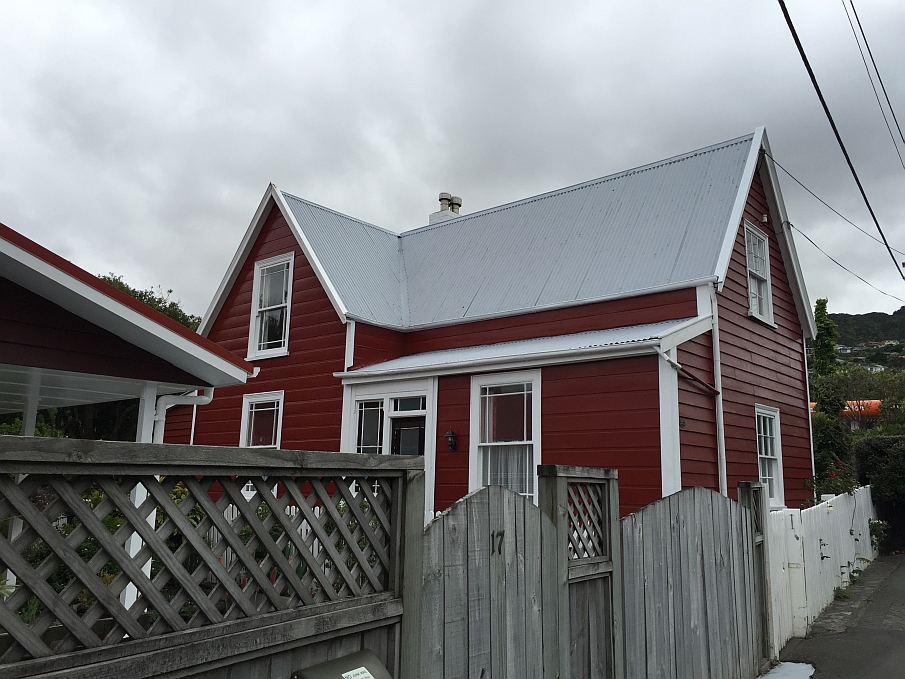
Chew House, Ngaio, Wellington. CC BY-SA 3.0 Image courtesy of commons.wikimedia.org | Roue2 | 15/02/2015 | Roue2 - Wikimedia Commons
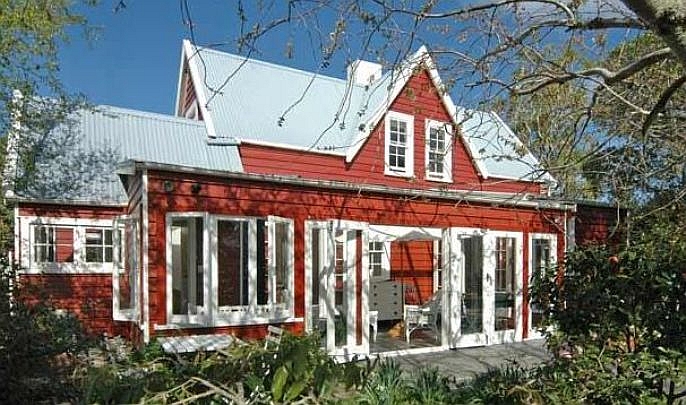
Chew House, Ngaio, Wellington. The sun porch | Wladimir & Denise Ramsteijn
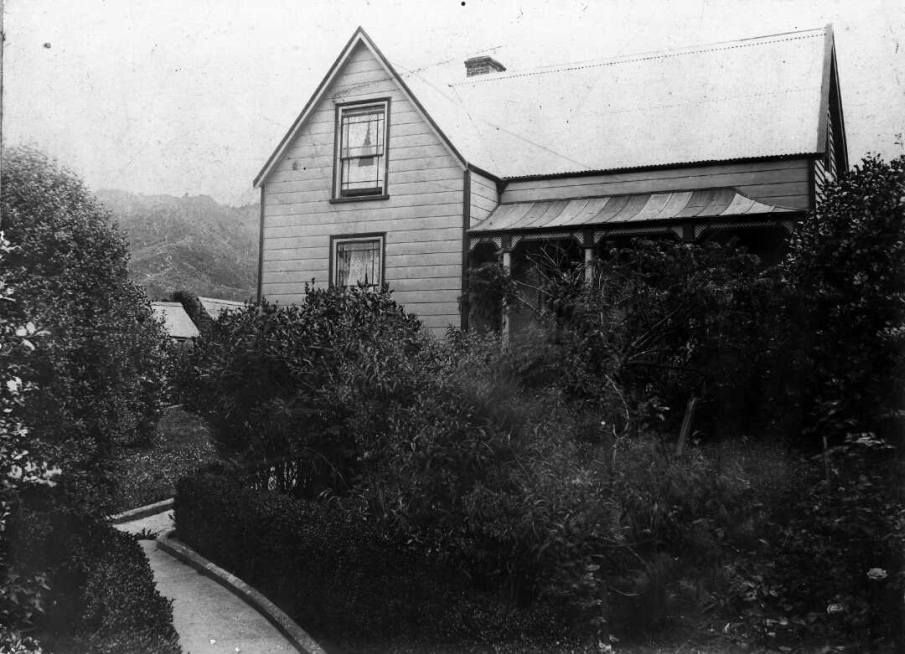
Chew House, Ngaio. Taken pre-1914. Originally known as Millwood Crofton was built in 1865 by John Chew, an early settler, ca 1850s. Ref: 1/2-031670-F | Judy Siers 1937 Photographs | Alexander Turnbull Library
Chew House, Ngaio, Wellington. CC BY-SA 3.0 Image courtesy of commons.wikimedia.org | Roue2 | 15/02/2015 | Roue2 - Wikimedia Commons
Chew House, Ngaio, Wellington. The sun porch | Wladimir & Denise Ramsteijn
Chew House, Ngaio. Taken pre-1914. Originally known as Millwood Crofton was built in 1865 by John Chew, an early settler, ca 1850s. Ref: 1/2-031670-F | Judy Siers 1937 Photographs | Alexander Turnbull Library

List Entry Information

Overview

Status
Listed

List Entry Status
Historic Place Category 1

Access
Private/No Public Access

List Number
1348

Date Entered
27th July 1988

Date of Effect
27th July 1988

City/District Council
Wellington City

Region
Wellington Region

Extent of List Entry

Extent includes the land described as Lot 5 DP 26224 (RT WND3/929), Wellington Land District, and the building described as Chew Cottage thereon. The extent does not include the separate studio building.

Legal description

Lot 5 DP 26224 (RT WND3/929), Wellington Land District

Detailed List Entry
Significance

Historic Significance

Historical Significance or Value The cottage was built as a family home for a city businessman John Chew, 20 years before the railway went through. John Chew arrived in Wellington in 1858 and was trained as an engineer. He owned 200 acres of land in the Kaiwharawhara district in 1860 and had leased another 250 acres. A former sawmill existed somewhere in the vicinity of Nagio Hall. Chew renovated this mill and operated it, but a big flood in the 1860s destroyed the mill. Chew also had interests in timber in the Wairarapa. Hutt Valley, King Country and near Porirua. He also had other business interests in Wellington. The present house is the third on the site and was built c.1865. The other two houses were demolished and these were probably built in the late 1850s and early 1860s. The second house is said to have become Chew's workshop, storeroom and wash-house. Some alterations to the existing house have taken place but do not seem to have detracted from the house's association with local industry (i.e. sawmilling) and with that of an innovative local engineer and entrepreneur.

Physical Significance

ARCHITECTURAL SIGNIFICANCE: Important example of domestic colonial architecture. A typical wooden house of the 1860s and still a family home. Original lines virtually unchanged. This colonial dwelling is one of the few remaining examples in near original condition still standing close to Wellington. TOWNSCAPE/LANDMARK SIGNIFICANCE: A charming reminder of Ngaio's industrial beginnings, set, today among modern buildings.

Construction Details

Start Year

1865

Type

Original Construction

Construction Materials

New Zealand timber - Kauri fittings - Totara. Local Ngaio, Kahikatea is incorporated. According to family legend the cottage was originally painted with iron oxide. Timber (White Pine Kahikatea, Totara & Kauri) and corrugated iron. Land initially part of Kaiwarra sawmill site owned by Joseph Hurley in the 1850s.

Notable Features

Staircase Wooden features - mantelpiece Pelmets, doors Door knobs, keys etc Original Totara fence (picket)

Physical Description

ARCHITECT UNKNOWN: The original architect is unknown but the original owner John Chew was an engineer and probably supervised construction. John Chew was also an early importer of machinery. ARCHITECTURAL DESCRIPTION (Style): Domestic colonial architecture Steep pitched roofs Low eaves Gables Double-hung small-paned windows Plain sawn undressed weatherboards - timber unknown, but, as Chew was a timber merchant, of good quality. MODIFICATIONS: Kitchen and bathroom updated Conservatory on rear Front verandah enclosed Shingles covered

Reference

Information Sources

Onslow Historian

Onslow Historian

Report Written By

This historic place was registered under the Historic Places Act 1980. This report includes the text from the original Building Classification Committee report considered by the NZHPT Board at the time of registration. Please note that entry on the New Zealand Heritage List/Rarangi Korero identifies only the heritage values of the property concerned, and should not be construed as advice on the state of the property, or as a comment of its soundness or safety, including in regard to earthquake risk, safety in the event of fire, or insanitary conditions.

Further Information

Current Usages

Uses: Accommodation

Specific Usage: House

Former Usages

General Usage:: Accommodation

Specific Usage: House

Themes

Web Links

Overview

Status

Listed

List Entry Status

Historic Place Category 1

Access

Private/No Public Access

List Number

1348

Date Entered

27th July 1988

Date of Effect

27th July 1988

City/District Council

Wellington City

Region

Wellington Region

Extent of List Entry

Extent includes the land described as Lot 5 DP 26224 (RT WND3/929), Wellington Land District, and the building described as Chew Cottage thereon. The extent does not include the separate studio building.

Legal description

Lot 5 DP 26224 (RT WND3/929), Wellington Land District

Status

Listed

List Entry Status

Historic Place Category 1

Access

Private/No Public Access

List Number

1348

Date Entered

27th July 1988

Date of Effect

27th July 1988

City/District Council

Wellington City

Region

Wellington Region

Extent of List Entry

Extent includes the land described as Lot 5 DP 26224 (RT WND3/929), Wellington Land District, and the building described as Chew Cottage thereon. The extent does not include the separate studio building.

Legal description

Lot 5 DP 26224 (RT WND3/929), Wellington Land District

Significance

Why is this place significant?

Historic Significance

Historical Significance or Value The cottage was built as a family home for a city businessman John Chew, 20 years before the railway went through. John Chew arrived in Wellington in 1858 and was trained as an engineer. He owned 200 acres of land in the Kaiwharawhara district in 1860 and had leased another 250 acres. A former sawmill existed somewhere in the vicinity of Nagio Hall. Chew renovated this mill and operated it, but a big flood in the 1860s destroyed the mill. Chew also had interests in timber in the Wairarapa. Hutt Valley, King Country and near Porirua. He also had other business interests in Wellington. The present house is the third on the site and was built c.1865. The other two houses were demolished and these were probably built in the late 1850s and early 1860s. The second house is said to have become Chew's workshop, storeroom and wash-house. Some alterations to the existing house have taken place but do not seem to have detracted from the house's association with local industry (i.e. sawmilling) and with that of an innovative local engineer and entrepreneur.

Physical Significance

ARCHITECTURAL SIGNIFICANCE: Important example of domestic colonial architecture. A typical wooden house of the 1860s and still a family home. Original lines virtually unchanged. This colonial dwelling is one of the few remaining examples in near original condition still standing close to Wellington. TOWNSCAPE/LANDMARK SIGNIFICANCE: A charming reminder of Ngaio's industrial beginnings, set, today among modern buildings.

Why is this place significant?

Historic Significance

Historical Significance or Value The cottage was built as a family home for a city businessman John Chew, 20 years before the railway went through. John Chew arrived in Wellington in 1858 and was trained as an engineer. He owned 200 acres of land in the Kaiwharawhara district in 1860 and had leased another 250 acres. A former sawmill existed somewhere in the vicinity of Nagio Hall. Chew renovated this mill and operated it, but a big flood in the 1860s destroyed the mill. Chew also had interests in timber in the Wairarapa. Hutt Valley, King Country and near Porirua. He also had other business interests in Wellington. The present house is the third on the site and was built c.1865. The other two houses were demolished and these were probably built in the late 1850s and early 1860s. The second house is said to have become Chew's workshop, storeroom and wash-house. Some alterations to the existing house have taken place but do not seem to have detracted from the house's association with local industry (i.e. sawmilling) and with that of an innovative local engineer and entrepreneur.

Physical Significance

ARCHITECTURAL SIGNIFICANCE: Important example of domestic colonial architecture. A typical wooden house of the 1860s and still a family home. Original lines virtually unchanged. This colonial dwelling is one of the few remaining examples in near original condition still standing close to Wellington. TOWNSCAPE/LANDMARK SIGNIFICANCE: A charming reminder of Ngaio's industrial beginnings, set, today among modern buildings.

Construction Information

Construction Details

Start Year

1865

startYearCirca

Type

Original Construction

Construction Materials

New Zealand timber - Kauri fittings - Totara. Local Ngaio, Kahikatea is incorporated. According to family legend the cottage was originally painted with iron oxide. Timber (White Pine Kahikatea, Totara & Kauri) and corrugated iron. Land initially part of Kaiwarra sawmill site owned by Joseph Hurley in the 1850s.

Notable Features

Staircase Wooden features - mantelpiece Pelmets, doors Door knobs, keys etc Original Totara fence (picket)

Construction Details

Start Year

1865

startYearCirca

Type

Original Construction

Construction Materials

New Zealand timber - Kauri fittings - Totara. Local Ngaio, Kahikatea is incorporated. According to family legend the cottage was originally painted with iron oxide. Timber (White Pine Kahikatea, Totara & Kauri) and corrugated iron. Land initially part of Kaiwarra sawmill site owned by Joseph Hurley in the 1850s.

Notable Features

Staircase Wooden features - mantelpiece Pelmets, doors Door knobs, keys etc Original Totara fence (picket)

Physical Description

ARCHITECT UNKNOWN: The original architect is unknown but the original owner John Chew was an engineer and probably supervised construction. John Chew was also an early importer of machinery. ARCHITECTURAL DESCRIPTION (Style): Domestic colonial architecture Steep pitched roofs Low eaves Gables Double-hung small-paned windows Plain sawn undressed weatherboards - timber unknown, but, as Chew was a timber merchant, of good quality. MODIFICATIONS: Kitchen and bathroom updated Conservatory on rear Front verandah enclosed Shingles covered

ARCHITECT UNKNOWN: The original architect is unknown but the original owner John Chew was an engineer and probably supervised construction. John Chew was also an early importer of machinery. ARCHITECTURAL DESCRIPTION (Style): Domestic colonial architecture Steep pitched roofs Low eaves Gables Double-hung small-paned windows Plain sawn undressed weatherboards - timber unknown, but, as Chew was a timber merchant, of good quality. MODIFICATIONS: Kitchen and bathroom updated Conservatory on rear Front verandah enclosed Shingles covered

Reference

Historical and Associated Iwi / Hapū / Whānau

Information Sources

Onslow Historian

Onslow Historian

Other Information

This historic place was registered under the Historic Places Act 1980. This report includes the text from the original Building Classification Committee report considered by the NZHPT Board at the time of registration. Please note that entry on the New Zealand Heritage List/Rarangi Korero identifies only the heritage values of the property concerned, and should not be construed as advice on the state of the property, or as a comment of its soundness or safety, including in regard to earthquake risk, safety in the event of fire, or insanitary conditions.

Historical and Associated Iwi / Hapū / Whānau

Information Sources

Onslow Historian

Onslow Historian

Other Information

This historic place was registered under the Historic Places Act 1980. This report includes the text from the original Building Classification Committee report considered by the NZHPT Board at the time of registration. Please note that entry on the New Zealand Heritage List/Rarangi Korero identifies only the heritage values of the property concerned, and should not be construed as advice on the state of the property, or as a comment of its soundness or safety, including in regard to earthquake risk, safety in the event of fire, or insanitary conditions.

Further Information

Current Usages

Uses: Accommodation

Specific Usage: House

Former Usages

General Usage: Accommodation

Specific Usage: House

Current Usages

Uses: Accommodation

Specific Usage: House

Former Usages

General Usage: Accommodation

Specific Usage: House

Location

Loading
Stay up to date with Heritage this month
