The 15,000 acre Porangahau run was taken up by George Hunter (1821-80), son of George Hunter (1788-1843) the first mayor of Wellington, about 1854. He later took up the neighbouring property which brought the holding to 32,000 acres.
George Hunter Jnr lived in Wellington and worked in his father's firm, Bethune and Hunter, Stock and Station Agents. When Kenneth Bethune died, George became the sole partner. He was a member of the Provincial Council from 1857 until the abolition of Provincial Governments, a Member of Parliament (1870-79) and a member of the Wellington City Council until his retirement in 1879. As he was based in Wellington, Porangahau Station was managed by his brothers David and William, and a detailed weekly correspondence took place between Wellington and Porangahau.
Sheep returns increased rapidly from the original flock of 500 to 3400 by 1860 and to over 27000 by 1875. By this time shearing facilities were inadequate. A new shearing shed (now known as the woolshed) and an additional woolshed were required. In the interests of safety from fire these were built a small distance apart by Duncan McDougall in 1876.
In 1877 George Hunter (III) (1859-1930) took over the management of Porangahau Station from his uncles. Following the death of his father in 1880, George and his brother Paul owned the station in partnership. The partnership ended in 1908 with each taking about 16000 acres of the station. George retained the homestead portion. He was prominent in local affairs, being elected Member of Parliament for Waipawa (1896-1899 and 1911-1930) and a member of the Patangata County Council for more than 30 years. He was knighted in 1920.
From the end of World War I George gifted and sold acreages of the station, much of its for the resettlement by ballot of returned servicemen. The present Porangahau Station is about 922 hectares (2540 acres) and until October 1986 was owned by John Humphreys and his wife Elizabeth, Sir George's only daughter. At that time the property passed out of the Hunter family into the hands of the present owners.
George Hunter Jnr lived in Wellington and worked in his father's firm, Bethune and Hunter, Stock and Station Agents. When Kenneth Bethune died, George became the sole partner. He was a member of the Provincial Council from 1857 until the abolition of Provincial Governments, a Member of Parliament (1870-79) and a member of the Wellington City Council until his retirement in 1879. As he was based in Wellington, Porangahau Station was managed by his brothers David and William, and a detailed weekly correspondence took place between Wellington and Porangahau.
Sheep returns increased rapidly from the original flock of 500 to 3400 by 1860 and to over 27000 by 1875. By this time shearing facilities were inadequate. A new shearing shed (now known as the woolshed) and an additional woolshed were required. In the interests of safety from fire these were built a small distance apart by Duncan McDougall in 1876.
In 1877 George Hunter (III) (1859-1930) took over the management of Porangahau Station from his uncles. Following the death of his father in 1880, George and his brother Paul owned the station in partnership. The partnership ended in 1908 with each taking about 16000 acres of the station. George retained the homestead portion. He was prominent in local affairs, being elected Member of Parliament for Waipawa (1896-1899 and 1911-1930) and a member of the Patangata County Council for more than 30 years. He was knighted in 1920.
From the end of World War I George gifted and sold acreages of the station, much of its for the resettlement by ballot of returned servicemen. The present Porangahau Station is about 922 hectares (2540 acres) and until October 1986 was owned by John Humphreys and his wife Elizabeth, Sir George's only daughter. At that time the property passed out of the Hunter family into the hands of the present owners.
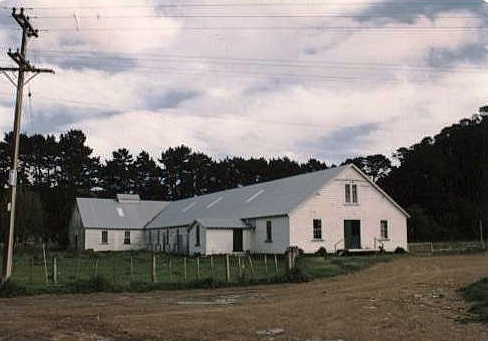
Porangahau Station Woolshed. Original image submitted at time of registration | Julia Gatley | 19/10/1989 | Heritage New Zealand Pouhere Taonga
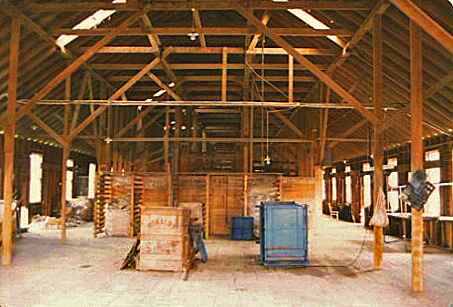
Porangahau Station Woolshed. Original image submitted at time of registration | Julia Gatley | 19/10/1989 | Heritage New Zealand Pouhere Taonga
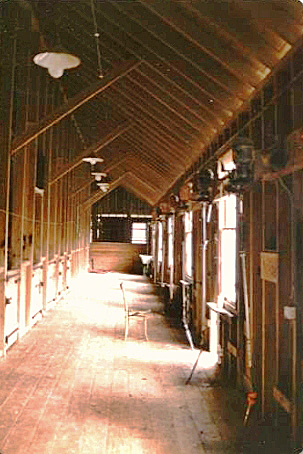
Porangahau Station Woolshed. Original image submitted at time of registration | Julia Gatley | 19/10/1989 | Heritage New Zealand Pouhere Taonga
Porangahau Station Woolshed. Original image submitted at time of registration | Julia Gatley | 19/10/1989 | Heritage New Zealand Pouhere Taonga
Porangahau Station Woolshed. Original image submitted at time of registration | Julia Gatley | 19/10/1989 | Heritage New Zealand Pouhere Taonga
Porangahau Station Woolshed. Original image submitted at time of registration | Julia Gatley | 19/10/1989 | Heritage New Zealand Pouhere Taonga