

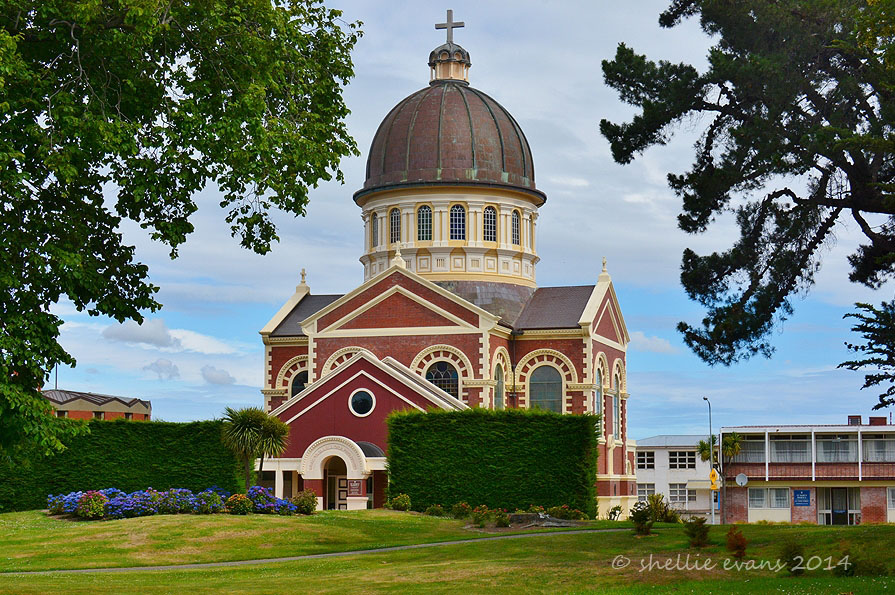
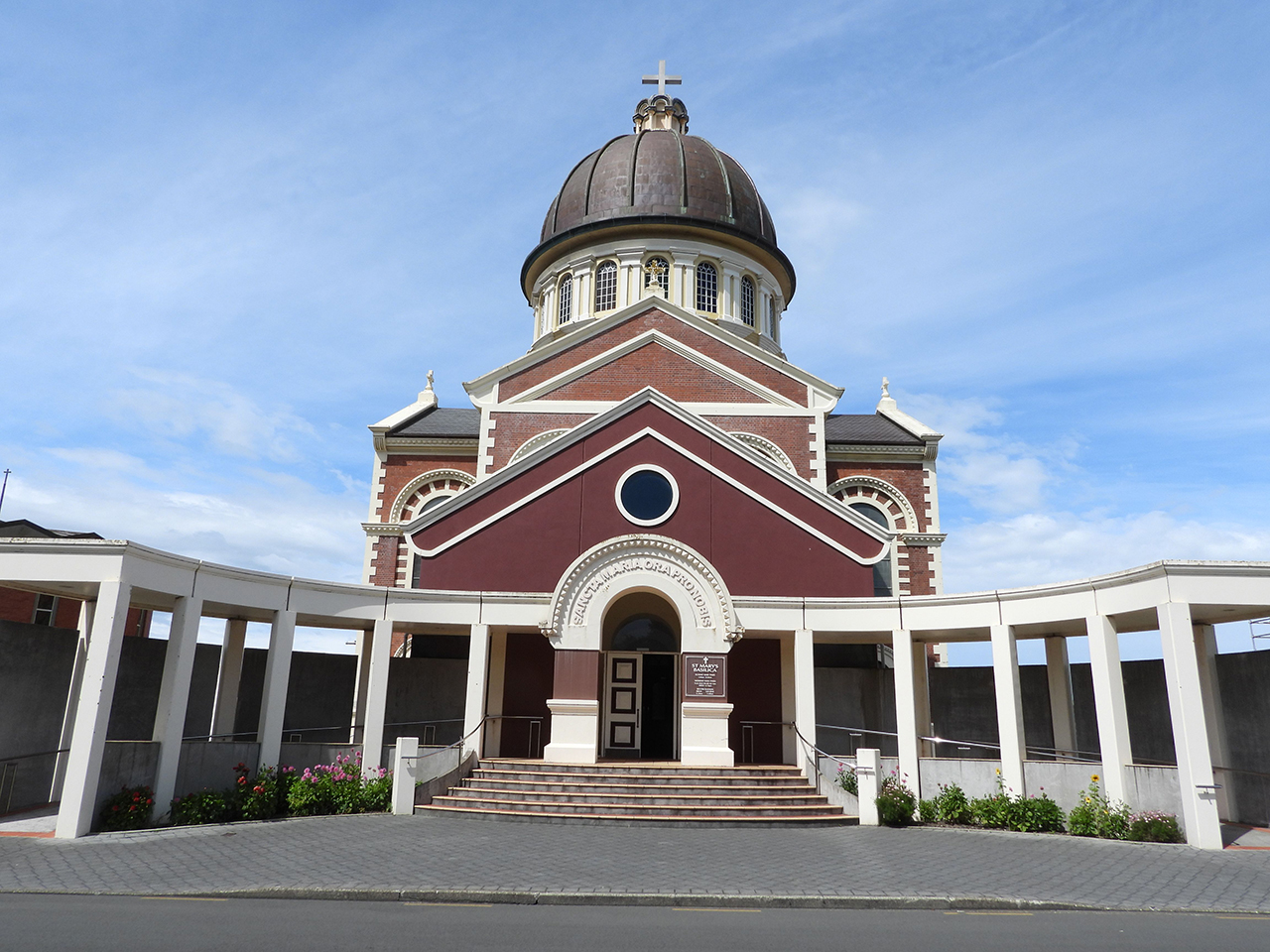
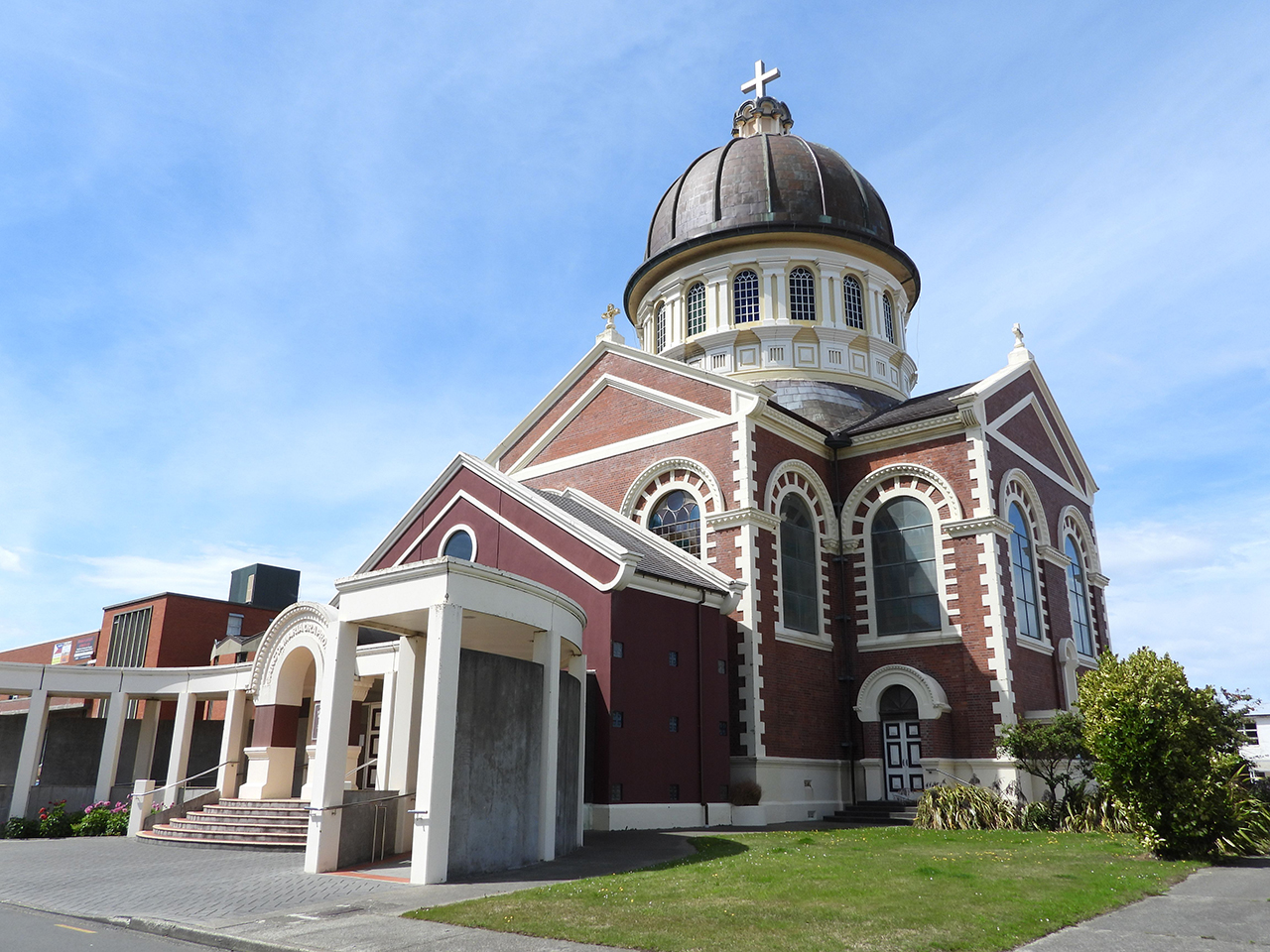
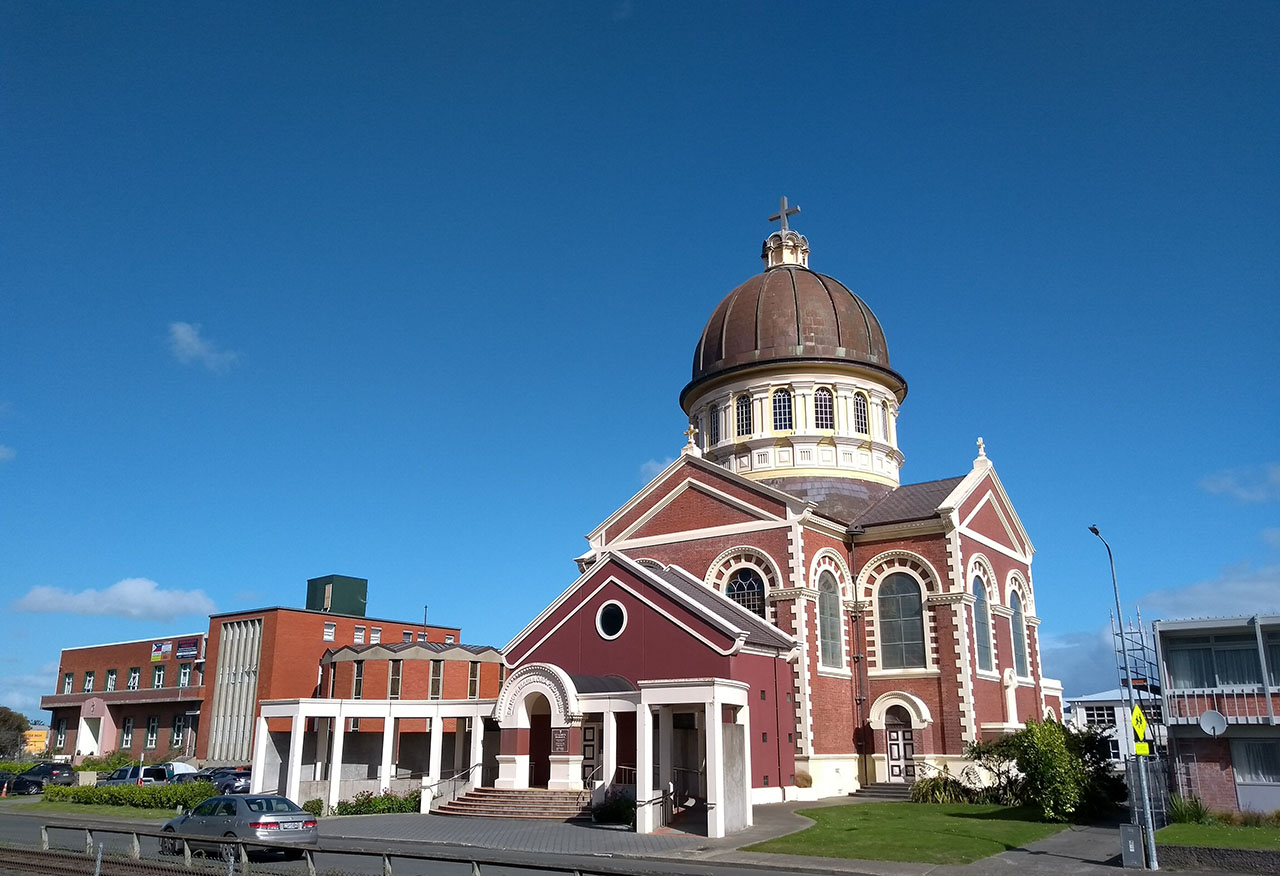
As townscape the impressive architecture of St Mary's Basilica makes a notable contribution to the city.
List Entry Information
Status
Listed
List Entry Status
Historic Place Category 1
Access
Private/No Public Access
List Number
392
Date Entered
22nd November 1984
Date of Effect
22nd November 1984
City/District Council
Invercargill City
Region
Southland Region
Legal description
Secs 2/3 Blk XVI Invercargill Town
Status
Listed
List Entry Status
Historic Place Category 1
Access
Private/No Public Access
List Number
392
Date Entered
22nd November 1984
Date of Effect
22nd November 1984
City/District Council
Invercargill City
Region
Southland Region
Legal description
Secs 2/3 Blk XVI Invercargill Town
Construction Professional
Name
Petre, Francis William
Type
Architect
Biography
Petre (1847-1918) was born in Lower Hutt. He was the son of the Hon. Henry William Petre and grandson of the eleventh Baron Petre, Chairman of the second New Zealand Company. Petre trained in London as a naval architect, engineer, and architect, returning to New Zealand in 1872. During the next three years he was employed by Brogden and Sons, English railway contractors, superintending the construction of the Dunedin-Clutha and the Blenheim-Picton railways. He set up office in Dunedin in 1875 as an architect and civil engineer. He designed a house for Judge Chapman (1875), followed by 'Cargill's Castle' (1876) for E B Cargill and then St Dominic's Priory (1877), all in mass concrete. It is for his church designs and for his pioneering use of concrete that Petre is most recognised. His church buildings include St Joseph's Cathedral, Dunedin (1878-86), Sacred Heart Basilica (now Cathedral of the Sacred Heart), Wellington (1901), St Patrick's Basilica, Oamaru, (1894 and 1903) and the Cathedral of the Blessed Sacrament, Christchurch, (1904-05), which is the outstanding achievement of his career. Petre's commercial buildings include the Guardian Royal Exchange Assurance Building (1881-82) and Pheonix House (now Airport House, c.1885), both in Dunedin.
Construction Details
Start Year
1905
Type
Original Construction
Construction Professional
Name
Petre, Francis William
Type
Architect
Biography
Petre (1847-1918) was born in Lower Hutt. He was the son of the Hon. Henry William Petre and grandson of the eleventh Baron Petre, Chairman of the second New Zealand Company. Petre trained in London as a naval architect, engineer, and architect, returning to New Zealand in 1872. During the next three years he was employed by Brogden and Sons, English railway contractors, superintending the construction of the Dunedin-Clutha and the Blenheim-Picton railways. He set up office in Dunedin in 1875 as an architect and civil engineer. He designed a house for Judge Chapman (1875), followed by 'Cargill's Castle' (1876) for E B Cargill and then St Dominic's Priory (1877), all in mass concrete. It is for his church designs and for his pioneering use of concrete that Petre is most recognised. His church buildings include St Joseph's Cathedral, Dunedin (1878-86), Sacred Heart Basilica (now Cathedral of the Sacred Heart), Wellington (1901), St Patrick's Basilica, Oamaru, (1894 and 1903) and the Cathedral of the Blessed Sacrament, Christchurch, (1904-05), which is the outstanding achievement of his career. Petre's commercial buildings include the Guardian Royal Exchange Assurance Building (1881-82) and Pheonix House (now Airport House, c.1885), both in Dunedin.
Construction Details
Start Year
1905
Type
Original Construction
Historical and Associated Iwi / Hapū / Whānau
Other Information
This place was identified as significant under previous legislation with different information requirements. It remains significant under the current legislation. There is opportunity under our legislation and policies to add to this information. Further information about this place may be available from the Otago/Southland Office of Heritage New Zealand Pouhere Taonga. Please note that entry on the New Zealand Heritage List/Rarangi Korero identifies only the heritage values of the property concerned, and should not be construed as advice on the state of the property, or as a comment of its soundness or safety, including in regard to earthquake risk, safety in the event of fire, or insanitary conditions. This historic place was registered under the Historic Places Act 1980. The following text is the original citation considered by the NZHPT Board at the time of registration. Information in square brackets indicate modifications made after the paper was considered by the NZHPT Board.
Historical and Associated Iwi / Hapū / Whānau
Other Information
This place was identified as significant under previous legislation with different information requirements. It remains significant under the current legislation. There is opportunity under our legislation and policies to add to this information. Further information about this place may be available from the Otago/Southland Office of Heritage New Zealand Pouhere Taonga. Please note that entry on the New Zealand Heritage List/Rarangi Korero identifies only the heritage values of the property concerned, and should not be construed as advice on the state of the property, or as a comment of its soundness or safety, including in regard to earthquake risk, safety in the event of fire, or insanitary conditions. This historic place was registered under the Historic Places Act 1980. The following text is the original citation considered by the NZHPT Board at the time of registration. Information in square brackets indicate modifications made after the paper was considered by the NZHPT Board.
Current Usages
Uses: Religion
Specific Usage: Church
Former Usages
General Usage: Religion
Specific Usage: Church
Current Usages
Uses: Religion
Specific Usage: Church
Former Usages
General Usage: Religion
Specific Usage: Church
