DonateMembershipVisit Heritage
  • Tūrangawaewae
    Places
  • Tira Māori
    Māori Heritage
  • Poutairangahia
    Archaeology
  • Rauemi
    Resources
  • Mō Tātou
    About Us
  • New Zealand Heritage List
  • Nominate and submit
  • Explore the List
  • National Historic Landmarks
  • Plaques
  • Rainbow List Project
  • Lost heritage
  • Visit Heritage
  • Our properties
  • Turnbull House Project
  • Collections
  • Shop
  • Tohu Whenua
  • Tira Māori
  • Conserving Māori heritage
  • Marae built heritage
  • Māori heritage on the List
  • Hinemihi—Te Hokinga Mai
  • What is archaeology?
  • Is there a site on my property?
  • What are my legal requirements?
  • Affecting an archaeological site
  • Declaring an archaeological site
  • Archaeology FAQs
  • Archaeology Digital Library
  • Archaeology guidelines and templates
  • Resources
  • Funding
  • Publications
  • Sustainable management guides
  • Disaster recovery
  • Podcasts & digital resources
  • Education Hub
  • Conservation plans
  • About
  • Board
  • Māori Heritage Council
  • Senior Staff
  • Offices
  • Contact us
  • Careers
  • Covenants
  • Fast-track
  • Corporate documents
  • Currently consulting on
  • Our submissions
  • News
  • Covid-19 response
Quick links
Rārangi Kōrero | The List
Explore the List
National Historic Landmarks
Ngā Manawhenua o Aotearoa me ōna Kōrero Tūturu
Quick links
Tapuwae
A Vision for Places of Māori Heritage
Funding for Māori Heritage
Resources
Quick links
Archaeological Authority Portal
Applying for an archaeological authority
Archaeology FAQs
Browse the most frequently asked questions about archaeological authorities and the archaeological process.
Quick links
Quick links
Contact us
Offices
DonateMembershipVisit Heritage
  • Tūrangawaewae
    Places
  • Tira Māori
    Māori Heritage
  • Poutairangahia
    Archaeology
  • Rauemi
    Resources
  • Mō Tātou
    About Us
  • New Zealand Heritage List
  • Nominate and submit
  • Explore the List
  • National Historic Landmarks
  • Plaques
  • Rainbow List Project
  • Lost heritage
  • Visit Heritage
  • Our properties
  • Turnbull House Project
  • Collections
  • Shop
  • Tohu Whenua
  • Tira Māori
  • Conserving Māori heritage
  • Marae built heritage
  • Māori heritage on the List
  • Hinemihi—Te Hokinga Mai
  • What is archaeology?
  • Is there a site on my property?
  • What are my legal requirements?
  • Affecting an archaeological site
  • Declaring an archaeological site
  • Archaeology FAQs
  • Archaeology Digital Library
  • Archaeology guidelines and templates
  • Resources
  • Funding
  • Publications
  • Sustainable management guides
  • Disaster recovery
  • Podcasts & digital resources
  • Education Hub
  • Conservation plans
  • About
  • Board
  • Māori Heritage Council
  • Senior Staff
  • Offices
  • Contact us
  • Careers
  • Covenants
  • Fast-track
  • Corporate documents
  • Currently consulting on
  • Our submissions
  • News
  • Covid-19 response
Quick links
Rārangi Kōrero | The List
Explore the List
National Historic Landmarks
Ngā Manawhenua o Aotearoa me ōna Kōrero Tūturu
Quick links
Tapuwae
A Vision for Places of Māori Heritage
Funding for Māori Heritage
Resources
Quick links
Archaeological Authority Portal
Applying for an archaeological authority
Archaeology FAQs
Browse the most frequently asked questions about archaeological authorities and the archaeological process.
Quick links
Quick links
Contact us
Offices
  • Places
  • Nominate and submit
  • National Historic Landmarks
  • Places
  • Nominate and submit
  • National Historic Landmarks
  • Tira Māori
  • Conserving Māori heritage
  • Marae built heritage
  • Tira Māori
  • Conserving Māori heritage
  • Marae built heritage
  • Archaeological authorities
  • Archaeology Digital Library
  • Archaeological authorities
  • Archaeology Digital Library
  • All resources
  • Publications
  • Funding
  • All resources
  • Publications
  • Funding
  • FAQs
  • FAQs
Follow us on:
Places
  • Places
  • Nominate and submit
  • National Historic Landmarks
Tira Māori
  • Tira Māori
  • Conserving Māori heritage
  • Marae built heritage
Archaeology
  • Archaeological authorities
  • Archaeology Digital Library
Resources
  • All resources
  • Publications
  • Funding
FAQs
  • FAQs
Follow us on
HomePrivacyTerms and conditionsAbout this site
© Heritage New Zealand Pouhere Taonga 2026.
 
Te Kauwhata Winery

55 Te Kauwhata Road, TE KAUWHATA

Private

Historic Place Category 1

List No. 4174

Quick links:
List GalleryLocationDetails
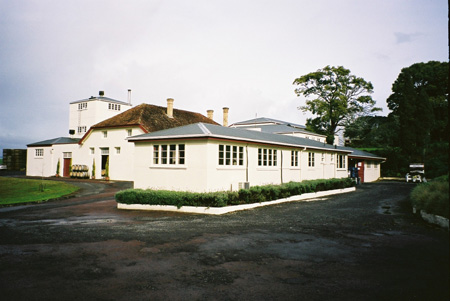
The winery complex at Te Kauwhata near Huntly has played a major role in the development of the New Zealand wine industry, having pioneered state involvement in viticulture and other aspects of production. Starting out as the site of an experimental wattle plantation in 1886, the station was established by the Ministry of Agriculture in 1893 as one of the first two experimental farms in the country. Its purpose was to test crops, including vines, that could be grown on previously uncultivated clay soils in the Waikato. Te Kauwhata took a pre-eminent role in experiments on grape and wine production, particularly after Romeo Bragato - who helped to develop the Victorian wine industry in Australia - became Government Viticulturalist in 1902. It was the only experimental farm to continue its efforts in this field after the 1920s, when its sister-station at Arataki in Havelock North closed down.

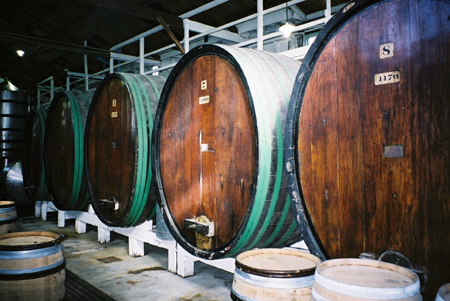
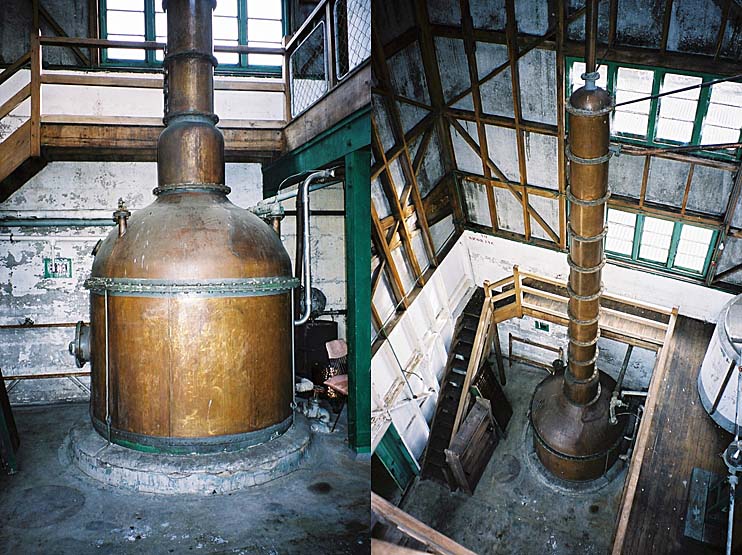
The earliest permanent winery building at the station was erected in 1903-1904, with construction probably being overseen by Bragato himself. The initial structure consists of a concrete fermenting house and cellar, topped by a half-hipped roof with red tiles. Its architectural style appears to have been inspired by agrarian structures in the Mediterranean region, harking back to the traditional heartland of wine production in Europe. Initial success for the station included the development of disease-resistant rootstock, quality vinefera vines and acclaim for its wine at the Franco-British Exhibition of 1908. A further cellar was added before the prohibition movement effectively put an end to large-scale efforts, when Bragato left for Canada. Further expansion took place in the 1920s, and more substantially during the Second World War, when wine production was increased to raise revenue for the war effort. Experiments in the 1950s included brandy manufacture, carried out in a very large copper still. Sold by the government in the early 1990s, the complex retains many original fixtures and furnishings, including concrete wine vats and brandy-making equipment. It also contains a number of large oval-shaped wooden barrels, obtained as reparations from Germany after the First World War.

Te Kauwhata winery is nationally significant for having pioneered aspects of viticulture and wine production in New Zealand, particularly during the early twentieth century. It is important for its connections with Romeo Bragato, the first viticultural scientist in the country. The complex is valuable for illustrating the history of state involvement in grape and wine production from its inception to the end of the twentieth century. Still used as a winery, the complex and its equipment is significant for demonstrating changing approaches to wine and brandy production during the last century, including techniques of manufacture. The winery contains a number of elements that are rare or unique in New Zealand including its still tower, distilling equipment - such as the only nineteenth-century pot-still in the country - and the wooden barrels supplied as war reparations. Its 1903-1904 structure is unusual in its design and concrete construction. The complex is a reminder of government leadership in agricultural science and is the only substantial remnant of the early experimental farm established in the 1890s. It illustrates the Liberal government's commitment to agricultural expansion during its earliest period of political power (1891-1912), when large estates were broken up and transferred to smaller farmers. It also shows changing attitudes to innovation, work practices and management throughout the twentieth century. The station was a major employer - often of seasonal Maori labour - and is the progenitor of the current settlement at Te Kauwhata. It is important for its role in the transformation of the immediate and regional landscape, and retains an aesthetic rural setting that includes nearby vineyards.
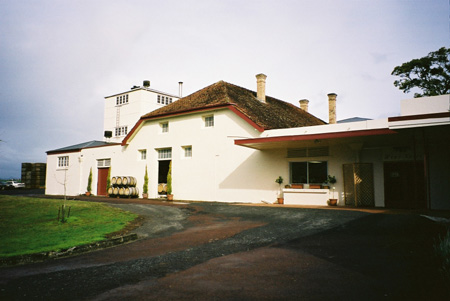
Te Kauwhata Winery, Te Kauwhata. Image from file in HNZPT Tauranga Office | 07/09/2007 | Heritage New Zealand Pouhere Taonga
Te Kauwhata Winery, Te Kauwhata. Image from file in HNZPT Tauranga Office | 07/09/2007 | Hritage New Zealand Pouhere Taonga
Te Kauwhata Winery, Te Kauwhata | Martin Jones | 17/07/2001 | Heritage New Zealand Pouhere Taonga
Te Kauwhata Winery, Te Kauwhata. The old still no longer in use | Martin Jones | 17/07/2001 | Heritage New Zealand Pouhere Taonga
Te Kauwhata Winery, Te Kauwhata. Image from file in HNZPT Tauranga Office | 07/09/2007 | Heritage New Zealand Pouhere Taonga
Te Kauwhata Winery, Te Kauwhata. Image from file in HNZPT Tauranga Office | 07/09/2007 | Hritage New Zealand Pouhere Taonga
Te Kauwhata Winery, Te Kauwhata | Martin Jones | 17/07/2001 | Heritage New Zealand Pouhere Taonga
Te Kauwhata Winery, Te Kauwhata. The old still no longer in use | Martin Jones | 17/07/2001 | Heritage New Zealand Pouhere Taonga

List Entry Information

Overview

Status
Listed

List Entry Status
Historic Place Category 1

Access
Private/No Public Access

List Number
4174

Date Entered
29th November 1985

Date of Effect
29th November 1985

City/District Council
Waikato District

Region
Waikato Region

Legal description

Lot 1 DPS 69220

Detailed List Entry

Construction Details

Start Year

1886

Type

Other

Description

Site of wattle plantation

Start Year

1893

Type

Other

Description

Site of experimental farm

Start Year

1900

Type

Other

Description

Site of timber wine cellar

Start Year

1903

Finish Year

1904

Type

Original Construction

Description

Construction of concrete fermenting house and cellar

Start Year

1906

Finish Year

1912

Type

Addition

Description

Eastern cellar

Start Year

1914

Type

Addition

Description

Cart dock

Start Year

1925

Type

Addition

Description

Cart dock expanded to form western cellar

Period

by 1925

Start Year

1941

Finish Year

1942

Type

Addition

Description

Top cellar, middle cellar and still tower

Start Year

1945

Finish Year

1947

Type

Addition

Description

Dining and lavatory block

Start Year

1951

Type

Addition

Description

Bottle store

Start Year

1963

Type

Modification

Description

Office added and internal modifications to dining block

Start Year

1974

Type

Modification

Description

Internal modifications to top cellar, including removal of several vats

Notable Features

Registration covers all connected buildings forming the current complex, their fixtures and finishes. It also includes recent modifications.

Reference

Completion Date

20th November 2001

Report Written By

Martin Jones

Information Sources

Forder, 1977

P.G. Forder, 'The Te Kauwhata Viticultural Research Centre (1886-1977)', MA Research Essay, University of Auckland, 1977

New Zealand Historic Places Trust (NZHPT)

New Zealand Historic Places Trust

Nightingale, 1992

Tony Nightingale, White Collars and Gumboots: A History of the Ministry of Agriculture and Fisheries 1892-1992, Palmerston North, 1992

Thorpy, 1971

Frank Thorpy, Wine in New Zealand, Auckland, 1971

Conservation Plan

Conservation Plan

Report Written By

This place was identified as significant under previous legislation with different information requirements. It remains significant under the current legislation. There is opportunity under our legislation and policies to add to this information. Further information about this place may be available from the Lower Northern Office of Heritage New Zealand Pouhere Taonga. Please note that entry on the New Zealand Heritage List/Rarangi Korero identifies only the heritage values of the property concerned, and should not be construed as advice on the state of the property, or as a comment of its soundness or safety, including in regard to earthquake risk, safety in the event of fire, or insanitary conditions.

Further Information

Current Usages

Uses: Agriculture

Specific Usage: Vineyard/Winery

Former Usages

General Usage:: Research

Specific Usage: Scientific building/ laboratory

Themes

Web Links

description:

url: http://www.rongopaiwines.co.nz/

Overview

Status

Listed

List Entry Status

Historic Place Category 1

Access

Private/No Public Access

List Number

4174

Date Entered

29th November 1985

Date of Effect

29th November 1985

City/District Council

Waikato District

Region

Waikato Region

Legal description

Lot 1 DPS 69220

Status

Listed

List Entry Status

Historic Place Category 1

Access

Private/No Public Access

List Number

4174

Date Entered

29th November 1985

Date of Effect

29th November 1985

City/District Council

Waikato District

Region

Waikato Region

Legal description

Lot 1 DPS 69220

Construction Information

Construction Details

Start Year

1886

Type

Other

Description

Site of wattle plantation

Start Year

1893

Type

Other

Description

Site of experimental farm

Start Year

1900

startYearCirca

Type

Other

Description

Site of timber wine cellar

Start Year

1903

Finish Year

1904

Type

Original Construction

Description

Construction of concrete fermenting house and cellar

Start Year

1906

startYearCirca

Finish Year

1912

finishYearCirca

Type

Addition

Description

Eastern cellar

Start Year

1914

Type

Addition

Description

Cart dock

Start Year

1925

startYearCirca

Type

Addition

Description

Cart dock expanded to form western cellar

Period

by 1925

Start Year

1941

Finish Year

1942

Type

Addition

Description

Top cellar, middle cellar and still tower

Start Year

1945

Finish Year

1947

Type

Addition

Description

Dining and lavatory block

Start Year

1951

Type

Addition

Description

Bottle store

Start Year

1963

startYearCirca

Type

Modification

Description

Office added and internal modifications to dining block

Start Year

1974

Type

Modification

Description

Internal modifications to top cellar, including removal of several vats

Notable Features

Registration covers all connected buildings forming the current complex, their fixtures and finishes. It also includes recent modifications.

Construction Details

Start Year

1886

Type

Other

Description

Site of wattle plantation

Start Year

1893

Type

Other

Description

Site of experimental farm

Start Year

1900

startYearCirca

Type

Other

Description

Site of timber wine cellar

Start Year

1903

Finish Year

1904

Type

Original Construction

Description

Construction of concrete fermenting house and cellar

Start Year

1906

startYearCirca

Finish Year

1912

finishYearCirca

Type

Addition

Description

Eastern cellar

Start Year

1914

Type

Addition

Description

Cart dock

Start Year

1925

startYearCirca

Type

Addition

Description

Cart dock expanded to form western cellar

Period

by 1925

Start Year

1941

Finish Year

1942

Type

Addition

Description

Top cellar, middle cellar and still tower

Start Year

1945

Finish Year

1947

Type

Addition

Description

Dining and lavatory block

Start Year

1951

Type

Addition

Description

Bottle store

Start Year

1963

startYearCirca

Type

Modification

Description

Office added and internal modifications to dining block

Start Year

1974

Type

Modification

Description

Internal modifications to top cellar, including removal of several vats

Notable Features

Registration covers all connected buildings forming the current complex, their fixtures and finishes. It also includes recent modifications.

Reference

Historical and Associated Iwi / Hapū / Whānau

Completion Date

20th November 2001

Report Written By

Martin Jones

Information Sources

Forder, 1977

P.G. Forder, 'The Te Kauwhata Viticultural Research Centre (1886-1977)', MA Research Essay, University of Auckland, 1977

New Zealand Historic Places Trust (NZHPT)

New Zealand Historic Places Trust

Nightingale, 1992

Tony Nightingale, White Collars and Gumboots: A History of the Ministry of Agriculture and Fisheries 1892-1992, Palmerston North, 1992

Thorpy, 1971

Frank Thorpy, Wine in New Zealand, Auckland, 1971

Conservation Plan

Conservation Plan

Other Information

This place was identified as significant under previous legislation with different information requirements. It remains significant under the current legislation. There is opportunity under our legislation and policies to add to this information. Further information about this place may be available from the Lower Northern Office of Heritage New Zealand Pouhere Taonga. Please note that entry on the New Zealand Heritage List/Rarangi Korero identifies only the heritage values of the property concerned, and should not be construed as advice on the state of the property, or as a comment of its soundness or safety, including in regard to earthquake risk, safety in the event of fire, or insanitary conditions.

Historical and Associated Iwi / Hapū / Whānau

Completion Date

20th November 2001

Report Written By

Martin Jones

Information Sources

Forder, 1977

P.G. Forder, 'The Te Kauwhata Viticultural Research Centre (1886-1977)', MA Research Essay, University of Auckland, 1977

New Zealand Historic Places Trust (NZHPT)

New Zealand Historic Places Trust

Nightingale, 1992

Tony Nightingale, White Collars and Gumboots: A History of the Ministry of Agriculture and Fisheries 1892-1992, Palmerston North, 1992

Thorpy, 1971

Frank Thorpy, Wine in New Zealand, Auckland, 1971

Conservation Plan

Conservation Plan

Other Information

This place was identified as significant under previous legislation with different information requirements. It remains significant under the current legislation. There is opportunity under our legislation and policies to add to this information. Further information about this place may be available from the Lower Northern Office of Heritage New Zealand Pouhere Taonga. Please note that entry on the New Zealand Heritage List/Rarangi Korero identifies only the heritage values of the property concerned, and should not be construed as advice on the state of the property, or as a comment of its soundness or safety, including in regard to earthquake risk, safety in the event of fire, or insanitary conditions.

Further Information

Current Usages

Uses: Agriculture

Specific Usage: Vineyard/Winery

Former Usages

General Usage: Research

Specific Usage: Scientific building/ laboratory

Web Links

description:

url: http://www.rongopaiwines.co.nz/

Current Usages

Uses: Agriculture

Specific Usage: Vineyard/Winery

Former Usages

General Usage: Research

Specific Usage: Scientific building/ laboratory

Web Links

description:

url: http://www.rongopaiwines.co.nz/

Location

Loading
Sign up to hear more

Get the latest heritage news, features and events delivered
straight to your inbox.

Subscribe