Te Aroha Hot Springs was one of the main health spas to be developed in New Zealand at the end of the nineteenth century for tourists. It was at its peak of popularity in the 1880's and 1890's with its mineral waters being compared to those of famous nineteenth Century European spas.
Main European settlement in the town started with the discovery of gold in the 1880's. Two primitive structures sunk around 1880 became the first baths on the domain and as Te Aroha's reputation as a "spa town" grew new hotels and boarding houses were opened to accommodate people coming to recuperate or receive treatments. Transportation to the resort was via a coach service (from 1881) or rail (from 1886).
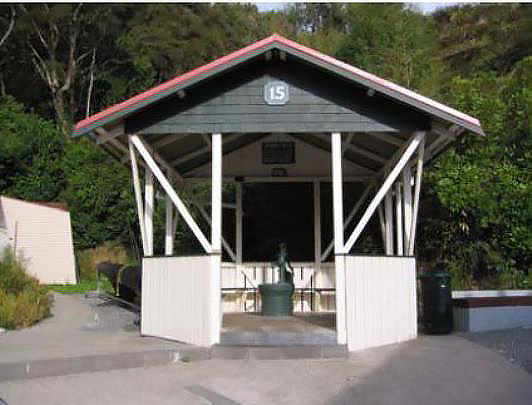
From 1883 the first permanent bathhouses were being constructed and just four years later there were seven bathhouses, a drinking fountain, extensive fencing, drainage systems and planting established. Recreational areas were also developed for outdoor sports. Up until 1902 Te Aroha was the most popular and most lucrative of the three government sanatoria. People came to sample the therapeutic and curative qualities of the baths, massage facilities, aortal treatment (graduated hill climbing up to Bald Spur) for heart disease and drink the mineral waters. Ingesting the water was believed to be a cure for gout, anaemia and dyspepsia as well as being a good laxative and diuretic. In 1886 water from Spring 8 and 15 was bottled and sold.
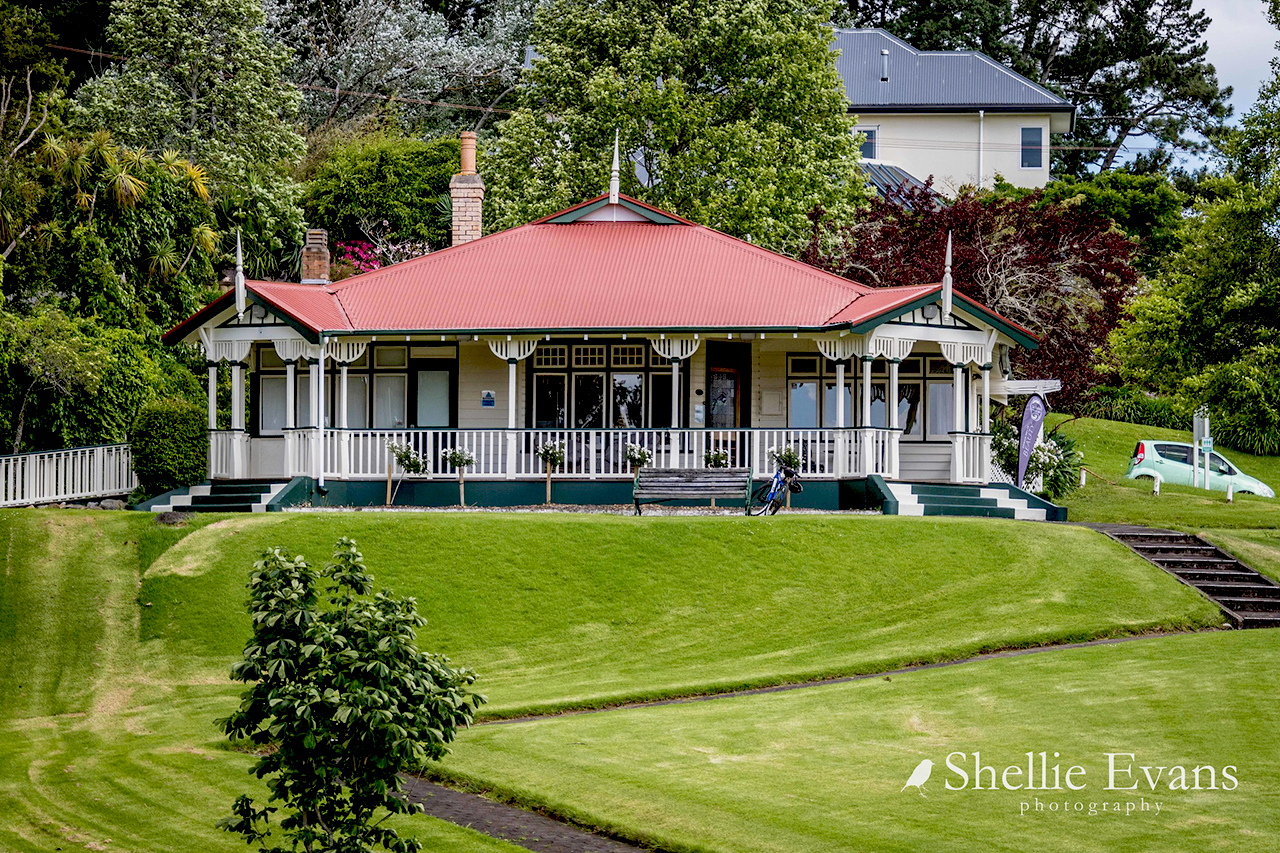
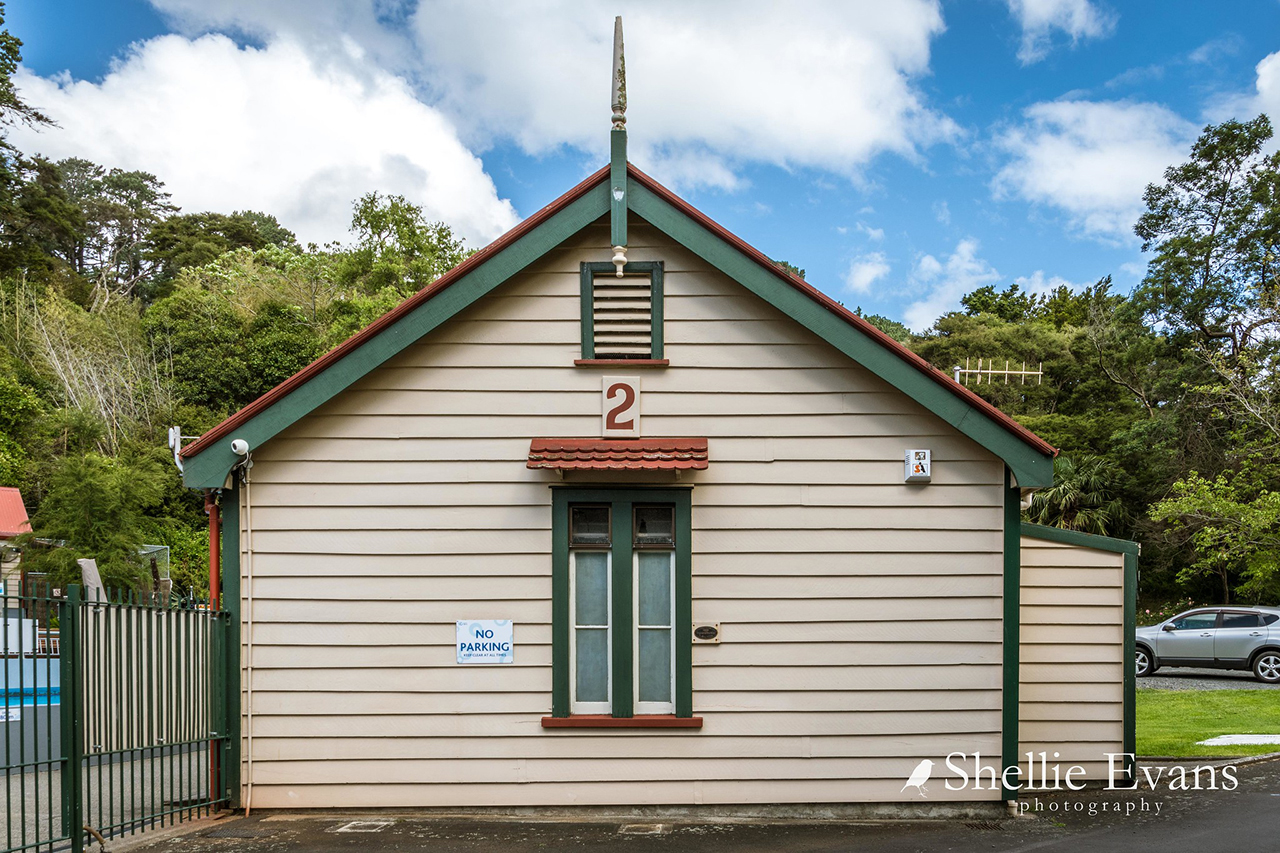
Up until 1902 Te Aroha grew in popularity and in size. In 1903 the Department of Tourist and Health Resorts took over control of the Domain and the Domain Board was dismantled. From this time on the popularity of the Te Aroha baths began to decline as government funding and the tourists attention became increasingly drawn to Rotorua. From the 1930's onward Te Aroha experienced financial losses and by the 1950's a number of the original springs were closed. In many ways, 1961 saw the end of the original Te Aroha Spa. In that year the Cadman baths were closed, the cold water swimming pool was filled in and now it is a popular park and picnic area with a modern spa area, original No 2 bathhouse and the Museum (former Cadman Building).
Main European settlement in the town started with the discovery of gold in the 1880's. Two primitive structures sunk around 1880 became the first baths on the domain and as Te Aroha's reputation as a "spa town" grew new hotels and boarding houses were opened to accommodate people coming to recuperate or receive treatments. Transportation to the resort was via a coach service (from 1881) or rail (from 1886).
From 1883 the first permanent bathhouses were being constructed and just four years later there were seven bathhouses, a drinking fountain, extensive fencing, drainage systems and planting established. Recreational areas were also developed for outdoor sports. Up until 1902 Te Aroha was the most popular and most lucrative of the three government sanatoria. People came to sample the therapeutic and curative qualities of the baths, massage facilities, aortal treatment (graduated hill climbing up to Bald Spur) for heart disease and drink the mineral waters. Ingesting the water was believed to be a cure for gout, anaemia and dyspepsia as well as being a good laxative and diuretic. In 1886 water from Spring 8 and 15 was bottled and sold.
Up until 1902 Te Aroha grew in popularity and in size. In 1903 the Department of Tourist and Health Resorts took over control of the Domain and the Domain Board was dismantled. From this time on the popularity of the Te Aroha baths began to decline as government funding and the tourists attention became increasingly drawn to Rotorua. From the 1930's onward Te Aroha experienced financial losses and by the 1950's a number of the original springs were closed. In many ways, 1961 saw the end of the original Te Aroha Spa. In that year the Cadman baths were closed, the cold water swimming pool was filled in and now it is a popular park and picnic area with a modern spa area, original No 2 bathhouse and the Museum (former Cadman Building).
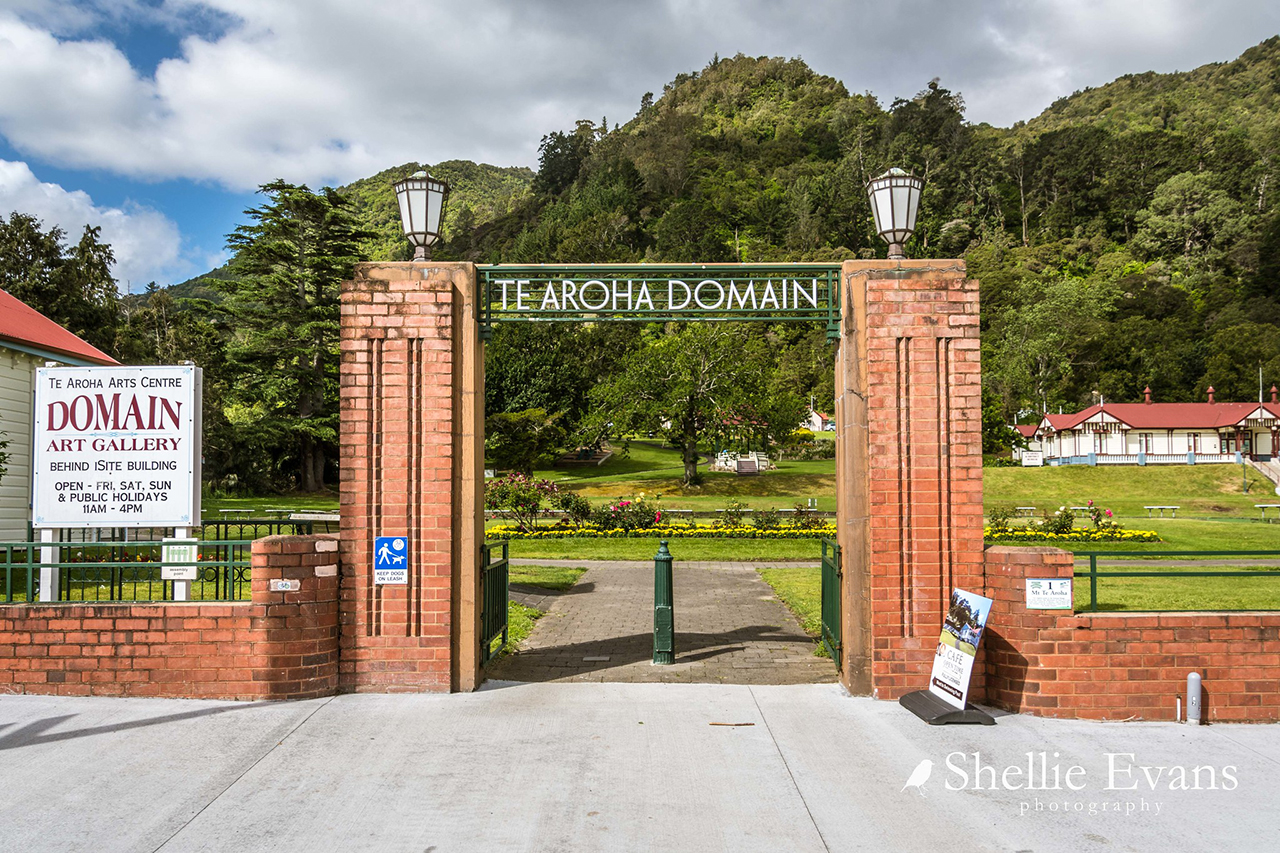
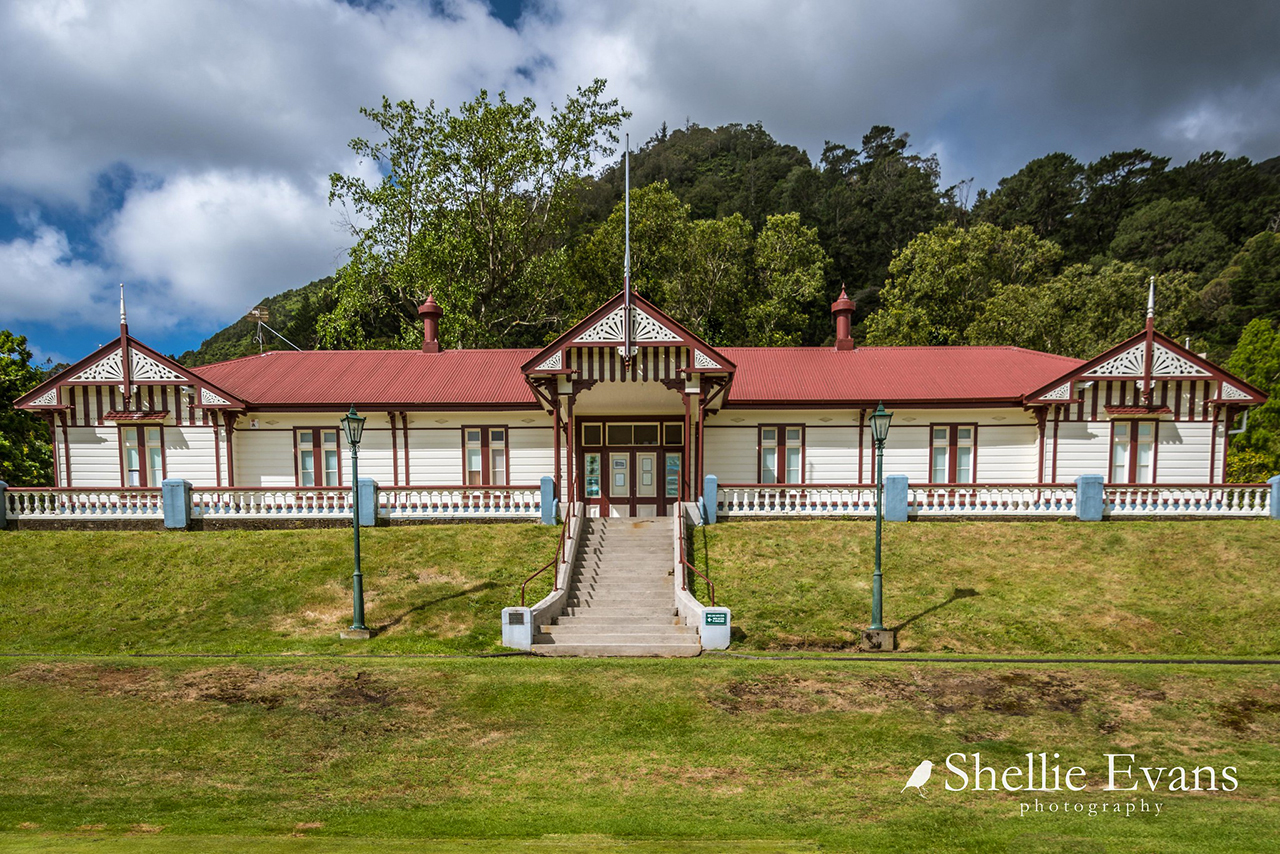
Te Aroha Domain Historic Area. Entrance. CC BY-NC-ND 2.0 Image courtesy of www.flickr.com | Shellie Evans – flyingkiwigirl | 13/09/2023 | Shellie Evans
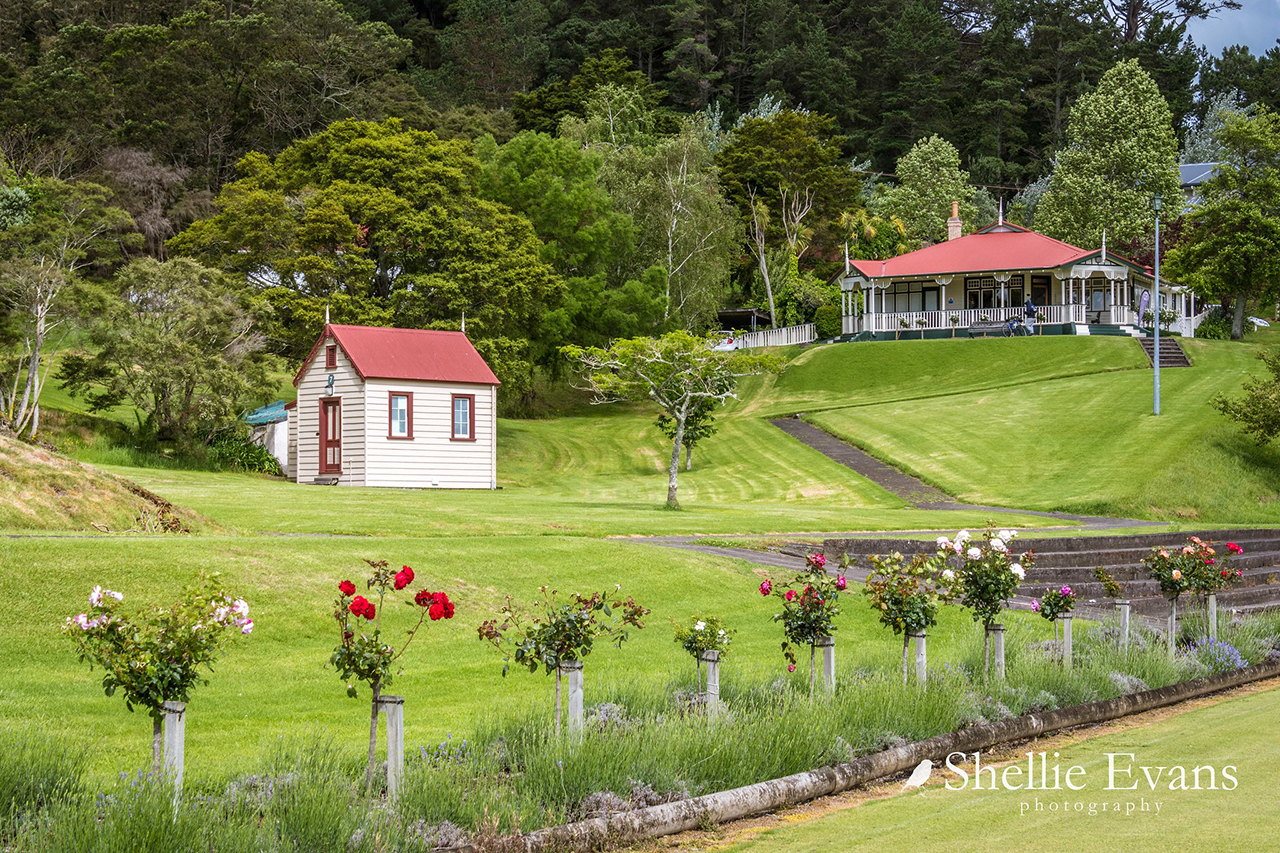
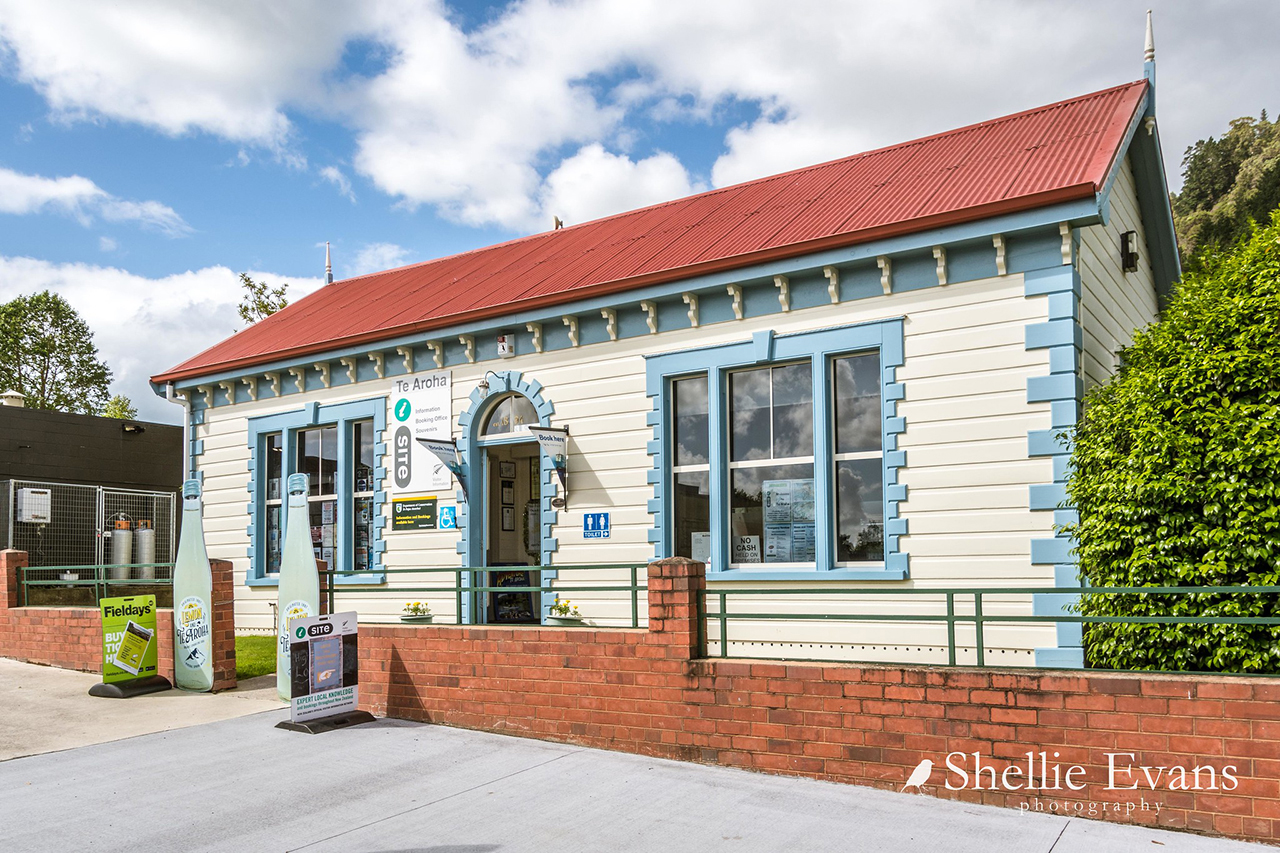
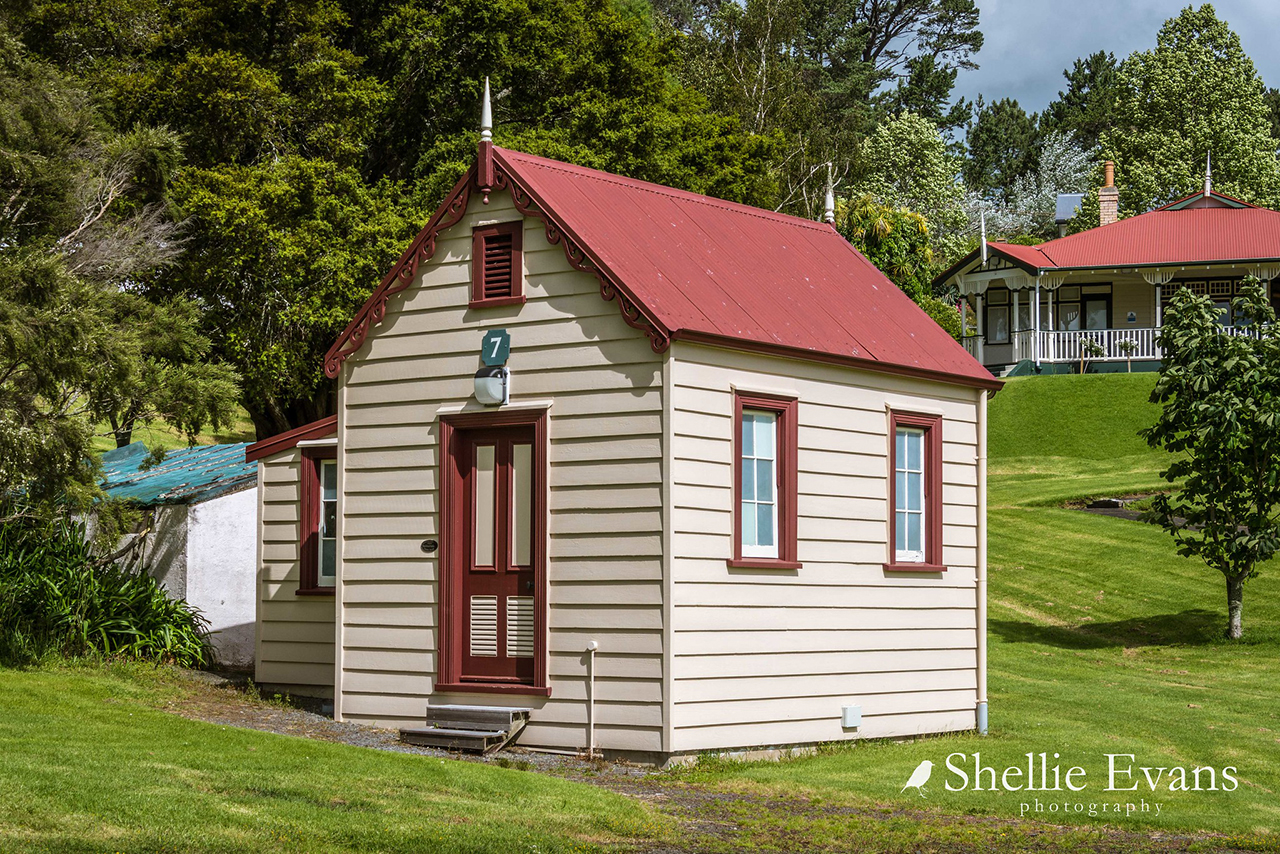
Te Aroha Domain Historic Area. CC BY-NC-ND 2.0 Image courtesy of www.flickr.com | Shellie Evans – flyingkiwigirl | 13/09/2023 | Shellie Evans
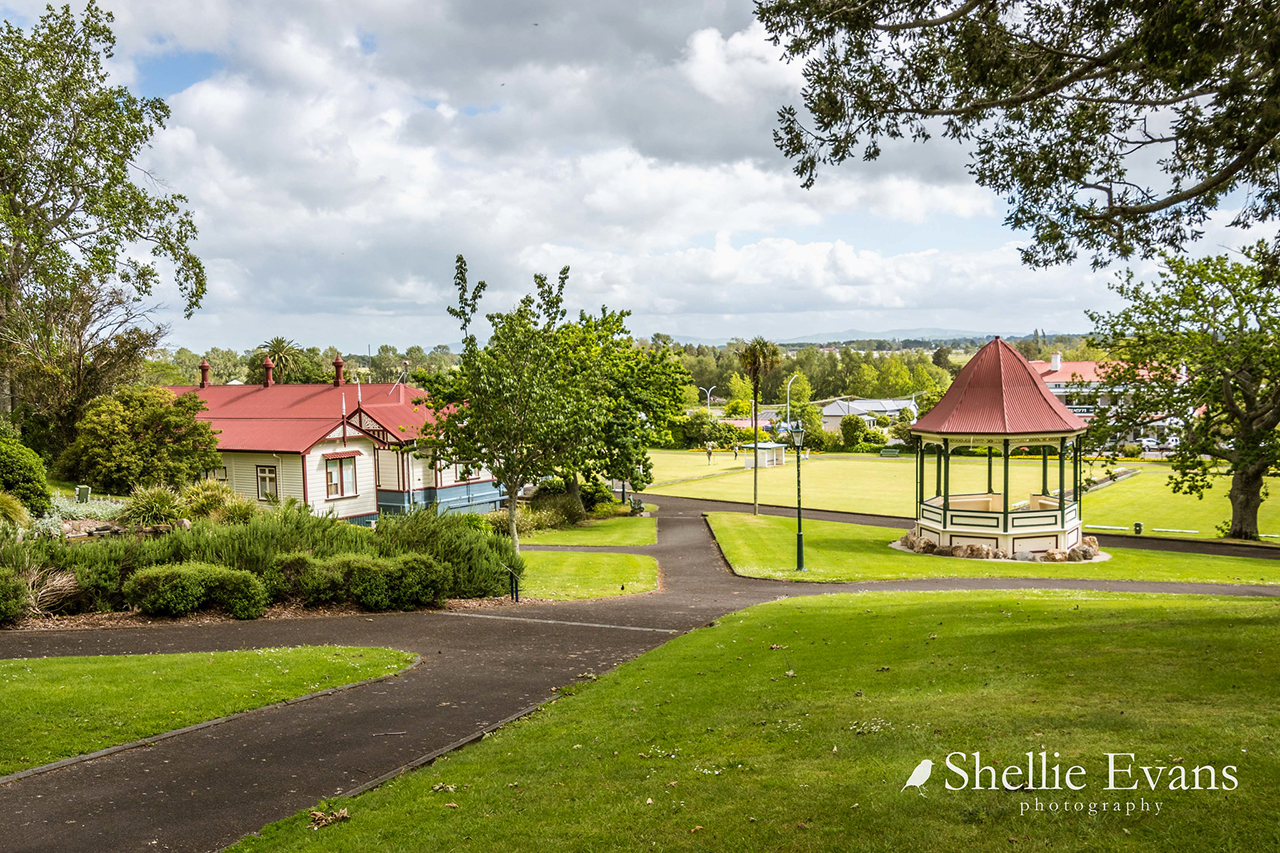
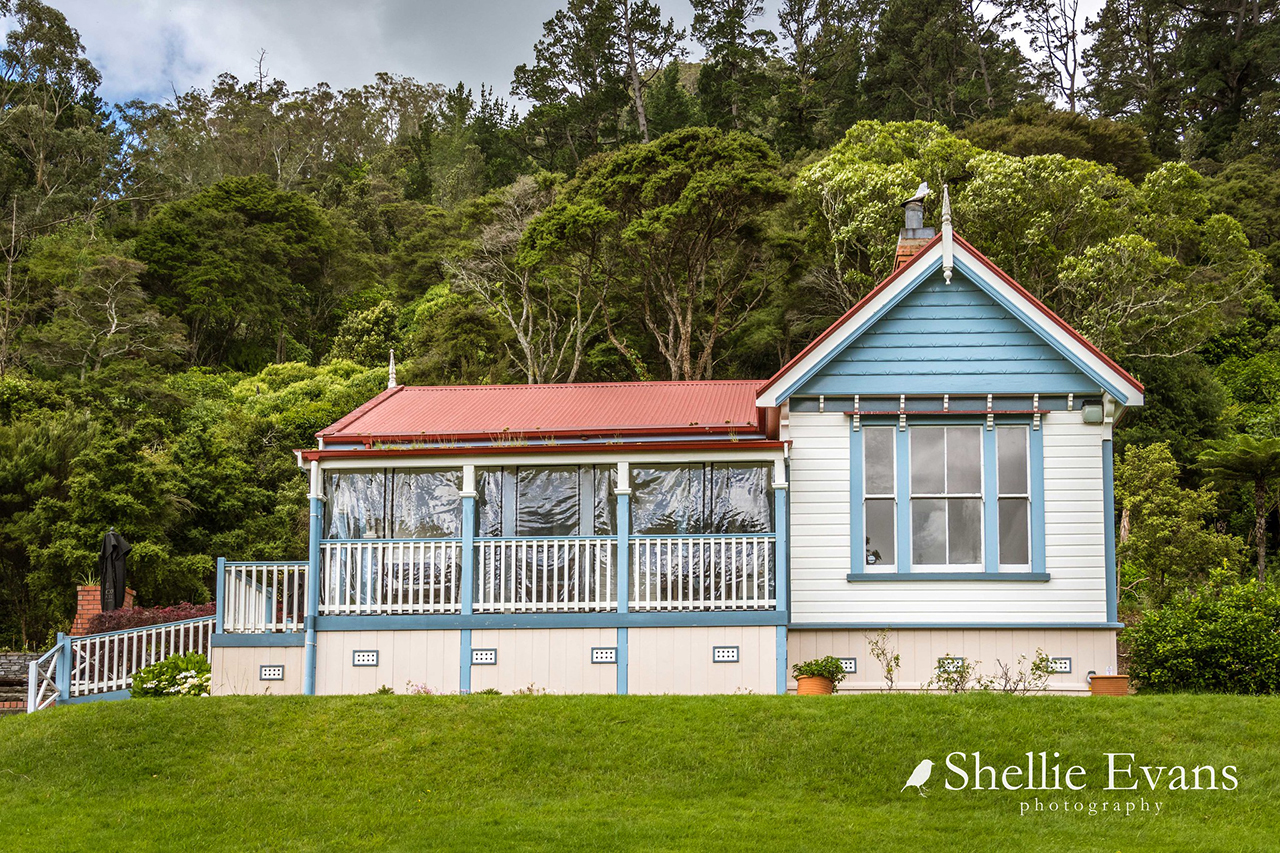
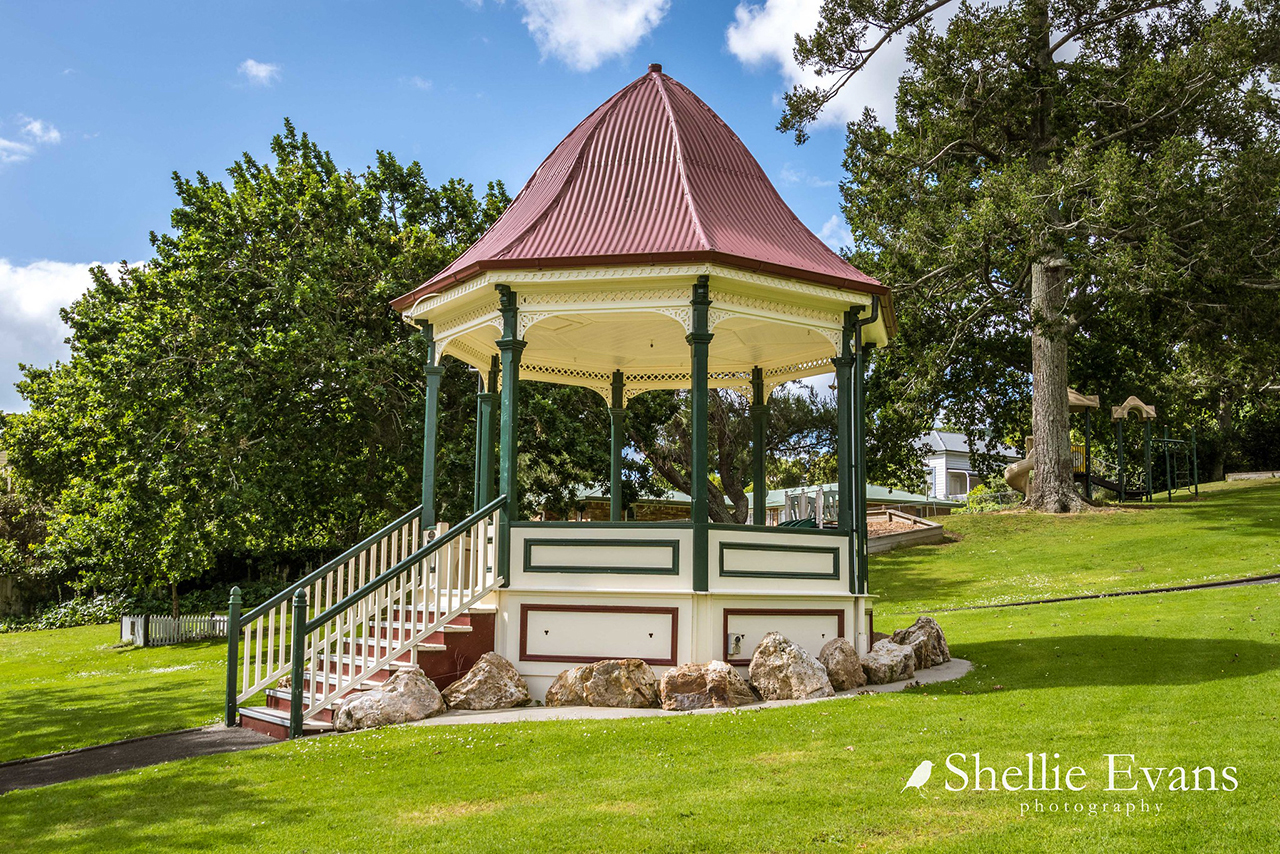
Te Aroha Domain Historic Area. CC BY-NC-ND 2.0 , Image courtesy of www.flickr.com | Shellie Evans – flyingkiwigirl | 13/09/2023 | Shellie Evans
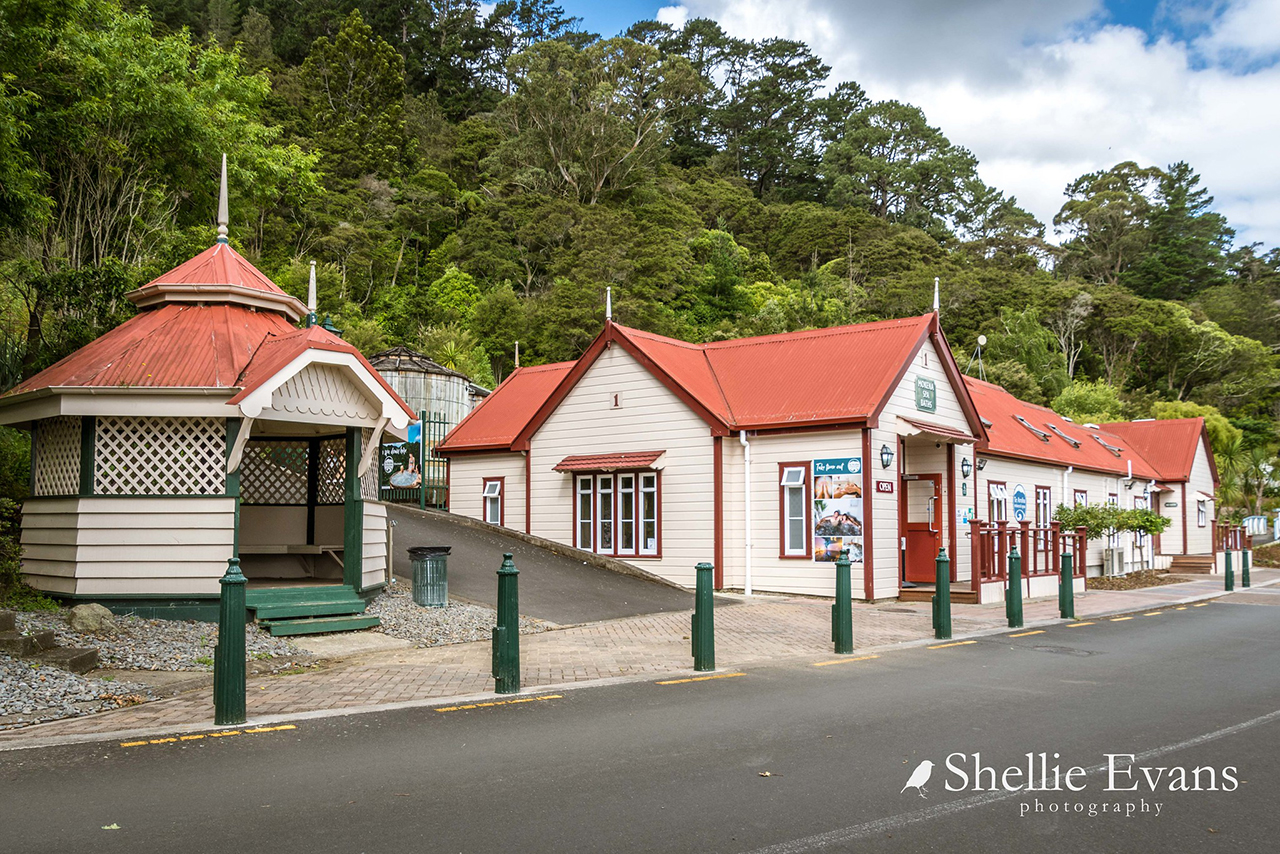
Te Aroha Domain Historic Area. CC BY-NC-ND 2.0 Image courtesy of www.flickr.com | Shellie Evans – flyingkiwigirl | 13/09/2023 | Shellie Evans
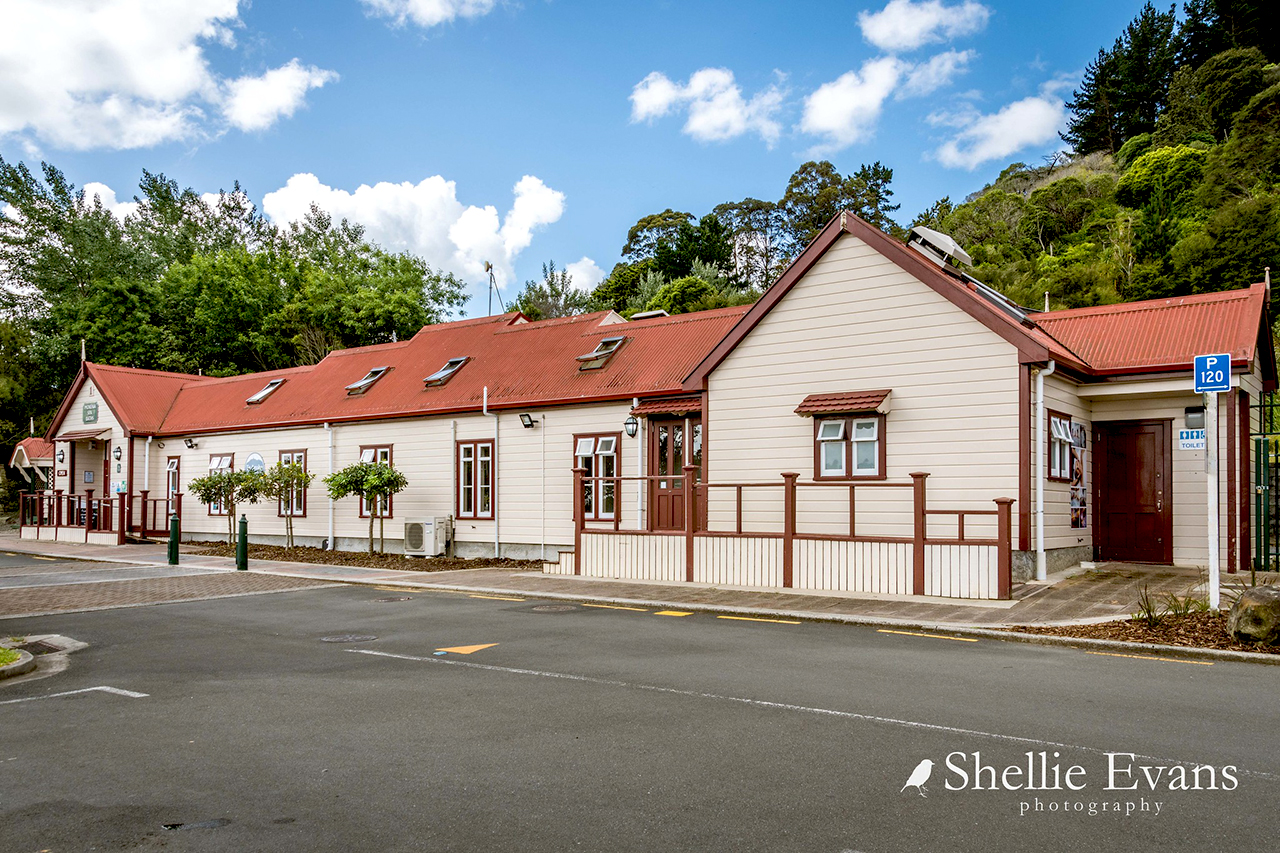
Te Aroha Domain Historic Area. CC BY-NC-ND 2.0 , Image courtesy of www.flickr.com | Shellie Evans – flyingkiwigirl | 13/09/2023 | Shellie Evans
Te Aroha Domain Historic Area. Entrance. CC BY-NC-ND 2.0 Image courtesy of www.flickr.com | Shellie Evans – flyingkiwigirl | 13/09/2023 | Shellie Evans
Te Aroha Domain Historic Area. CC BY-NC-ND 2.0 Image courtesy of www.flickr.com | Shellie Evans – flyingkiwigirl | 13/09/2023 | Shellie Evans
Te Aroha Domain Historic Area. CC BY-NC-ND 2.0 , Image courtesy of www.flickr.com | Shellie Evans – flyingkiwigirl | 13/09/2023 | Shellie Evans
Te Aroha Domain Historic Area. CC BY-NC-ND 2.0 Image courtesy of www.flickr.com | Shellie Evans – flyingkiwigirl | 13/09/2023 | Shellie Evans
Te Aroha Domain Historic Area. CC BY-NC-ND 2.0 , Image courtesy of www.flickr.com | Shellie Evans – flyingkiwigirl | 13/09/2023 | Shellie Evans