The Civic Theatre was built in 1929 as the largest 'atmospheric' picture house in Australasia. Atmospheric cinemas aimed to heighten a sense of escape for the early movie-goer by providing a fantastical environment. The Civic adopted Indian-inspired motifs for its public foyer, including seated Buddhas, twisted columns and domed ceilings. Its main auditorium, designed in a similar style, could hold 2,750 people and is notable for its soft-top ceiling, creating the illusion of an open sky complete with twinkling stars.
Erected by a local entrepreneur, Thomas O'Brien (c.1890-1948), the brick-built Civic was constructed seven years after the first atmospheric cinema in Houston, Texas. It was specifically designed for talking pictures, which had just been introduced to New Zealand. Designed by Charles Bohringer and William Leighton, the cinema contained several innovations, including a tearoom or Wintergarden in its basement, from which patrons could observe the main screen. It also held a rising 'gondola' orchestra pit, and the second largest wurlitzer organ in the Southern Hemisphere. The exterior, of a less elaborate 'picture-box' design, contained shops facing the street and a corner tower to rival that of the nearby St James (see 'St James Theatre, Auckland'). Some major alterations were made, particularly in the 1970s, when the Wintergarden cinema was built in the basement space (now removed). The building has since been restored in a landmark conservation project, continuing to show films as well as being adpated for use as a lyric theatre. It also retains its shops along the street frontages.
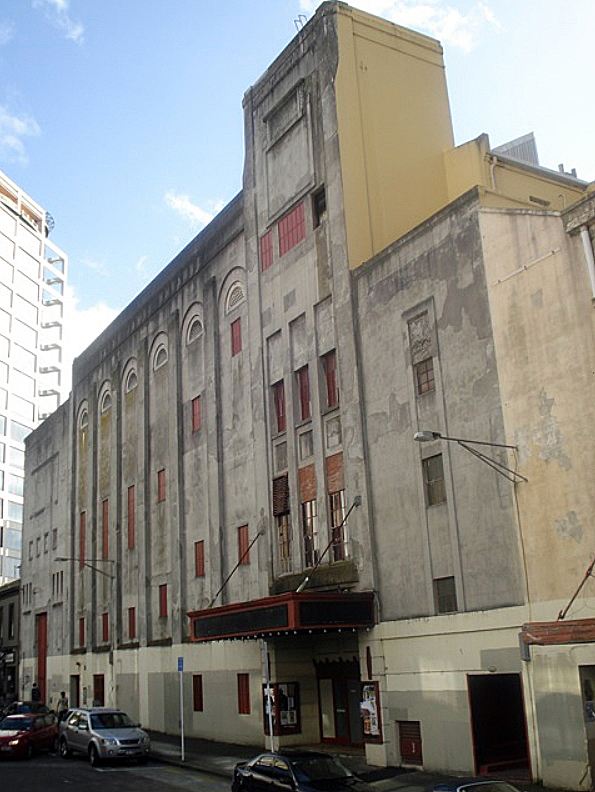
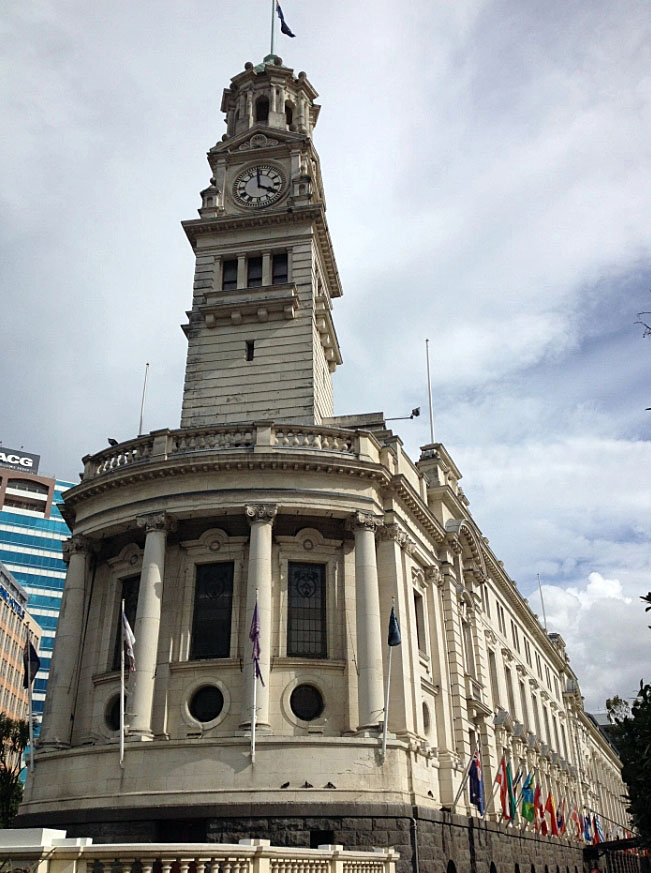
Of international significance as the largest surviving atmospheric cinema in Australasia, the Civic Theatre is also nationally important as the first purpose-built cinema of this type. It is the best remaining atmospheric picture house in the country, and an excellent example of early twentieth-century 'picture-box' design. Containing many elements of technological value, the building is historically significant for its associations with the development of the motion picture industry in New Zealand, and the emergence of 'talkies' as a means of mass communication. Recently restored, the interior of the Civic has great aesthetic appeal, and its distinctive exterior is a much valued local landmark. Its value is enhanced by its proximity to other historic buildings used for large-scale public entertainment, including the St James Theatre and Auckland Town Hall.
Erected by a local entrepreneur, Thomas O'Brien (c.1890-1948), the brick-built Civic was constructed seven years after the first atmospheric cinema in Houston, Texas. It was specifically designed for talking pictures, which had just been introduced to New Zealand. Designed by Charles Bohringer and William Leighton, the cinema contained several innovations, including a tearoom or Wintergarden in its basement, from which patrons could observe the main screen. It also held a rising 'gondola' orchestra pit, and the second largest wurlitzer organ in the Southern Hemisphere. The exterior, of a less elaborate 'picture-box' design, contained shops facing the street and a corner tower to rival that of the nearby St James (see 'St James Theatre, Auckland'). Some major alterations were made, particularly in the 1970s, when the Wintergarden cinema was built in the basement space (now removed). The building has since been restored in a landmark conservation project, continuing to show films as well as being adpated for use as a lyric theatre. It also retains its shops along the street frontages.
Of international significance as the largest surviving atmospheric cinema in Australasia, the Civic Theatre is also nationally important as the first purpose-built cinema of this type. It is the best remaining atmospheric picture house in the country, and an excellent example of early twentieth-century 'picture-box' design. Containing many elements of technological value, the building is historically significant for its associations with the development of the motion picture industry in New Zealand, and the emergence of 'talkies' as a means of mass communication. Recently restored, the interior of the Civic has great aesthetic appeal, and its distinctive exterior is a much valued local landmark. Its value is enhanced by its proximity to other historic buildings used for large-scale public entertainment, including the St James Theatre and Auckland Town Hall.
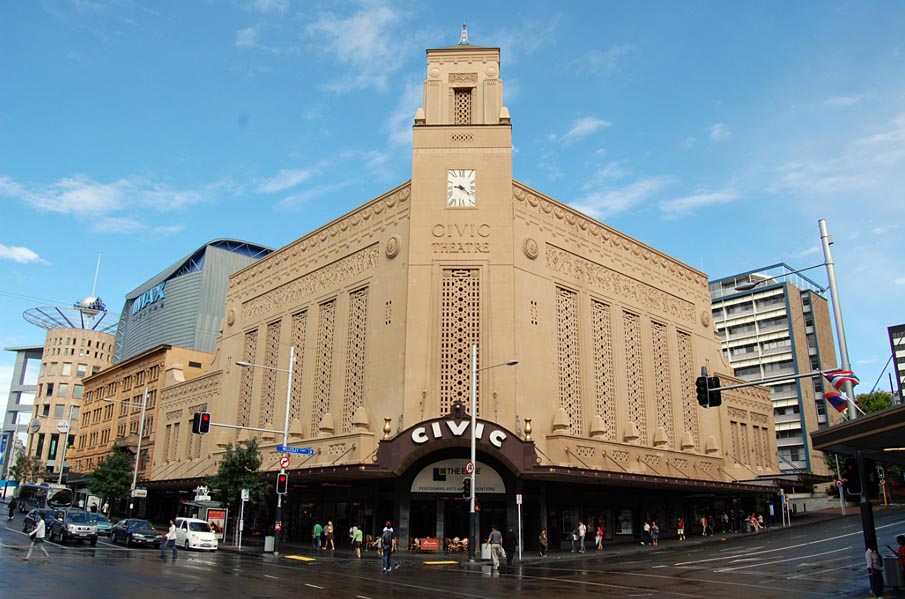
Civic Theatre Building, Auckland. Image courtesy of www.jontynz.com | Jonty Crane | 26/11/2016 | Jonty Crane
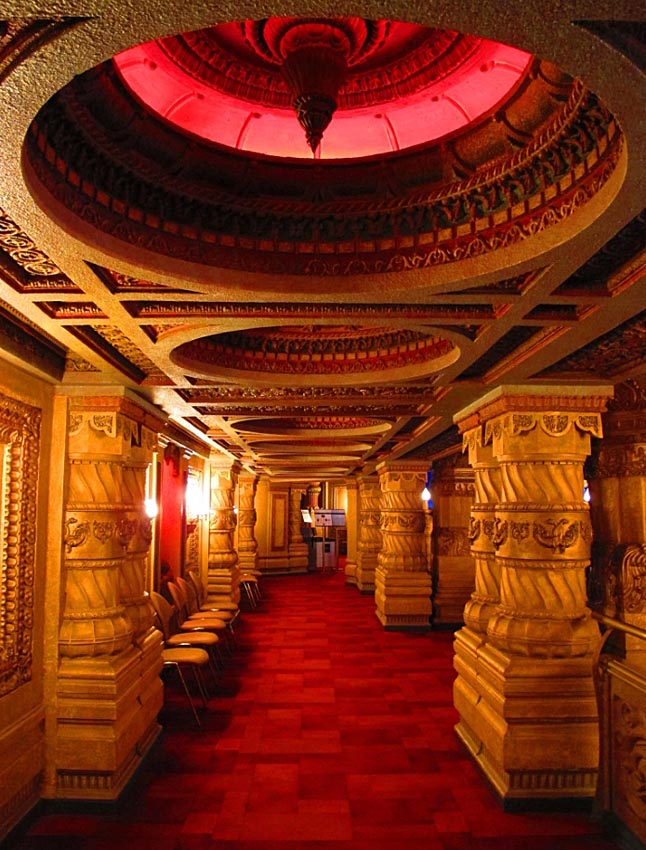
Civic Theatre Building, Auckland. One of the few atmospheric cinemas left in the world. The Civic adopted Indian-inspired motifs for its public foyer. Image courtesy of www.jontynz.com | Jonty Crane | 26/11/2016 | Jonty Crane
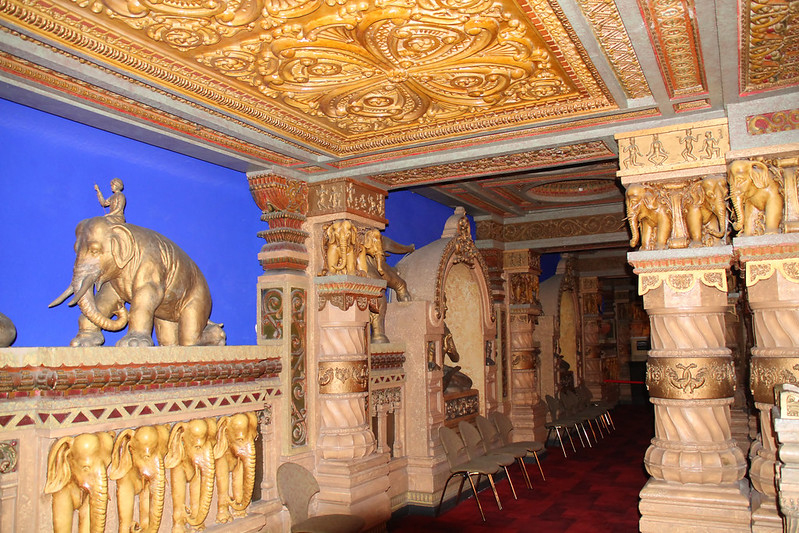
Civic Theatre Building, Auckland. Interior detail CC BY 2.0 Image courtesy of www.flickr.com | Tony Hisgett | 08/12/2016 | Tony Hisgett
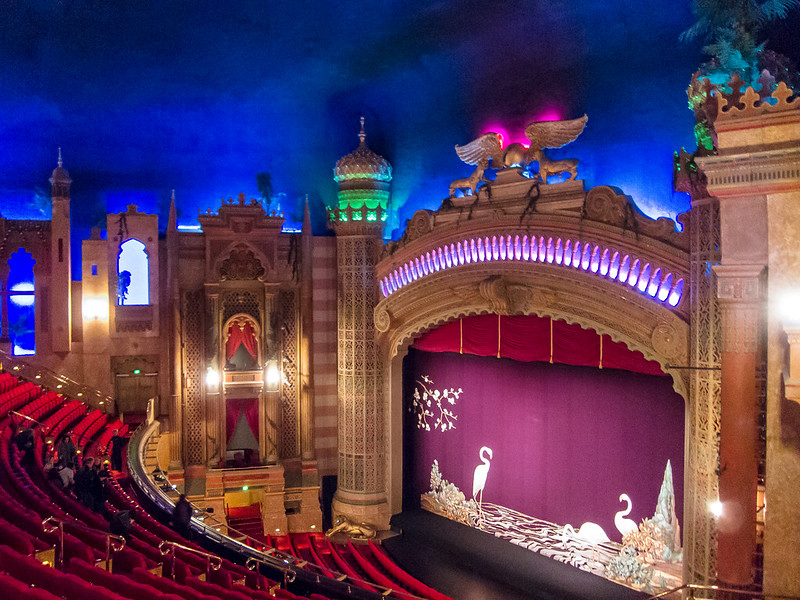
Civic Theatre Building, Auckland. CC BY-SA 2.0 Auditorium. Image courtesy of www.flickr.com | russellstreet | 25/07/2011 | russellstreet
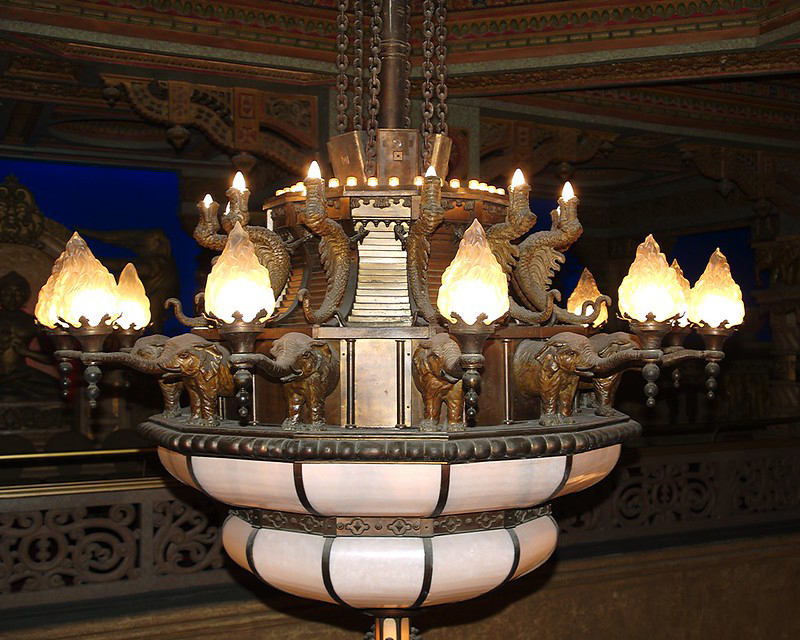
Civic Theatre Building, Auckland. Ornate light fixture featuring crocodiles and elephants CC BY 2.0 Image courtesy of www.flickr.com | Sandra Cohen-Rose and Colin Rose | 22/04/2007 | Sandra Cohen-Rose and Colin Rose
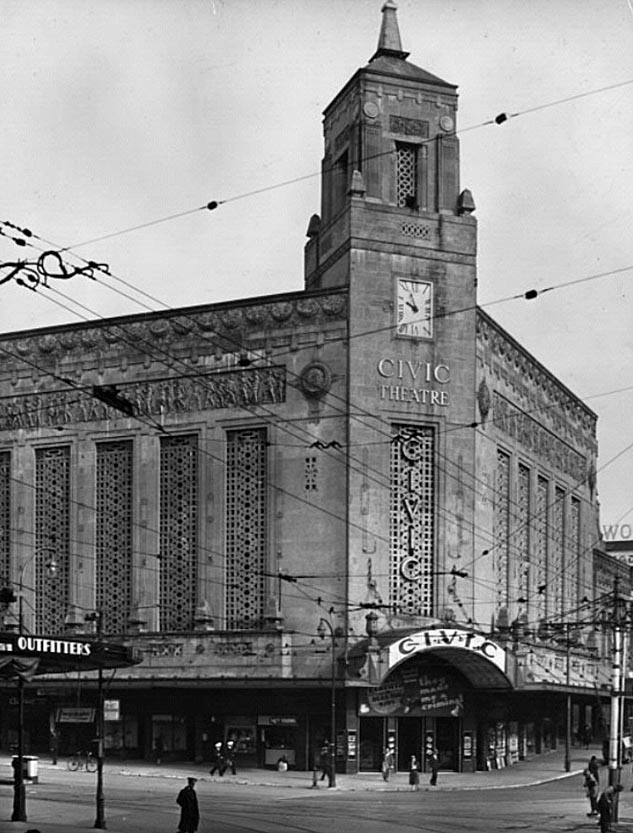
Civic Theatre Building, Auckland. c.1940. Permission of the Alexander Turnbull Library, National Library of New Zealand Te Puna Matauranga o Aotearoa, must be obtained before any re-use. Ref no. PAColl-3060-001 | Arthur Breckon | Alexander Turnbull Library
Civic Theatre Building, Auckland. Image courtesy of www.jontynz.com | Jonty Crane | 26/11/2016 | Jonty Crane
Civic Theatre Building, Auckland. One of the few atmospheric cinemas left in the world. The Civic adopted Indian-inspired motifs for its public foyer. Image courtesy of www.jontynz.com | Jonty Crane | 26/11/2016 | Jonty Crane
Civic Theatre Building, Auckland. Interior detail CC BY 2.0 Image courtesy of www.flickr.com | Tony Hisgett | 08/12/2016 | Tony Hisgett
Civic Theatre Building, Auckland. CC BY-SA 2.0 Auditorium. Image courtesy of www.flickr.com | russellstreet | 25/07/2011 | russellstreet
Civic Theatre Building, Auckland. Ornate light fixture featuring crocodiles and elephants CC BY 2.0 Image courtesy of www.flickr.com | Sandra Cohen-Rose and Colin Rose | 22/04/2007 | Sandra Cohen-Rose and Colin Rose
Civic Theatre Building, Auckland. c.1940. Permission of the Alexander Turnbull Library, National Library of New Zealand Te Puna Matauranga o Aotearoa, must be obtained before any re-use. Ref no. PAColl-3060-001 | Arthur Breckon | Alexander Turnbull Library