DonateSupporterVisit Heritage
  • Tūrangawaewae
    Places
  • Tira Māori
    Māori Heritage
  • Poutairangahia
    Archaeology
  • Rauemi
    Resources
  • Mō Tātou
    About Us
  • New Zealand Heritage List
  • Nominate and submit
  • Explore the List
  • National Historic Landmarks
  • Plaques
  • Rainbow List Project
  • Lost heritage
  • Visit Heritage
  • Our properties
  • Turnbull House Project
  • Collections
  • Shop
  • Tohu Whenua
  • Tira Māori
  • Conserving Māori heritage
  • Marae built heritage
  • Māori heritage on the List
  • Hinemihi—Te Hokinga Mai
  • What is archaeology?
  • Is there a site on my property?
  • What are my legal requirements?
  • Affecting an archaeological site
  • Declaring an archaeological site
  • Archaeology FAQs
  • Archaeology Digital Library
  • Archaeology guidelines and templates
  • Resources
  • Funding
  • Publications
  • Sustainable management guides
  • Disaster recovery
  • Podcasts & digital resources
  • Education Hub
  • Conservation plans
  • About
  • Board
  • Māori Heritage Council
  • Senior Staff
  • Offices
  • Contact us
  • Careers
  • Covenants
  • Fast-track
  • Corporate documents
  • Currently consulting on
  • Our submissions
  • News
  • Covid-19 response
Quick links
Rārangi Kōrero | The List
Explore the List
National Historic Landmarks
Ngā Manawhenua o Aotearoa me ōna Kōrero Tūturu
Quick links
Tapuwae
A Vision for Places of Māori Heritage
Funding for Māori Heritage
Resources
Quick links
Archaeological Authority Portal
Applying for an archaeological authority
Archaeology FAQs
Browse the most frequently asked questions about archaeological authorities and the archaeological process.
Quick links
Quick links
Contact us
Offices
DonateSupporterVisit Heritage
  • Tūrangawaewae
    Places
  • Tira Māori
    Māori Heritage
  • Poutairangahia
    Archaeology
  • Rauemi
    Resources
  • Mō Tātou
    About Us
  • New Zealand Heritage List
  • Nominate and submit
  • Explore the List
  • National Historic Landmarks
  • Plaques
  • Rainbow List Project
  • Lost heritage
  • Visit Heritage
  • Our properties
  • Turnbull House Project
  • Collections
  • Shop
  • Tohu Whenua
  • Tira Māori
  • Conserving Māori heritage
  • Marae built heritage
  • Māori heritage on the List
  • Hinemihi—Te Hokinga Mai
  • What is archaeology?
  • Is there a site on my property?
  • What are my legal requirements?
  • Affecting an archaeological site
  • Declaring an archaeological site
  • Archaeology FAQs
  • Archaeology Digital Library
  • Archaeology guidelines and templates
  • Resources
  • Funding
  • Publications
  • Sustainable management guides
  • Disaster recovery
  • Podcasts & digital resources
  • Education Hub
  • Conservation plans
  • About
  • Board
  • Māori Heritage Council
  • Senior Staff
  • Offices
  • Contact us
  • Careers
  • Covenants
  • Fast-track
  • Corporate documents
  • Currently consulting on
  • Our submissions
  • News
  • Covid-19 response
Quick links
Rārangi Kōrero | The List
Explore the List
National Historic Landmarks
Ngā Manawhenua o Aotearoa me ōna Kōrero Tūturu
Quick links
Tapuwae
A Vision for Places of Māori Heritage
Funding for Māori Heritage
Resources
Quick links
Archaeological Authority Portal
Applying for an archaeological authority
Archaeology FAQs
Browse the most frequently asked questions about archaeological authorities and the archaeological process.
Quick links
Quick links
Contact us
Offices
  • Places
  • Nominate and submit
  • National Historic Landmarks
  • Places
  • Nominate and submit
  • National Historic Landmarks
  • Tira Māori
  • Conserving Māori heritage
  • Marae built heritage
  • Tira Māori
  • Conserving Māori heritage
  • Marae built heritage
  • Archaeological authorities
  • Archaeology Digital Library
  • Archaeological authorities
  • Archaeology Digital Library
  • All resources
  • Publications
  • Funding
  • All resources
  • Publications
  • Funding
  • FAQs
  • FAQs
Follow us on:
Places
  • Places
  • Nominate and submit
  • National Historic Landmarks
Tira Māori
  • Tira Māori
  • Conserving Māori heritage
  • Marae built heritage
Archaeology
  • Archaeological authorities
  • Archaeology Digital Library
Resources
  • All resources
  • Publications
  • Funding
FAQs
  • FAQs
Follow us on
HomePrivacyTerms and conditionsAbout this site
© Heritage New Zealand Pouhere Taonga 2026.
 
Te Pitowhenua / Waitangi Treaty Grounds

26 Tau Henare Drive, WAITANGI

Public

National Historic Landmark

List No. 10001

Quick links:
List GalleryLocationDetails
Ko Te Pitowhenua Tētahi o Ngā Tino Tohu Whakahirahira o Aotearoa

I konei ka hainatia te pukapuka whakapū tuatahi mō Te Tiriti o Waitangi i te tau 1840. I hainatia Te Tiriti o Waitangi, hei tūāpapa tika mō tō tātou tuakiri ahurea, ā, hei tīmatanga hoki mō Aotearoa he motu kākanorua hou. E mōhio ana a Ngāpuhi he wāhi whai tikanga tēnei mō ngā rangatira kia whakahuihui mai ki te whakawhitiwhiti whakaaro, ki te whakawhiti take anō hoki. Nā, i konei ka hainatia ko He Whakaputanga o Te Rangatiratanga o Nu Tīreni. Ka noho tonu a Waitangi hei wāhi whai tikanga hei whakarōpū mai i ngā whakaaro mō te motu, mō tō tātou tuakiritanga hoki. Mō te Māori me te Pākehā, ka noho ora tonu a Waitangi ki ngā whāinga me ngā hiahia o Te Tiriti o Waitangi anō hoki ko te whanaunga mai o tēnei motu. Kei waengapū a Te Pitowhenua i te hītori o Niu Tīreni, o tuawhakarere, o nāianei, o ngā rā kei mua. He mea nui i roto i ō tātou hapori, ngā ture kāwanatanga, ngā hītori ahurea, ā, e whai painga anō ki ngā āhuatini. He whenua tapu, he whenua tūpuna, he maha hoki ōna āhuatanga e pā ana ki ngā tūpuna Māori. Ka noho hoki hei wāhi whakahuihui tonu mai i ngā whakaaro mō te tuakiritanga o tēnei motu. Ka whakamihi a Te Pitowhenua mō tō rātou tiaki i tēnei wāhi mō te wā roa nei. Kei Ngā Manawhenua o Aotearoa me ōna Kōrero Tūturu, ona hītori mīharo rawa, te āhuatini me ōna ahurea whakahirahira.

Te Pitowhenua o Te Motu / Birthplace of a Nation

Waitangi Treaty Grounds/Te Pitowhenua is one of New Zealand's greatest national symbols.

The site where New Zealand’s founding document, Te Tiriti o Waitangi/The Treaty of Waitangi, was first signed in 1840 is fundamental to our cultural identity and New Zealand’s origin as a modern bicultural nation.

Known to Ngāpuhi as a place of ancestral importance, where rangatira (chiefs) gathered to discuss matters of common interest, and where He Whakaputanga o Te Rangatiratanga o Nu Tīreni/The Declaration of Independence of New Zealand was signed, Waitangi remains a pivotal place for engaging with ideas of nationhood and national identity. For Māori and Pākehā, Waitangi is a living, breathing entity; a direct link with the aims and aspirations of Te Tiriti/The Treaty, and the birthplace of a nation.

Waitangi Treaty Grounds/Te Pitowhenua is central to New Zealand’s past, present and future. It played a crucial role in our social, constitutional and cultural history, and incorporates valuable physical elements. It has strong spiritual importance and ancestral associations, for Māori a place with many significant tūpuna, and remains a fundamental place for engagement with ideas about national identity.

Waitangi Treaty Grounds/Te Pitowhenua merits recognition and long-term protection as a National Historic Landmark/Ngā Manawhenua o Aotearoa me ōna Kōrero Tūturu for its outstanding historical, physical and cultural significance.
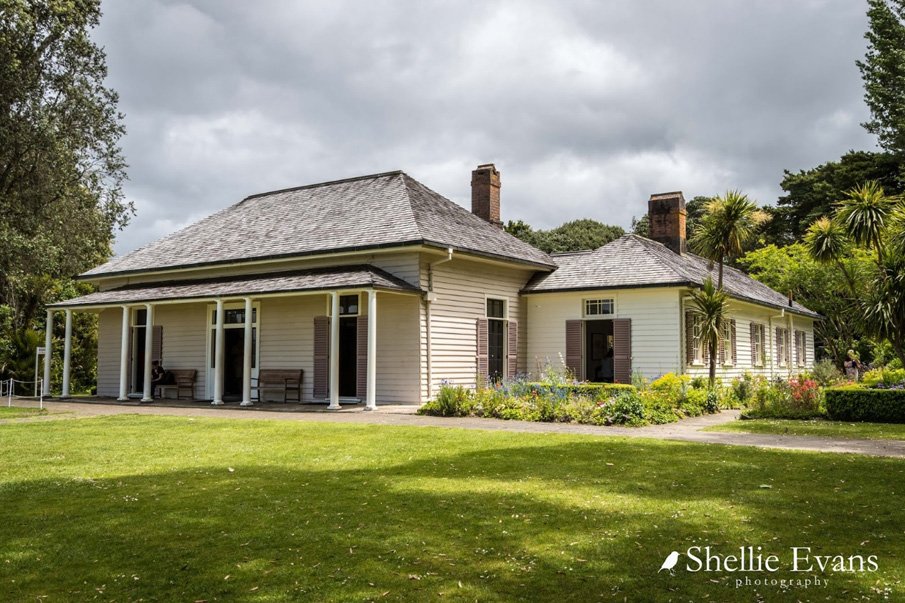
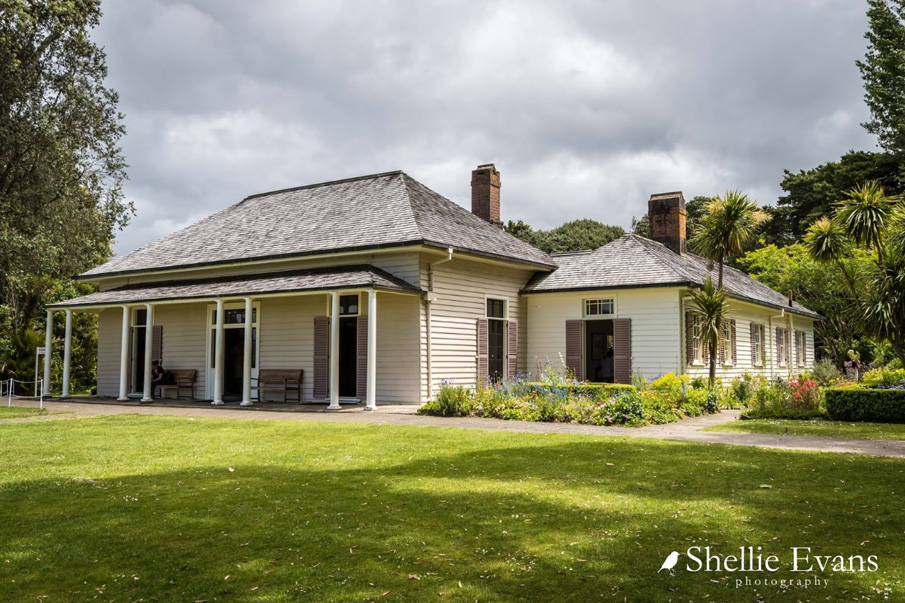
Te Pitowhenua / Waitangi Treaty Grounds. Treaty House. Image courtesy of www.flickr.com | Shelley Evans | 06/02/2019 | Shellie Evans – flyingkiwigirl
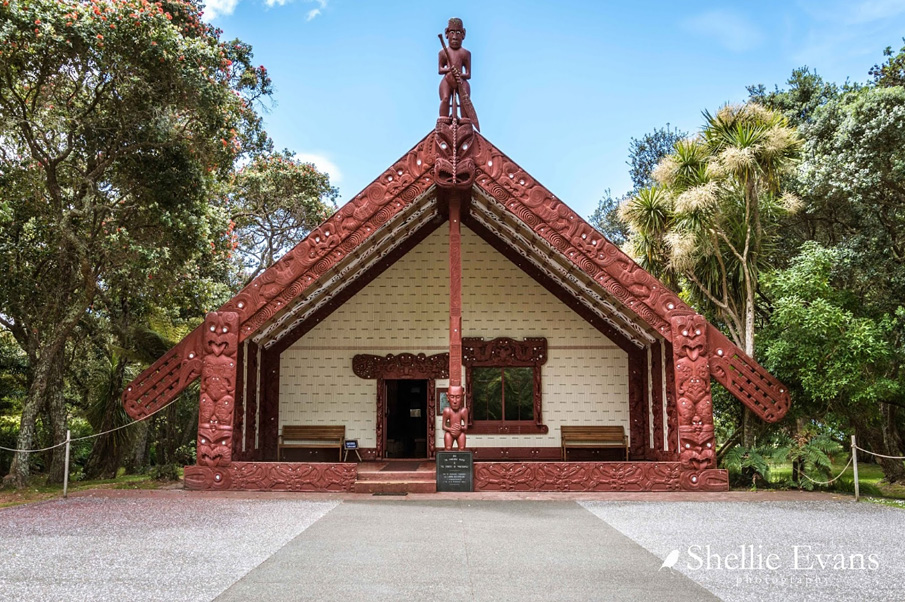
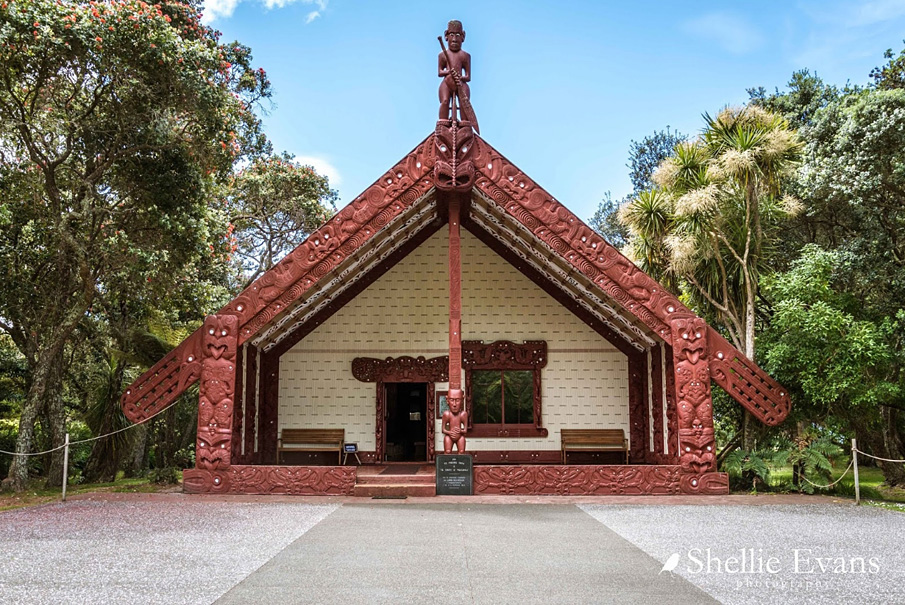
Te Pitowhenua / Waitangi Treaty Grounds. Te Whare Rūnanga. Image courtesy of tikitouringnz.blogspot.com | Shellie Evans | 06/02/2019 | Shellie Evans
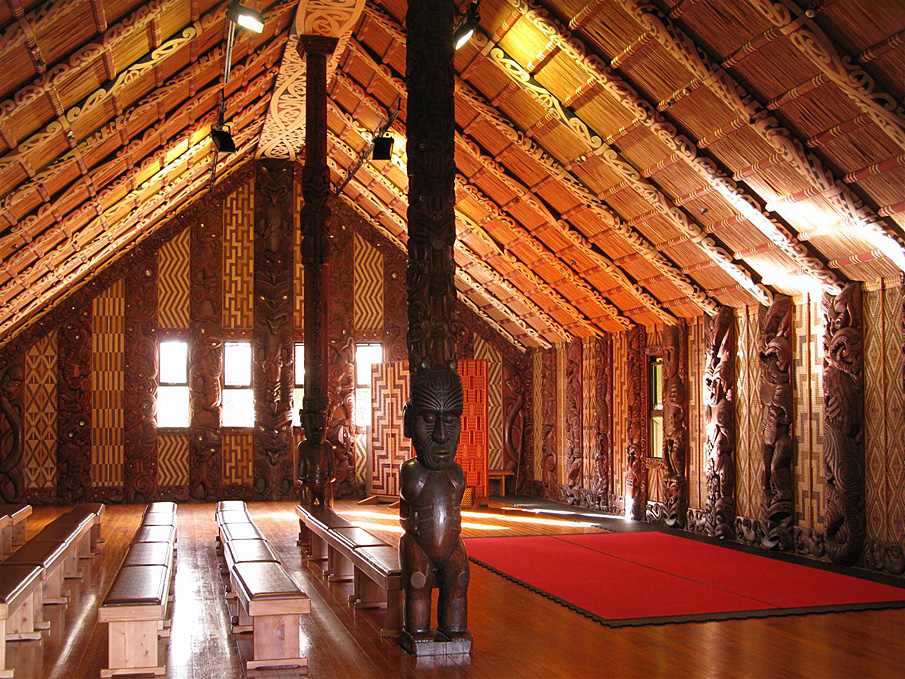
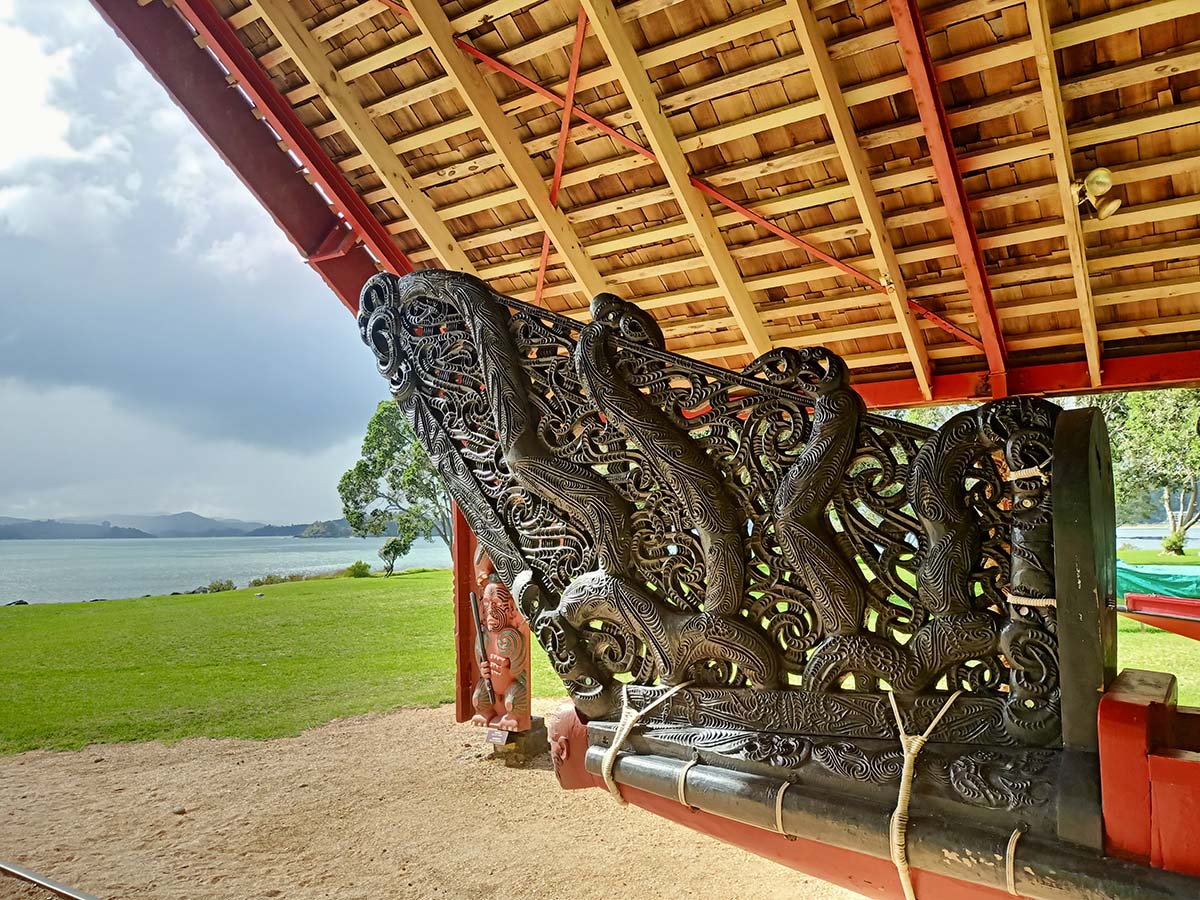
Te Pitowhenua / Waitangi Treaty Grounds. Interior of Te Whare Rūnanga, looking north | Martin Jones | 06/07/2015 | Heritage New Zealand
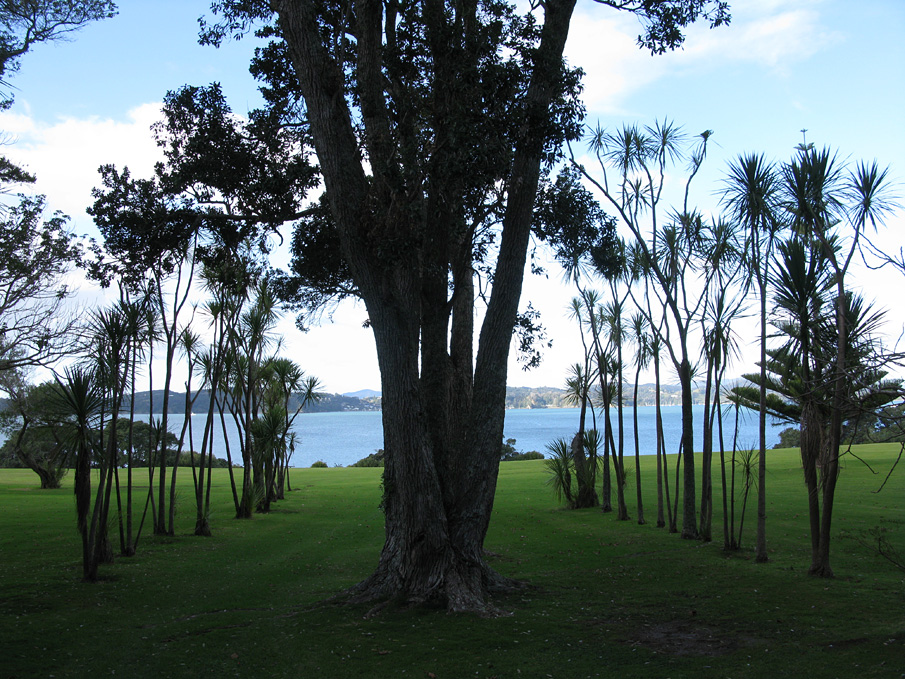
Te Pitowhenua / Waitangi Treaty Grounds. Double row of cabbage trees, believed to have lined a horseshoe-shaped walkway while also forming part of a vineyard shelter, looking east | Martin Jones | 06/07/2015 | Heritage New Zealand
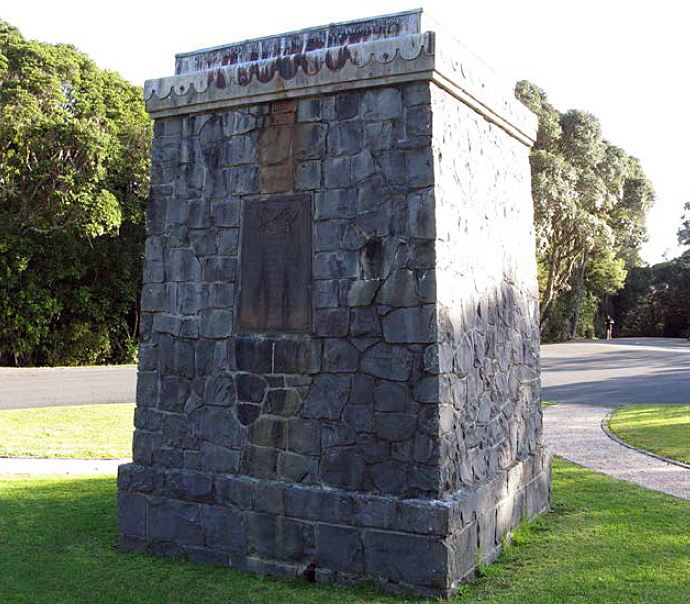
Te Pitowhenua / Waitangi Treaty Grounds. Hobson Memorial | Martin Jones | 06/07/2015 | Heritage New Zealand
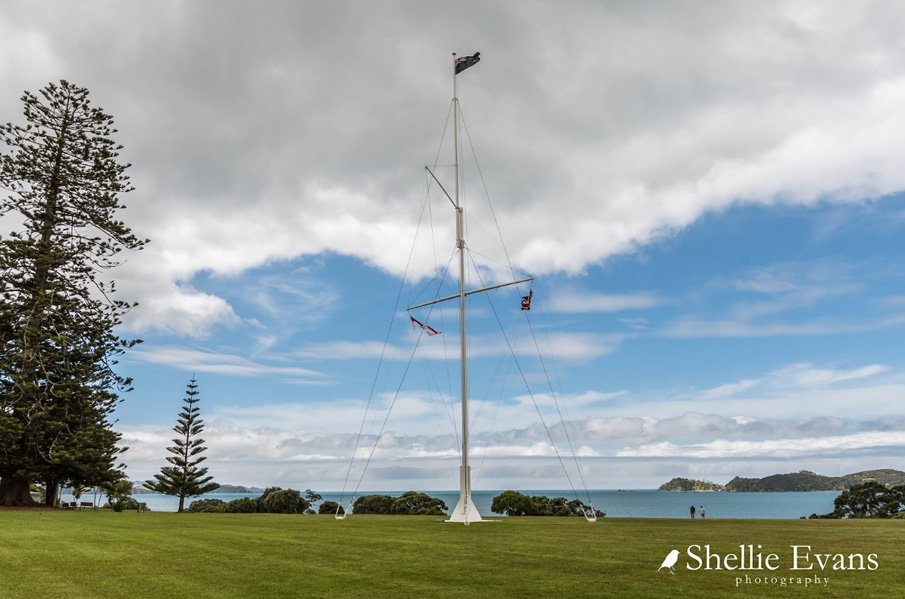
Te Pitowhenua / Waitangi Treaty Grounds. Flagstaff displaying the flag of New Zealand together with the Union Jack and Te Kara - New Zealand’s first national flag. Image courtesy of tikitouringnz.blogspot.com | Shellie Evans | 06/02/2019 | Shellie Evans
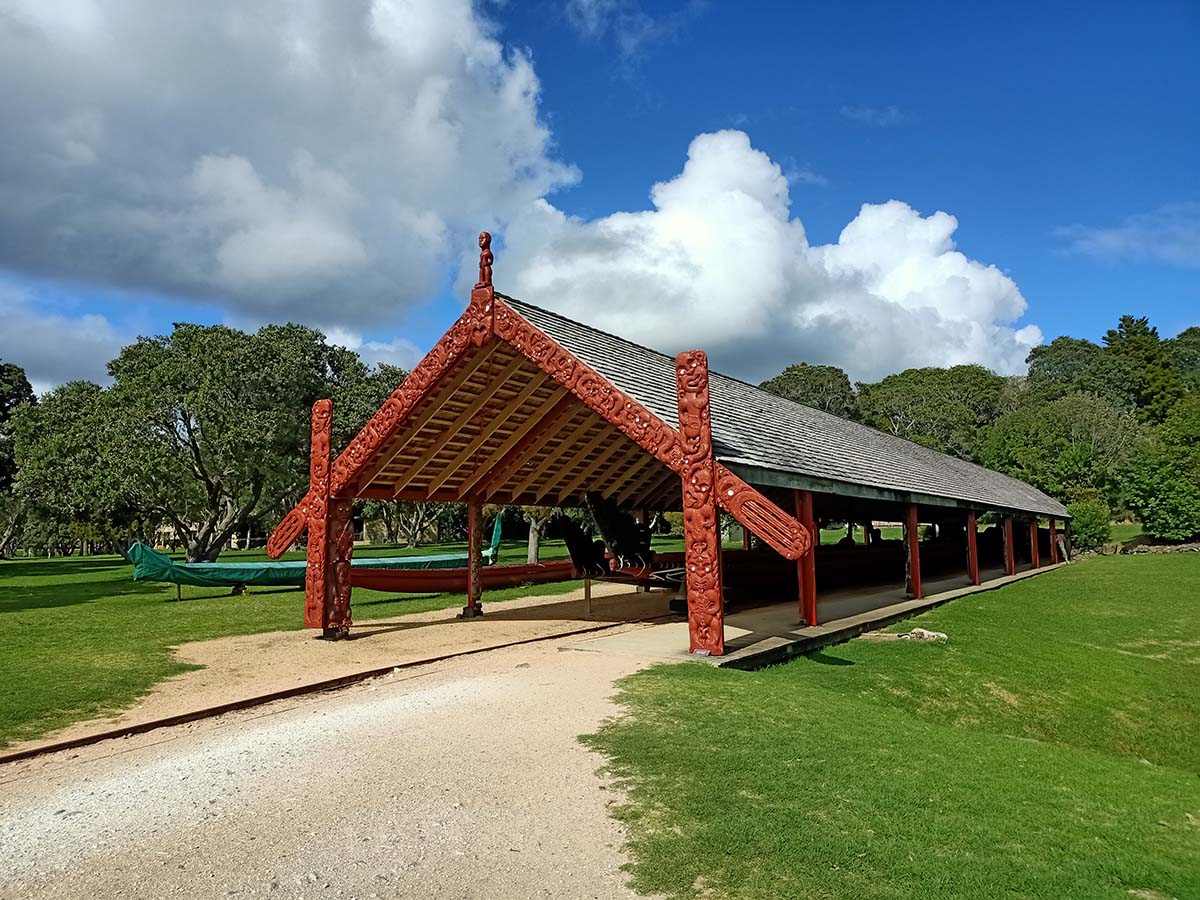
Te Pitowhenua / Waitangi Treaty Grounds. Whare Waka - Te Korowai o Maikuku | T Hoskin | 27/02/2021 | Heritage New Zealand
Te Pitowhenua / Waitangi Treaty Grounds. Treaty House. Image courtesy of www.flickr.com | Shelley Evans | 06/02/2019 | Shellie Evans – flyingkiwigirl
Te Pitowhenua / Waitangi Treaty Grounds. Te Whare Rūnanga. Image courtesy of tikitouringnz.blogspot.com | Shellie Evans | 06/02/2019 | Shellie Evans
Te Pitowhenua / Waitangi Treaty Grounds. Interior of Te Whare Rūnanga, looking north | Martin Jones | 06/07/2015 | Heritage New Zealand
Te Pitowhenua / Waitangi Treaty Grounds. Double row of cabbage trees, believed to have lined a horseshoe-shaped walkway while also forming part of a vineyard shelter, looking east | Martin Jones | 06/07/2015 | Heritage New Zealand
Te Pitowhenua / Waitangi Treaty Grounds. Hobson Memorial | Martin Jones | 06/07/2015 | Heritage New Zealand
Te Pitowhenua / Waitangi Treaty Grounds. Flagstaff displaying the flag of New Zealand together with the Union Jack and Te Kara - New Zealand’s first national flag. Image courtesy of tikitouringnz.blogspot.com | Shellie Evans | 06/02/2019 | Shellie Evans
Te Pitowhenua / Waitangi Treaty Grounds. Whare Waka - Te Korowai o Maikuku | T Hoskin | 27/02/2021 | Heritage New Zealand

List Entry Information

Overview

Status
Listed

List Entry Status
National Historic Landmark

Access
Able to Visit

List Number
10001

Date Entered
17th June 2019

City/District Council
Far North District

Region
Northland Region

Extent of List Entry

Extent includes part of the land described as Lot 1 DP 326610 (RT 108096), North Auckland Land District, and the buildings and structures associated with Waitangi Treaty Grounds / Te Pitowhenua thereon, including the Treaty House, Flagstaff, Te Whare Rūnanga, Hobson Memorial and Whare Waka - Te Korowai o Maikuku. Extent also includes He Tūru o Maikuku / Maikuku’s seat and significant plantings, including two rows of cabbage trees, associated totara trees, fig trees, a Norfolk Island pine, a pohutukawa tree, a plane, an elm, an oak, a walnut, a camphor laurel, two camellia trees, a bamboo plant, and commemorative trees planted from 1932 onwards. Extent excludes the buildings known as the Caretaker’s Cottage and Staff Accommodation.

Legal description

Lot 1 DP 326610 (RT 108096), North Auckland Land District

Detailed List Entry
What Makes The Place

He aha i pai ai tēnei wāhi / What makes the place He whenua tapu, he whenua tūpuna a Waitangi e whai pānga ana ki a e Ngāpuhi. Ko Ngāpuhi hoki te iwi nui rawa o Aotearoa. Koia te wāhi i tūtaki a Maikuku te mokopuna a Rāhiri ki tōna hoa rangatira a Hua, ā, ka whānau he tama hei mātāmua. Ko Te Rā tana ingoa. Ko ngā tino wāhi o konei ko Te Ana o Maikuku, ko He Tūru o Maikuku (i runga ake nei) me Ruarangi te wāhi i whānau mai a Te Rā. Ka noho tonu a Waitangi hei tino wāhi mō Ngāti Rāhiri me ōnā hapū nui tonu. Waitangi is a sacred and ancestral landscape, with particular meaning for Ngāpuhi, New Zealand’s largest iwi. It is where Maikuku, granddaughter of Ngāpuhi ancestor Rāhiri, met her husband Hua, and gave birth to their eldest son Te Rā - founder of Ngāti Rāhiri hapū. Important places within this landscape include Te Ana o Maikuku/ Maikuku’s Cave, He Tūru o Maikuku/Maikuku’s Seat (above), and Ruarangi - where Te Rā was born. Waitangi remains an important centre for Ngāti Rāhiri and other hapū. Ka tae mai a tauiwi mā me ō rātou whakaaro. Ko te whare British residency tētahi o ngā whare tino tawhito e tū tonu ana. Nā tēna ka whakatūngia tēnei whare, he tino wāhi a Waitangi, ā, he wāhi tūtakitanga i waenganui I te Māori me te Karauna o Ingarangi i ngā tau 1840. I te tau 1815 ka āwhina te rangatira o Ngāti Rāhiri a Waraki i te mihingare a William Hall ki te whakatū i tētahi pāmu tuatahi a tauiwi ki tēnei whenua. I muri mai I te reta mai i ngā rangatira o Ngāpuhi ki a King William IV, ka whakatūria he tūranga mahi. Ka whakatūria he whare mō te kaiwhakarite tuatahi nō Ingarangi. I nohoia te whare e James Busby me tōna whanau - he whare Kāwanatanga i roto i tēnei whenua taketake. Illustrating the arrival of European peoples and ideas, the British residency is one of the country’s earliest remaining buildings. It reflects Waitangi’s role as the main place of contact between Māori and the British Crown leading up to 1840. In 1815, Ngāti Rāhiri rangatira Waraki helped missionary William Hall create one of the country’s first European-style farms. Following a letter from Ngāpuhi chiefs to King William IV, a British Resident’s position was created, and a largely prefabricated house (above) was erected for the first Resident, James Busby and family - a government outpost in an almost exclusively Māori world. Ka tū ngā kaupapa mīharo o Niu Tīreni ki runga i Te Pitowhenua. I ngā tau 1830s ka whakamahi i ngā whenua pātata ki te Residency hei marae, hei paepae, HEI WHARE HUINGA mō te Māori, hei whakawhitiwhiti kōrero hoki i waenganui i te Māori me Pākehā. I te tau 1834 ka tohua e ngā rangatira o Te Tai Tokerau te kara tuatahi mō Aotearoa. I te tau whai muri mai, ka huihui mai anō ngā rangatira ki te haina i te kawenata He Whakaputanga o te Rangatiratanga o Nu Tīreni. Momentous events fundamental to New Zealand’s emergence as a nation occurred within the Residency grounds. In the 1830s, land next to the Residency was used like a marae or paepae - a meeting place for discussions among Māori, and between Māori and Pākehā. Here in 1834, northern rangatira chose New Zealand’s first national flag, Te Kara (above). The following year, another gathering of rangatira signed He Whakaputanga o te Rangatiratanga o Nu Tīreni/The Declaration of the Independence of New Zealand. I hainatia tuatahitia Te Tiriti o Waitangi ki mua tonu i te Residency i te 6 o Pēpuere 1840. He maha ngā rangatira Māori me Te Karauna o Ingarangi i haina. He pukapuka whakapū te Tiriti o Waitangi mō Niu Tīreni hei motu hou. Ka whakatūhia te pou haki i te tau 1933 hei whakanui i te hainatanga o Te Tiriti. E noho ana te pou hei manawa e kōtuitui ana i ngā iwi e hono ana ki Te Tiriti puta noa i a Aotearoa. The first signing of Te Tiriti o Waitangi/ The Treaty of Waitangi took place in front of the Residency on 6th February 1840. Signed by a number of Māori rangatira and the British Crown, Te Tiriti/ The Treaty is a founding document for New Zealand as a modern national state. The Waitangi signing site is symbolically marked by a flagstaff, first erected in 1933. It lies at the heart of a network of other signing places linked with Te Tiriti/ The Treaty, extending across the length and breadth of New Zealand. Nā te Te Tiriti ka uru atu a Aotearoa ki roto i te Emepaia o Piritane, arā, te moutere tuatahi o Te Moana-nui-ā-Kiwa. Mai i taua wā ka kite e te tini haere ana ngā tirohanga mō te tuakiritanga o te motu. I ngā tau 1932-33, kotahi rau tau ki muri I te hanganga o te whare Residency ka hurihia te whare me Pitowhenua hei ‘tino tohu maumaharatanga’ tuatahi mō tēnei whenua ki Aotearoa. Nā Te Kāwana Tianara a Lord rāua ko Lady Bledisloe i tākoha mai i tēnei tohu maumaharatanga. Nā te whakahoutanga o te whare Residency ka tīnihia te ingoa ki The Treaty House, ā, he tino whakahirahira tēnei hei taonga tuku iho. Te Tiriti/The Treaty heralded New Zealand’s formal incorporation into the British Empire, the first island-group in the Pacific to do so. The grounds reflect shifting perspectives about national identity since that event. In 1932-33, a hundred years after the Residency was created, the house and grounds became New Zealand’s first major ‘monument of state’, donated to the nation by the Governor-General and his wife - Lord and Lady Bledisloe’s gift. Contemporary restoration of the Residence, renamed the Treaty House, was a major milestone in heritage conservation. I whakatūria te whare rūnanga e te Māori i ngā tau 1934-40 hei whakamaharatanga ki te whanaungatanga ahurei i puta ake I Te Tiriti. I hangaia kia titiro atu ki te British Residency. I whakaaro ngā minita a Tau Hēnare rāua ko Tā Āpirana Ngata kia tū pēnei ngā whare e rua nā te mea he tino tohu mō te whanaungatanga i waenga i te Māori me te Karauna. He taonga tēnei whare hei whakaora i ngā mahi toi a te Māori i ngā rautau rua mano, ā, e hono atu ana ki ngā whakairo o ētahi iwi, hapū hoki. I whakatuwheratia i te wā o te whakanuitanga o te rautau o Te Tiriti i te tau 1940. Ka haere tonu ēnei tikanga ki te marae i ēnei rā me ngā whakawhitiwhiti kōrero mō ngā kaupapa whaitake. Te whare rūnanga was created by Māori in 1934-40 as a memorial to the unique relationship established by Te Tiriti/ The Treaty. Built to face the British Residency, Ministers Tau Hēnare and Sir Āpirana Ngata conceptualised these two buildings as symbols of the partnership between Māori and the Crown. The building is a well preserved expression of the revival of Māori arts in the early 20th century, incorporating carvings linked with a number of iwi and hapū. Opened as part of the centenary celebrations of Te Tiriti/ The Treaty in 1940, today its marae continues the tradition of meeting and discussing important matters here. I te wā o te whakanuitanga o te rautau, ka huraina te Hobson Memorial hei tohu whakamaharatanga ki a Kāwana William Hobson, i haina ia mō te Karauna o Ingarangi. Ko William Page te kaihoahoa mō taua tohu whakamaharatanga. I mahi hoki rāua ko W. H. Gummer i ētahi mahi taiao i mua atu rā mō te British Residency. I tae mai te tini me te mano ki te hui whakanui i te tau 1940, ā, ka tino kite i te tū rangatiratanga o Aotearoa. Ka whai mana hei tauira e Waitangi mō tēnei whenua. Also unveiled as part of the centenary celebrations, the Hobson Memorial commemorates Governor William Hobson, who signed Te Tiriti/The Treaty on behalf of the British Crown. The monument was designed by William Page who, along with W. H. Gummer, had earlier undertaken conservation work on the British Residency. Widely attended, the 1940 commemorations were a conscious celebration of New Zealand pride, and cemented Waitangi’s role as a national symbol. He whenua ahuone a Waitangi, ā, he whānui hoki tana hiranga. I whakatōngia ngā camellia puiaki me ngā rākau titi. Ko wēnei pea e hono atu ana ki ngā mahinga putiputi o te residency, ā, koia hoki tētahi o ngā māra wāina tuatahi o tēnei motu. E kitea tonu ana ko ngā rākau o nāianei i whakatōngia hei whakamaharatanga, ko ngā rākau motuhake nō tēnei ake whenua, he tohu mō ngā tangata rangatira pērā i te kuini o Ingarangi a kuini Irihapeti i tōna taenga tuatahi mai i te tau 1953. Waitangi is a nationally significant horticultural landscape. Surviving early colonial plantings include rare camellias and an avenue of cabbage trees - the latter probably linked with the residency garden and one of the country’s earliest vineyards. Remnants of early European agriculture survive in the form of ridge-and furrow archaeological features. More recent commemorative planting included extensive native bush, and trees marking the visits of dignitaries, including the first by a ruling British monarch, Queen Elizabeth II in 1953.

Why It Matters To Us

Ngā take e whai pānga ana ki a tātou? / Why it matters to us Mai te tau 1934 kua huihui mai ngā tangata o niu tīreni i te tuaono o pepuere ki te pitowhenua ki waitangi. I konei ka kōrerorerotia ka whakatorohē hoki i ngā kaupapa kāwanatanga, i te tino rangatiratanga me te mana Māori motuhake. He wāhi hei taupatupatu me te whakawhiti kōrero taimaha. Ko te whenua o Waitangi/Te Pitowhenua he atāmira ngatahi mō te ahurei whakanui i te rā o Niu Tīreni. Ia tau ka whakatinana ngā tangata o Niu Tīreni i ō rātou whakapono mō te whenua o Waitangi/Te Pitowhenua. Ko te whenua o Waitangi/Te Pitowhenua te oranga tonutanga ki ngā whāinga me ngā hiahia o te Tiriti o Waitangi. Ki te whenua o Waitangi/Te Pitowhenua ka haere tonu ngā pātai mō ngā kōrero ō nehera, ngā āhuatanga o nāianei me te rapu hoki i ngā huarahi hei whakapakari i ngā tau ki te haere ake nei. Since 1934, New Zealanders have gathered on 6 February at Waitangi Treaty Grounds/Te Pitowhenua to engage with each other. Here we share, discuss and explore what matters to us as a nation, from issues of injustice to sovereignty and mana. It is a place for open debate and diffcult conversations. Waitangi Treaty Grounds/Te Pitowhenua is simultaneously a stage and actor in a uniquely New Zealand day of commemoration, and each year New Zealanders demonstrate through their actions how important the Waitangi Treaty Grounds/Te Pitowhenua is to their lives. Waitangi Treaty Grounds/Te Pitowhenua is the nation’s living link to the aims and aspirations of Te Tiriti/The Treaty. It is at Waitangi Treaty Grounds/Te Pitowhenua that as a country we continue to ask questions about our past, explore aspects of our present, and seek ways to find answers and improve our future.

Reference
Further Information

Current Usages

Former Usages

Themes

Of Significance to Maori

Web Links

description: Waitangi website

url: https://www.waitangi.org.nz/

Overview

Status

Listed

List Entry Status

National Historic Landmark

Access

Able to Visit

List Number

10001

Date Entered

17th June 2019

City/District Council

Far North District

Region

Northland Region

Extent of List Entry

Extent includes part of the land described as Lot 1 DP 326610 (RT 108096), North Auckland Land District, and the buildings and structures associated with Waitangi Treaty Grounds / Te Pitowhenua thereon, including the Treaty House, Flagstaff, Te Whare Rūnanga, Hobson Memorial and Whare Waka - Te Korowai o Maikuku. Extent also includes He Tūru o Maikuku / Maikuku’s seat and significant plantings, including two rows of cabbage trees, associated totara trees, fig trees, a Norfolk Island pine, a pohutukawa tree, a plane, an elm, an oak, a walnut, a camphor laurel, two camellia trees, a bamboo plant, and commemorative trees planted from 1932 onwards. Extent excludes the buildings known as the Caretaker’s Cottage and Staff Accommodation.

Legal description

Lot 1 DP 326610 (RT 108096), North Auckland Land District

Status

Listed

List Entry Status

National Historic Landmark

Access

Able to Visit

List Number

10001

Date Entered

17th June 2019

City/District Council

Far North District

Region

Northland Region

Extent of List Entry

Extent includes part of the land described as Lot 1 DP 326610 (RT 108096), North Auckland Land District, and the buildings and structures associated with Waitangi Treaty Grounds / Te Pitowhenua thereon, including the Treaty House, Flagstaff, Te Whare Rūnanga, Hobson Memorial and Whare Waka - Te Korowai o Maikuku. Extent also includes He Tūru o Maikuku / Maikuku’s seat and significant plantings, including two rows of cabbage trees, associated totara trees, fig trees, a Norfolk Island pine, a pohutukawa tree, a plane, an elm, an oak, a walnut, a camphor laurel, two camellia trees, a bamboo plant, and commemorative trees planted from 1932 onwards. Extent excludes the buildings known as the Caretaker’s Cottage and Staff Accommodation.

Legal description

Lot 1 DP 326610 (RT 108096), North Auckland Land District

What Makes The Place

He aha i pai ai tēnei wāhi / What makes the place He whenua tapu, he whenua tūpuna a Waitangi e whai pānga ana ki a e Ngāpuhi. Ko Ngāpuhi hoki te iwi nui rawa o Aotearoa. Koia te wāhi i tūtaki a Maikuku te mokopuna a Rāhiri ki tōna hoa rangatira a Hua, ā, ka whānau he tama hei mātāmua. Ko Te Rā tana ingoa. Ko ngā tino wāhi o konei ko Te Ana o Maikuku, ko He Tūru o Maikuku (i runga ake nei) me Ruarangi te wāhi i whānau mai a Te Rā. Ka noho tonu a Waitangi hei tino wāhi mō Ngāti Rāhiri me ōnā hapū nui tonu. Waitangi is a sacred and ancestral landscape, with particular meaning for Ngāpuhi, New Zealand’s largest iwi. It is where Maikuku, granddaughter of Ngāpuhi ancestor Rāhiri, met her husband Hua, and gave birth to their eldest son Te Rā - founder of Ngāti Rāhiri hapū. Important places within this landscape include Te Ana o Maikuku/ Maikuku’s Cave, He Tūru o Maikuku/Maikuku’s Seat (above), and Ruarangi - where Te Rā was born. Waitangi remains an important centre for Ngāti Rāhiri and other hapū. Ka tae mai a tauiwi mā me ō rātou whakaaro. Ko te whare British residency tētahi o ngā whare tino tawhito e tū tonu ana. Nā tēna ka whakatūngia tēnei whare, he tino wāhi a Waitangi, ā, he wāhi tūtakitanga i waenganui I te Māori me te Karauna o Ingarangi i ngā tau 1840. I te tau 1815 ka āwhina te rangatira o Ngāti Rāhiri a Waraki i te mihingare a William Hall ki te whakatū i tētahi pāmu tuatahi a tauiwi ki tēnei whenua. I muri mai I te reta mai i ngā rangatira o Ngāpuhi ki a King William IV, ka whakatūria he tūranga mahi. Ka whakatūria he whare mō te kaiwhakarite tuatahi nō Ingarangi. I nohoia te whare e James Busby me tōna whanau - he whare Kāwanatanga i roto i tēnei whenua taketake. Illustrating the arrival of European peoples and ideas, the British residency is one of the country’s earliest remaining buildings. It reflects Waitangi’s role as the main place of contact between Māori and the British Crown leading up to 1840. In 1815, Ngāti Rāhiri rangatira Waraki helped missionary William Hall create one of the country’s first European-style farms. Following a letter from Ngāpuhi chiefs to King William IV, a British Resident’s position was created, and a largely prefabricated house (above) was erected for the first Resident, James Busby and family - a government outpost in an almost exclusively Māori world. Ka tū ngā kaupapa mīharo o Niu Tīreni ki runga i Te Pitowhenua. I ngā tau 1830s ka whakamahi i ngā whenua pātata ki te Residency hei marae, hei paepae, HEI WHARE HUINGA mō te Māori, hei whakawhitiwhiti kōrero hoki i waenganui i te Māori me Pākehā. I te tau 1834 ka tohua e ngā rangatira o Te Tai Tokerau te kara tuatahi mō Aotearoa. I te tau whai muri mai, ka huihui mai anō ngā rangatira ki te haina i te kawenata He Whakaputanga o te Rangatiratanga o Nu Tīreni. Momentous events fundamental to New Zealand’s emergence as a nation occurred within the Residency grounds. In the 1830s, land next to the Residency was used like a marae or paepae - a meeting place for discussions among Māori, and between Māori and Pākehā. Here in 1834, northern rangatira chose New Zealand’s first national flag, Te Kara (above). The following year, another gathering of rangatira signed He Whakaputanga o te Rangatiratanga o Nu Tīreni/The Declaration of the Independence of New Zealand. I hainatia tuatahitia Te Tiriti o Waitangi ki mua tonu i te Residency i te 6 o Pēpuere 1840. He maha ngā rangatira Māori me Te Karauna o Ingarangi i haina. He pukapuka whakapū te Tiriti o Waitangi mō Niu Tīreni hei motu hou. Ka whakatūhia te pou haki i te tau 1933 hei whakanui i te hainatanga o Te Tiriti. E noho ana te pou hei manawa e kōtuitui ana i ngā iwi e hono ana ki Te Tiriti puta noa i a Aotearoa. The first signing of Te Tiriti o Waitangi/ The Treaty of Waitangi took place in front of the Residency on 6th February 1840. Signed by a number of Māori rangatira and the British Crown, Te Tiriti/ The Treaty is a founding document for New Zealand as a modern national state. The Waitangi signing site is symbolically marked by a flagstaff, first erected in 1933. It lies at the heart of a network of other signing places linked with Te Tiriti/ The Treaty, extending across the length and breadth of New Zealand. Nā te Te Tiriti ka uru atu a Aotearoa ki roto i te Emepaia o Piritane, arā, te moutere tuatahi o Te Moana-nui-ā-Kiwa. Mai i taua wā ka kite e te tini haere ana ngā tirohanga mō te tuakiritanga o te motu. I ngā tau 1932-33, kotahi rau tau ki muri I te hanganga o te whare Residency ka hurihia te whare me Pitowhenua hei ‘tino tohu maumaharatanga’ tuatahi mō tēnei whenua ki Aotearoa. Nā Te Kāwana Tianara a Lord rāua ko Lady Bledisloe i tākoha mai i tēnei tohu maumaharatanga. Nā te whakahoutanga o te whare Residency ka tīnihia te ingoa ki The Treaty House, ā, he tino whakahirahira tēnei hei taonga tuku iho. Te Tiriti/The Treaty heralded New Zealand’s formal incorporation into the British Empire, the first island-group in the Pacific to do so. The grounds reflect shifting perspectives about national identity since that event. In 1932-33, a hundred years after the Residency was created, the house and grounds became New Zealand’s first major ‘monument of state’, donated to the nation by the Governor-General and his wife - Lord and Lady Bledisloe’s gift. Contemporary restoration of the Residence, renamed the Treaty House, was a major milestone in heritage conservation. I whakatūria te whare rūnanga e te Māori i ngā tau 1934-40 hei whakamaharatanga ki te whanaungatanga ahurei i puta ake I Te Tiriti. I hangaia kia titiro atu ki te British Residency. I whakaaro ngā minita a Tau Hēnare rāua ko Tā Āpirana Ngata kia tū pēnei ngā whare e rua nā te mea he tino tohu mō te whanaungatanga i waenga i te Māori me te Karauna. He taonga tēnei whare hei whakaora i ngā mahi toi a te Māori i ngā rautau rua mano, ā, e hono atu ana ki ngā whakairo o ētahi iwi, hapū hoki. I whakatuwheratia i te wā o te whakanuitanga o te rautau o Te Tiriti i te tau 1940. Ka haere tonu ēnei tikanga ki te marae i ēnei rā me ngā whakawhitiwhiti kōrero mō ngā kaupapa whaitake. Te whare rūnanga was created by Māori in 1934-40 as a memorial to the unique relationship established by Te Tiriti/ The Treaty. Built to face the British Residency, Ministers Tau Hēnare and Sir Āpirana Ngata conceptualised these two buildings as symbols of the partnership between Māori and the Crown. The building is a well preserved expression of the revival of Māori arts in the early 20th century, incorporating carvings linked with a number of iwi and hapū. Opened as part of the centenary celebrations of Te Tiriti/ The Treaty in 1940, today its marae continues the tradition of meeting and discussing important matters here. I te wā o te whakanuitanga o te rautau, ka huraina te Hobson Memorial hei tohu whakamaharatanga ki a Kāwana William Hobson, i haina ia mō te Karauna o Ingarangi. Ko William Page te kaihoahoa mō taua tohu whakamaharatanga. I mahi hoki rāua ko W. H. Gummer i ētahi mahi taiao i mua atu rā mō te British Residency. I tae mai te tini me te mano ki te hui whakanui i te tau 1940, ā, ka tino kite i te tū rangatiratanga o Aotearoa. Ka whai mana hei tauira e Waitangi mō tēnei whenua. Also unveiled as part of the centenary celebrations, the Hobson Memorial commemorates Governor William Hobson, who signed Te Tiriti/The Treaty on behalf of the British Crown. The monument was designed by William Page who, along with W. H. Gummer, had earlier undertaken conservation work on the British Residency. Widely attended, the 1940 commemorations were a conscious celebration of New Zealand pride, and cemented Waitangi’s role as a national symbol. He whenua ahuone a Waitangi, ā, he whānui hoki tana hiranga. I whakatōngia ngā camellia puiaki me ngā rākau titi. Ko wēnei pea e hono atu ana ki ngā mahinga putiputi o te residency, ā, koia hoki tētahi o ngā māra wāina tuatahi o tēnei motu. E kitea tonu ana ko ngā rākau o nāianei i whakatōngia hei whakamaharatanga, ko ngā rākau motuhake nō tēnei ake whenua, he tohu mō ngā tangata rangatira pērā i te kuini o Ingarangi a kuini Irihapeti i tōna taenga tuatahi mai i te tau 1953. Waitangi is a nationally significant horticultural landscape. Surviving early colonial plantings include rare camellias and an avenue of cabbage trees - the latter probably linked with the residency garden and one of the country’s earliest vineyards. Remnants of early European agriculture survive in the form of ridge-and furrow archaeological features. More recent commemorative planting included extensive native bush, and trees marking the visits of dignitaries, including the first by a ruling British monarch, Queen Elizabeth II in 1953.

He aha i pai ai tēnei wāhi / What makes the place He whenua tapu, he whenua tūpuna a Waitangi e whai pānga ana ki a e Ngāpuhi. Ko Ngāpuhi hoki te iwi nui rawa o Aotearoa. Koia te wāhi i tūtaki a Maikuku te mokopuna a Rāhiri ki tōna hoa rangatira a Hua, ā, ka whānau he tama hei mātāmua. Ko Te Rā tana ingoa. Ko ngā tino wāhi o konei ko Te Ana o Maikuku, ko He Tūru o Maikuku (i runga ake nei) me Ruarangi te wāhi i whānau mai a Te Rā. Ka noho tonu a Waitangi hei tino wāhi mō Ngāti Rāhiri me ōnā hapū nui tonu. Waitangi is a sacred and ancestral landscape, with particular meaning for Ngāpuhi, New Zealand’s largest iwi. It is where Maikuku, granddaughter of Ngāpuhi ancestor Rāhiri, met her husband Hua, and gave birth to their eldest son Te Rā - founder of Ngāti Rāhiri hapū. Important places within this landscape include Te Ana o Maikuku/ Maikuku’s Cave, He Tūru o Maikuku/Maikuku’s Seat (above), and Ruarangi - where Te Rā was born. Waitangi remains an important centre for Ngāti Rāhiri and other hapū. Ka tae mai a tauiwi mā me ō rātou whakaaro. Ko te whare British residency tētahi o ngā whare tino tawhito e tū tonu ana. Nā tēna ka whakatūngia tēnei whare, he tino wāhi a Waitangi, ā, he wāhi tūtakitanga i waenganui I te Māori me te Karauna o Ingarangi i ngā tau 1840. I te tau 1815 ka āwhina te rangatira o Ngāti Rāhiri a Waraki i te mihingare a William Hall ki te whakatū i tētahi pāmu tuatahi a tauiwi ki tēnei whenua. I muri mai I te reta mai i ngā rangatira o Ngāpuhi ki a King William IV, ka whakatūria he tūranga mahi. Ka whakatūria he whare mō te kaiwhakarite tuatahi nō Ingarangi. I nohoia te whare e James Busby me tōna whanau - he whare Kāwanatanga i roto i tēnei whenua taketake. Illustrating the arrival of European peoples and ideas, the British residency is one of the country’s earliest remaining buildings. It reflects Waitangi’s role as the main place of contact between Māori and the British Crown leading up to 1840. In 1815, Ngāti Rāhiri rangatira Waraki helped missionary William Hall create one of the country’s first European-style farms. Following a letter from Ngāpuhi chiefs to King William IV, a British Resident’s position was created, and a largely prefabricated house (above) was erected for the first Resident, James Busby and family - a government outpost in an almost exclusively Māori world. Ka tū ngā kaupapa mīharo o Niu Tīreni ki runga i Te Pitowhenua. I ngā tau 1830s ka whakamahi i ngā whenua pātata ki te Residency hei marae, hei paepae, HEI WHARE HUINGA mō te Māori, hei whakawhitiwhiti kōrero hoki i waenganui i te Māori me Pākehā. I te tau 1834 ka tohua e ngā rangatira o Te Tai Tokerau te kara tuatahi mō Aotearoa. I te tau whai muri mai, ka huihui mai anō ngā rangatira ki te haina i te kawenata He Whakaputanga o te Rangatiratanga o Nu Tīreni. Momentous events fundamental to New Zealand’s emergence as a nation occurred within the Residency grounds. In the 1830s, land next to the Residency was used like a marae or paepae - a meeting place for discussions among Māori, and between Māori and Pākehā. Here in 1834, northern rangatira chose New Zealand’s first national flag, Te Kara (above). The following year, another gathering of rangatira signed He Whakaputanga o te Rangatiratanga o Nu Tīreni/The Declaration of the Independence of New Zealand. I hainatia tuatahitia Te Tiriti o Waitangi ki mua tonu i te Residency i te 6 o Pēpuere 1840. He maha ngā rangatira Māori me Te Karauna o Ingarangi i haina. He pukapuka whakapū te Tiriti o Waitangi mō Niu Tīreni hei motu hou. Ka whakatūhia te pou haki i te tau 1933 hei whakanui i te hainatanga o Te Tiriti. E noho ana te pou hei manawa e kōtuitui ana i ngā iwi e hono ana ki Te Tiriti puta noa i a Aotearoa. The first signing of Te Tiriti o Waitangi/ The Treaty of Waitangi took place in front of the Residency on 6th February 1840. Signed by a number of Māori rangatira and the British Crown, Te Tiriti/ The Treaty is a founding document for New Zealand as a modern national state. The Waitangi signing site is symbolically marked by a flagstaff, first erected in 1933. It lies at the heart of a network of other signing places linked with Te Tiriti/ The Treaty, extending across the length and breadth of New Zealand. Nā te Te Tiriti ka uru atu a Aotearoa ki roto i te Emepaia o Piritane, arā, te moutere tuatahi o Te Moana-nui-ā-Kiwa. Mai i taua wā ka kite e te tini haere ana ngā tirohanga mō te tuakiritanga o te motu. I ngā tau 1932-33, kotahi rau tau ki muri I te hanganga o te whare Residency ka hurihia te whare me Pitowhenua hei ‘tino tohu maumaharatanga’ tuatahi mō tēnei whenua ki Aotearoa. Nā Te Kāwana Tianara a Lord rāua ko Lady Bledisloe i tākoha mai i tēnei tohu maumaharatanga. Nā te whakahoutanga o te whare Residency ka tīnihia te ingoa ki The Treaty House, ā, he tino whakahirahira tēnei hei taonga tuku iho. Te Tiriti/The Treaty heralded New Zealand’s formal incorporation into the British Empire, the first island-group in the Pacific to do so. The grounds reflect shifting perspectives about national identity since that event. In 1932-33, a hundred years after the Residency was created, the house and grounds became New Zealand’s first major ‘monument of state’, donated to the nation by the Governor-General and his wife - Lord and Lady Bledisloe’s gift. Contemporary restoration of the Residence, renamed the Treaty House, was a major milestone in heritage conservation. I whakatūria te whare rūnanga e te Māori i ngā tau 1934-40 hei whakamaharatanga ki te whanaungatanga ahurei i puta ake I Te Tiriti. I hangaia kia titiro atu ki te British Residency. I whakaaro ngā minita a Tau Hēnare rāua ko Tā Āpirana Ngata kia tū pēnei ngā whare e rua nā te mea he tino tohu mō te whanaungatanga i waenga i te Māori me te Karauna. He taonga tēnei whare hei whakaora i ngā mahi toi a te Māori i ngā rautau rua mano, ā, e hono atu ana ki ngā whakairo o ētahi iwi, hapū hoki. I whakatuwheratia i te wā o te whakanuitanga o te rautau o Te Tiriti i te tau 1940. Ka haere tonu ēnei tikanga ki te marae i ēnei rā me ngā whakawhitiwhiti kōrero mō ngā kaupapa whaitake. Te whare rūnanga was created by Māori in 1934-40 as a memorial to the unique relationship established by Te Tiriti/ The Treaty. Built to face the British Residency, Ministers Tau Hēnare and Sir Āpirana Ngata conceptualised these two buildings as symbols of the partnership between Māori and the Crown. The building is a well preserved expression of the revival of Māori arts in the early 20th century, incorporating carvings linked with a number of iwi and hapū. Opened as part of the centenary celebrations of Te Tiriti/ The Treaty in 1940, today its marae continues the tradition of meeting and discussing important matters here. I te wā o te whakanuitanga o te rautau, ka huraina te Hobson Memorial hei tohu whakamaharatanga ki a Kāwana William Hobson, i haina ia mō te Karauna o Ingarangi. Ko William Page te kaihoahoa mō taua tohu whakamaharatanga. I mahi hoki rāua ko W. H. Gummer i ētahi mahi taiao i mua atu rā mō te British Residency. I tae mai te tini me te mano ki te hui whakanui i te tau 1940, ā, ka tino kite i te tū rangatiratanga o Aotearoa. Ka whai mana hei tauira e Waitangi mō tēnei whenua. Also unveiled as part of the centenary celebrations, the Hobson Memorial commemorates Governor William Hobson, who signed Te Tiriti/The Treaty on behalf of the British Crown. The monument was designed by William Page who, along with W. H. Gummer, had earlier undertaken conservation work on the British Residency. Widely attended, the 1940 commemorations were a conscious celebration of New Zealand pride, and cemented Waitangi’s role as a national symbol. He whenua ahuone a Waitangi, ā, he whānui hoki tana hiranga. I whakatōngia ngā camellia puiaki me ngā rākau titi. Ko wēnei pea e hono atu ana ki ngā mahinga putiputi o te residency, ā, koia hoki tētahi o ngā māra wāina tuatahi o tēnei motu. E kitea tonu ana ko ngā rākau o nāianei i whakatōngia hei whakamaharatanga, ko ngā rākau motuhake nō tēnei ake whenua, he tohu mō ngā tangata rangatira pērā i te kuini o Ingarangi a kuini Irihapeti i tōna taenga tuatahi mai i te tau 1953. Waitangi is a nationally significant horticultural landscape. Surviving early colonial plantings include rare camellias and an avenue of cabbage trees - the latter probably linked with the residency garden and one of the country’s earliest vineyards. Remnants of early European agriculture survive in the form of ridge-and furrow archaeological features. More recent commemorative planting included extensive native bush, and trees marking the visits of dignitaries, including the first by a ruling British monarch, Queen Elizabeth II in 1953.

Why It Matters To Us

Ngā take e whai pānga ana ki a tātou? / Why it matters to us Mai te tau 1934 kua huihui mai ngā tangata o niu tīreni i te tuaono o pepuere ki te pitowhenua ki waitangi. I konei ka kōrerorerotia ka whakatorohē hoki i ngā kaupapa kāwanatanga, i te tino rangatiratanga me te mana Māori motuhake. He wāhi hei taupatupatu me te whakawhiti kōrero taimaha. Ko te whenua o Waitangi/Te Pitowhenua he atāmira ngatahi mō te ahurei whakanui i te rā o Niu Tīreni. Ia tau ka whakatinana ngā tangata o Niu Tīreni i ō rātou whakapono mō te whenua o Waitangi/Te Pitowhenua. Ko te whenua o Waitangi/Te Pitowhenua te oranga tonutanga ki ngā whāinga me ngā hiahia o te Tiriti o Waitangi. Ki te whenua o Waitangi/Te Pitowhenua ka haere tonu ngā pātai mō ngā kōrero ō nehera, ngā āhuatanga o nāianei me te rapu hoki i ngā huarahi hei whakapakari i ngā tau ki te haere ake nei. Since 1934, New Zealanders have gathered on 6 February at Waitangi Treaty Grounds/Te Pitowhenua to engage with each other. Here we share, discuss and explore what matters to us as a nation, from issues of injustice to sovereignty and mana. It is a place for open debate and diffcult conversations. Waitangi Treaty Grounds/Te Pitowhenua is simultaneously a stage and actor in a uniquely New Zealand day of commemoration, and each year New Zealanders demonstrate through their actions how important the Waitangi Treaty Grounds/Te Pitowhenua is to their lives. Waitangi Treaty Grounds/Te Pitowhenua is the nation’s living link to the aims and aspirations of Te Tiriti/The Treaty. It is at Waitangi Treaty Grounds/Te Pitowhenua that as a country we continue to ask questions about our past, explore aspects of our present, and seek ways to find answers and improve our future.

Ngā take e whai pānga ana ki a tātou? / Why it matters to us Mai te tau 1934 kua huihui mai ngā tangata o niu tīreni i te tuaono o pepuere ki te pitowhenua ki waitangi. I konei ka kōrerorerotia ka whakatorohē hoki i ngā kaupapa kāwanatanga, i te tino rangatiratanga me te mana Māori motuhake. He wāhi hei taupatupatu me te whakawhiti kōrero taimaha. Ko te whenua o Waitangi/Te Pitowhenua he atāmira ngatahi mō te ahurei whakanui i te rā o Niu Tīreni. Ia tau ka whakatinana ngā tangata o Niu Tīreni i ō rātou whakapono mō te whenua o Waitangi/Te Pitowhenua. Ko te whenua o Waitangi/Te Pitowhenua te oranga tonutanga ki ngā whāinga me ngā hiahia o te Tiriti o Waitangi. Ki te whenua o Waitangi/Te Pitowhenua ka haere tonu ngā pātai mō ngā kōrero ō nehera, ngā āhuatanga o nāianei me te rapu hoki i ngā huarahi hei whakapakari i ngā tau ki te haere ake nei. Since 1934, New Zealanders have gathered on 6 February at Waitangi Treaty Grounds/Te Pitowhenua to engage with each other. Here we share, discuss and explore what matters to us as a nation, from issues of injustice to sovereignty and mana. It is a place for open debate and diffcult conversations. Waitangi Treaty Grounds/Te Pitowhenua is simultaneously a stage and actor in a uniquely New Zealand day of commemoration, and each year New Zealanders demonstrate through their actions how important the Waitangi Treaty Grounds/Te Pitowhenua is to their lives. Waitangi Treaty Grounds/Te Pitowhenua is the nation’s living link to the aims and aspirations of Te Tiriti/The Treaty. It is at Waitangi Treaty Grounds/Te Pitowhenua that as a country we continue to ask questions about our past, explore aspects of our present, and seek ways to find answers and improve our future.

Further Information

Themes

Of Significance to Maori

Web Links

description: Waitangi website

url: https://www.waitangi.org.nz/

Themes

Of Significance to Maori

Web Links

description: Waitangi website

url: https://www.waitangi.org.nz/

Location

Loading
Related listings
Ruarangi
Waitangi Treaty Grounds. Treaty House. Image courtesy of www.flickr.com
Waitangi Treaty Grounds
Waitangi, 26 Tau Henare Drive, Waitangi. Te Whare Runanga. Image courtesy of www.flickr.com
Waitangi
Waitangi Treaty Grounds. Treaty House. Image courtesy of www.flickr.com
Waitangi Treaty Grounds
Ruarangi
Waitangi, 26 Tau Henare Drive, Waitangi. Te Whare Runanga. Image courtesy of www.flickr.com
Waitangi
Sign up to hear more

Get the latest heritage news, features and events delivered
straight to your inbox.

Subscribe