Quick links


Quick links
Quick links
Quick links
Quick links
Quick links
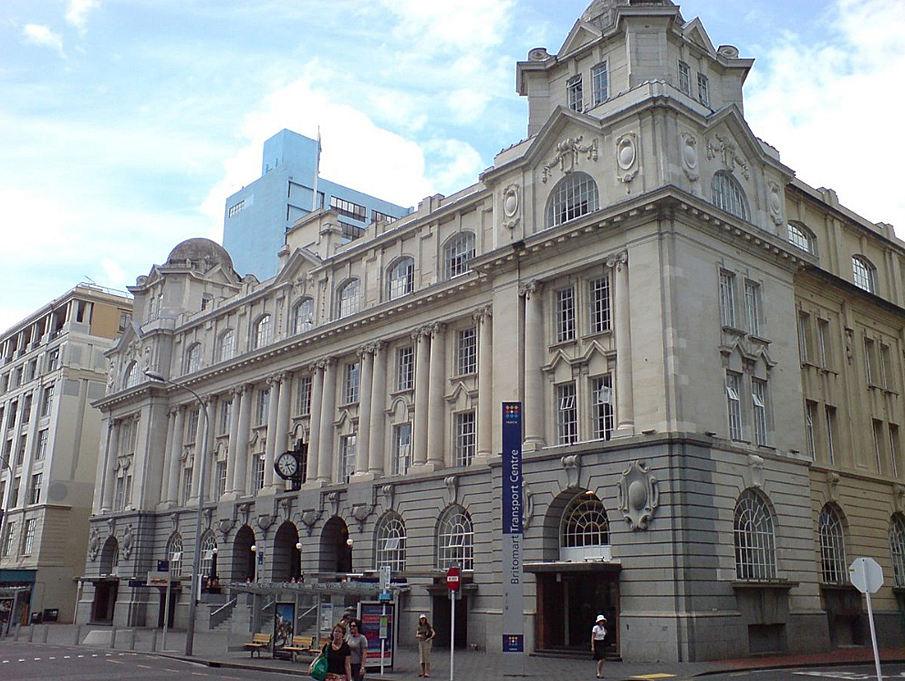
12 Queen Street, Tyler Street and Galway Street, AUCKLAND
Public
Historic Place Category 1
List No. 101
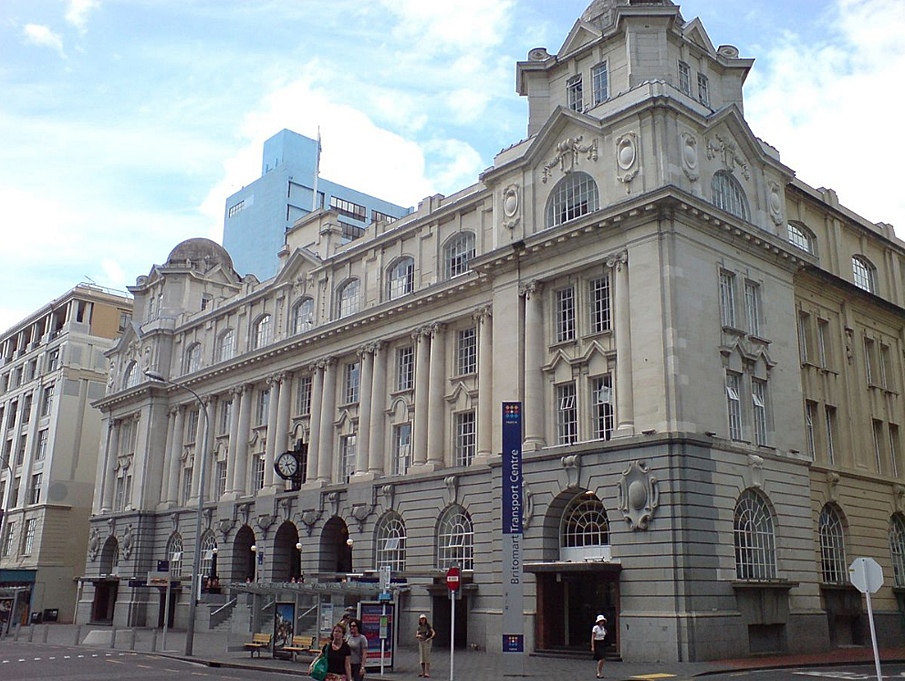
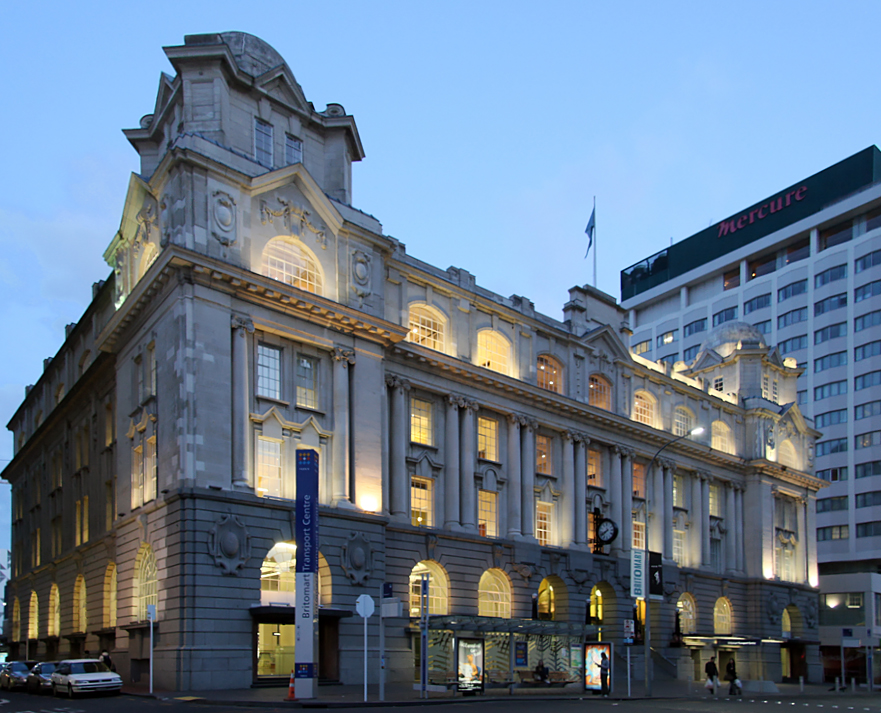
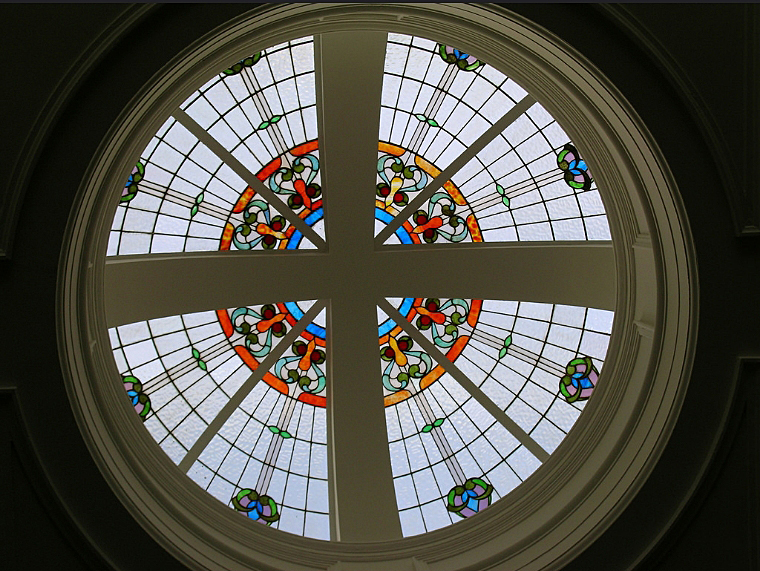
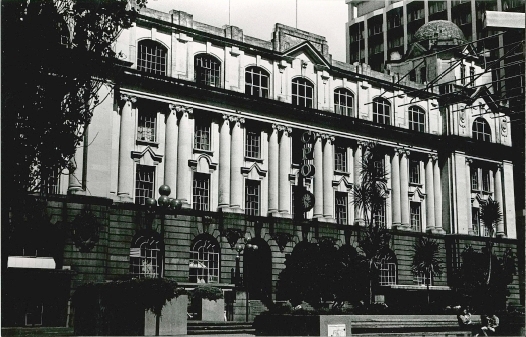
List Entry Information
Status
Listed
List Entry Status
Historic Place Category 1
Access
Able to Visit
List Number
101
Date Entered
11th July 1986
Date of Effect
11th July 1986
City/District Council
Auckland Council
Region
Auckland Council
Extent of List Entry
Extent includes part of the land described as Lot 100 DP 323395 (RT 93982), North Auckland Land District, and the building known as Chief Post Office thereon, and its fittings and fixtures.
Legal description
Lot 100 DP 323395 (RT 93982), North Auckland Land District
Status
Listed
List Entry Status
Historic Place Category 1
Access
Able to Visit
List Number
101
Date Entered
11th July 1986
Date of Effect
11th July 1986
City/District Council
Auckland Council
Region
Auckland Council
Extent of List Entry
Extent includes part of the land described as Lot 100 DP 323395 (RT 93982), North Auckland Land District, and the building known as Chief Post Office thereon, and its fittings and fixtures.
Legal description
Lot 100 DP 323395 (RT 93982), North Auckland Land District
Construction Professional
Name
Campbell, John
Type
Architect
Biography
John Campbell (1857-1942) served his articles under John Gordon (c1835-1912) in Glasgow. He arrived in Dunedin in 1882 and after a brief period as a draughtsman with Mason and Wales joined the Dunedin branch of the Public Works Department in 1883. His first known work, an unbuilt design for the Dunedin Railway Station, reveals an early interest in Baroque architecture. In November 1888 Campbell was transferred to Wellington where in 1889 he took up the position of draughtsman in charge of the Public Buildings Division of the Public Works Department. He remained in charge of the design of government buildings throughout New Zealand until his retirement in 1922, becoming in 1909 the first person to hold the position of Government Architect. Government architecture designed under his aegis evidences a change in style from Queen Anne to Edwardian Baroque. His best-known Queen Anne design is the Dunedin Police Station (1895-8), modelled on Richard Norman Shaw's New Scotland Yard (1887-90). Among his most exuberant Edwardian Baroque buildings is the Public Trust Office, Wellington (1905-09). Although Campbell designed the Dunedin Law Courts (1899-1902) in the Gothic style with a Scottish Baronial inflection, he established Edwardian Baroque as the government style for police stations, courthouses and post offices throughout New Zealand. In 1911 Campbell won the nation-wide architectural competition for the design of Parliament Buildings, Wellington. Although only partially completed, Parliament House is the crowning achievement of Campbell's career.
Name
Paton, Claude
Type
Architect
Biography
Claude Paton (1881 -1953) was born in Scotland and arrived in New Zealand in 1904. He received some architectural or draughting training in Glasgow which enabled him to gain employment with the Public Works Department in 1906 as an architectural draughtsman. Although Paton was never given the title of architect he was an influential force in the Department. He carried particular weight during the last decade of John Campbell's tenure as Government Architect; both were committed to the Edwardian Baroque style. Paton retired from the Public Works Department as a senior draughtsman in 1946.
Construction Details
Start Year
1909
Finish Year
1912
Type
Original Construction
Description
Construction of Chief Post Office
Start Year
1932
Type
Modification
Description
Demolition of associated side arches
Start Year
1930
startYearCirca
Finish Year
1940
finishYearCirca
Type
Addition
Description
Construction of rear annexe
Start Year
1961
Type
Modification
Description
Ground floor remodelled
Start Year
2001
Type
Modification
Description
Demolition of rear annexe
Notable Features
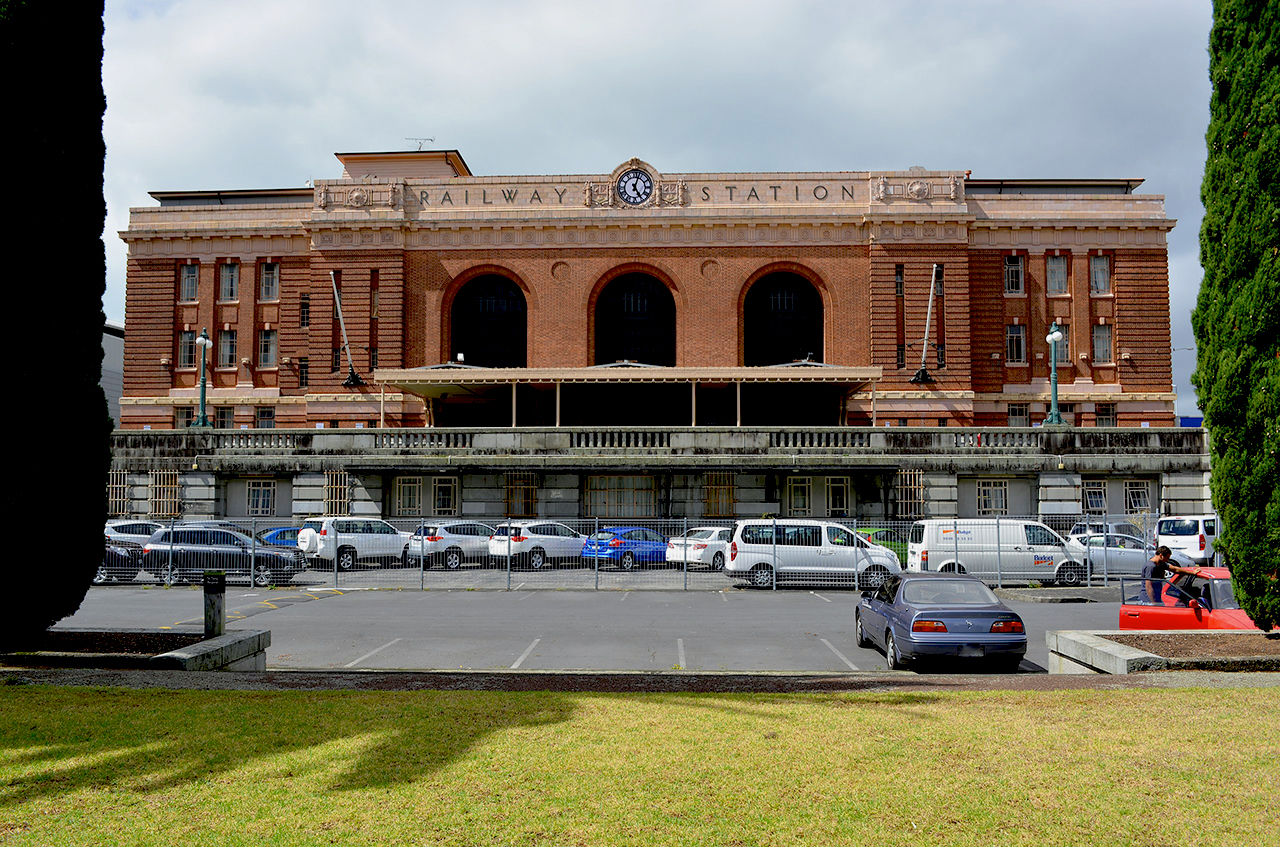
Registration covers the building, its fixtures and finishes. It also includes recent modifications. The building lies on reclaimed land in Commercial Bay, and occupies part of the site of the first Auckland railway station
Construction Professional
Name
Campbell, John
Type
Architect
Biography
John Campbell (1857-1942) served his articles under John Gordon (c1835-1912) in Glasgow. He arrived in Dunedin in 1882 and after a brief period as a draughtsman with Mason and Wales joined the Dunedin branch of the Public Works Department in 1883. His first known work, an unbuilt design for the Dunedin Railway Station, reveals an early interest in Baroque architecture. In November 1888 Campbell was transferred to Wellington where in 1889 he took up the position of draughtsman in charge of the Public Buildings Division of the Public Works Department. He remained in charge of the design of government buildings throughout New Zealand until his retirement in 1922, becoming in 1909 the first person to hold the position of Government Architect. Government architecture designed under his aegis evidences a change in style from Queen Anne to Edwardian Baroque. His best-known Queen Anne design is the Dunedin Police Station (1895-8), modelled on Richard Norman Shaw's New Scotland Yard (1887-90). Among his most exuberant Edwardian Baroque buildings is the Public Trust Office, Wellington (1905-09). Although Campbell designed the Dunedin Law Courts (1899-1902) in the Gothic style with a Scottish Baronial inflection, he established Edwardian Baroque as the government style for police stations, courthouses and post offices throughout New Zealand. In 1911 Campbell won the nation-wide architectural competition for the design of Parliament Buildings, Wellington. Although only partially completed, Parliament House is the crowning achievement of Campbell's career.
Name
Paton, Claude
Type
Architect
Biography
Claude Paton (1881 -1953) was born in Scotland and arrived in New Zealand in 1904. He received some architectural or draughting training in Glasgow which enabled him to gain employment with the Public Works Department in 1906 as an architectural draughtsman. Although Paton was never given the title of architect he was an influential force in the Department. He carried particular weight during the last decade of John Campbell's tenure as Government Architect; both were committed to the Edwardian Baroque style. Paton retired from the Public Works Department as a senior draughtsman in 1946.
Construction Details
Start Year
1909
Finish Year
1912
Type
Original Construction
Description
Construction of Chief Post Office
Start Year
1932
Type
Modification
Description
Demolition of associated side arches
Start Year
1930
startYearCirca
Finish Year
1940
finishYearCirca
Type
Addition
Description
Construction of rear annexe
Start Year
1961
Type
Modification
Description
Ground floor remodelled
Start Year
2001
Type
Modification
Description
Demolition of rear annexe
Notable Features
Registration covers the building, its fixtures and finishes. It also includes recent modifications. The building lies on reclaimed land in Commercial Bay, and occupies part of the site of the first Auckland railway station
Historical and Associated Iwi / Hapū / Whānau
Completion Date
21st August 2001
Report Written By
Martin Jones
Information Sources
New Zealand Herald
New Zealand Herald, 12 July 1932, p. 6; 28 September 1933, p. 6.
Conservation Plan
Conservation Plan
Other Information
This place was identified as significant under previous legislation with different information requirements. It remains significant under the current legislation. There is opportunity under our legislation and policies to add to this information. Further information about this place may be available from the Northern Regional Office of Heritage New Zealand Pouhere Taonga. NZIA Resene New Zealand Award Winners 2008 Please note that entry on the New Zealand Heritage List/Rarangi Korero identifies only the heritage values of the property concerned, and should not be construed as advice on the state of the property, or as a comment of its soundness or safety, including in regard to earthquake risk, safety in the event of fire, or insanitary conditions.
Historical and Associated Iwi / Hapū / Whānau
Completion Date
21st August 2001
Report Written By
Martin Jones
Information Sources
New Zealand Herald
New Zealand Herald, 12 July 1932, p. 6; 28 September 1933, p. 6.
Conservation Plan
Conservation Plan
Other Information
This place was identified as significant under previous legislation with different information requirements. It remains significant under the current legislation. There is opportunity under our legislation and policies to add to this information. Further information about this place may be available from the Northern Regional Office of Heritage New Zealand Pouhere Taonga. NZIA Resene New Zealand Award Winners 2008 Please note that entry on the New Zealand Heritage List/Rarangi Korero identifies only the heritage values of the property concerned, and should not be construed as advice on the state of the property, or as a comment of its soundness or safety, including in regard to earthquake risk, safety in the event of fire, or insanitary conditions.
Current Usages
Uses: Transport
Specific Usage: Railway station/ platform/ refreshment room
Former Usages
General Usage: Communication
Specific Usage: Post Office
Current Usages
Uses: Transport
Specific Usage: Railway station/ platform/ refreshment room
Former Usages
General Usage: Communication
Specific Usage: Post Office
Location
Get the latest heritage news, features and events delivered
straight to your inbox.
