Quick links


Quick links
Quick links
Quick links
Quick links
Quick links
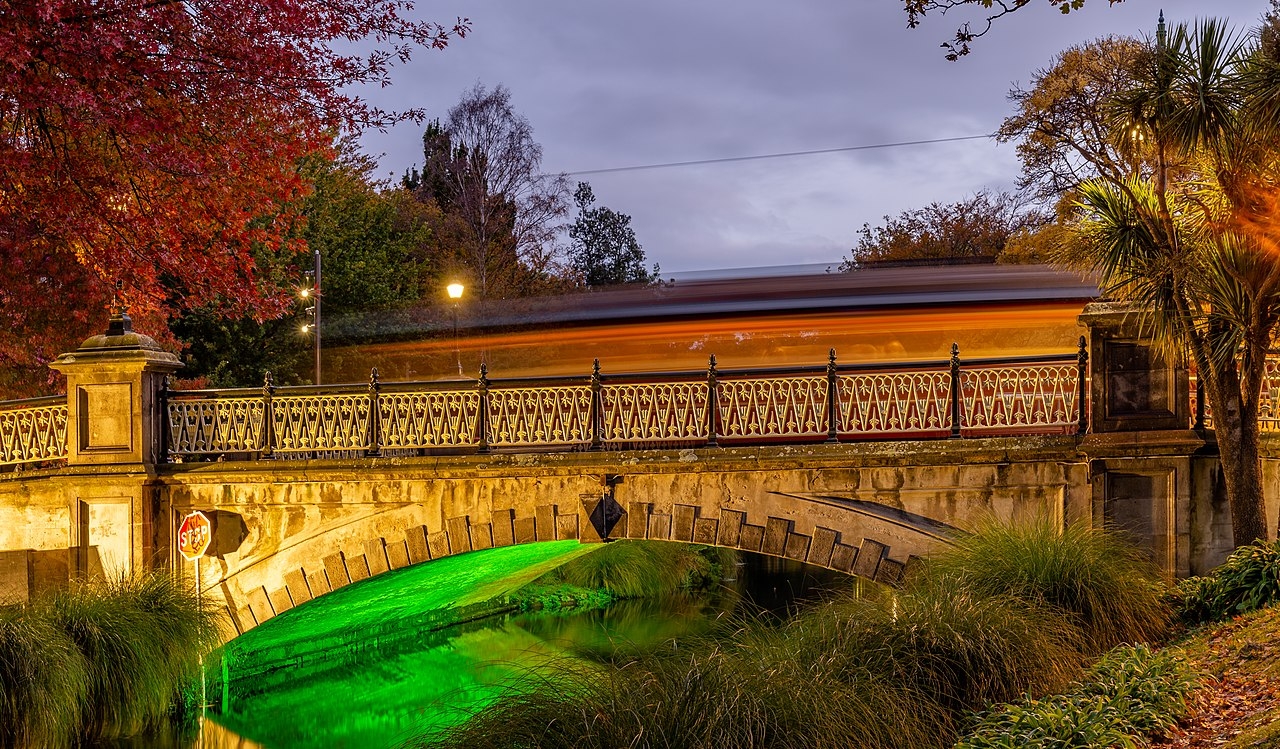
Armagh Street crossing of the Avon River to North Hagley Park, Hagley Park, CHRISTCHURCH
Public
Historic Place Category 2
List No. 1834
List Entry Information
Status
Listed
List Entry Status
Historic Place Category 2
Access
Able to Visit
List Number
1834
Date Entered
25th June 2004
Date of Effect
25th June 2004
City/District Council
Christchurch City
Region
Canterbury Region
Extent of List Entry
Registration includes: the bridge and Mickle Gates on its site.
Legal description
There is no legal description or certificate of title for this structure.
Location Description
Crosses the Avon River from Park Terrace into Hagley Park. Registration Includes: The bridge and Mickle Gates on its site.
Status
Listed
List Entry Status
Historic Place Category 2
Access
Able to Visit
List Number
1834
Date Entered
25th June 2004
Date of Effect
25th June 2004
City/District Council
Christchurch City
Region
Canterbury Region
Extent of List Entry
Registration includes: the bridge and Mickle Gates on its site.
Legal description
There is no legal description or certificate of title for this structure.
Location Description
Crosses the Avon River from Park Terrace into Hagley Park. Registration Includes: The bridge and Mickle Gates on its site.
Why is this place significant?
Historic Significance
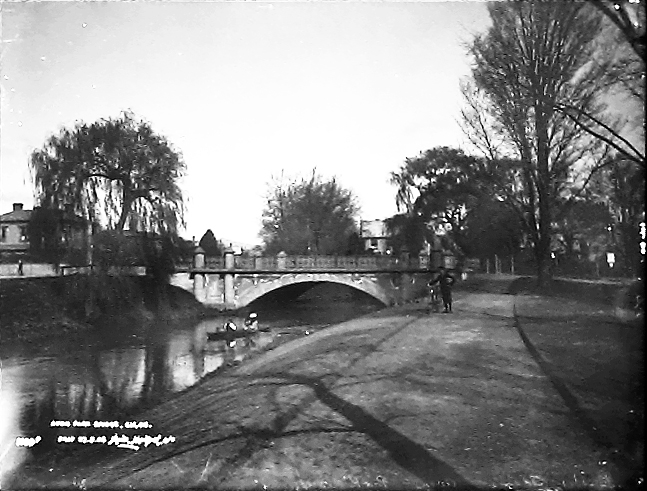
Historical Significance or Value The bridge has historical significance as an indication of the desire of the Victorian citizens of the city to use the Avon's bridges to ornament Christchurch whilst also providing evidence of permanency and progress.
Physical Significance
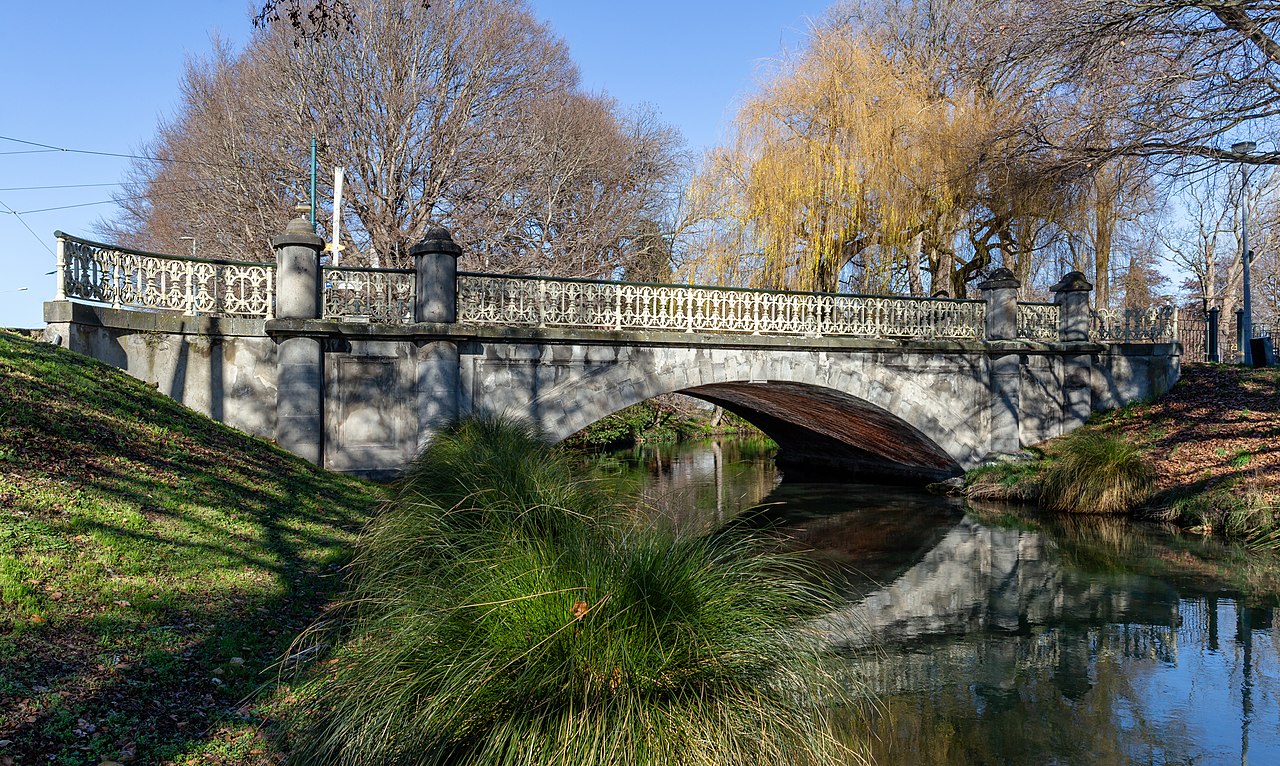
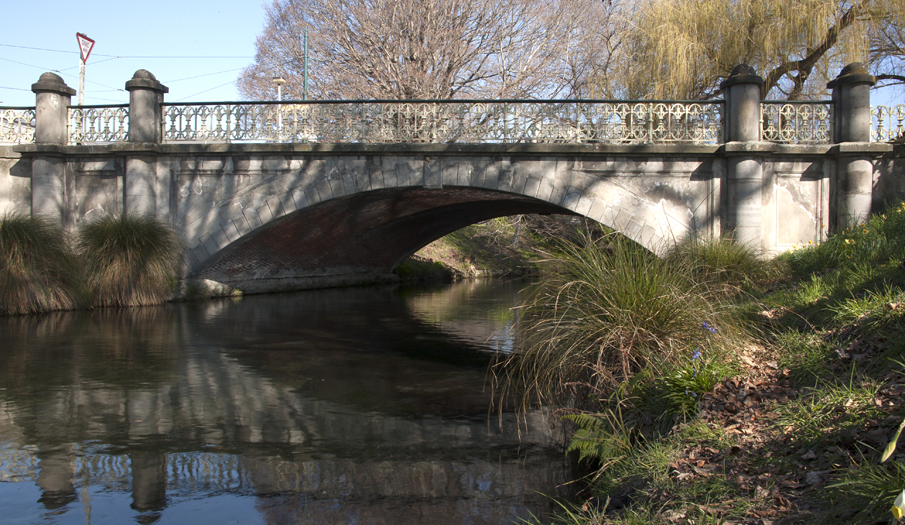
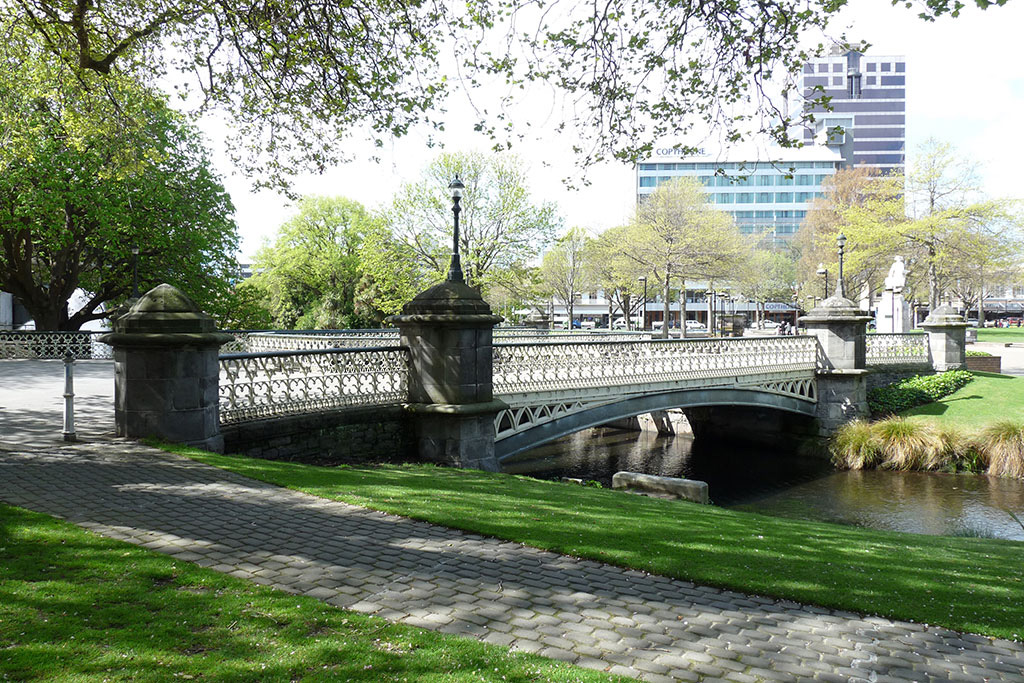
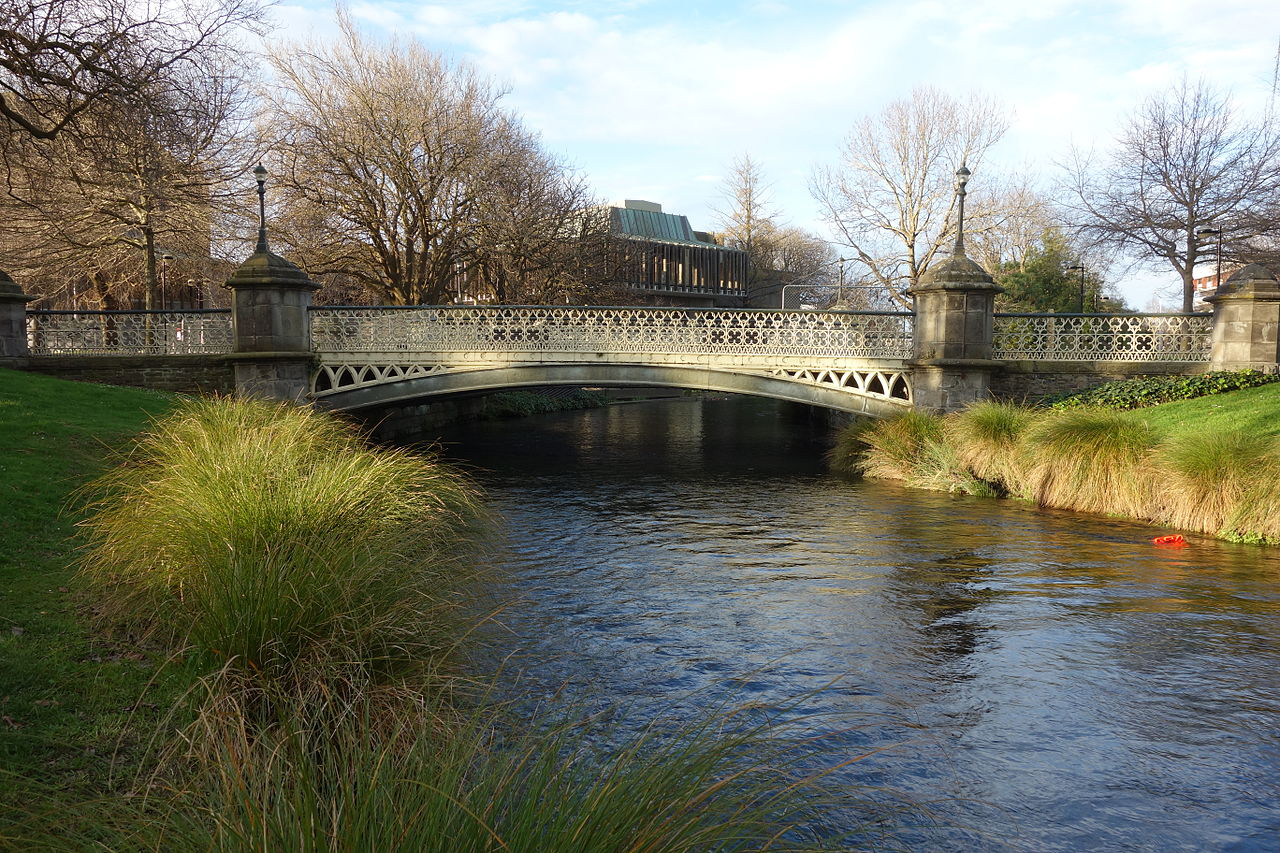
The Armagh St (Park) Bridge has aesthetic significance both with the graceful form of its arch and the neo-gothic form of its balustrade, which add to the attractive riverside environs of the Avon as it winds through the central city. The bridge is also architecturally significant for the manner in which it coheres with the pattern established for central city bridges and complements the neo-gothic idiom broadly characteristic of public architecture in Christchurch.
Why is this place Category 1 / Category 2?
Detail Of Assessed Criteria
(a) reflects the economic and social importance of the establishment of an effective transport network in the fledgling city; (g) is an aesthetically pleasing but practical design enhanced by fine ornamentation; (k) is an integral part of the collection of historic bridges in the central city, and of the neo-gothic precinct along Rolleston Avenue. More broadly, it is a significant contributor to the neo-gothic tone of central Christchurch.
Why is this place significant?
Historic Significance
Historical Significance or Value The bridge has historical significance as an indication of the desire of the Victorian citizens of the city to use the Avon's bridges to ornament Christchurch whilst also providing evidence of permanency and progress.
Physical Significance
The Armagh St (Park) Bridge has aesthetic significance both with the graceful form of its arch and the neo-gothic form of its balustrade, which add to the attractive riverside environs of the Avon as it winds through the central city. The bridge is also architecturally significant for the manner in which it coheres with the pattern established for central city bridges and complements the neo-gothic idiom broadly characteristic of public architecture in Christchurch.
Why is this place Category 1 / Category 2?
Detail Of Assessed Criteria
(a) reflects the economic and social importance of the establishment of an effective transport network in the fledgling city; (g) is an aesthetically pleasing but practical design enhanced by fine ornamentation; (k) is an integral part of the collection of historic bridges in the central city, and of the neo-gothic precinct along Rolleston Avenue. More broadly, it is a significant contributor to the neo-gothic tone of central Christchurch.
Construction Professional
Name
Walkden, Charles
Type
Engineer
Biography
No biography is currently available for this construction professional
Construction Details
Start Year
1885
Type
Original Construction
Start Year
1935
startYearCirca
Type
Addition
Description
Addition of Mickle Gates.
Construction Materials
Brick, cast iron, stucco, Mt Somers stone.
Construction Professional
Name
Walkden, Charles
Type
Engineer
Biography
No biography is currently available for this construction professional
Construction Details
Start Year
1885
Type
Original Construction
Start Year
1935
startYearCirca
Type
Addition
Description
Addition of Mickle Gates.
Construction Materials
Brick, cast iron, stucco, Mt Somers stone.
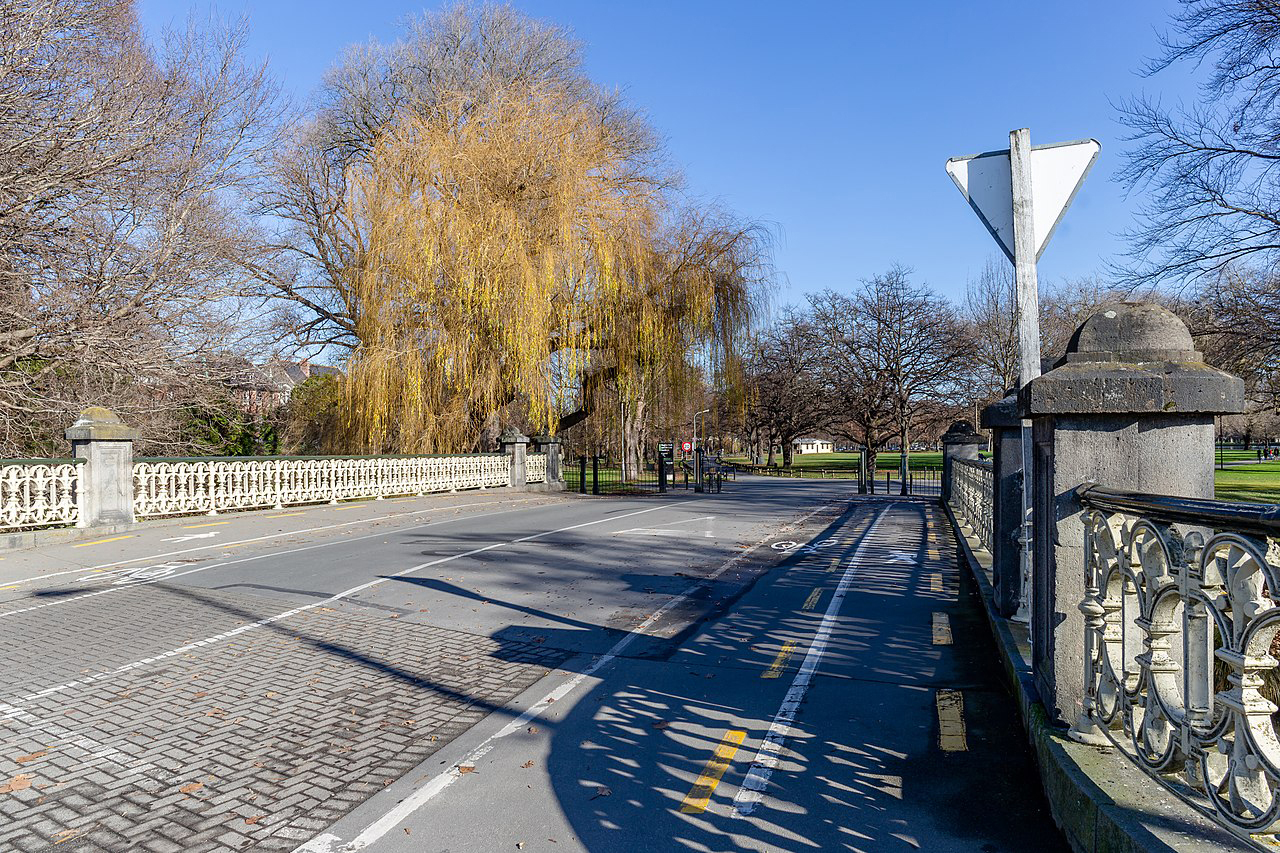
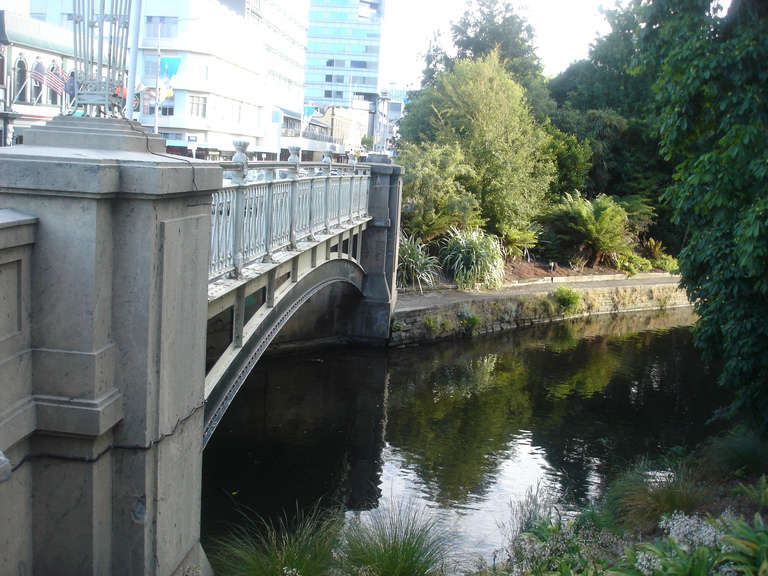
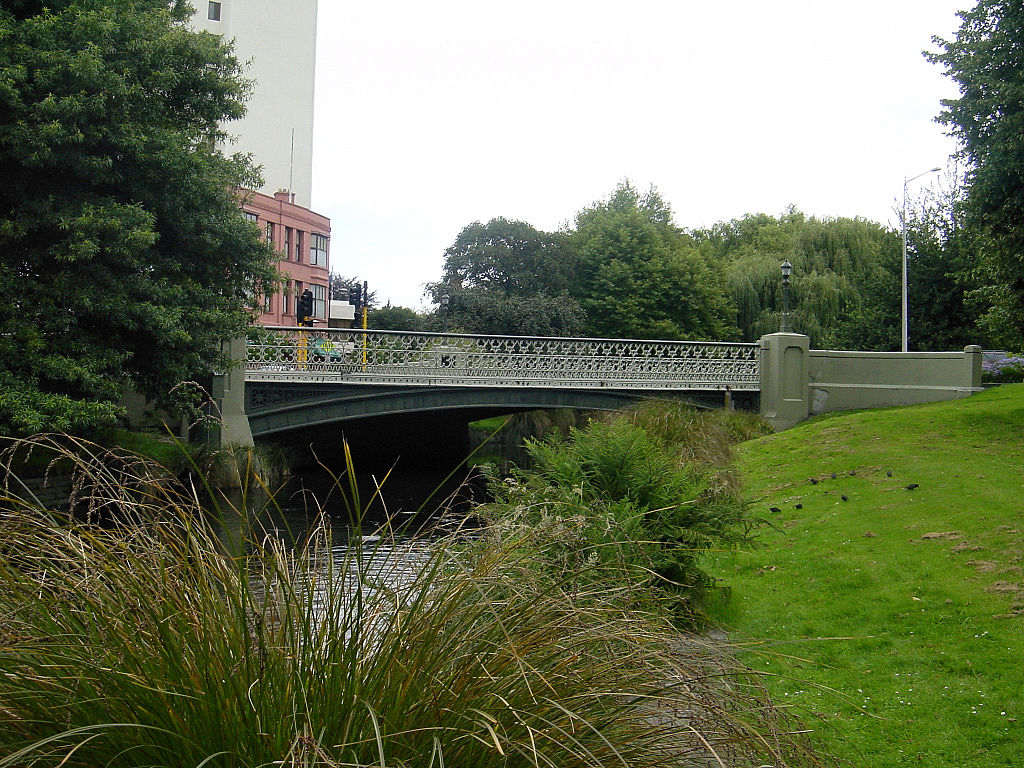
A single span brick arched bridge with stone piers, a stucco façade, and a cast iron balustrade. A set of wrought iron gates with cast iron posts is attached at the western approach.
A single span brick arched bridge with stone piers, a stucco façade, and a cast iron balustrade. A set of wrought iron gates with cast iron posts is attached at the western approach.
Historical and Associated Iwi / Hapū / Whānau
Completion Date
7th September 2004
Report Written By
Pam Wilson
Information Sources
Ince, 1998
John A. Ince, A City of Bridges. A History of Bridges over the Avon and Heathcote Rivers in Christchurch, Christchurch, 1998
New Zealand Medical Journal
New Zealand Medical Journal
Other Information
A fully referenced version of this report is available from the NZHPT Southern Region Office. Please note that entry on the New Zealand Heritage List/Rarangi Korero identifies only the heritage values of the property concerned, and should not be construed as advice on the state of the property, or as a comment of its soundness or safety, including in regard to earthquake risk, safety in the event of fire, or insanitary conditions.
Historical and Associated Iwi / Hapū / Whānau
Completion Date
7th September 2004
Report Written By
Pam Wilson
Information Sources
Ince, 1998
John A. Ince, A City of Bridges. A History of Bridges over the Avon and Heathcote Rivers in Christchurch, Christchurch, 1998
New Zealand Medical Journal
New Zealand Medical Journal
Other Information
A fully referenced version of this report is available from the NZHPT Southern Region Office. Please note that entry on the New Zealand Heritage List/Rarangi Korero identifies only the heritage values of the property concerned, and should not be construed as advice on the state of the property, or as a comment of its soundness or safety, including in regard to earthquake risk, safety in the event of fire, or insanitary conditions.
Current Usages
Uses: Transport
Specific Usage: Bridge/ Viaduct
Former Usages
General Usage: Transport
Specific Usage: Bridge/ Viaduct
Current Usages
Uses: Transport
Specific Usage: Bridge/ Viaduct
Former Usages
General Usage: Transport
Specific Usage: Bridge/ Viaduct
Location
Get the latest heritage news, features and events delivered
straight to your inbox.
