

Wheriko Church is an important monument to the growth of the Anglican Church in the Rangitikei and particularly the work of the missionary Reverend Richard Taylor. It also has connections with the Ratana Church. The church, built in 1862, was the third erected at the Ngati Apa pa of Parewanui. A simple Victorian Gothic church built of pit-sawn timber, it is believed that it originally had an earth floor. It is not known who designed the building. The local community - both Maori and Pakeha - and the Wellington Diocese of the Anglican Church, funded its construction. Richard Taylor dedicated the church in December 1862, and although Taylor had initially named the church Christ's Church, sometime later the name was changed to Wheriko.
In 1897 a large flood threatened Parewanui pa. The village was relocated, and the church eventually shifted (it is not known when) to its present site and rebuilt with the addition of a sanctuary, on land gifted in perpetuity to the Anglican Church by the members of the Ratana family. One of the notable figures associated with Wheriko at the turn of the twentieth century was Mere Rikiriki, a noted healer and holy woman, who later established the Holy Ghost Mission (Haaki o te Wairua Tapu) at Parewanui. In 1912 Rikiriki prophesised that her nephew Tahupotiki Wiremu Ratana would one day become a spiritual leader, and indeed he eventually was to found the Ratana Church. Mere Riririki was later buried in the churchyard at Wheriko, along with Ratana's parents Ihipera and Urukohai Ratana.
In the 1920s the growing influence of the Ratana movement drew many people away from Parewanui to Ratana pa. In 1932 repairs were undertaken to the church by the family of Pirihira Pera. This work included the repair of the sanctuary and the removal of the belfry. Further work was begun in the late 1940s/1950s, but due to the deaths of two key members of the parish who had initiated the repairs, all work on the church was stopped and the church was declared tapu. In February 1965 four Maori Anglican priests lifted the tapu on the church. The church was rededicated by Reverend Keith Elliot (then minister at Putiki) and in the presence of the Bishop of Wellington, the Right Reverend Henry Baines. Between 1980 and 1981 the church was raised and repiled with the help of the local community and the New Zealand Historic Places Trust.
Wheriko Church is significant because of its association with the missionary Reverend Richard Taylor. It also has significance for its association with three religious teachings: the Anglican Church, Haaki o te Wairua Tapu, and the Ratana Church.
In 1897 a large flood threatened Parewanui pa. The village was relocated, and the church eventually shifted (it is not known when) to its present site and rebuilt with the addition of a sanctuary, on land gifted in perpetuity to the Anglican Church by the members of the Ratana family. One of the notable figures associated with Wheriko at the turn of the twentieth century was Mere Rikiriki, a noted healer and holy woman, who later established the Holy Ghost Mission (Haaki o te Wairua Tapu) at Parewanui. In 1912 Rikiriki prophesised that her nephew Tahupotiki Wiremu Ratana would one day become a spiritual leader, and indeed he eventually was to found the Ratana Church. Mere Riririki was later buried in the churchyard at Wheriko, along with Ratana's parents Ihipera and Urukohai Ratana.
In the 1920s the growing influence of the Ratana movement drew many people away from Parewanui to Ratana pa. In 1932 repairs were undertaken to the church by the family of Pirihira Pera. This work included the repair of the sanctuary and the removal of the belfry. Further work was begun in the late 1940s/1950s, but due to the deaths of two key members of the parish who had initiated the repairs, all work on the church was stopped and the church was declared tapu. In February 1965 four Maori Anglican priests lifted the tapu on the church. The church was rededicated by Reverend Keith Elliot (then minister at Putiki) and in the presence of the Bishop of Wellington, the Right Reverend Henry Baines. Between 1980 and 1981 the church was raised and repiled with the help of the local community and the New Zealand Historic Places Trust.
Wheriko Church is significant because of its association with the missionary Reverend Richard Taylor. It also has significance for its association with three religious teachings: the Anglican Church, Haaki o te Wairua Tapu, and the Ratana Church.
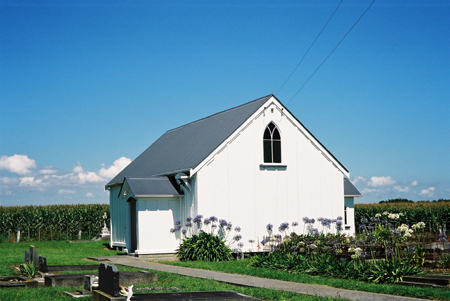
Wheriko Church (Anglican), Parewanui | R Murray | 01/04/2024 | R Murray
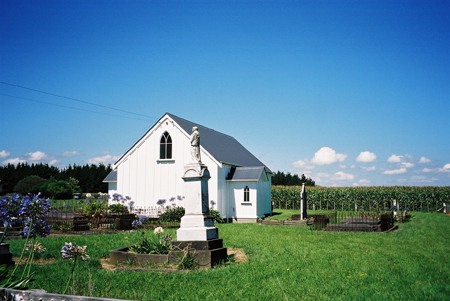
Wheriko Church (Anglican), Parewanui | R Murray | 01/04/2024 | R Murray
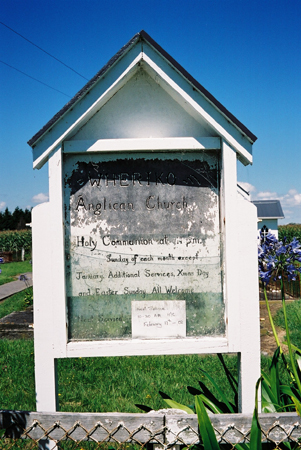
Wheriko Church (Anglican), Parewanui CC BY-NC-SA 2.0 Image courtesy of www.flickr.com | Nick Thompson | 12/01/2024 | Nick Thompson
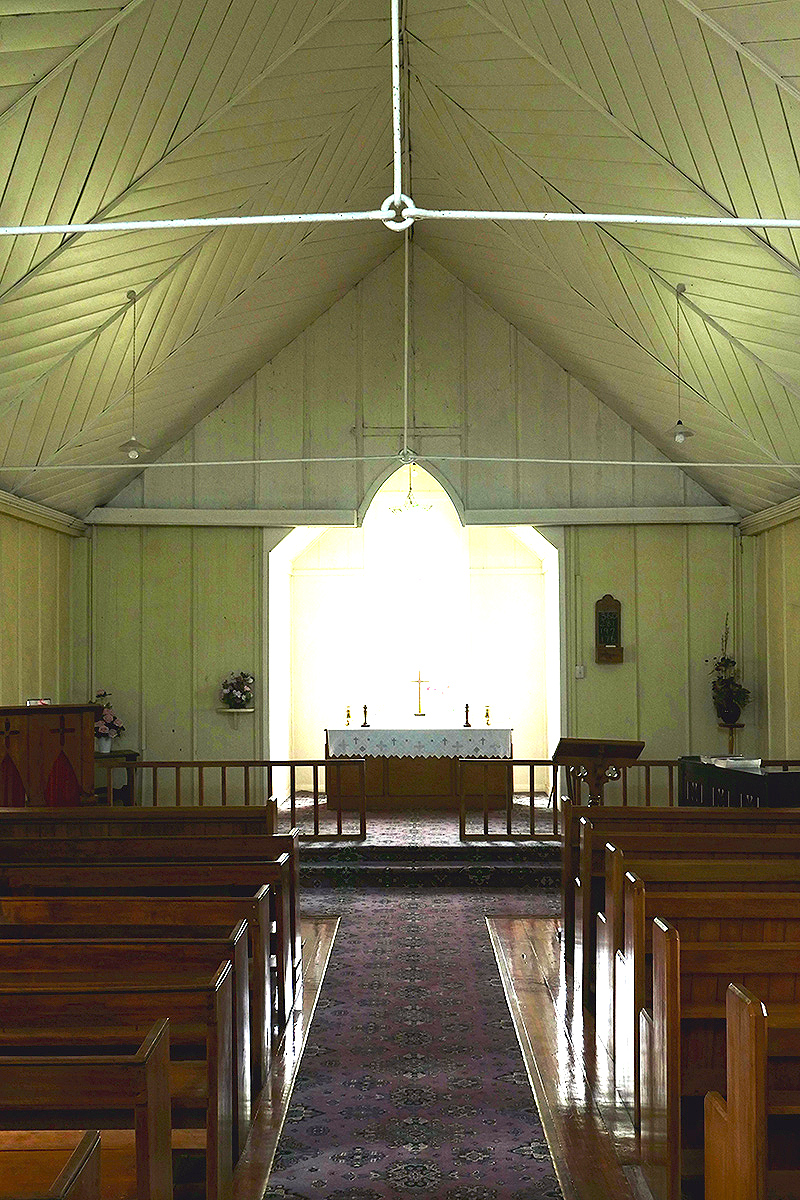
Wheriko Church (Anglican), Parewanui | R Murray | 01/04/2024 | R Murray
Wheriko Church (Anglican), Parewanui | R Murray | 01/04/2024 | R Murray
Wheriko Church (Anglican), Parewanui | R Murray | 01/04/2024 | R Murray
Wheriko Church (Anglican), Parewanui CC BY-NC-SA 2.0 Image courtesy of www.flickr.com | Nick Thompson | 12/01/2024 | Nick Thompson
Wheriko Church (Anglican), Parewanui | R Murray | 01/04/2024 | R Murray
