DonateMembershipVisit Heritage
  • Tūrangawaewae
    Places
  • Tira Māori
    Māori Heritage
  • Poutairangahia
    Archaeology
  • Rauemi
    Resources
  • Mō Tātou
    About Us
  • New Zealand Heritage List
  • Nominate and submit
  • Explore the List
  • National Historic Landmarks
  • Plaques
  • Rainbow List Project
  • Lost heritage
  • Visit Heritage
  • Our properties
  • Turnbull House Project
  • Collections
  • Shop
  • Tohu Whenua
  • Tira Māori
  • Conserving Māori heritage
  • Marae built heritage
  • Māori heritage on the List
  • Hinemihi—Te Hokinga Mai
  • What is archaeology?
  • Is there a site on my property?
  • What are my legal requirements?
  • Affecting an archaeological site
  • Declaring an archaeological site
  • Archaeology FAQs
  • Archaeology Digital Library
  • Archaeology guidelines and templates
  • Resources
  • Funding
  • Publications
  • Sustainable management guides
  • Disaster recovery
  • Podcasts & digital resources
  • Education Hub
  • Conservation plans
  • About
  • Board
  • Māori Heritage Council
  • Senior Staff
  • Offices
  • Contact us
  • Careers
  • Covenants
  • Fast-track
  • Corporate documents
  • Currently consulting on
  • Our submissions
  • News
  • Covid-19 response
Quick links
Rārangi Kōrero | The List
Explore the List
National Historic Landmarks
Ngā Manawhenua o Aotearoa me ōna Kōrero Tūturu
Quick links
Tapuwae
A Vision for Places of Māori Heritage
Funding for Māori Heritage
Resources
Quick links
Archaeological Authority Portal
Applying for an archaeological authority
Archaeology FAQs
Browse the most frequently asked questions about archaeological authorities and the archaeological process.
Quick links
Quick links
News
News Keep up to date with Heritage New Zealand Pouhere Taonga
Membership
Membership Find out more and sign up today
DonateMembershipVisit Heritage
  • Tūrangawaewae
    Places
  • Tira Māori
    Māori Heritage
  • Poutairangahia
    Archaeology
  • Rauemi
    Resources
  • Mō Tātou
    About Us
  • New Zealand Heritage List
  • Nominate and submit
  • Explore the List
  • National Historic Landmarks
  • Plaques
  • Rainbow List Project
  • Lost heritage
  • Visit Heritage
  • Our properties
  • Turnbull House Project
  • Collections
  • Shop
  • Tohu Whenua
  • Tira Māori
  • Conserving Māori heritage
  • Marae built heritage
  • Māori heritage on the List
  • Hinemihi—Te Hokinga Mai
  • What is archaeology?
  • Is there a site on my property?
  • What are my legal requirements?
  • Affecting an archaeological site
  • Declaring an archaeological site
  • Archaeology FAQs
  • Archaeology Digital Library
  • Archaeology guidelines and templates
  • Resources
  • Funding
  • Publications
  • Sustainable management guides
  • Disaster recovery
  • Podcasts & digital resources
  • Education Hub
  • Conservation plans
  • About
  • Board
  • Māori Heritage Council
  • Senior Staff
  • Offices
  • Contact us
  • Careers
  • Covenants
  • Fast-track
  • Corporate documents
  • Currently consulting on
  • Our submissions
  • News
  • Covid-19 response
Quick links
Rārangi Kōrero | The List
Explore the List
National Historic Landmarks
Ngā Manawhenua o Aotearoa me ōna Kōrero Tūturu
Quick links
Tapuwae
A Vision for Places of Māori Heritage
Funding for Māori Heritage
Resources
Quick links
Archaeological Authority Portal
Applying for an archaeological authority
Archaeology FAQs
Browse the most frequently asked questions about archaeological authorities and the archaeological process.
Quick links
Quick links
News
News Keep up to date with Heritage New Zealand Pouhere Taonga
Membership
Membership Find out more and sign up today
  • Places
  • Nominate and submit
  • National Historic Landmarks
  • Places
  • Nominate and submit
  • National Historic Landmarks
  • Tira Māori
  • Conserving Māori heritage
  • Marae built heritage
  • Tira Māori
  • Conserving Māori heritage
  • Marae built heritage
  • Archaeological authorities
  • Archaeology Digital Library
  • Archaeological authorities
  • Archaeology Digital Library
  • All resources
  • Publications
  • Funding
  • All resources
  • Publications
  • Funding
  • FAQs
  • FAQs
Follow us on:
Places
  • Places
  • Nominate and submit
  • National Historic Landmarks
Tira Māori
  • Tira Māori
  • Conserving Māori heritage
  • Marae built heritage
Archaeology
  • Archaeological authorities
  • Archaeology Digital Library
Resources
  • All resources
  • Publications
  • Funding
FAQs
  • FAQs
Follow us on
HomePrivacyTerms and conditionsAbout this site
© Heritage New Zealand Pouhere Taonga 2026.
 
Provincial Buildings Fire Engine House (Former)

Hardy Street, NELSON

Private

Historic Place Category 1

List No. 257

Quick links:
List GalleryLocationDetails
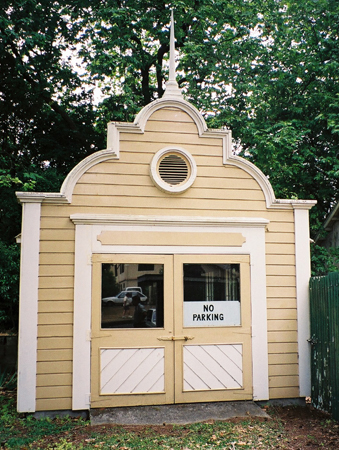
The Fire Engine House was built in 1866 to house the fire engine intended to protect the Nelson Provincial Council Buildings from fire. It is now the only remaining reminder of the demolished government buildings.

The Nelson Provincial Council Buildings were erected in 1859. The buildings were Nelson's most important administrative buildings and, being constructed of timber, were at considerable risk from fire. Nelson's first volunteer fire brigade was formed in 1858 and the Liverpool and London Fire Insurance Company purchased a fire engine for the brigade. However, by 1863 the enthusiasm of the volunteer fire fighters had evaporated and the fire brigade was described as being 'exceedingly weak'. As a result, the Provincial Council ordered their own fire engine from London to protect the Council Buildings. The engine was a Shand and Mason model that was capable of discharging 609 litres [134 gallons] of water per minute arrived in late 1863. It was initially housed in a dilapidated old shed close to the Council Buildings. Two years later, after a pointed comment was made in the Examiner in June 1865, £100 was allocated for the erection of a more suitable building.

The Fire Engine House was designed by architect Robert McDonald and built by the Assistant Engineer for the Nelson Province, Henry Handyside. A simple, single storey building with large double doors at either end, Fire Engine House cost £122 10s 4d to construct. The rectangular structure measures 3.7 metres by 5.5 metres (12 foot by18 foot). It is made of the same materials architect Maxwell Bury used to construct the government buildings. It has a concrete base, weatherboard walls, a timber ceiling and a roof of slate. The architecture of Fire Engine House imitated the architecture of the government buildings. This is particularly noticeable in its distinctive gables, which were replicas of the gables that adorned the government buildings. The Fire Engine House was completed and ready for use early in 1866. For a short period it served as the main engine house for Nelson.

By 1866 the Provincial Government had a fire engine and had provided accommodation for it. However, it is unknown what arrangements the Provincial Government made for the operation of the fire engine, either for its use within Albion Square, or for further a field. Indeed it is unknown if it was operational at any point. In June 1865 the Examiner, in the same article that commented on the poor accommodation afforded to the fire engine, pointed out that while the fire engine had been put in good working order (in 1864, after trials of it proved unsatisfactory) there remained no one who could operate it. Certainly efforts to develop a volunteer fire brigade that would service the wider area continued, indicating at the very least gaps in any service the Provincial Government may have provided. An attempt in July 1865 to establish a brigade 'with the necessary money and powers' by way of an act of the Provincial Government came on the back of failed efforts to organise a volunteer force. The bill itself did not proceed due to the sudden death of its draftsman.

This set of circumstances remained until a devastating fire destroyed 18 Nelson buildings in August 1866. It underlined the need for an organised fire brigade and almost immediately afterwards the Nelson Volunteer Fire Brigade was formed. In 1867 a new, public fire station was erected in Harley Street. It was large enough to hold the fire engine and had the advantage of having a meeting place upstairs for members of the fire brigade. The Fire Engine House in Albion Square was used for meetings of the Nelson Volunteer Fire Brigade in the interim and for a time after the completion of the Harley Street building.

The building is best remembered for its use as a morgue shortly after its completion. In 1866 four men were robbed and killed by the notorious Kelly gang on the road that led from the Wakamarina goldfields to Nelson. The bodies of the men were discovered in June. It is uncertain why they were taken to Fire Engine House as the city had a morgue but one drawing suggests that they may have been displayed there before the horrified Nelson public. Three of the four murderers were hung shortly afterwards and the 'Maungatapu murders' have become part of the folklore of Nelson. While there is no evidence to suggest that the building was used as a morgue after the murders, the memory of its use for the murder victims persisted and it became known as 'the old morgue'.

In 1876 the provincial government system ended and both the Provincial Council Buildings and Fire Engine House were handed over to the Crown. Fire Engine House was used primarily as garage and storage space. In 1969, one hundred years after they were erected and despite public protest, the Provincial Council Buildings were demolished. Fire Engine House, built to protect it, was passed over and in 1974 renovation of the building commenced with the intention of converting it into a museum. Despite this the building remains empty, a solitary reminder of Nelson's years of self-government.

The Former Provincial Council Buildings' Fire Engine House is architecturally significant as the only remaining physical link with Nelson's Provincial Council Buildings. The Provincial Council Buildings were an important part of Nelson's history and the use of similar materials and the same architectural detail in Fire Engine House provides an authentic, visual reminder of the demolished buildings. The Fire Engine House is historically significant as an example of an early, purpose-built fire house, although it is unknown if it was operational at any time. The building is an important marker in the development of Nelson's fire fighting services and its connection to the Maungatapu murders adds to its cultural interest.
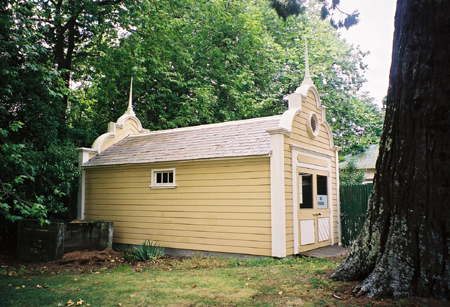
Provincial Buildings Fire Engine House (Former) | Rebecca O'Brien | 05/02/2003 | NZ Historic Places Trust

List Entry Information

Overview

Status
Listed

List Entry Status
Historic Place Category 1

Access
Private/No Public Access

List Number
257

Date Entered
6th September 1984

Date of Effect
6th September 1984

City/District Council
Nelson City

Region
Nelson Region

Legal description

Secs 201 203 Pt Secs 179 180 181 200 202 -Historic Reserve

Location Description

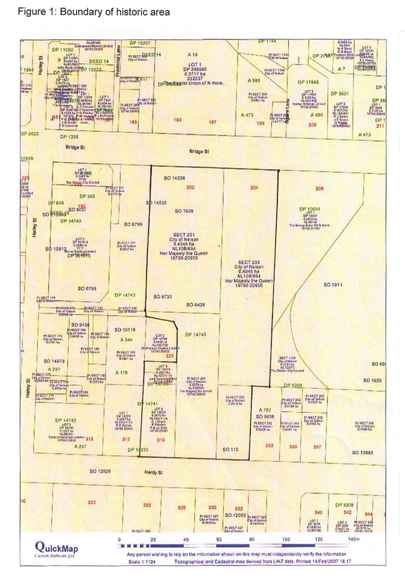
Located in Albion Square Historic Area which is bounded on the north and south side by Hardy Street and Bridge Street in Nelson.

Detailed List Entry
Significance

Historic Significance

Historical Significance or Value This assessment was prepared in 2003 with reference to the criteria of the Historic Places Act 1993. aesthetic, architectural, historical, social Fire Engine House is historically significant as an example of an early, purpose-built fire station. The building is an important marker in the development of Nelson's fire fighting services and is the only remaining physical link with Nelson's Provincial Council Buildings. The Provincial Council Buildings were an important part of Nelson's history and the use of similar materials and the same architectural detail in Fire Engine House gives the structure aesthetic and architectural importance. The site has social value as it is intimately connected in the community mind with the notorious Maungatapu murders that caused a sensation in the district.

Detail Of Assessed Criteria

This assessment was prepared in 2003 with reference to the criteria of the Historic Places Act 1993. a, b, c, e, g, h, k Fire Engine House reflects the constant danger of fire faced by wooden buildings, and reflects an early, innovative solution to this problem. The structure's association with the Provincial Council, an important part of early New Zealand government, adds to its historic significance. Fire Engine House's similarity to the architectural design used in the now demolished Provincial Council Buildings gives it both design and commemorative value and increases its potential to provide knowledge of New Zealand history. The esteem in which it is held by the public is exemplified by the building's inclusion in the Albion Square Historic Reserve that was gazetted in 1990. Located in the Albion Square Historic Area, the building is an integral part of a wider historical and cultural complex that stands in memory of the Provincial Council and its associated activities.

Construction Professional

Name

Handyside, Henry

Type

Builder

Biography

No biography is currently available for this construction professional

Name

McDonald, Robert

Type

Architect

Biography

No biography is currently available for this construction professional

Construction Details

Start Year

1865

Finish Year

1866

Type

Original Construction

Description

Building constructed

Start Year

1974

Finish Year

1976

Type

Modification

Description

Two new doors attached to front of building; parapets capped with lead; concrete floor laid; new glazed window installed; fence and gates repositioned

Construction Materials

Single storey building built on a concrete foundation slab. Constructed around a timber frame, the walls are lined with timber and the interior is covered with lime plaster over mesh. The ceiling is tongue and groove match lining. The roof was originally covered with slate tiles

Notable Features

The registration covers the building, its fittings and fixtures, and the land on which it rests. The gable design featured at each end of the building recalls the now demolished Jacobean-styled Provincial Council Buildings

Physical Description

A simple, single storey structure with large double doors at either end. The rectangular structure measures 3.7 metres by 5.5 metres (12 foot by 18 foot). Built on a concrete base, the building has weather-board walls, a timber ceiling and a roof of slate. The concrete floor and the double doors were replaced between 1974 and 1976. The architecture of Fire Engine House imitated the architecture of the government buildings. This is particularly noticeable in its distinctive gables, which were replicas of the gables that adorned the government buildings.

Reference

Completion Date

28th February 2003

Report Written By

Rebecca O'Brien

Information Sources

Broad, 1892 (1976)

L. Broad, 'Jubilee History of Nelson', Nelson, 1892 (reprinted by Capper Press, Christchurch1976)

Hanson, 1978

E. Hanson, 'The Old Engine House at Nelson', The Records of the New Zealand Historic Places Trust, vol.2, April 1978, pp.7-13

Report Written By

A fully referenced version of this report is available from the NZHPT Central Region Office Please note that entry on the New Zealand Heritage List/Rarangi Korero identifies only the heritage values of the property concerned, and should not be construed as advice on the state of the property, or as a comment of its soundness or safety, including in regard to earthquake risk, safety in the event of fire, or insanitary conditions.

Further Information

Current Usages

Uses: Civic Facilities

Specific Usage: Historic or recreation reserve

Former Usages

General Usage:: Funerary Sites

Specific Usage: Morgue/mortuary

General Usage:: Utilities

Specific Usage: Fire Station

Themes

Web Links

Overview

Status

Listed

List Entry Status

Historic Place Category 1

Access

Private/No Public Access

List Number

257

Date Entered

6th September 1984

Date of Effect

6th September 1984

City/District Council

Nelson City

Region

Nelson Region

Legal description

Secs 201 203 Pt Secs 179 180 181 200 202 -Historic Reserve

Location Description

Located in Albion Square Historic Area which is bounded on the north and south side by Hardy Street and Bridge Street in Nelson.

Status

Listed

List Entry Status

Historic Place Category 1

Access

Private/No Public Access

List Number

257

Date Entered

6th September 1984

Date of Effect

6th September 1984

City/District Council

Nelson City

Region

Nelson Region

Legal description

Secs 201 203 Pt Secs 179 180 181 200 202 -Historic Reserve

Location Description

Located in Albion Square Historic Area which is bounded on the north and south side by Hardy Street and Bridge Street in Nelson.

Significance

Why is this place significant?

Historic Significance

Historical Significance or Value This assessment was prepared in 2003 with reference to the criteria of the Historic Places Act 1993. aesthetic, architectural, historical, social Fire Engine House is historically significant as an example of an early, purpose-built fire station. The building is an important marker in the development of Nelson's fire fighting services and is the only remaining physical link with Nelson's Provincial Council Buildings. The Provincial Council Buildings were an important part of Nelson's history and the use of similar materials and the same architectural detail in Fire Engine House gives the structure aesthetic and architectural importance. The site has social value as it is intimately connected in the community mind with the notorious Maungatapu murders that caused a sensation in the district.

Why is this place Category 1 / Category 2?

Detail Of Assessed Criteria

This assessment was prepared in 2003 with reference to the criteria of the Historic Places Act 1993. a, b, c, e, g, h, k Fire Engine House reflects the constant danger of fire faced by wooden buildings, and reflects an early, innovative solution to this problem. The structure's association with the Provincial Council, an important part of early New Zealand government, adds to its historic significance. Fire Engine House's similarity to the architectural design used in the now demolished Provincial Council Buildings gives it both design and commemorative value and increases its potential to provide knowledge of New Zealand history. The esteem in which it is held by the public is exemplified by the building's inclusion in the Albion Square Historic Reserve that was gazetted in 1990. Located in the Albion Square Historic Area, the building is an integral part of a wider historical and cultural complex that stands in memory of the Provincial Council and its associated activities.

Why is this place significant?

Historic Significance

Historical Significance or Value This assessment was prepared in 2003 with reference to the criteria of the Historic Places Act 1993. aesthetic, architectural, historical, social Fire Engine House is historically significant as an example of an early, purpose-built fire station. The building is an important marker in the development of Nelson's fire fighting services and is the only remaining physical link with Nelson's Provincial Council Buildings. The Provincial Council Buildings were an important part of Nelson's history and the use of similar materials and the same architectural detail in Fire Engine House gives the structure aesthetic and architectural importance. The site has social value as it is intimately connected in the community mind with the notorious Maungatapu murders that caused a sensation in the district.

Why is this place Category 1 / Category 2?

Detail Of Assessed Criteria

This assessment was prepared in 2003 with reference to the criteria of the Historic Places Act 1993. a, b, c, e, g, h, k Fire Engine House reflects the constant danger of fire faced by wooden buildings, and reflects an early, innovative solution to this problem. The structure's association with the Provincial Council, an important part of early New Zealand government, adds to its historic significance. Fire Engine House's similarity to the architectural design used in the now demolished Provincial Council Buildings gives it both design and commemorative value and increases its potential to provide knowledge of New Zealand history. The esteem in which it is held by the public is exemplified by the building's inclusion in the Albion Square Historic Reserve that was gazetted in 1990. Located in the Albion Square Historic Area, the building is an integral part of a wider historical and cultural complex that stands in memory of the Provincial Council and its associated activities.

Construction Information

Construction Professional

Name

Handyside, Henry

Type

Builder

Biography

No biography is currently available for this construction professional

Name

McDonald, Robert

Type

Architect

Biography

No biography is currently available for this construction professional

Construction Details

Start Year

1865

Finish Year

1866

Type

Original Construction

Description

Building constructed

Start Year

1974

Finish Year

1976

Type

Modification

Description

Two new doors attached to front of building; parapets capped with lead; concrete floor laid; new glazed window installed; fence and gates repositioned

Construction Materials

Single storey building built on a concrete foundation slab. Constructed around a timber frame, the walls are lined with timber and the interior is covered with lime plaster over mesh. The ceiling is tongue and groove match lining. The roof was originally covered with slate tiles

Notable Features

The registration covers the building, its fittings and fixtures, and the land on which it rests. The gable design featured at each end of the building recalls the now demolished Jacobean-styled Provincial Council Buildings

Construction Professional

Name

Handyside, Henry

Type

Builder

Biography

No biography is currently available for this construction professional

Name

McDonald, Robert

Type

Architect

Biography

No biography is currently available for this construction professional

Construction Details

Start Year

1865

Finish Year

1866

Type

Original Construction

Description

Building constructed

Start Year

1974

Finish Year

1976

Type

Modification

Description

Two new doors attached to front of building; parapets capped with lead; concrete floor laid; new glazed window installed; fence and gates repositioned

Construction Materials

Single storey building built on a concrete foundation slab. Constructed around a timber frame, the walls are lined with timber and the interior is covered with lime plaster over mesh. The ceiling is tongue and groove match lining. The roof was originally covered with slate tiles

Notable Features

The registration covers the building, its fittings and fixtures, and the land on which it rests. The gable design featured at each end of the building recalls the now demolished Jacobean-styled Provincial Council Buildings

Physical Description

A simple, single storey structure with large double doors at either end. The rectangular structure measures 3.7 metres by 5.5 metres (12 foot by 18 foot). Built on a concrete base, the building has weather-board walls, a timber ceiling and a roof of slate. The concrete floor and the double doors were replaced between 1974 and 1976. The architecture of Fire Engine House imitated the architecture of the government buildings. This is particularly noticeable in its distinctive gables, which were replicas of the gables that adorned the government buildings.

A simple, single storey structure with large double doors at either end. The rectangular structure measures 3.7 metres by 5.5 metres (12 foot by 18 foot). Built on a concrete base, the building has weather-board walls, a timber ceiling and a roof of slate. The concrete floor and the double doors were replaced between 1974 and 1976. The architecture of Fire Engine House imitated the architecture of the government buildings. This is particularly noticeable in its distinctive gables, which were replicas of the gables that adorned the government buildings.

Reference

Historical and Associated Iwi / Hapū / Whānau

Completion Date

28th February 2003

Report Written By

Rebecca O'Brien

Information Sources

Broad, 1892 (1976)

L. Broad, 'Jubilee History of Nelson', Nelson, 1892 (reprinted by Capper Press, Christchurch1976)

Hanson, 1978

E. Hanson, 'The Old Engine House at Nelson', The Records of the New Zealand Historic Places Trust, vol.2, April 1978, pp.7-13

Other Information

A fully referenced version of this report is available from the NZHPT Central Region Office Please note that entry on the New Zealand Heritage List/Rarangi Korero identifies only the heritage values of the property concerned, and should not be construed as advice on the state of the property, or as a comment of its soundness or safety, including in regard to earthquake risk, safety in the event of fire, or insanitary conditions.

Historical and Associated Iwi / Hapū / Whānau

Completion Date

28th February 2003

Report Written By

Rebecca O'Brien

Information Sources

Broad, 1892 (1976)

L. Broad, 'Jubilee History of Nelson', Nelson, 1892 (reprinted by Capper Press, Christchurch1976)

Hanson, 1978

E. Hanson, 'The Old Engine House at Nelson', The Records of the New Zealand Historic Places Trust, vol.2, April 1978, pp.7-13

Other Information

A fully referenced version of this report is available from the NZHPT Central Region Office Please note that entry on the New Zealand Heritage List/Rarangi Korero identifies only the heritage values of the property concerned, and should not be construed as advice on the state of the property, or as a comment of its soundness or safety, including in regard to earthquake risk, safety in the event of fire, or insanitary conditions.

Further Information

Current Usages

Uses: Civic Facilities

Specific Usage: Historic or recreation reserve

Former Usages

General Usage: Funerary Sites

Specific Usage: Morgue/mortuary

General Usage: Utilities

Specific Usage: Fire Station

Current Usages

Uses: Civic Facilities

Specific Usage: Historic or recreation reserve

Former Usages

General Usage: Funerary Sites

Specific Usage: Morgue/mortuary

General Usage: Utilities

Specific Usage: Fire Station

Location

Loading
Related listings
Albion Square Historic Area. Plan of Historic Area from registration report
Albion Square Historic Area
Albion Square Historic Area. Plan of Historic Area from registration report
Albion Square Historic Area
Stay up to date with Heritage this month