Quick links


Quick links
Quick links
Quick links
Quick links
Quick links
41 Opouri Road, RAI VALLEY
Public
Historic Place Category 1
List No. 329
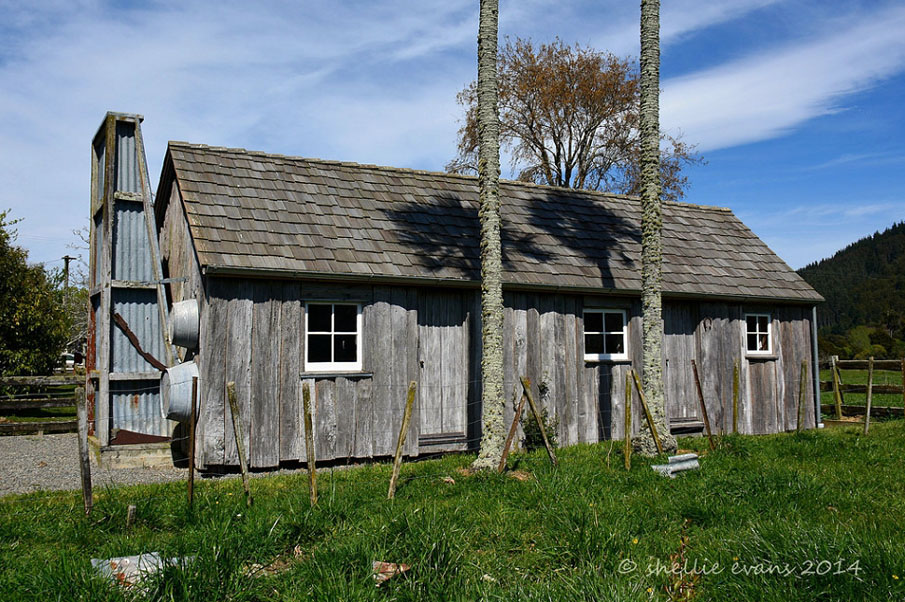
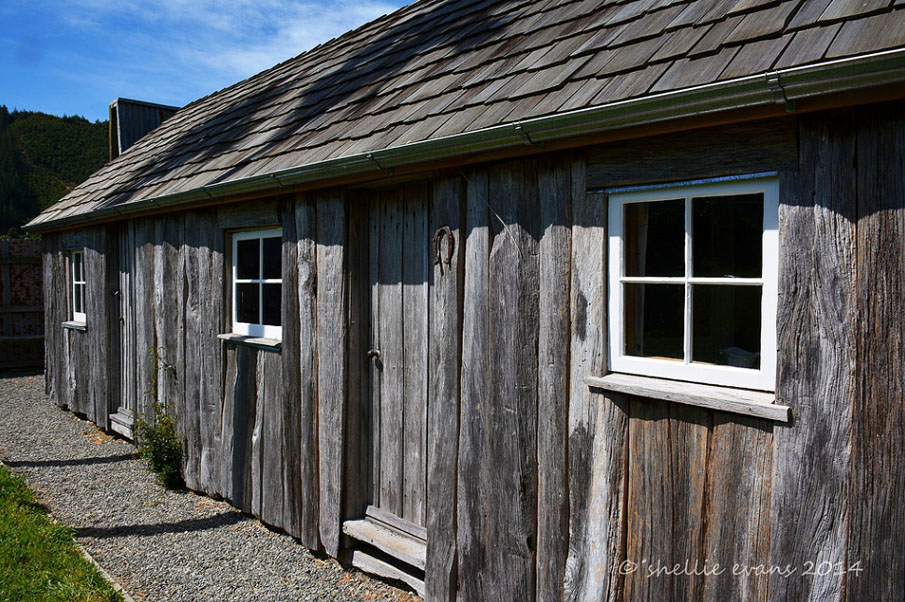
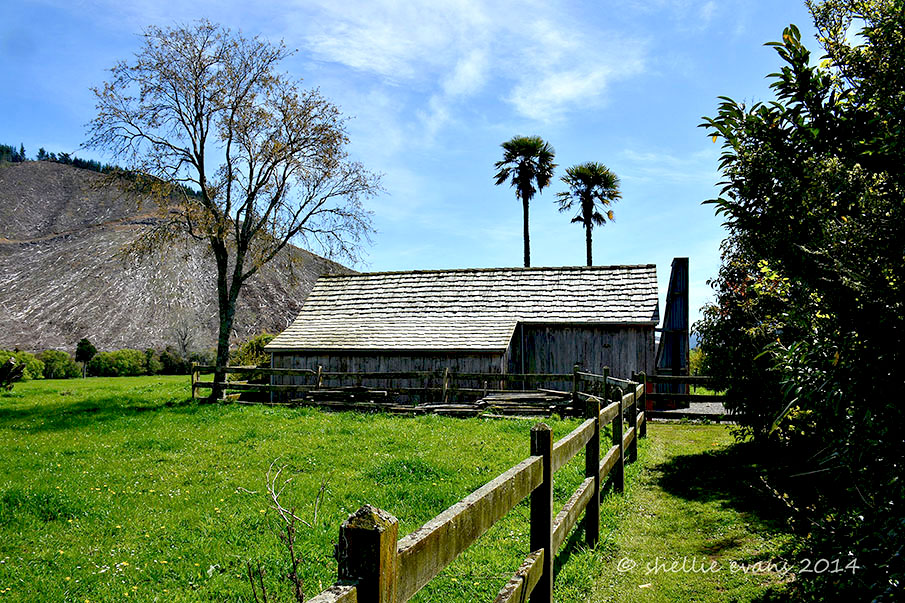
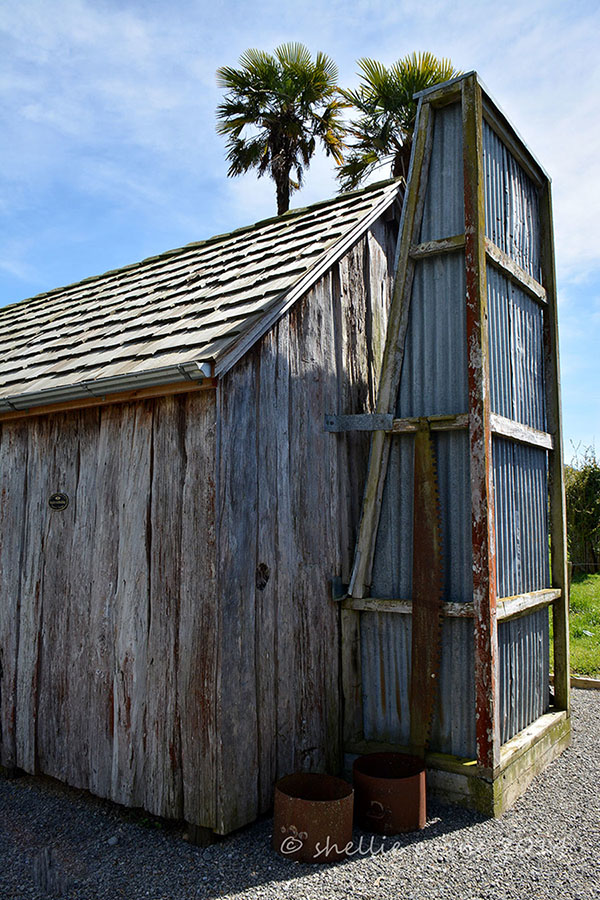
List Entry Information
Status
Listed
List Entry Status
Historic Place Category 1
Access
Able to Visit
List Number
329
Date Entered
28th June 1990
Date of Effect
28th June 1990
City/District Council
Marlborough District
Region
Marlborough Region
Extent of List Entry
Extent includes the land described as Lot 1 DP 4745 (RT MB3B/673), Marlborough Land District and the building known as Rai Valley Cottage thereon, and its fittings and fixtures. Refer to the extent diagram tabled at the Rārangi Kōrero Committee on 31 July 2025.
Legal description
Lot 1 DP 4745 (RT MB3B/673), Marlborough Land District
Location Description
The cottage is situated in a paddock adjacent to number 41 Opouri Road, Carluke.
Status
Listed
List Entry Status
Historic Place Category 1
Access
Able to Visit
List Number
329
Date Entered
28th June 1990
Date of Effect
28th June 1990
City/District Council
Marlborough District
Region
Marlborough Region
Extent of List Entry
Extent includes the land described as Lot 1 DP 4745 (RT MB3B/673), Marlborough Land District and the building known as Rai Valley Cottage thereon, and its fittings and fixtures. Refer to the extent diagram tabled at the Rārangi Kōrero Committee on 31 July 2025.
Legal description
Lot 1 DP 4745 (RT MB3B/673), Marlborough Land District
Location Description
The cottage is situated in a paddock adjacent to number 41 Opouri Road, Carluke.
Why is this place significant?
Cultural Significance
SOCIAL SIGNIFICANCE OR VALUE: This place was registered under previous legislation and this current assessment was completed based on the criteria under section 23 (1) and (2) of the HPA 1993 but the assessment has not been approved by the Board as part of a formal review process. The Rai Valley Cottage has considerable social significance to the local community. As a designated memorial to the pioneer settlers of the district, the cottage relates directly through family ties to many members of the local community. Its high social value is evident in the initiation of the restoration project and substantial efforts by the Rai Valley Pioneer Home Valley Committee, many of whom donated months of their time as well as treasured heirlooms for the interior furnishings, with the specific aim of sharing this aspect of their heritage. The strong esteem that the cottage is held in was demonstrated by the high attendance numbers at the opening ceremony (over 300 people), as well as by the continued interest of visitors from all over the world (approximately 600 people visit per year).
Historic Significance
Historical Significance or Value This place was registered under previous legislation and this current assessment was completed based on the criteria under section 23 (1) and (2) of the HPA 1993 but the assessment has not been approved by the Board as part of a formal review process. The Rai Valley Cottage is the earliest surviving European structure in the Rai Valley and its historical significance is enhanced by the fact it was also the home of the first settlement family, who founded the Rai Valley community. The Turners endured the typical hardships of pioneer life and lived in the house for ten years in comparative isolation, and their descendants are still prominent in the area. Although the construction date of the cottage is comparatively later than other slab houses typical of this design, the design of the Rai Valley Cottage results from the relative inaccessibility and isolation of its location. This cottage is therefore still significant for its illustration of pioneer life and settlement in bush-clad areas of New Zealand, and is one of the few available for the public to visit (other registered examples are on private land).
Physical Significance
ARCHITECTURAL SIGNIFICANCE OR VALUE: This place was registered under previous legislation and this current assessment was completed based on the criteria under section 23 (1) and (2) of the HPA 1993 but the assessment has not been approved by the Board as part of a formal review process. The gabled rectangular form of the Rai Valley Pioneer Cottage is an example of a once common kind of cottage constructed by settlers in forested areas throughout New Zealand. It illustrates the practice of adapting the dwelling to suit the materials and limited technology available. The pit sawn framing, fireplace of river boulders, and split Totara-slab technique are all good examples of features adopted by pioneer settlers. Although much of the original fabric has been replaced the hand-made aesthetic and integrity of the original cottage has been retained. The restoration has been faithful to the original characteristics of the building and is largely responsible for the continued existence and preservation of the structure. The low ceiling height and narrow room-width strongly communicates the confined living conditions of early settlers.
Why is this place Category 1 / Category 2?
Detail Of Assessed Criteria
This place was registered under previous legislation and this current assessment was completed based on the criteria under section 23 (1) and (2) of the HPA 1993 but the assessment has not been approved by the Board as part of a formal review process. (a) The extent to which the place reflects important or representative aspects of New Zealand history: The Rai Valley Cottage is a representative example of a method of construction commonly used by early settlers in New Zealand. Its Totara-slab construction technique illustrates early settlers' typical adaptation to local conditions, using the abundance of available materials (timber) and a technique suitable to the relative isolation and inaccessibility of much of New Zealand's landscape. (e) The community association with or public esteem for the place: The cottage is held in very high regard by the local community, demonstrated by its donation as a historic reserve by Woodrow Wilson, the considerable effort the Rai Valley Pioneer Home Committee undertook to restore the building in the 1960s, and the high attendance numbers at the opening ceremony. The continued public esteem of the place is demonstrated by the steady number of visitors to the cottage, who travel from all over the world to visit this relatively out-of-the-way location. The community association with the building is also evidential in the activities of NZHPT Marlborough Branch Committee members, who voluntarily carry out some maintenance on the building and provide the funding for an honorary caretaker for the cottage. (f) The potential of the place for public education: The Rai Valley Cottage is the only registered example of its kind that is owned by the NZHPT and is open to the public (other slab cottages are on private land). The viewing bays provide ready access enabling visitors to view the interior of the cottage as well as the exterior, and there is a wealth of supporting contextual information available in the form of the diary of former occupant Jane Turner and additional published research. Therefore the place has strong potential for public education. (h) The symbolic or commemorative value of the place: The cottage has significant symbolic or commemorative value as it was restored by members of the local community with the specific intention to act as a memorial, not only to the original inhabitants but also the other early pioneer families who founded the close-knit Rai Valley community. Many of the community members are descendants of these early families, and donated family heirlooms to furnish the interior of the cottage. (i) The importance of identifying historic places known to date from early periods of New Zealand settlement: The Rai Valley Cottage is the oldest surviving building in the Rai Valley area, and is also the first building that was built in the area. It has significant value as an extant reminder of the settlers who founded the Rai Valley community and the lifestyle of early New Zealand colonists. (j) The importance of identifying rare types of historic places: The Rai Valley Cottage is one of a handful of comparative slab cottages left in New Zealand, and is a rare surviving example of a once-common dwelling-type of the pioneer settlers. Although much of the original fabric has been replaced the restoration and reconstruction are faithful to the original technique and materials, and are responsible for the continued existence of the structure. It contains sufficient characteristic features to demonstrate it is an authentic representative of the pioneer settler period. The cottage is the earliest surviving building in the Rai Valley area. SUMMARY OF SIGNIFICANCE OR VALUES: This place was assessed against, and found to qualify under the following criteria: a, e, f, h, i, j. CONCLUSION: It is considered that this place qualifies as a Category I historic place. The Rai Valley Cottage has significant value as a memorial to the lifestyle of colonists who opened up the bush-clad areas of New Zealand, and of the founders of the Rai Valley community. It is the oldest surviving building in the Rai Valley area, and was also the first to be built there. Architecturally, it is a representative example of a method of construction commonly used by early settlers in New Zealand. Its Totara-slab construction technique illustrates colonists' typical adaptation to local conditions, using the abundance of available materials and a technique suitable to the relative isolation and inaccessibility of much of New Zealand's landscape. Although most of the original fabric has been replaced the reconstruction and repairs have remained faithful to the original characteristics of the building and are responsible for the survival of the structure, and are of a comparative extent to that of other registered slab cottages. As one of the most publicly-accessible examples of a slab-cottage the building possesses outstanding potential for public education, and this significance is enhanced by the wealth of contextual information available in the form of published historical research and the existence of the diary of original occupant Jane Turner, and other family letters further illustrating the lifestyle of those who lived in the cottage. The Rai Valley Cottage has very high symbolic and commemorative value as a designated memorial to the founding families of the Rai Valley community. The very high public esteem the place is held in is demonstrated by the extensive efforts of the Rai Valley Pioneer Committee in their restoration of the building with the specific aim of sharing this aspect of their heritage, and the continued steady stream of visitors from all over the world.
Why is this place significant?
Cultural Significance
SOCIAL SIGNIFICANCE OR VALUE: This place was registered under previous legislation and this current assessment was completed based on the criteria under section 23 (1) and (2) of the HPA 1993 but the assessment has not been approved by the Board as part of a formal review process. The Rai Valley Cottage has considerable social significance to the local community. As a designated memorial to the pioneer settlers of the district, the cottage relates directly through family ties to many members of the local community. Its high social value is evident in the initiation of the restoration project and substantial efforts by the Rai Valley Pioneer Home Valley Committee, many of whom donated months of their time as well as treasured heirlooms for the interior furnishings, with the specific aim of sharing this aspect of their heritage. The strong esteem that the cottage is held in was demonstrated by the high attendance numbers at the opening ceremony (over 300 people), as well as by the continued interest of visitors from all over the world (approximately 600 people visit per year).
Historic Significance
Historical Significance or Value This place was registered under previous legislation and this current assessment was completed based on the criteria under section 23 (1) and (2) of the HPA 1993 but the assessment has not been approved by the Board as part of a formal review process. The Rai Valley Cottage is the earliest surviving European structure in the Rai Valley and its historical significance is enhanced by the fact it was also the home of the first settlement family, who founded the Rai Valley community. The Turners endured the typical hardships of pioneer life and lived in the house for ten years in comparative isolation, and their descendants are still prominent in the area. Although the construction date of the cottage is comparatively later than other slab houses typical of this design, the design of the Rai Valley Cottage results from the relative inaccessibility and isolation of its location. This cottage is therefore still significant for its illustration of pioneer life and settlement in bush-clad areas of New Zealand, and is one of the few available for the public to visit (other registered examples are on private land).
Physical Significance
ARCHITECTURAL SIGNIFICANCE OR VALUE: This place was registered under previous legislation and this current assessment was completed based on the criteria under section 23 (1) and (2) of the HPA 1993 but the assessment has not been approved by the Board as part of a formal review process. The gabled rectangular form of the Rai Valley Pioneer Cottage is an example of a once common kind of cottage constructed by settlers in forested areas throughout New Zealand. It illustrates the practice of adapting the dwelling to suit the materials and limited technology available. The pit sawn framing, fireplace of river boulders, and split Totara-slab technique are all good examples of features adopted by pioneer settlers. Although much of the original fabric has been replaced the hand-made aesthetic and integrity of the original cottage has been retained. The restoration has been faithful to the original characteristics of the building and is largely responsible for the continued existence and preservation of the structure. The low ceiling height and narrow room-width strongly communicates the confined living conditions of early settlers.
Why is this place Category 1 / Category 2?
Detail Of Assessed Criteria
This place was registered under previous legislation and this current assessment was completed based on the criteria under section 23 (1) and (2) of the HPA 1993 but the assessment has not been approved by the Board as part of a formal review process. (a) The extent to which the place reflects important or representative aspects of New Zealand history: The Rai Valley Cottage is a representative example of a method of construction commonly used by early settlers in New Zealand. Its Totara-slab construction technique illustrates early settlers' typical adaptation to local conditions, using the abundance of available materials (timber) and a technique suitable to the relative isolation and inaccessibility of much of New Zealand's landscape. (e) The community association with or public esteem for the place: The cottage is held in very high regard by the local community, demonstrated by its donation as a historic reserve by Woodrow Wilson, the considerable effort the Rai Valley Pioneer Home Committee undertook to restore the building in the 1960s, and the high attendance numbers at the opening ceremony. The continued public esteem of the place is demonstrated by the steady number of visitors to the cottage, who travel from all over the world to visit this relatively out-of-the-way location. The community association with the building is also evidential in the activities of NZHPT Marlborough Branch Committee members, who voluntarily carry out some maintenance on the building and provide the funding for an honorary caretaker for the cottage. (f) The potential of the place for public education: The Rai Valley Cottage is the only registered example of its kind that is owned by the NZHPT and is open to the public (other slab cottages are on private land). The viewing bays provide ready access enabling visitors to view the interior of the cottage as well as the exterior, and there is a wealth of supporting contextual information available in the form of the diary of former occupant Jane Turner and additional published research. Therefore the place has strong potential for public education. (h) The symbolic or commemorative value of the place: The cottage has significant symbolic or commemorative value as it was restored by members of the local community with the specific intention to act as a memorial, not only to the original inhabitants but also the other early pioneer families who founded the close-knit Rai Valley community. Many of the community members are descendants of these early families, and donated family heirlooms to furnish the interior of the cottage. (i) The importance of identifying historic places known to date from early periods of New Zealand settlement: The Rai Valley Cottage is the oldest surviving building in the Rai Valley area, and is also the first building that was built in the area. It has significant value as an extant reminder of the settlers who founded the Rai Valley community and the lifestyle of early New Zealand colonists. (j) The importance of identifying rare types of historic places: The Rai Valley Cottage is one of a handful of comparative slab cottages left in New Zealand, and is a rare surviving example of a once-common dwelling-type of the pioneer settlers. Although much of the original fabric has been replaced the restoration and reconstruction are faithful to the original technique and materials, and are responsible for the continued existence of the structure. It contains sufficient characteristic features to demonstrate it is an authentic representative of the pioneer settler period. The cottage is the earliest surviving building in the Rai Valley area. SUMMARY OF SIGNIFICANCE OR VALUES: This place was assessed against, and found to qualify under the following criteria: a, e, f, h, i, j. CONCLUSION: It is considered that this place qualifies as a Category I historic place. The Rai Valley Cottage has significant value as a memorial to the lifestyle of colonists who opened up the bush-clad areas of New Zealand, and of the founders of the Rai Valley community. It is the oldest surviving building in the Rai Valley area, and was also the first to be built there. Architecturally, it is a representative example of a method of construction commonly used by early settlers in New Zealand. Its Totara-slab construction technique illustrates colonists' typical adaptation to local conditions, using the abundance of available materials and a technique suitable to the relative isolation and inaccessibility of much of New Zealand's landscape. Although most of the original fabric has been replaced the reconstruction and repairs have remained faithful to the original characteristics of the building and are responsible for the survival of the structure, and are of a comparative extent to that of other registered slab cottages. As one of the most publicly-accessible examples of a slab-cottage the building possesses outstanding potential for public education, and this significance is enhanced by the wealth of contextual information available in the form of published historical research and the existence of the diary of original occupant Jane Turner, and other family letters further illustrating the lifestyle of those who lived in the cottage. The Rai Valley Cottage has very high symbolic and commemorative value as a designated memorial to the founding families of the Rai Valley community. The very high public esteem the place is held in is demonstrated by the extensive efforts of the Rai Valley Pioneer Committee in their restoration of the building with the specific aim of sharing this aspect of their heritage, and the continued steady stream of visitors from all over the world.
Construction Professional
Name
Turner, Charles
Type
Builder
Biography
Builder of Rai Valley Cottage, Carluke, Marlborough
Name
Turner, Arthur
Type
Builder
Biography
Builder of Rai Valley Cottage, Carluke, Marlborough.
Construction Details
Start Year
1881
Type
Other
Description
February, Charles buys section 74 at the Rai Valley of 50 acres.
Start Year
1881
Type
Original Construction
Description
May 5th, cottage complete and Turner family move in.
Start Year
1902
Type
Modification
Description
Cottage reshingled
Type
Addition
Description
Additions, including gabled lean-to on south wall
Type
Modification
Description
Roof shingles replaced with corrugated iron
Type
Modification
Description
Lean-to on south wall demolished
Start Year
1966
Finish Year
1969
Type
Modification
Description
1966-1969 Restoration of cottage (which had been used as a shearing shed, playhouse and fowl house), and conversion to a period museum.
Start Year
1966
Finish Year
1969
Type
Modification
Description
Lean-to on south wall rebuilt, wall slabs replaced, corrugated iron removed from roof and replaced with totara shingles, fireplace rebuilt, linoleum laid, viewing-bays and wallpaper installed
Start Year
1981
Type
Other
Description
Chimney rebuilt after collapsing
Start Year
1986
Type
Modification
Description
Roof reshingled for second time
Start Year
1993
startYearCirca
Finish Year
1994
finishYearCirca
Type
Other
Description
Roof shingles repaired, ridge capping board replaced
Start Year
1996
Type
Other
Description
Chimney repaired using existing corrugated iron and new treated timber
Start Year
1999
Type
Other
Description
Repair of chimney by Bernie Hadfield
Start Year
2004
Type
Other
Description
Boards and battens on doors and cladding repaired using store of old totara slabs, gutter re-hung, galvanised flashings installed around all windows, some new window facings installed using store of old totara slabs.
Construction Materials
Pit sawn local timber for framing, sarking and roof shingles Local Totara slabs for exterior cladding
Notable Features
Pit sawn timber frame and split Totara slab sheathing.
Construction Professional
Name
Turner, Charles
Type
Builder
Biography
Builder of Rai Valley Cottage, Carluke, Marlborough
Name
Turner, Arthur
Type
Builder
Biography
Builder of Rai Valley Cottage, Carluke, Marlborough.
Construction Details
Start Year
1881
Type
Other
Description
February, Charles buys section 74 at the Rai Valley of 50 acres.
Start Year
1881
Type
Original Construction
Description
May 5th, cottage complete and Turner family move in.
Start Year
1902
Type
Modification
Description
Cottage reshingled
Type
Addition
Description
Additions, including gabled lean-to on south wall
Type
Modification
Description
Roof shingles replaced with corrugated iron
Type
Modification
Description
Lean-to on south wall demolished
Start Year
1966
Finish Year
1969
Type
Modification
Description
1966-1969 Restoration of cottage (which had been used as a shearing shed, playhouse and fowl house), and conversion to a period museum.
Start Year
1966
Finish Year
1969
Type
Modification
Description
Lean-to on south wall rebuilt, wall slabs replaced, corrugated iron removed from roof and replaced with totara shingles, fireplace rebuilt, linoleum laid, viewing-bays and wallpaper installed
Start Year
1981
Type
Other
Description
Chimney rebuilt after collapsing
Start Year
1986
Type
Modification
Description
Roof reshingled for second time
Start Year
1993
startYearCirca
Finish Year
1994
finishYearCirca
Type
Other
Description
Roof shingles repaired, ridge capping board replaced
Start Year
1996
Type
Other
Description
Chimney repaired using existing corrugated iron and new treated timber
Start Year
1999
Type
Other
Description
Repair of chimney by Bernie Hadfield
Start Year
2004
Type
Other
Description
Boards and battens on doors and cladding repaired using store of old totara slabs, gutter re-hung, galvanised flashings installed around all windows, some new window facings installed using store of old totara slabs.
Construction Materials
Pit sawn local timber for framing, sarking and roof shingles Local Totara slabs for exterior cladding
Notable Features
Pit sawn timber frame and split Totara slab sheathing.
Historical and Associated Iwi / Hapū / Whānau
Completion Date
5th June 2008
Report Written By
Blyss Wagstaff and Steve Bagley
Information Sources
Alexander Turnbull Library
Alexander Turnbull Library, Wellington
Leov, 1970
L C F Leov, As the Years Went By Between Greville and the Rai. Blenheim: Express Printing Works, 1970
Neal, nd
Pearl Neal. From London to Lonely Rai, Nelson: RW Stiles and Co Ltd, undated.
New Zealand Historic Places Trust (NZHPT)
New Zealand Historic Places Trust
North Otago Times
North Otago Times
Philipson, 1995
G A Philipson, The Northern South Island, Wellington: Waitangi Tribunal, 1995
Salmond, 1986
Jeremy Salmond, Old New Zealand Houses 1800-1940, Auckland, 1986, Reed Methuen
Conservation Plan
Conservation Plan
Other Information
This place was identified as significant under previous legislation with different information requirements. It remains significant under the current legislation. There is opportunity under our legislation and policies to add to this information. Further information about this place may be available from the Central Regional Office of Heritage New Zealand Pouhere Taonga. A fully referenced registration report is available from the NZHPT Central Region office Please note that entry on the New Zealand Heritage List/Rarangi Korero identifies only the heritage values of the property concerned, and should not be construed as advice on the state of the property, or as a comment of its soundness or safety, including in regard to earthquake risk, safety in the event of fire, or insanitary conditions.
Historical and Associated Iwi / Hapū / Whānau
Completion Date
5th June 2008
Report Written By
Blyss Wagstaff and Steve Bagley
Information Sources
Alexander Turnbull Library
Alexander Turnbull Library, Wellington
Leov, 1970
L C F Leov, As the Years Went By Between Greville and the Rai. Blenheim: Express Printing Works, 1970
Neal, nd
Pearl Neal. From London to Lonely Rai, Nelson: RW Stiles and Co Ltd, undated.
New Zealand Historic Places Trust (NZHPT)
New Zealand Historic Places Trust
North Otago Times
North Otago Times
Philipson, 1995
G A Philipson, The Northern South Island, Wellington: Waitangi Tribunal, 1995
Salmond, 1986
Jeremy Salmond, Old New Zealand Houses 1800-1940, Auckland, 1986, Reed Methuen
Conservation Plan
Conservation Plan
Other Information
This place was identified as significant under previous legislation with different information requirements. It remains significant under the current legislation. There is opportunity under our legislation and policies to add to this information. Further information about this place may be available from the Central Regional Office of Heritage New Zealand Pouhere Taonga. A fully referenced registration report is available from the NZHPT Central Region office Please note that entry on the New Zealand Heritage List/Rarangi Korero identifies only the heritage values of the property concerned, and should not be construed as advice on the state of the property, or as a comment of its soundness or safety, including in regard to earthquake risk, safety in the event of fire, or insanitary conditions.
Current Usages
Uses: Civic Facilities
Specific Usage: Historic or recreation reserve
Uses: Civic Facilities
Specific Usage: Historic Property
Former Usages
General Usage: Accommodation
Specific Usage: House
General Usage: Agriculture
Specific Usage: Henhouse
General Usage: Agriculture
Specific Usage: Woolshed/Shearing Shed
Current Usages
Uses: Civic Facilities
Specific Usage: Historic or recreation reserve
Uses: Civic Facilities
Specific Usage: Historic Property
Former Usages
General Usage: Accommodation
Specific Usage: House
General Usage: Agriculture
Specific Usage: Henhouse
General Usage: Agriculture
Specific Usage: Woolshed/Shearing Shed
Location
Get the latest heritage news, features and events delivered
straight to your inbox.
