DonateSupporterVisit Heritage
  • Tūrangawaewae
    Places
  • Tira Māori
    Māori Heritage
  • Poutairangahia
    Archaeology
  • Rauemi
    Resources
  • Mō Tātou
    About Us
  • New Zealand Heritage List
  • Nominate and submit
  • Explore the List
  • National Historic Landmarks
  • Plaques
  • Rainbow List Project
  • Lost heritage
  • Visit Heritage
  • Our properties
  • Turnbull House Project
  • Collections
  • Shop
  • Tohu Whenua
  • Tira Māori
  • Conserving Māori heritage
  • Marae built heritage
  • Māori heritage on the List
  • Hinemihi—Te Hokinga Mai
  • What is archaeology?
  • Is there a site on my property?
  • What are my legal requirements?
  • Affecting an archaeological site
  • Declaring an archaeological site
  • Archaeology FAQs
  • Archaeology Digital Library
  • Archaeology guidelines and templates
  • Resources
  • Funding
  • Publications
  • Sustainable management guides
  • Disaster recovery
  • Podcasts & digital resources
  • Education Hub
  • Conservation plans
  • About
  • Board
  • Māori Heritage Council
  • Senior Staff
  • Offices
  • Contact us
  • Careers
  • Covenants
  • Fast-track
  • Corporate documents
  • Currently consulting on
  • Our submissions
  • News
  • Covid-19 response
Quick links
Rārangi Kōrero | The List
Explore the List
National Historic Landmarks
Ngā Manawhenua o Aotearoa me ōna Kōrero Tūturu
Quick links
Tapuwae
A Vision for Places of Māori Heritage
Funding for Māori Heritage
Resources
Quick links
Archaeological Authority Portal
Applying for an archaeological authority
Archaeology FAQs
Browse the most frequently asked questions about archaeological authorities and the archaeological process.
Quick links
Quick links
Contact us
Offices
DonateSupporterVisit Heritage
  • Tūrangawaewae
    Places
  • Tira Māori
    Māori Heritage
  • Poutairangahia
    Archaeology
  • Rauemi
    Resources
  • Mō Tātou
    About Us
  • New Zealand Heritage List
  • Nominate and submit
  • Explore the List
  • National Historic Landmarks
  • Plaques
  • Rainbow List Project
  • Lost heritage
  • Visit Heritage
  • Our properties
  • Turnbull House Project
  • Collections
  • Shop
  • Tohu Whenua
  • Tira Māori
  • Conserving Māori heritage
  • Marae built heritage
  • Māori heritage on the List
  • Hinemihi—Te Hokinga Mai
  • What is archaeology?
  • Is there a site on my property?
  • What are my legal requirements?
  • Affecting an archaeological site
  • Declaring an archaeological site
  • Archaeology FAQs
  • Archaeology Digital Library
  • Archaeology guidelines and templates
  • Resources
  • Funding
  • Publications
  • Sustainable management guides
  • Disaster recovery
  • Podcasts & digital resources
  • Education Hub
  • Conservation plans
  • About
  • Board
  • Māori Heritage Council
  • Senior Staff
  • Offices
  • Contact us
  • Careers
  • Covenants
  • Fast-track
  • Corporate documents
  • Currently consulting on
  • Our submissions
  • News
  • Covid-19 response
Quick links
Rārangi Kōrero | The List
Explore the List
National Historic Landmarks
Ngā Manawhenua o Aotearoa me ōna Kōrero Tūturu
Quick links
Tapuwae
A Vision for Places of Māori Heritage
Funding for Māori Heritage
Resources
Quick links
Archaeological Authority Portal
Applying for an archaeological authority
Archaeology FAQs
Browse the most frequently asked questions about archaeological authorities and the archaeological process.
Quick links
Quick links
Contact us
Offices
  • Places
  • Nominate and submit
  • National Historic Landmarks
  • Places
  • Nominate and submit
  • National Historic Landmarks
  • Tira Māori
  • Conserving Māori heritage
  • Marae built heritage
  • Tira Māori
  • Conserving Māori heritage
  • Marae built heritage
  • Archaeological authorities
  • Archaeology Digital Library
  • Archaeological authorities
  • Archaeology Digital Library
  • All resources
  • Publications
  • Funding
  • All resources
  • Publications
  • Funding
  • FAQs
  • FAQs
Follow us on:
Places
  • Places
  • Nominate and submit
  • National Historic Landmarks
Tira Māori
  • Tira Māori
  • Conserving Māori heritage
  • Marae built heritage
Archaeology
  • Archaeological authorities
  • Archaeology Digital Library
Resources
  • All resources
  • Publications
  • Funding
FAQs
  • FAQs
Follow us on
HomePrivacyTerms and conditionsAbout this site
© Heritage New Zealand Pouhere Taonga 2026.
 
Pompallier

5 The Strand, RUSSELL

Public

Historic Place Category 1

List No. 4
Quick links:
List GalleryLocationDetails
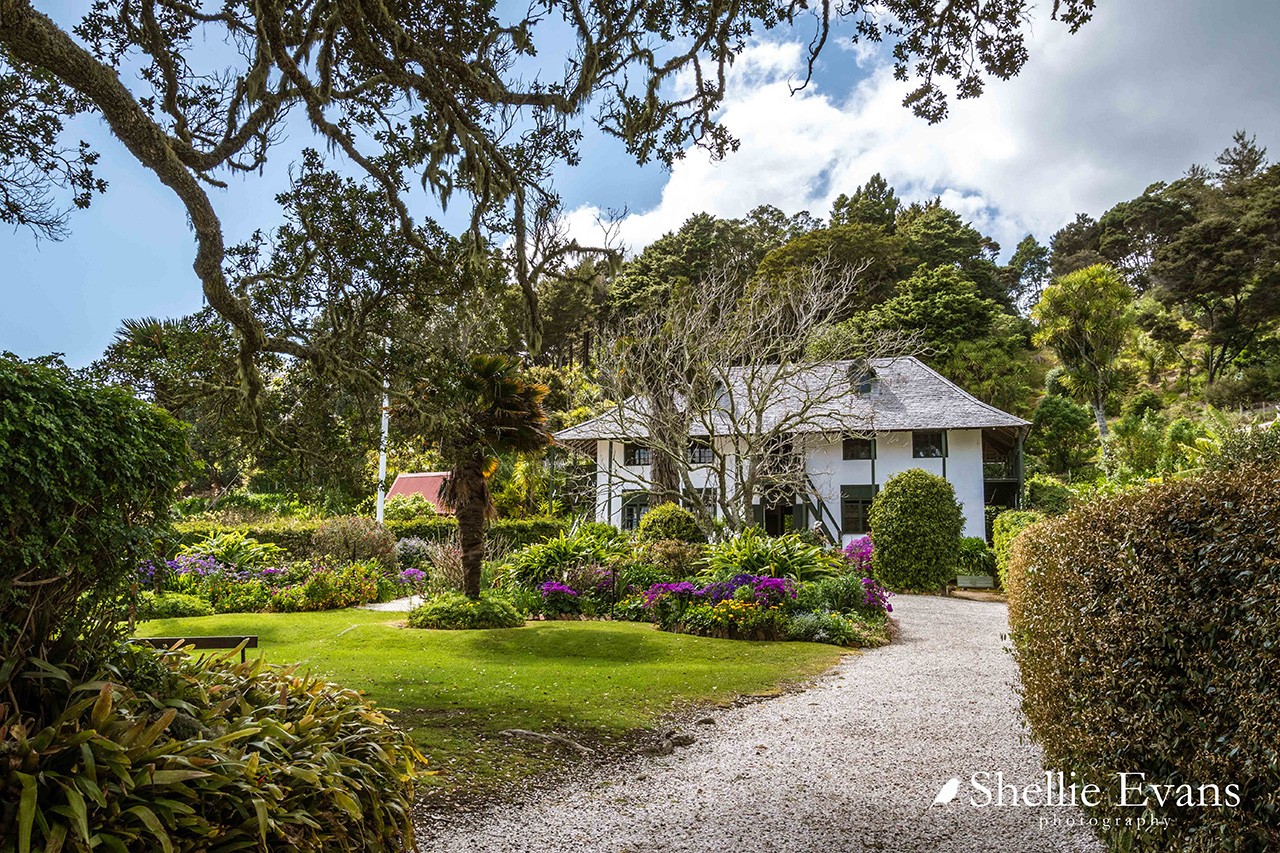
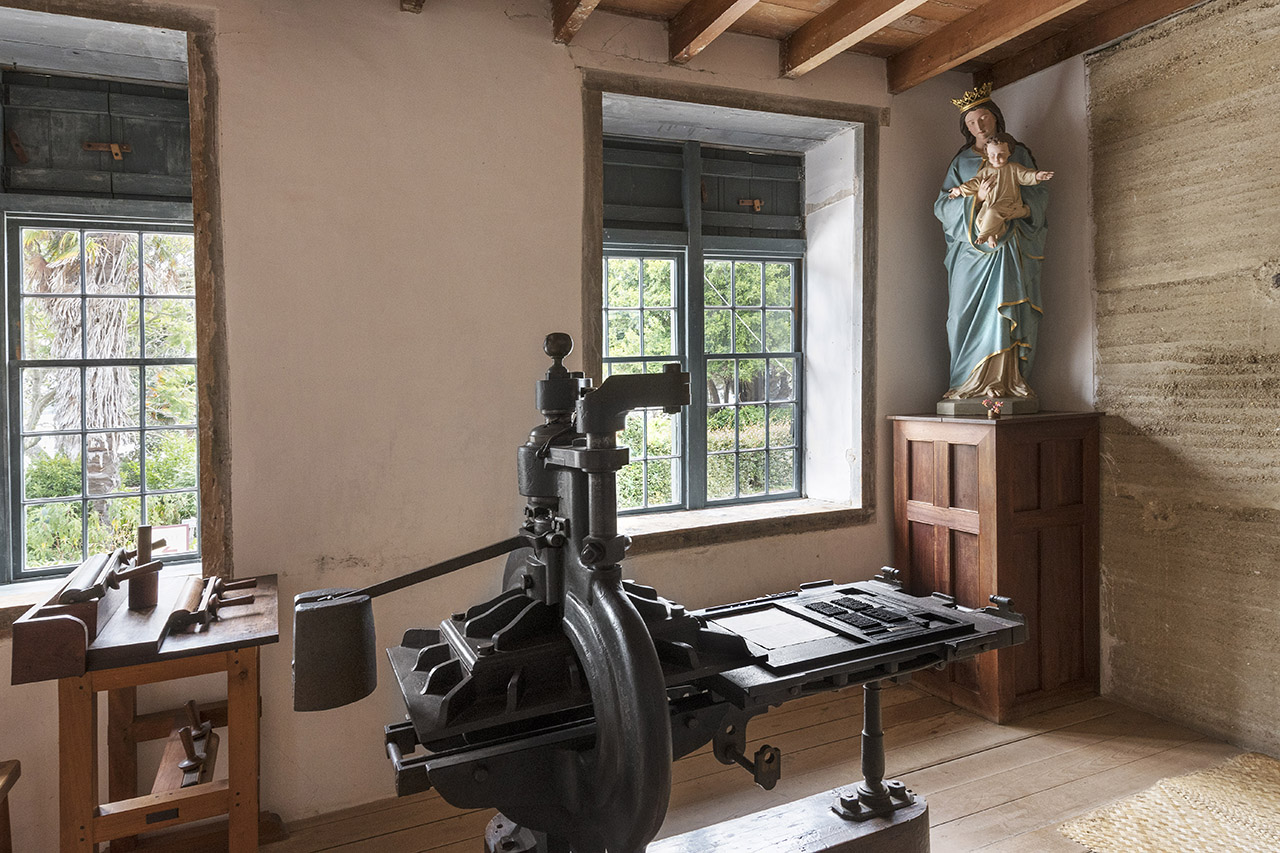
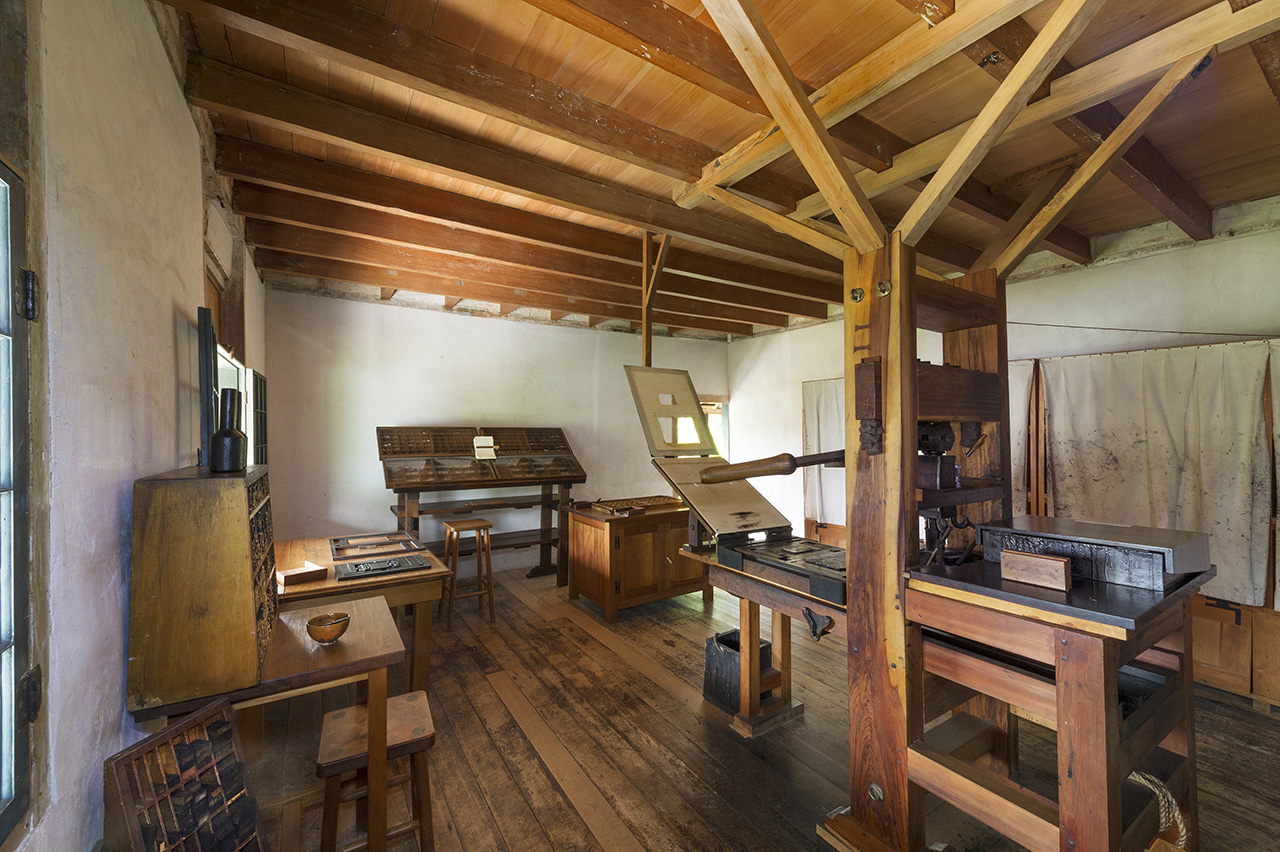
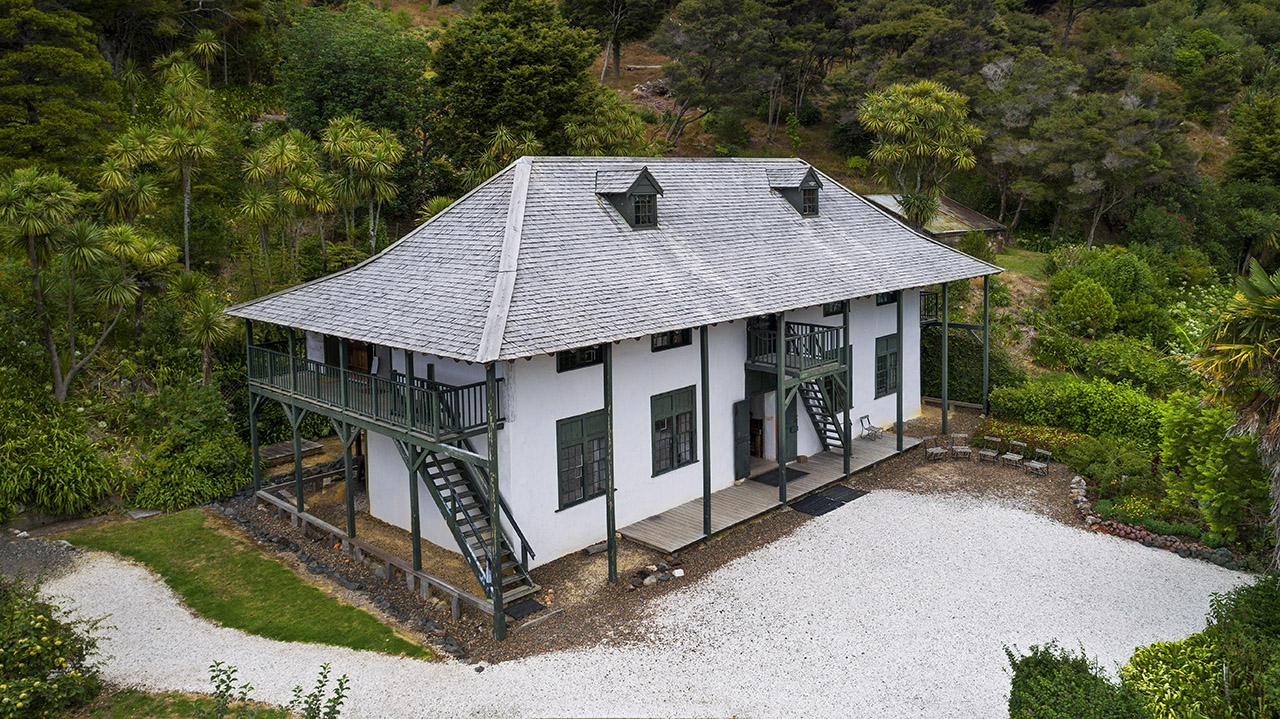
Pompallier was originally constructed in 1841-1842, and is one of the earliest French colonial buildings to survive in New Zealand. Its varied history includes use as an industrial building, a dwelling and an historic monument. The building was erected by French missionaries from the Society of Mary - also known as Marists - as part of their headquarters at Kororareka (renamed Russell in 1844). Bishop Jean Baptiste Pompallier (1801-1871) had founded the station in 1839, as a focal point for spreading the Catholic faith among Maori and throughout the western Pacific. The building housed a printing press to ease the dissemination of religious literature in the Maori language, and a tannery for the production of leather items. It was a large structure of two storeys with an additional attic floor lit by dormers. Its French identity was proclaimed through its distinctive hipped roof and vernacular construction techniques that included a rammed earth (or 'pise de terre') lower storey and timber-framed ('pan de bois') upper floor with earth panels. Building work was supervised by Louis Perret (1802-1882), a lay missionary volunteer who had studied architecture in Rome.

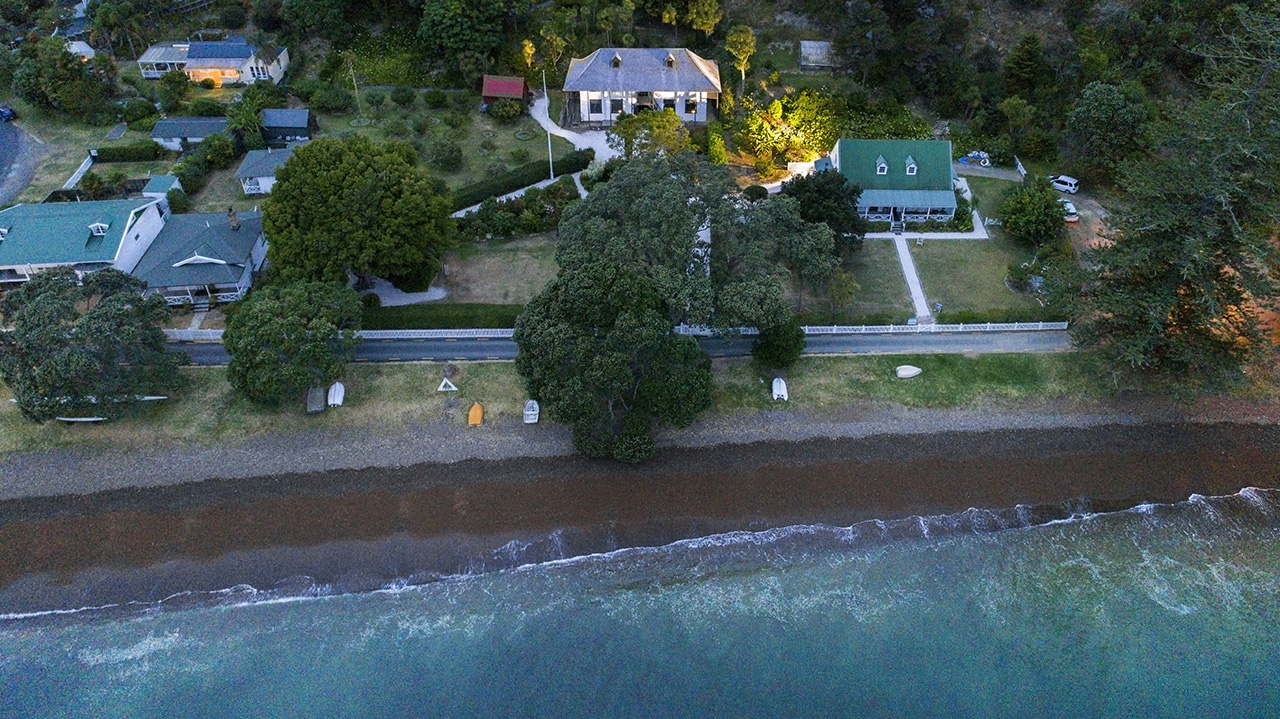
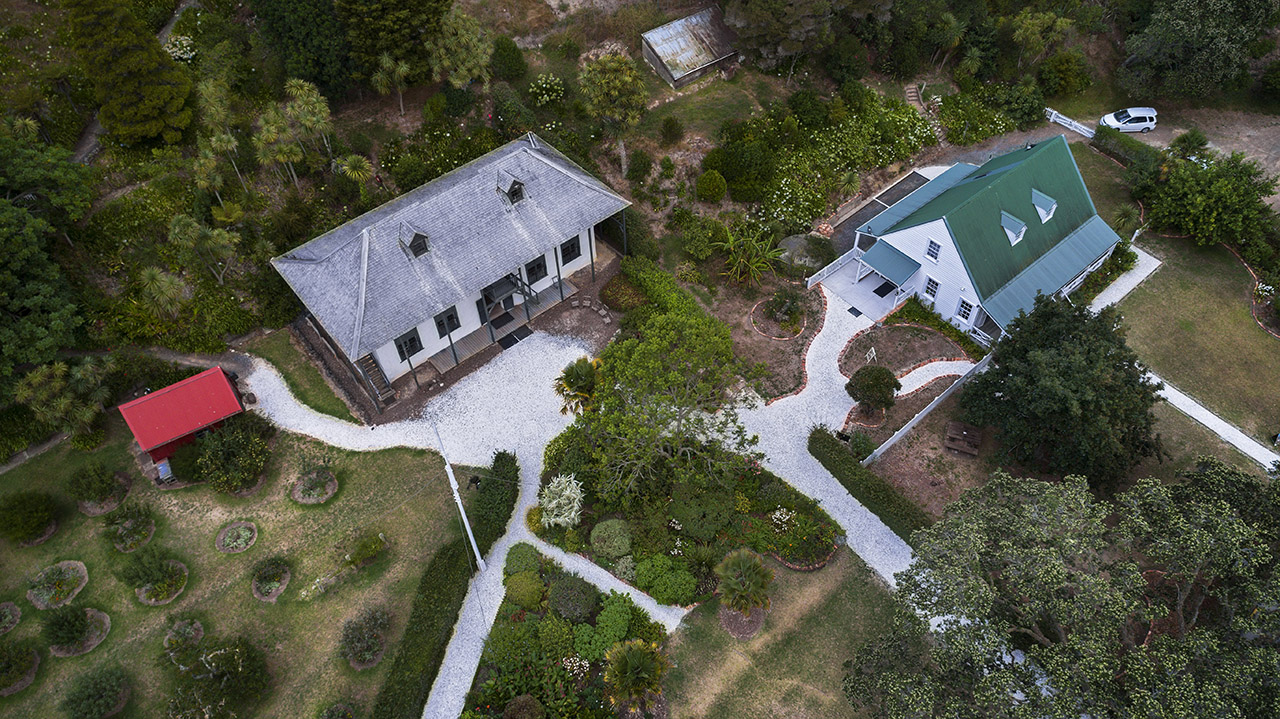
The building was one of many structures crowded inside the mission compound, which included a church, missionary dwellings and a further rammed earth building that housed pupils and 'native canoe paddlers'. Its subsequent development reflects the broader history of Kororareka, which declined from being a major port for the Pacific trade to a quiet seaboard town. In 1845 the Marists made Sydney their base for mission work in the Pacific, in the same year that Kororareka was attacked by Hone Heke's forces during the first New Zealand - or Northern - War (1845-1846). Sold by the Marists in 1856, the complex was then owned by James Callaghan (?-1869), an Irish immigrant, who continued to use the building for tanning. Although Callaghan carried out some alterations, more substantial changes were made in the late 1870s when the well-to-do Greenway family converted the building into a grand dwelling. Its transformation into a house of substance was completed when most of the surrounding mission buildings were demolished and replaced by extensive gardens. The structure was last used as a residence when military officers occupied it during the Japanese invasion scare in the Second World War. It became a public monument in the late 1940s, after one of the first major restoration projects carried out by the Ministry of Works. Falsely presented as Bishop Pompallier's residence, the building has since been restored with greater accuracy after its true origins were clarified through detailed historical research and the systematic investigation of its physical fabric. It is currently in the care of the New Zealand Historic Places Trust/Pouhere Taonga and is open to the general public.

Pompallier is of national and international significance as the oldest surviving building associated with the Roman Catholic Church in New Zealand. It is similarly valuable as an early structure connected with evangelical Catholic activity in the western Pacific. It has important links with the conversion of Maori to Christianity, the development of Maori literacy and the dissemination of a written Maori language. The building has considerable significance as the oldest existing industrial building in New Zealand, being linked to the early colonial introduction of printing and tanning. It has great value as an expression of French colonial aspirations in the Pacific, and early French involvement in New Zealand. The building is architecturally important as a rare surviving example of 'pise de terre' and other vernacular French techniques of construction. It is the only building to survive from the Catholic mission at Kororareka, and one of only two structures in the town to pre-date the conflict between Hone Heke (?-1850) and the British Army during the first New Zealand War, the other being Christ Church, Russell. The building has considerable significance for its association with well-preserved buried archaeological deposits, and enjoys high public esteem for its historical associations, aesthetic setting and longevity as a public monument. The building is important for its association with early large-scale restoration by the government, and demonstrates the value of detailed historical and physical investigation in understanding our built heritage.
Pompallier, The Strand, Russell | Grant Sheehan | 08/02/2017 | Heritage New Zealand Pouhere Taonga
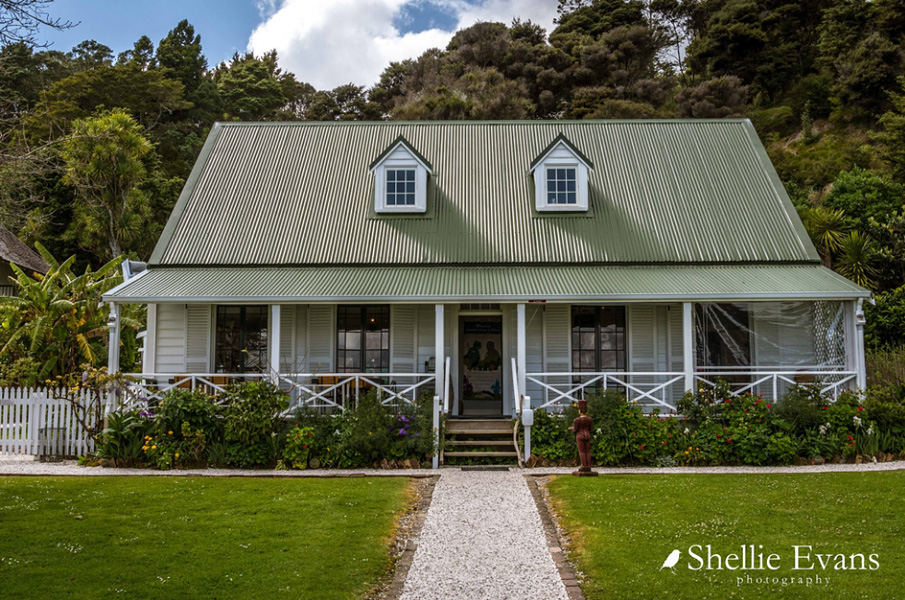
Pompallier, The Strand, Russell. CC BY-NC-ND 2.0 Image courtesy of www.flickr.com | Shellie Evans – flyingkiwigirl | 07/10/2018 | Shellie Evans
Pompallier, The Strand, Russell. Drone shot showing the grounds with Clendon Cottage on the right | Grant Sheehan | 08/02/2017 | Heritage New Zealand Pouhere Taonga
Pompallier, The Strand, Russell. Gaveaux press | Grant Sheehan | 08/02/2017 | Heritage New Zealand Pouhere Taonga
Pompallier, The Strand, Russell. Interior | Grant Sheehan | 08/02/2017 | Heritage New Zealand Pouhere Taonga
Pompallier, The Strand, Russell | Grant Sheehan | 08/02/2017 | Heritage New Zealand Pouhere Taonga
Pompallier, The Strand, Russell. CC BY-NC-ND 2.0 Image courtesy of www.flickr.com | Shellie Evans – flyingkiwigirl | 07/10/2018 | Shellie Evans
Pompallier, The Strand, Russell. Drone shot showing the grounds with Clendon Cottage on the right | Grant Sheehan | 08/02/2017 | Heritage New Zealand Pouhere Taonga
Pompallier, The Strand, Russell. Gaveaux press | Grant Sheehan | 08/02/2017 | Heritage New Zealand Pouhere Taonga
Pompallier, The Strand, Russell. Interior | Grant Sheehan | 08/02/2017 | Heritage New Zealand Pouhere Taonga

List Entry Information

Overview

Status
Listed

List Entry Status
Historic Place Category 1

Access
Able to Visit

List Number
4

Date Entered
23rd June 1983

Date of Effect
23rd June 1983

City/District Council
Far North District

Region
Northland Region

Legal description

Allot 13 Town of Russell Sec 13 (Historic Reserve NZ Gazette 1967 p 858), North Auckland Land District

Detailed List Entry

Construction Details

Start Year

1841

Finish Year

1842

Type

Original Construction

Start Year

1858

Finish Year

1864

Type

Modification

Description

End verandahs walled in and other alterations

Finish Year

1871

Type

Modification

Description

Chimney added to lean-to wall pre-1871

Start Year

1877

Finish Year

1885

Type

Modification

Description

Major alterations during conversion to a dwelling

Start Year

1890

Type

Modification

Description

Part of building converted into a flat

Start Year

1944

Finish Year

1949

Type

Modification

Description

Major alterations during restoration, including a rebuilt roof and lean-to

Start Year

1990

Finish Year

1993

Type

Modification

Description

Major alterations during conservation work, including new roof and removal of c.1880 chimney

Notable Features

Registration covers the structure, its fixtures and finishes. It also includes recent modifications. The building is associated with widespread buried archaeological deposits.

Reference

Completion Date

29th October 2001

Report Written By

Martin Jones

Information Sources

New Zealand Historic Places

New Zealand Historic Places

Ross, 1970

R. M. Ross, A Guide to Pompallier House, Wellington, 1970 (held by NZHPT, Auckland)

Conservation Plan

Conservation Plan

Report Written By

This place was identified as significant under previous legislation with different information requirements. It remains significant under the current legislation. There is opportunity under our legislation and policies to add to this information. Further information about this place may be available from the Northland Office of Heritage New Zealand Pouhere Taonga. NZIA National Architecture Award Winners 1995 Please note that entry on the New Zealand Heritage List/Rarangi Korero identifies only the heritage values of the property concerned, and should not be construed as advice on the state of the property, or as a comment of its soundness or safety, including in regard to earthquake risk, safety in the event of fire, or insanitary conditions.

Further Information

Current Usages

Uses: Civic Facilities

Specific Usage: Historic Property

Former Usages

General Usage:: Accommodation

Specific Usage: House

General Usage:: Religion

Specific Usage: Religion - other

Themes

Of Significance to Maori

Web Links

description: Heritage New Zealand website Places to Visit

url: http://www.heritage.org.nz/places/places-to-visit/northland-region/pompallier

Overview

Status

Listed

List Entry Status

Historic Place Category 1

Access

Able to Visit

List Number

4

Date Entered

23rd June 1983

Date of Effect

23rd June 1983

City/District Council

Far North District

Region

Northland Region

Legal description

Allot 13 Town of Russell Sec 13 (Historic Reserve NZ Gazette 1967 p 858), North Auckland Land District

Status

Listed

List Entry Status

Historic Place Category 1

Access

Able to Visit

List Number

4

Date Entered

23rd June 1983

Date of Effect

23rd June 1983

City/District Council

Far North District

Region

Northland Region

Legal description

Allot 13 Town of Russell Sec 13 (Historic Reserve NZ Gazette 1967 p 858), North Auckland Land District

Construction Information

Construction Details

Start Year

1841

Finish Year

1842

Type

Original Construction

Start Year

1858

startYearCirca

Finish Year

1864

finishYearCirca

Type

Modification

Description

End verandahs walled in and other alterations

Finish Year

1871

finishYearCirca

Type

Modification

Description

Chimney added to lean-to wall pre-1871

Start Year

1877

startYearCirca

Finish Year

1885

finishYearCirca

Type

Modification

Description

Major alterations during conversion to a dwelling

Start Year

1890

startYearCirca

Type

Modification

Description

Part of building converted into a flat

Start Year

1944

Finish Year

1949

Type

Modification

Description

Major alterations during restoration, including a rebuilt roof and lean-to

Start Year

1990

Finish Year

1993

Type

Modification

Description

Major alterations during conservation work, including new roof and removal of c.1880 chimney

Notable Features

Registration covers the structure, its fixtures and finishes. It also includes recent modifications. The building is associated with widespread buried archaeological deposits.

Construction Details

Start Year

1841

Finish Year

1842

Type

Original Construction

Start Year

1858

startYearCirca

Finish Year

1864

finishYearCirca

Type

Modification

Description

End verandahs walled in and other alterations

Finish Year

1871

finishYearCirca

Type

Modification

Description

Chimney added to lean-to wall pre-1871

Start Year

1877

startYearCirca

Finish Year

1885

finishYearCirca

Type

Modification

Description

Major alterations during conversion to a dwelling

Start Year

1890

startYearCirca

Type

Modification

Description

Part of building converted into a flat

Start Year

1944

Finish Year

1949

Type

Modification

Description

Major alterations during restoration, including a rebuilt roof and lean-to

Start Year

1990

Finish Year

1993

Type

Modification

Description

Major alterations during conservation work, including new roof and removal of c.1880 chimney

Notable Features

Registration covers the structure, its fixtures and finishes. It also includes recent modifications. The building is associated with widespread buried archaeological deposits.

Reference

Historical and Associated Iwi / Hapū / Whānau

Completion Date

29th October 2001

Report Written By

Martin Jones

Information Sources

New Zealand Historic Places

New Zealand Historic Places

Ross, 1970

R. M. Ross, A Guide to Pompallier House, Wellington, 1970 (held by NZHPT, Auckland)

Conservation Plan

Conservation Plan

Other Information

This place was identified as significant under previous legislation with different information requirements. It remains significant under the current legislation. There is opportunity under our legislation and policies to add to this information. Further information about this place may be available from the Northland Office of Heritage New Zealand Pouhere Taonga. NZIA National Architecture Award Winners 1995 Please note that entry on the New Zealand Heritage List/Rarangi Korero identifies only the heritage values of the property concerned, and should not be construed as advice on the state of the property, or as a comment of its soundness or safety, including in regard to earthquake risk, safety in the event of fire, or insanitary conditions.

Historical and Associated Iwi / Hapū / Whānau

Completion Date

29th October 2001

Report Written By

Martin Jones

Information Sources

New Zealand Historic Places

New Zealand Historic Places

Ross, 1970

R. M. Ross, A Guide to Pompallier House, Wellington, 1970 (held by NZHPT, Auckland)

Conservation Plan

Conservation Plan

Other Information

This place was identified as significant under previous legislation with different information requirements. It remains significant under the current legislation. There is opportunity under our legislation and policies to add to this information. Further information about this place may be available from the Northland Office of Heritage New Zealand Pouhere Taonga. NZIA National Architecture Award Winners 1995 Please note that entry on the New Zealand Heritage List/Rarangi Korero identifies only the heritage values of the property concerned, and should not be construed as advice on the state of the property, or as a comment of its soundness or safety, including in regard to earthquake risk, safety in the event of fire, or insanitary conditions.

Further Information

Current Usages

Uses: Civic Facilities

Specific Usage: Historic Property

Former Usages

General Usage: Accommodation

Specific Usage: House

General Usage: Religion

Specific Usage: Religion - other

Themes

Of Significance to Maori

Web Links

description: Heritage New Zealand website Places to Visit

url: http://www.heritage.org.nz/places/places-to-visit/northland-region/pompallier

Current Usages

Uses: Civic Facilities

Specific Usage: Historic Property

Former Usages

General Usage: Accommodation

Specific Usage: House

General Usage: Religion

Specific Usage: Religion - other

Themes

Of Significance to Maori

Web Links

description: Heritage New Zealand website Places to Visit

url: http://www.heritage.org.nz/places/places-to-visit/northland-region/pompallier

Location
Loading
Related listings
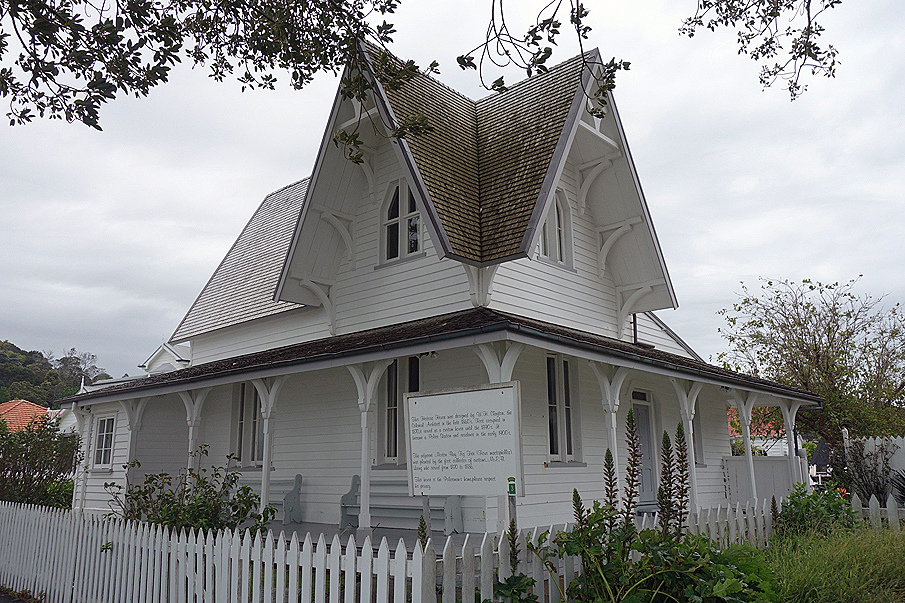
Customhouse (Former), Russell. (aka Former Police Station - Lockup). 2018 Image courtesy of www.jonynz.com
Customhouse (Former)
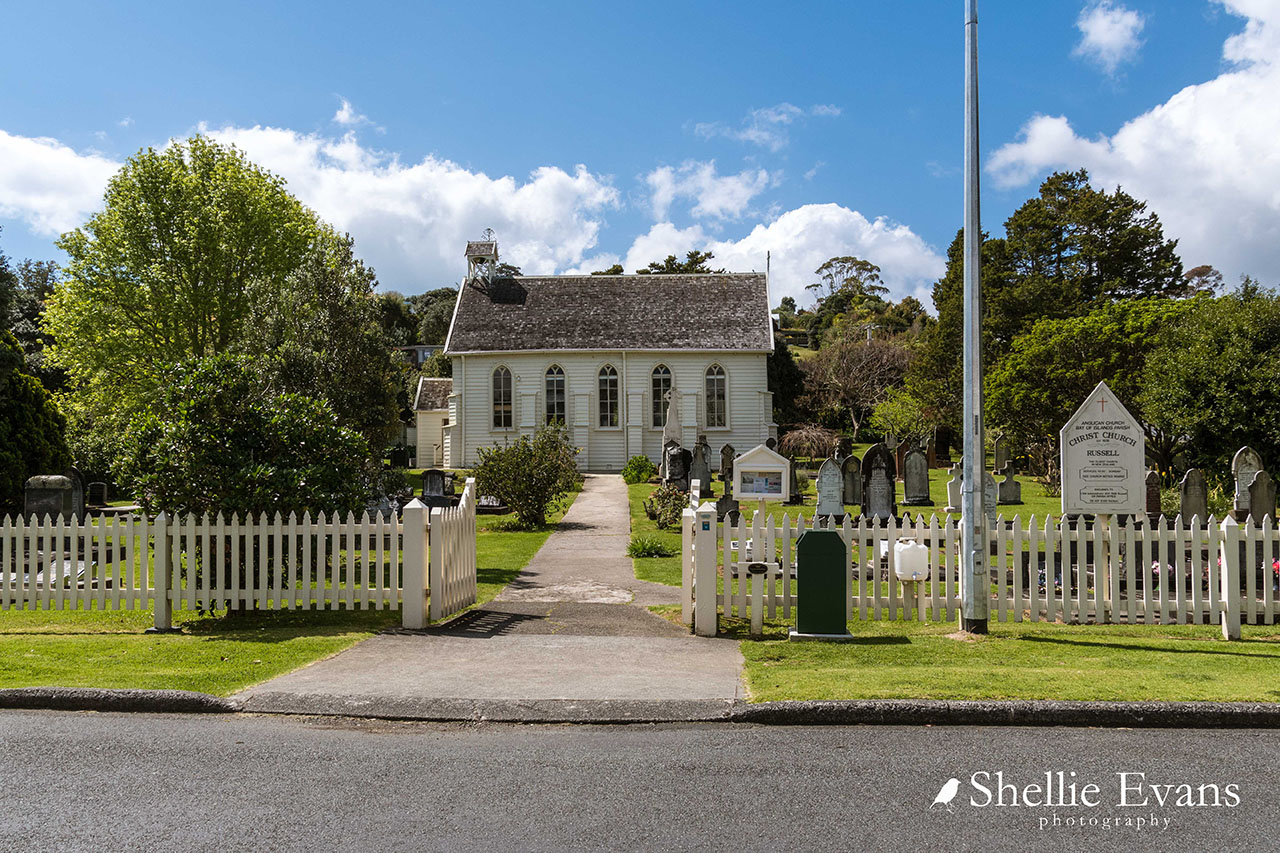
Christ Church (Anglican), Russell. CC BY-NC-ND 2.0 Image courtesy of www.flickr.com
Christ Church (Anglican)
Clendon Cottage, The Strand, Russell. Image courtesy of www.flickr.com
Clendon Cottage
Christ Church (Anglican), Russell. CC BY-NC-ND 2.0 Image courtesy of www.flickr.com
Christ Church (Anglican)
Customhouse (Former), Russell. (aka Former Police Station - Lockup). 2018 Image courtesy of www.jonynz.com
Customhouse (Former)
Clendon Cottage, The Strand, Russell. Image courtesy of www.flickr.com
Clendon Cottage
Sign up to hear more

Get the latest heritage news, features and events delivered
straight to your inbox.

Subscribe