DonateMembershipVisit Heritage
  • Tūrangawaewae
    Places
  • Tira Māori
    Māori Heritage
  • Poutairangahia
    Archaeology
  • Rauemi
    Resources
  • Mō Tātou
    About Us
  • New Zealand Heritage List
  • Nominate and submit
  • Explore the List
  • National Historic Landmarks
  • Plaques
  • Rainbow List Project
  • Lost heritage
  • Visit Heritage
  • Our properties
  • Turnbull House Project
  • Collections
  • Shop
  • Tohu Whenua
  • Tira Māori
  • Conserving Māori heritage
  • Marae built heritage
  • Māori heritage on the List
  • Hinemihi—Te Hokinga Mai
  • What is archaeology?
  • Is there a site on my property?
  • What are my legal requirements?
  • Affecting an archaeological site
  • Declaring an archaeological site
  • Archaeology FAQs
  • Archaeology Digital Library
  • Archaeology guidelines and templates
  • Resources
  • Funding
  • Publications
  • Sustainable management guides
  • Disaster recovery
  • Podcasts & digital resources
  • Education Hub
  • Conservation plans
  • About
  • Board
  • Māori Heritage Council
  • Senior Staff
  • Offices
  • Contact us
  • Careers
  • Covenants
  • Fast-track
  • Corporate documents
  • Currently consulting on
  • Our submissions
  • News
  • Covid-19 response
Quick links
Rārangi Kōrero | The List
Explore the List
National Historic Landmarks
Ngā Manawhenua o Aotearoa me ōna Kōrero Tūturu
Quick links
Tapuwae
A Vision for Places of Māori Heritage
Funding for Māori Heritage
Resources
Quick links
Archaeological Authority Portal
Applying for an archaeological authority
Archaeology FAQs
Browse the most frequently asked questions about archaeological authorities and the archaeological process.
Quick links
Quick links
News
News Keep up to date with Heritage New Zealand Pouhere Taonga
Membership
Membership Find out more and sign up today
DonateMembershipVisit Heritage
  • Tūrangawaewae
    Places
  • Tira Māori
    Māori Heritage
  • Poutairangahia
    Archaeology
  • Rauemi
    Resources
  • Mō Tātou
    About Us
  • New Zealand Heritage List
  • Nominate and submit
  • Explore the List
  • National Historic Landmarks
  • Plaques
  • Rainbow List Project
  • Lost heritage
  • Visit Heritage
  • Our properties
  • Turnbull House Project
  • Collections
  • Shop
  • Tohu Whenua
  • Tira Māori
  • Conserving Māori heritage
  • Marae built heritage
  • Māori heritage on the List
  • Hinemihi—Te Hokinga Mai
  • What is archaeology?
  • Is there a site on my property?
  • What are my legal requirements?
  • Affecting an archaeological site
  • Declaring an archaeological site
  • Archaeology FAQs
  • Archaeology Digital Library
  • Archaeology guidelines and templates
  • Resources
  • Funding
  • Publications
  • Sustainable management guides
  • Disaster recovery
  • Podcasts & digital resources
  • Education Hub
  • Conservation plans
  • About
  • Board
  • Māori Heritage Council
  • Senior Staff
  • Offices
  • Contact us
  • Careers
  • Covenants
  • Fast-track
  • Corporate documents
  • Currently consulting on
  • Our submissions
  • News
  • Covid-19 response
Quick links
Rārangi Kōrero | The List
Explore the List
National Historic Landmarks
Ngā Manawhenua o Aotearoa me ōna Kōrero Tūturu
Quick links
Tapuwae
A Vision for Places of Māori Heritage
Funding for Māori Heritage
Resources
Quick links
Archaeological Authority Portal
Applying for an archaeological authority
Archaeology FAQs
Browse the most frequently asked questions about archaeological authorities and the archaeological process.
Quick links
Quick links
News
News Keep up to date with Heritage New Zealand Pouhere Taonga
Membership
Membership Find out more and sign up today
  • Places
  • Nominate and submit
  • National Historic Landmarks
  • Places
  • Nominate and submit
  • National Historic Landmarks
  • Tira Māori
  • Conserving Māori heritage
  • Marae built heritage
  • Tira Māori
  • Conserving Māori heritage
  • Marae built heritage
  • Archaeological authorities
  • Archaeology Digital Library
  • Archaeological authorities
  • Archaeology Digital Library
  • All resources
  • Publications
  • Funding
  • All resources
  • Publications
  • Funding
  • FAQs
  • FAQs
Follow us on:
Places
  • Places
  • Nominate and submit
  • National Historic Landmarks
Tira Māori
  • Tira Māori
  • Conserving Māori heritage
  • Marae built heritage
Archaeology
  • Archaeological authorities
  • Archaeology Digital Library
Resources
  • All resources
  • Publications
  • Funding
FAQs
  • FAQs
Follow us on
HomePrivacyTerms and conditionsAbout this site
© Heritage New Zealand Pouhere Taonga 2026.
 
Boulder Bank Lighthouse

Boulder Bank, NELSON

Private

Historic Place Category 1

List No. 41
Quick links:
List GalleryLocationDetails
The information below is from the Nelson Boulder Bank Registration Report, 29 August 2013.

Nelson's Boulder Bank lighthouse was the second permanent lighthouse to be built in New Zealand. It is located near the southern end of the Bank.

As the European settlement of Nelson grew, so did the importance of its port. However, the narrow entrance into the harbour made it difficult to enter and ships masters were strongly advised to use a pilot. Several simple beacons were installed, including one on the Boulder Bank, but these did not prevent vessels from running aground. In 1859, a Special Committee of the Nelson Provincial Council, chaired by Alfred Domett, made plans for a permanent lighthouse on the Boulder Bank.

Later that year, the Nelson Provincial Council negotiated with James Stuart Tytler of Edinburgh (formerly of Nelson) to send lighthouse sections from England at the cost of £2824. Working with Slaughter Grunning and Co. Tytler sourced the lighthouse sections, cast in iron, by Messrs. Stothert and Pitt, engineers of Bath. The components were shipped to Nelson aboard the 'Glenshee'. On 4 August 1862, the oil-fired lamp was lit for the first time by the head lighthouse keeper and brother of the harbour master, W.E. Cross. Cross was later replaced by John Kidson, who remained in the position for the next twenty seven years.

In 1862 the government set up the Chief Marine Board to oversee the construction of lighthouses. This was superseded by the Marine Board of New Zealand in 1864 and a few years later by the New Zealand Marine Department. From 1888, when the flagpole was relocated from Britannia Heights to the Boulder Bank, the duties of the lighthouse keepers were extended to signalling the state of the tides. The fuel used to light the lantern changed over time, from colza oil to paraffin and later kerosene. A new lantern was installed when the change was made to kerosene.
The Boulder Bank lighthouse remained a manned light until 1915, when it was converted to acetylene and became one of the earliest automated lights in New Zealand. No longer needed, the lighthouse keepers left the Bank in 1916, at which time most of their residential structures were relocated to the mainland. In 1924 the status of the lighthouse was downgraded to that of a harbour light, and its ownership was placed in the hands of the Nelson Harbour Board.

During the Second World War, in 1942, the lighthouse light was extinguished due to the perceived threat of a Japanese invasion. The light was re-established in May 1943. In 1950, the order of flashes on the lamp was altered. The lighthouse was finally decommissioned in 1982, at which time it was the longest operating lighthouse in the country. It was replaced by a new automatic beacon on reclaimed land in Port Nelson. For many years the light was on hand to be used to supplement other harbour lights if required, for example if an earthquake severed the electricity supply to the electric shore light.

Today the lighthouse remains under the ownership of Port Nelson Ltd and is popular with tourists who visit the lighthouse on boat trips or by walking the length of the Bank. The lighthouse is in very good condition. It was given a major refurbishment in 1985 and the lantern mechanism given a make-over in 2008. The lighthouse now stands alone on the Bank, with the foundations of the original gable structure at its base still intact.

Around the base of the lighthouse there are archaeological remains of the buildings that used to surround the lighthouse. These remains consist of building foundations, bricks; garden areas as well material cultural remains such as glass, ceramics and coins. The lighthouse was registered by the NZHPT in 1983.
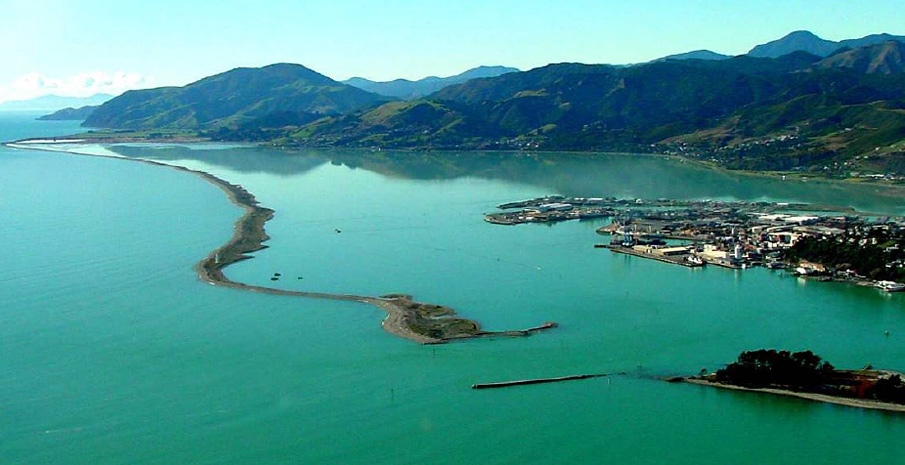
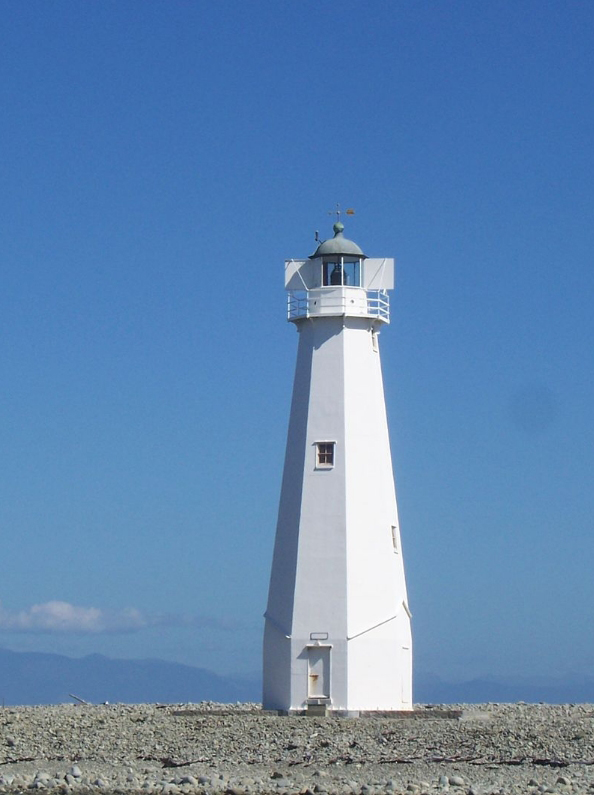
Boulder Bank Lighthouse, Nelson. CC BY-SA 2.0 Image courtesy of commons.wikimedia.org | dws~11 | 21/04/2004 | dws~11 - Wikimedia Commons
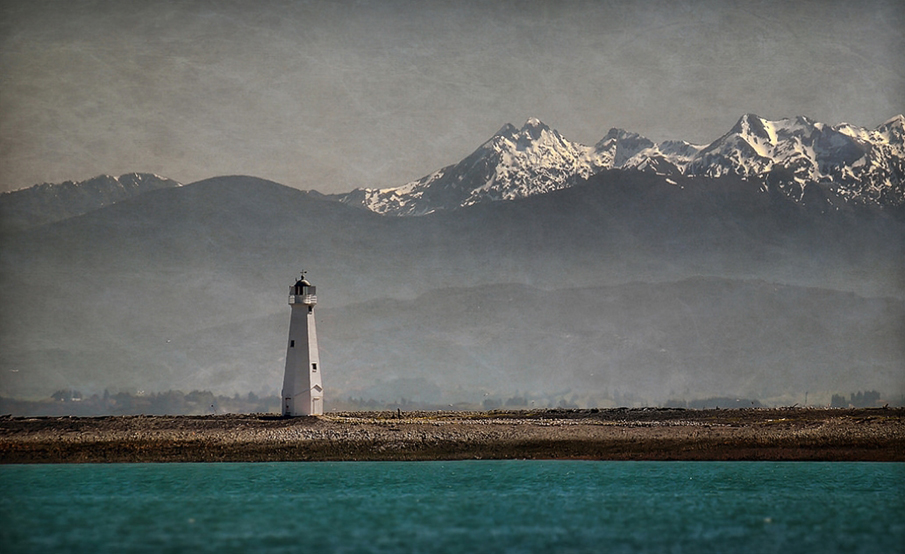
Boulder Bank Lighthouse, Nelson. CC BY-NC-ND 2.0 Image courtesy of www.flickr.com | Peter Kurdulija | 19/11/2017 | Peter Kurdulija
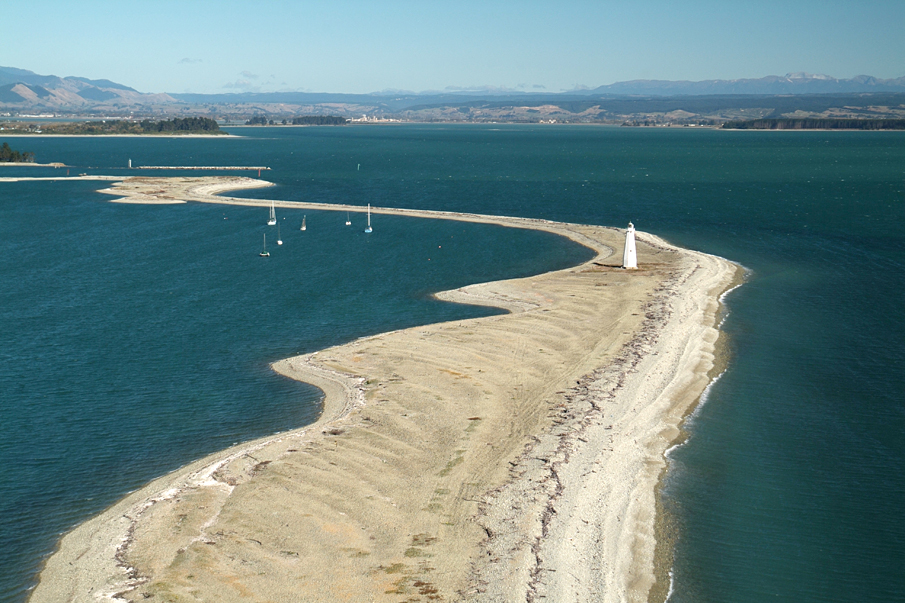
Boulder Bank Lighthouse, Nelson. Aerial view. CC BY-NC-ND 3.0 Image courtesy of theprow.org.nz | 13/05/2005 | Nelson City Council
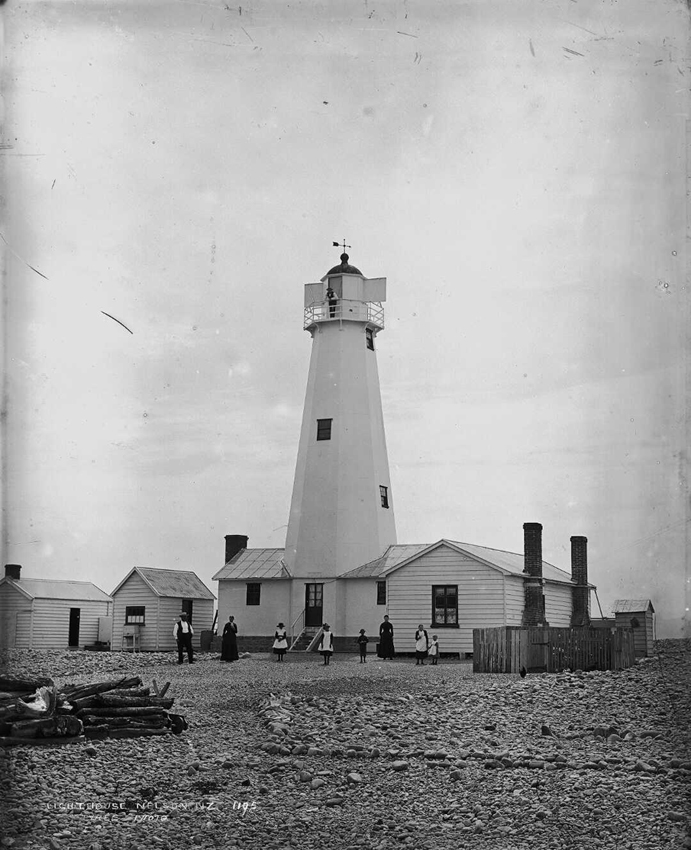
Boulder Bank Lighthouse, Nelson. The Kidson family and their dwellings outside the Lighthouse c.1890 Ref: 10x8-0989-G | Tyree Brothers | Alexander Turnbull Library
Boulder Bank Lighthouse, Nelson. CC BY-SA 2.0 Image courtesy of commons.wikimedia.org | dws~11 | 21/04/2004 | dws~11 - Wikimedia Commons
Boulder Bank Lighthouse, Nelson. CC BY-NC-ND 2.0 Image courtesy of www.flickr.com | Peter Kurdulija | 19/11/2017 | Peter Kurdulija
Boulder Bank Lighthouse, Nelson. Aerial view. CC BY-NC-ND 3.0 Image courtesy of theprow.org.nz | 13/05/2005 | Nelson City Council
Boulder Bank Lighthouse, Nelson. The Kidson family and their dwellings outside the Lighthouse c.1890 Ref: 10x8-0989-G | Tyree Brothers | Alexander Turnbull Library

List Entry Information

Overview

Status
Listed

List Entry Status
Historic Place Category 1

Access
Private/No Public Access

List Number
41

Date Entered
23rd June 1983

Date of Effect
23rd June 1983

City/District Council
Nelson City

Region
Nelson Region

Legal description

Sec 1132 City of Nelson Lighthouse Reserve BoulderBank

Location Description

Eastern end of Boulder Bank close to the cut, Nelson Haven. Proposed for inclusion in the Nelson Boulder Bank Historic Area (Register no. 7821).

Detailed List Entry
Significance

Cultural Significance

The lighthouse has been a prominent feature for over 130 years and gives identity to the Nelson community.

Historic Significance

Historical Significance or Value This assessment was prepared on 29 April 2003 with reference to the criteria of the Historic Places Act 1993. The Nelson lighthouse has outstanding historical significance. It was built by the Nelson Provincial Council before the government passed the Marine Board Act in December, 1862, placing the new board in charge of future lighthouse development. Its early construction shows the importance of maritime transport to the early settlement of Nelson. The lighthouse has been associated with the development of Nelson and its harbour for over 130 years.

Physical Significance

The boulder bank lighthouse has physical significance, as it was the second permanent lighthouse erected in New Zealand. It was required before technology was available in New Zealand to construct it, so the lighthouse sections had to be shipped from England. It was also one of the first lighthouses in New Zealand to become automated.

Detail Of Assessed Criteria

This assessment was prepared on 29 April 2003 with reference to the criteria of the Historic Places Act 1993. (a)The extent to which the place reflect important or representative aspects of New Zealand history The Boulder Bank Lighthouse is important to New Zealand's maritime history. It was the second lighthouse in New Zealand to be erected and became one of the first lighthouses to be automated. (c) The potential of the place to provide knowledge of New Zealand history The methods of construction, material used (local and imported), site chosen to locate the lighthouse and technology available indicates the thinking associated with establishing the second lighthouse in New Zealand. Also the archaeological remains of the houses and garden created by the keepers and their families have the potential to greaten our understanding of life at a lighthouse. This combined with primary records provide invaluable knowledge of life at the lighthouse. (e) The community association with, or public esteem for, the place The lighthouse has been a prominent feature from the Nelson harbour for 130 years and gives identity to Nelsonians. It 'represents continuity to a constantly changing environment'. [Bowman,I. p.27] The community is associated with the lighthouse through social events such as weddings and boat trips to the boulder bank in summer. (g) The technical accomplishment or value, or design of the place The lighthouse represents the changes in the technology of marine safety from a manually maintained oil fired light to automatic unmanned gas operation. Lack of electrification has enhanced it usefulness as an emergency back up light. It is technologically significant, as it is an example of still operational pre-electronic mechanism. (i) The importance of identifying historic places known to date from early periods of New Zealand settlement The lighthouse was established in 1862, only twenty years after the colonial settlement of Nelson. (j) The importance of identifying rare types of historic places Boulder Bank lighthouse has the distinction of being the second permanent lighthouse to be erected in New Zealand. Also its present condition is good and mostly authentic to its 1915 state. Modern unmanned lighthouses are electrically powered so the gas powered lantern mechanism at Boulder Bank which is still present and in working condition is rare.

Construction Professional

Name

Messrs. Stothert and Pitt, Engineers of Bath

Type

Engineer

Biography

No biography is currently available for this construction professional

Construction Details

Start Year

1862

Type

Original Construction

Description

Construction

Start Year

1916

Type

Relocation

Description

Relocation of lighthouse keepers' cottages to Nelson

Construction Materials

The lighthouse is constructed out of a painted cast iron frame, internally bolted together, with a copper dome roof.

Reference

Public NZAA Number

O27/150

Completion Date

29th July 2013

Report Written By

Alys Mendus, K. Warren, A. Dangerfield, K. Hurren, A. Tipene, A. Dodd and B. Wagstaff

Information Sources

Allan, 1954

Ruth Allan, The History of Port Nelson, Whitcombe and Tombes, Wellington, 1954

Nelson Gazette

Nelson Gazette

Cawthron Institute

Cawthron Institute

Nelson Provincial Museum

Nelson Provincial Museum

Conservation Plan

Conservation Plan

Report Written By

This place was identified as significant under previous legislation with different information requirements. It remains significant under the current legislation. There is opportunity under our legislation and policies to add to this information. Further information about this place may be available from the Central Regional Office of Heritage New Zealand Pouhere Taonga. Fully referenced reports on the Boulder Bank Lighthouse and the Nelson Boulder Bank Historic Area are available from the NZHPT Central Region Office. The summary report is by K. Warren, A. Dangerfield, K. Hurren, A. Tipene, A. Dodd and B. Wagstaff and is from the Nelson Boulder Bank Registration Report (29 July 2013). The remainder of the report was prepared by Alys Mendus, 29 April 2003. The surrounding Boulder Bank is managed by the Department of Conservation. The Boulder Bank is 55m wide at high tide and varies from 6-25m high. It is 13.5km long from the cut to the glen. It was formed by the movement of granite and other igneous rocks eroding from Mackays bluff by sea currents moving southwards from the end of the Pleistocene era (10 000 years ago). Please note that entry on the New Zealand Heritage List/Rarangi Korero identifies only the heritage values of the property concerned, and should not be construed as advice on the state of the property, or as a comment of its soundness or safety, including in regard to earthquake risk, safety in the event of fire, or insanitary conditions.

Further Information

Current Usages

Uses: Transport

Specific Usage: Lighthouse

Former Usages

General Usage:: Transport

Specific Usage: Lighthouse

Themes

Web Links

description:

url: http://www.portnelson.co.nz/

Overview

Status

Listed

List Entry Status

Historic Place Category 1

Access

Private/No Public Access

List Number

41

Date Entered

23rd June 1983

Date of Effect

23rd June 1983

City/District Council

Nelson City

Region

Nelson Region

Legal description

Sec 1132 City of Nelson Lighthouse Reserve BoulderBank

Location Description

Eastern end of Boulder Bank close to the cut, Nelson Haven. Proposed for inclusion in the Nelson Boulder Bank Historic Area (Register no. 7821).

Status

Listed

List Entry Status

Historic Place Category 1

Access

Private/No Public Access

List Number

41

Date Entered

23rd June 1983

Date of Effect

23rd June 1983

City/District Council

Nelson City

Region

Nelson Region

Legal description

Sec 1132 City of Nelson Lighthouse Reserve BoulderBank

Location Description

Eastern end of Boulder Bank close to the cut, Nelson Haven. Proposed for inclusion in the Nelson Boulder Bank Historic Area (Register no. 7821).

Significance

Why is this place significant?

Cultural Significance

The lighthouse has been a prominent feature for over 130 years and gives identity to the Nelson community.

Historic Significance

Historical Significance or Value This assessment was prepared on 29 April 2003 with reference to the criteria of the Historic Places Act 1993. The Nelson lighthouse has outstanding historical significance. It was built by the Nelson Provincial Council before the government passed the Marine Board Act in December, 1862, placing the new board in charge of future lighthouse development. Its early construction shows the importance of maritime transport to the early settlement of Nelson. The lighthouse has been associated with the development of Nelson and its harbour for over 130 years.

Physical Significance

The boulder bank lighthouse has physical significance, as it was the second permanent lighthouse erected in New Zealand. It was required before technology was available in New Zealand to construct it, so the lighthouse sections had to be shipped from England. It was also one of the first lighthouses in New Zealand to become automated.

Why is this place Category 1 / Category 2?

Detail Of Assessed Criteria

This assessment was prepared on 29 April 2003 with reference to the criteria of the Historic Places Act 1993. (a)The extent to which the place reflect important or representative aspects of New Zealand history The Boulder Bank Lighthouse is important to New Zealand's maritime history. It was the second lighthouse in New Zealand to be erected and became one of the first lighthouses to be automated. (c) The potential of the place to provide knowledge of New Zealand history The methods of construction, material used (local and imported), site chosen to locate the lighthouse and technology available indicates the thinking associated with establishing the second lighthouse in New Zealand. Also the archaeological remains of the houses and garden created by the keepers and their families have the potential to greaten our understanding of life at a lighthouse. This combined with primary records provide invaluable knowledge of life at the lighthouse. (e) The community association with, or public esteem for, the place The lighthouse has been a prominent feature from the Nelson harbour for 130 years and gives identity to Nelsonians. It 'represents continuity to a constantly changing environment'. [Bowman,I. p.27] The community is associated with the lighthouse through social events such as weddings and boat trips to the boulder bank in summer. (g) The technical accomplishment or value, or design of the place The lighthouse represents the changes in the technology of marine safety from a manually maintained oil fired light to automatic unmanned gas operation. Lack of electrification has enhanced it usefulness as an emergency back up light. It is technologically significant, as it is an example of still operational pre-electronic mechanism. (i) The importance of identifying historic places known to date from early periods of New Zealand settlement The lighthouse was established in 1862, only twenty years after the colonial settlement of Nelson. (j) The importance of identifying rare types of historic places Boulder Bank lighthouse has the distinction of being the second permanent lighthouse to be erected in New Zealand. Also its present condition is good and mostly authentic to its 1915 state. Modern unmanned lighthouses are electrically powered so the gas powered lantern mechanism at Boulder Bank which is still present and in working condition is rare.

Why is this place significant?

Cultural Significance

The lighthouse has been a prominent feature for over 130 years and gives identity to the Nelson community.

Historic Significance

Historical Significance or Value This assessment was prepared on 29 April 2003 with reference to the criteria of the Historic Places Act 1993. The Nelson lighthouse has outstanding historical significance. It was built by the Nelson Provincial Council before the government passed the Marine Board Act in December, 1862, placing the new board in charge of future lighthouse development. Its early construction shows the importance of maritime transport to the early settlement of Nelson. The lighthouse has been associated with the development of Nelson and its harbour for over 130 years.

Physical Significance

The boulder bank lighthouse has physical significance, as it was the second permanent lighthouse erected in New Zealand. It was required before technology was available in New Zealand to construct it, so the lighthouse sections had to be shipped from England. It was also one of the first lighthouses in New Zealand to become automated.

Why is this place Category 1 / Category 2?

Detail Of Assessed Criteria

This assessment was prepared on 29 April 2003 with reference to the criteria of the Historic Places Act 1993. (a)The extent to which the place reflect important or representative aspects of New Zealand history The Boulder Bank Lighthouse is important to New Zealand's maritime history. It was the second lighthouse in New Zealand to be erected and became one of the first lighthouses to be automated. (c) The potential of the place to provide knowledge of New Zealand history The methods of construction, material used (local and imported), site chosen to locate the lighthouse and technology available indicates the thinking associated with establishing the second lighthouse in New Zealand. Also the archaeological remains of the houses and garden created by the keepers and their families have the potential to greaten our understanding of life at a lighthouse. This combined with primary records provide invaluable knowledge of life at the lighthouse. (e) The community association with, or public esteem for, the place The lighthouse has been a prominent feature from the Nelson harbour for 130 years and gives identity to Nelsonians. It 'represents continuity to a constantly changing environment'. [Bowman,I. p.27] The community is associated with the lighthouse through social events such as weddings and boat trips to the boulder bank in summer. (g) The technical accomplishment or value, or design of the place The lighthouse represents the changes in the technology of marine safety from a manually maintained oil fired light to automatic unmanned gas operation. Lack of electrification has enhanced it usefulness as an emergency back up light. It is technologically significant, as it is an example of still operational pre-electronic mechanism. (i) The importance of identifying historic places known to date from early periods of New Zealand settlement The lighthouse was established in 1862, only twenty years after the colonial settlement of Nelson. (j) The importance of identifying rare types of historic places Boulder Bank lighthouse has the distinction of being the second permanent lighthouse to be erected in New Zealand. Also its present condition is good and mostly authentic to its 1915 state. Modern unmanned lighthouses are electrically powered so the gas powered lantern mechanism at Boulder Bank which is still present and in working condition is rare.

Construction Information

Construction Professional

Name

Messrs. Stothert and Pitt, Engineers of Bath

Type

Engineer

Biography

No biography is currently available for this construction professional

Construction Details

Start Year

1862

Type

Original Construction

Description

Construction

Start Year

1916

Type

Relocation

Description

Relocation of lighthouse keepers' cottages to Nelson

Construction Materials

The lighthouse is constructed out of a painted cast iron frame, internally bolted together, with a copper dome roof.

Construction Professional

Name

Messrs. Stothert and Pitt, Engineers of Bath

Type

Engineer

Biography

No biography is currently available for this construction professional

Construction Details

Start Year

1862

Type

Original Construction

Description

Construction

Start Year

1916

Type

Relocation

Description

Relocation of lighthouse keepers' cottages to Nelson

Construction Materials

The lighthouse is constructed out of a painted cast iron frame, internally bolted together, with a copper dome roof.

Reference

Historical and Associated Iwi / Hapū / Whānau

Public NZAA Number

O27/150

Completion Date

29th July 2013

Report Written By

Alys Mendus, K. Warren, A. Dangerfield, K. Hurren, A. Tipene, A. Dodd and B. Wagstaff

Information Sources

Allan, 1954

Ruth Allan, The History of Port Nelson, Whitcombe and Tombes, Wellington, 1954

Nelson Gazette

Nelson Gazette

Cawthron Institute

Cawthron Institute

Nelson Provincial Museum

Nelson Provincial Museum

Conservation Plan

Conservation Plan

Other Information

This place was identified as significant under previous legislation with different information requirements. It remains significant under the current legislation. There is opportunity under our legislation and policies to add to this information. Further information about this place may be available from the Central Regional Office of Heritage New Zealand Pouhere Taonga. Fully referenced reports on the Boulder Bank Lighthouse and the Nelson Boulder Bank Historic Area are available from the NZHPT Central Region Office. The summary report is by K. Warren, A. Dangerfield, K. Hurren, A. Tipene, A. Dodd and B. Wagstaff and is from the Nelson Boulder Bank Registration Report (29 July 2013). The remainder of the report was prepared by Alys Mendus, 29 April 2003. The surrounding Boulder Bank is managed by the Department of Conservation. The Boulder Bank is 55m wide at high tide and varies from 6-25m high. It is 13.5km long from the cut to the glen. It was formed by the movement of granite and other igneous rocks eroding from Mackays bluff by sea currents moving southwards from the end of the Pleistocene era (10 000 years ago). Please note that entry on the New Zealand Heritage List/Rarangi Korero identifies only the heritage values of the property concerned, and should not be construed as advice on the state of the property, or as a comment of its soundness or safety, including in regard to earthquake risk, safety in the event of fire, or insanitary conditions.

Historical and Associated Iwi / Hapū / Whānau

Public NZAA Number

O27/150

Completion Date

29th July 2013

Report Written By

Alys Mendus, K. Warren, A. Dangerfield, K. Hurren, A. Tipene, A. Dodd and B. Wagstaff

Information Sources

Allan, 1954

Ruth Allan, The History of Port Nelson, Whitcombe and Tombes, Wellington, 1954

Nelson Gazette

Nelson Gazette

Cawthron Institute

Cawthron Institute

Nelson Provincial Museum

Nelson Provincial Museum

Conservation Plan

Conservation Plan

Other Information

This place was identified as significant under previous legislation with different information requirements. It remains significant under the current legislation. There is opportunity under our legislation and policies to add to this information. Further information about this place may be available from the Central Regional Office of Heritage New Zealand Pouhere Taonga. Fully referenced reports on the Boulder Bank Lighthouse and the Nelson Boulder Bank Historic Area are available from the NZHPT Central Region Office. The summary report is by K. Warren, A. Dangerfield, K. Hurren, A. Tipene, A. Dodd and B. Wagstaff and is from the Nelson Boulder Bank Registration Report (29 July 2013). The remainder of the report was prepared by Alys Mendus, 29 April 2003. The surrounding Boulder Bank is managed by the Department of Conservation. The Boulder Bank is 55m wide at high tide and varies from 6-25m high. It is 13.5km long from the cut to the glen. It was formed by the movement of granite and other igneous rocks eroding from Mackays bluff by sea currents moving southwards from the end of the Pleistocene era (10 000 years ago). Please note that entry on the New Zealand Heritage List/Rarangi Korero identifies only the heritage values of the property concerned, and should not be construed as advice on the state of the property, or as a comment of its soundness or safety, including in regard to earthquake risk, safety in the event of fire, or insanitary conditions.

Further Information

Current Usages

Uses: Transport

Specific Usage: Lighthouse

Former Usages

General Usage: Transport

Specific Usage: Lighthouse

Web Links

description:

url: http://www.portnelson.co.nz/

Current Usages

Uses: Transport

Specific Usage: Lighthouse

Former Usages

General Usage: Transport

Specific Usage: Lighthouse

Web Links

description:

url: http://www.portnelson.co.nz/

Location

Loading
Related listings
Nelson Boulder Bank Historic Area. 2001 View looking north towards Mackay Bluff with Haulashore Island in the foreground
Nelson Boulder Bank Historic Area
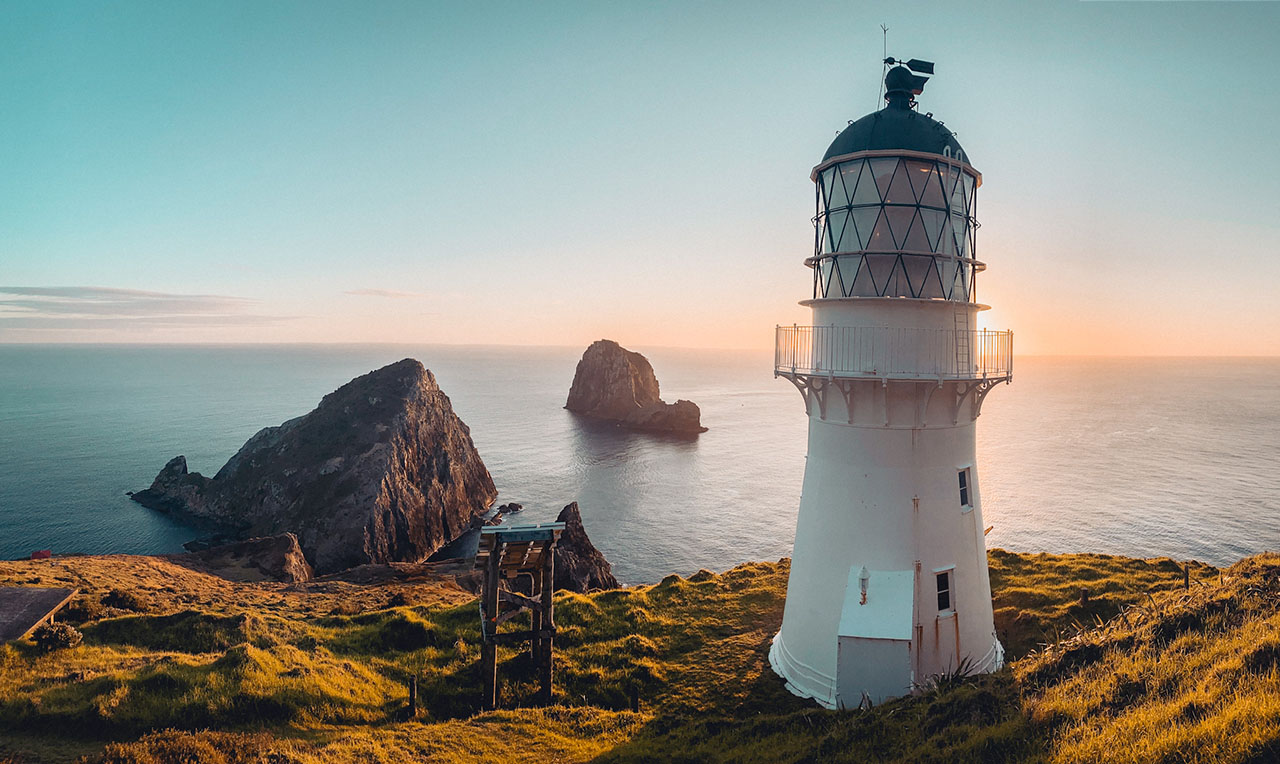
Cape Brett Lighthouse Station. Image courtesy of www.flickr.com
Cape Brett Lighthouse Station
Te Taero a Kereopa / Te Tahuna a Tama-i-ea
Cape Brett Lighthouse Station. Image courtesy of www.flickr.com
Cape Brett Lighthouse Station
Nelson Boulder Bank Historic Area. 2001 View looking north towards Mackay Bluff with Haulashore Island in the foreground
Nelson Boulder Bank Historic Area
Te Taero a Kereopa / Te Tahuna a Tama-i-ea
Stay up to date with Heritage this month