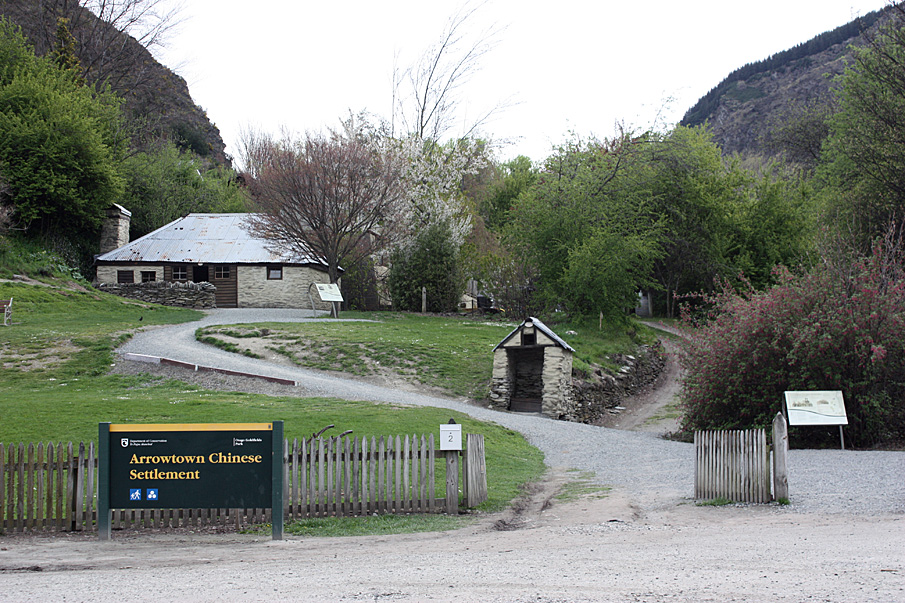
The building now known as Ah Lum's store is one of the few buildings constructed by nineteenth-century Chinese goldminers in Otago that still stands. Chinese settlement in New Zealand began around 1865. Although those administering most regions in New Zealand actively discouraged Chinese miners from moving to New Zealand, the Otago Provincial Council invited Chinese working in Australia to come to the region. Despite the official encouragement, Chinese miners in Otago, as in all other regions, frequently met with hostility from other miners as well as from bureaucrats. The heyday of Chinese mining was during the 1870s and 1880s, when many Chinese became involved in reworking gold-bearing areas that had been deserted by European miners.
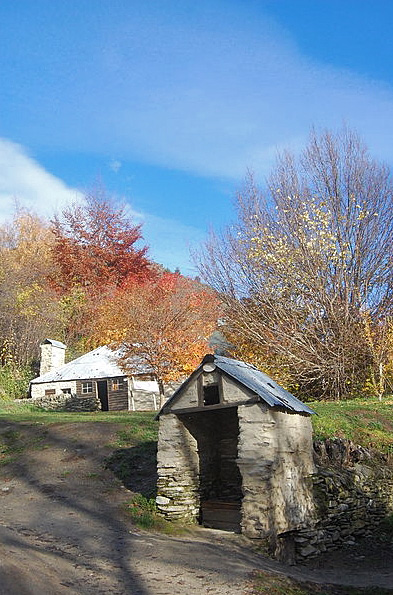
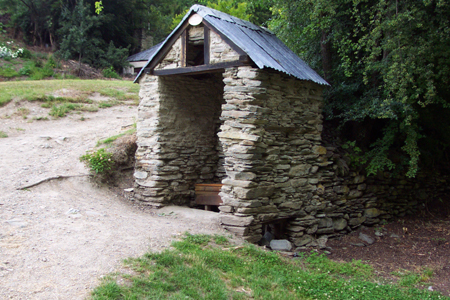
The Chinese settlement at Arrowtown was about 200 metres away from the main street of Arrowtown. Despite this, the settlement and its occupants was quite socially separate from the rest of the town. By 1885 the Arrowtown settlement had grown to consist of about ten huts, made of stone or mud, a social hall and at least two stores. There was also an extensive garden area. The community was almost definitely made up entirely of men. There were a number of similar Chinese settlements adjacent to other Central Otago goldfield towns, but today Arrowtown's is the best preserved.
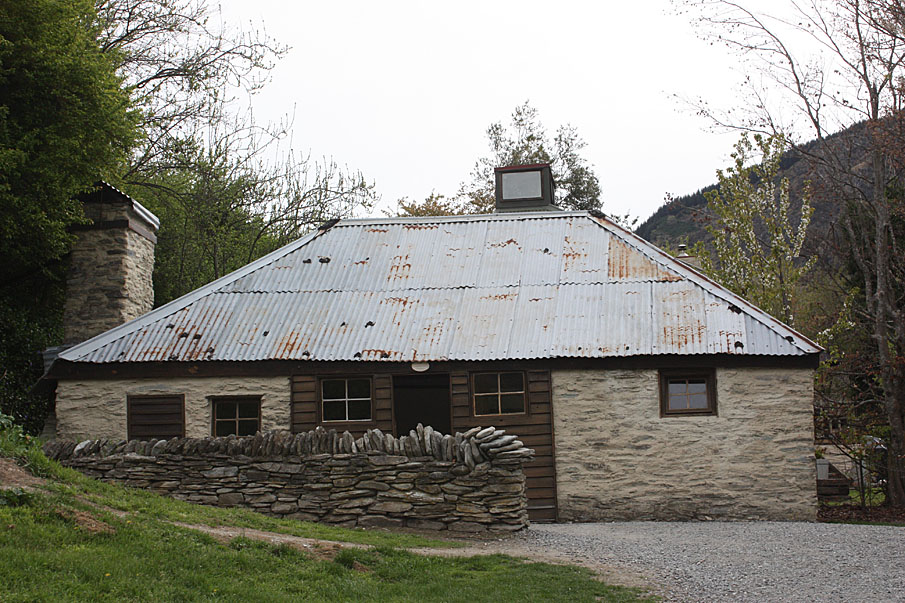
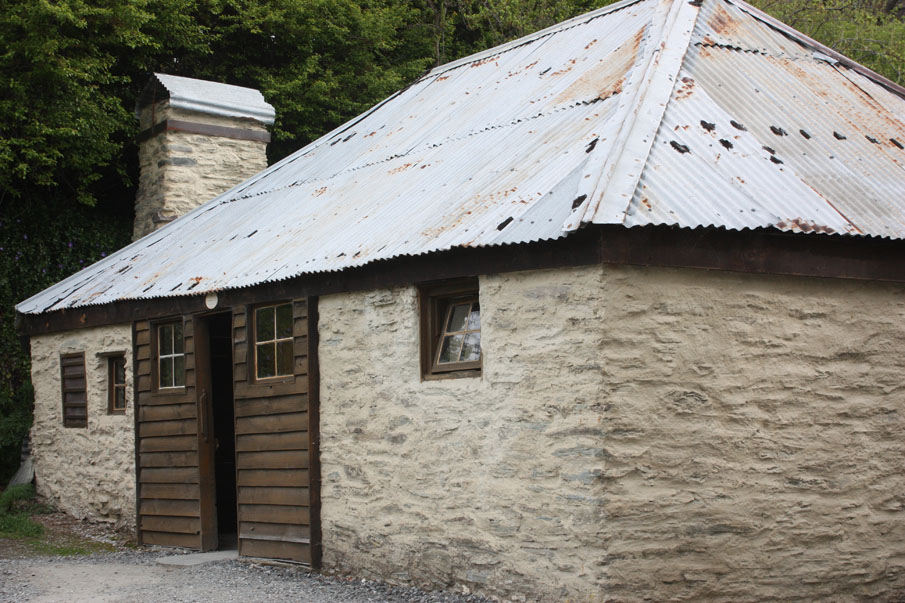
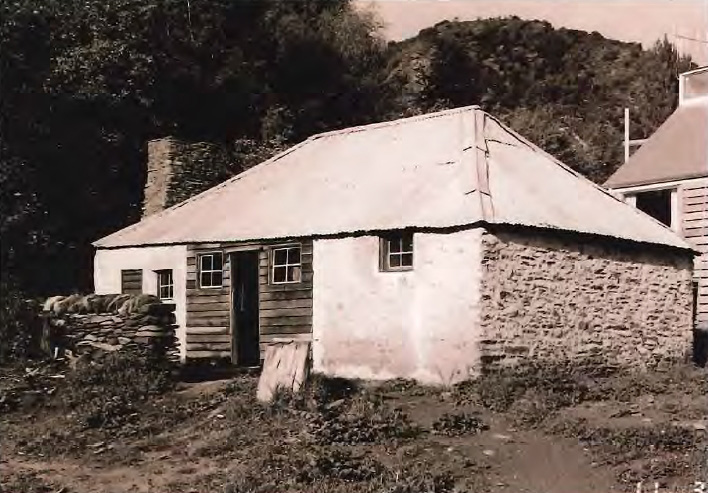
The building known as Ah Lum's store was constructed of mortared stone rubble, with an iron roof. It has a floor area of approximately 8 m x 5 m and is divided into five rooms, with lofts above. The very small kitchen has a large fireplace, cupboards and meat safe built into the wall. The building was probably built by an earlier Chinese storekeeper Wong Hop in the early 1880s. The building was used as a shop, a place for socialising and may also have been used to provide accommodation. Ah Lum bought the section in 1909; he lived in the building and ran his businesses from there until his death in 1927. Ah Lum was held in high regard by both the Chinese and European communities. As well as running a store and bank from the building, he was an interpreter, transacted business dealings for the Chinese community and grew vegetables for sale. After Ah Lum's death, his boarder Ah He continued to live for there for a short time and was the last remaining Chinese man to live in the settlement.
After Ah Lum's death the store was acquired by the Dudley family. The family greatly contributed to the building's long term preservation and has also ensured that information about Ah Lum and rest of the community was retained. In 1983 the family sold the building to the Otago Goldfields Park to ensure that it would be preserved and protected.
Ah Lum's store is one of the only original buildings that remains standing in the Chinese settlement of Arrowtown, and the only substantially intact Chinese store left in Otago. Along with the remnants of other buildings, the building is a significant reminder of the Chinese presence on the Central Otago goldfields. Large numbers of people now visit Arrowtown's Chinese miners' area; Ah Lum's store forms a significant part of that historical landscape.
The Chinese settlement at Arrowtown was about 200 metres away from the main street of Arrowtown. Despite this, the settlement and its occupants was quite socially separate from the rest of the town. By 1885 the Arrowtown settlement had grown to consist of about ten huts, made of stone or mud, a social hall and at least two stores. There was also an extensive garden area. The community was almost definitely made up entirely of men. There were a number of similar Chinese settlements adjacent to other Central Otago goldfield towns, but today Arrowtown's is the best preserved.
The building known as Ah Lum's store was constructed of mortared stone rubble, with an iron roof. It has a floor area of approximately 8 m x 5 m and is divided into five rooms, with lofts above. The very small kitchen has a large fireplace, cupboards and meat safe built into the wall. The building was probably built by an earlier Chinese storekeeper Wong Hop in the early 1880s. The building was used as a shop, a place for socialising and may also have been used to provide accommodation. Ah Lum bought the section in 1909; he lived in the building and ran his businesses from there until his death in 1927. Ah Lum was held in high regard by both the Chinese and European communities. As well as running a store and bank from the building, he was an interpreter, transacted business dealings for the Chinese community and grew vegetables for sale. After Ah Lum's death, his boarder Ah He continued to live for there for a short time and was the last remaining Chinese man to live in the settlement.
After Ah Lum's death the store was acquired by the Dudley family. The family greatly contributed to the building's long term preservation and has also ensured that information about Ah Lum and rest of the community was retained. In 1983 the family sold the building to the Otago Goldfields Park to ensure that it would be preserved and protected.
Ah Lum's store is one of the only original buildings that remains standing in the Chinese settlement of Arrowtown, and the only substantially intact Chinese store left in Otago. Along with the remnants of other buildings, the building is a significant reminder of the Chinese presence on the Central Otago goldfields. Large numbers of people now visit Arrowtown's Chinese miners' area; Ah Lum's store forms a significant part of that historical landscape.