DonateMembershipVisit Heritage
  • Tūrangawaewae
    Places
  • Tira Māori
    Māori Heritage
  • Poutairangahia
    Archaeology
  • Rauemi
    Resources
  • Mō Tātou
    About Us
  • New Zealand Heritage List
  • Nominate and submit
  • Explore the List
  • National Historic Landmarks
  • Plaques
  • Rainbow List Project
  • Lost heritage
  • Visit Heritage
  • Our properties
  • Turnbull House Project
  • Collections
  • Shop
  • Tohu Whenua
  • Tira Māori
  • Conserving Māori heritage
  • Marae built heritage
  • Māori heritage on the List
  • Hinemihi—Te Hokinga Mai
  • What is archaeology?
  • Is there a site on my property?
  • What are my legal requirements?
  • Affecting an archaeological site
  • Declaring an archaeological site
  • Archaeology FAQs
  • Archaeology Digital Library
  • Archaeology guidelines and templates
  • Resources
  • Funding
  • Publications
  • Sustainable management guides
  • Disaster recovery
  • Podcasts & digital resources
  • Education Hub
  • Conservation plans
  • About
  • Board
  • Māori Heritage Council
  • Senior Staff
  • Offices
  • Contact us
  • Careers
  • Covenants
  • Fast-track
  • Corporate documents
  • Currently consulting on
  • Our submissions
  • News
  • Covid-19 response
Quick links
Rārangi Kōrero | The List
Explore the List
National Historic Landmarks
Ngā Manawhenua o Aotearoa me ōna Kōrero Tūturu
Quick links
Tapuwae
A Vision for Places of Māori Heritage
Funding for Māori Heritage
Resources
Quick links
Archaeological Authority Portal
Applying for an archaeological authority
Archaeology FAQs
Browse the most frequently asked questions about archaeological authorities and the archaeological process.
Quick links
Quick links
News
News Keep up to date with Heritage New Zealand Pouhere Taonga
Membership
Membership Find out more and sign up today
DonateMembershipVisit Heritage
  • Tūrangawaewae
    Places
  • Tira Māori
    Māori Heritage
  • Poutairangahia
    Archaeology
  • Rauemi
    Resources
  • Mō Tātou
    About Us
  • New Zealand Heritage List
  • Nominate and submit
  • Explore the List
  • National Historic Landmarks
  • Plaques
  • Rainbow List Project
  • Lost heritage
  • Visit Heritage
  • Our properties
  • Turnbull House Project
  • Collections
  • Shop
  • Tohu Whenua
  • Tira Māori
  • Conserving Māori heritage
  • Marae built heritage
  • Māori heritage on the List
  • Hinemihi—Te Hokinga Mai
  • What is archaeology?
  • Is there a site on my property?
  • What are my legal requirements?
  • Affecting an archaeological site
  • Declaring an archaeological site
  • Archaeology FAQs
  • Archaeology Digital Library
  • Archaeology guidelines and templates
  • Resources
  • Funding
  • Publications
  • Sustainable management guides
  • Disaster recovery
  • Podcasts & digital resources
  • Education Hub
  • Conservation plans
  • About
  • Board
  • Māori Heritage Council
  • Senior Staff
  • Offices
  • Contact us
  • Careers
  • Covenants
  • Fast-track
  • Corporate documents
  • Currently consulting on
  • Our submissions
  • News
  • Covid-19 response
Quick links
Rārangi Kōrero | The List
Explore the List
National Historic Landmarks
Ngā Manawhenua o Aotearoa me ōna Kōrero Tūturu
Quick links
Tapuwae
A Vision for Places of Māori Heritage
Funding for Māori Heritage
Resources
Quick links
Archaeological Authority Portal
Applying for an archaeological authority
Archaeology FAQs
Browse the most frequently asked questions about archaeological authorities and the archaeological process.
Quick links
Quick links
News
News Keep up to date with Heritage New Zealand Pouhere Taonga
Membership
Membership Find out more and sign up today
  • Nominate and submit
  • National Historic Landmarks
  • Nominate and submit
  • National Historic Landmarks
  • Conserving Māori heritage
  • Marae built heritage
  • Conserving Māori heritage
  • Marae built heritage
  • Archaeological authorities
  • Archaeology Digital Library
  • Archaeological authorities
  • Archaeology Digital Library
  • All resources
  • Publications
  • Funding
  • All resources
  • Publications
  • Funding
  • FAQs
  • FAQs
Follow us on:
Places
  • Nominate and submit
  • National Historic Landmarks
Tira Māori
  • Conserving Māori heritage
  • Marae built heritage
Archaeology
  • Archaeological authorities
  • Archaeology Digital Library
Resources
  • All resources
  • Publications
  • Funding
FAQs
  • FAQs
Follow us on
HomePrivacyTerms and conditionsAbout this site
© Heritage New Zealand Pouhere Taonga 2026.
 
Northern Steamship Company Building

122-124 Quay Street, Gore Street and Tyler Street, AUCKLAND

Private

Historic Place Category 1

List No. 622

Quick links:
List GalleryLocationDetails
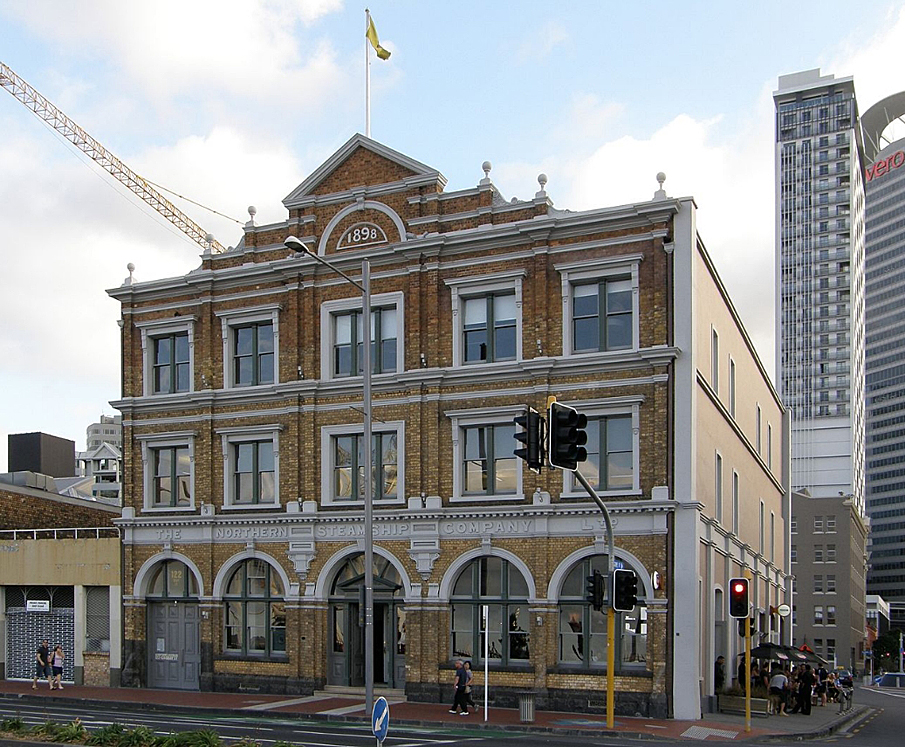
Erected by the Northern Steamship Company in 1898, this harbourside structure is an important reminder of Auckland's maritime past, and the role of shipping in the economic and social development of the region. Situated in a prime position between the wharves and the 1880s railway station, the building was constructed as offices for the Northern Company after it had become one of the leading inland-shipping businesses in northern New Zealand. The firm had been founded in Auckland in 1881 as an amalgamation of several smaller concerns, and ran freight and passenger services in the upper half of the North Island. Along with the Holm Shipping Company, it was one of only two major independent shipping companies in New Zealand by the early twentieth century, and later extended its services throughout the country before ceasing to trade in 1974.

The building was originally two storeys, having an ornate facade on its seaward side emblazoned with the company name. Like the nearby Colonial Sugar Refining Company Building (see 'Wharf Police Building'), it contained offices and storage, the latter being used for freight in transit. The storage area was reached through a cart passage towards one side of the building, while the remainder of the facade was symmetrical. Constructed of brick, the building was reorganised as business fortunes altered. An extra storey was added in the prosperous 1920s, using a similar style, while internal alterations were made as offices were let during the company's post-war decline. Following the winding up of the Northern Company in the 1970s, the interior was largely gutted and modifications were made to the western wall, which required strengthening after an adjacent building was demolished.

The Northern Steamship Company Building is one of the few nineteenth-century wharfside structures to survive in central Auckland, and reflects the city's role as a major port at the end of the colonial period. It is of national and regional importance for its links with the Northern Steamship Company, which was instrumental in the kauri gum, timber, farming and early tourism industries, and also provided social contact between coastal communities. The building is a visible reminder of the time when the wharfside area was a hub of maritime activity and makes a significant contribution to the historical fabric and appearance of the waterfront. Its value is enhanced by its proximity to related historical buildings, particularly the adjacent Union Fish Company building, which was used to repair Northern Company vessels, and is an important part of the Quay Street Historic Area.
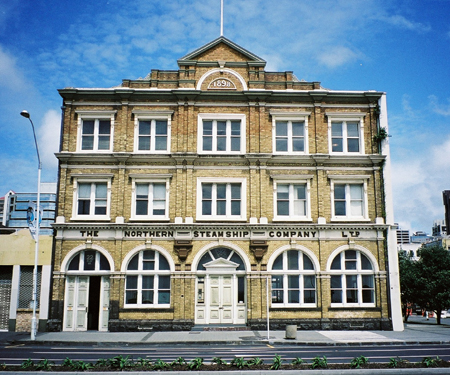
Northern Steamship Company Building, Auckland | Martin Jones | 18/09/2001 | Heritage New Zealand
Northern Steamship Company Building, Auckland. CC Licence 2.0 Image courtesy of commons.wikimedia.org | russellstreet | 18/01/2008 | russellstreet - Wikimedia Commons
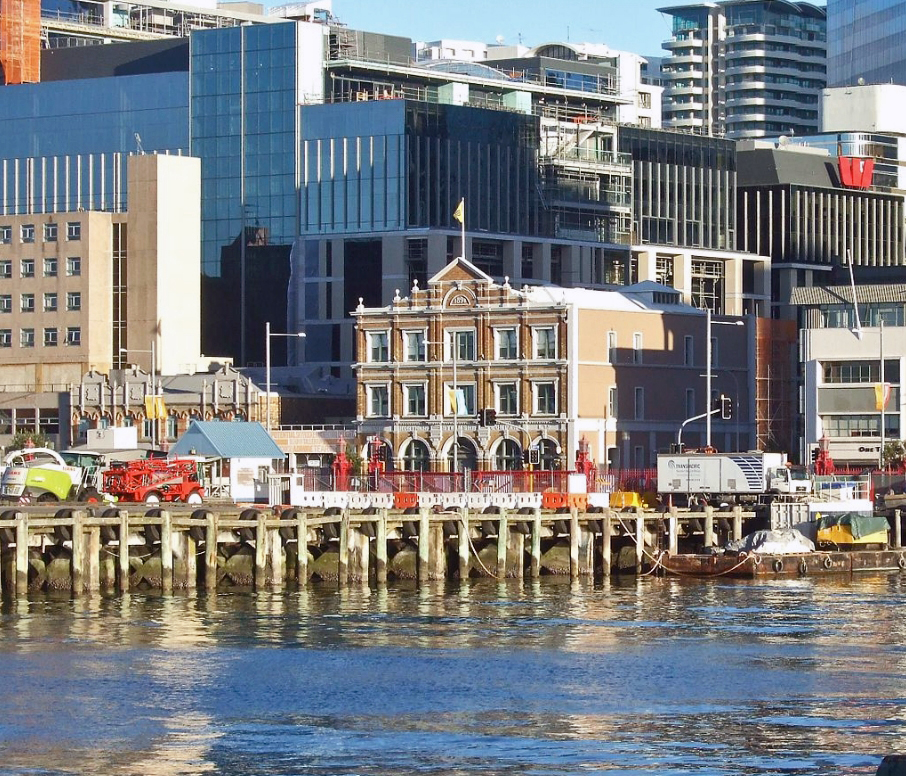
Northern Steamship Company Building, Auckland. CC Licence 2.0 Image courtesy of commons.wikimedia.org | Virginia McMillan | 25/07/2010 | Virginia McMillan - Wikimedia Commons
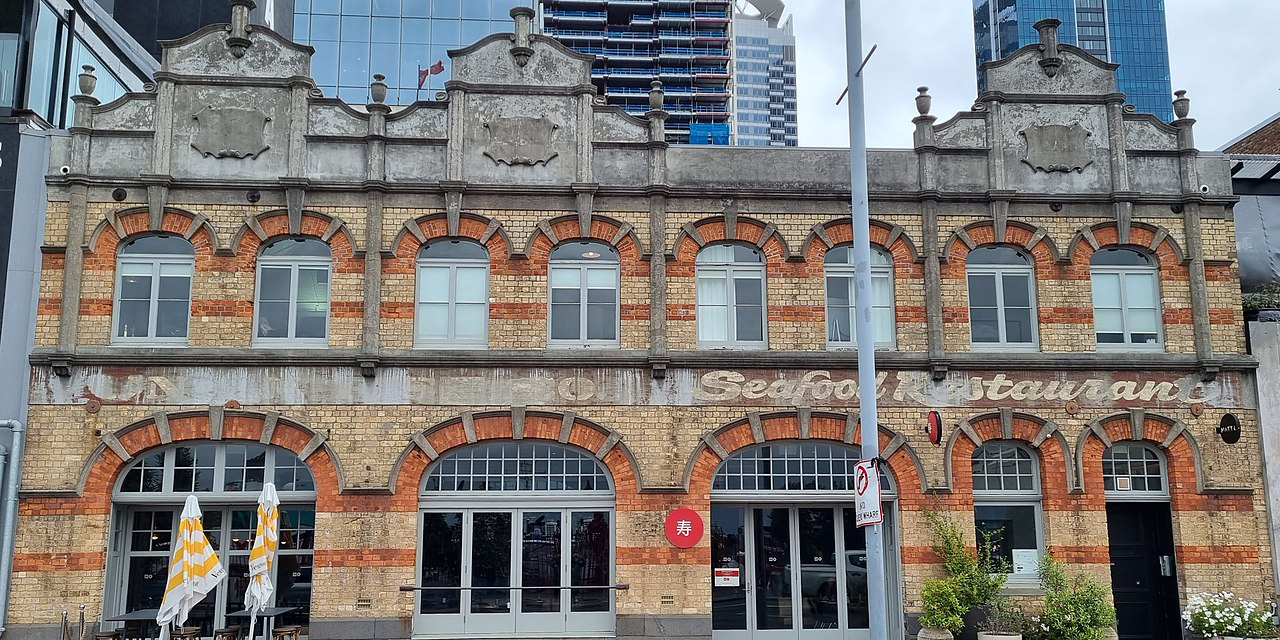
Northern Steamship Company Building, Auckland | Martin Jones | 18/09/2001 | Heritage New Zealand
Northern Steamship Company Building, Auckland. CC Licence 2.0 Image courtesy of commons.wikimedia.org | russellstreet | 18/01/2008 | russellstreet - Wikimedia Commons
Northern Steamship Company Building, Auckland. CC Licence 2.0 Image courtesy of commons.wikimedia.org | Virginia McMillan | 25/07/2010 | Virginia McMillan - Wikimedia Commons

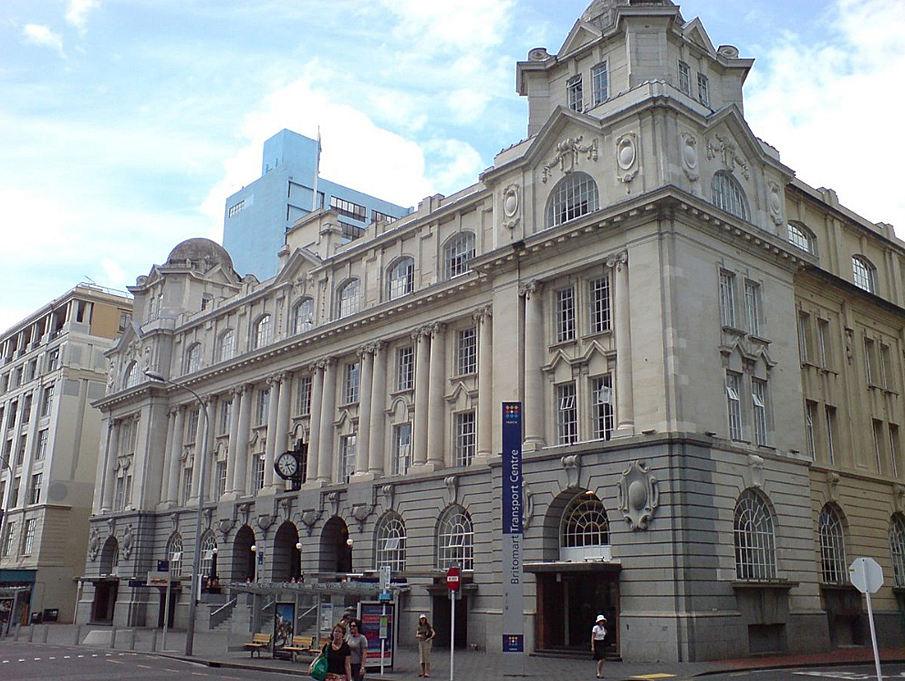
List Entry Information

Overview

Status
Listed

List Entry Status
Historic Place Category 1

Access
Private/No Public Access

List Number
622

Date Entered
27th July 1988

Date of Effect
27th July 1988

City/District Council
Auckland Council

Region
Auckland Council

Extent of List Entry

Extent includes the land described as Lot 1 DP 361222 (RT 277786), North Auckland Land District, and the building known as the Northern Steamship Company Building thereon, and its fittings and fixtures.

Legal description

Lot 1 DP 361222 (RT 277786), North Auckland Land District

Detailed List Entry
Significance

Historic Significance

Historical Significance or Value The building housed the Northern Steamship Company which played an important part in Auckland and Northland development in its reliance on shipping as a major means of transportation and communication. Auckland is dominated by its waterfront in several ways. Most of Auckland is not more than a few kilometres from the sea, and from the first days of European settlement until the development of efficient road and rail services later this century, the logical way of transport was by sea. Coastal trade was extensive and vital to the survival of Auckland and other settlements. In 1881 the Northern Steamship Co. was founded to become the first major steamship company to operate in Auckland waters. The company absorbed most of the individual ship-owners already operating. By 1898 the present building was opened in Quay Street as a testament to the company's prosperity. For over 50 years it served as a base for a coastal trade that centred around the Auckland province. Regular trips serviced the Coromandel peninsula, Tauranga, Bay of Islands and further north, the Hokianga, Great Barrier, New Plymouth, Wanganui, Raglan, and every other small coastal port in these areas. The steamship provided reliable transport for people, those on business, looking for work and those on everyday affairs. Sightseeing cruises and day trips were made to Auckland beaches, Kawau and further afield. Freight comprised of supplies to people in isolated communities and the products of various industries, Kauri gum and timber, flax and farming. After 1925 the company's business began to be undercut by road links and rail services. Passenger services declined considerably, and with the onset of the depression in the 1930s cargo carrying also declined. The company began diverging in their interests and the last ship voyage was made in 1974. Shortly afterward the Harbour Board purchased the building and it has been leased out to various businesses.

Physical Significance

ARCHITECTURAL SIGNIFICANCE: The Northern Steamship Company offices show the importance shipping once held in the Auckland region. The company was actively seeking to replace 'old fashioned' steamers with new technology. Their new offices included advancements such as a telephone room. The Quay Street façade bore the Company logo and name and the central pediment included a flagpole with the company flag. The choice of site was important as it was in what was then the centre of Auckland's transport area. TOWNSCAPE/LANDMARK SIGNIFICANCE: This building forms an important part of the row of warehouses which give character to Quay Street. It contributes considerably, to the dockside atmosphere of the area.

Construction Professional

Name

Wilson, Arthur

Type

Architect

Biography

Architect Arthur Pollard Wilson F.N.Z.I.A (1851-1937) was born and educated in London. He trained in the office of William Oakley for ten years. During this time he undertook various works throughout England while studying architecture at London University. He established his own practice in 1880, but two years later emigrated to New Zealand settling in Auckland. Wilson gained commissions for many commercial buildings and designed residences for several prominent Aucklanders. He went into partnership with former pupil F.L. Moodie in 1910 and was elected to the New Zealand Institute of Architects in 1912. By the 1920s the firm had become Wilson, Moodie and Gillespie with the addition of third partner. Practising in Auckland until 1930, Wilson was a prolific designer. Between the late 1880s and the 1920s he designed many of the business premises in Auckland's commercial centre. Along with the firm E. Mahoney and Sons, he was one of the architects primarily responsible for the transformation of the Auckland city centre from a collection of small-scale buildings to the prosperous Victorian commercial centre of the early 1900s. Surviving examples of Wilson's designs in Auckland include the Naval and Family Hotel, Karangahape Road which was rebuilt after destruction by fire in 1894; the Northern Steamship Company premises Quay Street (1898) (NZHPT Registration # 622, Category I historic place); the Strand Arcade (1899-900) and reconstructed after fire (1910-1911); and the A.H. Nathan Warehouse (1903) (NZHPT Registration # 7296, Category II historic place) on Customs Street East. Other commercial buildings to Wilson's design included premises for Kempthorne Prosser in Albert Street (1899); for Sargood Briscoe MacNeil in Customs Street East; and John Chambers in nearby Fort Street (both 1900). The Australian Mutual Provident Society Building (1912) on the corner of Queen and Victoria Street East was designed by the Wilson and Moodie partnership.

Construction Details

Start Year

1879

Finish Year

1885

Type

Other

Description

Reclamation of land

Start Year

1898

Finish Year

1899

Type

Original Construction

Description

Construction of Northern Steamship Company Building

Start Year

1921

Type

Addition

Description

Third storey added

Start Year

1946

Type

Modification

Description

Internal alterations

Start Year

1992

Type

Modification

Description

Alterations to west wall due to demolition of adjacent building, and interior stripped

Construction Materials

The Northern Steamship Building is constraucted of brick piers and English Bond infill. The base course and ground floor lintels are stone. The dressing and plaster.

Notable Features

The ground floor still has the original decorated glass with the companies initials. Registration covers the building, its fixtures and finishes. It also includes recent modifications. The building lies on nineteenth-century reclaimed land in Commercial Bay, next to the original Britomart Point and close to the site of the Gore Street wharf.

Physical Description

ARCHITECTURAL DESCRIPTION (Style): A neoclassical façade with a stone base course and 3 tiers, each of 5 bays, capped with a parapet with a pediment. The ground floor has a series of semicircular arches each with a keystone detail. The double pilasters topped with a console, on either side of the main doorway are unusual. MODIFICATIONS: The building was originally two storied with a parapet and central curved pediment. Both the Quay Street façade and the façade facing the now non existent railway lines running to Queen Street were pedimented. A second floor was added in the early 1920s and the pediment facing the railway yard was removed. This addition has an identical façade to the first floor. A triangular pediment replaced the original curved one, but the arch with the buildings date - 1989 - was replaced.

Reference

Completion Date

15th August 2001

Report Written By

Martin Jones

Information Sources

Cooper, 1988 (2)

Mary Cooper and Noni Boyd, 'The Northern Steamship Company Ltd.[Building], 22-24 Quay Street, Auckland', NZHPT Buildings Classification Committee Report, Wellington, 1988 (held by NZHPT, Auckland)

McLean, 2001

Gavin McLean, Captain's Log: New Zealand's Maritime History, Auckland, 2001

New Zealand Herald

New Zealand Herald, 12 July 1932, p. 6; 28 September 1933, p. 6.

Salmond Architects, 1995

Salmond Architects, 'Britomart Heritage Assessment: An Analysis of Heritage Values Relating to Existing Buildings in the Britomart Development Project', Auckland, 1995 (held by NZHPT, Auckland)

Conservation Plan

Conservation Plan

Report Written By

This historic place was registered under the Historic Places Act 1980. This report includes the text from the original Building Classification Committee report considered by the NZHPT Board at the time of registration. Please note that entry on the New Zealand Heritage List/Rarangi Korero identifies only the heritage values of the property concerned, and should not be construed as advice on the state of the property, or as a comment of its soundness or safety, including in regard to earthquake risk, safety in the event of fire, or insanitary conditions.

Further Information

Current Usages

Former Usages

General Usage:: Trade

Specific Usage: Office building/Offices

General Usage:: Trade

Specific Usage: Shop

General Usage:: Trade

Specific Usage: Warehouse/storage area

Themes

Web Links

Overview

Status

Listed

List Entry Status

Historic Place Category 1

Access

Private/No Public Access

List Number

622

Date Entered

27th July 1988

Date of Effect

27th July 1988

City/District Council

Auckland Council

Region

Auckland Council

Extent of List Entry

Extent includes the land described as Lot 1 DP 361222 (RT 277786), North Auckland Land District, and the building known as the Northern Steamship Company Building thereon, and its fittings and fixtures.

Legal description

Lot 1 DP 361222 (RT 277786), North Auckland Land District

Status

Listed

List Entry Status

Historic Place Category 1

Access

Private/No Public Access

List Number

622

Date Entered

27th July 1988

Date of Effect

27th July 1988

City/District Council

Auckland Council

Region

Auckland Council

Extent of List Entry

Extent includes the land described as Lot 1 DP 361222 (RT 277786), North Auckland Land District, and the building known as the Northern Steamship Company Building thereon, and its fittings and fixtures.

Legal description

Lot 1 DP 361222 (RT 277786), North Auckland Land District

Significance

Why is this place significant?

Historic Significance

Historical Significance or Value The building housed the Northern Steamship Company which played an important part in Auckland and Northland development in its reliance on shipping as a major means of transportation and communication. Auckland is dominated by its waterfront in several ways. Most of Auckland is not more than a few kilometres from the sea, and from the first days of European settlement until the development of efficient road and rail services later this century, the logical way of transport was by sea. Coastal trade was extensive and vital to the survival of Auckland and other settlements. In 1881 the Northern Steamship Co. was founded to become the first major steamship company to operate in Auckland waters. The company absorbed most of the individual ship-owners already operating. By 1898 the present building was opened in Quay Street as a testament to the company's prosperity. For over 50 years it served as a base for a coastal trade that centred around the Auckland province. Regular trips serviced the Coromandel peninsula, Tauranga, Bay of Islands and further north, the Hokianga, Great Barrier, New Plymouth, Wanganui, Raglan, and every other small coastal port in these areas. The steamship provided reliable transport for people, those on business, looking for work and those on everyday affairs. Sightseeing cruises and day trips were made to Auckland beaches, Kawau and further afield. Freight comprised of supplies to people in isolated communities and the products of various industries, Kauri gum and timber, flax and farming. After 1925 the company's business began to be undercut by road links and rail services. Passenger services declined considerably, and with the onset of the depression in the 1930s cargo carrying also declined. The company began diverging in their interests and the last ship voyage was made in 1974. Shortly afterward the Harbour Board purchased the building and it has been leased out to various businesses.

Physical Significance

ARCHITECTURAL SIGNIFICANCE: The Northern Steamship Company offices show the importance shipping once held in the Auckland region. The company was actively seeking to replace 'old fashioned' steamers with new technology. Their new offices included advancements such as a telephone room. The Quay Street façade bore the Company logo and name and the central pediment included a flagpole with the company flag. The choice of site was important as it was in what was then the centre of Auckland's transport area. TOWNSCAPE/LANDMARK SIGNIFICANCE: This building forms an important part of the row of warehouses which give character to Quay Street. It contributes considerably, to the dockside atmosphere of the area.

Why is this place significant?

Historic Significance

Historical Significance or Value The building housed the Northern Steamship Company which played an important part in Auckland and Northland development in its reliance on shipping as a major means of transportation and communication. Auckland is dominated by its waterfront in several ways. Most of Auckland is not more than a few kilometres from the sea, and from the first days of European settlement until the development of efficient road and rail services later this century, the logical way of transport was by sea. Coastal trade was extensive and vital to the survival of Auckland and other settlements. In 1881 the Northern Steamship Co. was founded to become the first major steamship company to operate in Auckland waters. The company absorbed most of the individual ship-owners already operating. By 1898 the present building was opened in Quay Street as a testament to the company's prosperity. For over 50 years it served as a base for a coastal trade that centred around the Auckland province. Regular trips serviced the Coromandel peninsula, Tauranga, Bay of Islands and further north, the Hokianga, Great Barrier, New Plymouth, Wanganui, Raglan, and every other small coastal port in these areas. The steamship provided reliable transport for people, those on business, looking for work and those on everyday affairs. Sightseeing cruises and day trips were made to Auckland beaches, Kawau and further afield. Freight comprised of supplies to people in isolated communities and the products of various industries, Kauri gum and timber, flax and farming. After 1925 the company's business began to be undercut by road links and rail services. Passenger services declined considerably, and with the onset of the depression in the 1930s cargo carrying also declined. The company began diverging in their interests and the last ship voyage was made in 1974. Shortly afterward the Harbour Board purchased the building and it has been leased out to various businesses.

Physical Significance

ARCHITECTURAL SIGNIFICANCE: The Northern Steamship Company offices show the importance shipping once held in the Auckland region. The company was actively seeking to replace 'old fashioned' steamers with new technology. Their new offices included advancements such as a telephone room. The Quay Street façade bore the Company logo and name and the central pediment included a flagpole with the company flag. The choice of site was important as it was in what was then the centre of Auckland's transport area. TOWNSCAPE/LANDMARK SIGNIFICANCE: This building forms an important part of the row of warehouses which give character to Quay Street. It contributes considerably, to the dockside atmosphere of the area.

Construction Information

Construction Professional

Name

Wilson, Arthur

Type

Architect

Biography

Architect Arthur Pollard Wilson F.N.Z.I.A (1851-1937) was born and educated in London. He trained in the office of William Oakley for ten years. During this time he undertook various works throughout England while studying architecture at London University. He established his own practice in 1880, but two years later emigrated to New Zealand settling in Auckland. Wilson gained commissions for many commercial buildings and designed residences for several prominent Aucklanders. He went into partnership with former pupil F.L. Moodie in 1910 and was elected to the New Zealand Institute of Architects in 1912. By the 1920s the firm had become Wilson, Moodie and Gillespie with the addition of third partner. Practising in Auckland until 1930, Wilson was a prolific designer. Between the late 1880s and the 1920s he designed many of the business premises in Auckland's commercial centre. Along with the firm E. Mahoney and Sons, he was one of the architects primarily responsible for the transformation of the Auckland city centre from a collection of small-scale buildings to the prosperous Victorian commercial centre of the early 1900s. Surviving examples of Wilson's designs in Auckland include the Naval and Family Hotel, Karangahape Road which was rebuilt after destruction by fire in 1894; the Northern Steamship Company premises Quay Street (1898) (NZHPT Registration # 622, Category I historic place); the Strand Arcade (1899-900) and reconstructed after fire (1910-1911); and the A.H. Nathan Warehouse (1903) (NZHPT Registration # 7296, Category II historic place) on Customs Street East. Other commercial buildings to Wilson's design included premises for Kempthorne Prosser in Albert Street (1899); for Sargood Briscoe MacNeil in Customs Street East; and John Chambers in nearby Fort Street (both 1900). The Australian Mutual Provident Society Building (1912) on the corner of Queen and Victoria Street East was designed by the Wilson and Moodie partnership.

Construction Details

Start Year

1879

Finish Year

1885

Type

Other

Description

Reclamation of land

Start Year

1898

Finish Year

1899

Type

Original Construction

Description

Construction of Northern Steamship Company Building

Start Year

1921

startYearCirca

Type

Addition

Description

Third storey added

Start Year

1946

Type

Modification

Description

Internal alterations

Start Year

1992

Type

Modification

Description

Alterations to west wall due to demolition of adjacent building, and interior stripped

Construction Materials

The Northern Steamship Building is constraucted of brick piers and English Bond infill. The base course and ground floor lintels are stone. The dressing and plaster.

Notable Features

The ground floor still has the original decorated glass with the companies initials. Registration covers the building, its fixtures and finishes. It also includes recent modifications. The building lies on nineteenth-century reclaimed land in Commercial Bay, next to the original Britomart Point and close to the site of the Gore Street wharf.

Construction Professional

Name

Wilson, Arthur

Type

Architect

Biography

Architect Arthur Pollard Wilson F.N.Z.I.A (1851-1937) was born and educated in London. He trained in the office of William Oakley for ten years. During this time he undertook various works throughout England while studying architecture at London University. He established his own practice in 1880, but two years later emigrated to New Zealand settling in Auckland. Wilson gained commissions for many commercial buildings and designed residences for several prominent Aucklanders. He went into partnership with former pupil F.L. Moodie in 1910 and was elected to the New Zealand Institute of Architects in 1912. By the 1920s the firm had become Wilson, Moodie and Gillespie with the addition of third partner. Practising in Auckland until 1930, Wilson was a prolific designer. Between the late 1880s and the 1920s he designed many of the business premises in Auckland's commercial centre. Along with the firm E. Mahoney and Sons, he was one of the architects primarily responsible for the transformation of the Auckland city centre from a collection of small-scale buildings to the prosperous Victorian commercial centre of the early 1900s. Surviving examples of Wilson's designs in Auckland include the Naval and Family Hotel, Karangahape Road which was rebuilt after destruction by fire in 1894; the Northern Steamship Company premises Quay Street (1898) (NZHPT Registration # 622, Category I historic place); the Strand Arcade (1899-900) and reconstructed after fire (1910-1911); and the A.H. Nathan Warehouse (1903) (NZHPT Registration # 7296, Category II historic place) on Customs Street East. Other commercial buildings to Wilson's design included premises for Kempthorne Prosser in Albert Street (1899); for Sargood Briscoe MacNeil in Customs Street East; and John Chambers in nearby Fort Street (both 1900). The Australian Mutual Provident Society Building (1912) on the corner of Queen and Victoria Street East was designed by the Wilson and Moodie partnership.

Construction Details

Start Year

1879

Finish Year

1885

Type

Other

Description

Reclamation of land

Start Year

1898

Finish Year

1899

Type

Original Construction

Description

Construction of Northern Steamship Company Building

Start Year

1921

startYearCirca

Type

Addition

Description

Third storey added

Start Year

1946

Type

Modification

Description

Internal alterations

Start Year

1992

Type

Modification

Description

Alterations to west wall due to demolition of adjacent building, and interior stripped

Construction Materials

The Northern Steamship Building is constraucted of brick piers and English Bond infill. The base course and ground floor lintels are stone. The dressing and plaster.

Notable Features

The ground floor still has the original decorated glass with the companies initials. Registration covers the building, its fixtures and finishes. It also includes recent modifications. The building lies on nineteenth-century reclaimed land in Commercial Bay, next to the original Britomart Point and close to the site of the Gore Street wharf.

Physical Description

ARCHITECTURAL DESCRIPTION (Style): A neoclassical façade with a stone base course and 3 tiers, each of 5 bays, capped with a parapet with a pediment. The ground floor has a series of semicircular arches each with a keystone detail. The double pilasters topped with a console, on either side of the main doorway are unusual. MODIFICATIONS: The building was originally two storied with a parapet and central curved pediment. Both the Quay Street façade and the façade facing the now non existent railway lines running to Queen Street were pedimented. A second floor was added in the early 1920s and the pediment facing the railway yard was removed. This addition has an identical façade to the first floor. A triangular pediment replaced the original curved one, but the arch with the buildings date - 1989 - was replaced.

ARCHITECTURAL DESCRIPTION (Style): A neoclassical façade with a stone base course and 3 tiers, each of 5 bays, capped with a parapet with a pediment. The ground floor has a series of semicircular arches each with a keystone detail. The double pilasters topped with a console, on either side of the main doorway are unusual. MODIFICATIONS: The building was originally two storied with a parapet and central curved pediment. Both the Quay Street façade and the façade facing the now non existent railway lines running to Queen Street were pedimented. A second floor was added in the early 1920s and the pediment facing the railway yard was removed. This addition has an identical façade to the first floor. A triangular pediment replaced the original curved one, but the arch with the buildings date - 1989 - was replaced.

Reference

Historical and Associated Iwi / Hapū / Whānau

Completion Date

15th August 2001

Report Written By

Martin Jones

Information Sources

Cooper, 1988 (2)

Mary Cooper and Noni Boyd, 'The Northern Steamship Company Ltd.[Building], 22-24 Quay Street, Auckland', NZHPT Buildings Classification Committee Report, Wellington, 1988 (held by NZHPT, Auckland)

McLean, 2001

Gavin McLean, Captain's Log: New Zealand's Maritime History, Auckland, 2001

New Zealand Herald

New Zealand Herald, 12 July 1932, p. 6; 28 September 1933, p. 6.

Salmond Architects, 1995

Salmond Architects, 'Britomart Heritage Assessment: An Analysis of Heritage Values Relating to Existing Buildings in the Britomart Development Project', Auckland, 1995 (held by NZHPT, Auckland)

Conservation Plan

Conservation Plan

Other Information

This historic place was registered under the Historic Places Act 1980. This report includes the text from the original Building Classification Committee report considered by the NZHPT Board at the time of registration. Please note that entry on the New Zealand Heritage List/Rarangi Korero identifies only the heritage values of the property concerned, and should not be construed as advice on the state of the property, or as a comment of its soundness or safety, including in regard to earthquake risk, safety in the event of fire, or insanitary conditions.

Historical and Associated Iwi / Hapū / Whānau

Completion Date

15th August 2001

Report Written By

Martin Jones

Information Sources

Cooper, 1988 (2)

Mary Cooper and Noni Boyd, 'The Northern Steamship Company Ltd.[Building], 22-24 Quay Street, Auckland', NZHPT Buildings Classification Committee Report, Wellington, 1988 (held by NZHPT, Auckland)

McLean, 2001

Gavin McLean, Captain's Log: New Zealand's Maritime History, Auckland, 2001

New Zealand Herald

New Zealand Herald, 12 July 1932, p. 6; 28 September 1933, p. 6.

Salmond Architects, 1995

Salmond Architects, 'Britomart Heritage Assessment: An Analysis of Heritage Values Relating to Existing Buildings in the Britomart Development Project', Auckland, 1995 (held by NZHPT, Auckland)

Conservation Plan

Conservation Plan

Other Information

This historic place was registered under the Historic Places Act 1980. This report includes the text from the original Building Classification Committee report considered by the NZHPT Board at the time of registration. Please note that entry on the New Zealand Heritage List/Rarangi Korero identifies only the heritage values of the property concerned, and should not be construed as advice on the state of the property, or as a comment of its soundness or safety, including in regard to earthquake risk, safety in the event of fire, or insanitary conditions.

Further Information

Former Usages

General Usage: Trade

Specific Usage: Office building/Offices

General Usage: Trade

Specific Usage: Shop

General Usage: Trade

Specific Usage: Warehouse/storage area

Former Usages

General Usage: Trade

Specific Usage: Office building/Offices

General Usage: Trade

Specific Usage: Shop

General Usage: Trade

Specific Usage: Warehouse/storage area

Location

Loading
Related listings
Union Fish Company Building, Auckland. CC BY-SA 4.0 Image courtesy of commons.wikimedia.org
Union Fish Company Building
Quay Street Historic Area, Auckland. Chief Post Office, 12 Queen St. Image courtesy of commons.wikimedia.org
Quay Street Historic Area
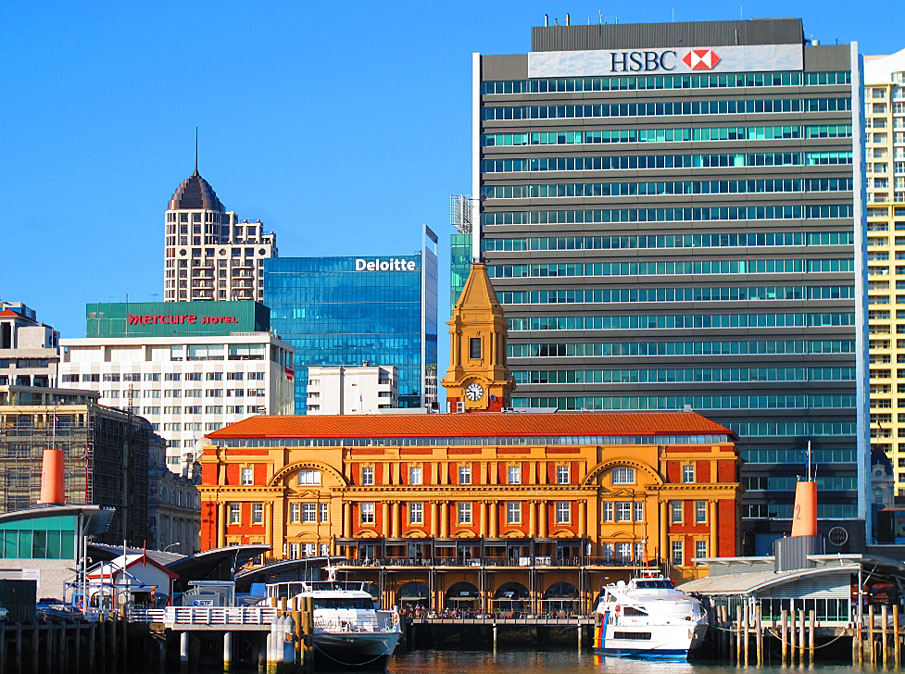
Ferry Building, Auckland. July 2015. Image courtesy of www.jonynz.com
Ferry Building
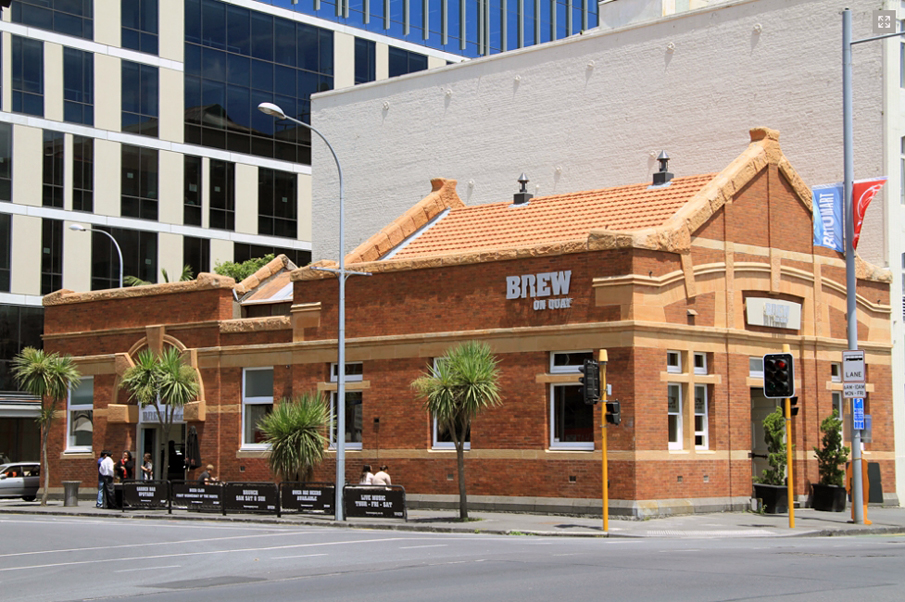
Wharf Police Building (aka Brew on Quay), 102 Quay St, Auckland. Image courtesy of ‘Sir George Grey Special Collections, Auckland Libraries Record ID 1477-2511
Wharf Police Building
Ferry Building, Auckland. July 2015. Image courtesy of www.jonynz.com
Ferry Building
Union Fish Company Building, Auckland. CC BY-SA 4.0 Image courtesy of commons.wikimedia.org
Union Fish Company Building
Wharf Police Building (aka Brew on Quay), 102 Quay St, Auckland. Image courtesy of ‘Sir George Grey Special Collections, Auckland Libraries Record ID 1477-2511
Wharf Police Building
Quay Street Historic Area, Auckland. Chief Post Office, 12 Queen St. Image courtesy of commons.wikimedia.org
Quay Street Historic Area
Stay up to date with Heritage this month