The former 1YA Building was purpose-built in 1934 as a radio broadcasting station, housing the first licensed radio station in New Zealand. It is a strikingly original structure, located on a ridge overlooking the commercial centre of Auckland. Designed with thick walls and a lack of external windows to prevent the transmission of sound, the building was one of a number commissioned by the Broadcasting Board to meet the rapid development and popularity of radio. Before the advent of television, radio was a significant force in the social and political life of the country.
The brick building was designed by the prominent local practice of Wade and Bartley, who had overseen the construction of other structures linked with technological advances in Auckland (see 'Landmark House'). Using a fortress-like Romanesque style on the exterior to mark it out as a new type of structure, the interior of the studios was inspired by Art Deco design, emphasising the progressive aspects of technology. Its single-storey frontage masks the large size of the interior, which contains several floor levels terraced into a descending slope. The later use of the building reflected changes in the form of public broadcasting, and in 1960 it became the first operational television station for the New Zealand Broadcasting Service. For a while it was the largest television studio in the country, before being vacated by Television New Zealand in 1989. In 2000-2001, the building was converted by the University of Auckland for use in teaching the performing arts, and it also houses an art gallery. Original elements in the foyer were conserved, although much of the remainder of the interior required modification.
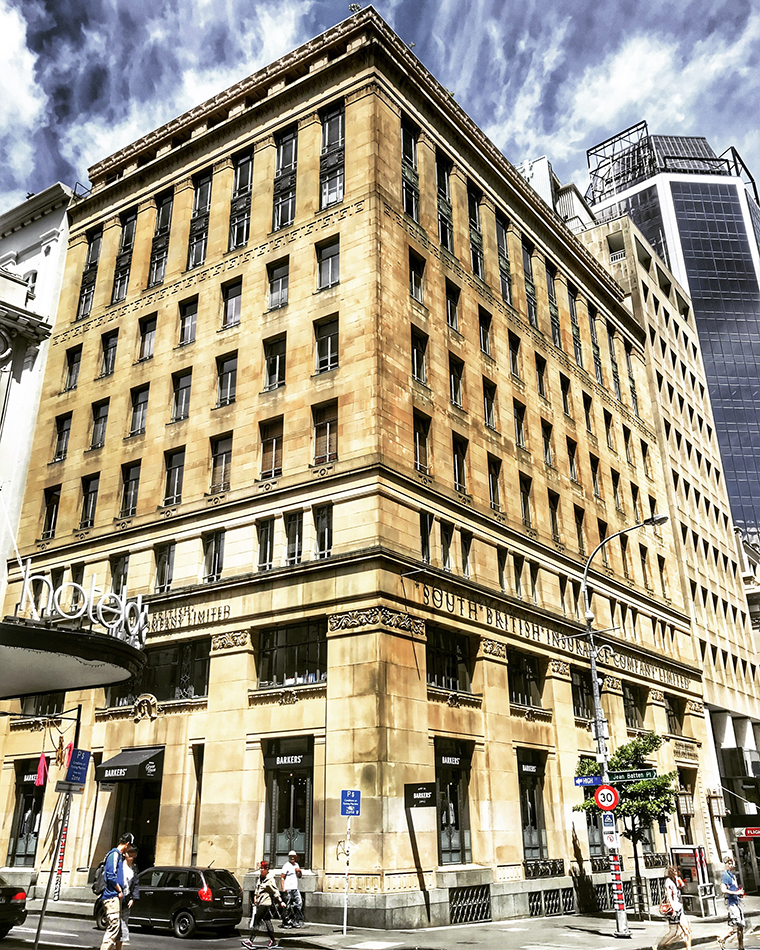
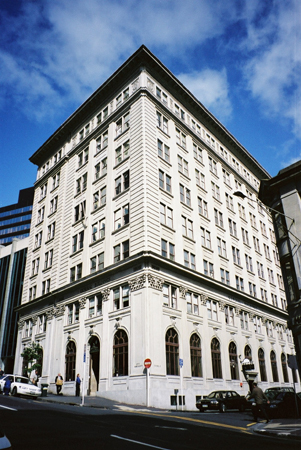
The former 1YA and Television New Zealand building is nationally significant as one of only a few remaining buildings in the country associated with early broadcasting. It has valuable connections with the beginnings of state-run radio and television, and changes in communications technology during the twentieth century. It is associated with many political and entertainment personalities, and has had a role in the formation of a New Zealand cultural identity. The building is an important example of pre-Second World War building technology, with much of its original external fabric intact. An Auckland landmark, it makes a significant contribution to the Shortland Street streetscape, with distinctive elements such as its galvanised steel transmission tower. Its value is enhanced by its proximity to other historic buildings of early twentieth-century date including the General Buildings and the South British Insurance Company Building.
The brick building was designed by the prominent local practice of Wade and Bartley, who had overseen the construction of other structures linked with technological advances in Auckland (see 'Landmark House'). Using a fortress-like Romanesque style on the exterior to mark it out as a new type of structure, the interior of the studios was inspired by Art Deco design, emphasising the progressive aspects of technology. Its single-storey frontage masks the large size of the interior, which contains several floor levels terraced into a descending slope. The later use of the building reflected changes in the form of public broadcasting, and in 1960 it became the first operational television station for the New Zealand Broadcasting Service. For a while it was the largest television studio in the country, before being vacated by Television New Zealand in 1989. In 2000-2001, the building was converted by the University of Auckland for use in teaching the performing arts, and it also houses an art gallery. Original elements in the foyer were conserved, although much of the remainder of the interior required modification.
The former 1YA and Television New Zealand building is nationally significant as one of only a few remaining buildings in the country associated with early broadcasting. It has valuable connections with the beginnings of state-run radio and television, and changes in communications technology during the twentieth century. It is associated with many political and entertainment personalities, and has had a role in the formation of a New Zealand cultural identity. The building is an important example of pre-Second World War building technology, with much of its original external fabric intact. An Auckland landmark, it makes a significant contribution to the Shortland Street streetscape, with distinctive elements such as its galvanised steel transmission tower. Its value is enhanced by its proximity to other historic buildings of early twentieth-century date including the General Buildings and the South British Insurance Company Building.
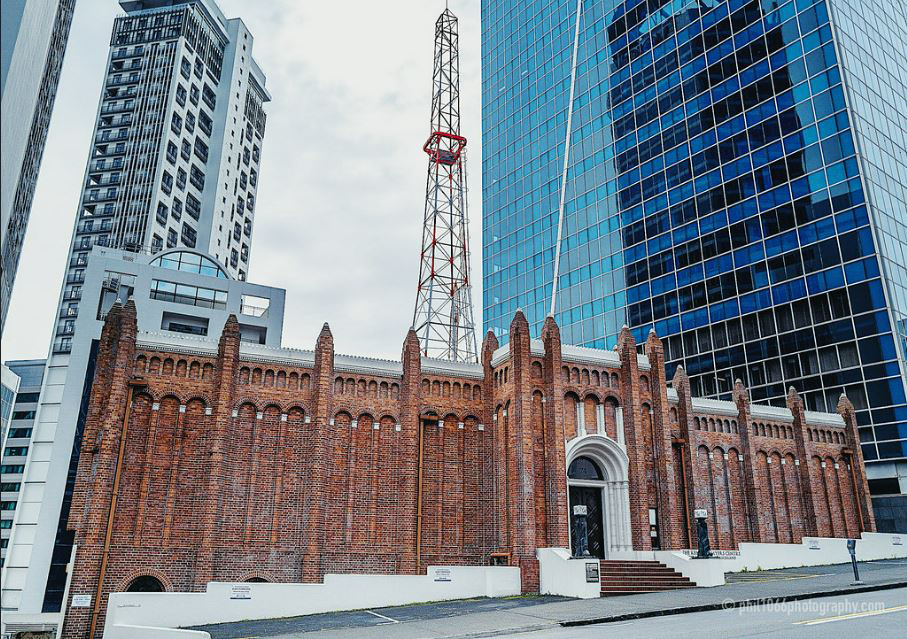
1YA Radio Station Building (Former), Auckland. Image courtesy of www.flickr.com | Phil Clark | 23/08/2020 | phil1066photography.com
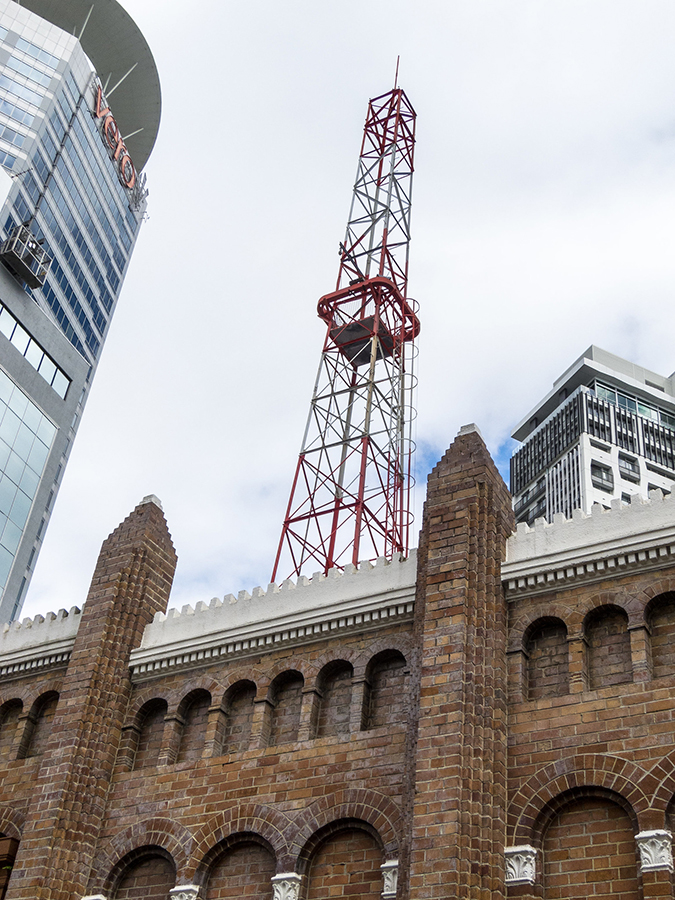
1YA Radio Station Building (Former), Auckland. CC BY-SA 2.0 Image courtesy of www.flickr.com | russellstreet | 26/11/2011 | russellstreet
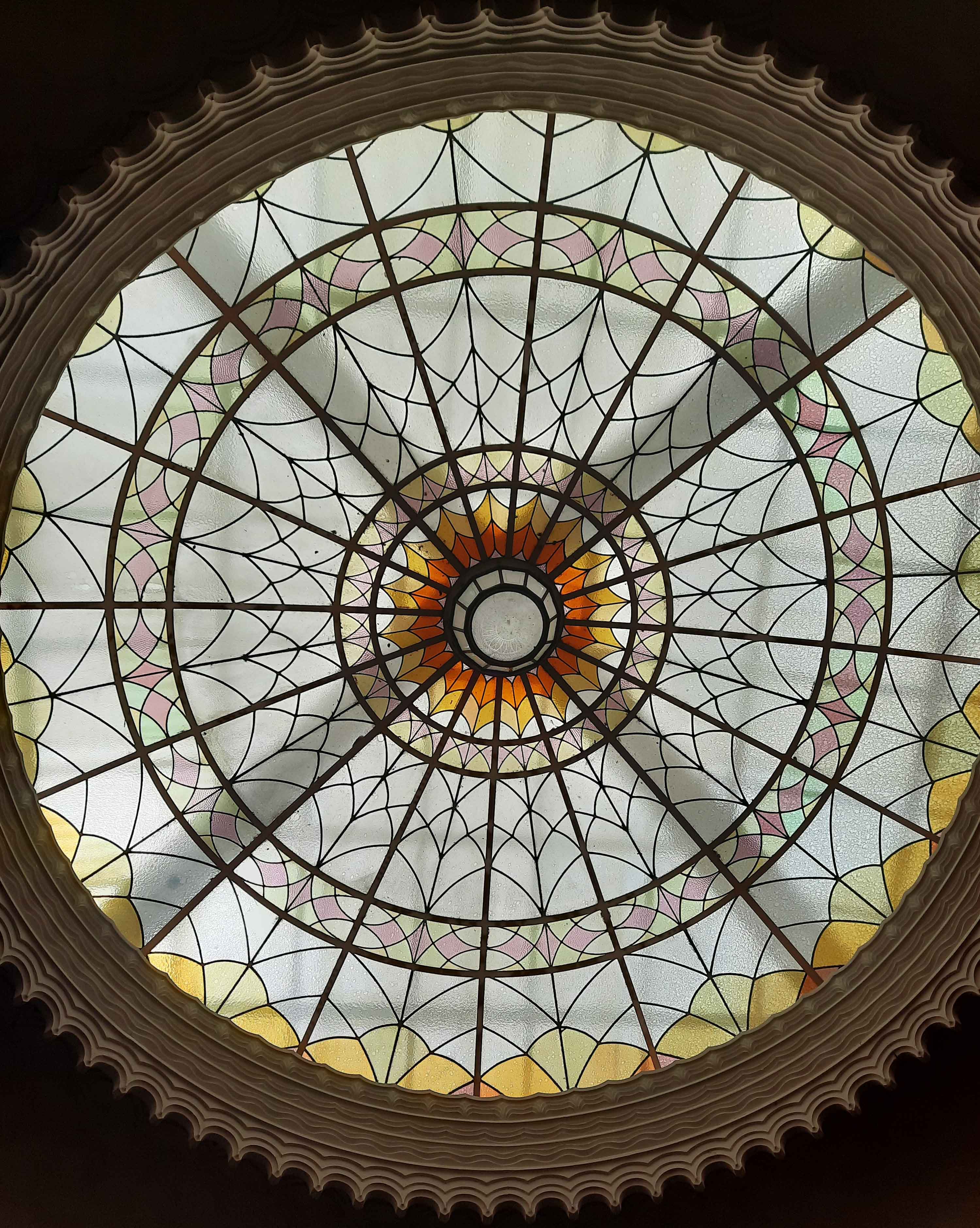
1YA Radio Station Building (Former), Auckland. Foyer Glass dome | Pauline Vela | 14/10/2022 | Heritage New Zealand Pouhere Taonga
1YA Radio Station Building (Former), Auckland. Image courtesy of www.flickr.com | Phil Clark | 23/08/2020 | phil1066photography.com
1YA Radio Station Building (Former), Auckland. CC BY-SA 2.0 Image courtesy of www.flickr.com | russellstreet | 26/11/2011 | russellstreet
1YA Radio Station Building (Former), Auckland. Foyer Glass dome | Pauline Vela | 14/10/2022 | Heritage New Zealand Pouhere Taonga