After the formation of the Auckland Harbour Board in 1871, planned improvements to the Auckland waterfront included a new Queen St wharf, reclamation, and a graving dock. Reclamation was begun by the Government in 1879. In 1886 when it was completed, the area of Quay St formed a wide dock running from Breakwater Rd (Britomart Pl) past Queen St to the Harbour Board offices. Once Custom St and Quay St had been reclaimed, a flat area of water frontage became available on which to build wharfs, jetties and carry out other harbour works.
On June 29, 1904 engineer W.H. Hamer submitted a report to the Harbour Board. The plan recommended the construction of a series of wharfs to be built from the Quay St front and involved the reclamation of large areas of land. The wharfs were standardised, being constructed of reinforced concrete, and they had sheds on either side of the roadway with provision made on the Quay sides for railways.
The Queen St wharf was the first to be undertaken in the scheme and was in use by 1911 with the Ferry Building being opened the following year. In 1914 the Board began the reclamation of Quay St to the west of the Ferry Building, filling in the Auckland Graving Dock. Construction of landings, steps and shelter sheds was also begun. Despite difficulties caused by the outbreak of war and the 1915 strike which caused work to come to a complete standstill (28 Oct - 8 Nov), the largest of the remaining works were completed.
The Hamer plan development culminated in the opening of Princes Wharf on the 12 May 1924 by the Governor General Viscount Jellicoe. The opening also marked W.H. Hamer's retirement as Harbour Board engineer. The Hamer Plan increased shipping berthage and storage accommodation as is found in the monolithic structures of Princes and Queens Wharfs.
The use of rail along Quay St has also played an important part in the area history. One of the few areas in the world to have goods trains travelling in the same street as vehicular traffic, the proposal to connect Princes Wharf to the rail system caused public controversy over the dangerous and unnecessary length of the rail link. The train tracks were all removed from Quay St in 1988.
On June 29, 1904 engineer W.H. Hamer submitted a report to the Harbour Board. The plan recommended the construction of a series of wharfs to be built from the Quay St front and involved the reclamation of large areas of land. The wharfs were standardised, being constructed of reinforced concrete, and they had sheds on either side of the roadway with provision made on the Quay sides for railways.
The Queen St wharf was the first to be undertaken in the scheme and was in use by 1911 with the Ferry Building being opened the following year. In 1914 the Board began the reclamation of Quay St to the west of the Ferry Building, filling in the Auckland Graving Dock. Construction of landings, steps and shelter sheds was also begun. Despite difficulties caused by the outbreak of war and the 1915 strike which caused work to come to a complete standstill (28 Oct - 8 Nov), the largest of the remaining works were completed.
The Hamer plan development culminated in the opening of Princes Wharf on the 12 May 1924 by the Governor General Viscount Jellicoe. The opening also marked W.H. Hamer's retirement as Harbour Board engineer. The Hamer Plan increased shipping berthage and storage accommodation as is found in the monolithic structures of Princes and Queens Wharfs.
The use of rail along Quay St has also played an important part in the area history. One of the few areas in the world to have goods trains travelling in the same street as vehicular traffic, the proposal to connect Princes Wharf to the rail system caused public controversy over the dangerous and unnecessary length of the rail link. The train tracks were all removed from Quay St in 1988.
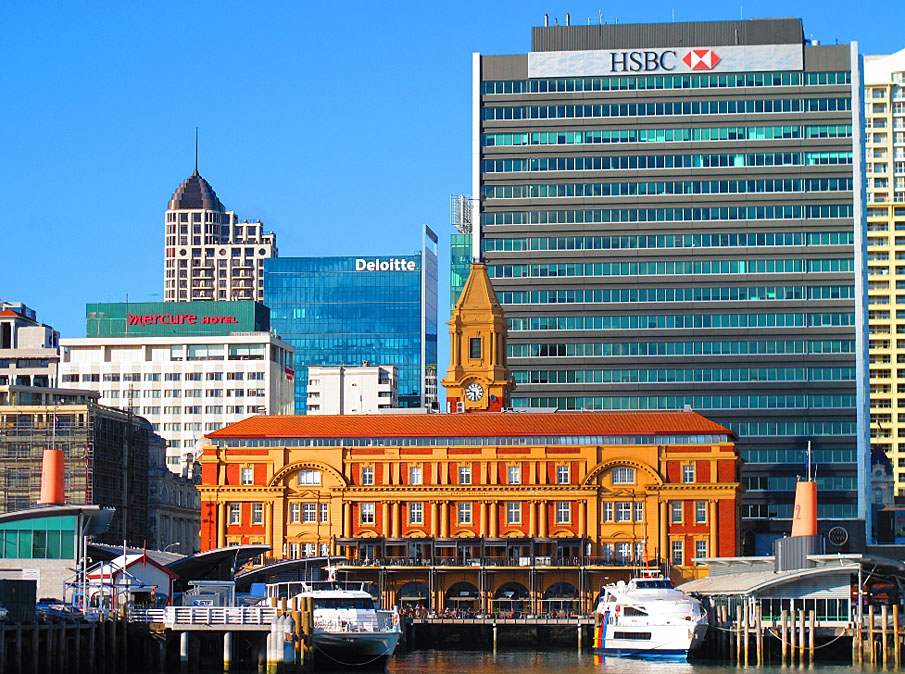
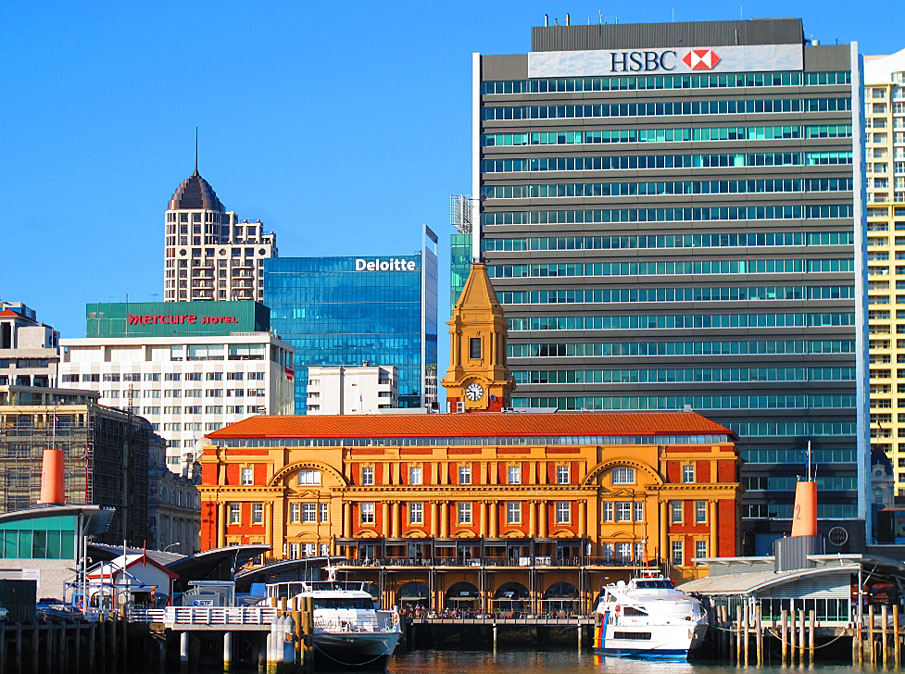
Harbour Historic Area. Ferry Building July 2015. Image courtesy of www.jontynz.com | Jonty Crane | Jonty Crane
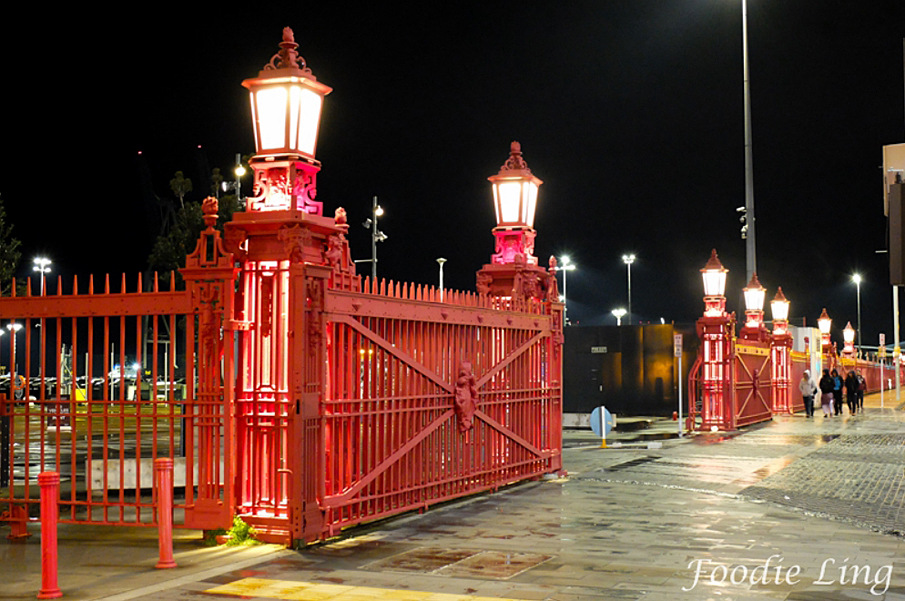
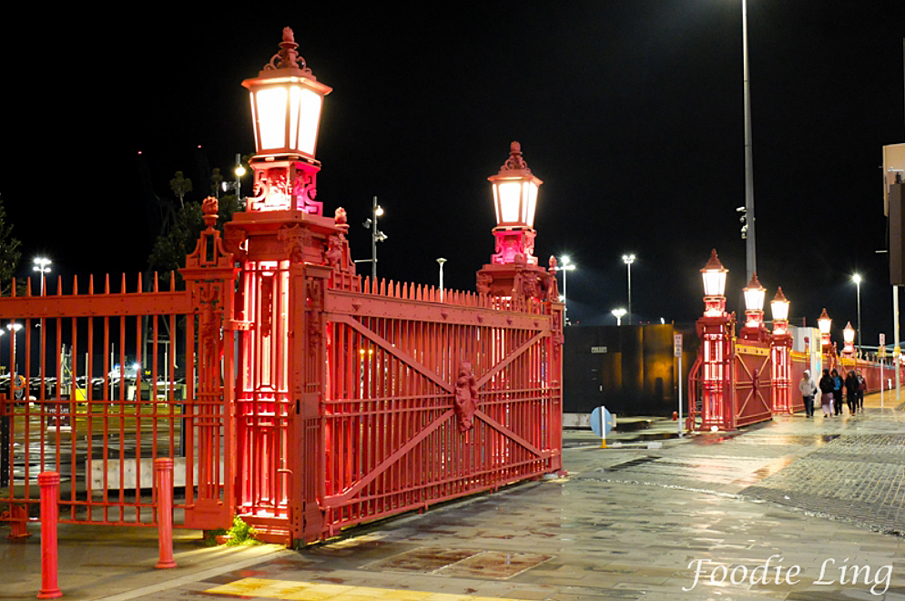
Harbour Historic Area, Auckland. Queens Wharf Gates and Fence. CC Licence 4.0 foodieling.com | Foodie Ling | 16/02/2016 | foodieling.com
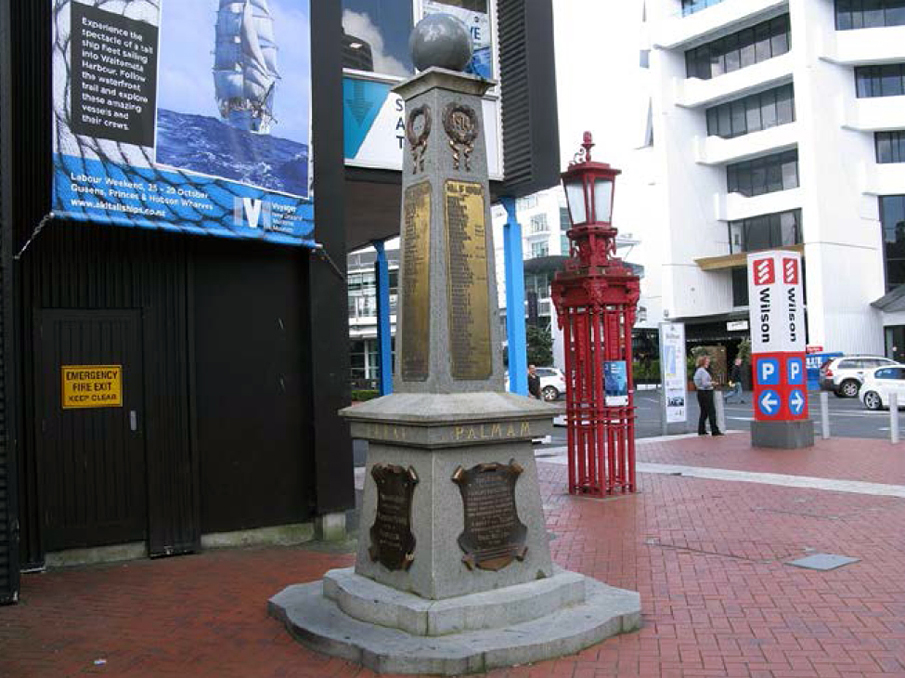
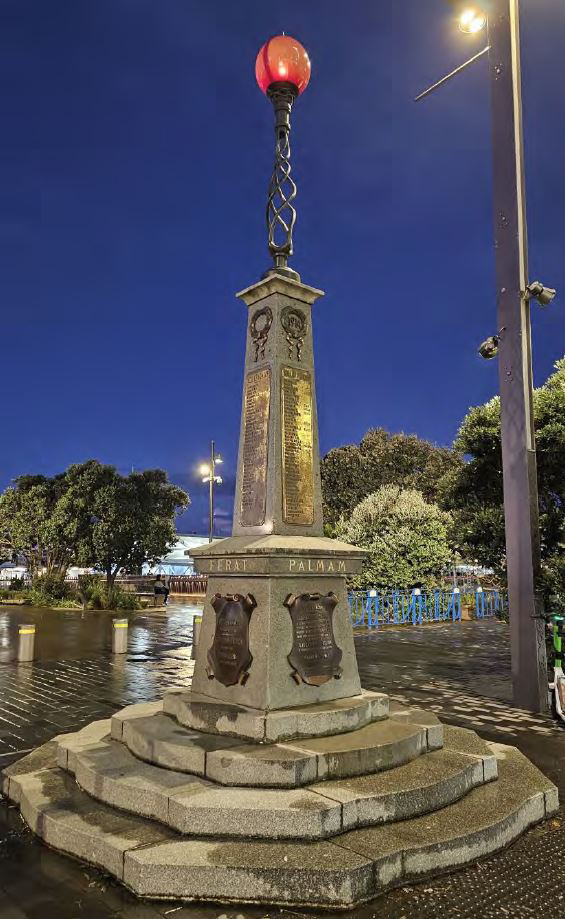
Harbour Historic Area, Auckland. First World War Memorial Beacon | Martin Jones | 29/10/2013 | Heritage New Zealand Pouhere Taonga
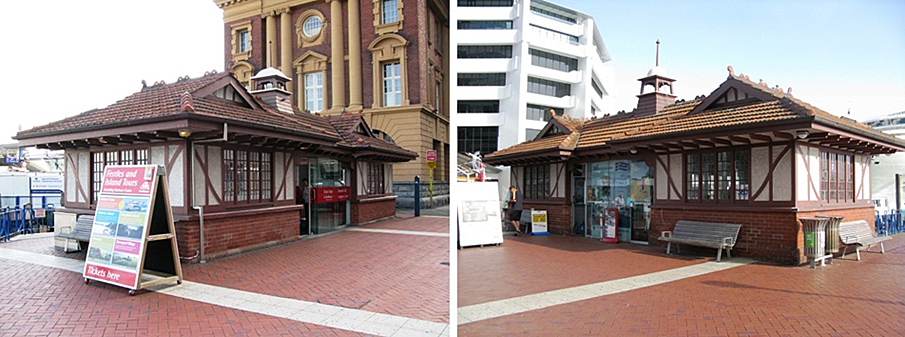
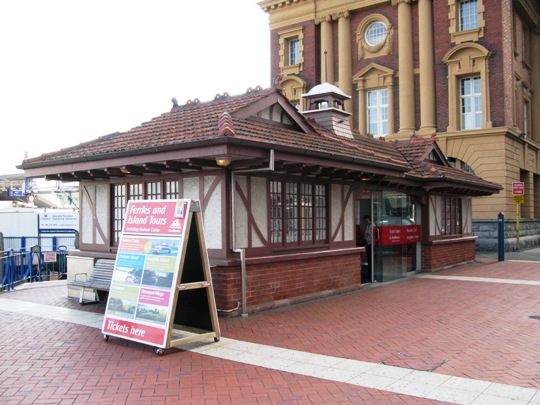
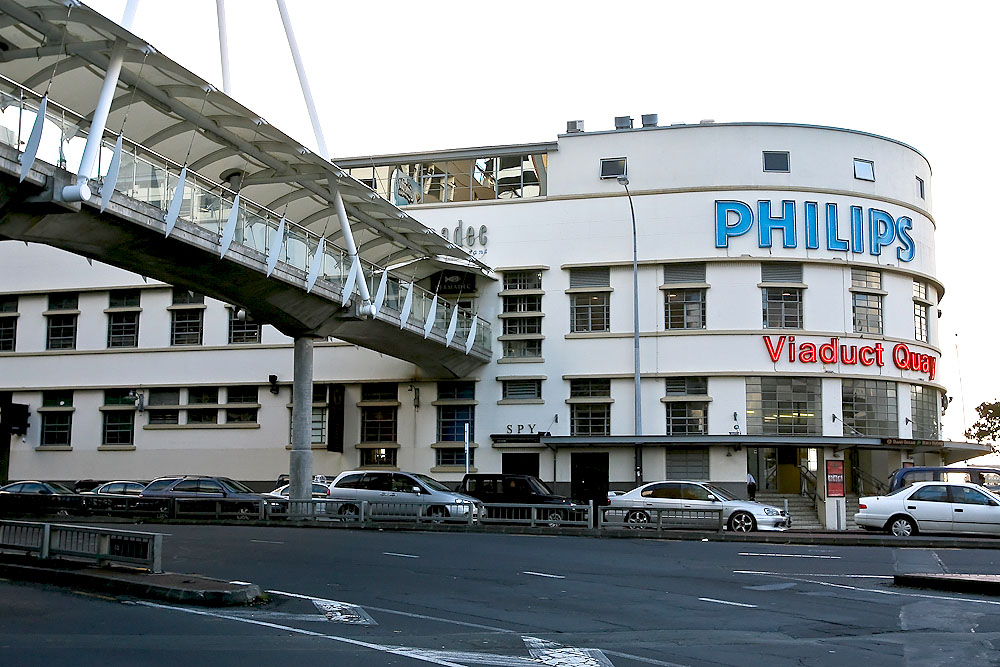
Harbour Historic Area, Auckland. Wharf Pavilions (Two Buildings) | Martin Jones | 24/11/2009 | Heritage New Zealand Pouhere Taonga
Harbour Historic Area. Ferry Building July 2015. Image courtesy of www.jontynz.com | Jonty Crane | Jonty Crane
Harbour Historic Area, Auckland. Queens Wharf Gates and Fence. CC Licence 4.0 foodieling.com | Foodie Ling | 16/02/2016 | foodieling.com
Harbour Historic Area, Auckland. First World War Memorial Beacon | Martin Jones | 29/10/2013 | Heritage New Zealand Pouhere Taonga
Harbour Historic Area, Auckland. Wharf Pavilions (Two Buildings) | Martin Jones | 24/11/2009 | Heritage New Zealand Pouhere Taonga