Quick links


Quick links
Quick links
Quick links
Quick links
Quick links
132-134 Hobson Street, 187 Federal Street and Wellesley Street West, AUCKLAND
Private
Historic Place Category 1
List No. 99
List Entry Information
Status
Listed
List Entry Status
Historic Place Category 1
Access
Private/No Public Access
List Number
99
Date Entered
2nd July 1987
Date of Effect
2nd July 1987
City/District Council
Auckland Council
Region
Auckland Council
Extent of List Entry
Extent includes the land described as Lots 1-2 DP 184578 (RTs NA115B/292, NA115B/293), North Auckland Land District, and the building known as St-Matthew's-in-the-City Church (Anglican) thereon, and its fittings and fixtures. Registration excludes a large car parking building on the site but includes the land beneath it.
Legal description
Lots 1-2 DP 184578 (RTs NA115B/292, NA115B/293), North Auckland Land District
Location Description
Additional Location Information NZTM Easting: 1757014 NZTM Northing: 5920275
Status
Listed
List Entry Status
Historic Place Category 1
Access
Private/No Public Access
List Number
99
Date Entered
2nd July 1987
Date of Effect
2nd July 1987
City/District Council
Auckland Council
Region
Auckland Council
Extent of List Entry
Extent includes the land described as Lots 1-2 DP 184578 (RTs NA115B/292, NA115B/293), North Auckland Land District, and the building known as St-Matthew's-in-the-City Church (Anglican) thereon, and its fittings and fixtures. Registration excludes a large car parking building on the site but includes the land beneath it.
Legal description
Lots 1-2 DP 184578 (RTs NA115B/292, NA115B/293), North Auckland Land District
Location Description
Additional Location Information NZTM Easting: 1757014 NZTM Northing: 5920275
Why is this place significant?
Historic Significance
Historical Significance or Value The present St Matthew's is the third church on the site. The church has for many years ministered to the needs of inner city Auckland. The church which can hold 1200 people is noted for its music, notably the St Matthew's Bach Cantata Choir and the St Matthew's Chamber Orchestra. As its name suggests, the church acts as a week-day church serving the needs of many different people living and working in the centre of cosmopolitan Auckland.
Physical Significance
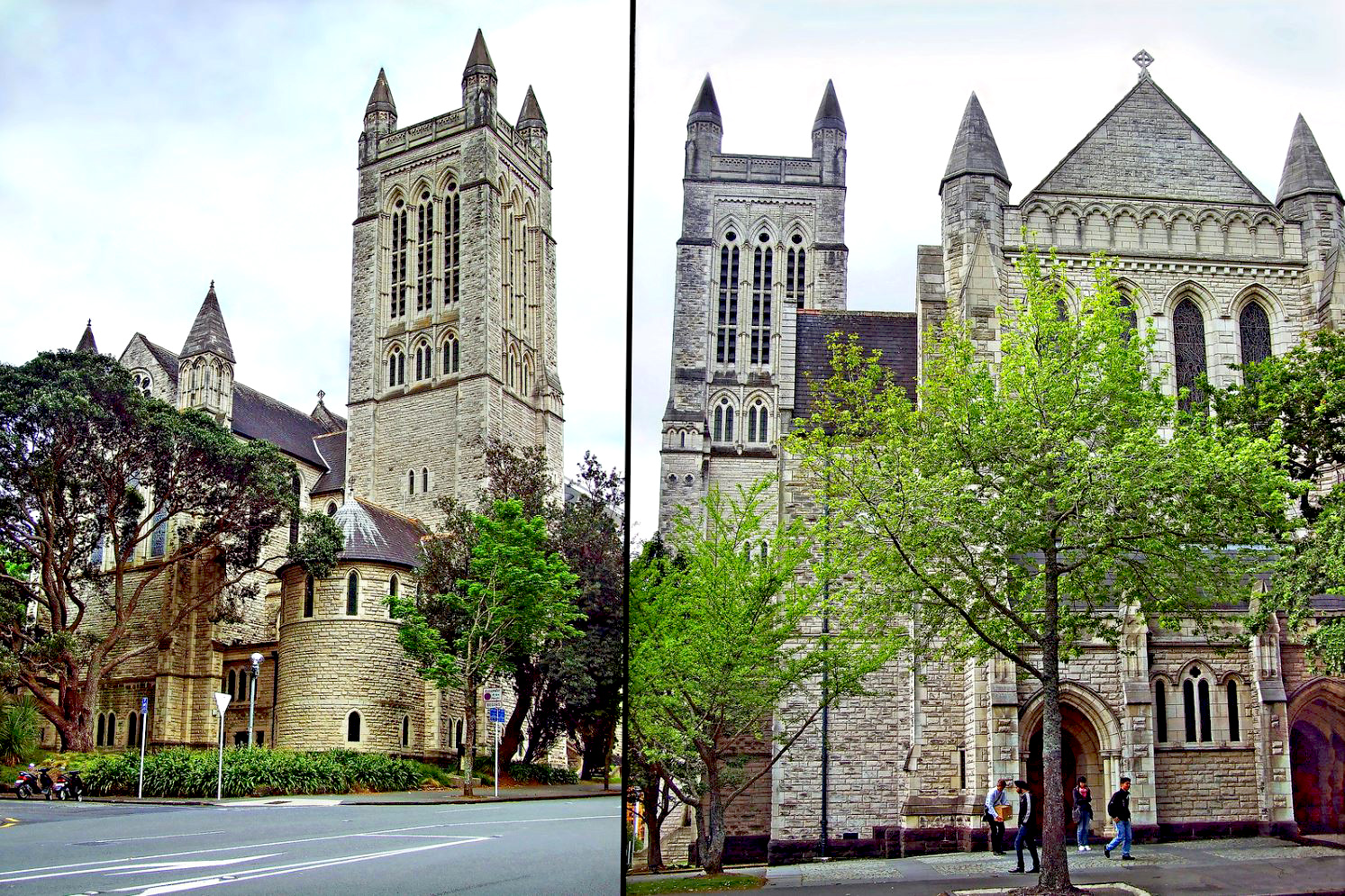
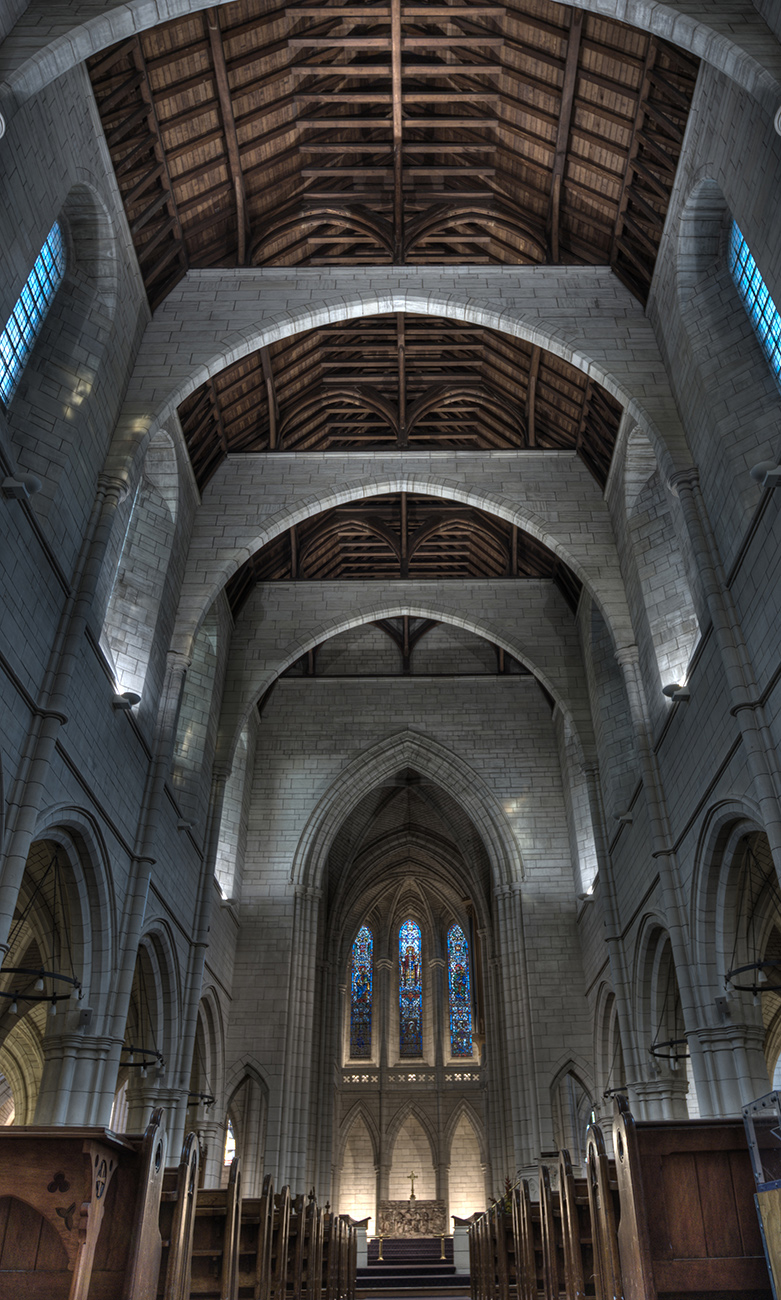
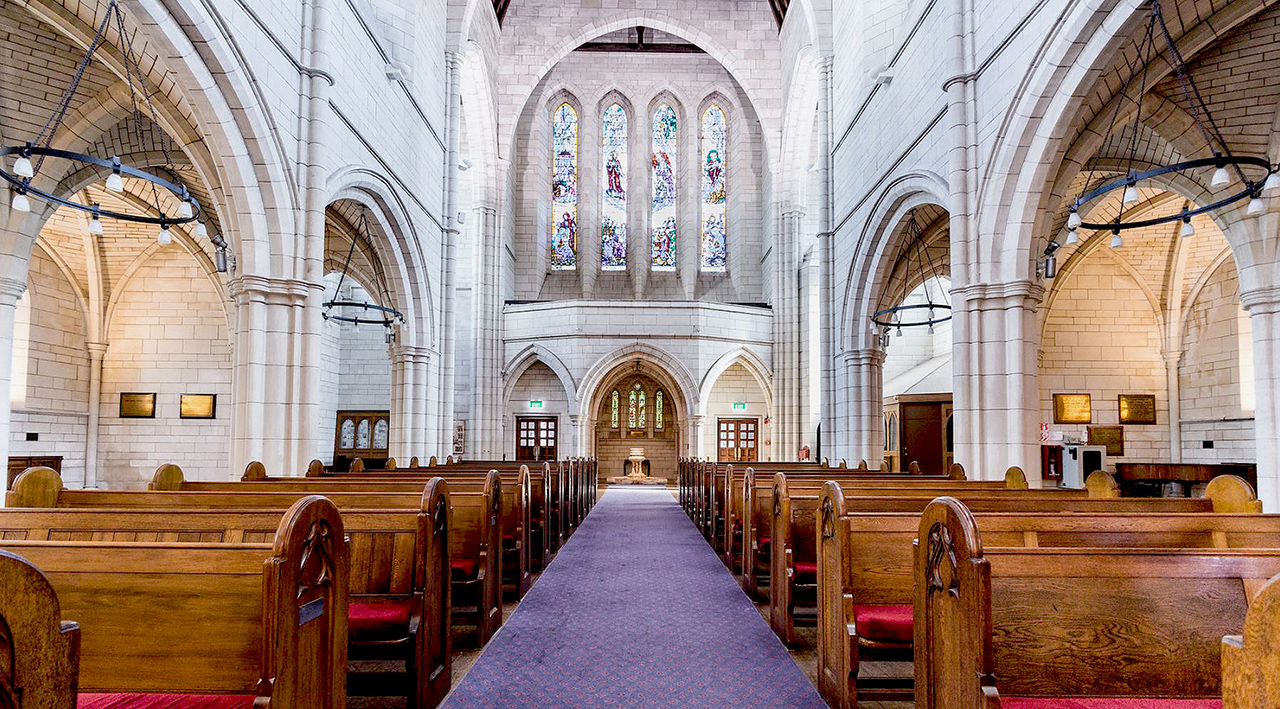
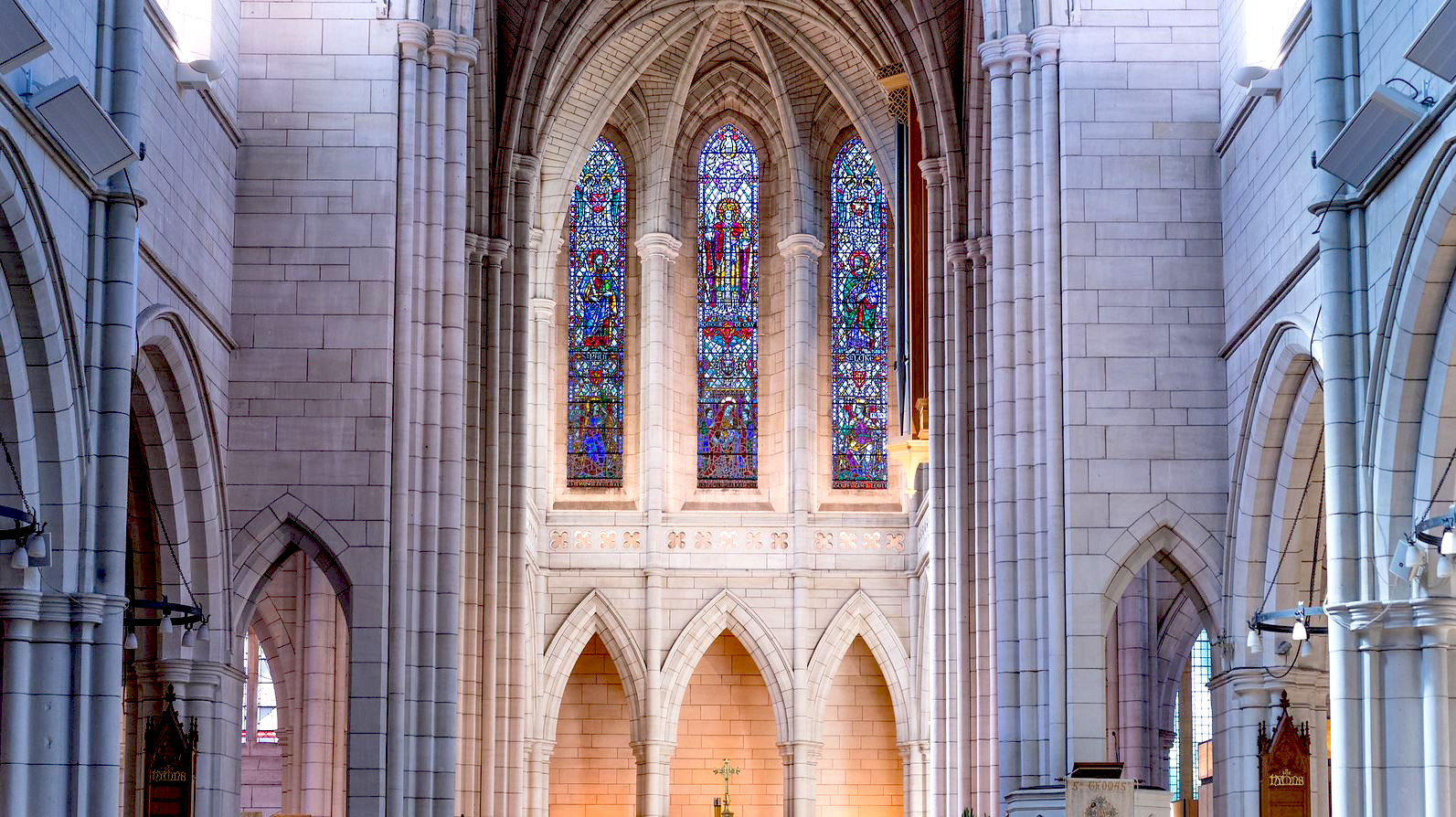
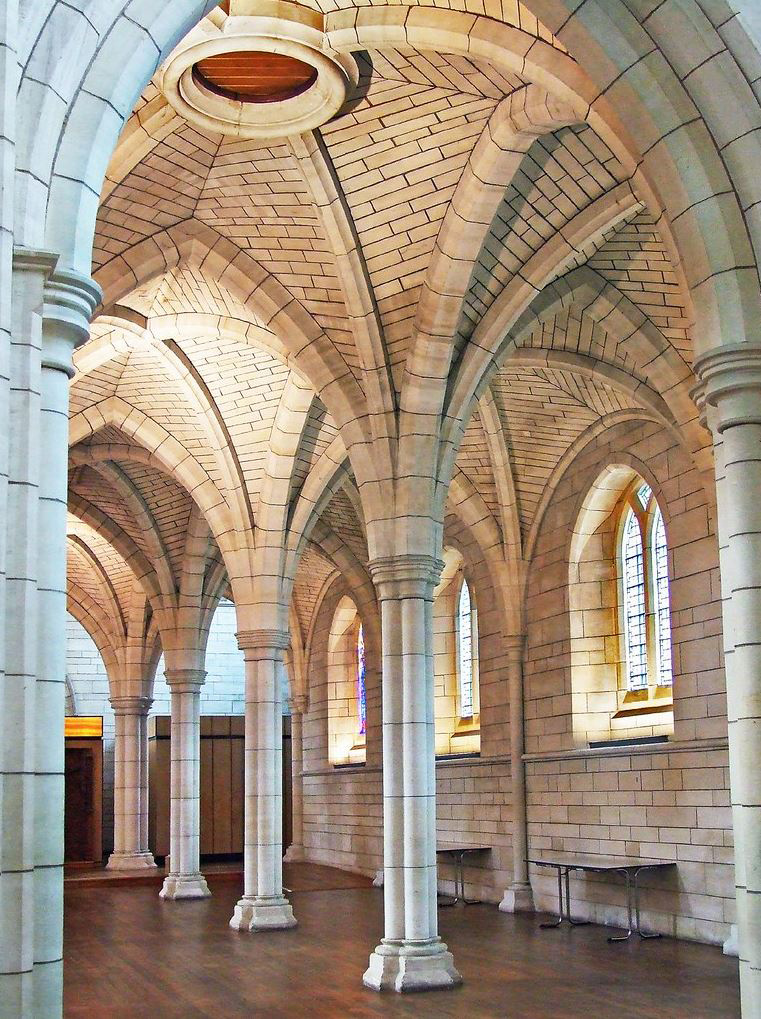
ARCHITECTURAL SIGNIFICANCE St Matthew's-in-the-City is one of the finest Gothic Revival stone churches in New Zealand and is situated on an elevated site at the intersection of two important inner city streets. The building was designed by a famous firm of English architects and is notable for its magnificent stone interior with vaulted ceiling. The latter is regarded as the finest example of stone vaulting in New Zealand. TOWNSCAPE/LANDMARK SIGNIFICANCE The massive proportions and soaring lines of the church help give it prominence on its elevated central city site. The tower of the church is a familiar landmark for many Aucklanders.
Why is this place significant?
Historic Significance
Historical Significance or Value The present St Matthew's is the third church on the site. The church has for many years ministered to the needs of inner city Auckland. The church which can hold 1200 people is noted for its music, notably the St Matthew's Bach Cantata Choir and the St Matthew's Chamber Orchestra. As its name suggests, the church acts as a week-day church serving the needs of many different people living and working in the centre of cosmopolitan Auckland.
Physical Significance
ARCHITECTURAL SIGNIFICANCE St Matthew's-in-the-City is one of the finest Gothic Revival stone churches in New Zealand and is situated on an elevated site at the intersection of two important inner city streets. The building was designed by a famous firm of English architects and is notable for its magnificent stone interior with vaulted ceiling. The latter is regarded as the finest example of stone vaulting in New Zealand. TOWNSCAPE/LANDMARK SIGNIFICANCE The massive proportions and soaring lines of the church help give it prominence on its elevated central city site. The tower of the church is a familiar landmark for many Aucklanders.
Construction Professional
Name
Bartley, Edward
Type
Architect
Biography
Edward Bartley was born in Jersey in 1839, and educated in the Channel Islands where he learned techniques of the building trade from his father, an architect and builder. Bartley immigrated to New Zealand with his elder brother Robert, also an architect, while still in his teens. They eventually settled in Devonport, Auckland. Initially Edward was in the building trade but later he practised solely as an architect. He was at one time vice-president of the Auckland Institute of Architects and was also Diocesan Architect for the Church of England. Amongst Bartley's most notable works were his ecclesiastical buildings including St John's Church, Ponsonby (1881), St David's Church, Symonds Street (1880), Holy Trinity Church, Devonport, and the Synagogue (1884). He was also responsible for the Opera House (1884) and Auckland Savings Bank, Queen Street (1884).
Name
Ferguson and Malcolm
Type
Builder
Biography
Name
Pearson, F L
Type
Architect
Biography
F L Pearson was the son of the famous English Gothic Revival architect, J L Pearson. F L Pearson continued his father's practice and supervised the construction of Truro Cathedral after his father's death.
Construction Details
Start Year
1905
Type
Original Construction
Start Year
1853
Finish Year
1902
finishYearCirca
Type
Demolished - prior building
Description
Timber school built 1853 ; demolished c.1902
Start Year
1863
Type
Original Construction
Description
Timber church alongside school
Start Year
1902
Finish Year
1905
Type
Original Construction
Description
Stone church on the former school
Start Year
1907
Type
Modification
Description
Installation of Selwyn Bells and organ
Start Year
1919
Type
Modification
Description
Stone pulpit installed
Type
Modification
Description
Immersion Font installed
Period
1920s
Start Year
1925
Type
Modification
Description
First World War Memorial Choir stalls added
Start Year
1967
Type
Modification
Description
Lady Chapel from St Thomas’ Church installed
Start Year
1968
Finish Year
1970
Type
Modification
Description
Restoration Work
Construction Materials
Oamaru stone
Notable Features
A stone from the ruins of St Augustine's Abbey, Canterbury is placed in the north west pillar near the transept. The 1300 year old stone has the cross of St Andrew carved on it. Another feature is a peal of eight bells from Bishops' Court, Parnell which had been presented to Bishop Selwyn.
Construction Professional
Name
Bartley, Edward
Type
Architect
Biography
Edward Bartley was born in Jersey in 1839, and educated in the Channel Islands where he learned techniques of the building trade from his father, an architect and builder. Bartley immigrated to New Zealand with his elder brother Robert, also an architect, while still in his teens. They eventually settled in Devonport, Auckland. Initially Edward was in the building trade but later he practised solely as an architect. He was at one time vice-president of the Auckland Institute of Architects and was also Diocesan Architect for the Church of England. Amongst Bartley's most notable works were his ecclesiastical buildings including St John's Church, Ponsonby (1881), St David's Church, Symonds Street (1880), Holy Trinity Church, Devonport, and the Synagogue (1884). He was also responsible for the Opera House (1884) and Auckland Savings Bank, Queen Street (1884).
Name
Ferguson and Malcolm
Type
Builder
Biography
Name
Pearson, F L
Type
Architect
Biography
F L Pearson was the son of the famous English Gothic Revival architect, J L Pearson. F L Pearson continued his father's practice and supervised the construction of Truro Cathedral after his father's death.
Construction Details
Start Year
1905
Type
Original Construction
Start Year
1853
Finish Year
1902
finishYearCirca
Type
Demolished - prior building
Description
Timber school built 1853 ; demolished c.1902
Start Year
1863
Type
Original Construction
Description
Timber church alongside school
Start Year
1902
Finish Year
1905
Type
Original Construction
Description
Stone church on the former school
Start Year
1907
Type
Modification
Description
Installation of Selwyn Bells and organ
Start Year
1919
Type
Modification
Description
Stone pulpit installed
Type
Modification
Description
Immersion Font installed
Period
1920s
Start Year
1925
Type
Modification
Description
First World War Memorial Choir stalls added
Start Year
1967
Type
Modification
Description
Lady Chapel from St Thomas’ Church installed
Start Year
1968
Finish Year
1970
Type
Modification
Description
Restoration Work
Construction Materials
Oamaru stone
Notable Features
A stone from the ruins of St Augustine's Abbey, Canterbury is placed in the north west pillar near the transept. The 1300 year old stone has the cross of St Andrew carved on it. Another feature is a peal of eight bells from Bishops' Court, Parnell which had been presented to Bishop Selwyn.
ARHITECTURAL DESCRIPTION (Style) An example of early English Gothic Revival architecture in a New Zealand stone. The intended spire was replaced with a pinnacled tower. Inside, the soaring nave is flanked by low double aisles with large clerestory windows over. The church has a stone vaulted roof. MODIFICATIONS The building is in largely original condition.
ARHITECTURAL DESCRIPTION (Style) An example of early English Gothic Revival architecture in a New Zealand stone. The intended spire was replaced with a pinnacled tower. Inside, the soaring nave is flanked by low double aisles with large clerestory windows over. The church has a stone vaulted roof. MODIFICATIONS The building is in largely original condition.
Historical and Associated Iwi / Hapū / Whānau
Completion Date
17th June 2022
Report Written By
Alexandra Foster
Information Sources
Porter, 1983 (2)
Frances Porter (ed.), Historic Buildings of New Zealand: North Island (2nd edn.), Auckland, 1983
Leigh, 2005
Leigh, Jack, A Place on the Edge: the story of St Matthew-in-the-City, Auckland, 2005
Millar, 1970
Millar, David P., Six Score Years, Auckland, 1970
Salmond Architects, 1994
Salmond Architects, ‘The Church of Saint Matthew’s-in-the-City: A Conservation Plan’, Auckland, April 1994
Other Information
A fully referenced copy of the upgrade report is available on request from the Central Regional Office of Heritage New Zealand Pouhere Taonga Please note that entry on the New Zealand Heritage List/Rarangi Korero identifies only the heritage values of the property concerned, and should not be construed as advice on the state of the property, or as a comment of its soundness or safety, including in regard to earthquake risk, safety in the event of fire, or insanitary conditions.
Historical and Associated Iwi / Hapū / Whānau
Completion Date
17th June 2022
Report Written By
Alexandra Foster
Information Sources
Porter, 1983 (2)
Frances Porter (ed.), Historic Buildings of New Zealand: North Island (2nd edn.), Auckland, 1983
Leigh, 2005
Leigh, Jack, A Place on the Edge: the story of St Matthew-in-the-City, Auckland, 2005
Millar, 1970
Millar, David P., Six Score Years, Auckland, 1970
Salmond Architects, 1994
Salmond Architects, ‘The Church of Saint Matthew’s-in-the-City: A Conservation Plan’, Auckland, April 1994
Other Information
A fully referenced copy of the upgrade report is available on request from the Central Regional Office of Heritage New Zealand Pouhere Taonga Please note that entry on the New Zealand Heritage List/Rarangi Korero identifies only the heritage values of the property concerned, and should not be construed as advice on the state of the property, or as a comment of its soundness or safety, including in regard to earthquake risk, safety in the event of fire, or insanitary conditions.
Current Usages
Uses: Religion
Specific Usage: Church
Former Usages
General Usage: Religion
Specific Usage: Church
General Usage: Religion
Specific Usage: Church Hall/Sunday School
Themes
Polar Connections (Antarctic or Arctic)
Rainbow List
Web Links
description:
Current Usages
Uses: Religion
Specific Usage: Church
Former Usages
General Usage: Religion
Specific Usage: Church
General Usage: Religion
Specific Usage: Church Hall/Sunday School
Themes
Polar Connections (Antarctic or Arctic)
Rainbow List
Web Links
description:
Location
Get the latest heritage news, features and events delivered
straight to your inbox.
