

List Entry Information
Status
Listed
List Entry Status
Historic Place Category 2
Access
Private/No Public Access
List Number
1912
Date Entered
19th March 1987
Date of Effect
19th March 1987
City/District Council
Christchurch City
Region
Canterbury Region
Legal description
Lot 1 DP 54010 (RT CB37C/1062), Canterbury Land District
Status
Listed
List Entry Status
Historic Place Category 2
Access
Private/No Public Access
List Number
1912
Date Entered
19th March 1987
Date of Effect
19th March 1987
City/District Council
Christchurch City
Region
Canterbury Region
Legal description
Lot 1 DP 54010 (RT CB37C/1062), Canterbury Land District
Why is this place significant?
Historic Significance
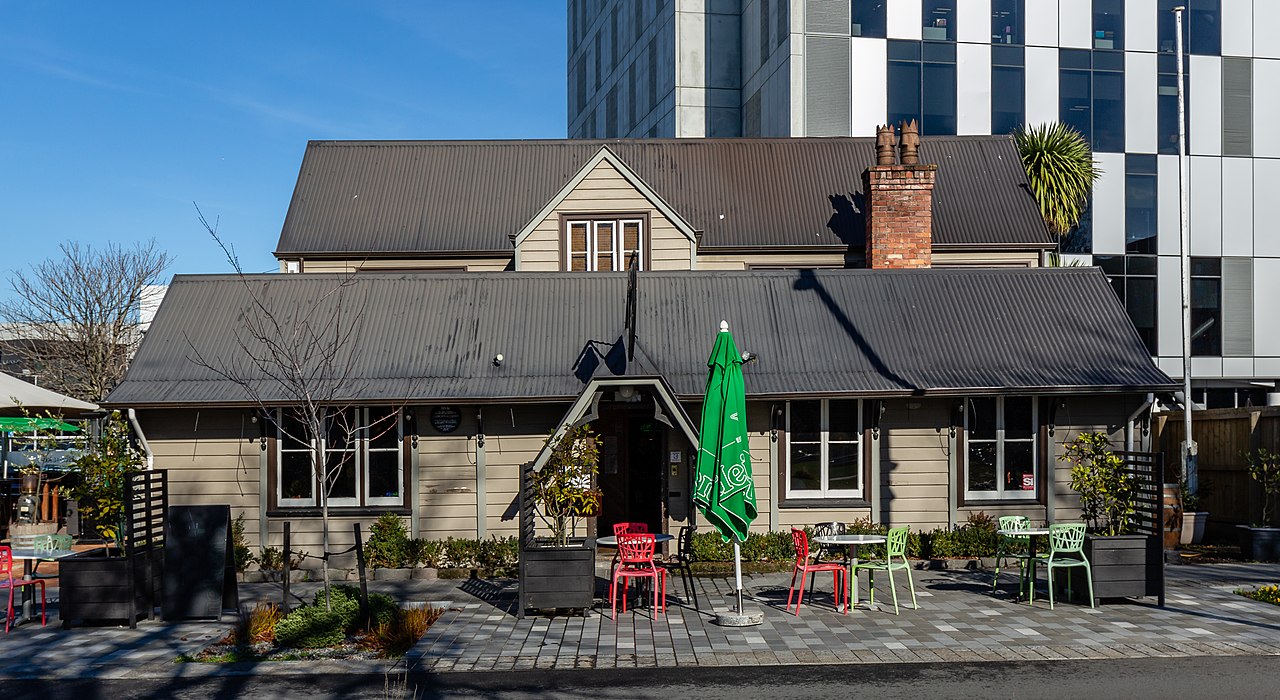
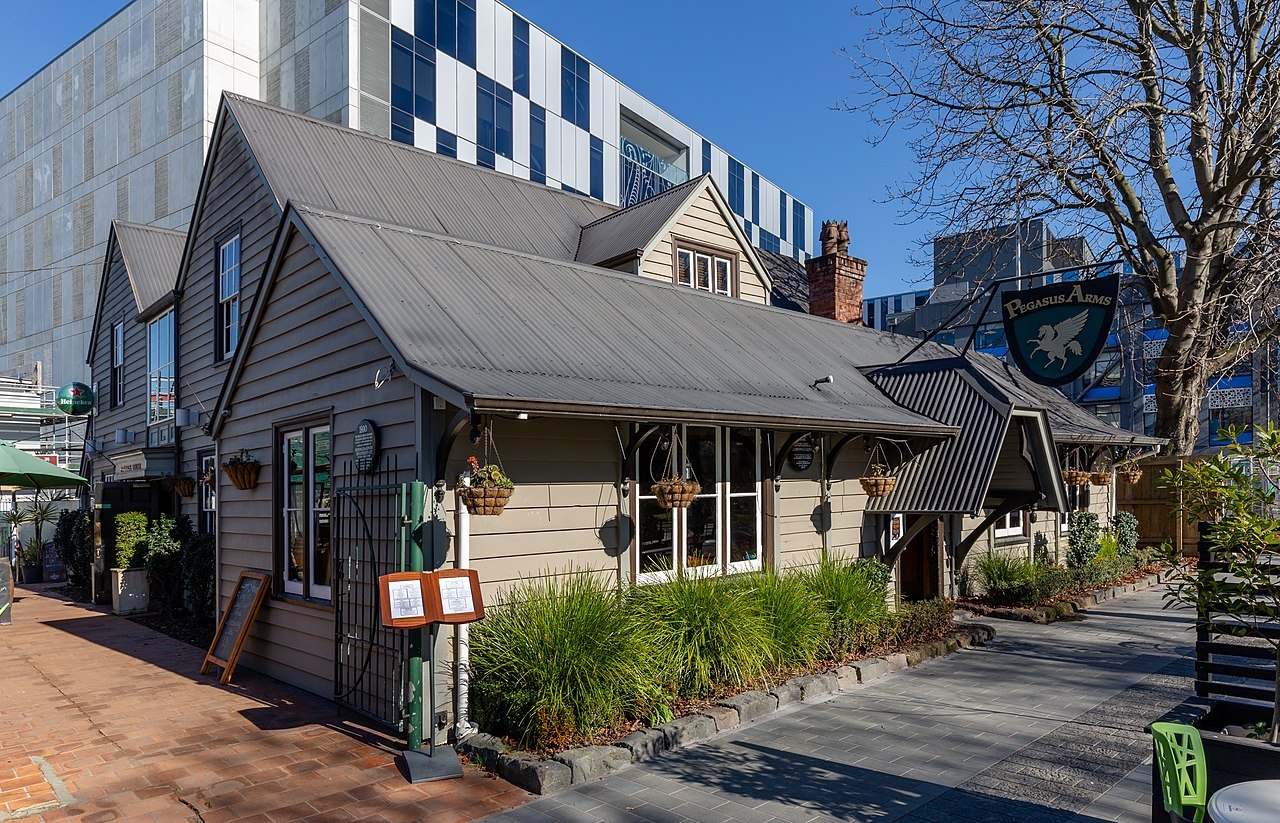
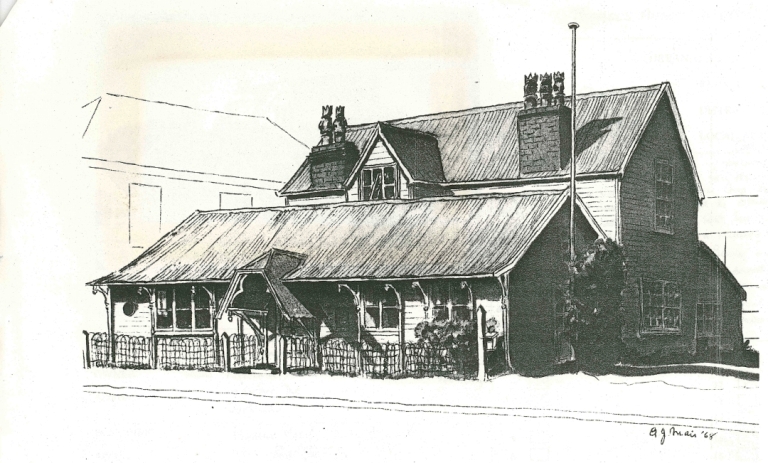
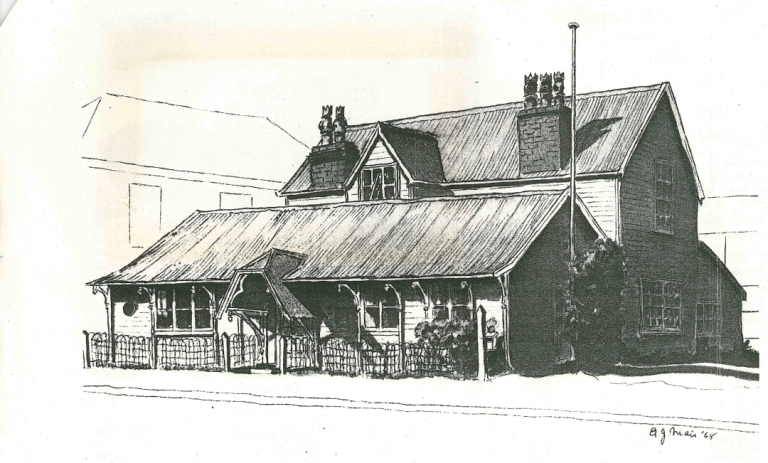
Historical Significance or Value The text below is from the original registration report considered by the NZHPT Board at the time of registration. Historical Significance: This is probably the oldest surviving city building, its earliest section dating from 1852. As the Canterbury settlement progressed the house was added to and William Crisp was the architect responsible for giving it its present character. He deigned the distinctive hooded porch (in a form we associate with the work of his partner Robert Speechly) and built the 2 storied extension in 1869. As the house of a succession of notable 19th century Christchurch doctors the house has significance and its original condition makes it an important example of early domestic design. On its Oxford Terrace site it presents an interesting contrast with more recent buildings nearby and can clearly be seen from extensive viewpoints across the river. It has significance because of its age and character but also as the only domestic design by William Crisp.
Why is this place significant?
Historic Significance
Historical Significance or Value The text below is from the original registration report considered by the NZHPT Board at the time of registration. Historical Significance: This is probably the oldest surviving city building, its earliest section dating from 1852. As the Canterbury settlement progressed the house was added to and William Crisp was the architect responsible for giving it its present character. He deigned the distinctive hooded porch (in a form we associate with the work of his partner Robert Speechly) and built the 2 storied extension in 1869. As the house of a succession of notable 19th century Christchurch doctors the house has significance and its original condition makes it an important example of early domestic design. On its Oxford Terrace site it presents an interesting contrast with more recent buildings nearby and can clearly be seen from extensive viewpoints across the river. It has significance because of its age and character but also as the only domestic design by William Crisp.
Construction Professional
Name
Crisp, William Fitzjohn
Type
Architect
Biography
William Fitzjohn Crisp emigrated from Britain as an apprentice with the British architect, Robert Speechly in 1864. Speechly had been appointed to supervise the building of the Christchurch Cathedral. However lack of money halted construction on the Cathedral shortly after the foundations were laid in late 1865. Crisp became Speechly's partner in 1866 and they worked out the remainder of their four year contract supervising the construction of other buildings for the Anglican Church Property Trustees. Crisp remained in Christchurch after Speechly left in 1868 and his previous association with the Anglican Diocese made him the logical choice to design S. Michael's and All Angels. However problems with the construction of the building led to Crisp returning to Britain in 1871.
Construction Details
Start Year
1852
Type
Original Construction
Start Year
1989
Finish Year
1990
Type
Modification
Description
Extensive alterations
Construction Professional
Name
Crisp, William Fitzjohn
Type
Architect
Biography
William Fitzjohn Crisp emigrated from Britain as an apprentice with the British architect, Robert Speechly in 1864. Speechly had been appointed to supervise the building of the Christchurch Cathedral. However lack of money halted construction on the Cathedral shortly after the foundations were laid in late 1865. Crisp became Speechly's partner in 1866 and they worked out the remainder of their four year contract supervising the construction of other buildings for the Anglican Church Property Trustees. Crisp remained in Christchurch after Speechly left in 1868 and his previous association with the Anglican Diocese made him the logical choice to design S. Michael's and All Angels. However problems with the construction of the building led to Crisp returning to Britain in 1871.
Construction Details
Start Year
1852
Type
Original Construction
Start Year
1989
Finish Year
1990
Type
Modification
Description
Extensive alterations
The text below is from the original registration report considered by the NZHPT Board at the time of registration. This building was classified in 1987, on historical and architectural grounds. In 1989-90 the building underwent severe alterations, to which the Trust objected strongly. As a result of these alterations very little original fabric remains. The building has historical significance as the oldest known building surviving in the Christchurch inner city area, and its association with Pegasus Press. Architecturally, the building was designed by William Crisp, and is one of his few surviving works. The house was built in stages, with the first section, which was a simple pitched roof cottage, believed to have been prefabricated. Crisp was responsible for the two storied rear addition, and designed the distinctive hooded porch, which is an interesting hallmark of his work. Very little now remains of the original structure. And it is recommended that its classification is revised to C on historical grounds.
The text below is from the original registration report considered by the NZHPT Board at the time of registration. This building was classified in 1987, on historical and architectural grounds. In 1989-90 the building underwent severe alterations, to which the Trust objected strongly. As a result of these alterations very little original fabric remains. The building has historical significance as the oldest known building surviving in the Christchurch inner city area, and its association with Pegasus Press. Architecturally, the building was designed by William Crisp, and is one of his few surviving works. The house was built in stages, with the first section, which was a simple pitched roof cottage, believed to have been prefabricated. Crisp was responsible for the two storied rear addition, and designed the distinctive hooded porch, which is an interesting hallmark of his work. Very little now remains of the original structure. And it is recommended that its classification is revised to C on historical grounds.
Historical and Associated Iwi / Hapū / Whānau
Other Information
A copy of the original report is available from the NZHPT Southern Region office Please note that entry on the New Zealand Heritage List/Rarangi Korero identifies only the heritage values of the property concerned, and should not be construed as advice on the state of the property, or as a comment of its soundness or safety, including in regard to earthquake risk, safety in the event of fire, or insanitary conditions.
Historical and Associated Iwi / Hapū / Whānau
Other Information
A copy of the original report is available from the NZHPT Southern Region office Please note that entry on the New Zealand Heritage List/Rarangi Korero identifies only the heritage values of the property concerned, and should not be construed as advice on the state of the property, or as a comment of its soundness or safety, including in regard to earthquake risk, safety in the event of fire, or insanitary conditions.
Former Usages
General Usage: Trade
Specific Usage: Office building/Offices
Former Usages
General Usage: Trade
Specific Usage: Office building/Offices
Location
Sign up to hear more
Get the latest heritage news, features and events delivered
straight to your inbox.
