DonateMembershipVisit Heritage
  • Tūrangawaewae
    Places
  • Tira Māori
    Māori Heritage
  • Poutairangahia
    Archaeology
  • Rauemi
    Resources
  • Mō Tātou
    About Us
  • New Zealand Heritage List
  • Nominate and submit
  • Explore the List
  • National Historic Landmarks
  • Plaques
  • Rainbow List Project
  • Lost heritage
  • Visit Heritage
  • Our properties
  • Turnbull House Project
  • Collections
  • Shop
  • Tohu Whenua
  • Tira Māori
  • Conserving Māori heritage
  • Marae built heritage
  • Māori heritage on the List
  • Hinemihi—Te Hokinga Mai
  • What is archaeology?
  • Is there a site on my property?
  • What are my legal requirements?
  • Affecting an archaeological site
  • Declaring an archaeological site
  • Archaeology FAQs
  • Archaeology Digital Library
  • Archaeology guidelines and templates
  • Resources
  • Funding
  • Publications
  • Sustainable management guides
  • Disaster recovery
  • Podcasts & digital resources
  • Education Hub
  • Conservation plans
  • About
  • Board
  • Māori Heritage Council
  • Senior Staff
  • Offices
  • Contact us
  • Careers
  • Covenants
  • Fast-track
  • Corporate documents
  • Currently consulting on
  • Our submissions
  • News
  • Covid-19 response
Quick links
Rārangi Kōrero | The List
Explore the List
National Historic Landmarks
Ngā Manawhenua o Aotearoa me ōna Kōrero Tūturu
Quick links
Tapuwae
A Vision for Places of Māori Heritage
Funding for Māori Heritage
Resources
Quick links
Archaeological Authority Portal
Applying for an archaeological authority
Archaeology FAQs
Browse the most frequently asked questions about archaeological authorities and the archaeological process.
Quick links
Quick links
News
News Keep up to date with Heritage New Zealand Pouhere Taonga
Membership
Membership Find out more and sign up today
DonateMembershipVisit Heritage
  • Tūrangawaewae
    Places
  • Tira Māori
    Māori Heritage
  • Poutairangahia
    Archaeology
  • Rauemi
    Resources
  • Mō Tātou
    About Us
  • New Zealand Heritage List
  • Nominate and submit
  • Explore the List
  • National Historic Landmarks
  • Plaques
  • Rainbow List Project
  • Lost heritage
  • Visit Heritage
  • Our properties
  • Turnbull House Project
  • Collections
  • Shop
  • Tohu Whenua
  • Tira Māori
  • Conserving Māori heritage
  • Marae built heritage
  • Māori heritage on the List
  • Hinemihi—Te Hokinga Mai
  • What is archaeology?
  • Is there a site on my property?
  • What are my legal requirements?
  • Affecting an archaeological site
  • Declaring an archaeological site
  • Archaeology FAQs
  • Archaeology Digital Library
  • Archaeology guidelines and templates
  • Resources
  • Funding
  • Publications
  • Sustainable management guides
  • Disaster recovery
  • Podcasts & digital resources
  • Education Hub
  • Conservation plans
  • About
  • Board
  • Māori Heritage Council
  • Senior Staff
  • Offices
  • Contact us
  • Careers
  • Covenants
  • Fast-track
  • Corporate documents
  • Currently consulting on
  • Our submissions
  • News
  • Covid-19 response
Quick links
Rārangi Kōrero | The List
Explore the List
National Historic Landmarks
Ngā Manawhenua o Aotearoa me ōna Kōrero Tūturu
Quick links
Tapuwae
A Vision for Places of Māori Heritage
Funding for Māori Heritage
Resources
Quick links
Archaeological Authority Portal
Applying for an archaeological authority
Archaeology FAQs
Browse the most frequently asked questions about archaeological authorities and the archaeological process.
Quick links
Quick links
News
News Keep up to date with Heritage New Zealand Pouhere Taonga
Membership
Membership Find out more and sign up today
  • Nominate and submit
  • National Historic Landmarks
  • Nominate and submit
  • National Historic Landmarks
  • Conserving Māori heritage
  • Marae built heritage
  • Conserving Māori heritage
  • Marae built heritage
  • Archaeological authorities
  • Archaeology Digital Library
  • Archaeological authorities
  • Archaeology Digital Library
  • All resources
  • Publications
  • Funding
  • All resources
  • Publications
  • Funding
  • FAQs
  • FAQs
Follow us on:
Places
  • Nominate and submit
  • National Historic Landmarks
Tira Māori
  • Conserving Māori heritage
  • Marae built heritage
Archaeology
  • Archaeological authorities
  • Archaeology Digital Library
Resources
  • All resources
  • Publications
  • Funding
FAQs
  • FAQs
Follow us on
HomePrivacyTerms and conditionsAbout this site
© Heritage New Zealand Pouhere Taonga 2026.
 
ANZAC and Kiwi Halls

58-62 Bell Street and Birdwood Street, FEATHERSTON

Private

Historic Place Category 1

List No. 3953

Quick links:
List GalleryLocationDetails
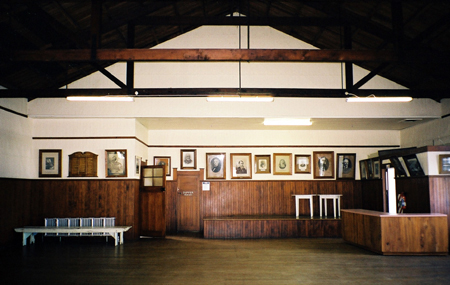
When New Zealand's largest military training camp was established in Featherston in 1916, the settlers of the area showed their appreciation of the soldiers by erecting a magnificent social hall known as 'the ANZAC Club' on the corner of Bell and Birdwood Streets. Built near the railway station, the club was designed to entertain its soldier visitors and save them from the 'pitfalls of the towns and cities'. Initiated by three early settlers, the land, building and furnishings were entirely paid for by descendants of early Featherston pioneers. Designed and erected by builders Murray & Rayson, no expense was spared on the project, the completed complex costing just over £8759. Inside, reading and writing rooms, billiard tables, a supper room and a refreshment bar were all provided for the comfort of the soldiers. Weekly balls were held in the main concert hall, which was capable of seating 600 people, and included a stage and dressing rooms. Electricity was supplied by a generator, as Featherston was not connected to the national grid until 1925. The unusual decision not to provide entirely separate facilities for officers earned the building praise from at least one Member of Parliament present at its opening.

During the influenza epidemic of 1918 to 1919, the ANZAC Club, formerly used to entertain the soldiers, became a hospital, its extensive facilities making it admirably suited for this purpose. After the First World War the hall was gifted to the Featherston Borough Council as a war memorial. It was again used as a hospital in 1943 to care for the Japanese prisoners wounded in the riot at the former Featherston camp. Following the Second World War, two rooms were converted into a Kiwi Memorial Hall in remembrance of Wairarapa soldiers killed during the conflict. Between and after the wars the hall served as a country hall. Renowned throughout the Wairarapa for its fine dance floor, it was considered the most important venue for social gatherings in the district. It continues in its role as a community hall and remains an expressive reminder of Featherston's intriguing history.

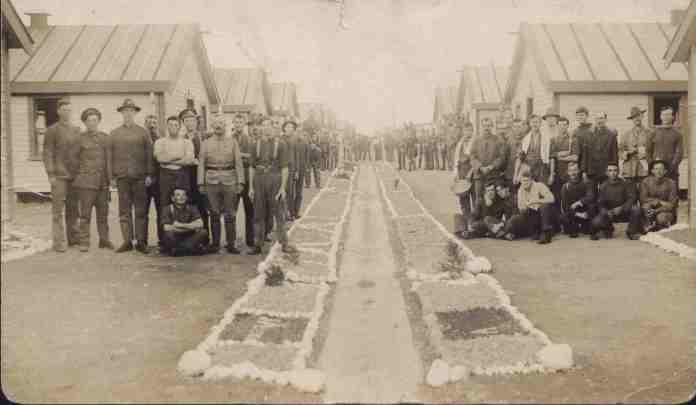
The ANZAC and Kiwi Halls have outstanding significance as a symbol of the patriotism that predominated in small communities throughout New Zealand during the First World War. From the electricity especially generated to light the building to the variety and quality of the ANZAC Club facilities, the building stands as testimony to the lengths the Featherston community went to, to provide for the comfort and entertainment of the soldiers. Its use as a hospital increases the building's substantial historical significance as it connects the Club with two events of national importance, the influenza epidemic and the riot of the Japanese prisoners in 1943. The building has local cultural significance as a memorial, not only to the soldiers who died in the two world wars, but to the early Pakeha settlers of the town and local Maori leaders whose portraits hang throughout the Club. Great similarities between the materials and design used in the Club and the demolished Featherston Military Camp buildings are demonstrated in early photographs. The architecture of the ANZAC Club provides a unique and valuable insight into the construction of what was then New Zealand's largest military training camp. The unusual accommodation for both officers and soldiers under one roof gives the building rarity value. The architectural, cultural and physical value of the building is recognised and valued by the local community.
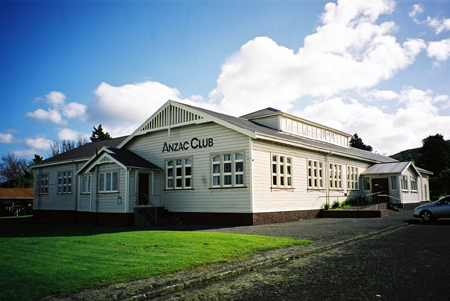
ANZAC and Kiwi Halls | Rebecca O'Brien | 18/08/2002 | NZ Historic Places Trust
ANZAC and Kiwi Halls | Kath Jennings
ANZAC and Kiwi Halls. Interior | Rebecca O'Brien | 18/08/2002 | NZ Historic Places Trust
ANZAC and Kiwi Halls | Rebecca O'Brien | 18/08/2002 | NZ Historic Places Trust
ANZAC and Kiwi Halls | Kath Jennings
ANZAC and Kiwi Halls. Interior | Rebecca O'Brien | 18/08/2002 | NZ Historic Places Trust

List Entry Information

Overview

Status
Listed

List Entry Status
Historic Place Category 1

Access
Private/No Public Access

List Number
3953

Date Entered
2nd July 1987

Date of Effect
2nd July 1987

City/District Council
South Wairarapa District

Region
Wellington Region

Extent of List Entry

Extent includes part of the land described as Pt Secs 213-214 Town of Featherston (RTs WN225/233 and WN343/242), Wellington Land District, and the buildings known as ANZAC and Kiwi Halls thereon. See extent map tabled at the Rārangi Kōrero Committee meeting on 30 April 2019.

Legal description

Pt Secs 213-214 Town of Featherston (RT WN343/242), Wellington Land District

Detailed List Entry

Construction Professional

Name

Mitchell & Mitchell

Type

Architectural Partnership

Biography

The firm of Mitchell & Mitchell was established by the Mitchell brothers, Cyril Hawthorn Mitchell (d. 1949) and Alan Hawthorn Mitchell (d.1973). The brothers were two of a handful of prominent Wellington architects of the early twentieth century. C. H. Mitchell had qualified as an architect in 1913, forming the partnership with his younger brother when A. H. Mitchell returned from training in the United Kingdom in 1932. The Mitchell brothers designed many buildings throughout New Zealand, and both became fellows of the New Zealand Institute of Architects.

Name

Murray & Rayson, Martinborough

Type

Builder

Biography

No biography is currently available for this construction professional

Name

Johnson Bros, Featherston

Type

Builder

Biography

No biography is currently available for this construction professional

Construction Details

Start Year

1916

Type

Original Construction

Description

(Murray & Rayson)

Start Year

1943

Type

Modification

Description

Johnson Bros, Featherston modified hall for use as a hospital

Start Year

1950

Type

Modification

Description

Kiwi Memorial Hall completed according to plans by Mitchell & Mitchell

Start Year

1986

Type

Other

Description

New cork floor laid

Start Year

1994

Type

Other

Description

Servery and kitchen upgraded

Start Year

2002

Type

Modification

Description

Modifications to original bathhouse

Construction Materials

Timber with a galvanised roof

Notable Features

Pressed zinc sheeting on the interior walls above the wood panelling.

Reference

Completion Date

5th October 2002

Report Written By

Rebecca O'Brien

Information Sources

Carle, 1957

C. Carle, Gateway to the Wairarapa, Masterton, 1957

Lawson, 1917

W. Lawson, The Featherston Military Camp, Featherston, 1917

Nicolaidi, 1999

M. Nicolaidi, The Featherston Chronicles; A Legacy of War, Auckland, 1999

Tenquist, 2002

J. Tenquist, The ANZAC Club Story, Featherston, 2002

Report Written By

This place was identified as significant under previous legislation with different information requirements. It remains significant under the current legislation. There is opportunity under our legislation and policies to add to this information. Further information about this place may be available from the Central Regional Office of Heritage New Zealand Pouhere Taonga. A fully referenced version of this report is available from the NZHPT Central Region Office Please note that entry on the New Zealand Heritage List/Rarangi Korero identifies only the heritage values of the property concerned, and should not be construed as advice on the state of the property, or as a comment of its soundness or safety, including in regard to earthquake risk, safety in the event of fire, or insanitary conditions.

Further Information

Current Usages

Uses: Civic Facilities

Specific Usage: Hall, Community

Uses: Commemoration

Specific Usage: Memorial - World War One

Uses: Commemoration

Specific Usage: Memorial building (hall, museum, church, school, library etc)

Former Usages

General Usage:: Commemoration

Specific Usage: Memorial - World War One

General Usage:: Defence

Specific Usage: Defence - other

General Usage:: Health

Specific Usage: Hospital

Themes

War Memorial

Web Links

description: The Memorials Register, New Zealand History Online, Ministry for Culture and Heritage.

url: http://www.nzhistory.net.nz/map/wairarapa-memorials

Overview

Status

Listed

List Entry Status

Historic Place Category 1

Access

Private/No Public Access

List Number

3953

Date Entered

2nd July 1987

Date of Effect

2nd July 1987

City/District Council

South Wairarapa District

Region

Wellington Region

Extent of List Entry

Extent includes part of the land described as Pt Secs 213-214 Town of Featherston (RTs WN225/233 and WN343/242), Wellington Land District, and the buildings known as ANZAC and Kiwi Halls thereon. See extent map tabled at the Rārangi Kōrero Committee meeting on 30 April 2019.

Legal description

Pt Secs 213-214 Town of Featherston (RT WN343/242), Wellington Land District

Status

Listed

List Entry Status

Historic Place Category 1

Access

Private/No Public Access

List Number

3953

Date Entered

2nd July 1987

Date of Effect

2nd July 1987

City/District Council

South Wairarapa District

Region

Wellington Region

Extent of List Entry

Extent includes part of the land described as Pt Secs 213-214 Town of Featherston (RTs WN225/233 and WN343/242), Wellington Land District, and the buildings known as ANZAC and Kiwi Halls thereon. See extent map tabled at the Rārangi Kōrero Committee meeting on 30 April 2019.

Legal description

Pt Secs 213-214 Town of Featherston (RT WN343/242), Wellington Land District

Construction Information

Construction Professional

Name

Mitchell & Mitchell

Type

Architectural Partnership

Biography

The firm of Mitchell & Mitchell was established by the Mitchell brothers, Cyril Hawthorn Mitchell (d. 1949) and Alan Hawthorn Mitchell (d.1973). The brothers were two of a handful of prominent Wellington architects of the early twentieth century. C. H. Mitchell had qualified as an architect in 1913, forming the partnership with his younger brother when A. H. Mitchell returned from training in the United Kingdom in 1932. The Mitchell brothers designed many buildings throughout New Zealand, and both became fellows of the New Zealand Institute of Architects.

Name

Murray & Rayson, Martinborough

Type

Builder

Biography

No biography is currently available for this construction professional

Name

Johnson Bros, Featherston

Type

Builder

Biography

No biography is currently available for this construction professional

Construction Details

Start Year

1916

Type

Original Construction

Description

(Murray & Rayson)

Start Year

1943

Type

Modification

Description

Johnson Bros, Featherston modified hall for use as a hospital

Start Year

1950

Type

Modification

Description

Kiwi Memorial Hall completed according to plans by Mitchell & Mitchell

Start Year

1986

Type

Other

Description

New cork floor laid

Start Year

1994

Type

Other

Description

Servery and kitchen upgraded

Start Year

2002

Type

Modification

Description

Modifications to original bathhouse

Construction Materials

Timber with a galvanised roof

Notable Features

Pressed zinc sheeting on the interior walls above the wood panelling.

Construction Professional

Name

Mitchell & Mitchell

Type

Architectural Partnership

Biography

The firm of Mitchell & Mitchell was established by the Mitchell brothers, Cyril Hawthorn Mitchell (d. 1949) and Alan Hawthorn Mitchell (d.1973). The brothers were two of a handful of prominent Wellington architects of the early twentieth century. C. H. Mitchell had qualified as an architect in 1913, forming the partnership with his younger brother when A. H. Mitchell returned from training in the United Kingdom in 1932. The Mitchell brothers designed many buildings throughout New Zealand, and both became fellows of the New Zealand Institute of Architects.

Name

Murray & Rayson, Martinborough

Type

Builder

Biography

No biography is currently available for this construction professional

Name

Johnson Bros, Featherston

Type

Builder

Biography

No biography is currently available for this construction professional

Construction Details

Start Year

1916

Type

Original Construction

Description

(Murray & Rayson)

Start Year

1943

Type

Modification

Description

Johnson Bros, Featherston modified hall for use as a hospital

Start Year

1950

Type

Modification

Description

Kiwi Memorial Hall completed according to plans by Mitchell & Mitchell

Start Year

1986

Type

Other

Description

New cork floor laid

Start Year

1994

Type

Other

Description

Servery and kitchen upgraded

Start Year

2002

Type

Modification

Description

Modifications to original bathhouse

Construction Materials

Timber with a galvanised roof

Notable Features

Pressed zinc sheeting on the interior walls above the wood panelling.

Reference

Historical and Associated Iwi / Hapū / Whānau

Completion Date

5th October 2002

Report Written By

Rebecca O'Brien

Information Sources

Carle, 1957

C. Carle, Gateway to the Wairarapa, Masterton, 1957

Lawson, 1917

W. Lawson, The Featherston Military Camp, Featherston, 1917

Nicolaidi, 1999

M. Nicolaidi, The Featherston Chronicles; A Legacy of War, Auckland, 1999

Tenquist, 2002

J. Tenquist, The ANZAC Club Story, Featherston, 2002

Other Information

This place was identified as significant under previous legislation with different information requirements. It remains significant under the current legislation. There is opportunity under our legislation and policies to add to this information. Further information about this place may be available from the Central Regional Office of Heritage New Zealand Pouhere Taonga. A fully referenced version of this report is available from the NZHPT Central Region Office Please note that entry on the New Zealand Heritage List/Rarangi Korero identifies only the heritage values of the property concerned, and should not be construed as advice on the state of the property, or as a comment of its soundness or safety, including in regard to earthquake risk, safety in the event of fire, or insanitary conditions.

Historical and Associated Iwi / Hapū / Whānau

Completion Date

5th October 2002

Report Written By

Rebecca O'Brien

Information Sources

Carle, 1957

C. Carle, Gateway to the Wairarapa, Masterton, 1957

Lawson, 1917

W. Lawson, The Featherston Military Camp, Featherston, 1917

Nicolaidi, 1999

M. Nicolaidi, The Featherston Chronicles; A Legacy of War, Auckland, 1999

Tenquist, 2002

J. Tenquist, The ANZAC Club Story, Featherston, 2002

Other Information

This place was identified as significant under previous legislation with different information requirements. It remains significant under the current legislation. There is opportunity under our legislation and policies to add to this information. Further information about this place may be available from the Central Regional Office of Heritage New Zealand Pouhere Taonga. A fully referenced version of this report is available from the NZHPT Central Region Office Please note that entry on the New Zealand Heritage List/Rarangi Korero identifies only the heritage values of the property concerned, and should not be construed as advice on the state of the property, or as a comment of its soundness or safety, including in regard to earthquake risk, safety in the event of fire, or insanitary conditions.

Further Information

Current Usages

Uses: Civic Facilities

Specific Usage: Hall, Community

Uses: Commemoration

Specific Usage: Memorial - World War One

Uses: Commemoration

Specific Usage: Memorial building (hall, museum, church, school, library etc)

Former Usages

General Usage: Commemoration

Specific Usage: Memorial - World War One

General Usage: Defence

Specific Usage: Defence - other

General Usage: Health

Specific Usage: Hospital

Themes

War Memorial

Web Links

description: The Memorials Register, New Zealand History Online, Ministry for Culture and Heritage.

url: http://www.nzhistory.net.nz/map/wairarapa-memorials

Current Usages

Uses: Civic Facilities

Specific Usage: Hall, Community

Uses: Commemoration

Specific Usage: Memorial - World War One

Uses: Commemoration

Specific Usage: Memorial building (hall, museum, church, school, library etc)

Former Usages

General Usage: Commemoration

Specific Usage: Memorial - World War One

General Usage: Defence

Specific Usage: Defence - other

General Usage: Health

Specific Usage: Hospital

Themes

War Memorial

Web Links

description: The Memorials Register, New Zealand History Online, Ministry for Culture and Heritage.

url: http://www.nzhistory.net.nz/map/wairarapa-memorials

Location

Loading
Related listings
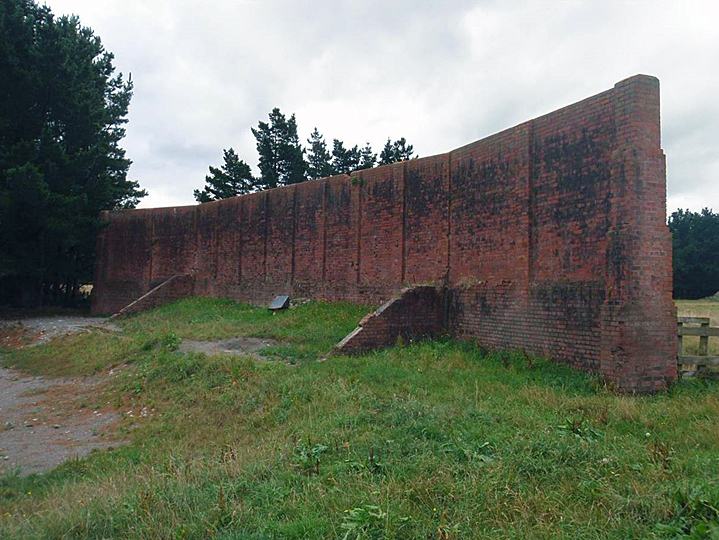
Featherston Military Training Camp. 25 yard rifle range wall. February 2011
Featherston Military Training Camp
Featherston Military Training Camp. 25 yard rifle range wall. February 2011
Featherston Military Training Camp
Stay up to date with Heritage this month