Quick links


Quick links
Quick links
Quick links
Quick links
Quick links
Santa Barbara
169 Victoria Street, CHRISTCHURCH
Private
Historic Place Category 2
List No. 4975
Quick links:
List GalleryLocationDetails
169 Victoria Street, CHRISTCHURCH
Private
Historic Place Category 2
List No. 4975
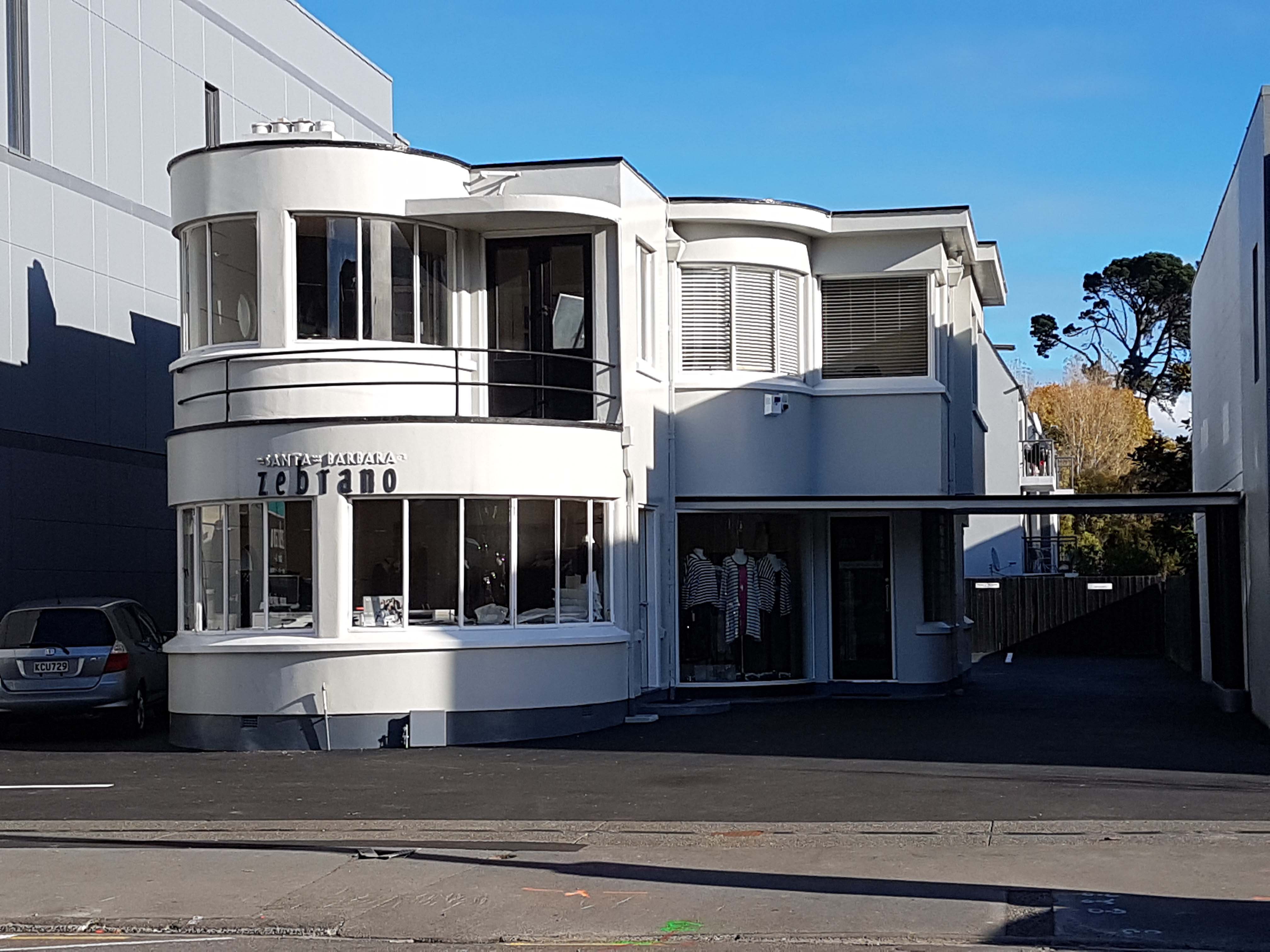
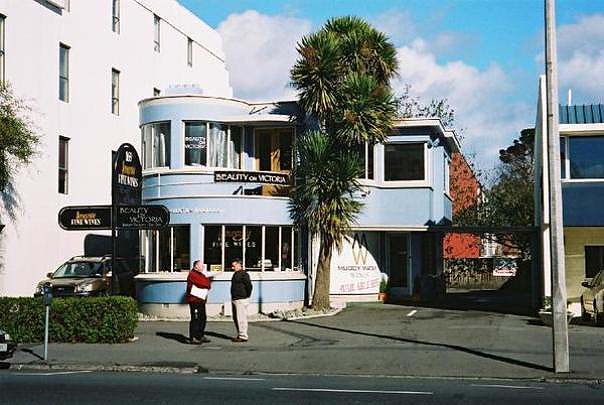
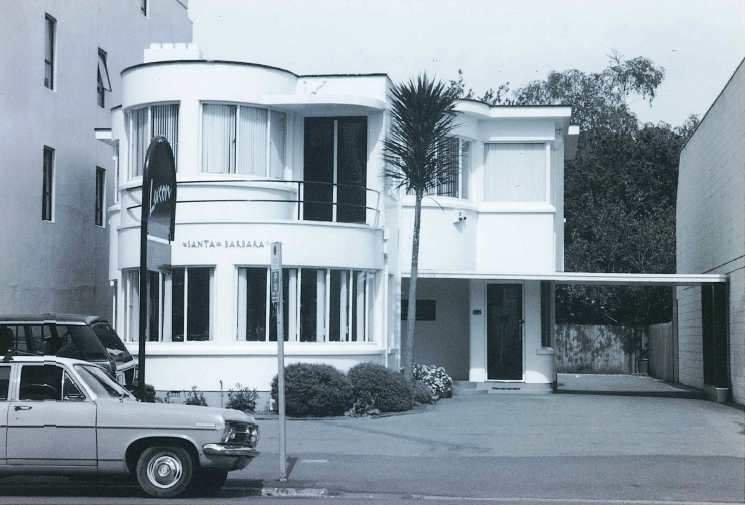
List Entry Information
Status
Listed
List Entry Status
Historic Place Category 2
Access
Private/No Public Access
List Number
4975
Date Entered
26th November 1981
Date of Effect
26th November 1981
City/District Council
Christchurch City
Region
Canterbury Region
Extent of List Entry
Extent includes the land described as Lot 1 DP 11570 (RT CB486/172), Canterbury Land District and the building known as Santa Barbara thereon.
Legal description
Lot 1 DP 11570 (RT CB486/172), Canterbury Land District
Status
Listed
List Entry Status
Historic Place Category 2
Access
Private/No Public Access
List Number
4975
Date Entered
26th November 1981
Date of Effect
26th November 1981
City/District Council
Christchurch City
Region
Canterbury Region
Extent of List Entry
Extent includes the land described as Lot 1 DP 11570 (RT CB486/172), Canterbury Land District and the building known as Santa Barbara thereon.
Legal description
Lot 1 DP 11570 (RT CB486/172), Canterbury Land District
Construction Professional
Name
Willis, Francis
Type
Architect
Biography
Francis Willis read architecture at St John's College, Cambridge, before training as an architect and engineer with the Christchurch City Council. After travelling to Europe following World War One, Willis worked for the City Council and then established his own practice c.1925. During a career which spanned nearly fifty years, Willis designed a wide range of building types, including a number of Roman Catholic churches and local fire stations, but his speciality appears to have been the design of motion picture theatres. Cinemas designed by Willis were erected throughout New Zealand for both the Amalgamated and Kerridge Odeon chains. The State Theatre (1934-5) in Christchurch was a particularly good example, revealing a readiness to experiment with decorative building design which distinguished his work from that of other local architects in the late 1920s and 1930s. Other notable Christchurch buildings designed by Willis include Santa Barbara, an art deco style house on Victoria Street and the Repertory Theatre (formerly the Radiant Hall, 1929). he is also well known for the design of the Spanish Mission style New Regent Street Terrace Shops (1930-32). During World War Two Francis Willis worked for the Public Works Department and in 1960 he was joined in practice by his son, Gavin. Francis Willis finally retired in 1969 at the age of seventy-seven.
Construction Details
Start Year
1936
Type
Original Construction
Type
Modification
Description
Conversion to commercial premises
Period
Unknown
Start Year
1994
Type
Modification
Description
Entrance porch enclosed
Construction Professional
Name
Willis, Francis
Type
Architect
Biography
Francis Willis read architecture at St John's College, Cambridge, before training as an architect and engineer with the Christchurch City Council. After travelling to Europe following World War One, Willis worked for the City Council and then established his own practice c.1925. During a career which spanned nearly fifty years, Willis designed a wide range of building types, including a number of Roman Catholic churches and local fire stations, but his speciality appears to have been the design of motion picture theatres. Cinemas designed by Willis were erected throughout New Zealand for both the Amalgamated and Kerridge Odeon chains. The State Theatre (1934-5) in Christchurch was a particularly good example, revealing a readiness to experiment with decorative building design which distinguished his work from that of other local architects in the late 1920s and 1930s. Other notable Christchurch buildings designed by Willis include Santa Barbara, an art deco style house on Victoria Street and the Repertory Theatre (formerly the Radiant Hall, 1929). he is also well known for the design of the Spanish Mission style New Regent Street Terrace Shops (1930-32). During World War Two Francis Willis worked for the Public Works Department and in 1960 he was joined in practice by his son, Gavin. Francis Willis finally retired in 1969 at the age of seventy-seven.
Construction Details
Start Year
1936
Type
Original Construction
Type
Modification
Description
Conversion to commercial premises
Period
Unknown
Start Year
1994
Type
Modification
Description
Entrance porch enclosed
Historical and Associated Iwi / Hapū / Whānau
Completion Date
15th June 2017
Report Written By
Robyn Burgess
Other Information
This place was identified as significant under previous legislation with different information requirements. It remains significant under the current legislation. There is opportunity under our legislation and policies to add to this information. Further information about this place may be available from the Southern Regional Office of Heritage New Zealand Pouhere Taonga. Please note that entry on the New Zealand Heritage List/Rarangi Korero identifies only the heritage values of the property concerned, and should not be construed as advice on the state of the property, or as a comment of its soundness or safety, including in regard to earthquake risk, safety in the event of fire, or insanitary conditions. A fully referenced upgrade report is available on request from the Southern Region Office of Heritage New Zealand.
Historical and Associated Iwi / Hapū / Whānau
Completion Date
15th June 2017
Report Written By
Robyn Burgess
Other Information
This place was identified as significant under previous legislation with different information requirements. It remains significant under the current legislation. There is opportunity under our legislation and policies to add to this information. Further information about this place may be available from the Southern Regional Office of Heritage New Zealand Pouhere Taonga. Please note that entry on the New Zealand Heritage List/Rarangi Korero identifies only the heritage values of the property concerned, and should not be construed as advice on the state of the property, or as a comment of its soundness or safety, including in regard to earthquake risk, safety in the event of fire, or insanitary conditions. A fully referenced upgrade report is available on request from the Southern Region Office of Heritage New Zealand.
Current Usages
Uses: Trade
Specific Usage: Shop
Former Usages
General Usage: Accommodation
Specific Usage: House
Current Usages
Uses: Trade
Specific Usage: Shop
Former Usages
General Usage: Accommodation
Specific Usage: House
Location
Get the latest heritage news, features and events delivered
straight to your inbox.
