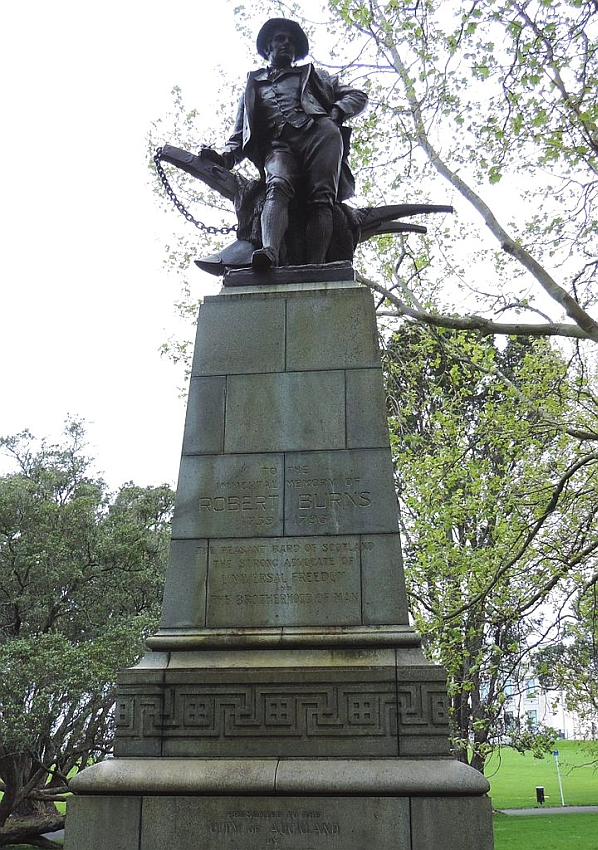
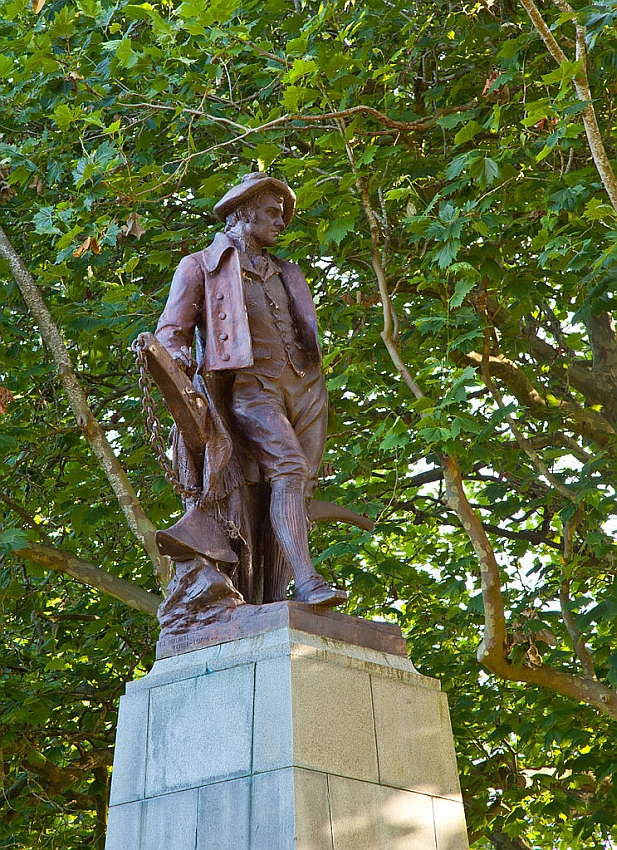
Constructed in Pukekawa / Auckland Domain in 1921, the Robert Burns Statue demonstrates the importance of Scottish cultural connections to sections of the local community in early twentieth-century Aotearoa New Zealand. The first statue of its type in the North Island, it forms part of a wider network of such monuments that reflects the Scottish diaspora within the British Empire and beyond. Also conveying notions of universal freedom and the ‘brotherhood of man’, the memorial incorporates a bronze depiction of the Scottish lyricist Robert Burns (1759-1796) as a poet-ploughman with yoke, book and pen, standing on a tall stone plinth for maximum visibility. Construction was funded by James Milne Mennie (1842-1924), a Scottish-born businessman and philanthropist who also donated the nearby Domain bandstand. Created while the Domain was undergoing change to a more formal public park, the monument has subsequently been a meeting place for Boy Scout gatherings, motorcycle events and ceremonies linked with the nearby Auckland War Memorial Museum and Cenotaph. It remains a distinctive component of a wider landscape at Pukekawa / Auckland Domain that is of high cultural and historical significance for its many associated layers of history and meaning.
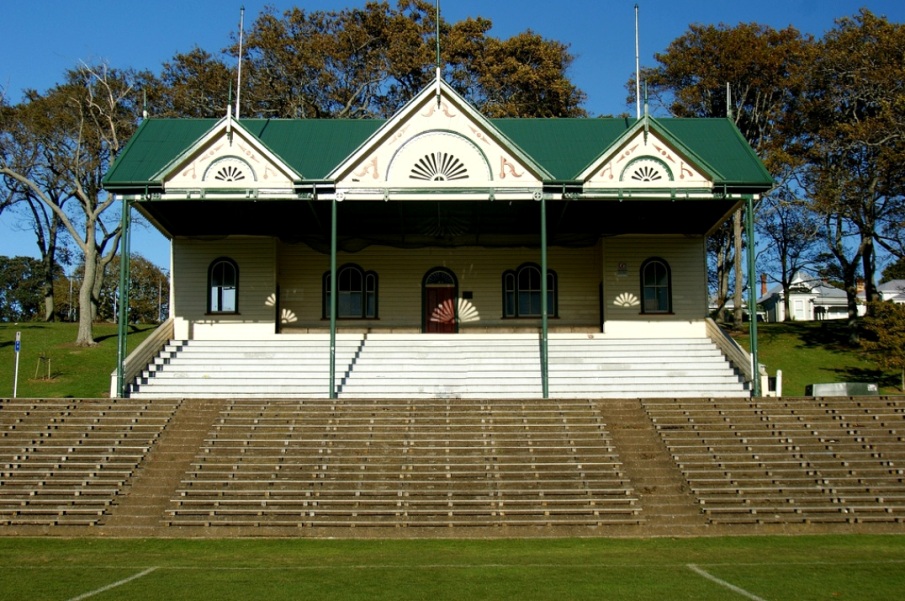
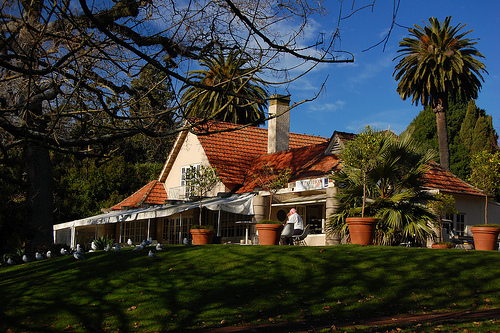
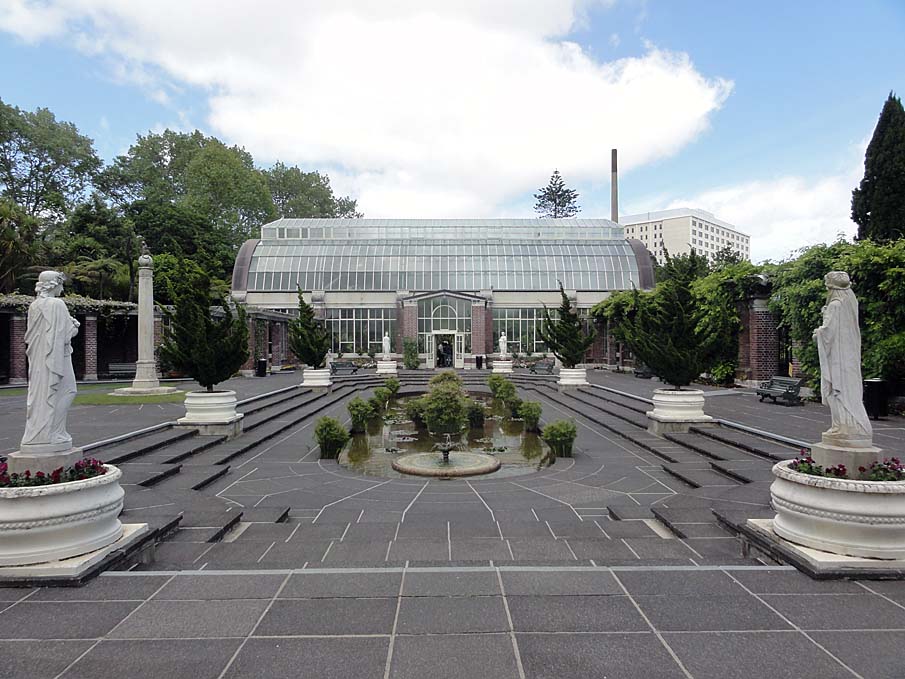
Pukekawa / Auckland Domain forms an important Māori landscape linked with many iwi and hapū. Incorporating fertile soils, north-facing slopes and a freshwater stream – Te Ako o Te Tui – it attracted extensive settlement including a pā at Pukekaroro / Pukekaroa. After Ngāti Whātua offered land for the establishment of Auckland in 1840, the whenua (land) became known as the Government Domain and was declared a park in 1844. At an early subsequent stage, it included a house occupied by the future Kiingitanga leader Pootatau Te Wherowhero, who referred to Pukekawa as ‘the hill of bitter memories’ in remembrance of Māori who fell in the intertribal Musket Wars of the late 1820s and early 1830s. During the later nineteenth century, the Domain was employed for varying purposes including sport and Chinese market gardening. In 1912, as New Zealand’s economic and cultural ties with imperial Britain strengthened, it was chosen for the site of a major fair promoting the country’s material progress, to be known as the Auckland Industrial, Agricultural and Mining Exhibition. This reshaped much of the area as a ‘new park’, which subsequently included a tea house or kiosk (1913; List No. 2648), a permanent bandstand (1913; List No. 2615) and a Temperate or Cool House (1916-1921; List No. 124). In 1919 a member of the former Exhibition Committee and wealthy biscuit, confectionary and jam manufacturer, J. M. Mennie, offered to fund a statue to Robert Burns – Scotland’s national poet – while president of the Auckland St Andrew’s Society, itself founded in 1902. Two such monuments had previously been erected in New Zealand’s South Island at Dunedin (1887; List No. 2208) and Timaru (1913), and were also popular in other parts of the world with strong Scottish connections, including North America and Australia.
A British-based sculptor, Frederick William Pomeroy (1856-1924), was commissioned to create a bronze statue of Burns, identical to two he had previously created at Paisley, Scotland (1896) and Sydney, Australia (1905). A leading figure in the naturalistic New Sculpture movement, Pomeroy’s other works had included the statue of Justice on London’s Old Bailey (1905-6). Casting was undertaken at the English foundry of E. J. Parlanti (1871-1955). The completed sculpture, ‘of heroic size’, was to stand on a tall plinth of Coromandel granite designed by architects Norman Wade and A. M. Bartley, which incorporated a decorative frieze and inscriptions to both Burns and Mennie. Sitting on open ground previously occupied by temporary 1913-14 Exhibition buildings, the monument was unveiled in November 1921 by the Prime Minister William Massey, with the Dominion Boy Scouts Association forming a guard of honour, and Scottish cultural connections emphasised by the Auckland Pipe Band and Pipe Bands of the St Andrew’s Society. Associated speeches underscored ideas conveyed by the statue’s inscriptions, notably those linked with Burns’ lowly social background and sympathy for all humanity. The event closed with renditions of the British National Anthem and Scotland’s best-known song, Auld Lang Syne, with which Burns is closely associated.
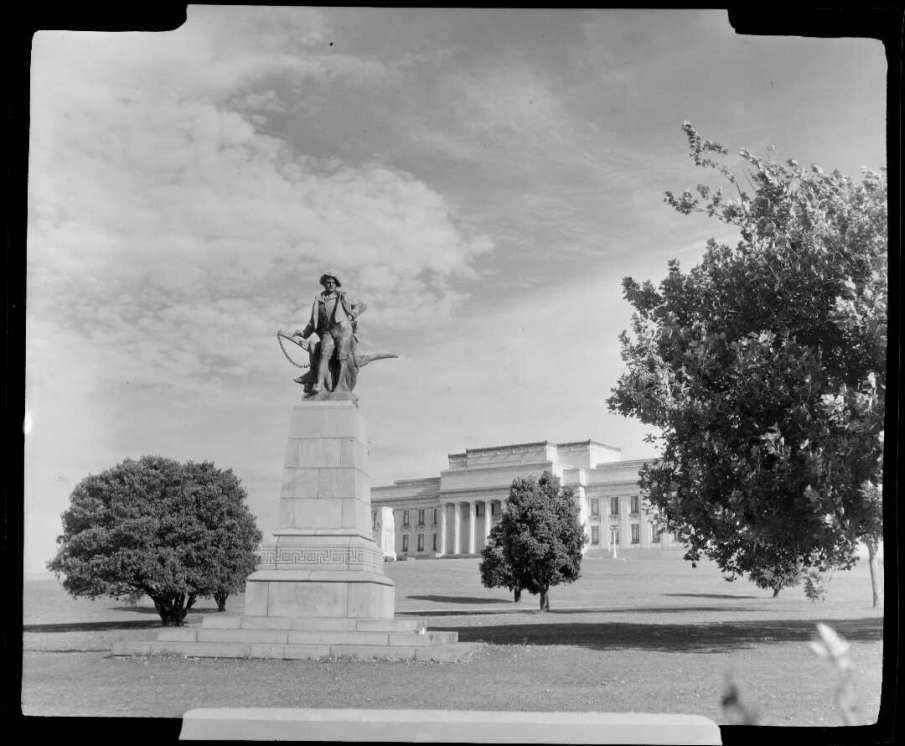
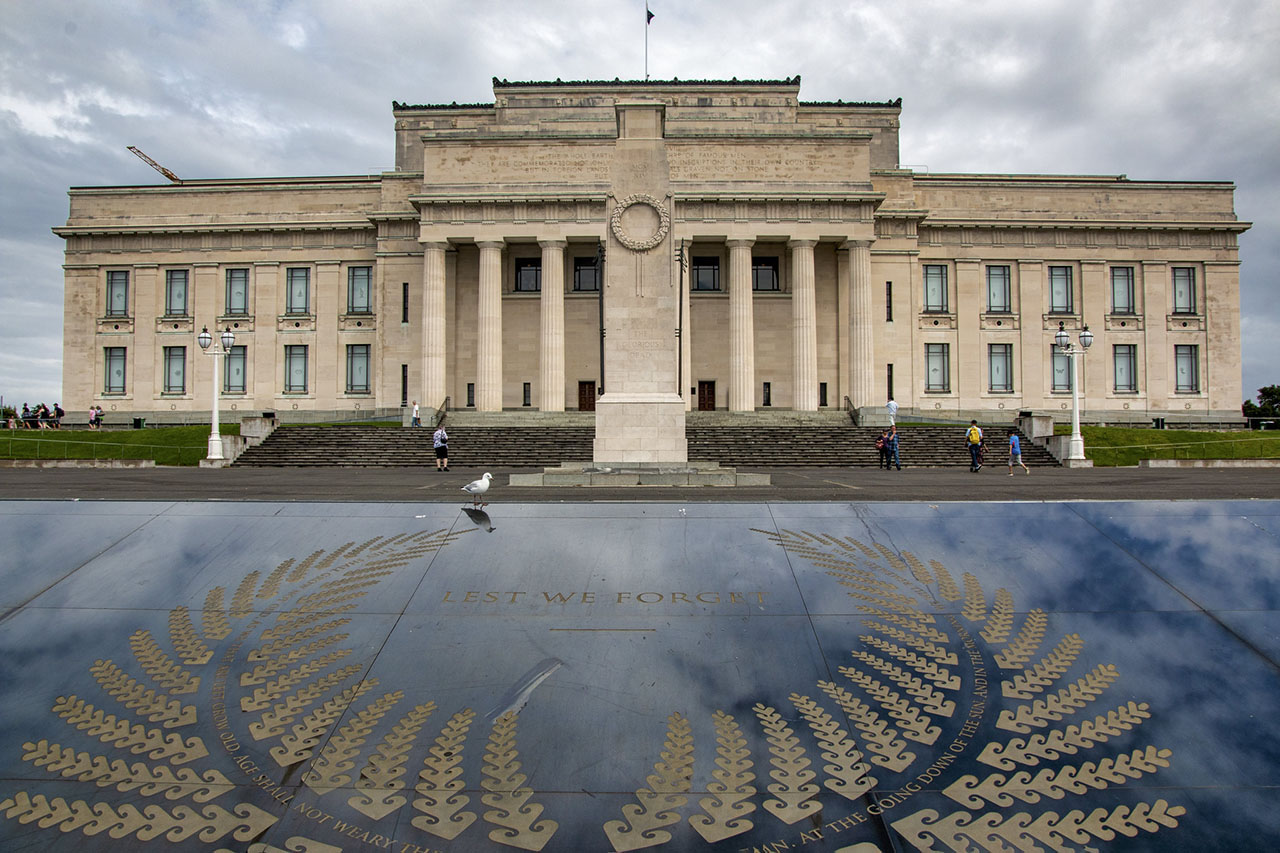
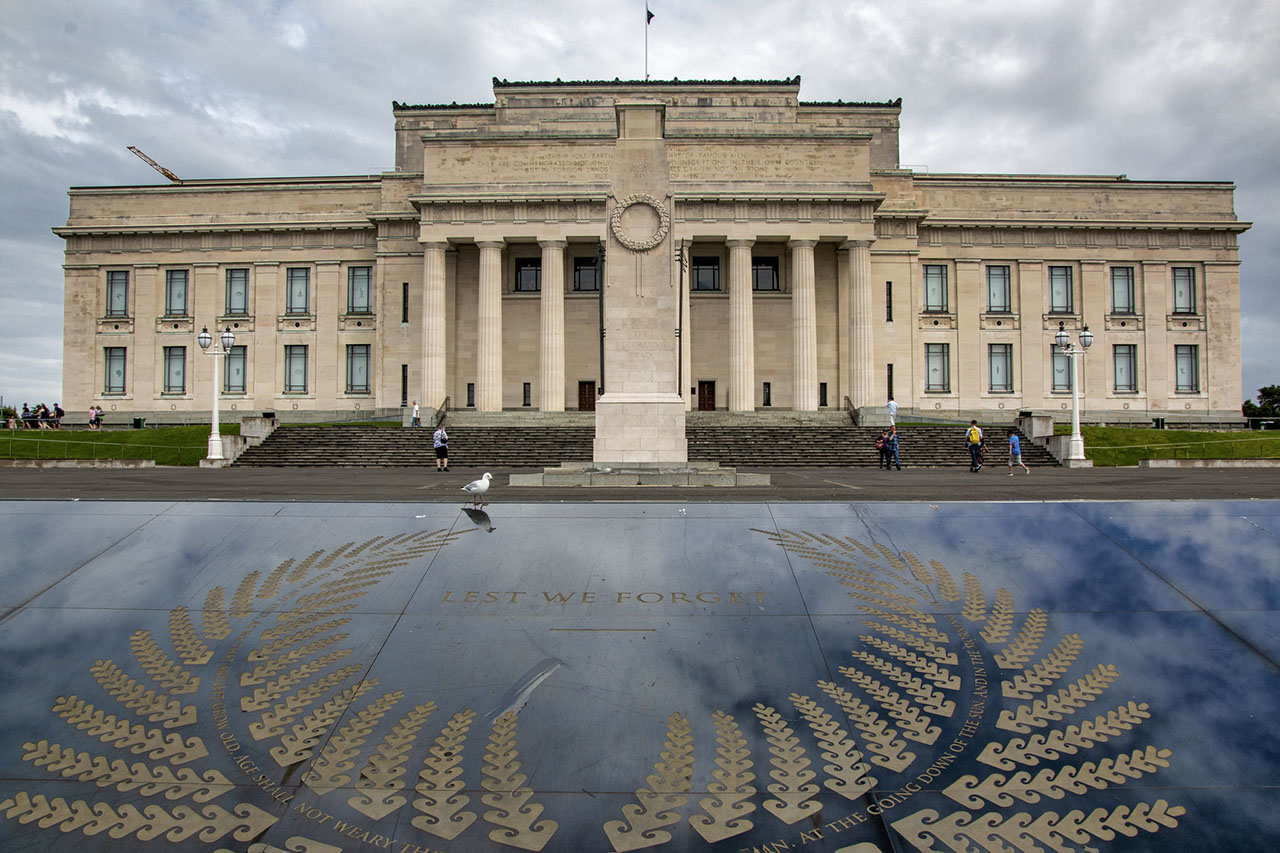
During the 1920s and 1930s, the monument formed a gathering place for Boy Scout, Girls’ Life Brigade and motorcycle events. After the nearby Auckland War Memorial Museum and Cenotaph were erected, it also became a congregation point for groups taking part in associated ceremonies, such as when the Auckland Returned Servicemen’s Association and South African War Veterans’ Association attended these structures’ opening in 1929. Increasingly, the monument was surrounded by exotic plantings. As an aesthetically, culturally and historically distinctive landmark within the Domain, it continues to attract interest from visitors in what is one of the country’s most popular parks.
Pukekawa / Auckland Domain forms an important Māori landscape linked with many iwi and hapū. Incorporating fertile soils, north-facing slopes and a freshwater stream – Te Ako o Te Tui – it attracted extensive settlement including a pā at Pukekaroro / Pukekaroa. After Ngāti Whātua offered land for the establishment of Auckland in 1840, the whenua (land) became known as the Government Domain and was declared a park in 1844. At an early subsequent stage, it included a house occupied by the future Kiingitanga leader Pootatau Te Wherowhero, who referred to Pukekawa as ‘the hill of bitter memories’ in remembrance of Māori who fell in the intertribal Musket Wars of the late 1820s and early 1830s. During the later nineteenth century, the Domain was employed for varying purposes including sport and Chinese market gardening. In 1912, as New Zealand’s economic and cultural ties with imperial Britain strengthened, it was chosen for the site of a major fair promoting the country’s material progress, to be known as the Auckland Industrial, Agricultural and Mining Exhibition. This reshaped much of the area as a ‘new park’, which subsequently included a tea house or kiosk (1913; List No. 2648), a permanent bandstand (1913; List No. 2615) and a Temperate or Cool House (1916-1921; List No. 124). In 1919 a member of the former Exhibition Committee and wealthy biscuit, confectionary and jam manufacturer, J. M. Mennie, offered to fund a statue to Robert Burns – Scotland’s national poet – while president of the Auckland St Andrew’s Society, itself founded in 1902. Two such monuments had previously been erected in New Zealand’s South Island at Dunedin (1887; List No. 2208) and Timaru (1913), and were also popular in other parts of the world with strong Scottish connections, including North America and Australia.
A British-based sculptor, Frederick William Pomeroy (1856-1924), was commissioned to create a bronze statue of Burns, identical to two he had previously created at Paisley, Scotland (1896) and Sydney, Australia (1905). A leading figure in the naturalistic New Sculpture movement, Pomeroy’s other works had included the statue of Justice on London’s Old Bailey (1905-6). Casting was undertaken at the English foundry of E. J. Parlanti (1871-1955). The completed sculpture, ‘of heroic size’, was to stand on a tall plinth of Coromandel granite designed by architects Norman Wade and A. M. Bartley, which incorporated a decorative frieze and inscriptions to both Burns and Mennie. Sitting on open ground previously occupied by temporary 1913-14 Exhibition buildings, the monument was unveiled in November 1921 by the Prime Minister William Massey, with the Dominion Boy Scouts Association forming a guard of honour, and Scottish cultural connections emphasised by the Auckland Pipe Band and Pipe Bands of the St Andrew’s Society. Associated speeches underscored ideas conveyed by the statue’s inscriptions, notably those linked with Burns’ lowly social background and sympathy for all humanity. The event closed with renditions of the British National Anthem and Scotland’s best-known song, Auld Lang Syne, with which Burns is closely associated.
During the 1920s and 1930s, the monument formed a gathering place for Boy Scout, Girls’ Life Brigade and motorcycle events. After the nearby Auckland War Memorial Museum and Cenotaph were erected, it also became a congregation point for groups taking part in associated ceremonies, such as when the Auckland Returned Servicemen’s Association and South African War Veterans’ Association attended these structures’ opening in 1929. Increasingly, the monument was surrounded by exotic plantings. As an aesthetically, culturally and historically distinctive landmark within the Domain, it continues to attract interest from visitors in what is one of the country’s most popular parks.