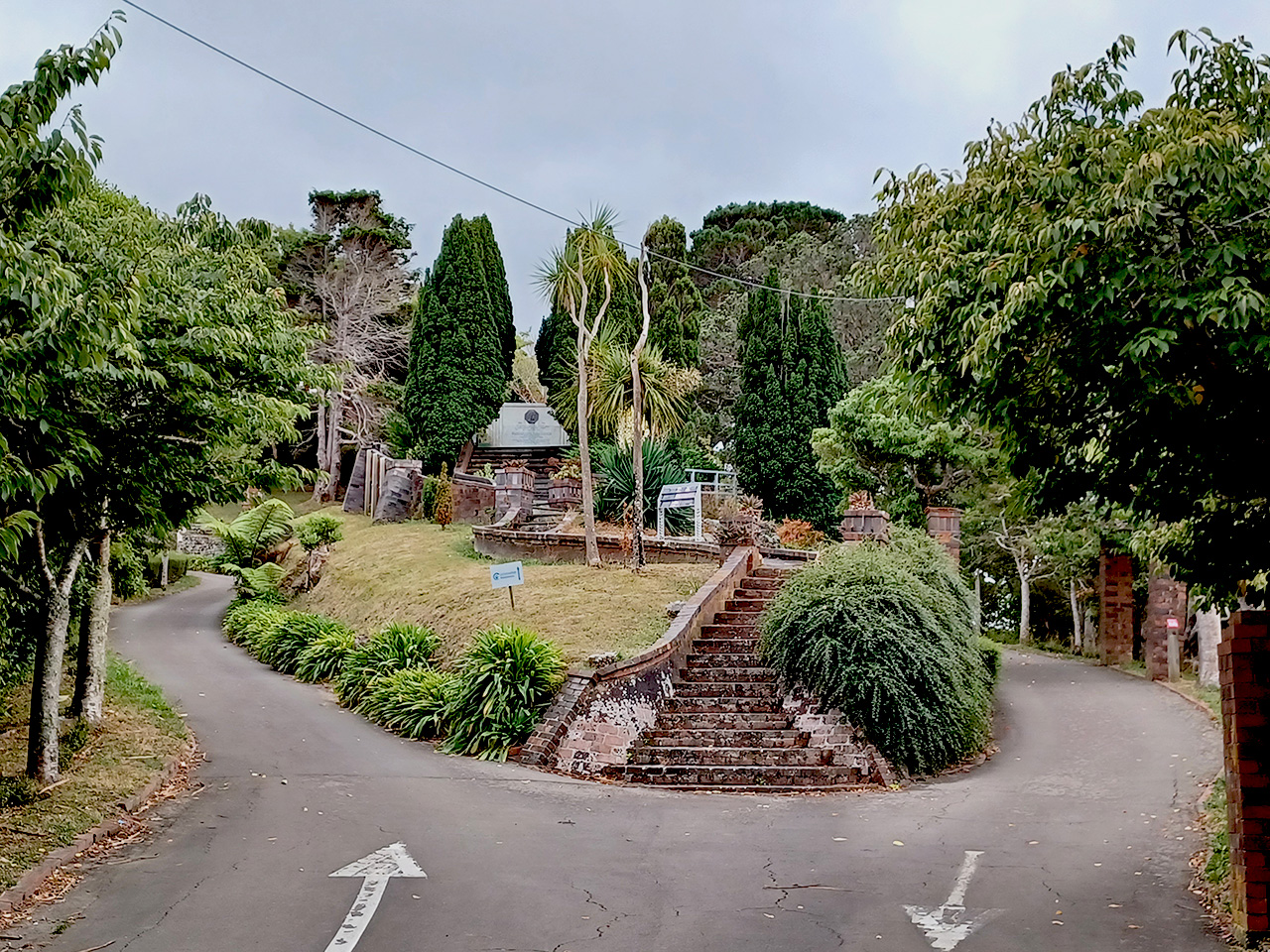
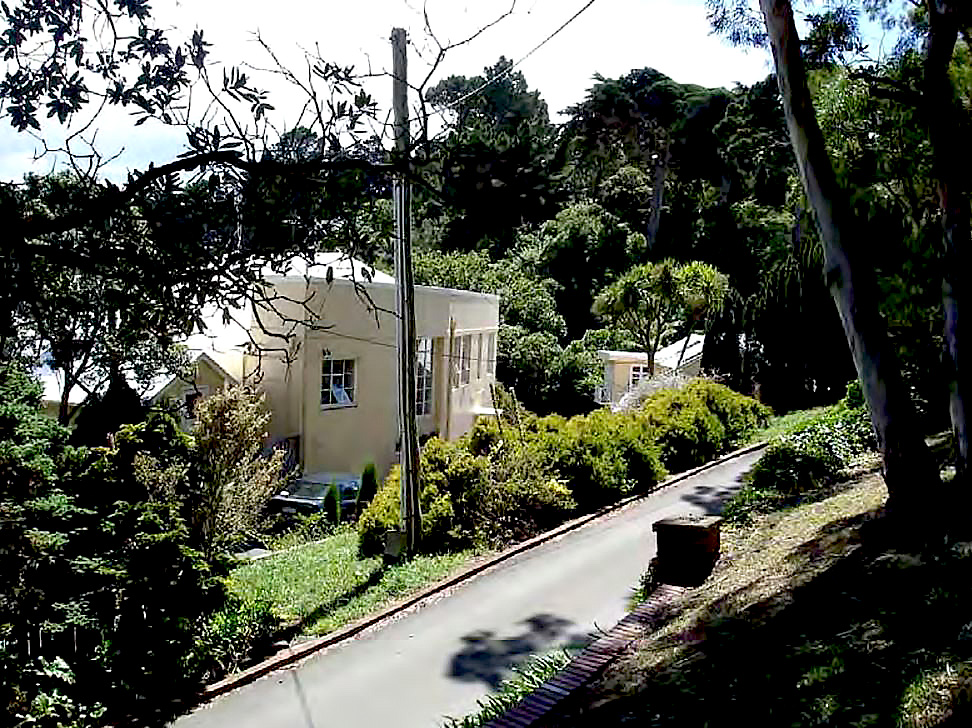
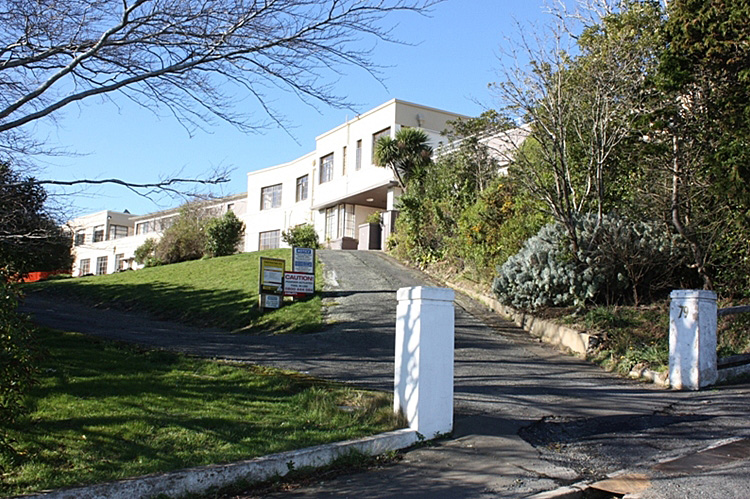
The Truby King Historic Area is perched on a hillside in the Wellington suburb of Melrose. In 1991 the Wellington City Council made its final purchase of three lots of land in the area, which formerly made up Sir Frederic Truby King's estate. Originally known as 'Mount Melrose', the remainder of the estate, including the former Karitane Products Society factory and Karitane hospital, is in private hands. In purchasing the land, the 'Council not only recognised the opportunity of extending the town belt but also saw the opportunity of acquiring and reconstructing an important part of the city's heritage'.
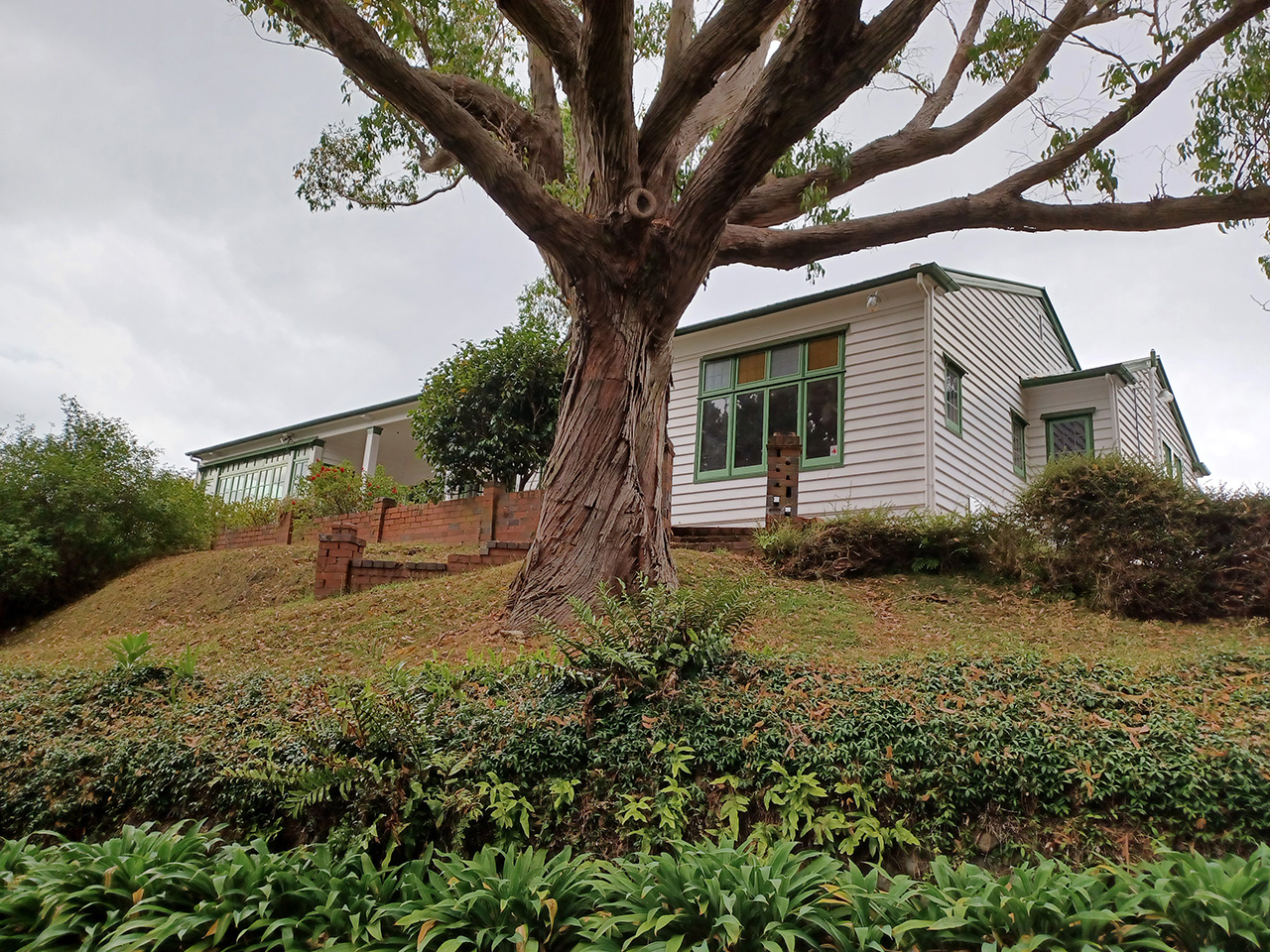
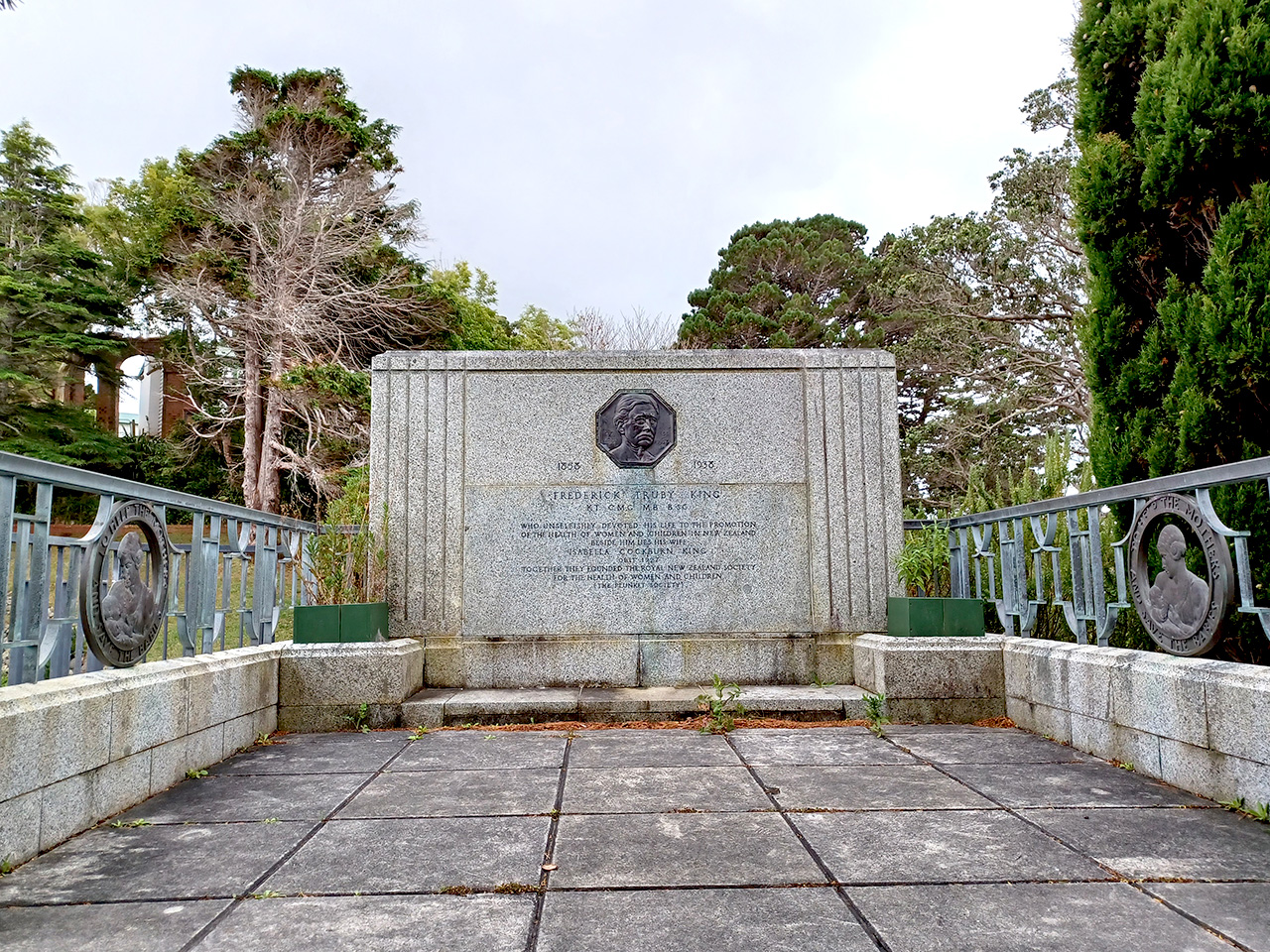
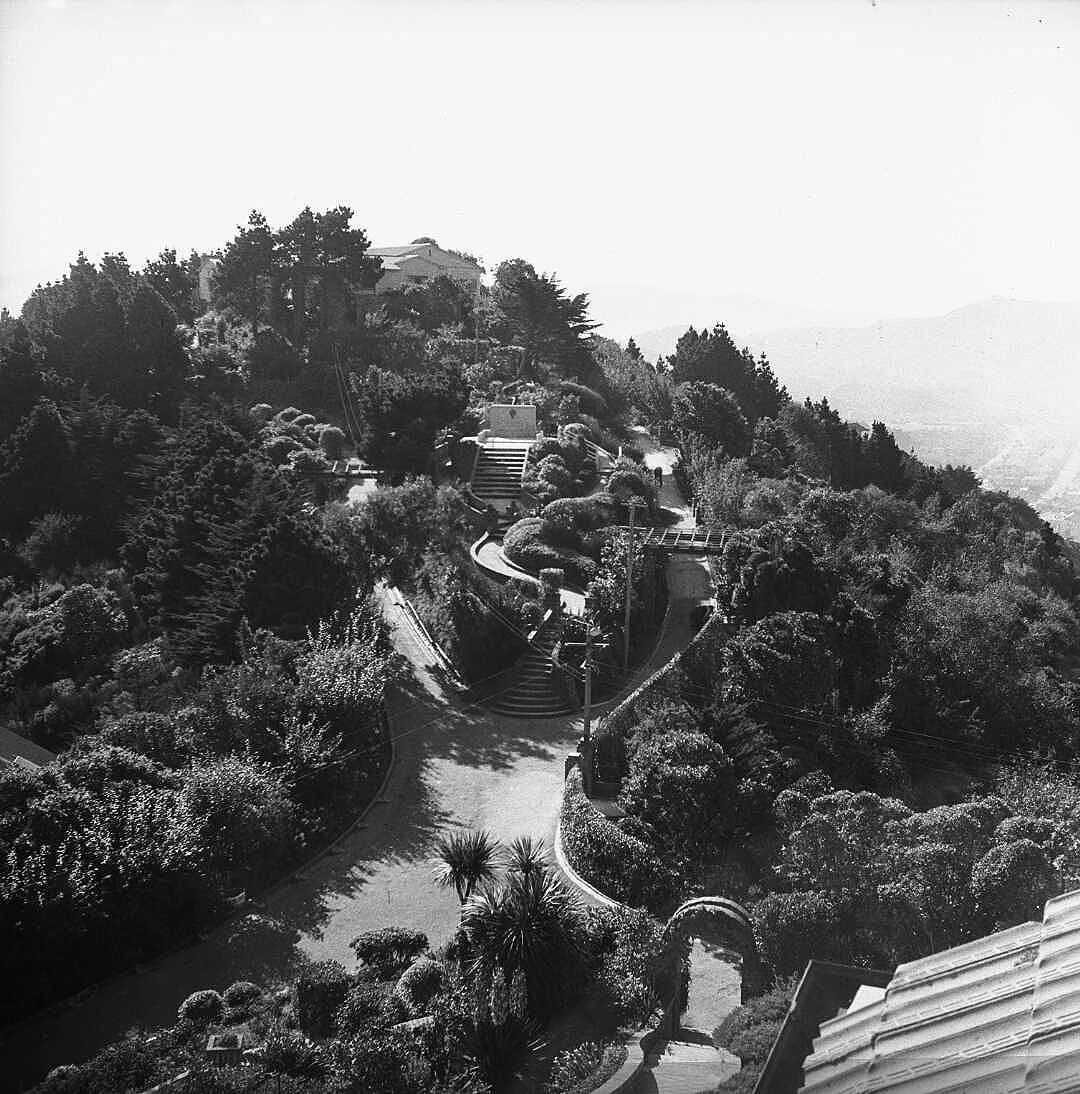
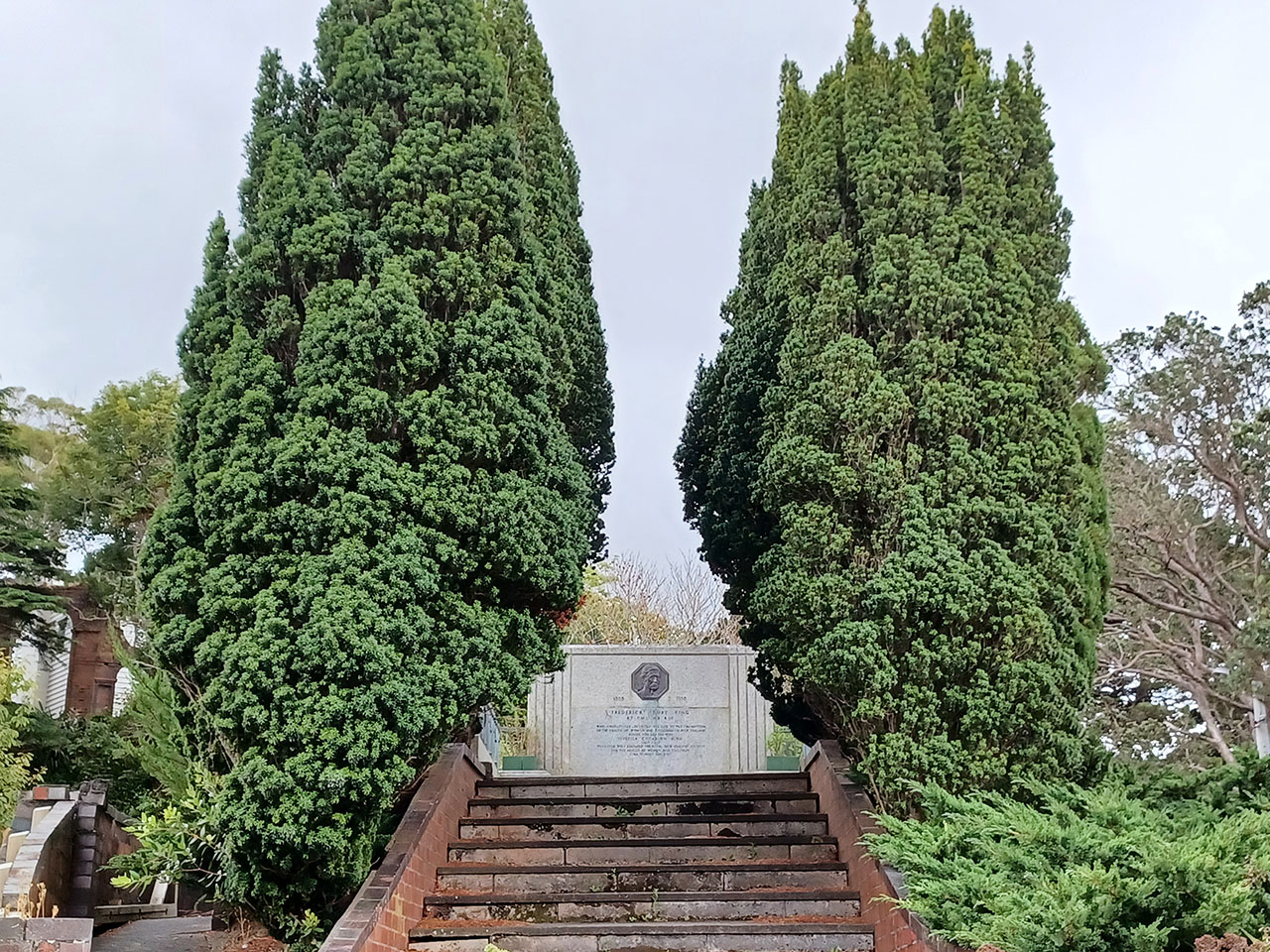
The original 10 acre (4 hectare) site was purchased in 1923 by Sir Truby King (who founded the New Zealand Plunket Society with the help of his wife Isabella) following his posting to Wellington as the Director of Child Welfare. King commissioned William Gray Young, a prominent New Zealand architect, to design a food production factory, which became the Karitane Products Society Factory (KPS Factory), along with a bungalow style house that King, his wife Isabella and adopted daughter Mary lived in for nine years. King, along with his talented head gardener Daniel Russell, and an army of hired hands, developed the land surrounding the house and factory into a spectacular garden featuring exotic roses, a rhododendron dell - which was at one time claimed to be the biggest in the southern hemisphere - and other imported plants, along with an intricate system of walkways and brickwork around the house and estate. In 1925 King decided to build a model Karitane Hospital, and he gifted the land that had previously been his tennis court for this to proceed. The money for the hospital was raised via public donation and, in 1927, the hospital was opened by the then Duchess of York. However, the death of King's wife Isabella that same year affected Truby King greatly, and five years later he made public his intention to gift the house to the Plunket Society. King shifted into a house nearby, moving back into his former house shortly before his death in 1938. When he died he was the first private New Zealand citizen granted a state funeral, and special legislation was passed allowing King and Isabella to be buried in an imposing concrete and steel mausoleum at the bottom of the hill the house sits on.
Following an agreement with his daughter Mary, the Plunket Society received the house and land on which the house and mausoleum stood, while the heavily mortgaged surrounding land and buildings were transferred to the Karitane Products Society. The factory, which had been enlarged and received an Art Deco renovation in 1938 and continued to produce the infant formulas Kariol, Karilac and Karil, provided a tidy revenue stream to the Society. The Karitane Hospital continued as a maternity ward, and in 1962, a three-storey nurses' home was built on the site, following a government grant. However, the demands of maintaining the garden were high and, following the retirement of Dan Russell in the 1940s, the garden became overgrown and neglected - so much so that the majority of King's plantings had been wiped out by the 1950s.
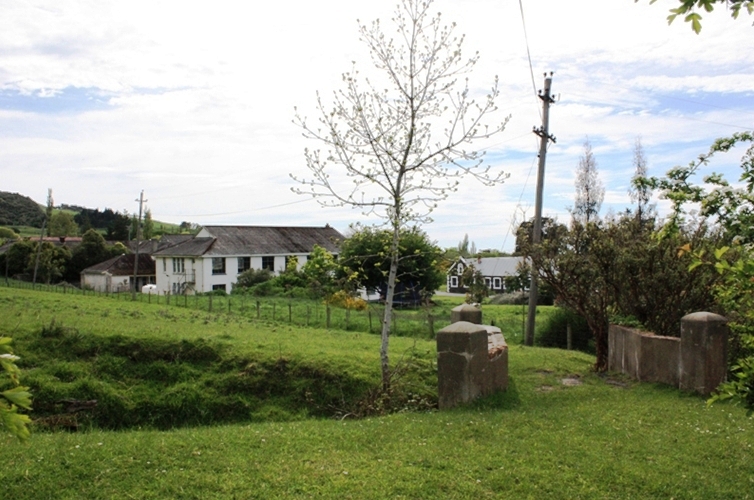
By the 1970s the Plunket Society had begun experiencing a number of problems. The changing nature of society meant that Plunket Society nurses, and the organisation itself, were no longer as influential as they had been in the preceding sixty years - King's prescriptive mothercraft ideology seemed to be increasingly foreign to new a generation of parents. The Society began to suffer serious financial difficulties, as the Karitane hospitals drained money and resources and government funding began to dry up. In December 1977 the Plunket Society executive passed a motion closing New Zealand's six Karitane hospitals. In July 1978 Wellington's hospital was closed down. Later that year it was put up for sale, then leased until it was finally sold in 1982. The factory also fell into private ownership. In 1986 the Karitane Products Society was wound down, and the building and land was sold in 1988. Machinery was removed and it was leased as a design studio, and has since been sublet into five individual titles.
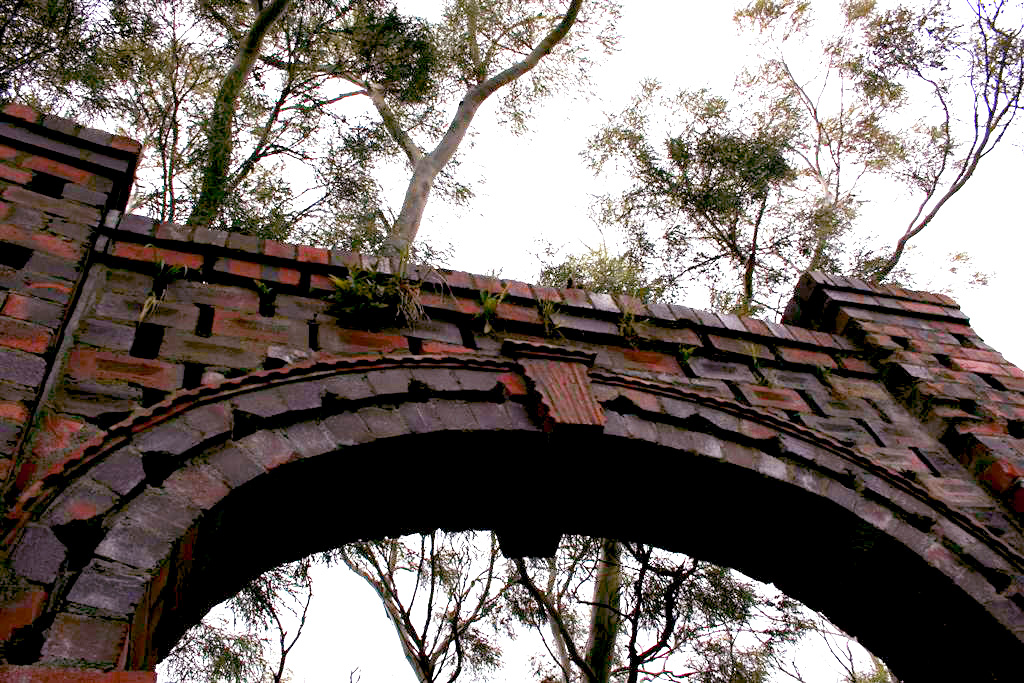
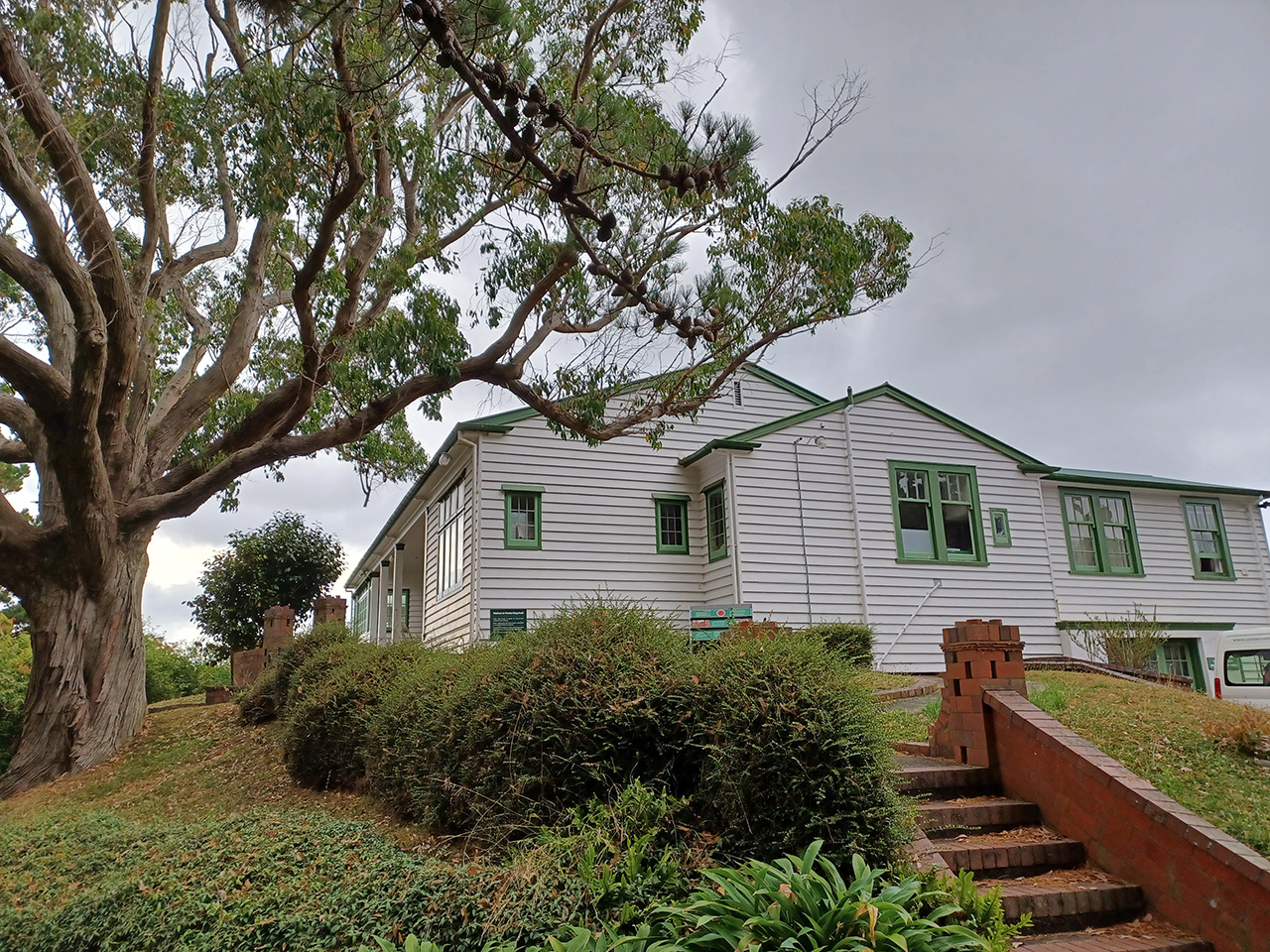
The Wellington City Council purchased the last of the remaining land owned by Plunket Society in 1991, and took possession and responsibility for the house and mausoleum. The Council undertook much needed repairs on the house, including fire-proofing improvements and repaired the brickwork that had become badly run down. Similar bricks from the original period were used, and new roofing was added recently on the house. While initial gardening work was undertaken to rejuvenate the neglected garden, there was also a long period of public consultation and research to devise a draft management plan which was completed in 1992. Plans were put forward to manage and restore the house and reconstruct the garden, based on a thorough archival search of King's mass of correspondence and notes at the Hocken library in Dunedin. In 1992 the area was listed as Open Space D in the Wellington District Plan and in 1995 was gazetted as a Historic Reserve. While work stagnated on the house and garden in the late 1990s, the turn of the century has seen the Council place a renewed emphasis on the park as a part of Wellington's Botanic Garden. In 2002 the Truby King House and Garden Trust was formed, with its central aims being to conserve, restore and maintain the house and garden, and encourage public use of the space. In this vein, they organise annual open days at the park. There are also plans afoot for a museum in King's former study in the house, to be ready in time for the celebration of Plunket Society's centennial celebrations in 2007.
Truby King lived at Mt Melrose for just over a decade, but in that time he thoroughly transformed the land from a barren windswept hill to a lush garden and the site of his personal 'mothercraft' empire. Indeed, while the garden has been transformed, the landscape and buildings continue to reflect King's design and planning ideas about plant husbandry and gardening, which were shaped in Dunedin and modified and put to use by the Plunket Society. Similarly the exteriors of the buildings have been well maintained, and the high quality design and construction remains evident. The estate's fortune has followed the path of the organisation that gave birth to it, and the Truby King Historic Area has a rocky history, of neglect and the breaking up of the original estate. However, recent investment by the Wellington City Council illustrates the significance of the area, as both a memorial to Truby King and his life's work, and also, appropriately, a public reserve. The area remains an extremely significant area, with high heritage value.
[On 30 November 2020 Karitane Maternity Hospital (Former) was demolished]
The original 10 acre (4 hectare) site was purchased in 1923 by Sir Truby King (who founded the New Zealand Plunket Society with the help of his wife Isabella) following his posting to Wellington as the Director of Child Welfare. King commissioned William Gray Young, a prominent New Zealand architect, to design a food production factory, which became the Karitane Products Society Factory (KPS Factory), along with a bungalow style house that King, his wife Isabella and adopted daughter Mary lived in for nine years. King, along with his talented head gardener Daniel Russell, and an army of hired hands, developed the land surrounding the house and factory into a spectacular garden featuring exotic roses, a rhododendron dell - which was at one time claimed to be the biggest in the southern hemisphere - and other imported plants, along with an intricate system of walkways and brickwork around the house and estate. In 1925 King decided to build a model Karitane Hospital, and he gifted the land that had previously been his tennis court for this to proceed. The money for the hospital was raised via public donation and, in 1927, the hospital was opened by the then Duchess of York. However, the death of King's wife Isabella that same year affected Truby King greatly, and five years later he made public his intention to gift the house to the Plunket Society. King shifted into a house nearby, moving back into his former house shortly before his death in 1938. When he died he was the first private New Zealand citizen granted a state funeral, and special legislation was passed allowing King and Isabella to be buried in an imposing concrete and steel mausoleum at the bottom of the hill the house sits on.
Following an agreement with his daughter Mary, the Plunket Society received the house and land on which the house and mausoleum stood, while the heavily mortgaged surrounding land and buildings were transferred to the Karitane Products Society. The factory, which had been enlarged and received an Art Deco renovation in 1938 and continued to produce the infant formulas Kariol, Karilac and Karil, provided a tidy revenue stream to the Society. The Karitane Hospital continued as a maternity ward, and in 1962, a three-storey nurses' home was built on the site, following a government grant. However, the demands of maintaining the garden were high and, following the retirement of Dan Russell in the 1940s, the garden became overgrown and neglected - so much so that the majority of King's plantings had been wiped out by the 1950s.
By the 1970s the Plunket Society had begun experiencing a number of problems. The changing nature of society meant that Plunket Society nurses, and the organisation itself, were no longer as influential as they had been in the preceding sixty years - King's prescriptive mothercraft ideology seemed to be increasingly foreign to new a generation of parents. The Society began to suffer serious financial difficulties, as the Karitane hospitals drained money and resources and government funding began to dry up. In December 1977 the Plunket Society executive passed a motion closing New Zealand's six Karitane hospitals. In July 1978 Wellington's hospital was closed down. Later that year it was put up for sale, then leased until it was finally sold in 1982. The factory also fell into private ownership. In 1986 the Karitane Products Society was wound down, and the building and land was sold in 1988. Machinery was removed and it was leased as a design studio, and has since been sublet into five individual titles.
The Wellington City Council purchased the last of the remaining land owned by Plunket Society in 1991, and took possession and responsibility for the house and mausoleum. The Council undertook much needed repairs on the house, including fire-proofing improvements and repaired the brickwork that had become badly run down. Similar bricks from the original period were used, and new roofing was added recently on the house. While initial gardening work was undertaken to rejuvenate the neglected garden, there was also a long period of public consultation and research to devise a draft management plan which was completed in 1992. Plans were put forward to manage and restore the house and reconstruct the garden, based on a thorough archival search of King's mass of correspondence and notes at the Hocken library in Dunedin. In 1992 the area was listed as Open Space D in the Wellington District Plan and in 1995 was gazetted as a Historic Reserve. While work stagnated on the house and garden in the late 1990s, the turn of the century has seen the Council place a renewed emphasis on the park as a part of Wellington's Botanic Garden. In 2002 the Truby King House and Garden Trust was formed, with its central aims being to conserve, restore and maintain the house and garden, and encourage public use of the space. In this vein, they organise annual open days at the park. There are also plans afoot for a museum in King's former study in the house, to be ready in time for the celebration of Plunket Society's centennial celebrations in 2007.
Truby King lived at Mt Melrose for just over a decade, but in that time he thoroughly transformed the land from a barren windswept hill to a lush garden and the site of his personal 'mothercraft' empire. Indeed, while the garden has been transformed, the landscape and buildings continue to reflect King's design and planning ideas about plant husbandry and gardening, which were shaped in Dunedin and modified and put to use by the Plunket Society. Similarly the exteriors of the buildings have been well maintained, and the high quality design and construction remains evident. The estate's fortune has followed the path of the organisation that gave birth to it, and the Truby King Historic Area has a rocky history, of neglect and the breaking up of the original estate. However, recent investment by the Wellington City Council illustrates the significance of the area, as both a memorial to Truby King and his life's work, and also, appropriately, a public reserve. The area remains an extremely significant area, with high heritage value.
[On 30 November 2020 Karitane Maternity Hospital (Former) was demolished]