

Minniesdale Chapel is most noted for its association with the Albertlanders, a number of whom are buried in its churchyard. The Albertlanders were a group made up largely of Nonconformists who came to New Zealand, mainly from the Midlands of England, between the years 1862 and 1865. The Albertland scheme caught the imagination of the British public from its formation by William Brame in 1862. This was because of the promise of freehold land and a classless society, the sentimental appeal of its name with its reference to Prince Albert whose death had just occurred, and the fact that it was formed to coincide with the bicentennial of the expulsion of nonconforming ministers from the Church of England. Three thousand settlers made their way to New Zealand under the scheme only to find that the harsh conditions and the inexperience of the settlers doomed the scheme to failure.
Edwin Stanley Brookes Snr was one of those inspired by the Albertland scheme and he trained as a Baptist minister before setting out for New Zealand. Three of his sons preceded their parents to Albertland and were among the first settlers put ashore at Wharehine in October, 1862. The Baptist settlers held services in each other's homes until the Reverend Brookes and the remainder of his family arrived at Wharehine in 1865, bringing with them the framework of the future Minniesdale Chapel. The Minute Book for 13 March 1866 records the setting up of the first congregation of the first chapel in that part of Albertland.
Reverend Brookes engaged George Wilcockson to erect the building and it was opened and dedicated on Sunday 29 December 1867. The cost of construction was born by Mr Brookes. His son George Hovey Brookes, donated the land on which the chapel stands. On 1 June 1887 the chapel and grounds were presented to the Baptist Union and eventually to the residents of the Wharehine district to be used as an interdenominational chapel administered by a Board of Trustees.
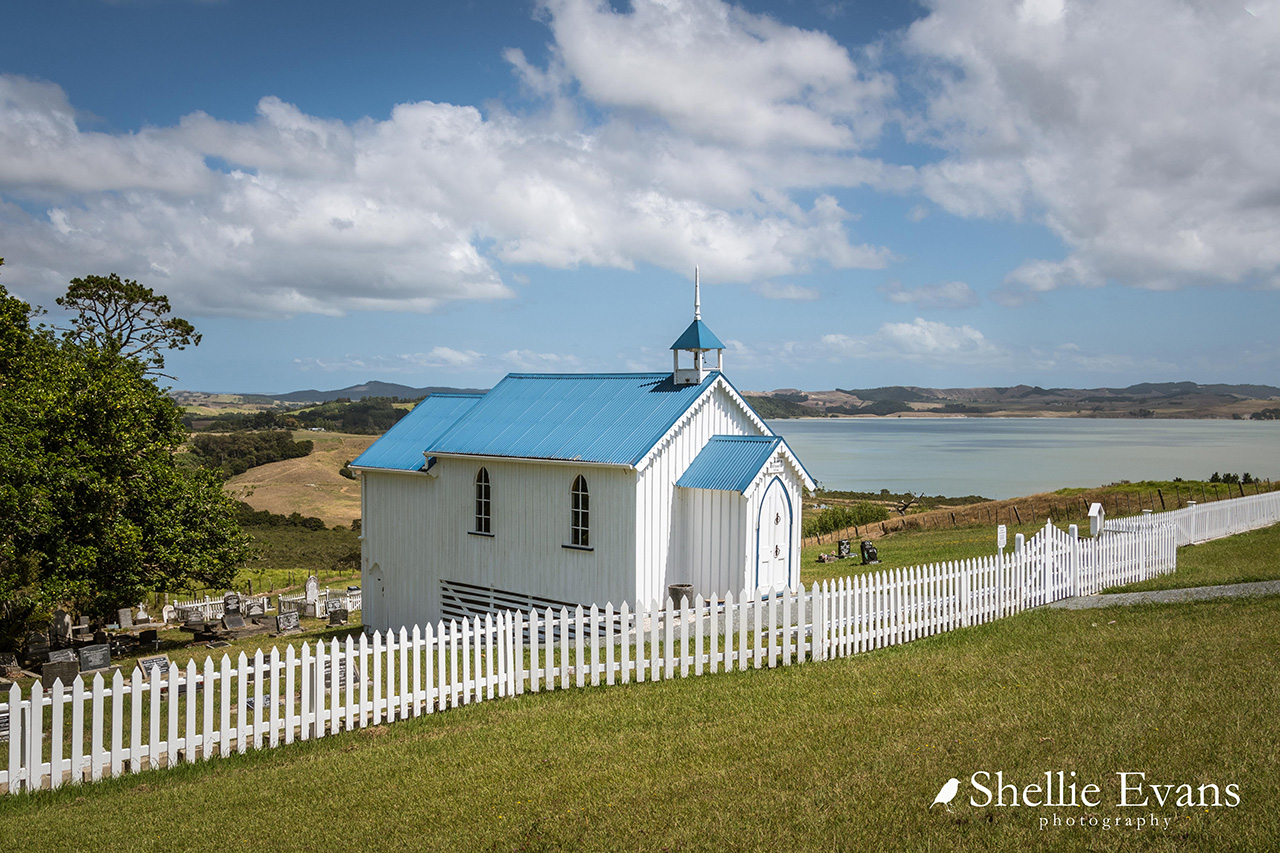
The chapel is built on sloping ground enabling a room to be placed underneath it. A Gothic door leads to this room where, on 7 August 1868, after several preliminary meetings, the first Highway board for the district was elected. The chapel thus added a political dimension to the spiritual life of the community.
The chapel in its rural setting cannot look much different today from when it was built in 1867. Minniesdale Chapel is reminiscent of how St Stephens Chapel, Parnell must have looked when it was built in 1857 before the encroachment of Auckland city. Minniesdale Chapel is held in great affection by the local community and apart from the regular interdenominational services, a commemorative service is held every year on the nearest Sunday to the opening of the chapel. People come from all over New Zealand and overseas to attend this service.

List Entry Information
Status
Listed
List Entry Status
Historic Place Category 1
Access
Private/No Public Access
List Number
84
Date Entered
16th November 1989
Date of Effect
16th November 1989
City/District Council
Auckland Council
Region
Auckland Council
Extent of List Entry
Extent includes the land described as Pt Allot 21 Parish of Wharehine (RT NA767/173), North Auckland Land District, and the building and structures known as Minniesdale Chapel thereon.
Legal description
Pt Allot 21 Parish of Wharehine (RT NA767/173), North Auckland Land District
Status
Listed
List Entry Status
Historic Place Category 1
Access
Private/No Public Access
List Number
84
Date Entered
16th November 1989
Date of Effect
16th November 1989
City/District Council
Auckland Council
Region
Auckland Council
Extent of List Entry
Extent includes the land described as Pt Allot 21 Parish of Wharehine (RT NA767/173), North Auckland Land District, and the building and structures known as Minniesdale Chapel thereon.
Legal description
Pt Allot 21 Parish of Wharehine (RT NA767/173), North Auckland Land District
Why is this place significant?
Historic Significance
Historical Significance or Value This chapel at Wharehine is a tangible link between the present community and the 19th century settlers from industrial Britain whose religious beliefs led them to attempt to establish a new community in rural New Zealand.
Physical Significance
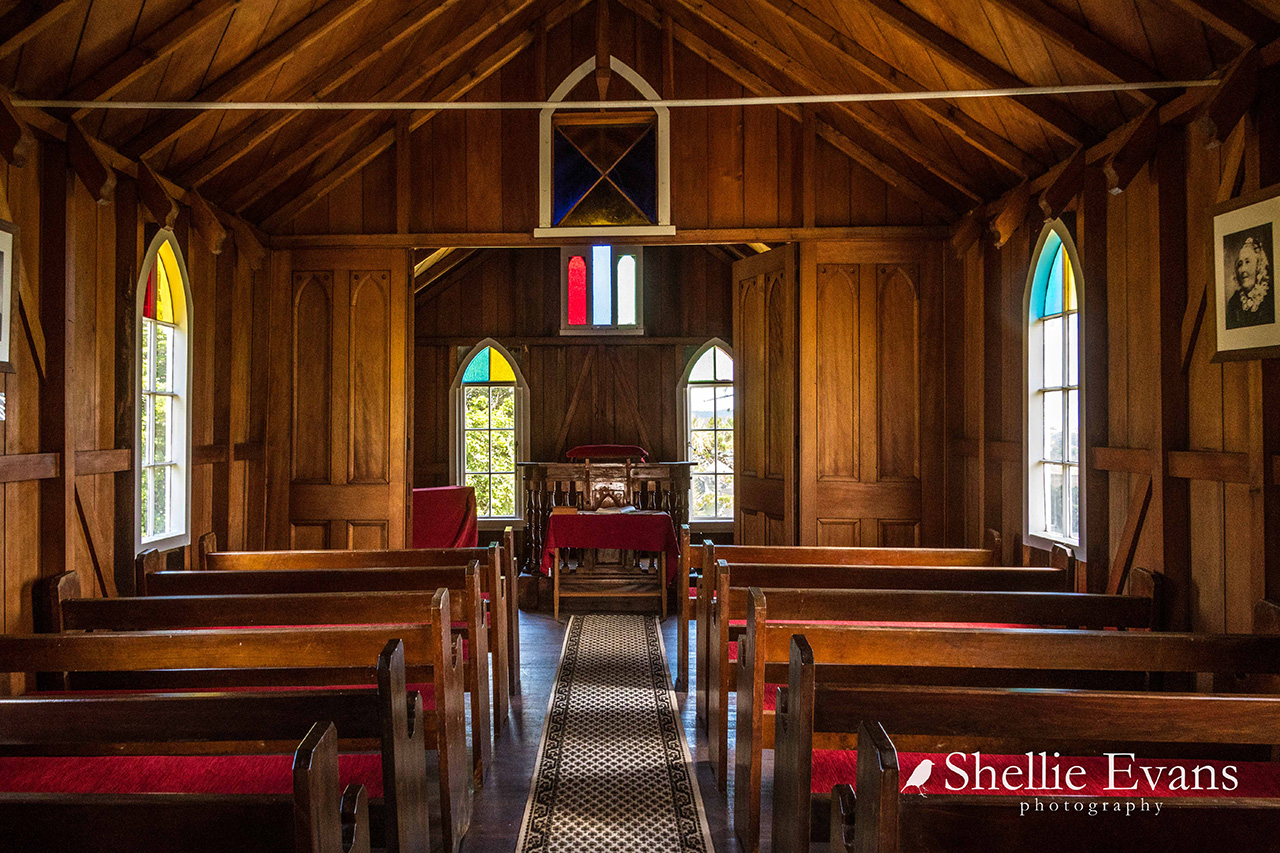
Architectural Quality: The architectural style of the Minniesdale Chapel was probably chosen because of the great influence that the Cambridge Camden Society was exerting on English ecclesiastical architecture at the time that it was built. This is especially so as the framework was prefabricated in England and then shipped to New Zealand. The Camden Society, although made up of members of the Church of England, eventually influenced many people to believe that the Gothic style was 'the only true Christian architecture'. Nothing was to be built for mere show and 'in God's House everything should be real' with beams and rafters exposed. There was to be a chancel, a nave and a porch - the porch having a liturgical purpose in Anglican ceremony but being there only as a shelter in a Baptist chapel such as Minniesdale. Ideally the chancel was one-third of the length of the nave and was to be distinct from the body of the church - especially when viewed from the interior. In the Minniesdale Chapel this distinction is visible from both the interior, by means of the dividing doors, and the exterior where the roof line over the chancel is lower than that of the main body of the church. The Camden Society also decreed that the roof must be pitched no less than 60 degrees and that, if the church was not built in a cross shape, it was preferable that the tower or belfry should be set at the west end. That New Zealand colonial church architects accepted these criteria to a very large degree is evidenced by churches built about the same time as the Minniesdale Chapel e.g. Church of St John the Baptist, Waimate North (1871), St James, Kerikeri (1878) or St Stephens Chapel, Parnell (1857). The Minniesdale Chapel does not conform in all its aspects to the Camden Society model. The pitch of its roof is lower than 60 deg and its belfry is placed at the north eastern end of the building. However, in other aspects of its design it does conform.
Why is this place significant?
Historic Significance
Historical Significance or Value This chapel at Wharehine is a tangible link between the present community and the 19th century settlers from industrial Britain whose religious beliefs led them to attempt to establish a new community in rural New Zealand.
Physical Significance
Architectural Quality: The architectural style of the Minniesdale Chapel was probably chosen because of the great influence that the Cambridge Camden Society was exerting on English ecclesiastical architecture at the time that it was built. This is especially so as the framework was prefabricated in England and then shipped to New Zealand. The Camden Society, although made up of members of the Church of England, eventually influenced many people to believe that the Gothic style was 'the only true Christian architecture'. Nothing was to be built for mere show and 'in God's House everything should be real' with beams and rafters exposed. There was to be a chancel, a nave and a porch - the porch having a liturgical purpose in Anglican ceremony but being there only as a shelter in a Baptist chapel such as Minniesdale. Ideally the chancel was one-third of the length of the nave and was to be distinct from the body of the church - especially when viewed from the interior. In the Minniesdale Chapel this distinction is visible from both the interior, by means of the dividing doors, and the exterior where the roof line over the chancel is lower than that of the main body of the church. The Camden Society also decreed that the roof must be pitched no less than 60 degrees and that, if the church was not built in a cross shape, it was preferable that the tower or belfry should be set at the west end. That New Zealand colonial church architects accepted these criteria to a very large degree is evidenced by churches built about the same time as the Minniesdale Chapel e.g. Church of St John the Baptist, Waimate North (1871), St James, Kerikeri (1878) or St Stephens Chapel, Parnell (1857). The Minniesdale Chapel does not conform in all its aspects to the Camden Society model. The pitch of its roof is lower than 60 deg and its belfry is placed at the north eastern end of the building. However, in other aspects of its design it does conform.
Construction Details
Start Year
1872
Type
Modification
Description
The open porch had outer doors added to the Gothic opening in 1872.
Start Year
1867
Type
Original Construction
Construction Materials
Wooden piles on concrete footings; timber frame; corrugated iron roof; exterior cladding Kauri.
Construction Details
Start Year
1872
Type
Modification
Description
The open porch had outer doors added to the Gothic opening in 1872.
Start Year
1867
Type
Original Construction
Construction Materials
Wooden piles on concrete footings; timber frame; corrugated iron roof; exterior cladding Kauri.
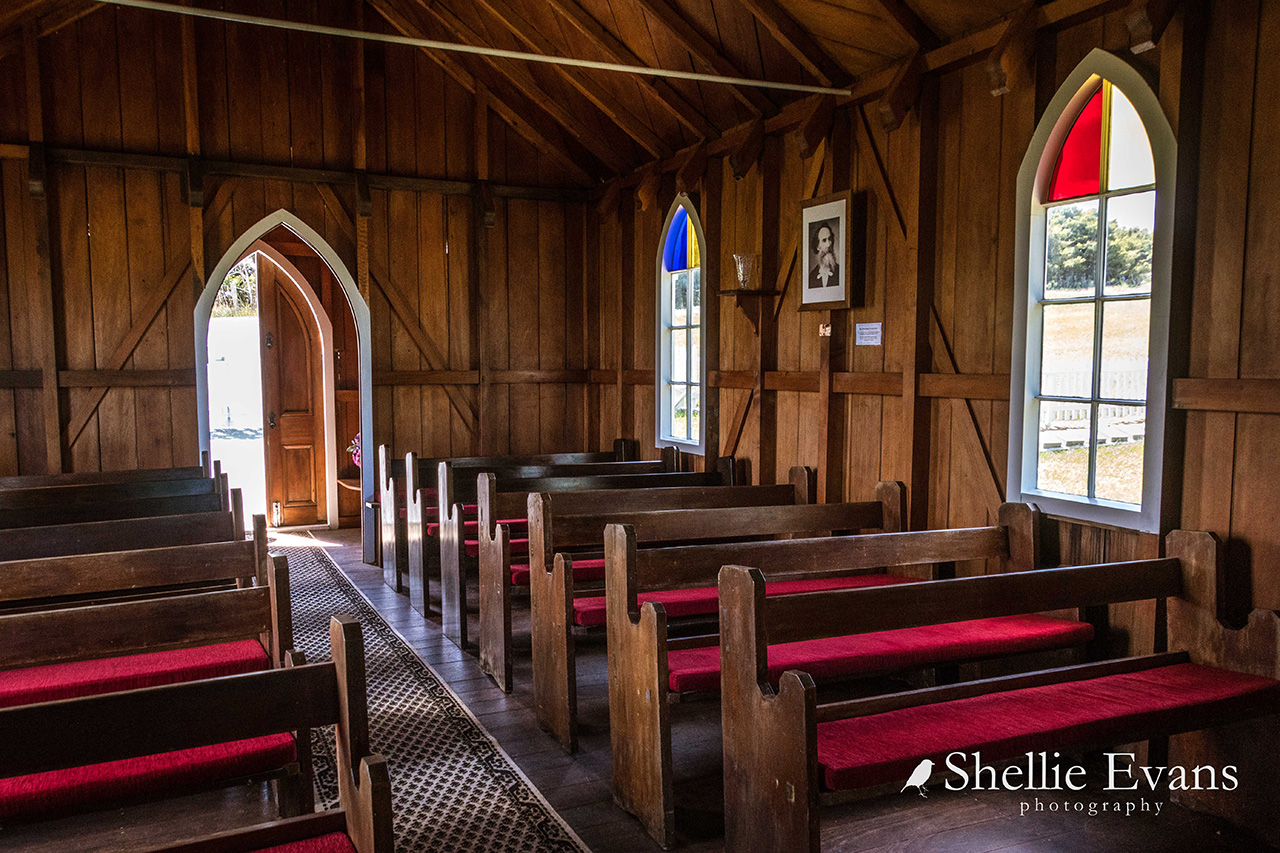
Architect/Engineer/Designer: Unknown but possibly the Reverend Edwin Brookes (1811-1889) Architectural Description (Style): The style of the Minniesdale Chapel is Carpenter Gothic which is achieved by the Gothic arch of the doors and windows, and the Gothic detailing on the folding doors which divide the nave from the chancel. The detailing is repeated on the eave decoration. The interior framing timbers are exposed. The building has a small porch, a nave, and a chancel divided from the nave by wooden folding doors. These areas are defined further on the interior by the broken gabled roof line.
Architect/Engineer/Designer: Unknown but possibly the Reverend Edwin Brookes (1811-1889) Architectural Description (Style): The style of the Minniesdale Chapel is Carpenter Gothic which is achieved by the Gothic arch of the doors and windows, and the Gothic detailing on the folding doors which divide the nave from the chancel. The detailing is repeated on the eave decoration. The interior framing timbers are exposed. The building has a small porch, a nave, and a chancel divided from the nave by wooden folding doors. These areas are defined further on the interior by the broken gabled roof line.
Historical and Associated Iwi / Hapū / Whānau
Information Sources
Weekly News
Weekly News
Fleming, 1980
John Fleming, Hugh Honour and N. Pevsner, Dictionary of Architecture, London, 1980 The Penguin Dictionary of Architecture, Third Edition, Harmondsworth 1980
Mabett, 1968
H. Mabett Wellsford - Tidal Creek to Gum Ridge, Wellsford 1968
Minniesdale Chapel Archives
Minniesdale Chapel Archives
Other Information
This historic place was registered under the Historic Places Act 1980. This report includes the text from the original Building Classification Committee report considered by the NZHPT Board at the time of registration. Please note that entry on the New Zealand Heritage List/Rarangi Korero identifies only the heritage values of the property concerned, and should not be construed as advice on the state of the property, or as a comment of its soundness or safety, including in regard to earthquake risk, safety in the event of fire, or insanitary conditions.
Historical and Associated Iwi / Hapū / Whānau
Information Sources
Weekly News
Weekly News
Fleming, 1980
John Fleming, Hugh Honour and N. Pevsner, Dictionary of Architecture, London, 1980 The Penguin Dictionary of Architecture, Third Edition, Harmondsworth 1980
Mabett, 1968
H. Mabett Wellsford - Tidal Creek to Gum Ridge, Wellsford 1968
Minniesdale Chapel Archives
Minniesdale Chapel Archives
Other Information
This historic place was registered under the Historic Places Act 1980. This report includes the text from the original Building Classification Committee report considered by the NZHPT Board at the time of registration. Please note that entry on the New Zealand Heritage List/Rarangi Korero identifies only the heritage values of the property concerned, and should not be construed as advice on the state of the property, or as a comment of its soundness or safety, including in regard to earthquake risk, safety in the event of fire, or insanitary conditions.
Former Usages
General Usage: Religion
Specific Usage: Chapel
Former Usages
General Usage: Religion
Specific Usage: Chapel
Location
Sign up to hear more
Get the latest heritage news, features and events delivered
straight to your inbox.
