Quick links


Quick links
Quick links
Quick links
Quick links
Quick links
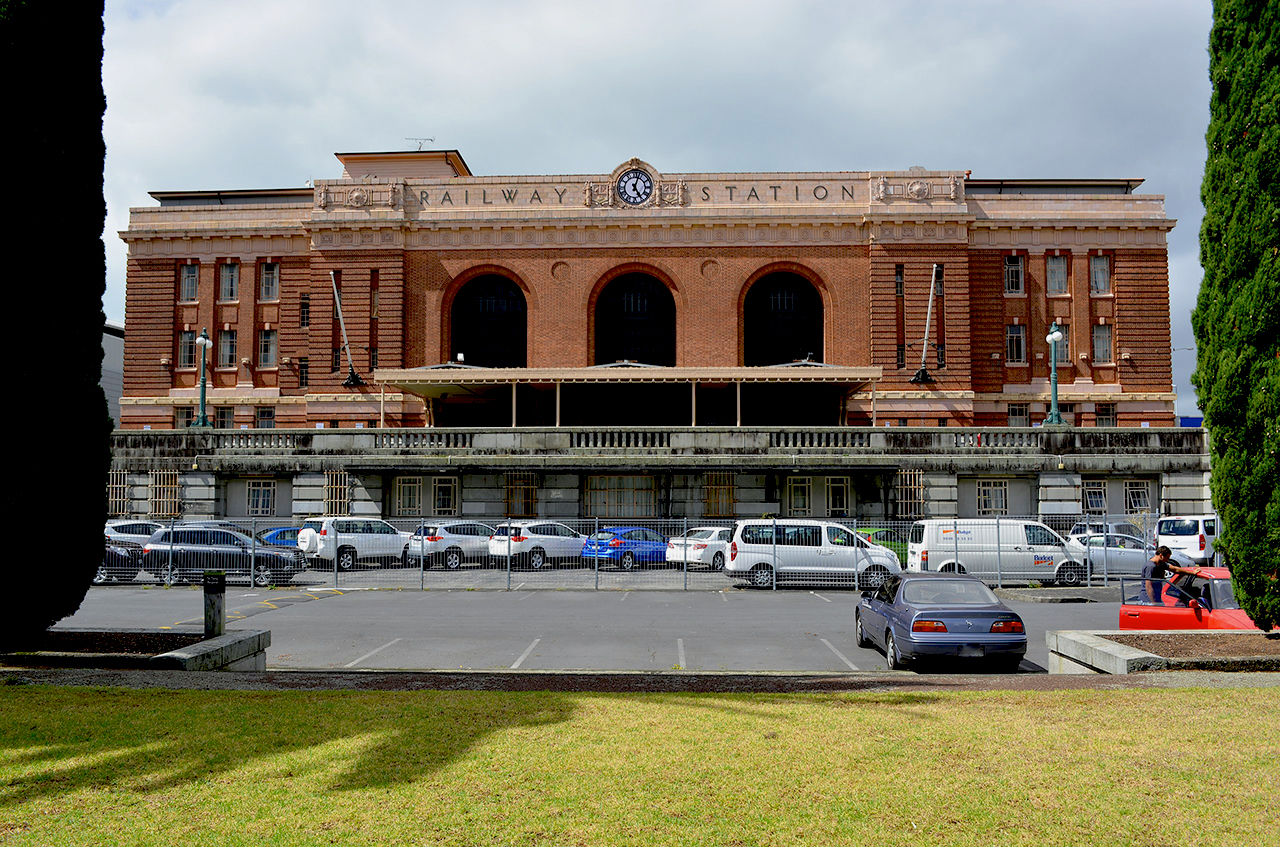
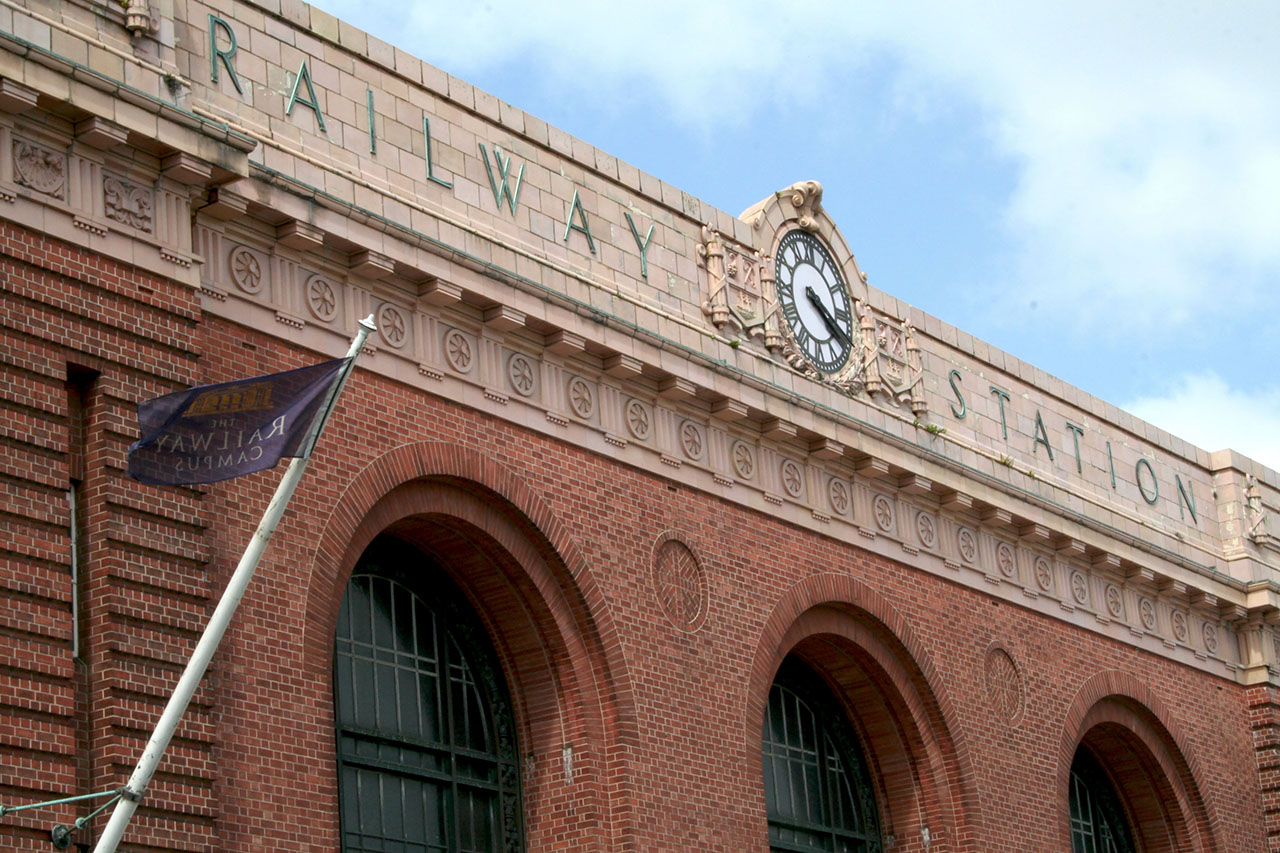
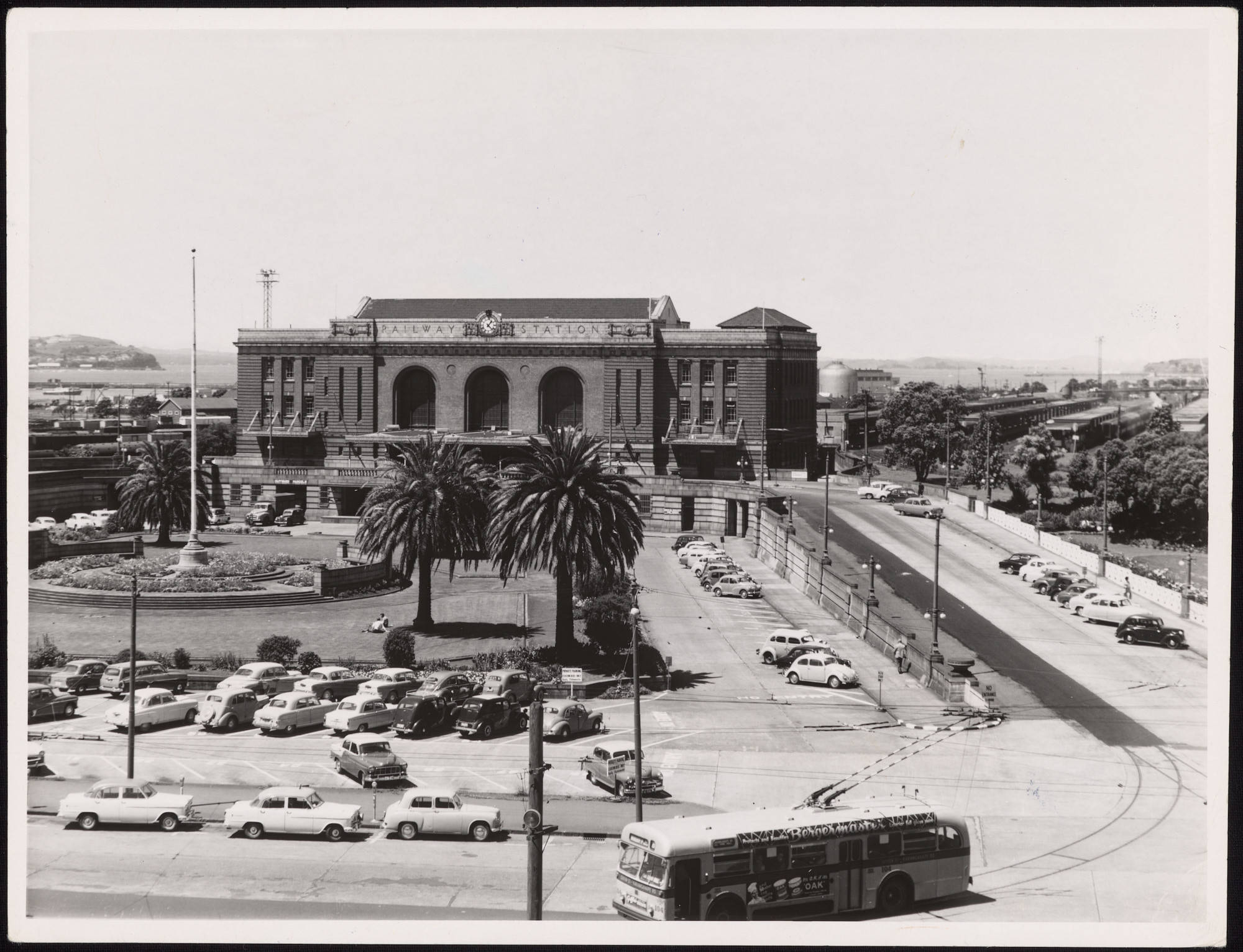
132-148 Beach Road, AUCKLAND
Private
Historic Place Category 1
List No. 93
List Entry Information
Status
Listed
List Entry Status
Historic Place Category 1
Access
Private/No Public Access
List Number
93
Date Entered
29th November 1985
Date of Effect
29th November 1985
City/District Council
Auckland Council
Region
Auckland Council
Legal description
Lot 50 DP 189217
Status
Listed
List Entry Status
Historic Place Category 1
Access
Private/No Public Access
List Number
93
Date Entered
29th November 1985
Date of Effect
29th November 1985
City/District Council
Auckland Council
Region
Auckland Council
Legal description
Lot 50 DP 189217
Construction Professional
Name
J. T. Julian and Son
Type
Builder
Biography
No biography is currently available for this construction professional
Name
Gummer & Ford
Type
Architectural Partnership
Biography
The architectural partnership of Gummer and Ford was established in 1923, and became one of national importance. William Henry Gummer (1884-1966) was articled to W.A. Holman, an Auckland architect, and was elected as an Associate of the Royal Institute of British Architects in 1910. In the period 1908-1913 he travelled in the United Kingdom, Europe and the United States. During this time he worked for Sir Edwin Lutyens, leading English architect of the time, and for Daniel Burnham in Chicago. Burnham was a major American architect and one of the founders of the influential Chicago School of Architecture. Gummer joined the firm of Hoggard and Prouse of Auckland and Wellington in 1913. In 1914 he was elected a Fellow of the New Zealand Institute of Architects, was president of the Institute from 1933-34 and was later elected a life member. Charles Reginald Ford (1880- 1972) was born in England and served in the Royal Navy. He was later with Captain Scott's 1901-1904 expedition to Antarctica. He trained as an architect working in Wanganui as an engineer. In 1926 he wrote the first treatise on earthquake and building construction in the English language. Ford was president of the New Zealand Institute of Architects from 1921-22. Buildings designed by the partnership include the State Insurance Building Wellington, (1940) the Dilworth Building (1926), the Guardian Trust Building and the Domain Wintergardens (1921 and 1928), all in Auckland, and the Dominion Museum (1936) in Wellington. Gummer and Ford were awarded Gold Medals from the New Zealand Institute of Architects for the designs of Auckland Railway Station and Remuera Library. Gummer was one of the most outstanding architects working in New Zealand in the first half of this century and was responsible for the stylistically and structurally advanced Tauroa (1916), Craggy Range (1919), Arden (1926), and Te Mata (1935) homesteads at Havelock North.
Construction Details
Start Year
1901
Finish Year
1910
Type
Other
Description
Reclamation of land
Start Year
1928
Finish Year
1930
Type
Original Construction
Description
Construction of Auckland Railway Station
Start Year
1943
Type
Addition
Description
Extension of east wing
Start Year
1998
Finish Year
1999
Type
Modification
Description
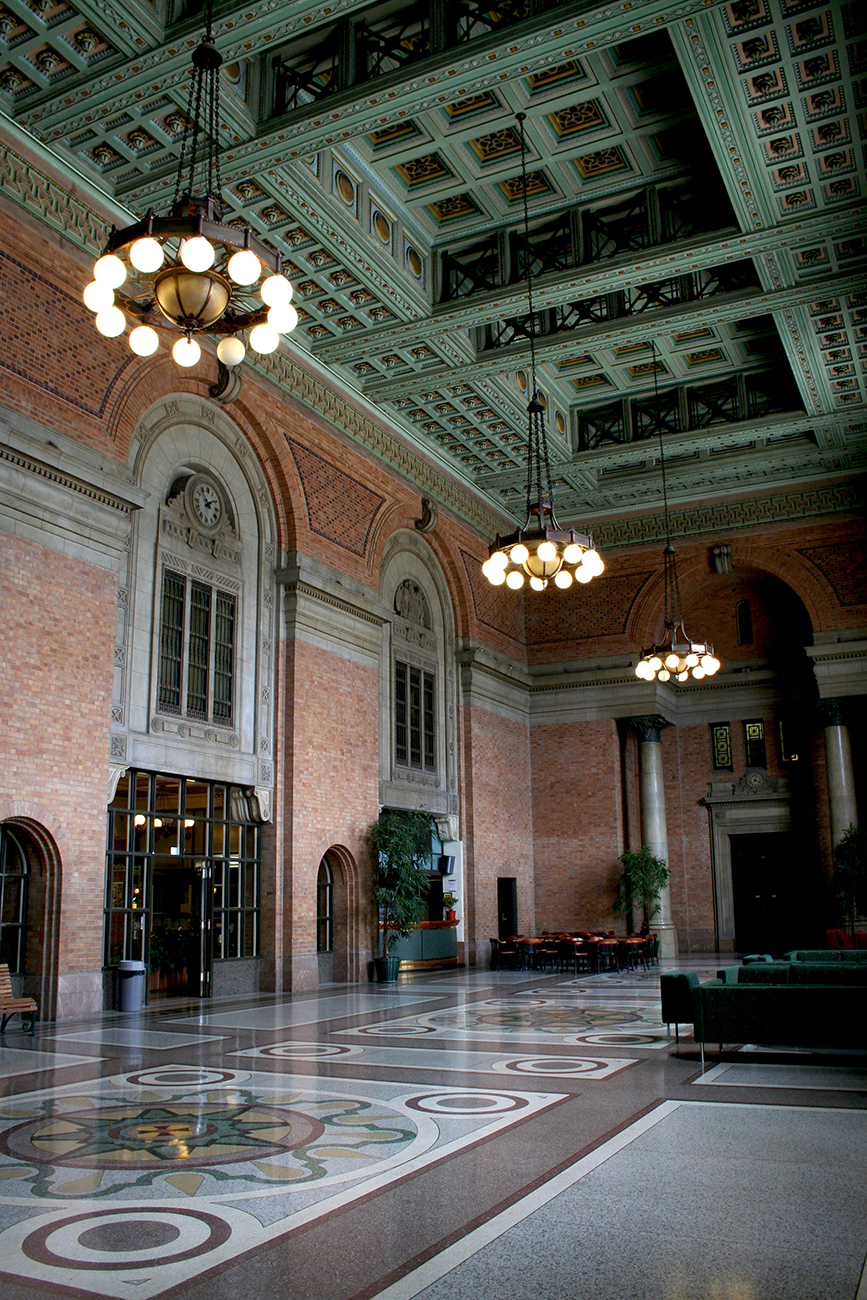
Internal modifications and conservation
Notable Features
Registration covers the building, its fixtures and finishes, and includes recent modifications. It also includes its conjoining underpass, platforms, platform shelters and other structures. The building lies on reclaimed land in Mechanic's Bay
Construction Professional
Name
J. T. Julian and Son
Type
Builder
Biography
No biography is currently available for this construction professional
Name
Gummer & Ford
Type
Architectural Partnership
Biography
The architectural partnership of Gummer and Ford was established in 1923, and became one of national importance. William Henry Gummer (1884-1966) was articled to W.A. Holman, an Auckland architect, and was elected as an Associate of the Royal Institute of British Architects in 1910. In the period 1908-1913 he travelled in the United Kingdom, Europe and the United States. During this time he worked for Sir Edwin Lutyens, leading English architect of the time, and for Daniel Burnham in Chicago. Burnham was a major American architect and one of the founders of the influential Chicago School of Architecture. Gummer joined the firm of Hoggard and Prouse of Auckland and Wellington in 1913. In 1914 he was elected a Fellow of the New Zealand Institute of Architects, was president of the Institute from 1933-34 and was later elected a life member. Charles Reginald Ford (1880- 1972) was born in England and served in the Royal Navy. He was later with Captain Scott's 1901-1904 expedition to Antarctica. He trained as an architect working in Wanganui as an engineer. In 1926 he wrote the first treatise on earthquake and building construction in the English language. Ford was president of the New Zealand Institute of Architects from 1921-22. Buildings designed by the partnership include the State Insurance Building Wellington, (1940) the Dilworth Building (1926), the Guardian Trust Building and the Domain Wintergardens (1921 and 1928), all in Auckland, and the Dominion Museum (1936) in Wellington. Gummer and Ford were awarded Gold Medals from the New Zealand Institute of Architects for the designs of Auckland Railway Station and Remuera Library. Gummer was one of the most outstanding architects working in New Zealand in the first half of this century and was responsible for the stylistically and structurally advanced Tauroa (1916), Craggy Range (1919), Arden (1926), and Te Mata (1935) homesteads at Havelock North.
Construction Details
Start Year
1901
Finish Year
1910
Type
Other
Description
Reclamation of land
Start Year
1928
Finish Year
1930
Type
Original Construction
Description
Construction of Auckland Railway Station
Start Year
1943
Type
Addition
Description
Extension of east wing
Start Year
1998
Finish Year
1999
Type
Modification
Description
Internal modifications and conservation
Notable Features
Registration covers the building, its fixtures and finishes, and includes recent modifications. It also includes its conjoining underpass, platforms, platform shelters and other structures. The building lies on reclaimed land in Mechanic's Bay
Historical and Associated Iwi / Hapū / Whānau
Completion Date
15th August 2001
Report Written By
Martin Jones
Information Sources
Clough, 1997
Rod Clough and Don Prince, 'Quay Park Development: Archaeological Monitoring', Auckland, 1997 (held by NZHPT, Auckland)
Mahoney, 1987
J. D. Mahoney, Down at the Station: A Study of the New Zealand Railway Station, Palmerston North, 1987
Thornton, 1996
Geoffrey Thornton, Cast in Concrete: Concrete Construction in New Zealand 1850-1939, Auckland, 1996
Conservation Plan
Conservation Plan
Other Information
This place was identified as significant under previous legislation with different information requirements. It remains significant under the current legislation. There is opportunity under our legislation and policies to add to this information. Further information about this place may be available from the Northern Regional Office of Heritage New Zealand Pouhere Taonga. NZIA Gold Award Winners 1931 Please note that entry on the New Zealand Heritage List/Rarangi Korero identifies only the heritage values of the property concerned, and should not be construed as advice on the state of the property, or as a comment of its soundness or safety, including in regard to earthquake risk, safety in the event of fire, or insanitary conditions.
Historical and Associated Iwi / Hapū / Whānau
Completion Date
15th August 2001
Report Written By
Martin Jones
Information Sources
Clough, 1997
Rod Clough and Don Prince, 'Quay Park Development: Archaeological Monitoring', Auckland, 1997 (held by NZHPT, Auckland)
Mahoney, 1987
J. D. Mahoney, Down at the Station: A Study of the New Zealand Railway Station, Palmerston North, 1987
Thornton, 1996
Geoffrey Thornton, Cast in Concrete: Concrete Construction in New Zealand 1850-1939, Auckland, 1996
Conservation Plan
Conservation Plan
Other Information
This place was identified as significant under previous legislation with different information requirements. It remains significant under the current legislation. There is opportunity under our legislation and policies to add to this information. Further information about this place may be available from the Northern Regional Office of Heritage New Zealand Pouhere Taonga. NZIA Gold Award Winners 1931 Please note that entry on the New Zealand Heritage List/Rarangi Korero identifies only the heritage values of the property concerned, and should not be construed as advice on the state of the property, or as a comment of its soundness or safety, including in regard to earthquake risk, safety in the event of fire, or insanitary conditions.
Current Usages
Uses: Civic Facilities
Specific Usage: Residential Buildings - other
Former Usages
General Usage: Transport
Specific Usage: Railway station/ platform/ refreshment room
Themes
North Island Main Trunk Line
Current Usages
Uses: Civic Facilities
Specific Usage: Residential Buildings - other
Former Usages
General Usage: Transport
Specific Usage: Railway station/ platform/ refreshment room
Themes
North Island Main Trunk Line
Location
Get the latest heritage news, features and events delivered
straight to your inbox.
