

List Entry Information
Status
Listed
List Entry Status
Historic Place Category 1
Access
Private/No Public Access
List Number
204
Date Entered
21st September 1989
Date of Effect
21st September 1989
City/District Council
Masterton District
Region
Wellington Region
Legal description
Pt Sec 14 Mauriceville Sett Blk XIII Mangaone SD
Status
Listed
List Entry Status
Historic Place Category 1
Access
Private/No Public Access
List Number
204
Date Entered
21st September 1989
Date of Effect
21st September 1989
City/District Council
Masterton District
Region
Wellington Region
Legal description
Pt Sec 14 Mauriceville Sett Blk XIII Mangaone SD
Why is this place significant?
Historic Significance
Historical Significance or Value This historic place was registered under the Historic Places Act 1980. This report includes the text from the original Building Classification Committee report considered by the NZHPT Board at the time of registration. The Mauriceville area was settled in the early 1870s by an exclusively Scandinavian people under Vogel's immigration policy. Most of the immigrants arrived on board the 'England' in March 1872, and settled in the north of the district. In 1879 a church site of 5 acres was acquired and cleared of bush. In 1880 Otto Christoffensen was appointed Methodist Home Minister, and he designed and built the church to hold seventy persons. Mauriceville North and Eketahuna were constituted a "Home Mission Station" in 1891. Services were held in English from 1892, and in 1894 Mauriceville North was made a circuit and a minister was stationed there to service it. Each year, in July, an anniversary service is held in the church.
Physical Significance
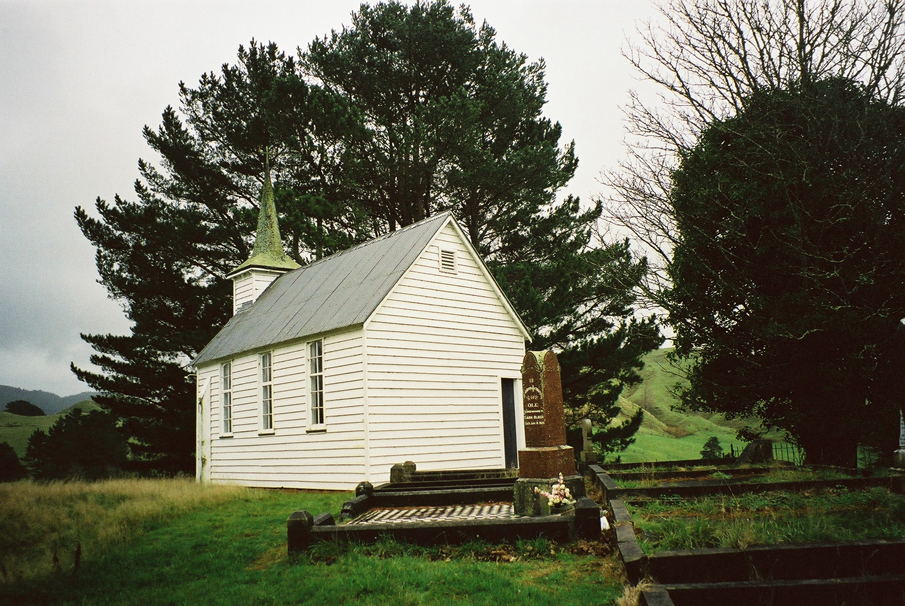
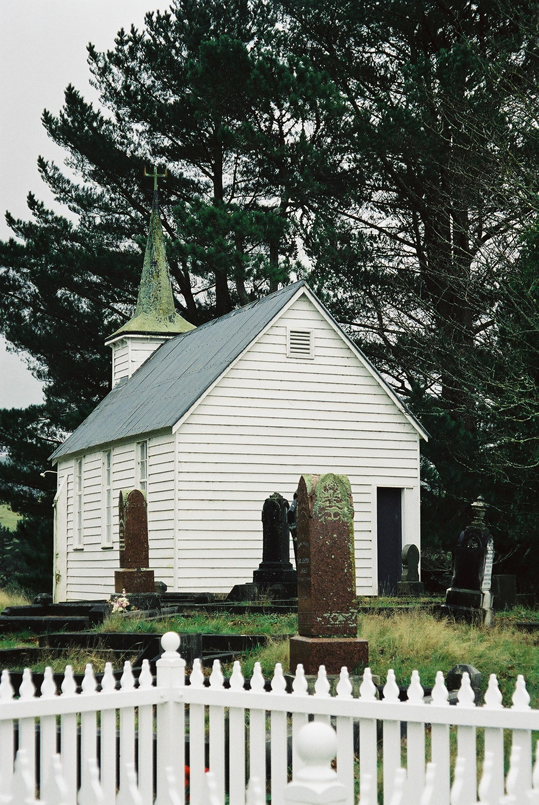
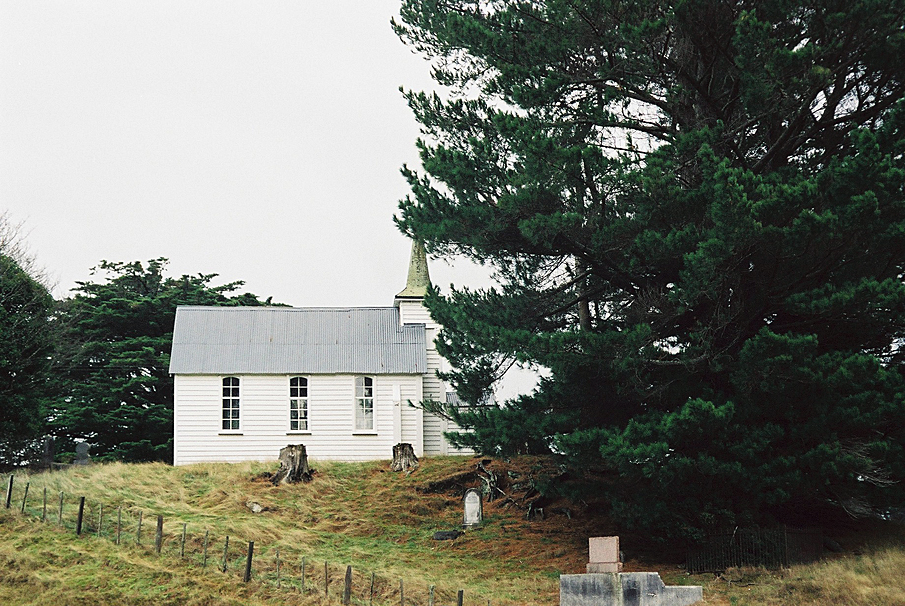
This historic place was registered under the Historic Places Act 1980. This report includes the text from the original Building Classification Committee report considered by the NZHPT Board at the time of registration. ARCHITECTURAL SIGNIFICANCE: The church is an interesting example of non-conformist Gothic architecture, as it has its main entrance through the side rather than the front which was conventional. Wesleyan Methodists were consistent users of Gothic for church architecture in Britain in Victorian times, and congregational chapels were distinguished by steep tall spires. This church reflects, however, Norwegian architectural lines, in keeping with the congregation's heritage and the minister's knowledge. TOWNSCAPE/LANDMARK SIGNIFICANCE: The church's siting on the crest of a hill makes it a minor landmark in the district.
Why is this place significant?
Historic Significance
Historical Significance or Value This historic place was registered under the Historic Places Act 1980. This report includes the text from the original Building Classification Committee report considered by the NZHPT Board at the time of registration. The Mauriceville area was settled in the early 1870s by an exclusively Scandinavian people under Vogel's immigration policy. Most of the immigrants arrived on board the 'England' in March 1872, and settled in the north of the district. In 1879 a church site of 5 acres was acquired and cleared of bush. In 1880 Otto Christoffensen was appointed Methodist Home Minister, and he designed and built the church to hold seventy persons. Mauriceville North and Eketahuna were constituted a "Home Mission Station" in 1891. Services were held in English from 1892, and in 1894 Mauriceville North was made a circuit and a minister was stationed there to service it. Each year, in July, an anniversary service is held in the church.
Physical Significance
This historic place was registered under the Historic Places Act 1980. This report includes the text from the original Building Classification Committee report considered by the NZHPT Board at the time of registration. ARCHITECTURAL SIGNIFICANCE: The church is an interesting example of non-conformist Gothic architecture, as it has its main entrance through the side rather than the front which was conventional. Wesleyan Methodists were consistent users of Gothic for church architecture in Britain in Victorian times, and congregational chapels were distinguished by steep tall spires. This church reflects, however, Norwegian architectural lines, in keeping with the congregation's heritage and the minister's knowledge. TOWNSCAPE/LANDMARK SIGNIFICANCE: The church's siting on the crest of a hill makes it a minor landmark in the district.
Construction Professional
Name
Christoffenson, Pastor Otto
Type
Architect
Biography
Christoffenson was appointed Methodist Home Missioner to the Mauriceville North Settlement in 1880, remaining there until 1883. During this time he designed the Mauriceville North Church (1881). This was for the use of the formerly Lutheran Norwegians living over North hill and separate from the Danes at Mauriceville West.
Construction Details
Start Year
1881
Type
Original Construction
Start Year
1900
Type
Other
Description
Repairs by J.F. Baillie & Sons, Eketahuna
Start Year
1907
Type
Modification
Description
Communion-rail shortened
Start Year
1956
Type
Modification
Description
Roof tiles replaced by iron
Start Year
1966
Finish Year
1982
Type
Modification
Description
Church steeple covered by iron by Trustees and helpers.
Construction Materials
Timber with iron roof - originally wooden shingles.
Notable Features
Bell tower with a conical tower, gallery railing and the Scandinavian cross on the top of the spire.
Construction Professional
Name
Christoffenson, Pastor Otto
Type
Architect
Biography
Christoffenson was appointed Methodist Home Missioner to the Mauriceville North Settlement in 1880, remaining there until 1883. During this time he designed the Mauriceville North Church (1881). This was for the use of the formerly Lutheran Norwegians living over North hill and separate from the Danes at Mauriceville West.
Construction Details
Start Year
1881
Type
Original Construction
Start Year
1900
Type
Other
Description
Repairs by J.F. Baillie & Sons, Eketahuna
Start Year
1907
Type
Modification
Description
Communion-rail shortened
Start Year
1956
Type
Modification
Description
Roof tiles replaced by iron
Start Year
1966
Finish Year
1982
Type
Modification
Description
Church steeple covered by iron by Trustees and helpers.
Construction Materials
Timber with iron roof - originally wooden shingles.
Notable Features
Bell tower with a conical tower, gallery railing and the Scandinavian cross on the top of the spire.
This historic place was registered under the Historic Places Act 1980. This report includes the text from the original Building Classification Committee report considered by the NZHPT Board at the time of registration. ARCHITECTURAL DESCRIPTION (STYLE): This is a longitudinal plan Gothic Revival Church, measuring 30ft x 18ft with a height of 22ft. There is a bell tower with a conical spire at the western end, and the entrance to the church is through a side door into this tower. The nave is three bays long with a gallery for the choir and central aisle.
This historic place was registered under the Historic Places Act 1980. This report includes the text from the original Building Classification Committee report considered by the NZHPT Board at the time of registration. ARCHITECTURAL DESCRIPTION (STYLE): This is a longitudinal plan Gothic Revival Church, measuring 30ft x 18ft with a height of 22ft. There is a bell tower with a conical spire at the western end, and the entrance to the church is through a side door into this tower. The nave is three bays long with a gallery for the choir and central aisle.
Historical and Associated Iwi / Hapū / Whānau
Completion Date
18th April 1989
Information Sources
Morley, 1900
Rev. William Morley, The History of Methodism in New Zealand, Wellington, 1900
Greytown Glimpses
Greytown Glimpses
Laurenson, 1955
Laurenson, George (1955): The Scandinavian Mission of the Methodist Church of New Zealand 1872-1894.
Other Information
A copy of this report is available from the NZHPT Central Region office Please note that entry on the New Zealand Heritage List/Rarangi Korero identifies only the heritage values of the property concerned, and should not be construed as advice on the state of the property, or as a comment of its soundness or safety, including in regard to earthquake risk, safety in the event of fire, or insanitary conditions.
Historical and Associated Iwi / Hapū / Whānau
Completion Date
18th April 1989
Information Sources
Morley, 1900
Rev. William Morley, The History of Methodism in New Zealand, Wellington, 1900
Greytown Glimpses
Greytown Glimpses
Laurenson, 1955
Laurenson, George (1955): The Scandinavian Mission of the Methodist Church of New Zealand 1872-1894.
Other Information
A copy of this report is available from the NZHPT Central Region office Please note that entry on the New Zealand Heritage List/Rarangi Korero identifies only the heritage values of the property concerned, and should not be construed as advice on the state of the property, or as a comment of its soundness or safety, including in regard to earthquake risk, safety in the event of fire, or insanitary conditions.
Current Usages
Uses: Religion
Specific Usage: Church
Former Usages
General Usage: Religion
Specific Usage: Church
Current Usages
Uses: Religion
Specific Usage: Church
Former Usages
General Usage: Religion
Specific Usage: Church
Location
Sign up to hear more
Get the latest heritage news, features and events delivered
straight to your inbox.
