

The second bridge, like the first, was designed by John Blackett as Engineer in Chief, and the contract let to Andersons Ltd of Christchurch for £14,000. John Anderson, a Canterbury Pilgrim, had established the province's first foundry in 1857. By the 1880s the firm, still in existence today, had branched out into making heavy bridge trusses and erecting them on site. Andersons Ltd became known nationwide for sound engineering design and construction and the Waiau Ferry Bridge testifies to this reputation.
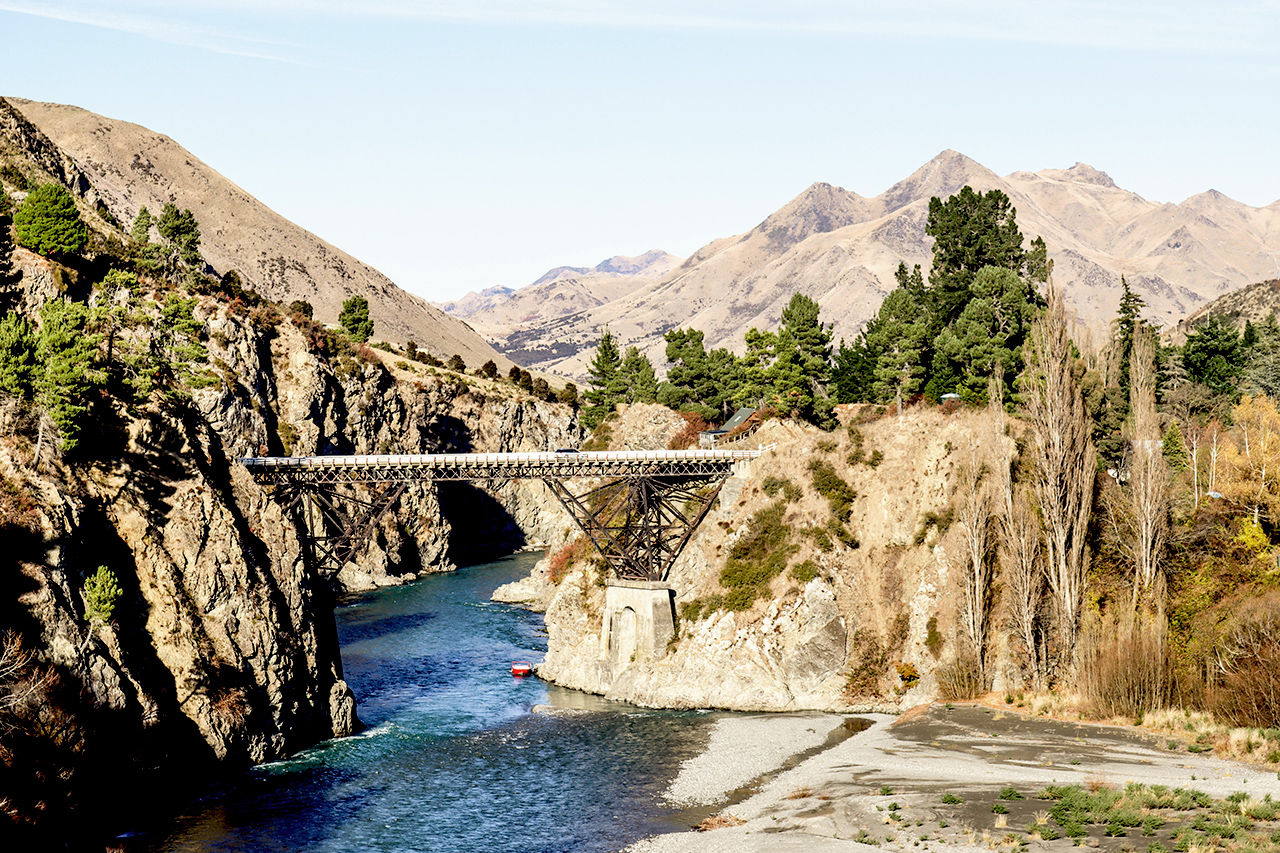
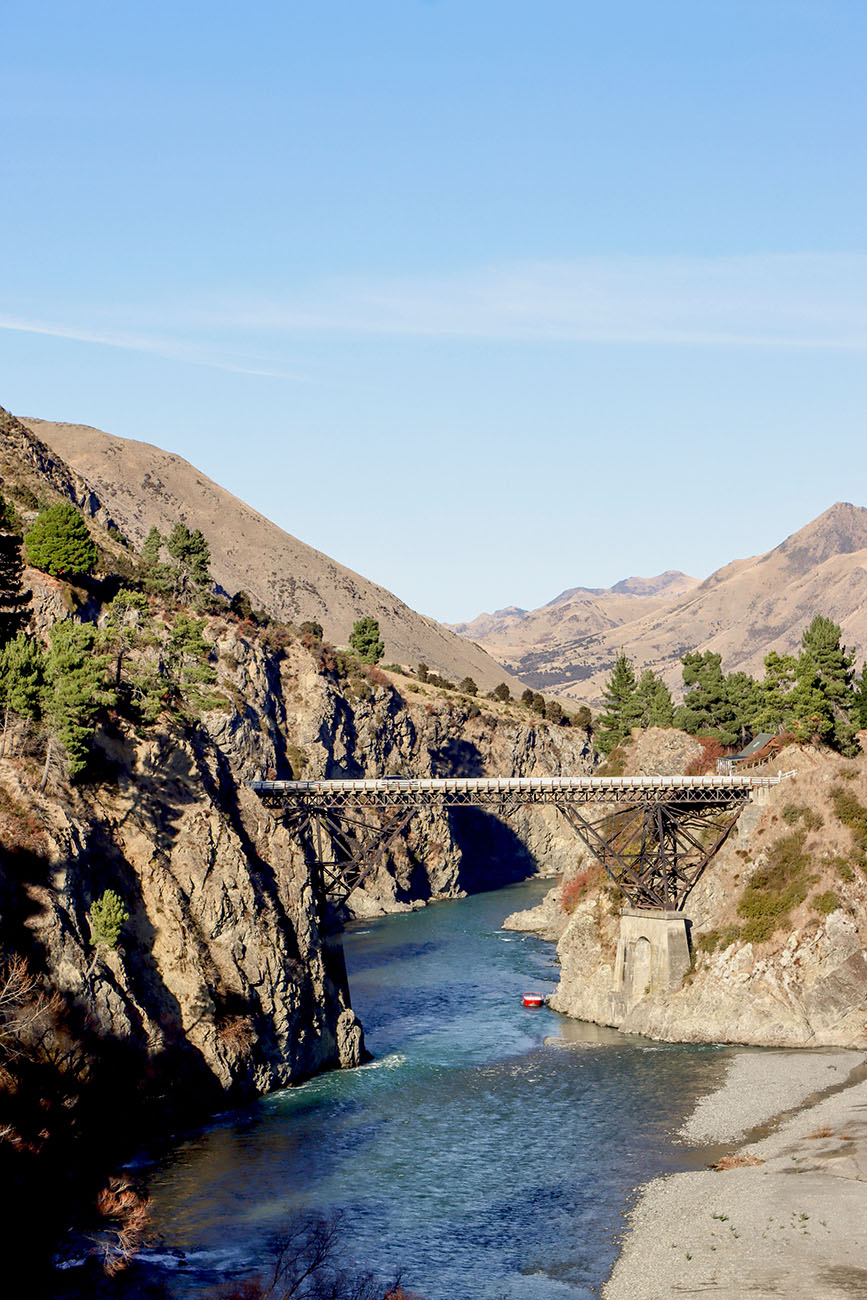
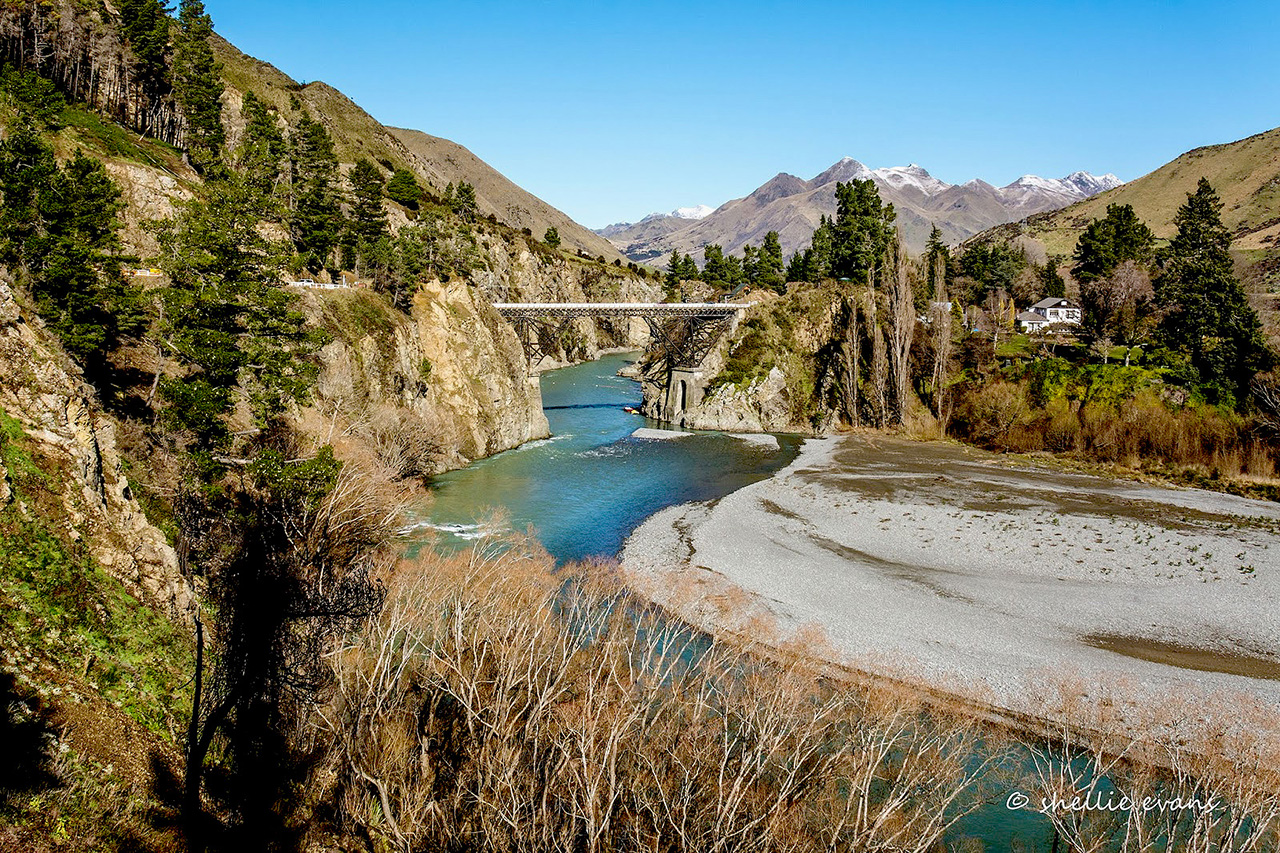
The bridge rests on two inverted triangular frames and at the time was considered 'a model of construction, economic strength, and lightness' in ironwork. It is 77.7m long and 30m above the river.
Andersons Ltd marked the opening of the bridge in 1887 with hospitality on such a lavish scale that the name Champagne Flat is still given to the site of the refreshment marquee.
The new bridge meant that travellers could visit the healing waters of Hanmer without having to risk getting swept away in the Waiau. The bridge was also an integral part of the early stock route connecting Canterbury with Nelson via Acheron and Tophouse. These factors, combined with the engineering skills involved in its construction, make the Waiau Ferry Bridge of undoubted historical significance.
List Entry Information
Status
Listed
List Entry Status
Historic Place Category 1
Access
Able to Visit
List Number
269
Date Entered
24th November 1983
Date of Effect
24th November 1983
City/District Council
Hurunui District
Region
Canterbury Region
Extent of List Entry
Extent of registration includes part of the land described as Legal Road, Canterbury Land District and the structure known as Waiau Ferry Bridge thereon, as shown on SO 654.
Legal description
Legal Road, Canterbury Land District
Status
Listed
List Entry Status
Historic Place Category 1
Access
Able to Visit
List Number
269
Date Entered
24th November 1983
Date of Effect
24th November 1983
City/District Council
Hurunui District
Region
Canterbury Region
Extent of List Entry
Extent of registration includes part of the land described as Legal Road, Canterbury Land District and the structure known as Waiau Ferry Bridge thereon, as shown on SO 654.
Legal description
Legal Road, Canterbury Land District
Construction Professional
Name
Blackett, John
Type
Engineer
Biography
John Blackett (1818-93) was one of New Zealand's leading nineteenth century civil engineers and the chief designer of many of the public works undertaken during the Vogel era. Born in Newcastle-on-Tyne, he served his apprenticeship with R. & W. Hawthorne, Engineers from 1834-40, and then became a draughtsman and office engineer with the Great Western Railway Company. In 1844 Blackett was made head engineer of a London firm of ship builders and railway contractors, and from 1846 he worked for a copper mining company in Wales. Blackett established his own practice in 1849 but two years later he emigrated to New Zealand and settled near New Plymouth. In 1856 Blackett moved to Nelson where he was appointed Provincial Engineer in 1859. Six years later he became the first Commissioner for the West Coast Goldfields. After a decade of working in the civil service at a provincial level John Blackett was appointed Marine Engineer and Acting Engineer-in-Chief for the Colony on 1 October 1870. As Marine Engineer, he was responsible for the design of twenty-five lighthouses which were erected during one of the most prolific periods of lighthouse construction in New Zealand. This achievement is considered to be his most significant contribution to engineering in this country, although his work for the Public Works Department was also very important, particularly as it related to the development of the national rail network. Engineer-in-Charge of the North Island Public Works Department from 1878, Blackett was promoted to the office of Engineer-in-Chief of New Zealand in 1884. In this capacity he ran the Engineering Branch of the Public Works Department until 1890 when he was appointed Consulting and Inspecting Engineer for the Colony, resident in London. Blackett returned to New Zealand just before his death in 1893 and he is remembered for the skill with which he realised the ambitious public works programmes fostered by Vogel and his successors.
Construction Details
Start Year
1887
Type
Original Construction
Construction Professional
Name
Blackett, John
Type
Engineer
Biography
John Blackett (1818-93) was one of New Zealand's leading nineteenth century civil engineers and the chief designer of many of the public works undertaken during the Vogel era. Born in Newcastle-on-Tyne, he served his apprenticeship with R. & W. Hawthorne, Engineers from 1834-40, and then became a draughtsman and office engineer with the Great Western Railway Company. In 1844 Blackett was made head engineer of a London firm of ship builders and railway contractors, and from 1846 he worked for a copper mining company in Wales. Blackett established his own practice in 1849 but two years later he emigrated to New Zealand and settled near New Plymouth. In 1856 Blackett moved to Nelson where he was appointed Provincial Engineer in 1859. Six years later he became the first Commissioner for the West Coast Goldfields. After a decade of working in the civil service at a provincial level John Blackett was appointed Marine Engineer and Acting Engineer-in-Chief for the Colony on 1 October 1870. As Marine Engineer, he was responsible for the design of twenty-five lighthouses which were erected during one of the most prolific periods of lighthouse construction in New Zealand. This achievement is considered to be his most significant contribution to engineering in this country, although his work for the Public Works Department was also very important, particularly as it related to the development of the national rail network. Engineer-in-Charge of the North Island Public Works Department from 1878, Blackett was promoted to the office of Engineer-in-Chief of New Zealand in 1884. In this capacity he ran the Engineering Branch of the Public Works Department until 1890 when he was appointed Consulting and Inspecting Engineer for the Colony, resident in London. Blackett returned to New Zealand just before his death in 1893 and he is remembered for the skill with which he realised the ambitious public works programmes fostered by Vogel and his successors.
Construction Details
Start Year
1887
Type
Original Construction
Historical and Associated Iwi / Hapū / Whānau
Other Information
This place was identified as significant under previous legislation with different information requirements. It remains significant under the current legislation. There is opportunity under our legislation and policies to add to this information. Further information about this place may be available from the Southern Regional Office of Heritage New Zealand Pouhere Taonga. Please note that entry on the New Zealand Heritage List/Rarangi Korero identifies only the heritage values of the property concerned, and should not be construed as advice on the state of the property, or as a comment of its soundness or safety, including in regard to earthquake risk, safety in the event of fire, or insanitary conditions. This historic place was registered under the Historic Places Act 1980. The following text is the original citation considered by the NZHPT Board at the time of registration. Information in square brackets indicate modifications made after the paper was considered by the NZHPT Board.
Historical and Associated Iwi / Hapū / Whānau
Other Information
This place was identified as significant under previous legislation with different information requirements. It remains significant under the current legislation. There is opportunity under our legislation and policies to add to this information. Further information about this place may be available from the Southern Regional Office of Heritage New Zealand Pouhere Taonga. Please note that entry on the New Zealand Heritage List/Rarangi Korero identifies only the heritage values of the property concerned, and should not be construed as advice on the state of the property, or as a comment of its soundness or safety, including in regard to earthquake risk, safety in the event of fire, or insanitary conditions. This historic place was registered under the Historic Places Act 1980. The following text is the original citation considered by the NZHPT Board at the time of registration. Information in square brackets indicate modifications made after the paper was considered by the NZHPT Board.
Former Usages
General Usage: Transport
Specific Usage: Bridge/ Viaduct
Former Usages
General Usage: Transport
Specific Usage: Bridge/ Viaduct
Location
Sign up to hear more
Get the latest heritage news, features and events delivered
straight to your inbox.
