Quick links


Quick links
Quick links
Quick links
Quick links
Quick links
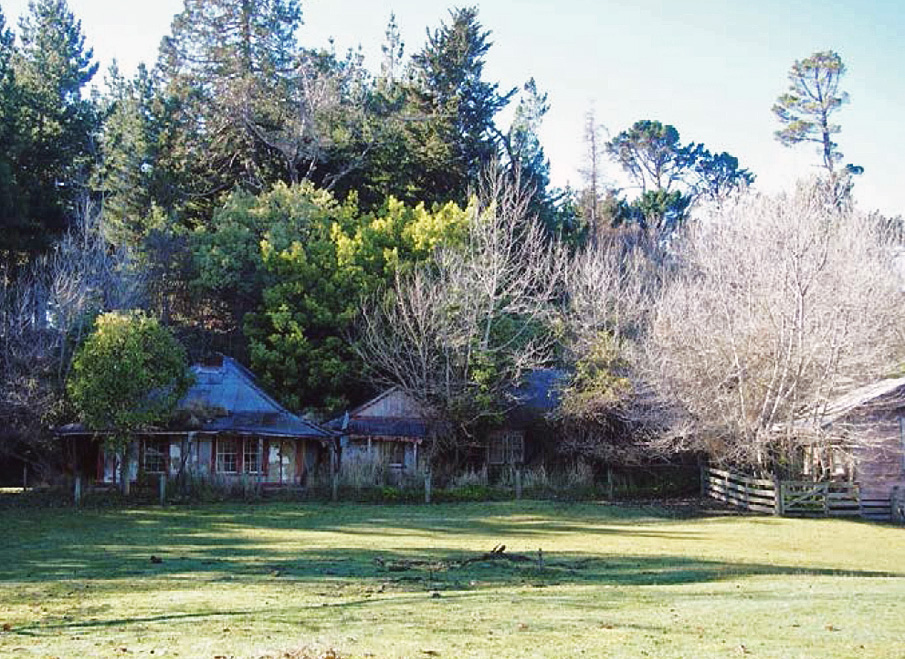
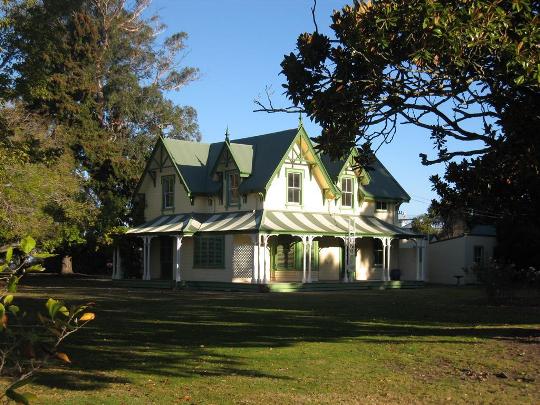
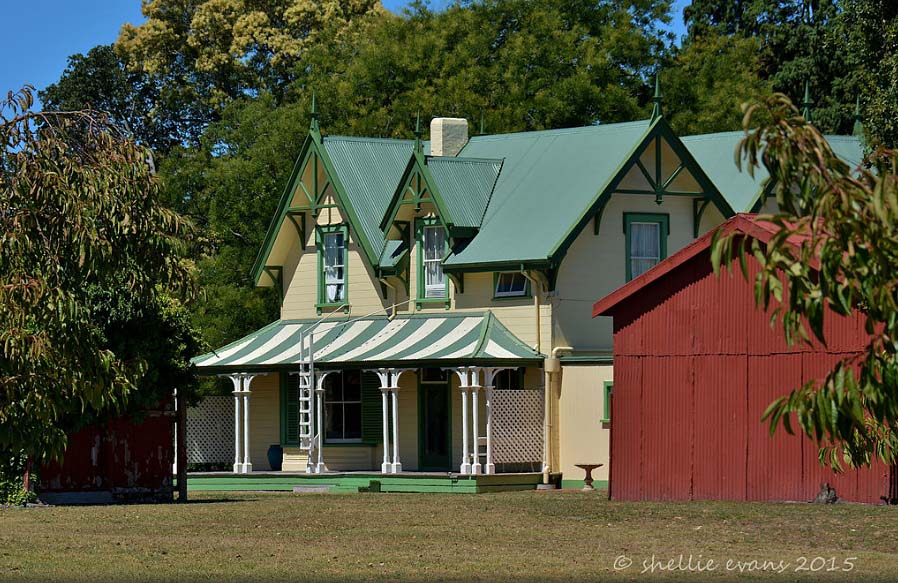
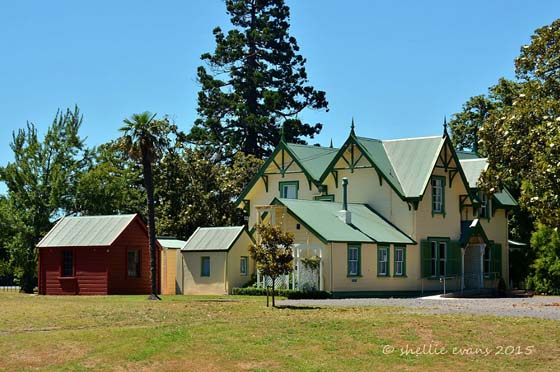
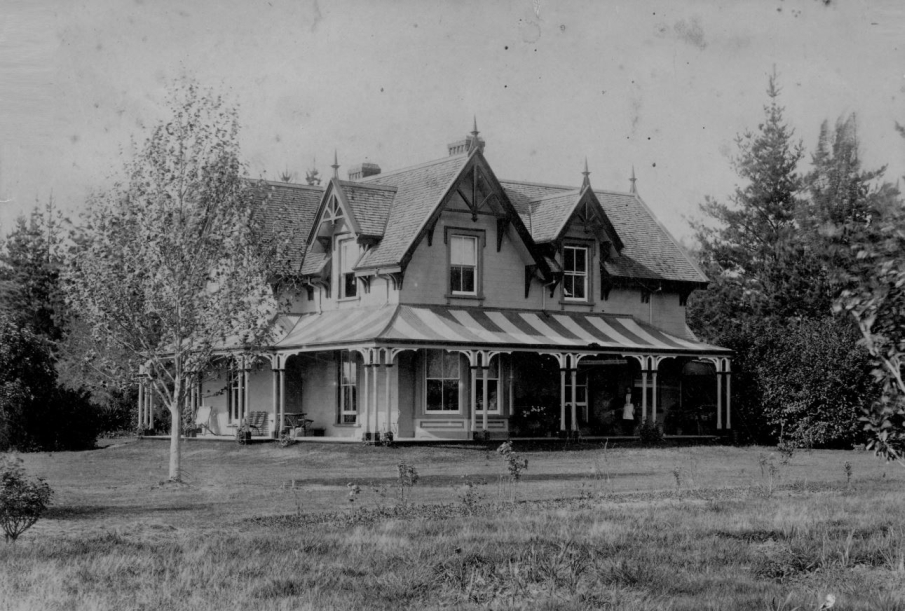
Stoneycroft
901 Omahu Road and Hastings Napier Expressway (State Highway 2), HASTINGS
Public
Historic Place Category 2
List No. 1102
Quick links:
List GalleryLocationDetails
901 Omahu Road and Hastings Napier Expressway (State Highway 2), HASTINGS
Public
Historic Place Category 2
List No. 1102
List Entry Information
Status
Listed
List Entry Status
Historic Place Category 2
Access
Able to Visit
List Number
1102
Date Entered
7th April 1983
Date of Effect
7th April 1983
City/District Council
Hastings District
Region
Hawke's Bay Region
Extent of List Entry
Extent includes the land described as Lot 1 DP 22834 (RT HBP3/530), Hawkes Bay Land District and the building inclusive of the dairy known as Stoneycroft thereon. The extent does not include the outbuildings contained within the wider land parcel.
Legal description
Lot 1 DP 22834 (RT HBP3/530), Hawkes Bay Land District
Status
Listed
List Entry Status
Historic Place Category 2
Access
Able to Visit
List Number
1102
Date Entered
7th April 1983
Date of Effect
7th April 1983
City/District Council
Hastings District
Region
Hawke's Bay Region
Extent of List Entry
Extent includes the land described as Lot 1 DP 22834 (RT HBP3/530), Hawkes Bay Land District and the building inclusive of the dairy known as Stoneycroft thereon. The extent does not include the outbuildings contained within the wider land parcel.
Legal description
Lot 1 DP 22834 (RT HBP3/530), Hawkes Bay Land District
Construction Details
Type
Addition
Description
Extension to drawing room on north side
Period
Unknown
Type
Modification
Description
Shingled roof replaced with corrugated iron
Period
Unknown
Type
Modification
Description
Shutters affixed to most ground floor windows
Period
Unknown
Type
Modification
Description
Brick chimneys removed or taken down to roof level
Period
Unknown
Type
Addition
Description
Small back porch added to the inner corner of the back veranda
Period
Unknown
Type
Addition
Description
Bathroom and toilet cubicle added into the south-facing part of the back verandah
Period
Unknown
Type
Modification
Description
Wall removed to enlarge sitting room
Period
Unknown
Type
Addition
Description
Fully glazed door added between sitting room and west verandah, replacing a window
Period
Unknown
Start Year
1877
startYearCirca
Finish Year
1878
Type
Original Construction
Construction Details
Type
Addition
Description
Extension to drawing room on north side
Period
Unknown
Type
Modification
Description
Shingled roof replaced with corrugated iron
Period
Unknown
Type
Modification
Description
Shutters affixed to most ground floor windows
Period
Unknown
Type
Modification
Description
Brick chimneys removed or taken down to roof level
Period
Unknown
Type
Addition
Description
Small back porch added to the inner corner of the back veranda
Period
Unknown
Type
Addition
Description
Bathroom and toilet cubicle added into the south-facing part of the back verandah
Period
Unknown
Type
Modification
Description
Wall removed to enlarge sitting room
Period
Unknown
Type
Addition
Description
Fully glazed door added between sitting room and west verandah, replacing a window
Period
Unknown
Start Year
1877
startYearCirca
Finish Year
1878
Type
Original Construction
Historical and Associated Iwi / Hapū / Whānau
Completion Date
28th August 2024
Report Written By
Anna Renton-Green
Information Sources
Cochran, 2005
Chris Cochran, Stoneycroft, Omahu Road, Hastings, Conservation Plan, Report prepared for the New Zealand Historic Places Trust and the Hastings District Council, 13 July 2005.
Stoneycroft Collection, Hawke's Bay Knowledge Bank
Hawke’s Bay Knowledge Bank: collection of items about the history of Stoneycroft
Other Information
This place was identified as significant under previous legislation with different information requirements. It remains significant under the current legislation. There is opportunity under our legislation and policies to add to this information. Further information about this place may be available from the Central Regional Office of Heritage New Zealand Pouhere Taonga. A fully referenced copy of the Upgrade Report is available upon request from the Central Regional Office of Heritage New Zealand Pouhere Taonga Disclaimer Please note that entry on the New Zealand Heritage List/Rarangi Korero identifies only the heritage values of the property concerned, and should not be construed as advice on the state of the property, or as a comment of its soundness or safety, including in regard to earthquake risk, safety in the event of fire, or insanitary conditions. Archaeological sites are protected by the Heritage New Zealand Pouhere Taonga Act 2014, regardless of whether they are entered on the New Zealand Heritage List/Rarangi Korero or not. Archaeological sites include ‘places associated with pre-1900 human activity, where there may be evidence relating to the history of New Zealand’. This List entry report should not be read as a statement on whether or not the archaeological provisions of the Act apply to the property (s) concerned. Please contact your local Heritage New Zealand office for archaeological advice
Historical and Associated Iwi / Hapū / Whānau
Completion Date
28th August 2024
Report Written By
Anna Renton-Green
Information Sources
Cochran, 2005
Chris Cochran, Stoneycroft, Omahu Road, Hastings, Conservation Plan, Report prepared for the New Zealand Historic Places Trust and the Hastings District Council, 13 July 2005.
Stoneycroft Collection, Hawke's Bay Knowledge Bank
Hawke’s Bay Knowledge Bank: collection of items about the history of Stoneycroft
Other Information
This place was identified as significant under previous legislation with different information requirements. It remains significant under the current legislation. There is opportunity under our legislation and policies to add to this information. Further information about this place may be available from the Central Regional Office of Heritage New Zealand Pouhere Taonga. A fully referenced copy of the Upgrade Report is available upon request from the Central Regional Office of Heritage New Zealand Pouhere Taonga Disclaimer Please note that entry on the New Zealand Heritage List/Rarangi Korero identifies only the heritage values of the property concerned, and should not be construed as advice on the state of the property, or as a comment of its soundness or safety, including in regard to earthquake risk, safety in the event of fire, or insanitary conditions. Archaeological sites are protected by the Heritage New Zealand Pouhere Taonga Act 2014, regardless of whether they are entered on the New Zealand Heritage List/Rarangi Korero or not. Archaeological sites include ‘places associated with pre-1900 human activity, where there may be evidence relating to the history of New Zealand’. This List entry report should not be read as a statement on whether or not the archaeological provisions of the Act apply to the property (s) concerned. Please contact your local Heritage New Zealand office for archaeological advice
Current Usages
Uses: Civic Facilities
Specific Usage: Civic facilities - other
Former Usages
General Usage: Accommodation
Specific Usage: House
Current Usages
Uses: Civic Facilities
Specific Usage: Civic facilities - other
Former Usages
General Usage: Accommodation
Specific Usage: House
Get the latest heritage news, features and events delivered
straight to your inbox.