In 1851 the Horticultural Society approached the Colonial Secretary for a Crown Grant for the land designated as a Botanic Garden Reserve, and named a committee. The land was declared a Botanic Garden Reserve; however no further action was taken until 1867, when Dr. James Hector, who was a Government consultant on scientific matters, was asked to look over the Reserve. Dr. Hector recommended it as a good site, and a year later the Botanic Garden Reserve became a Public Domain.
n 1869 Alfred Ludlam, a Member of Parliament and keen horticulturalist, introduced the Wellington Botanic Garden Bill to Parliament. The Bill was passed, and a Crown Grant was executed, giving control of the Botanic Garden to the Governors of the Botanic Garden, being the Governors of the New Zealand Institute.
The Botanic Garden remained under the control of the Botanic Garden Board, and was used for plant trials and acclimatisation for the good of the colony until 1891, when the Botanic Garden Vesting Act was passed and the Botanic Garden was passed into the control of the Wellington City Corporation. The Botanic Garden has been in the hands of the Wellington City Corporation (later Council) ever since.
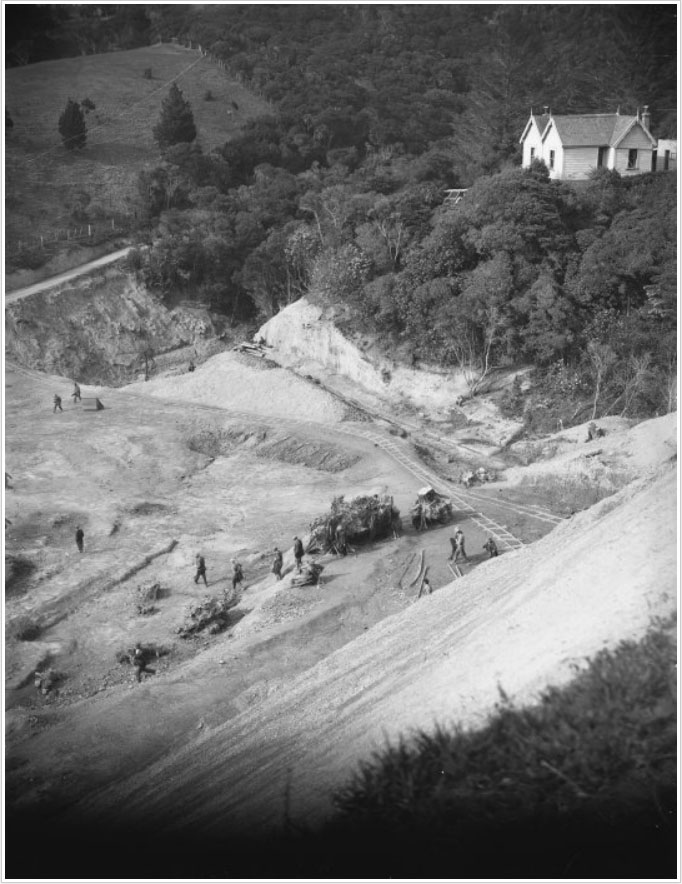
William Bramley was hired as the Botanic Garden's keeper and gardener in 1870. Bramley and his family lived initially in a cottage known as the Randall cottage. This cottage was primitive and at least twenty years old in 1876. £150 was voted by the Botanic Garden Board for the construction of the Ranger's Cottage and a tender of £123.10.0 by Douglas and Heder was accepted. 2000 feet of kauri timber was ordered for lining the cottage. The Glenbervie section of the Garden was selected as the site of the new Ranger's Cottage because of its commanding view over the Botanic Garden.
As well as the upkeep of the Botanic Garden, Bramley had the responsibility for keeping law and order on the sizable and isolated site. Bramley was injured keeping the peace in 1880. After this incident, a police constable was appointed to the Botanic Garden. Constable Campbell moved into the Ranger's Cottage which was at that time known as the Constabulary or the Constable's Cottage. Other constables to reside there included Constable Gleeson who replaced Campbell in 1882 and Constable Whelan who replaced Gleeson 1890. The cottage remained a constable's residence until 1898, when it was reclaimed by Botanic Garden staff as the Custodian's Cottage. It was then renamed the 'Overseer's Cottage'. Horticultural staff and students have lived in the Overseer's House from 1898 to the present day.
List Entry Information
Status
Listed
List Entry Status
Historic Place Category 2
Access
Private/No Public Access
List Number
1414
Date Entered
24th June 2005
Date of Effect
24th June 2005
City/District Council
Wellington City
Region
Wellington Region
Extent of List Entry
Registration includes the Overseer's House, its fittings and fixtures, and its curtilage on Part Lot 1, Deposited Plan 8530, Wellington Registry (certificate of title WN 48A/126)
Legal description
Pt Lot 1 DP 8530 (RT WN48A/126), Wellington Land District
Status
Listed
List Entry Status
Historic Place Category 2
Access
Private/No Public Access
List Number
1414
Date Entered
24th June 2005
Date of Effect
24th June 2005
City/District Council
Wellington City
Region
Wellington Region
Extent of List Entry
Registration includes the Overseer's House, its fittings and fixtures, and its curtilage on Part Lot 1, Deposited Plan 8530, Wellington Registry (certificate of title WN 48A/126)
Legal description
Pt Lot 1 DP 8530 (RT WN48A/126), Wellington Land District
Why is this place significant?
Historic Significance
Historical Significance or Value Historical: The Overseer's House is historically significant because it is the oldest building in the Botanic Garden. It is the only surviving building associated with the Botanic Garden Board. It is closely associated with the establishment and development of the Botanic Garden. It provides a link between the current horticultural staff who live in the cottage and the generations of gardeners and keepers who have also lived and worked there.
Physical Significance
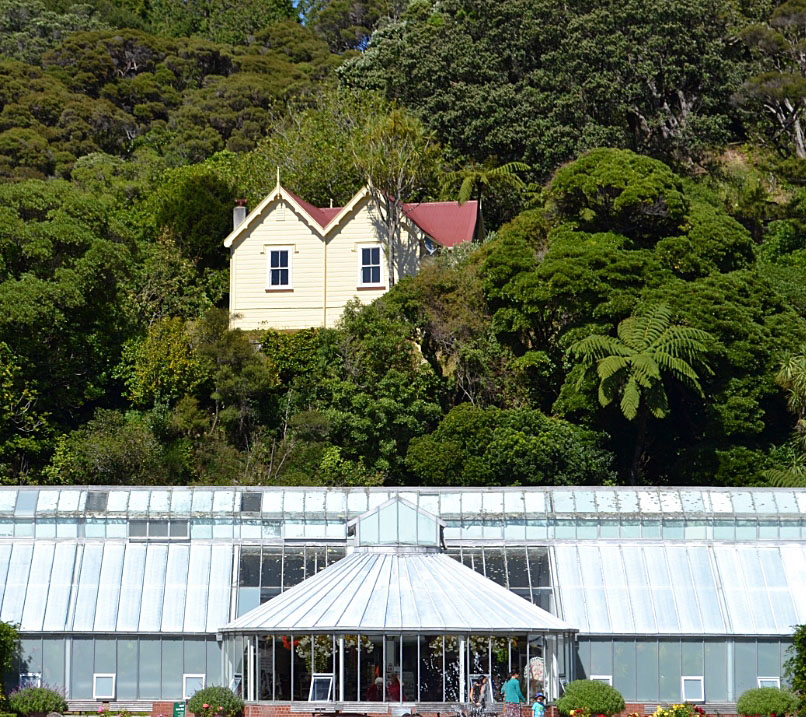
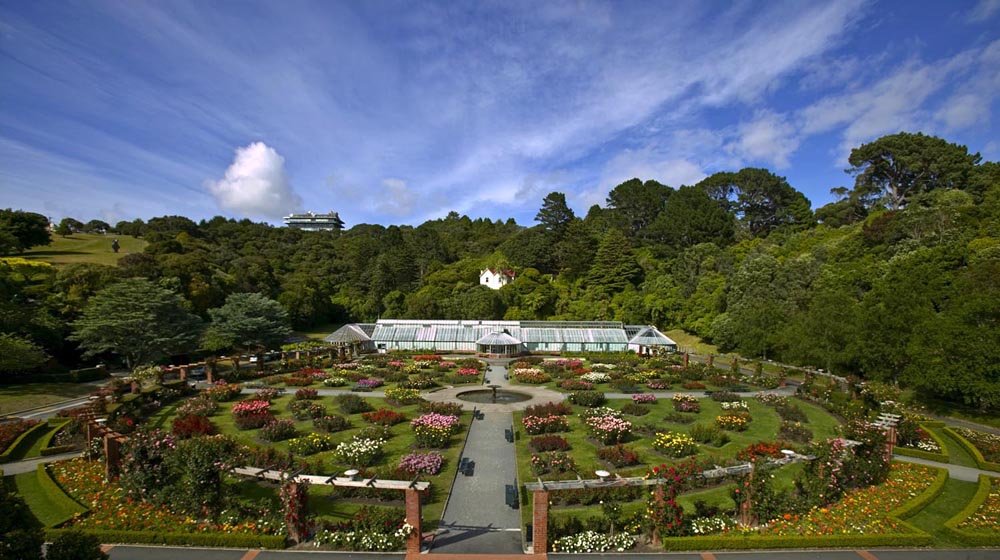
Aesthetic The Overseer's House has landmark value. Its site, the Glenbervie section of the Garden, was selected for the cottage because of its commanding view over the Botanic Garden. It is visible from key areas within the Garden, such as the Lady Norwood Rose Garden. This building is a link with the Romantic Garden and the ornamental architecture that went with it. Architectural: The simple, timber cottage is of physical interest as an example of late nineteenth century construction techniques, and has elements particular to the period, such as label moulds. It is also of interest as an example of the relatively unusual double roof.
Why is this place Category 1 / Category 2?
Detail Of Assessed Criteria
(b) The association of the place with events, persons, or ideas of importance in New Zealand history: The Overseer's House is the oldest building in the Wellington Botanic Garden, and is only surviving building from the time of the Botanic Garden Board, which managed the Garden between 1869 and 1891, and directed its early development. (g) The technical accomplishment or value, or design of the place: The Overseer's House is a double-roofed cottage type which is considered to be uncommon in Wellington. (k) The extent to which the place forms part of a wider historical and cultural complex or historical and cultural landscape: The Wellington Botanic Garden has been registered as a Historic Area. The picturesque Overseer's House contributes to the history and atmosphere of the Botanic Garden, as the oldest surviving building, and it is described by Walter Cook as an important ornamental feature of the Botanic Garden, 'standing white and picturesque among the evergreen native and exotic trees planted around it. This building is another link with the Romantic Garden and the ornamental architecture that went with it'.
Why is this place significant?
Historic Significance
Historical Significance or Value Historical: The Overseer's House is historically significant because it is the oldest building in the Botanic Garden. It is the only surviving building associated with the Botanic Garden Board. It is closely associated with the establishment and development of the Botanic Garden. It provides a link between the current horticultural staff who live in the cottage and the generations of gardeners and keepers who have also lived and worked there.
Physical Significance
Aesthetic The Overseer's House has landmark value. Its site, the Glenbervie section of the Garden, was selected for the cottage because of its commanding view over the Botanic Garden. It is visible from key areas within the Garden, such as the Lady Norwood Rose Garden. This building is a link with the Romantic Garden and the ornamental architecture that went with it. Architectural: The simple, timber cottage is of physical interest as an example of late nineteenth century construction techniques, and has elements particular to the period, such as label moulds. It is also of interest as an example of the relatively unusual double roof.
Why is this place Category 1 / Category 2?
Detail Of Assessed Criteria
(b) The association of the place with events, persons, or ideas of importance in New Zealand history: The Overseer's House is the oldest building in the Wellington Botanic Garden, and is only surviving building from the time of the Botanic Garden Board, which managed the Garden between 1869 and 1891, and directed its early development. (g) The technical accomplishment or value, or design of the place: The Overseer's House is a double-roofed cottage type which is considered to be uncommon in Wellington. (k) The extent to which the place forms part of a wider historical and cultural complex or historical and cultural landscape: The Wellington Botanic Garden has been registered as a Historic Area. The picturesque Overseer's House contributes to the history and atmosphere of the Botanic Garden, as the oldest surviving building, and it is described by Walter Cook as an important ornamental feature of the Botanic Garden, 'standing white and picturesque among the evergreen native and exotic trees planted around it. This building is another link with the Romantic Garden and the ornamental architecture that went with it'.
Construction Professional
Name
MacDonald, A J
Type
Engineer
Biography
No biography is currently available for this construction professional
Name
Douglas and Heder, Wellington
Type
Builder
Biography
No biography is currently available for this construction professional
Construction Details
Start Year
1876
Type
Original Construction
Start Year
1903
Type
Other
Description
Repairs carried out.
Start Year
1905
Type
Other
Description
Further repairs
Start Year
1949
Type
Addition
Description
Bathroom addition completed.
Construction Materials
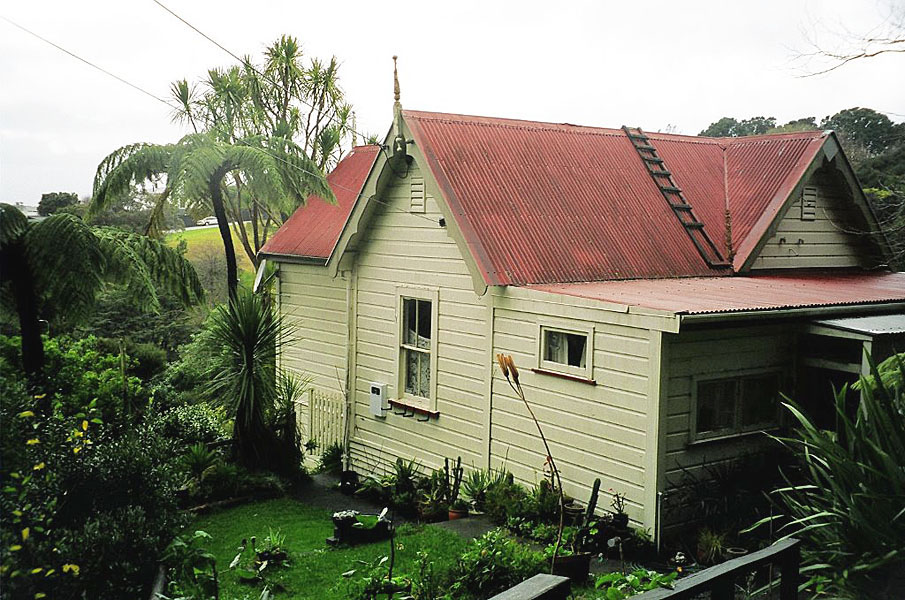
The cottage is of timber construction, with rusticated weatherboards, timber joinery and detailing (including finials and bargeboards). The roof is of corrugated iron.
Construction Professional
Name
MacDonald, A J
Type
Engineer
Biography
No biography is currently available for this construction professional
Name
Douglas and Heder, Wellington
Type
Builder
Biography
No biography is currently available for this construction professional
Construction Details
Start Year
1876
Type
Original Construction
Start Year
1903
Type
Other
Description
Repairs carried out.
Start Year
1905
Type
Other
Description
Further repairs
Start Year
1949
Type
Addition
Description
Bathroom addition completed.
Construction Materials
The cottage is of timber construction, with rusticated weatherboards, timber joinery and detailing (including finials and bargeboards). The roof is of corrugated iron.
The Overseer's House was built in 1876 by Douglas and Heder. The building is symmetrical: there are two matching pitched roofs, each with simple gable ends terminating in finials. The windows are double hung with four-light sashes. The label moulds above the windows are not only highly decorative, they also divert rainwater running down the wall face. According to plans drawn up for the renovations in 1946 and 1947, the cottage was comprised of two bedrooms, a kitchen, a living area and a hallway. There was also a scullery (in a lean-to) and an outhouse, which included a bath, wash basin and fuel shed. The interior layout has not changed since then. Correspondence between George Glenn (former Director of the Botanic Garden) and the Town Clerk in 1903 noted that the four rooms of the cottage were in poor condition and required wallpapering and painting. The need for repairs to masonry work was also noted. In 1905, more wallpapering was done, and the roof was checked for leaks. In October 1946, the City Engineer examined the cottage and suggested a range of renovations. Treatment was required for the borer apparent in the foundations, floor frames, floor and ceiling joists, jack studding, interior walls and rafters. A bathroom and a hot water system were also required, as previously the bath was in the outhouse, and hot water supplied by a copper. The City Engineer also suggested re-wallpapering and painting, and repairs to the leaking roof, spouting and flashing. The kitchen chimney, damaged by previous earthquakes, also required repairs. The quote for the renovations was £590. The bulk of the renovation did not take place until late 1947. In August of 1947, the urgent need for a bathroom in the cottage was recognised, and plans were drawn up to add a bathroom to the scullery. A quote for around £60 was gathered for construction of the bathroom. According to the Certificate of Completion, the bathroom was finished on 6 May 1949. No records exist in the Wellington City Archive of any further renovations since 1949.
Historical and Associated Iwi / Hapū / Whānau
Completion Date
15th February 2005
Report Written By
M. Hill
Information Sources
Shepherd, 1990
W. Shepherd, W. Cook, The Botanic Garden Wellington; A New Zealand History 1840-1987, Wellington, 1988 (Millwood Press)
Other Information
A fully referenced version of this report is available from the NZHPT Central Region Office Please note that entry on the New Zealand Heritage List/Rarangi Korero identifies only the heritage values of the property concerned, and should not be construed as advice on the state of the property, or as a comment of its soundness or safety, including in regard to earthquake risk, safety in the event of fire, or insanitary conditions.
Historical and Associated Iwi / Hapū / Whānau
Completion Date
15th February 2005
Report Written By
M. Hill
Information Sources
Shepherd, 1990
W. Shepherd, W. Cook, The Botanic Garden Wellington; A New Zealand History 1840-1987, Wellington, 1988 (Millwood Press)
Other Information
A fully referenced version of this report is available from the NZHPT Central Region Office Please note that entry on the New Zealand Heritage List/Rarangi Korero identifies only the heritage values of the property concerned, and should not be construed as advice on the state of the property, or as a comment of its soundness or safety, including in regard to earthquake risk, safety in the event of fire, or insanitary conditions.
Current Usages
Uses: Accommodation
Specific Usage: House
Former Usages
General Usage: Accommodation
Specific Usage: House
Current Usages
Uses: Accommodation
Specific Usage: House
Former Usages
General Usage: Accommodation
Specific Usage: House
Stay up to date with Heritage this month


