

Harry Atkinson, born 1 November 1831 at Broxton in Cheshire, England, immigrated to New Zealand in 1852-53. Accompanied by his brother Arthur and extended family members of the intertwined Richmond and Hursthouse clans (together known as 'the Mob'), Harry settled in the New Plymouth area. The Atkinson brothers each purchased a 200-acre (809 371m2 or 80 hectares) block on Carrington Road, 10kms from the town, with other members of the Mob also buying land in the area. During 1853 and 1854 the group built 3km of dirt road to connect their properties to the road to New Plymouth, and set to work clearing their land and building houses for their community, which they named 'Hurworth' after the English birthplace of Arthur Atkinson.
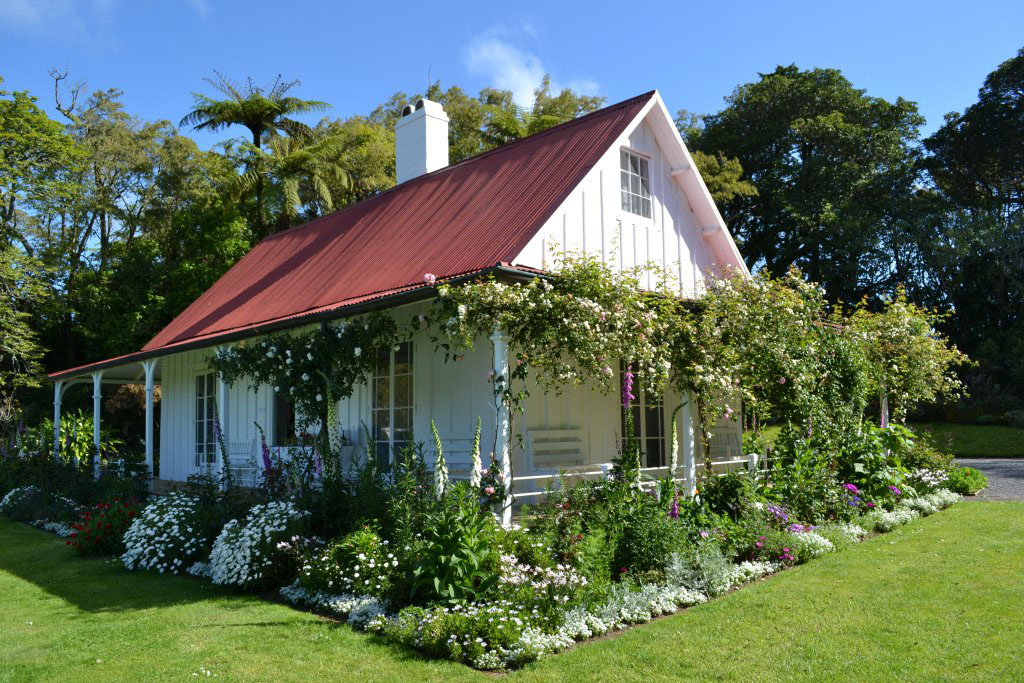
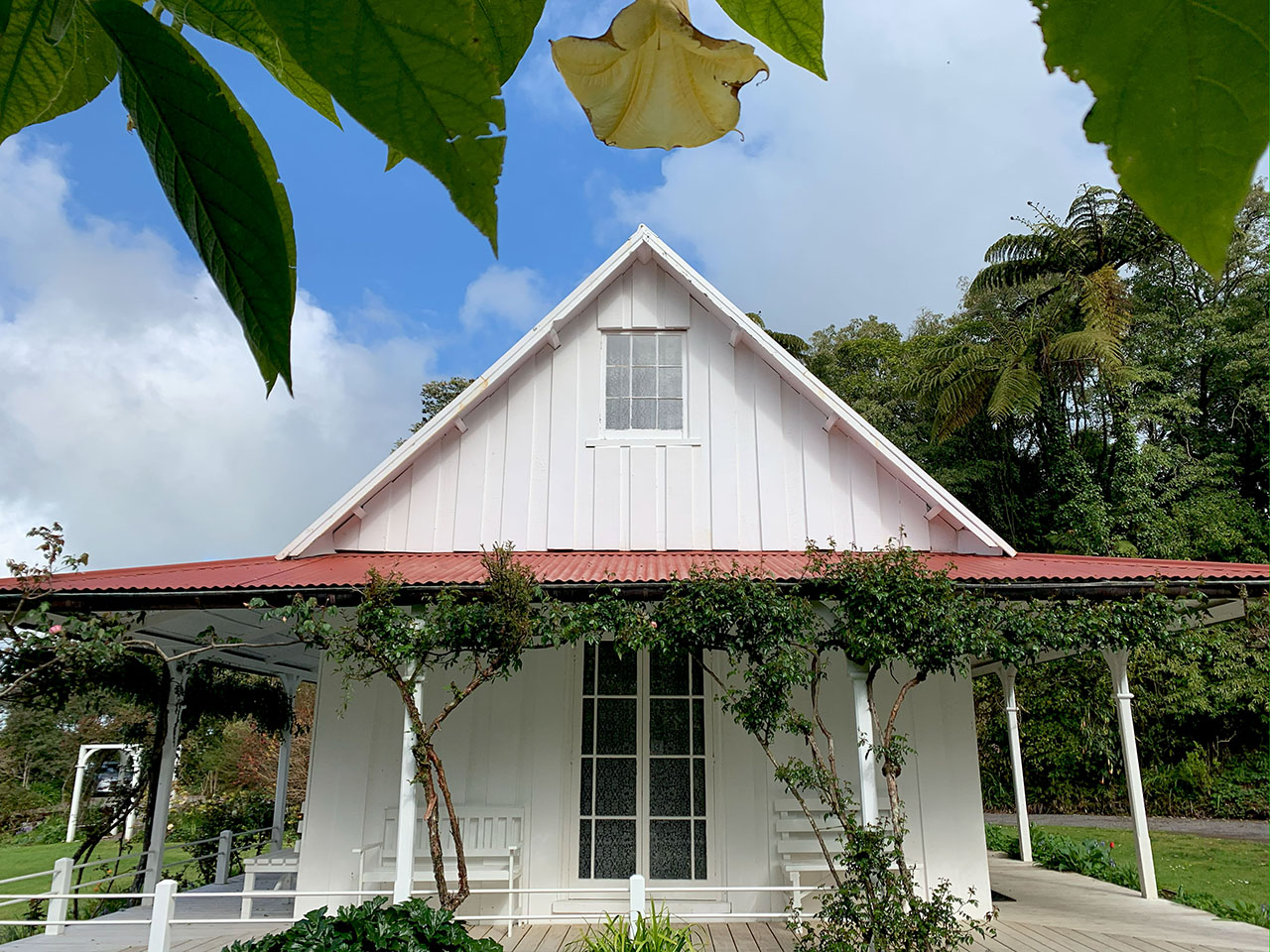
Harry's cottage was also christened 'Hurworth'. Made of pit-sawn timber, it was the first sawn timber house in the settlement. Although building began in mid 1855, construction was regularly interrupted by periods of work felling timber for supply to New Plymouth. However, by the end of 1856 the basic cottage was completed, and featured a stone chimney and characteristic Colonial-style shingled steep gabled roof, containing an upper level reached by a ladder. Harry and his new wife Amelia Jane Skinner, whom he had married in March of that year, settled into their home and established vegetable gardens, orchards, beehives, a chicken run, cow shed and dairy. Both their farm and their family flourished in the next few years. Harry and Jane had four children, and, along with the rest of the community, sold produce from the Hurworth farming enterprises (cheese, butter, pork, bacon, sausages, vegetables and eggs) at a store in New Plymouth. The Mob enjoyed regular social get-togethers, characterised by lively discussions and debates about public affairs and politics, with Harry and Arthur Atkinson, and William, James and Henry Richmond all eventually becoming involved in local and/or national politics. Harry was first elected to the Taranaki Provincial Council in 1857.
The outbreak of the Taranaki War in March 1860 threatened the idyllic lifestyle at Hurworth. The settlement families abandoned their homesteads and retreated to New Plymouth, with Harry sending Jane and the children to safety in Wanganui. Harry joined the Taranaki Rifle Volunteers and fought in many battles around the province over the next few years, rising to the rank of Major with the Forest Rangers. His involvement in politics did not abate, and in 1861 he became the member in the House of Representatives for his local Grey and Bell constituency. The same year, on a trip to check on their Hurworth farms and houses Harry discovered that the settlement had been largely destroyed. Only two cottages still stood: his own and James Richmond's. While Richmond's house appeared to have been preserved for use as a resting place for travelling Maori war parties, Harry's Hurworth cottage seemingly only escaped total destruction by chance. Furniture was piled in the kitchen and set on fire, but the fire had not taken. James Richmond's cottage was accidentally burnt to the ground in 1865, leaving Hurworth cottage as the only surviving structure from the settlement.
After a truce in the war was negotiated in March 1861, Harry and Jane began re-establishing Hurworth again, although from this time Harry was largely away in Wellington performing his parliamentary duties, and Jane and the children lived in New Plymouth. Jane died suddenly in 1865, and Harry remarried a year later, wedding his cousin Annie Smith. Harry had three more children with Annie and sporadically occupied the Hurworth house over the next two and a half decades, while having the cottage repaired and renovated. A sitting-room and dining-room were added, interiors were re-decorated (including wallpaper, paint and mouldings), and the roof shingles were replaced with corrugated iron in 1878. His political career continued to greater heights, and he held a number of provincial positions including MP for New Plymouth and Superintendent of Taranaki, and served as Minister of Defence, Minister of Crown Lands and Immigration, and Colonial Treasurer. In 1876 he became Premier of New Zealand, an office which he held hold four times between then and 1891. He received the KCMG (Knight Commander of St Michael and St George) in 1888.
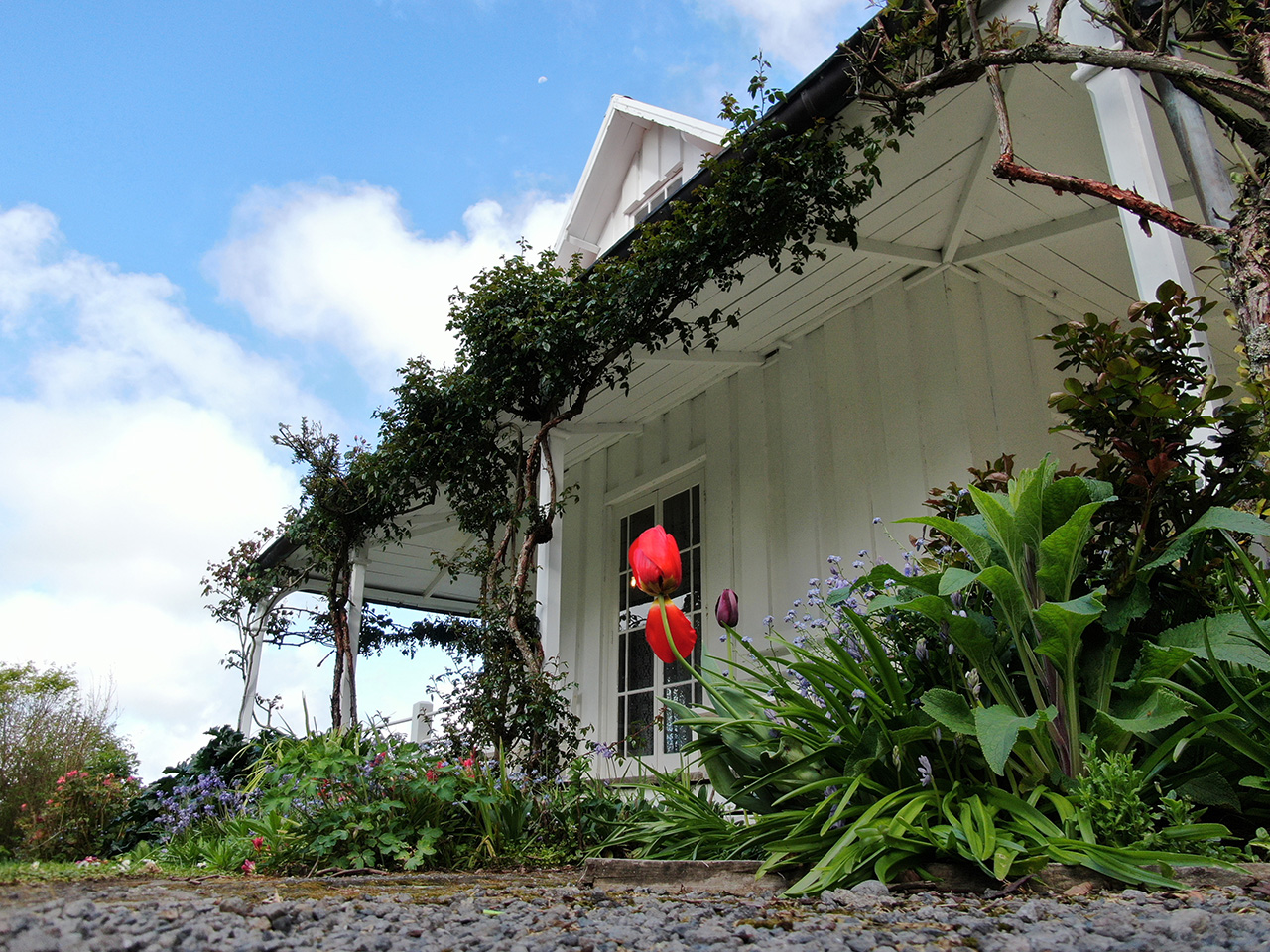
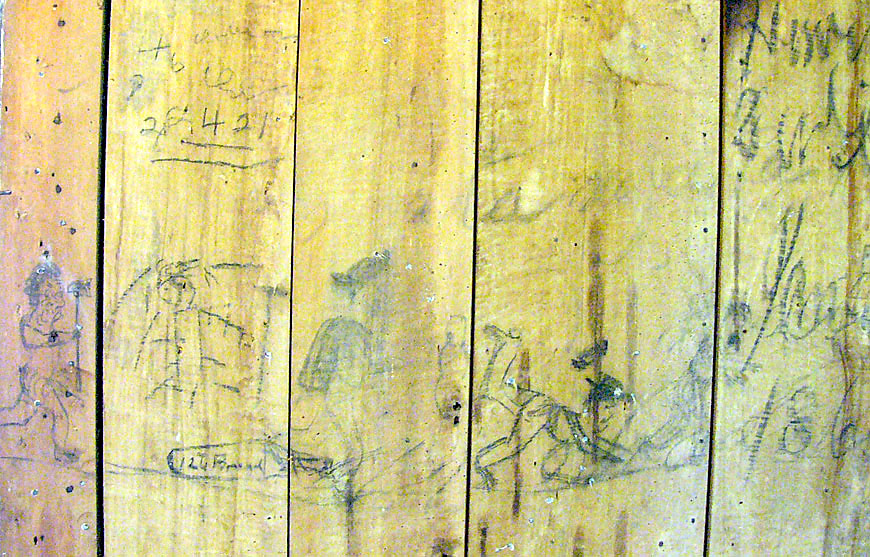
Sir Harry Atkinson died in Parliament Buildings, Wellington, on 28 June 1892. Four years later, Lady Anne (Annie) sold the Hurworth property to Joseph Crockett. William and Annie Brydon next purchased the house in 1914, and lived there until 1920 when it was bought by the Adlam family, who farmed Hurworth for the next 45 years. In 1965 Robert and Francis Brown bought the property and offered the house to the NZHPT. By this stage the house had accumulated many additions, and much of the original house had been altered. Over the next decade the additions were removed and the house was restored to an approximation of its state as built by Harry Atkinson in 1856. This process uncovered original features such as French doors which had been boarded up, studs and lintels annotated during the construction process, and also graffiti dating from the Taranaki Wars period. Hurworth was officially opened in 1976 by Prime Minister Robert Muldoon, and has remained open to the public since then. It contains original artefacts and furniture associated with the Atkinsons such as Harry's velvet invalid's chair, family china, Harry's parliamentary desk and pince-nez reading glasses, and a pounamu mere believed to have been carved by imprisoned passive resistance activists from Parihaka.
Hurworth cottage is of architectural significance, as it retains many features characteristic of its Colonial construction period. It is also of special social and historical significance, as the sole survivor of the Hurworth pioneer settlement, and the hand-built home of a young man who would go on to have a distinguished political career and become the leader of New Zealand four times.
List Entry Information
Status
Listed
List Entry Status
Historic Place Category 1
Access
Able to Visit
List Number
144
Date Entered
23rd June 1983
Date of Effect
23rd June 1983
City/District Council
New Plymouth District
Region
Taranaki Region
Extent of List Entry
Extent includes the land described as Lot 1 DP 9802 (RT TNB2/179), Taranaki Land District and the building known as Hurworth (dwelling) thereon, and its fittings and fixtures.
Legal description
Lot 1 DP 9802 (RT TNB2/179), Taranaki Land District
Status
Listed
List Entry Status
Historic Place Category 1
Access
Able to Visit
List Number
144
Date Entered
23rd June 1983
Date of Effect
23rd June 1983
City/District Council
New Plymouth District
Region
Taranaki Region
Extent of List Entry
Extent includes the land described as Lot 1 DP 9802 (RT TNB2/179), Taranaki Land District and the building known as Hurworth (dwelling) thereon, and its fittings and fixtures.
Legal description
Lot 1 DP 9802 (RT TNB2/179), Taranaki Land District
Construction Professional
Name
Atkinson, Harry
Type
Architect
Biography
No biography is currently available for this construction professional
Name
Atkinson, Harry
Type
Builder
Biography
No biography is currently available for this construction professional
Construction Details
Start Year
1880
Type
Addition
Description
Chimney top added
Start Year
1880
Type
Modification
Description
Iron sink fitted
Start Year
1884
Type
Modification
Description
Repairs
Type
Addition
Description
Additions - two low-gabled additions towards the west (rear) of the original structure, a semi-detached room on its south-eastern corner and a small addition [kitchen] to the south with a brick chimney, servant's quarters.
Type
Modification
Description
Modifications - French doors boarded up, removal of verandahs, ceiling installed in living room, fireplace in bedroom and internal staircase to attic boarded up.
Start Year
1965
Finish Year
1976
Type
Addition
Description
Restoration by NZHPT. Removal of additions and restoration of original features including front door and small lobby, verandahs, staircase to attic and fireplace.
Start Year
1853
Finish Year
1854
Type
Other
Description
Section purchased and land cleared of bush for house site
Start Year
1855
Type
Original Construction
Description
Construction begun; framework completed by December 1855
Start Year
1855
Finish Year
1856
Type
Original Construction
Description
December 1855 to March 1856. Joinery begun, sashes hung, 'iron chimney' erected
Start Year
1856
Type
Original Construction
Description
Winter 1856. Stone chimney erected
Start Year
1856
Type
Original Construction
Description
Construction completed
Start Year
1861
Type
Other
Description
Kitchen floor damaged by fire
Start Year
1865
Type
Other
Description
Repairs
Start Year
1878
Type
Modification
Description
Alterations and additions - new dining room, roof repaired with corrugated iron
Start Year
1880
Type
Modification
Description
Repairs and additions
Construction Professional
Name
Atkinson, Harry
Type
Architect
Biography
No biography is currently available for this construction professional
Name
Atkinson, Harry
Type
Builder
Biography
No biography is currently available for this construction professional
Construction Details
Start Year
1880
Type
Addition
Description
Chimney top added
Start Year
1880
Type
Modification
Description
Iron sink fitted
Start Year
1884
Type
Modification
Description
Repairs
Type
Addition
Description
Additions - two low-gabled additions towards the west (rear) of the original structure, a semi-detached room on its south-eastern corner and a small addition [kitchen] to the south with a brick chimney, servant's quarters.
Type
Modification
Description
Modifications - French doors boarded up, removal of verandahs, ceiling installed in living room, fireplace in bedroom and internal staircase to attic boarded up.
Start Year
1965
Finish Year
1976
Type
Addition
Description
Restoration by NZHPT. Removal of additions and restoration of original features including front door and small lobby, verandahs, staircase to attic and fireplace.
Start Year
1853
Finish Year
1854
Type
Other
Description
Section purchased and land cleared of bush for house site
Start Year
1855
Type
Original Construction
Description
Construction begun; framework completed by December 1855
Start Year
1855
Finish Year
1856
Type
Original Construction
Description
December 1855 to March 1856. Joinery begun, sashes hung, 'iron chimney' erected
Start Year
1856
Type
Original Construction
Description
Winter 1856. Stone chimney erected
Start Year
1856
Type
Original Construction
Description
Construction completed
Start Year
1861
Type
Other
Description
Kitchen floor damaged by fire
Start Year
1865
Type
Other
Description
Repairs
Start Year
1878
Type
Modification
Description
Alterations and additions - new dining room, roof repaired with corrugated iron
Start Year
1880
Type
Modification
Description
Repairs and additions
Historical and Associated Iwi / Hapū / Whānau
Completion Date
3rd June 2008
Report Written By
Blyss Wagstaff
Information Sources
Encyclopaedia of NZ, 1966
Encyclopaedia of New Zealand, Wellington, 1966
New Zealand Historic Places Trust (NZHPT)
New Zealand Historic Places Trust
Other Information
This place was identified as significant under previous legislation with different information requirements. It remains significant under the current legislation. There is opportunity under our legislation and policies to add to this information. Further information about this place may be available from the Central Regional Office of Heritage New Zealand Pouhere Taonga. A fully referenced registration report is available from the NZHPT Central region office. Please note that entry on the New Zealand Heritage List/Rarangi Korero identifies only the heritage values of the property concerned, and should not be construed as advice on the state of the property, or as a comment of its soundness or safety, including in regard to earthquake risk, safety in the event of fire, or insanitary conditions.
Historical and Associated Iwi / Hapū / Whānau
Completion Date
3rd June 2008
Report Written By
Blyss Wagstaff
Information Sources
Encyclopaedia of NZ, 1966
Encyclopaedia of New Zealand, Wellington, 1966
New Zealand Historic Places Trust (NZHPT)
New Zealand Historic Places Trust
Other Information
This place was identified as significant under previous legislation with different information requirements. It remains significant under the current legislation. There is opportunity under our legislation and policies to add to this information. Further information about this place may be available from the Central Regional Office of Heritage New Zealand Pouhere Taonga. A fully referenced registration report is available from the NZHPT Central region office. Please note that entry on the New Zealand Heritage List/Rarangi Korero identifies only the heritage values of the property concerned, and should not be construed as advice on the state of the property, or as a comment of its soundness or safety, including in regard to earthquake risk, safety in the event of fire, or insanitary conditions.
Current Usages
Uses: Civic Facilities
Specific Usage: Historic Property
Former Usages
General Usage: Accommodation
Specific Usage: House
Web Links
description: Heritage New Zealand website Places to Visit
url: http://www.heritage.org.nz/places/places-to-visit/taranaki/hurworth
Current Usages
Uses: Civic Facilities
Specific Usage: Historic Property
Former Usages
General Usage: Accommodation
Specific Usage: House
Web Links
description: Heritage New Zealand website Places to Visit
url: http://www.heritage.org.nz/places/places-to-visit/taranaki/hurworth
Location
Sign up to hear more
Get the latest heritage news, features and events delivered
straight to your inbox.
