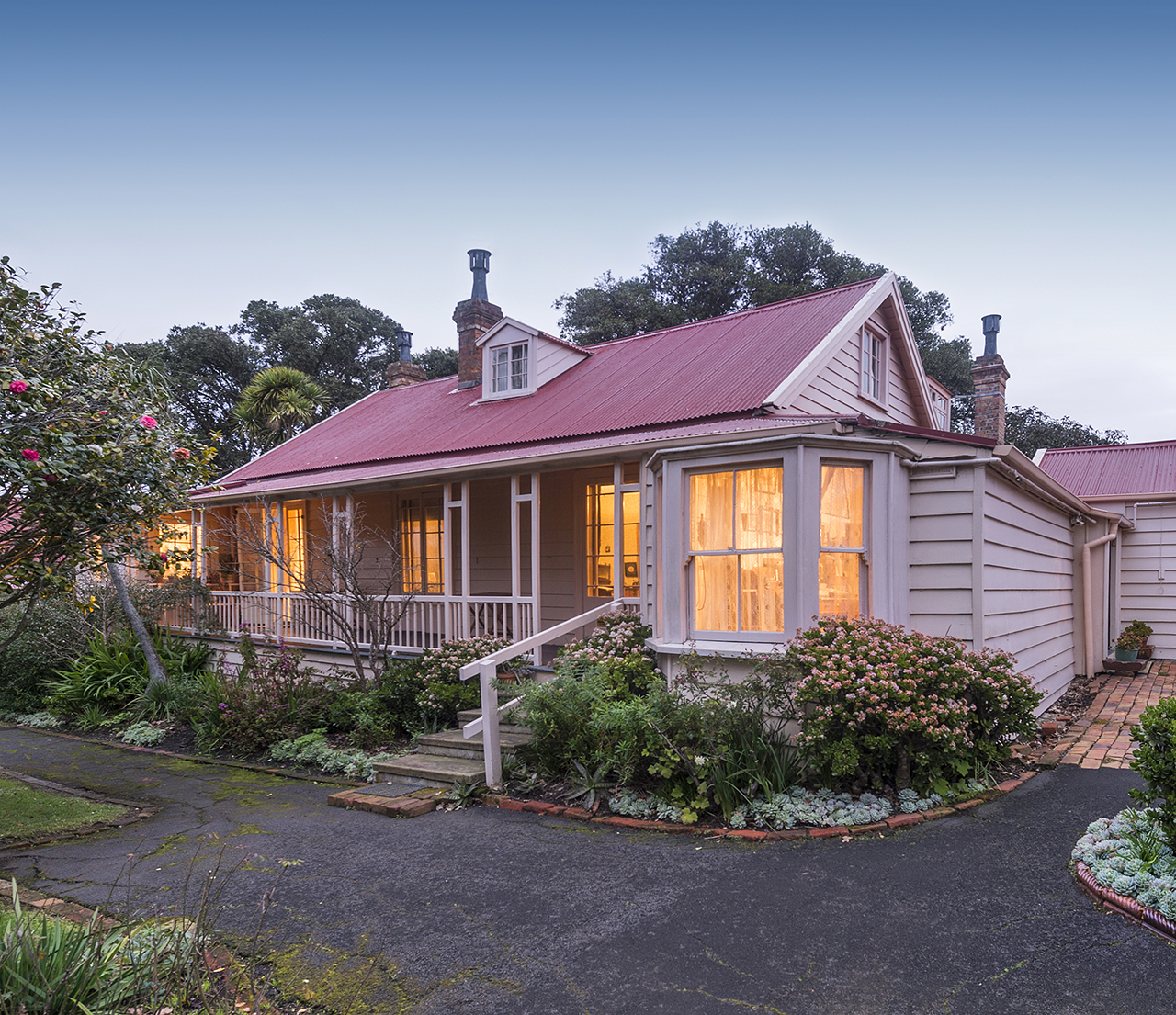
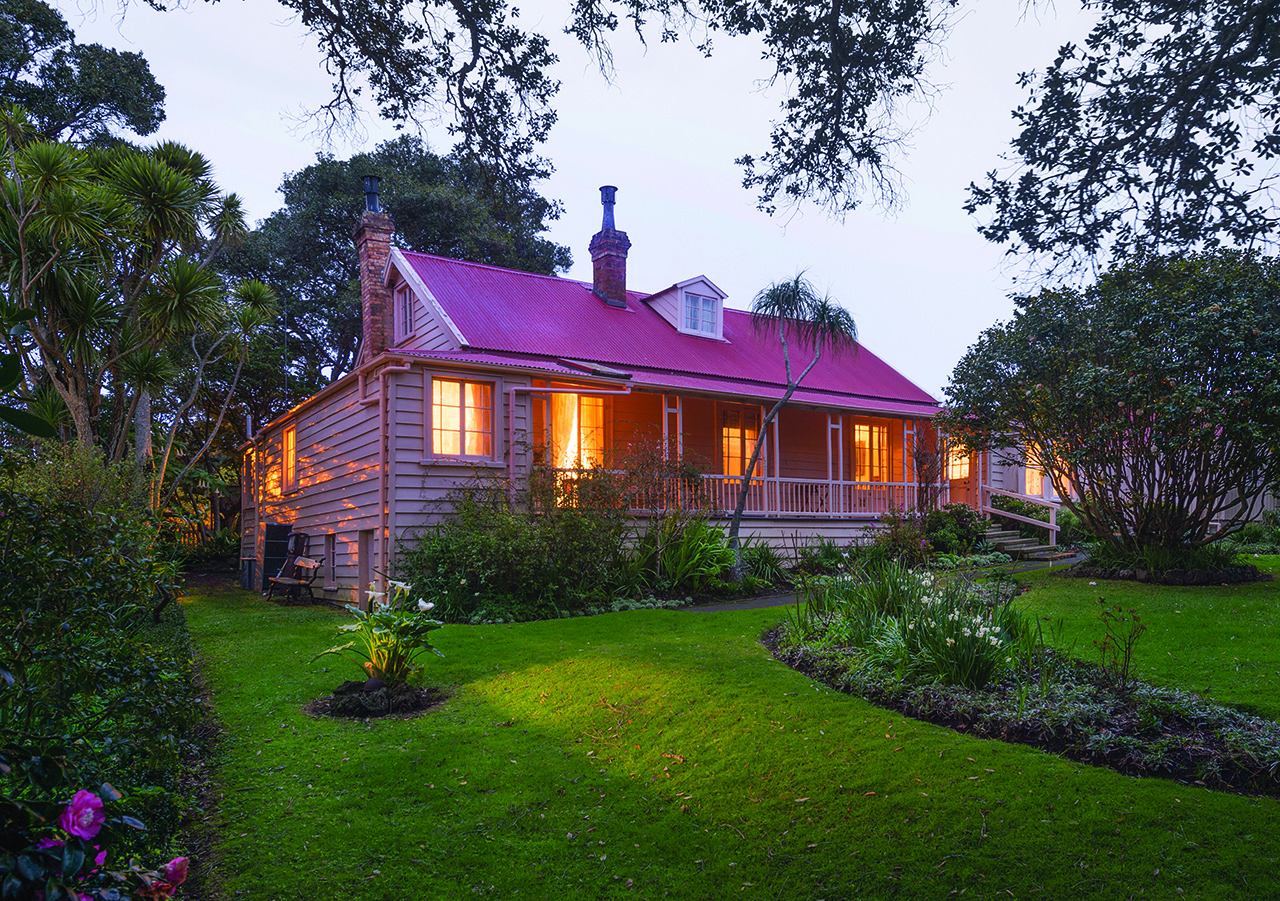
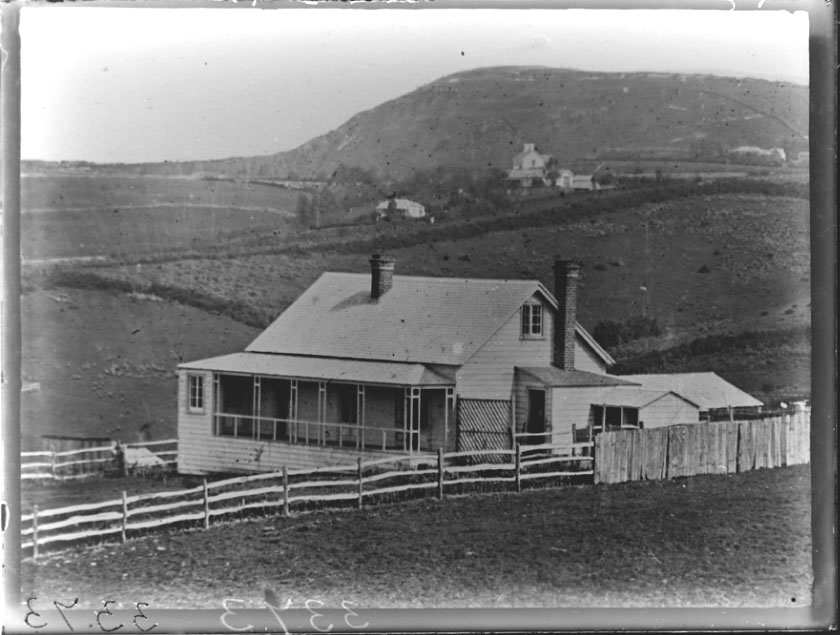
Ewelme Cottage is a well-preserved early colonial dwelling, linked with the Anglican community in the Auckland region. Originally constructed in 1863-1864, the timber house was commissioned by the Reverend Vicesimus Lush (1817-1882), when he was the vicar of nearby Howick. Located close to the prominent Anglican community in Parnell, the house enabled Lush's sons to attend the Church of England grammar school while he was attended to his pastoral duties. Lush was frequently away on extended absences, particularly after being appointed 'Visiting Clergyman to the Inner Waikato' in 1865. Parnell was the seat of the Anglican Bishop of New Zealand, maintaining a separate identity and borough administration from the nearby settlement at Auckland. Lush's wife Blanche (1819-1912) and children continued to live in the building until 1871, joining Lush three years after he had taken up a position as Vicar of Thames.
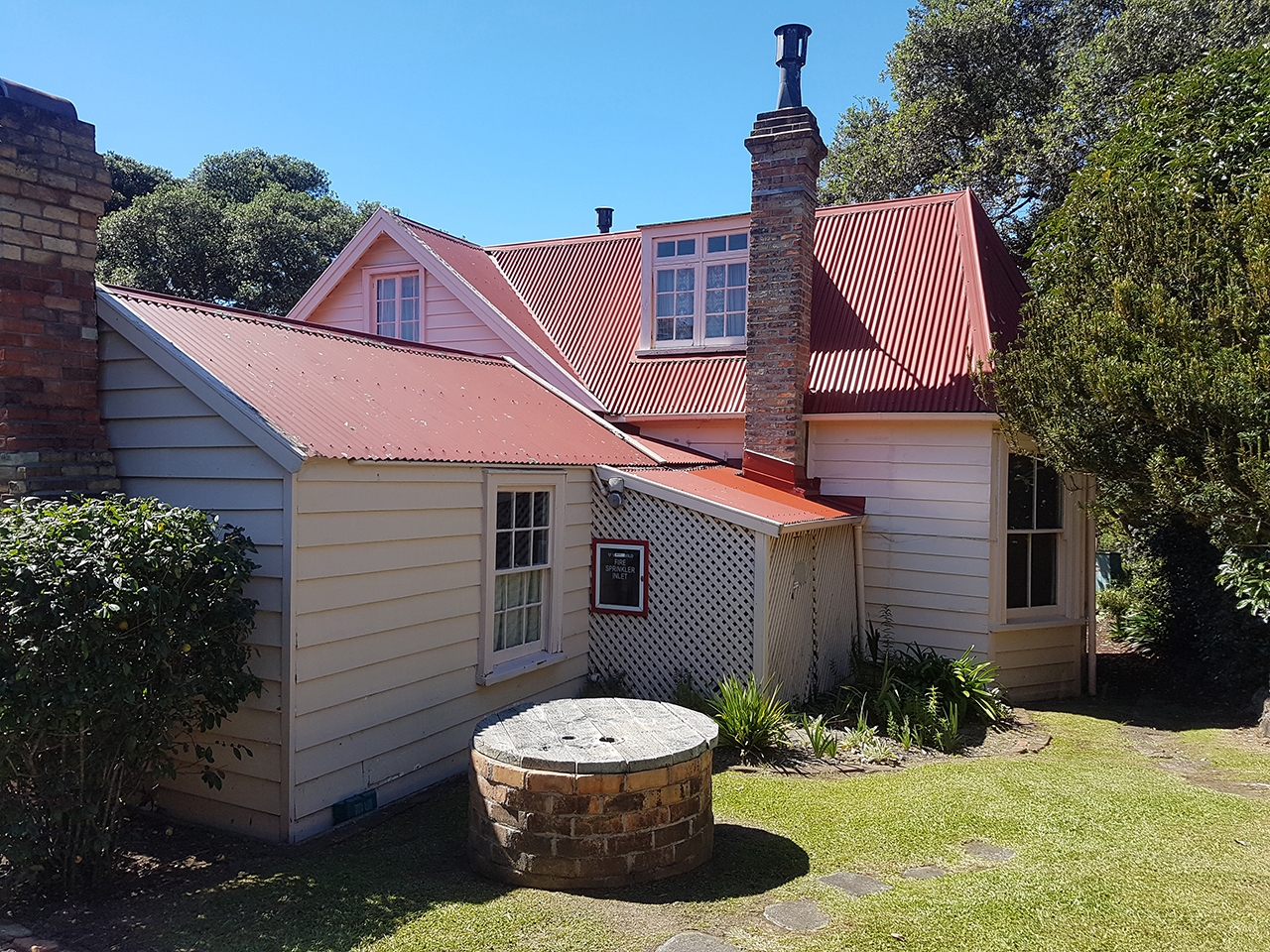
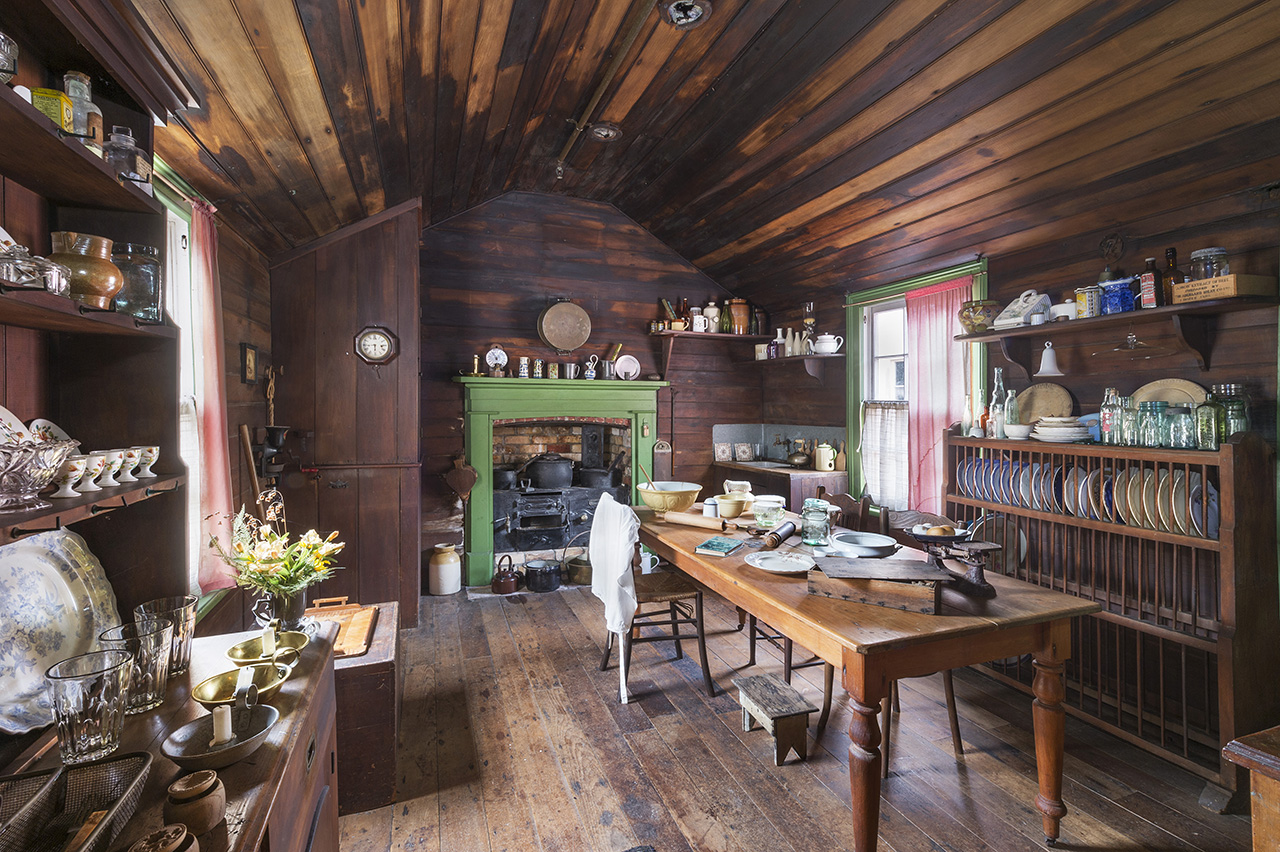
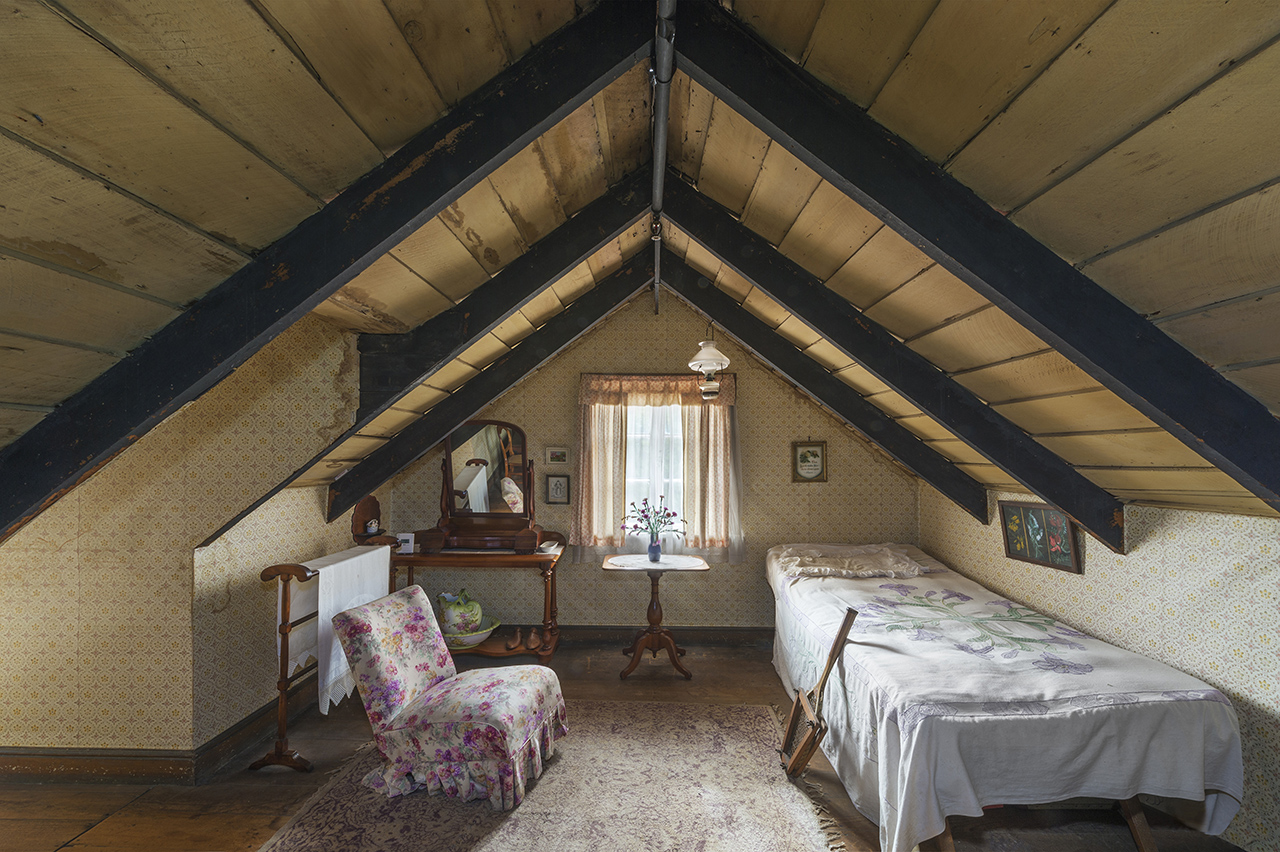
The groundplan of the one and a half-storey cottage was determined by Lush himself, possibly prepared in conjunction with an architect before emigrating from England in 1850. It contained five rooms within the main body of the house, with a further two rooms - possibly a scullery and woodshed - in connected lean-tos at its service end. Although externally of near-symmetrical Georgian appearance, it was unusual in having its ground floor rooms laid out progressively along the axial length of the building rather than having a conventional front and back. This harks back to the arrangement of medieval British dwellings, suggesting that it was influenced by aspects of Ecclesiological thought prevalent in mid nineteenth-century England, which sought to incorporate aspects of medieval architecture into contemporary building forms. The building was modified in 1865, extended about 1871 and altered more extensively in 1882-1883. At the time of his death, Lush was Archdeacon of Waikato, and the latter alterations were made on Blanche's return to the house. The dwelling has been little altered since that time, retaining a remarkably large amount of its nineteenth-century interiors and furnishings. The building and its grounds were purchased from the Lush family by the Auckland City Council in 1969, and are managed by the New Zealand Historic Places Trust/Pouhere Taonga.
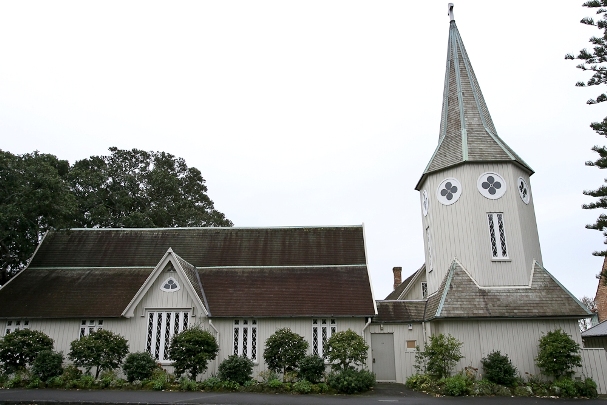
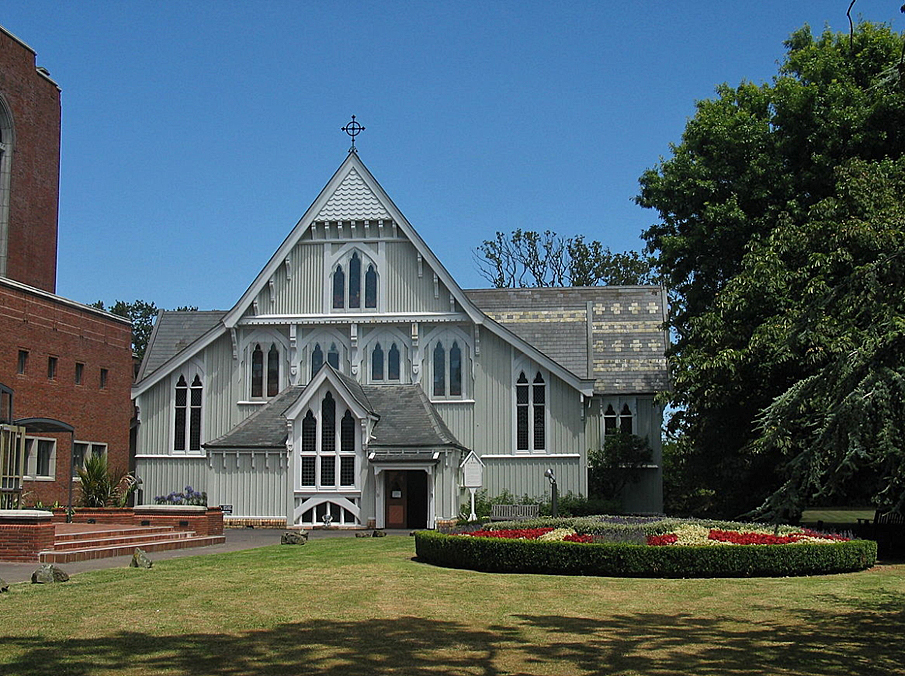
Ewelme Cottage is significant for its links with the Anglican church in New Zealand, and the domestic arrangements of its early clerics. Its design may reflect aspects of nineteenth-century religious belief and is unusual in its layout. The building provides valuable information on colonial building materials and techniques, and changing attitudes to house design in the later nineteenth century. It is of exceptional importance for its well-preserved nineteenth-century interiors and furnishings, illuminating our knowledge of middle-class domestic life. Its value is enhanced through its long association with a well-known clerical family, whose daily lives are familiar from their diaries and other writings. The building is significant for being part of a broader historical and archaeological landscape, which includes its well-preserved nineteenth-century gardens. Its value is further enhanced by its proximity to other historic buildings that were used or owned by the colonial Anglican community in Parnell. The building is of high educational value as a major heritage venue for visitors, and is held in high public esteem.
The groundplan of the one and a half-storey cottage was determined by Lush himself, possibly prepared in conjunction with an architect before emigrating from England in 1850. It contained five rooms within the main body of the house, with a further two rooms - possibly a scullery and woodshed - in connected lean-tos at its service end. Although externally of near-symmetrical Georgian appearance, it was unusual in having its ground floor rooms laid out progressively along the axial length of the building rather than having a conventional front and back. This harks back to the arrangement of medieval British dwellings, suggesting that it was influenced by aspects of Ecclesiological thought prevalent in mid nineteenth-century England, which sought to incorporate aspects of medieval architecture into contemporary building forms. The building was modified in 1865, extended about 1871 and altered more extensively in 1882-1883. At the time of his death, Lush was Archdeacon of Waikato, and the latter alterations were made on Blanche's return to the house. The dwelling has been little altered since that time, retaining a remarkably large amount of its nineteenth-century interiors and furnishings. The building and its grounds were purchased from the Lush family by the Auckland City Council in 1969, and are managed by the New Zealand Historic Places Trust/Pouhere Taonga.
Ewelme Cottage is significant for its links with the Anglican church in New Zealand, and the domestic arrangements of its early clerics. Its design may reflect aspects of nineteenth-century religious belief and is unusual in its layout. The building provides valuable information on colonial building materials and techniques, and changing attitudes to house design in the later nineteenth century. It is of exceptional importance for its well-preserved nineteenth-century interiors and furnishings, illuminating our knowledge of middle-class domestic life. Its value is enhanced through its long association with a well-known clerical family, whose daily lives are familiar from their diaries and other writings. The building is significant for being part of a broader historical and archaeological landscape, which includes its well-preserved nineteenth-century gardens. Its value is further enhanced by its proximity to other historic buildings that were used or owned by the colonial Anglican community in Parnell. The building is of high educational value as a major heritage venue for visitors, and is held in high public esteem.