Born in Kent, Frederick Strouts arrived in Christchurch with 'impeccable architectural credentials' in 1859, and commenced practise with his brother-in-law. In 1868 he returned to Britain and was elected an associate of the Royal Institute of British Architects. Strouts returned to Christchurch in 1869, resumed practise, and became a foundation member of the Canterbury Association of Architects - the first such body in New Zealand - in 1871/2. Strouts designed a number of prominent Canterbury buildings during a long career, including the Jacobean 'Ivy Hall' (1878, Cat. I) at the then Lincoln Agricultural College, and 'Otahuna' (1895, Cat. I).
Strouts chose the Italianate idiom for his new Canterbury Club building. 'Italianate' had been established as the appropriate style for gentlemen's clubs by the London clubs of Sir Charles Barry (e.g. the Traveller's Club [1829-31] and the Reform Club [1837]). Benjamin Mountfort adopted the style locally with his Christchurch Club of 1860-2, but produced a 'domestic' design that was more suited to the conditions in the colony than Barry's grand Neo-Renaissance Palazzos. Strouts followed Mountfort's lead with his design for the Canterbury Club, but with somewhat less architectural flair.
The original club building was constructed by Daniel Reese for £3, 363. From Motherwell in Lanarkshire, Reese arrived in Christchurch in 1862. He was a competent and successful contractor, and built a number of Canterbury landmarks. Initially the club consisted of the large two-storey section at the corner of Worcester St and Cambridge Tce, and a part of the single-storey section to the south. Strouts apparently made provision in his plans for the extension of the first floor over this southern section if additional accommodation was required, but this was never carried out. To the west was a smaller scale and plainer two-storey service wing, linked to the club proper with a single storey section. By 1907 this service wing had been extended slightly to the west and north.
In 1907-8 Armson, Collins and Harman made substantial additions to the club. These were constructed by contractor W. Jack at a cost of £1000. The single storey wing fronting Cambridge Tce was extended to the south in the same style, and finished with a brick firewall. A narrower and slightly lower two-storey addition was made to the west of the service wing, and a single storey section to the south. No further major alterations were then made until 1965-6, when Warren and Mahoney added a concrete block servery to the north front of the service wing link section.
The Canterbury Club building continues as the home of the club, and minor, mainly internal alterations have been made regularly over the last thirty years to adapt the building to the changing character of the institution. Renovations were carried out most recently in 2000. In 2002 the demolition of the service wing was proposed, but to date has not proceeded.
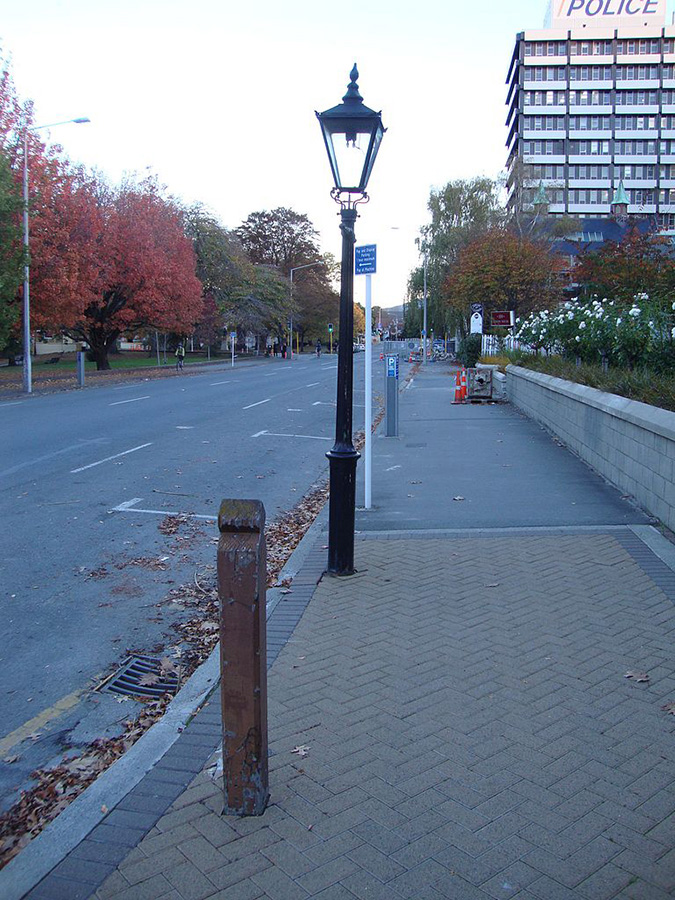
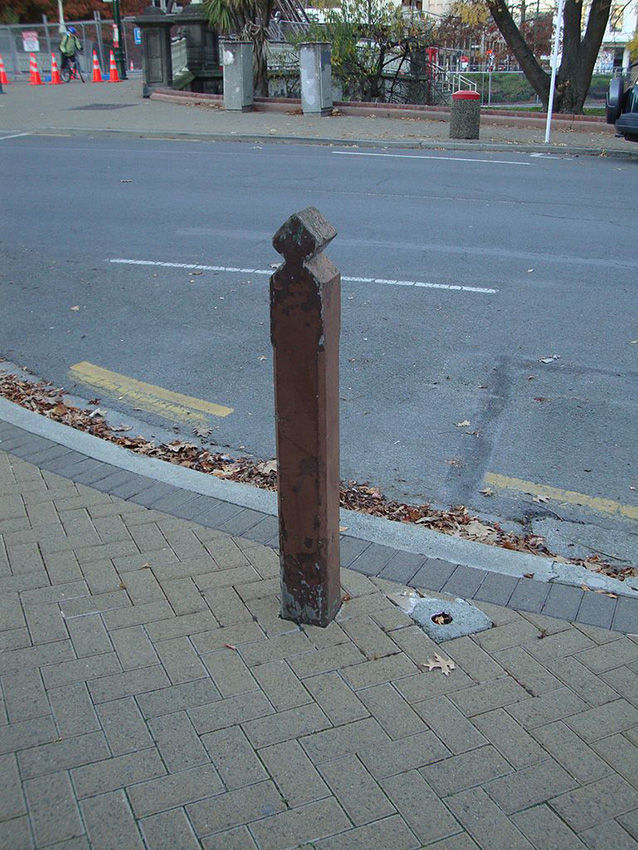
Outside the Canterbury Club are a hitching post and a gas lamp (both Cat. II). Together with the nearby former public library, the Worcester St bridge, and the former Municipal Chambers, an important precinct is formed that contributes much to the architectural character of Christchurch.
List Entry Information
Status
Listed
List Entry Status
Historic Place Category 2
Access
Private/No Public Access
List Number
1837
Date Entered
25th November 1982
Date of Effect
25th November 1982
City/District Council
Christchurch City
Region
Canterbury Region
Legal description
Lot 1 DP 382629 (RT 330157), Canterbury Land District
Status
Listed
List Entry Status
Historic Place Category 2
Access
Private/No Public Access
List Number
1837
Date Entered
25th November 1982
Date of Effect
25th November 1982
City/District Council
Christchurch City
Region
Canterbury Region
Legal description
Lot 1 DP 382629 (RT 330157), Canterbury Land District
Why is this place significant?
Cultural Significance
Social significance as a functioning example of a gentlemen's club, an important informal institution of sociability and social class reinforcement for the colonial male elite.
Historic Significance
Historical Significance or Value Historical significance as a meeting place for the wealthy and influential of Christchurch for more than 130 years;
Physical Significance
The Canterbury Club has architectural significance as a good example of a colonial Italianate building;
Why is this place Category 1 / Category 2?
Detail Of Assessed Criteria
(a) it reflects the stratified nature of colonial society; (e) is held in high esteem by the Club's members, who have carefully renovated their building on a number of occasions to adapt it to modern use whilst preserving its nineteenth century character; (g) is an example of the employment of Italianate style for gentlemen's clubs; (k) it constitutes an important heritage element of the cultural precinct of Worcester Boulevard and its environs.
Why is this place significant?
Cultural Significance
Social significance as a functioning example of a gentlemen's club, an important informal institution of sociability and social class reinforcement for the colonial male elite.
Historic Significance
Historical Significance or Value Historical significance as a meeting place for the wealthy and influential of Christchurch for more than 130 years;
Physical Significance
The Canterbury Club has architectural significance as a good example of a colonial Italianate building;
Why is this place Category 1 / Category 2?
Detail Of Assessed Criteria
(a) it reflects the stratified nature of colonial society; (e) is held in high esteem by the Club's members, who have carefully renovated their building on a number of occasions to adapt it to modern use whilst preserving its nineteenth century character; (g) is an example of the employment of Italianate style for gentlemen's clubs; (k) it constitutes an important heritage element of the cultural precinct of Worcester Boulevard and its environs.
Construction Professional
Name
Collins & Harman
Type
Architectural Partnership
Biography
One of the two oldest architectural firms in New Zealand, Armson, Collins and Harman was established by William Barnett Armson in 1870. After serving his articles with Armson, John James Collins (1855-1933) bought the practice after the former's death in 1883 and subsequently took Richard Dacre Harman (1859-1927) into partnership four years later. Collins' son, John Goddard Collins (1886-1973), joined the firm in 1903. Armson, Collins and Harman was one of Christchurch's leading architectural practices in the early years of this century. Notable examples of the firm's work include the Christchurch Press Building (1909), Nazareth House (1909), the former Canterbury College Students Union (1927), the Nurses Memorial Chapel at Christchurch Public Hospital (1927) and the Sign of the Takahe (1936). Their domestic work includes Blue Cliffs Station Homestead (1889) and Meadowbank Homestead, Irwell. In 1928 the firm's name was simplified to Collins and Harman and the firm continues today as Collins Architects Ltd. With a versatility and competence that betrayed the practice's debt to Armson's skill and professionalism, Collins and Harman designed a wide variety of building types in a range of styles.
Name
Warren and Mahoney
Type
Architectural Partnership
Biography
The practice was founded in 1955 by Sir Miles Warren in Christchurch where he was later joined in partnership by Maurice Mahoney in 1958; the partnership went on to design buildings that are now regarded as the benchmark of New Zealand Modernism: Harewood Crematorium (1963), College House (1966), Canterbury Students' Union (1967) and Christchurch Town Hall (1972), are amongst many examples of their mid- to late-twentieth century works. Sir Miles was knighted in 1985 for his services to architecture and in 2003 named one of ten inaugural ‘Icons of the Arts’ by the Arts Foundation of New Zealand. Since 1979, the practice has expanded to Wellington, Auckland, Queenstown, Sydney and Melbourne, where they have nurtured some of New Zealand’s finest architectural talent. Sir Miles Warren and Maurice Mahoney retired in in the early 1990s. Currently, Warren and Mahoney is an insight led multi-disciplinary practice working across all disciplines of architecture. The practice has a long association with the refurbishment and restoration of historic buildings in New Zealand and has worked closely with Heritage NZ to achieve best outcomes for these heritage buildings while ensuring the highest possible standards of modern functioning requirements are met. They are conversant with the ICOMOS New Zealand Charter for the Conservation of places of Cultural Heritage Value and the Burra Charters for the conservation of buildings.
Name
Reese, Daniel
Type
Builder
Biography
No biography is currently available for this construction professional
Name
Jack, W.
Type
Builder
Biography
No biography is currently available for this construction professional
Name
Maurice Carter & Co.
Type
Builder
Biography
No biography is currently available for this construction professional
Name
Strouts, Frederick
Type
Architect
Biography
It is thought that Frederick Strouts (1834-1919) was born at Hothfield, Kent, England in 1834. He trained as an architect with John Whichcord and Son in Maidstone and then under the partnership of Arthur Ashpitel and John Whichcord junior. He arrived in New Zealand in 1859 and set up business in Christchurch with his future brother-in-law as 'General Importers & Ironmongers, Architects, Surveyors & Land Agents'. Strouts and his family returned to England, in 1868, where Strouts was elected an associate of the Royal Institute of British Architects. Upon his return to New Zealand Strouts resumed his architectural practice. He became noted for his houses, which he designed for the elite of Canterbury, including a number for Robert Heaton Rhodes. In 1871 he was appointed supervising architect for the Church of St Michael and All Angels.Two years later he acquired the commission for the Canterbury Club, after W.B. Armson fell ill. Other commissions included the former Lyttelton Harbour Board building (1880) and the Rhodes Convalescent Home in Cashmere (1885--87). He is described as being a versatile and prolific architect, and one who helped to raise the professional status of architecture in Canterbury. One of his most notable Canterbury buildings was Ivey Hall, now refurbished as part of Lincoln University. Strouts seems to have retired from practice in 1905. He died in Christchurch on 18 December 1919. (Jonathan Mane-Wheoki, 'Strouts, Frederick 1834-1919' in Dictionary of New Zealand Biography, Vol 2, 1870-1900, Wellington 1993)
Construction Details
Start Year
1873
startYearCirca
Finish Year
1874
Type
Original Construction
Type
Modification
Description
Additions to north and west.
Period
pre-1900
Start Year
1907
Finish Year
1908
Type
Modification
Description
Additions to south and west.
Start Year
1965
Finish Year
1966
Type
Modification
Description
Addition of enlarged Servery Bar in concrete block.
Start Year
1972
Finish Year
1973
Type
Modification
Description
Demolition of Billiard Room lantern
Start Year
1974
Type
Modification
Description
Internal alterations to 1907 section.
Start Year
1976
Type
Modification
Description
Internal alterations to Servery Bar.
Start Year
1988
Type
Modification
Description
Internal alterations.
Start Year
1990
Finish Year
1991
Type
Modification
Description
Internal alterations to service area and stairwell.
Start Year
2000
Type
Modification
Description
Internal alterations, and replacement of slate roof with colour steel.
Construction Materials
Timber with stone foundations and an iron roof.
Construction Professional
Name
Collins & Harman
Type
Architectural Partnership
Biography
One of the two oldest architectural firms in New Zealand, Armson, Collins and Harman was established by William Barnett Armson in 1870. After serving his articles with Armson, John James Collins (1855-1933) bought the practice after the former's death in 1883 and subsequently took Richard Dacre Harman (1859-1927) into partnership four years later. Collins' son, John Goddard Collins (1886-1973), joined the firm in 1903. Armson, Collins and Harman was one of Christchurch's leading architectural practices in the early years of this century. Notable examples of the firm's work include the Christchurch Press Building (1909), Nazareth House (1909), the former Canterbury College Students Union (1927), the Nurses Memorial Chapel at Christchurch Public Hospital (1927) and the Sign of the Takahe (1936). Their domestic work includes Blue Cliffs Station Homestead (1889) and Meadowbank Homestead, Irwell. In 1928 the firm's name was simplified to Collins and Harman and the firm continues today as Collins Architects Ltd. With a versatility and competence that betrayed the practice's debt to Armson's skill and professionalism, Collins and Harman designed a wide variety of building types in a range of styles.
Name
Warren and Mahoney
Type
Architectural Partnership
Biography
The practice was founded in 1955 by Sir Miles Warren in Christchurch where he was later joined in partnership by Maurice Mahoney in 1958; the partnership went on to design buildings that are now regarded as the benchmark of New Zealand Modernism: Harewood Crematorium (1963), College House (1966), Canterbury Students' Union (1967) and Christchurch Town Hall (1972), are amongst many examples of their mid- to late-twentieth century works. Sir Miles was knighted in 1985 for his services to architecture and in 2003 named one of ten inaugural ‘Icons of the Arts’ by the Arts Foundation of New Zealand. Since 1979, the practice has expanded to Wellington, Auckland, Queenstown, Sydney and Melbourne, where they have nurtured some of New Zealand’s finest architectural talent. Sir Miles Warren and Maurice Mahoney retired in in the early 1990s. Currently, Warren and Mahoney is an insight led multi-disciplinary practice working across all disciplines of architecture. The practice has a long association with the refurbishment and restoration of historic buildings in New Zealand and has worked closely with Heritage NZ to achieve best outcomes for these heritage buildings while ensuring the highest possible standards of modern functioning requirements are met. They are conversant with the ICOMOS New Zealand Charter for the Conservation of places of Cultural Heritage Value and the Burra Charters for the conservation of buildings.
Name
Reese, Daniel
Type
Builder
Biography
No biography is currently available for this construction professional
Name
Jack, W.
Type
Builder
Biography
No biography is currently available for this construction professional
Name
Maurice Carter & Co.
Type
Builder
Biography
No biography is currently available for this construction professional
Name
Strouts, Frederick
Type
Architect
Biography
It is thought that Frederick Strouts (1834-1919) was born at Hothfield, Kent, England in 1834. He trained as an architect with John Whichcord and Son in Maidstone and then under the partnership of Arthur Ashpitel and John Whichcord junior. He arrived in New Zealand in 1859 and set up business in Christchurch with his future brother-in-law as 'General Importers & Ironmongers, Architects, Surveyors & Land Agents'. Strouts and his family returned to England, in 1868, where Strouts was elected an associate of the Royal Institute of British Architects. Upon his return to New Zealand Strouts resumed his architectural practice. He became noted for his houses, which he designed for the elite of Canterbury, including a number for Robert Heaton Rhodes. In 1871 he was appointed supervising architect for the Church of St Michael and All Angels.Two years later he acquired the commission for the Canterbury Club, after W.B. Armson fell ill. Other commissions included the former Lyttelton Harbour Board building (1880) and the Rhodes Convalescent Home in Cashmere (1885--87). He is described as being a versatile and prolific architect, and one who helped to raise the professional status of architecture in Canterbury. One of his most notable Canterbury buildings was Ivey Hall, now refurbished as part of Lincoln University. Strouts seems to have retired from practice in 1905. He died in Christchurch on 18 December 1919. (Jonathan Mane-Wheoki, 'Strouts, Frederick 1834-1919' in Dictionary of New Zealand Biography, Vol 2, 1870-1900, Wellington 1993)
Construction Details
Start Year
1873
startYearCirca
Finish Year
1874
Type
Original Construction
Type
Modification
Description
Additions to north and west.
Period
pre-1900
Start Year
1907
Finish Year
1908
Type
Modification
Description
Additions to south and west.
Start Year
1965
Finish Year
1966
Type
Modification
Description
Addition of enlarged Servery Bar in concrete block.
Start Year
1972
Finish Year
1973
Type
Modification
Description
Demolition of Billiard Room lantern
Start Year
1974
Type
Modification
Description
Internal alterations to 1907 section.
Start Year
1976
Type
Modification
Description
Internal alterations to Servery Bar.
Start Year
1988
Type
Modification
Description
Internal alterations.
Start Year
1990
Finish Year
1991
Type
Modification
Description
Internal alterations to service area and stairwell.
Start Year
2000
Type
Modification
Description
Internal alterations, and replacement of slate roof with colour steel.
Construction Materials
Timber with stone foundations and an iron roof.
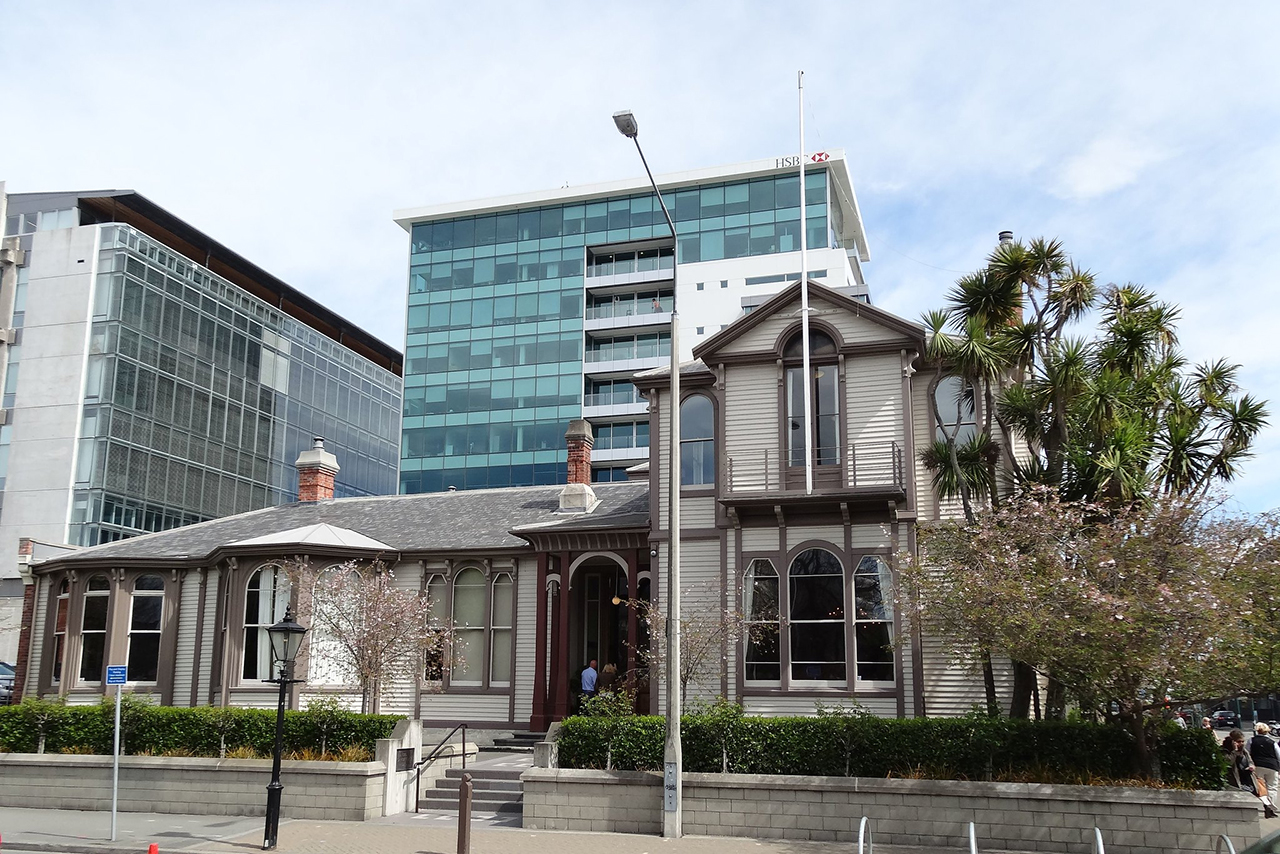
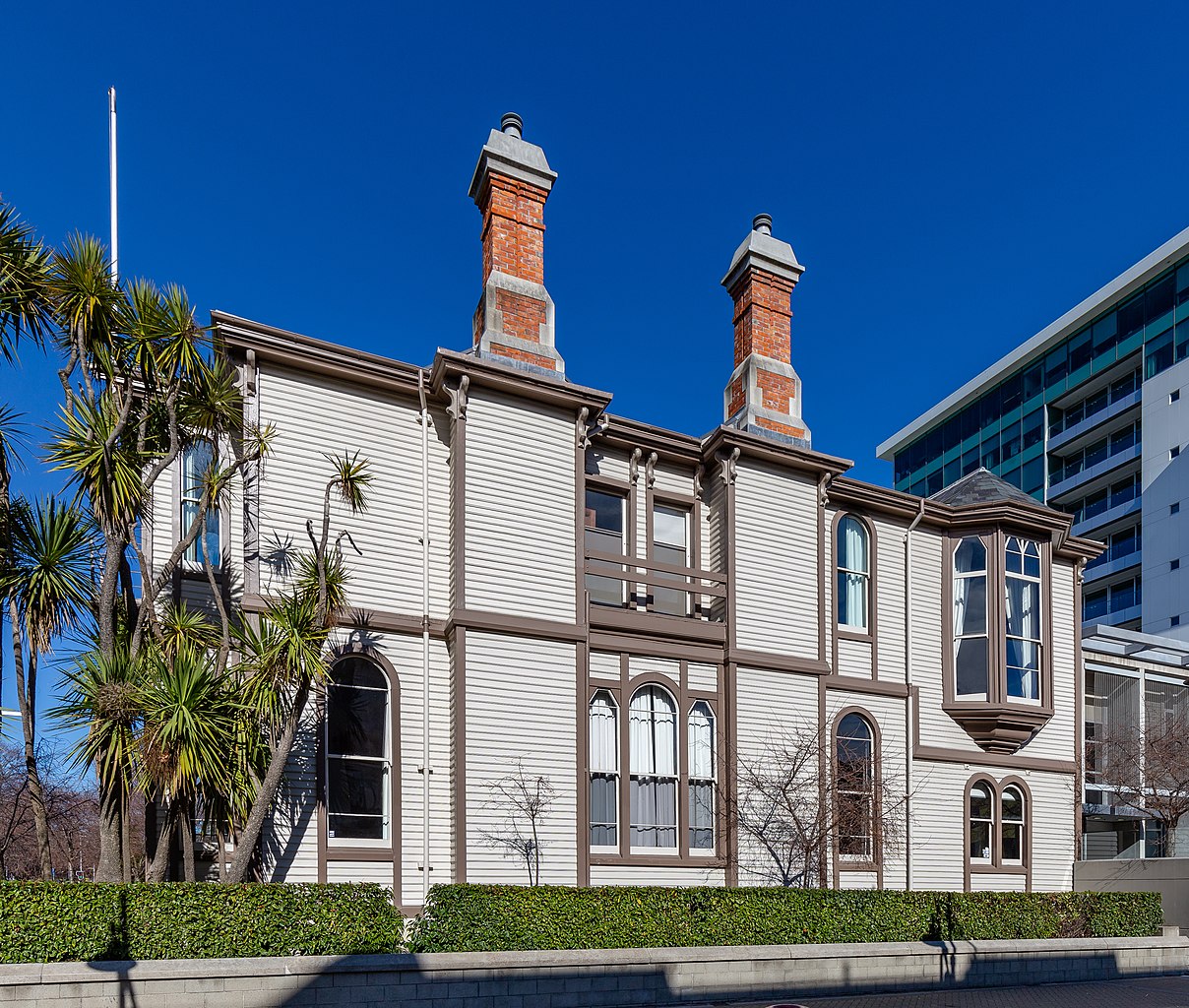
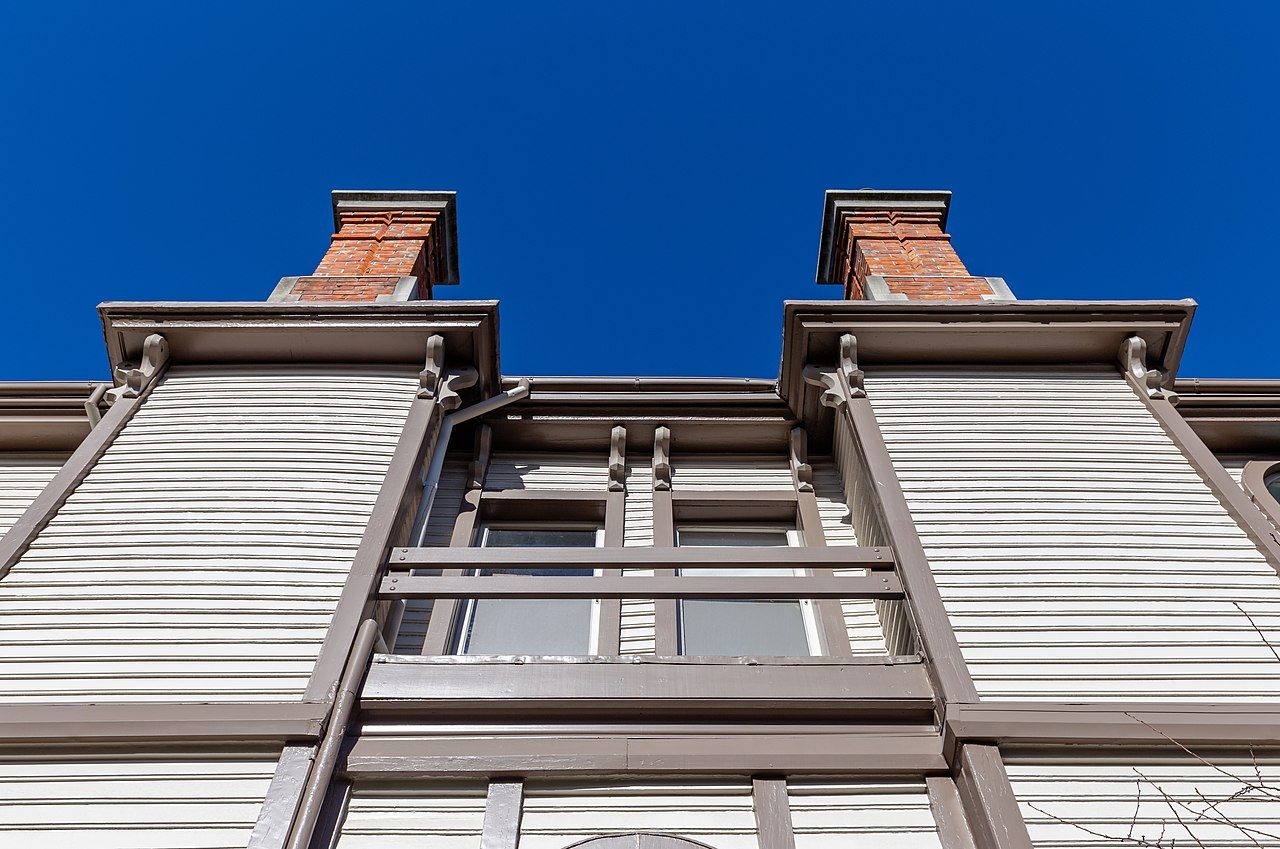
An asymmetrical domestic Italianate design. A two-storey wing sits at the Cambridge/Worcester corner. This wing is distinguished on the north elevation by two prominent chimneys and an oriel window. The chimneys are (unusually) encased in timber to eaves height. To the south of this wing, a single storey section containing the main entrance faces onto Cambridge Terrace. At the western (rear) end of the building is a range of service rooms.
Historical and Associated Iwi / Hapū / Whānau
Completion Date
7th October 2004
Report Written By
Pam Wilson
Information Sources
Christchurch City Council
Lamb, 1981
R. Lamb, From the Banks of the Avon: the Story of a River Wellington: Reed, 1981.
New Zealand Historic Places Trust (NZHPT)
New Zealand Historic Places Trust
Other Information
NZIA Local Architecture Award Winners 2009, Category: Heritage A fully referenced version of this report is available from the NZHPT Southern Region Office. Please note that entry on the New Zealand Heritage List/Rarangi Korero identifies only the heritage values of the property concerned, and should not be construed as advice on the state of the property, or as a comment of its soundness or safety, including in regard to earthquake risk, safety in the event of fire, or insanitary conditions.
Historical and Associated Iwi / Hapū / Whānau
Completion Date
7th October 2004
Report Written By
Pam Wilson
Information Sources
Christchurch City Council
Lamb, 1981
R. Lamb, From the Banks of the Avon: the Story of a River Wellington: Reed, 1981.
New Zealand Historic Places Trust (NZHPT)
New Zealand Historic Places Trust
Other Information
NZIA Local Architecture Award Winners 2009, Category: Heritage A fully referenced version of this report is available from the NZHPT Southern Region Office. Please note that entry on the New Zealand Heritage List/Rarangi Korero identifies only the heritage values of the property concerned, and should not be construed as advice on the state of the property, or as a comment of its soundness or safety, including in regard to earthquake risk, safety in the event of fire, or insanitary conditions.
Current Usages
Uses: Civic Facilities
Specific Usage: Club rooms/building
Former Usages
General Usage: Civic Facilities
Specific Usage: Club rooms/building
Web Links
Current Usages
Uses: Civic Facilities
Specific Usage: Club rooms/building
Former Usages
General Usage: Civic Facilities
Specific Usage: Club rooms/building
Web Links
Location
Sign up to hear more
Get the latest heritage news, features and events delivered
straight to your inbox.