

This statue of Captain James Cook (1728-1779) was presented to Christchurch by a bookmaker, Matthew Frank Barnett. It was sculpted by William Thomas Trethewey (1892-1956), a monumental mason by trade, who also sculpted the Citizens War Memorial in Cathedral Square. Born in Christchurch, Trethewey was largely self-taught, although he did study wood carving under Frederick Gurnsey, the noted Christchurch carver, and life modelling for a year in Wellington. He won the commission for the statue of Cook in 1928.
Trethewey carved the statue of Cook from a twelve-tonne block of imported marble. It is an over-lifesize portrait in a heroic pose. The statue was officially unveiled by Lord Bledisloe, the Governor-General, on 10 August 1932. The inscription states: 'James Cook/Captain Royal Navy/Circumnavigator who first hoisted the British flag in New Zealand and explored her seas and coasts/1769-70 1773-4 1777/Oceani Investigator Acerrimus'
Cook made three voyages to New Zealand (in 1769, 1773 and 1776-1777), and was the first European to map the outline of the country. His charts served subsequent navigators for years to come and his voyages are still remembered in the names he gave to many natural features around the coast of New Zealand. To previous generations of Pakeha Cook has been seen as the 'true' founder of New Zealand, the Englishman who discovered the islands and thus made them available for colonisation by the British. As James Belich said, 'Cook was the first of a Pakeha pantheon of deified ancestors'. Such a portrayal of him led to the creation of numerous memorials built in his honour throughout New Zealand. Current opinion about Cook, however, ranges from his continued deification to a view of him as an agent of colonisation.
This statue is significant as an example of Trethewey's work, as one of the many monuments around New Zealand dedicated to Cook and as one of the landmarks of Victoria Square.
Trethewey carved the statue of Cook from a twelve-tonne block of imported marble. It is an over-lifesize portrait in a heroic pose. The statue was officially unveiled by Lord Bledisloe, the Governor-General, on 10 August 1932. The inscription states: 'James Cook/Captain Royal Navy/Circumnavigator who first hoisted the British flag in New Zealand and explored her seas and coasts/1769-70 1773-4 1777/Oceani Investigator Acerrimus'
Cook made three voyages to New Zealand (in 1769, 1773 and 1776-1777), and was the first European to map the outline of the country. His charts served subsequent navigators for years to come and his voyages are still remembered in the names he gave to many natural features around the coast of New Zealand. To previous generations of Pakeha Cook has been seen as the 'true' founder of New Zealand, the Englishman who discovered the islands and thus made them available for colonisation by the British. As James Belich said, 'Cook was the first of a Pakeha pantheon of deified ancestors'. Such a portrayal of him led to the creation of numerous memorials built in his honour throughout New Zealand. Current opinion about Cook, however, ranges from his continued deification to a view of him as an agent of colonisation.
This statue is significant as an example of Trethewey's work, as one of the many monuments around New Zealand dedicated to Cook and as one of the landmarks of Victoria Square.
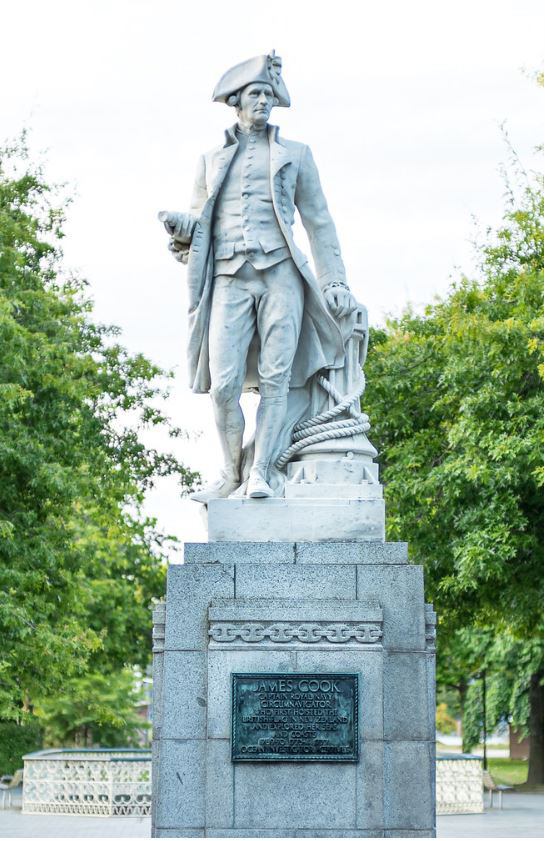
Cook Statue, Christchurch. Image courtesy of www.flickr.com | Phil Clark | 01/01/2023 | phil1066photography.com
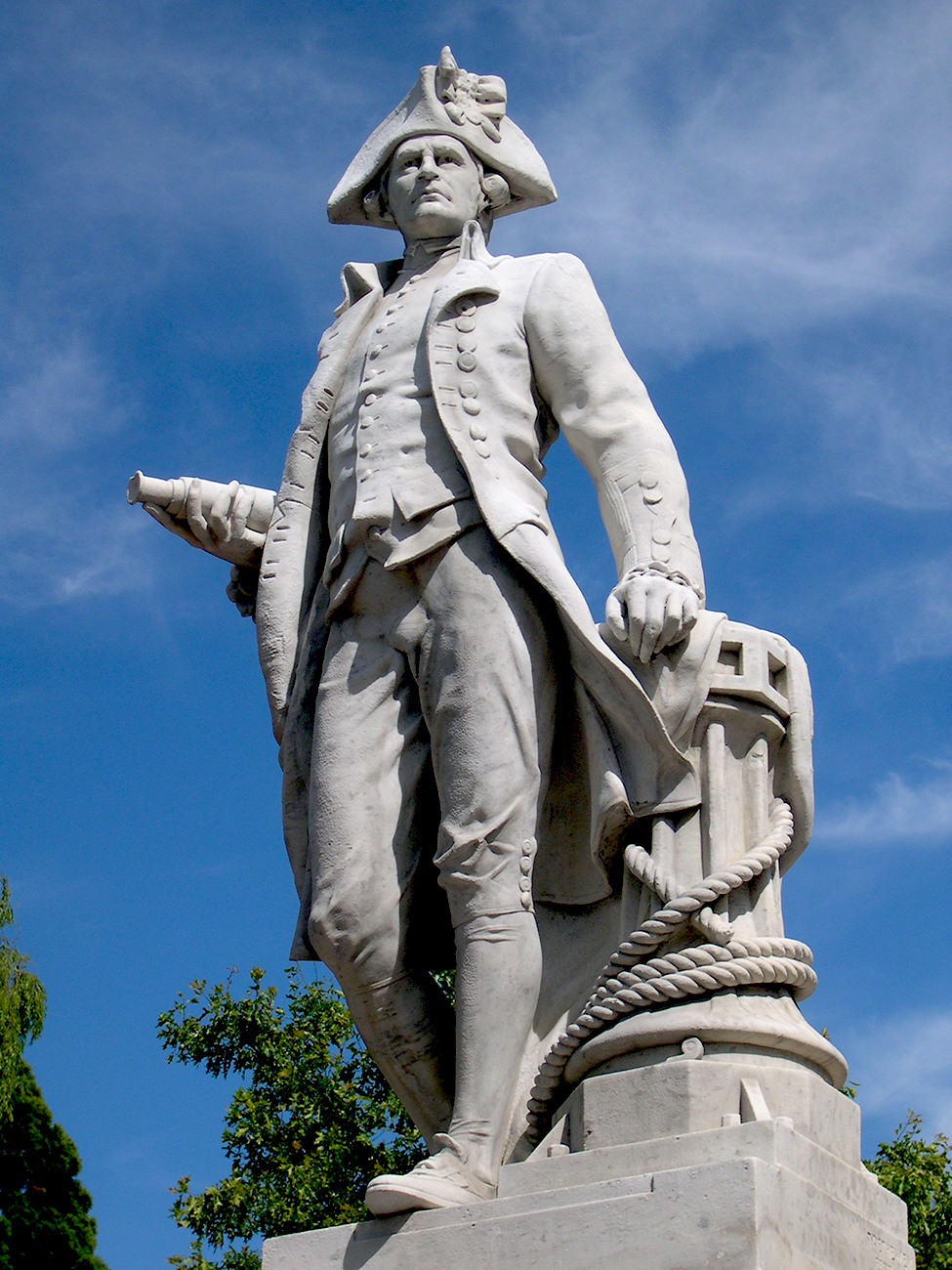
Cook Statue, Christchurch. CC BY-SA 2.0 Image courtesy of commons.wikimedia.org | John Steedman | 27/12/2007 | John Steedman - Wikimedia Commons
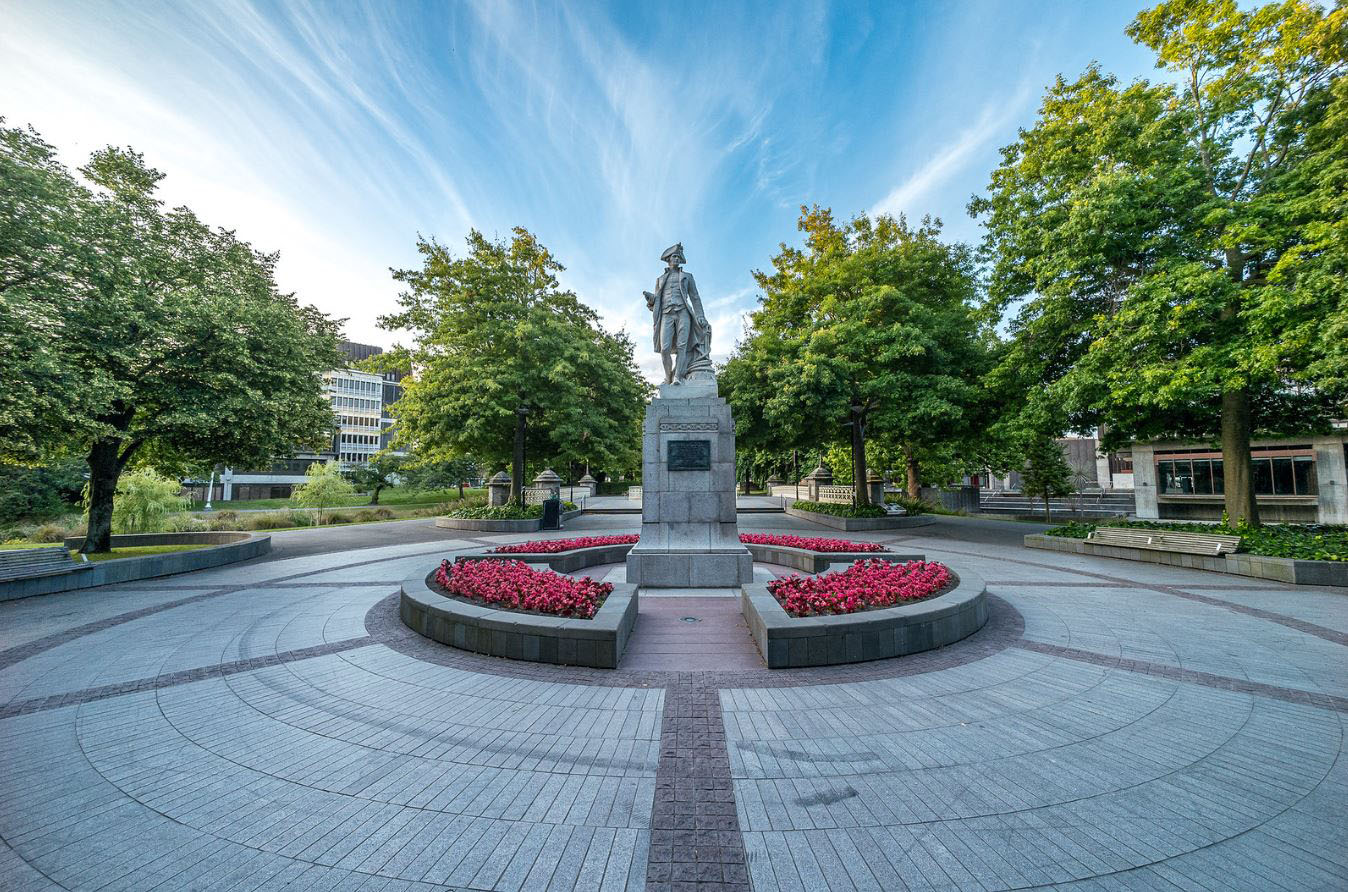
Cook Statue, Christchurch. Image courtesy of www.flickr.com | Phil Clark | 01/01/2023 | phil1066photography.com
Cook Statue, Christchurch. Image courtesy of www.flickr.com | Phil Clark | 01/01/2023 | phil1066photography.com
Cook Statue, Christchurch. CC BY-SA 2.0 Image courtesy of commons.wikimedia.org | John Steedman | 27/12/2007 | John Steedman - Wikimedia Commons
Cook Statue, Christchurch. Image courtesy of www.flickr.com | Phil Clark | 01/01/2023 | phil1066photography.com
