Quick links


Quick links
Quick links
Quick links
Quick links
Quick links
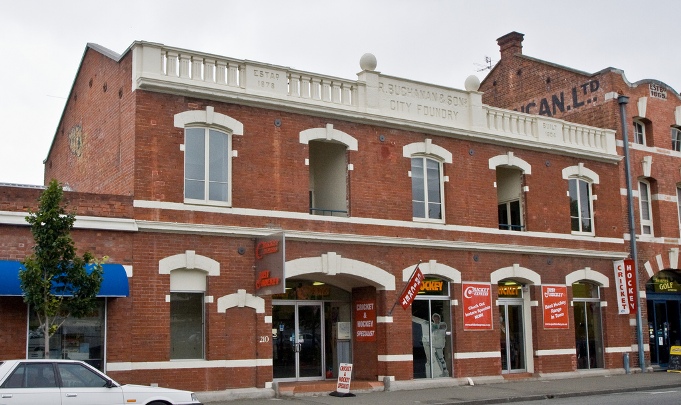
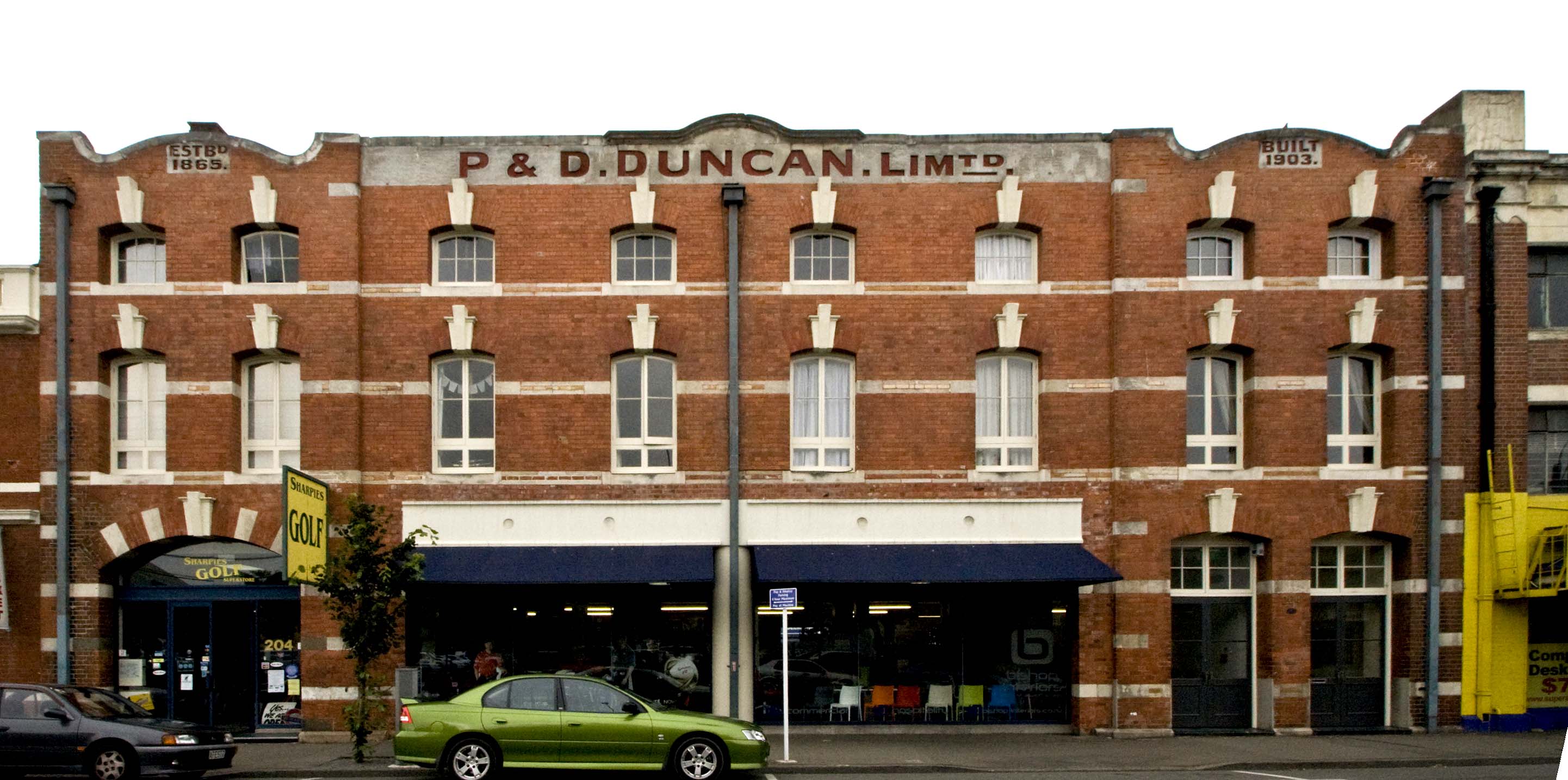
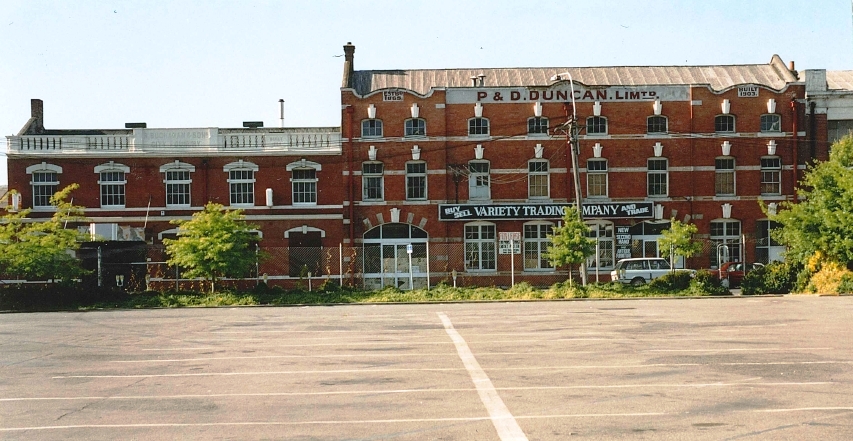
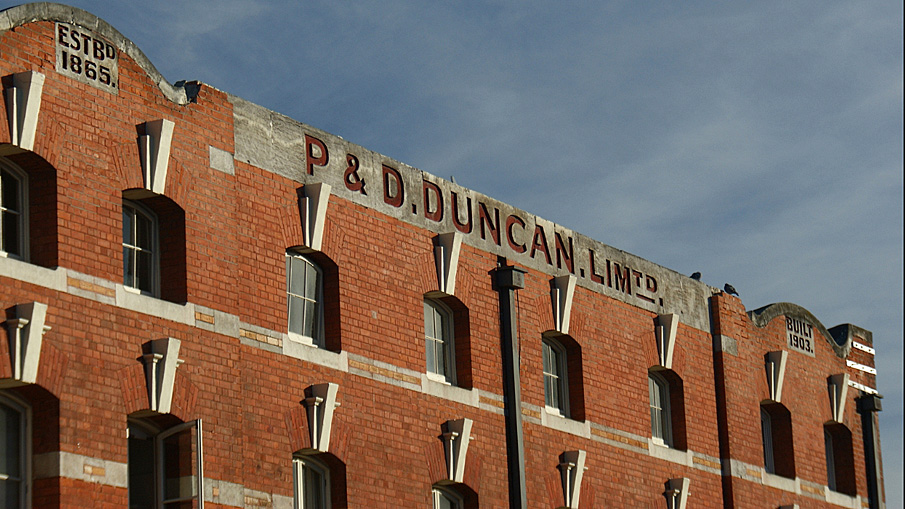
P. & D. Duncan Building
1-7/204 St Asaph Street, CHRISTCHURCH
Private
Historic Place Category 2
List No. 1911
Quick links:
List GalleryLocationDetails
1-7/204 St Asaph Street, CHRISTCHURCH
Private
Historic Place Category 2
List No. 1911
List Entry Information
Status
Listed
List Entry Status
Historic Place Category 2
Access
Private/No Public Access
List Number
1911
Date Entered
26th November 1981
Date of Effect
26th November 1981
City/District Council
Christchurch City
Region
Canterbury Region
Extent of List Entry
Extent includes part of the land described as Lot 1 DP 64932 (RT CB37D/34), and Units 1-7 DP 66479 (RTs CB39A/396-402), Canterbury Land District and the building known as P. & D. Duncan Building thereon. Refer to the extent map tabled at the Rārangi Kōrero meeting on 6 September 2017.
Legal description
Lot 1 DP 64932 (RT CB37D/34), and Units 1-7 DP 66479 (RTs CB39A/396-402), Canterbury Land District
Status
Listed
List Entry Status
Historic Place Category 2
Access
Private/No Public Access
List Number
1911
Date Entered
26th November 1981
Date of Effect
26th November 1981
City/District Council
Christchurch City
Region
Canterbury Region
Extent of List Entry
Extent includes part of the land described as Lot 1 DP 64932 (RT CB37D/34), and Units 1-7 DP 66479 (RTs CB39A/396-402), Canterbury Land District and the building known as P. & D. Duncan Building thereon. Refer to the extent map tabled at the Rārangi Kōrero meeting on 6 September 2017.
Legal description
Lot 1 DP 64932 (RT CB37D/34), and Units 1-7 DP 66479 (RTs CB39A/396-402), Canterbury Land District
Construction Professional
Name
Clarkson & Ballantyne
Type
Architect
Biography
No biography is currently available for this construction professional
Name
Warren and Mahoney
Type
Architect
Biography
The practice was founded in 1955 by Sir Miles Warren in Christchurch where he was later joined in partnership by Maurice Mahoney in 1958; the partnership went on to design buildings that are now regarded as the benchmark of New Zealand Modernism: Harewood Crematorium (1963), College House (1966), Canterbury Students' Union (1967) and Christchurch Town Hall (1972), are amongst many examples of their mid- to late-twentieth century works. Sir Miles was knighted in 1985 for his services to architecture and in 2003 named one of ten inaugural ‘Icons of the Arts’ by the Arts Foundation of New Zealand. Since 1979, the practice has expanded to Wellington, Auckland, Queenstown, Sydney and Melbourne, where they have nurtured some of New Zealand’s finest architectural talent. Sir Miles Warren and Maurice Mahoney retired in in the early 1990s. Currently, Warren and Mahoney is an insight led multi-disciplinary practice working across all disciplines of architecture. The practice has a long association with the refurbishment and restoration of historic buildings in New Zealand and has worked closely with Heritage NZ to achieve best outcomes for these heritage buildings while ensuring the highest possible standards of modern functioning requirements are met. They are conversant with the ICOMOS New Zealand Charter for the Conservation of places of Cultural Heritage Value and the Burra Charters for the conservation of buildings.
Name
Rennie and Pearce
Type
Builder
Biography
Builders of P. & D. Duncan Building (1903-4), St Asaph Street, CHRISTCHURCH
Name
JTB Architects
Type
Architect
Biography
No biography is currently available for this construction professional
Name
Sidera Construction
Type
Builder
Biography
No biography is currently available for this construction professional
Construction Details
Start Year
2018
Finish Year
2019
Type
Structural upgrade
Description
Earthquake repair and seismic upgrade
Start Year
1903
Finish Year
1904
Type
Original Construction
Type
Modification
Description
Conversion to retail and apartments
Period
1993
Construction Professional
Name
Clarkson & Ballantyne
Type
Architect
Biography
No biography is currently available for this construction professional
Name
Warren and Mahoney
Type
Architect
Biography
The practice was founded in 1955 by Sir Miles Warren in Christchurch where he was later joined in partnership by Maurice Mahoney in 1958; the partnership went on to design buildings that are now regarded as the benchmark of New Zealand Modernism: Harewood Crematorium (1963), College House (1966), Canterbury Students' Union (1967) and Christchurch Town Hall (1972), are amongst many examples of their mid- to late-twentieth century works. Sir Miles was knighted in 1985 for his services to architecture and in 2003 named one of ten inaugural ‘Icons of the Arts’ by the Arts Foundation of New Zealand. Since 1979, the practice has expanded to Wellington, Auckland, Queenstown, Sydney and Melbourne, where they have nurtured some of New Zealand’s finest architectural talent. Sir Miles Warren and Maurice Mahoney retired in in the early 1990s. Currently, Warren and Mahoney is an insight led multi-disciplinary practice working across all disciplines of architecture. The practice has a long association with the refurbishment and restoration of historic buildings in New Zealand and has worked closely with Heritage NZ to achieve best outcomes for these heritage buildings while ensuring the highest possible standards of modern functioning requirements are met. They are conversant with the ICOMOS New Zealand Charter for the Conservation of places of Cultural Heritage Value and the Burra Charters for the conservation of buildings.
Name
Rennie and Pearce
Type
Builder
Biography
Builders of P. & D. Duncan Building (1903-4), St Asaph Street, CHRISTCHURCH
Name
JTB Architects
Type
Architect
Biography
No biography is currently available for this construction professional
Name
Sidera Construction
Type
Builder
Biography
No biography is currently available for this construction professional
Construction Details
Start Year
2018
Finish Year
2019
Type
Structural upgrade
Description
Earthquake repair and seismic upgrade
Start Year
1903
Finish Year
1904
Type
Original Construction
Type
Modification
Description
Conversion to retail and apartments
Period
1993
Historical and Associated Iwi / Hapū / Whānau
Completion Date
6th June 2017
Report Written By
Robyn Burgess
Information Sources
Dictionary of New Zealand Biography
Dictionary of New Zealand Biography
Other Information
This place was identified as significant under previous legislation with different information requirements. It remains significant under the current legislation. There is opportunity under our legislation and policies to add to this information. Further information about this place may be available from the Southern Regional Office of Heritage New Zealand Pouhere Taonga. Please note that entry on the New Zealand Heritage List/Rarangi Korero identifies only the heritage values of the property concerned, and should not be construed as advice on the state of the property, or as a comment of its soundness or safety, including in regard to earthquake risk, safety in the event of fire, or insanitary conditions. A fully referenced upgrade report is available on request from the Southern Region Office of Heritage New Zealand.
Historical and Associated Iwi / Hapū / Whānau
Completion Date
6th June 2017
Report Written By
Robyn Burgess
Information Sources
Dictionary of New Zealand Biography
Dictionary of New Zealand Biography
Other Information
This place was identified as significant under previous legislation with different information requirements. It remains significant under the current legislation. There is opportunity under our legislation and policies to add to this information. Further information about this place may be available from the Southern Regional Office of Heritage New Zealand Pouhere Taonga. Please note that entry on the New Zealand Heritage List/Rarangi Korero identifies only the heritage values of the property concerned, and should not be construed as advice on the state of the property, or as a comment of its soundness or safety, including in regard to earthquake risk, safety in the event of fire, or insanitary conditions. A fully referenced upgrade report is available on request from the Southern Region Office of Heritage New Zealand.
Current Usages
Uses: Accommodation
Specific Usage: Complex of flats
Uses: Trade
Specific Usage: Shop
Former Usages
General Usage: Manufacturing
Specific Usage: Engineering works
General Usage: Manufacturing
Specific Usage: Factory/workshop
General Usage: Manufacturing
Specific Usage: Foundry Iron/Brass
General Usage: Trade
Specific Usage: Office building/Offices
Current Usages
Uses: Accommodation
Specific Usage: Complex of flats
Uses: Trade
Specific Usage: Shop
Former Usages
General Usage: Manufacturing
Specific Usage: Engineering works
General Usage: Manufacturing
Specific Usage: Factory/workshop
General Usage: Manufacturing
Specific Usage: Foundry Iron/Brass
General Usage: Trade
Specific Usage: Office building/Offices
Get the latest heritage news, features and events delivered
straight to your inbox.