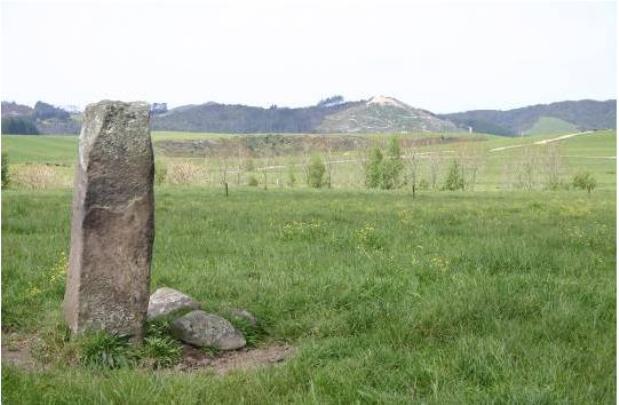
The Petone Settlers Museum on Petone's foreshore was constructed in 1939 as part of the Wellington Province's centennial commemorations marking the arrival in Petone of the first New Zealand Company immigrant ships, the 'Aurora' and the 'Cuba', in January 1840. Planning for the construction of the monument began in 1936 at a Dominion Conference of Provincial Centennial Organisations. In 1938 the decision was made by the 'Wellington Provincial Council New Zealand Centennial Organisation' to erect just one Wellington provincial memorial, at Petone, and that the memorial would be a bathing pavilion. A national competition was held to find the final design of the building, with noted Wellington architect, William Gray Young (1885-1962) adjudicating. The winner was the Auckland-based architect Horace Lovell Massey (1895-1979).
Massey's design for the 'Wellington Provincial Centennial Memorial' combines Stripped Classical and Art Deco elements. It consists of a central Hall of Memories, flanked with bathing pavilions for beach-goers. The focal point of the building was (and still is) an arched etched-glass window on the north façade, which depicts the first meeting of the New Zealand Company Settlers with the Te Ati Awa people. At the base of the window, a relief representing the prow of the 'Aurora' protrudes to the north.
In May 1939 MacLauchlan and Lane of Petone won the tender to construct the memorial. The building was opened by Governor-General, Lord Galway, in front of a large crowd, on 22 January 1940.
In 1977 the western bathing pavilion was converted to the Petone Settlers Museum. Two years later the eastern bathing pavilion was converted to what is now the Charles Heaphy Gallery. In 1988-1989 the building was refurbished to meet modern museum requirements. Today the museum is a repository of local history, with an emphasis on Maori and Pakeha settlement of the Wellington region.
This building, now known as the Petone Settlers Museum/Te Whare Whakaaro o Pito-one, has great representative significance as it commemorates the arrival of the first New Zealand Company immigrants to Wellington in January 1840. Designed by a noted architect, it is a prominent landmark on the Petone foreshore. It has additional community value as a museum dedicated to local history for over a quarter of a century.
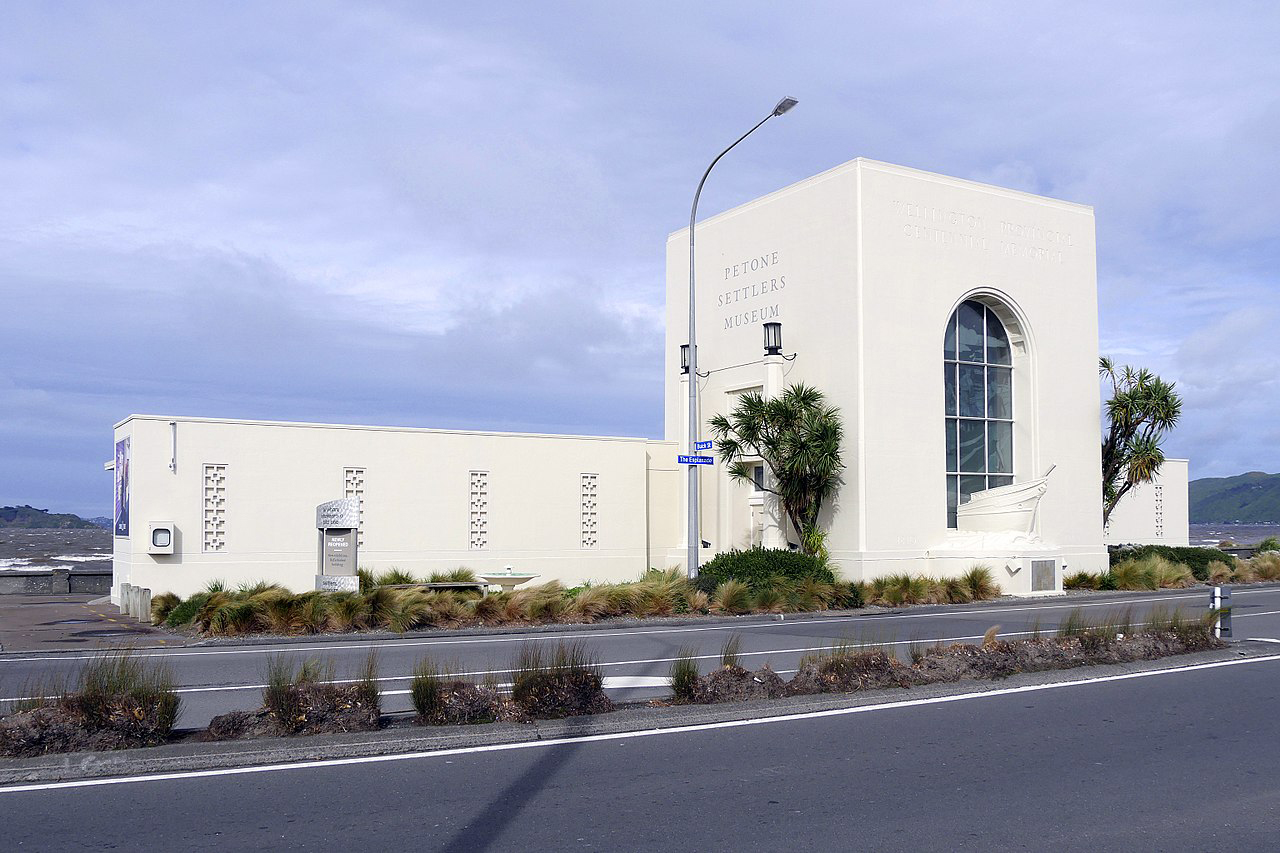
Petone Settlers Museum. CC BY 3.0 Image courtesy of commons.wikimedia.org | Ulrich Lange, Bochum, Germany | 14/03/2017 | Ulrich Lange - Wikimedia Commons
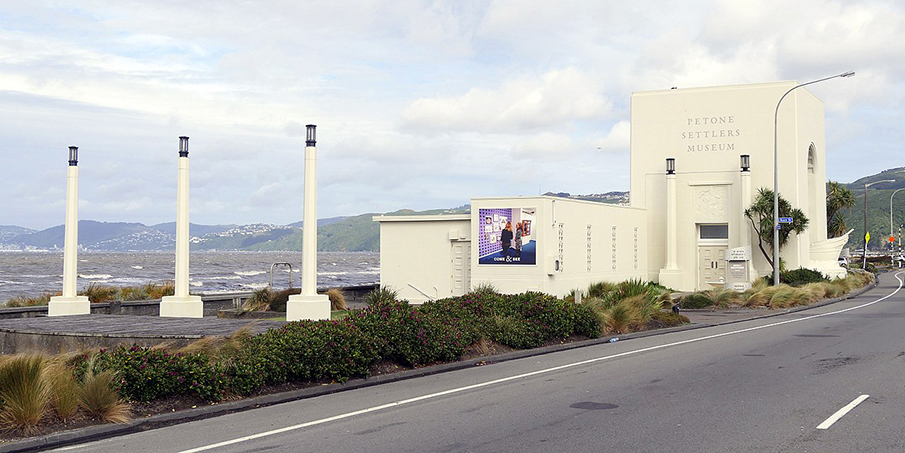
Petone Settlers Museum (side view). CC BY 3.0 Image courtesy of commons.wikimedia.org | Ulrich Lange, Bochum, Germany | 14/03/2017 | Ulrich Lange - Wikimedia Commons
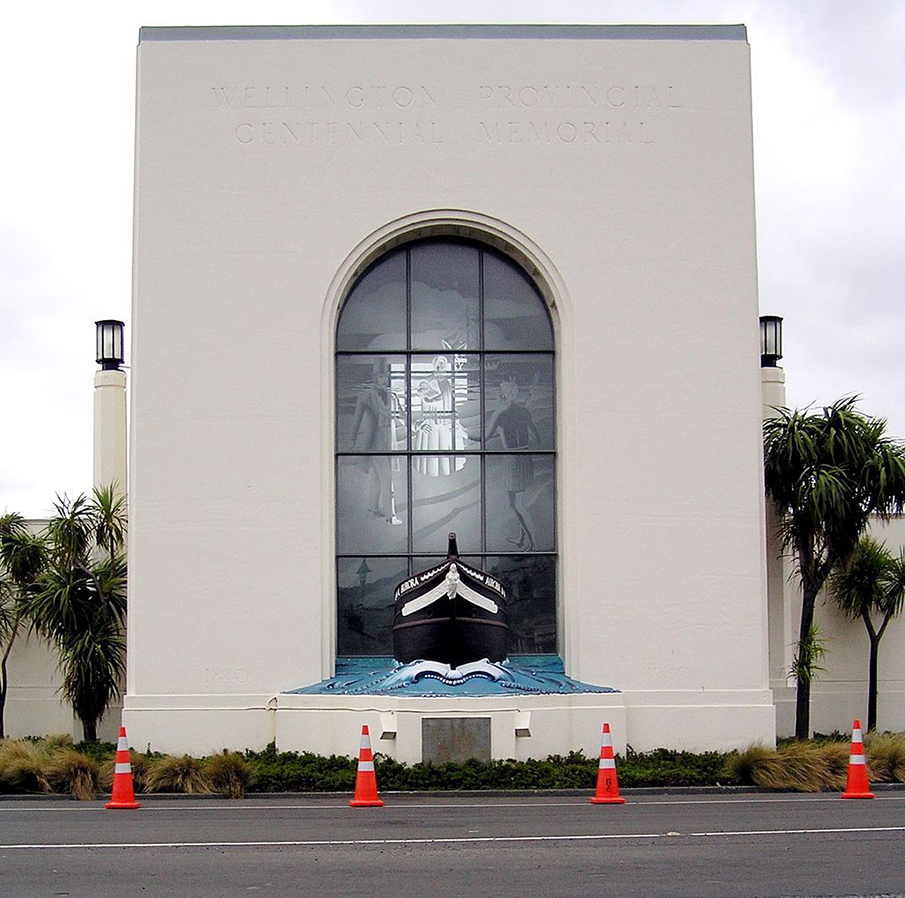
Petone Settlers Museum. CC BY-SA 2.0 Image courtesy of commons.wikimedia.org | Gordon Haws | 25/02/2005 | Gordon Haws - Wikimedia Commons
Petone Settlers Museum. CC BY 3.0 Image courtesy of commons.wikimedia.org | Ulrich Lange, Bochum, Germany | 14/03/2017 | Ulrich Lange - Wikimedia Commons
Petone Settlers Museum (side view). CC BY 3.0 Image courtesy of commons.wikimedia.org | Ulrich Lange, Bochum, Germany | 14/03/2017 | Ulrich Lange - Wikimedia Commons
Petone Settlers Museum. CC BY-SA 2.0 Image courtesy of commons.wikimedia.org | Gordon Haws | 25/02/2005 | Gordon Haws - Wikimedia Commons