DonateMembershipVisit Heritage
  • Tūrangawaewae
    Places
  • Tira Māori
    Māori Heritage
  • Poutairangahia
    Archaeology
  • Rauemi
    Resources
  • Mō Tātou
    About Us
  • New Zealand Heritage List
  • Nominate and submit
  • Explore the List
  • National Historic Landmarks
  • Plaques
  • Rainbow List Project
  • Lost heritage
  • Visit Heritage
  • Our properties
  • Turnbull House Project
  • Collections
  • Shop
  • Tohu Whenua
  • Tira Māori
  • Conserving Māori heritage
  • Marae built heritage
  • Māori heritage on the List
  • Hinemihi—Te Hokinga Mai
  • What is archaeology?
  • Is there a site on my property?
  • What are my legal requirements?
  • Affecting an archaeological site
  • Declaring an archaeological site
  • Archaeology FAQs
  • Archaeology Digital Library
  • Archaeology guidelines and templates
  • Resources
  • Funding
  • Publications
  • Sustainable management guides
  • Disaster recovery
  • Podcasts & digital resources
  • Education Hub
  • Conservation plans
  • About
  • Board
  • Māori Heritage Council
  • Senior Staff
  • Offices
  • Contact us
  • Careers
  • Covenants
  • Fast-track
  • Corporate documents
  • Currently consulting on
  • Our submissions
  • News
  • Covid-19 response
Quick links
Rārangi Kōrero | The List
Explore the List
National Historic Landmarks
Ngā Manawhenua o Aotearoa me ōna Kōrero Tūturu
Quick links
Tapuwae
A Vision for Places of Māori Heritage
Funding for Māori Heritage
Resources
Quick links
Archaeological Authority Portal
Applying for an archaeological authority
Archaeology FAQs
Browse the most frequently asked questions about archaeological authorities and the archaeological process.
Quick links
Quick links
Contact us
Offices
DonateMembershipVisit Heritage
  • Tūrangawaewae
    Places
  • Tira Māori
    Māori Heritage
  • Poutairangahia
    Archaeology
  • Rauemi
    Resources
  • Mō Tātou
    About Us
  • New Zealand Heritage List
  • Nominate and submit
  • Explore the List
  • National Historic Landmarks
  • Plaques
  • Rainbow List Project
  • Lost heritage
  • Visit Heritage
  • Our properties
  • Turnbull House Project
  • Collections
  • Shop
  • Tohu Whenua
  • Tira Māori
  • Conserving Māori heritage
  • Marae built heritage
  • Māori heritage on the List
  • Hinemihi—Te Hokinga Mai
  • What is archaeology?
  • Is there a site on my property?
  • What are my legal requirements?
  • Affecting an archaeological site
  • Declaring an archaeological site
  • Archaeology FAQs
  • Archaeology Digital Library
  • Archaeology guidelines and templates
  • Resources
  • Funding
  • Publications
  • Sustainable management guides
  • Disaster recovery
  • Podcasts & digital resources
  • Education Hub
  • Conservation plans
  • About
  • Board
  • Māori Heritage Council
  • Senior Staff
  • Offices
  • Contact us
  • Careers
  • Covenants
  • Fast-track
  • Corporate documents
  • Currently consulting on
  • Our submissions
  • News
  • Covid-19 response
Quick links
Rārangi Kōrero | The List
Explore the List
National Historic Landmarks
Ngā Manawhenua o Aotearoa me ōna Kōrero Tūturu
Quick links
Tapuwae
A Vision for Places of Māori Heritage
Funding for Māori Heritage
Resources
Quick links
Archaeological Authority Portal
Applying for an archaeological authority
Archaeology FAQs
Browse the most frequently asked questions about archaeological authorities and the archaeological process.
Quick links
Quick links
Contact us
Offices
  • Places
  • Nominate and submit
  • National Historic Landmarks
  • Places
  • Nominate and submit
  • National Historic Landmarks
  • Tira Māori
  • Conserving Māori heritage
  • Marae built heritage
  • Tira Māori
  • Conserving Māori heritage
  • Marae built heritage
  • Archaeological authorities
  • Archaeology Digital Library
  • Archaeological authorities
  • Archaeology Digital Library
  • All resources
  • Publications
  • Funding
  • All resources
  • Publications
  • Funding
  • FAQs
  • FAQs
Follow us on:
Places
  • Places
  • Nominate and submit
  • National Historic Landmarks
Tira Māori
  • Tira Māori
  • Conserving Māori heritage
  • Marae built heritage
Archaeology
  • Archaeological authorities
  • Archaeology Digital Library
Resources
  • All resources
  • Publications
  • Funding
FAQs
  • FAQs
Follow us on
HomePrivacyTerms and conditionsAbout this site
© Heritage New Zealand Pouhere Taonga 2026.
 
St Gerard's Church

73-75 Hawker Street and Moeller Street and Oriental Terrace, Mt Victoria, WELLINGTON

Private

Historic Place Category 1

List No. 226

Quick links:
List GalleryLocationDetails
St Gerard's Church, the first church in the world to be dedicated to the Italian saint Gerard Majella, sits on an imposing site above Oriental Bay. It was erected in 1908 for the Redemptorists, an order dedicated to reviving the spiritual lives of Catholic parishioners. Prior to its construction, the Redemptorist fathers held mass in their own house, two rooms of which had been converted into a chapel. The new, purpose-built church represents the commitment of the Redemptorists to their work in New Zealand and, as it was funded entirely by public donations, shows the strong support that the fathers had inspired in the local community.

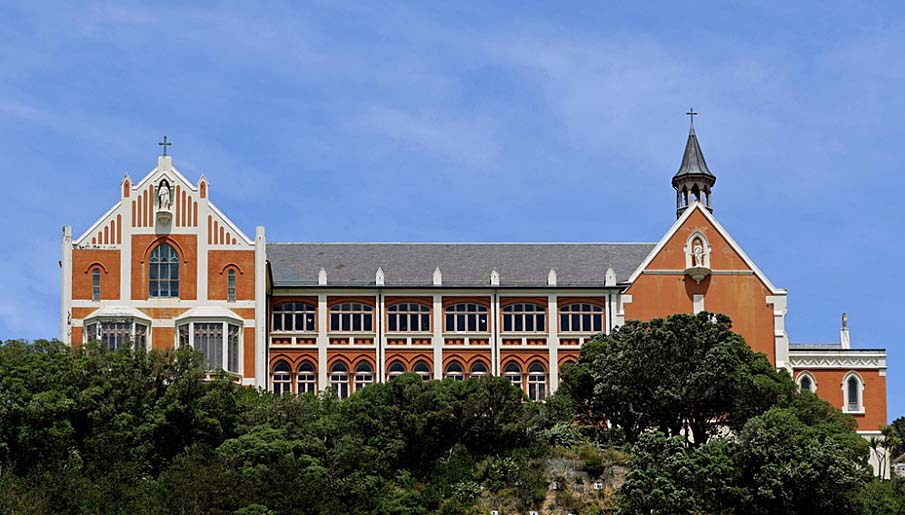
The church, incorporated into the new monastery in 1932, forms one of Wellington's most distinctive landmarks. The Catholic Archbishop Francis Redwood [1839-1935] foresaw the landmark potential of the site, and concerned that it would overshadow his Cathedral, initially objected to it. Reassured that the church would be a simple affair, the Archbishop relented and the well-known architect John Sydney Swan was asked to draw up some suitable plans.

Surviving the earthquake that occurred the day after it was opened, the Church was soon a centre of the Catholic community. Retreats or 'missions' and novena sessions attracted many Wellingtonians. The church, renowned for its choir, became known throughout New Zealand as its services were broadcast on national radio for 37 years. In 1965 the building became a parish church and, despite the departure of the Redemptorists in 1993, it continues in this role today. From its superb site overlooking Wellington Harbour, St Gerard's Church, remains a highly visible symbol of commitment and devotion.

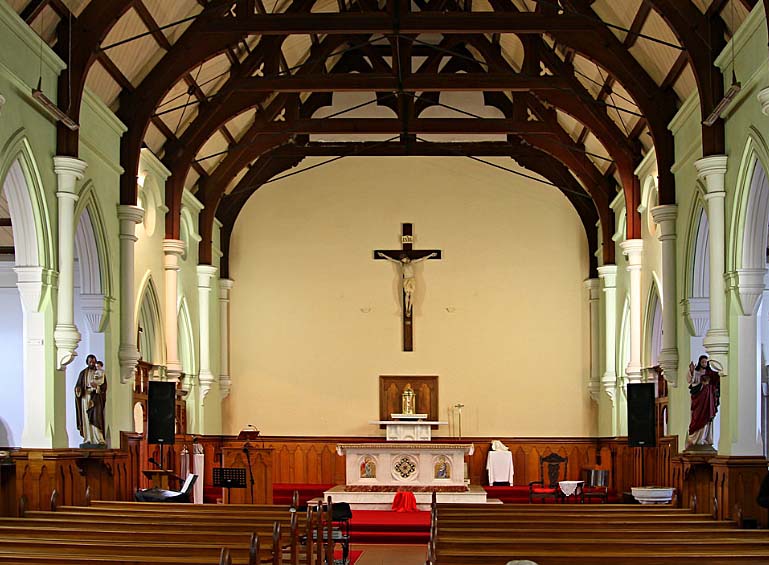
The brick exterior of the church displays a large white cross over which a statue of Mary presides, heavy with child. The simple Gothic style of the church is reflected in the design of the monastery building built alongside the church in 1932. The eastern gable of the monastery mirrors the shape of the church, lending a pleasing air of symmetry to the combined composition. The interior of the church is simple, almost severe. The single storied structure forms a cross. Transepts branch off from main body of the church to the north and south. Framed with carved wood, the south transept contains the organ and the north transept acts as a vestry. Small alcoves behind each vestry house two minor chapels. The wooden pews, hand-carved by Brother Lawrence Watters, provide seating for 200 people.

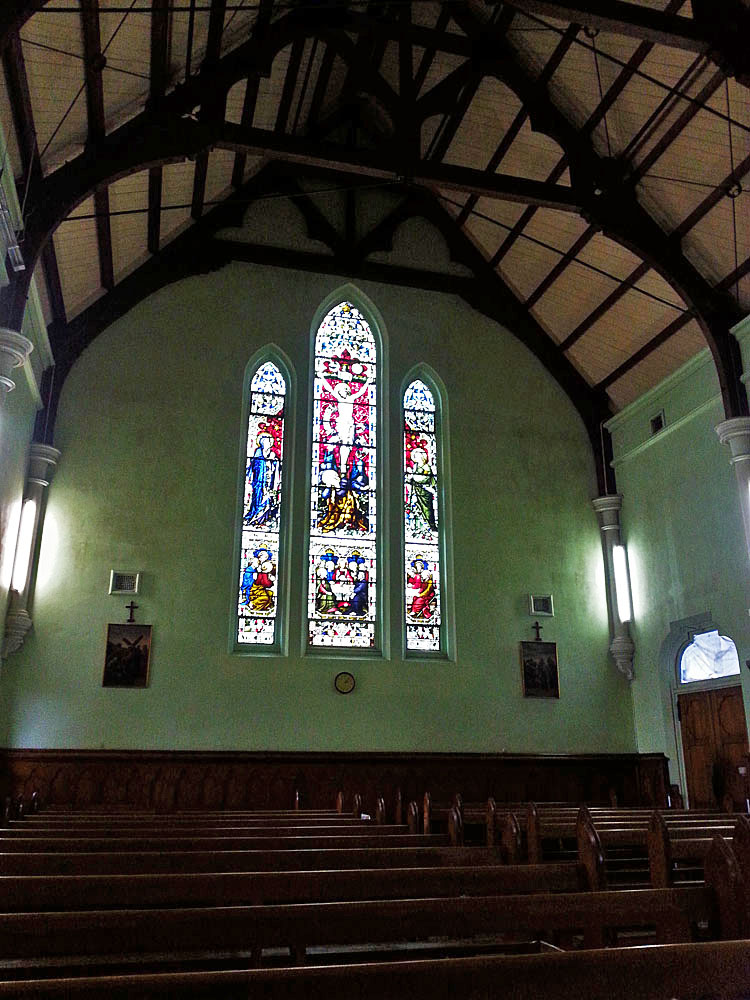
The tall lancet windows are made of exquisite stained glass and provide relief from the stark, white plaster walls and timber floor and dado. The windows, depicting gospel scenes and saints, were made by Hardman and Son of Birmingham and are of very high quality. An oil painting of St Gerard in Ecstasy, gifted by the Vatican in recognition of the church's status as the first to be dedicated to the saint, once hung above the altar. It was returned to the Vatican in 1993 when the Redemptorists departed. From the altar to the organ, the many riches within the church were all public donations and illustrate the support commanded by the Redemptorists. Apart from changes to the exterior made when the church was incorporated into the monastery, the original form and fabric of the church has been retained. Changes to the interior have also been minor and reflect the building's role as a living centre of the Catholic community.

The spectacular location of the church and its combination with the large and impressive monastery has made the building one of Wellington's most significant and well-known landmarks. As the first church in the world to be dedicated to St Gerard Majella, the church has considerable international spiritual significance. As the first structure purpose-built for the Redemptorists in New Zealand the church can be considered a symbol of their commitment to their work in this country. The quality of the choir and the broadcast of weekly services on the national radio furthered public awareness of both the building and the Redemptorist mission. The high esteem in which the Redemptorists and church were held is demonstrated by the generous public support it received. The church has architectural significance as an example of the work of well-known local architect John Sydney Swan. Its juxtaposition with the monastery, the work of Swan's mentor Frederick de Jersey Clere, makes the building a unique piece of architectural history and adds greatly to the significance of the structure.
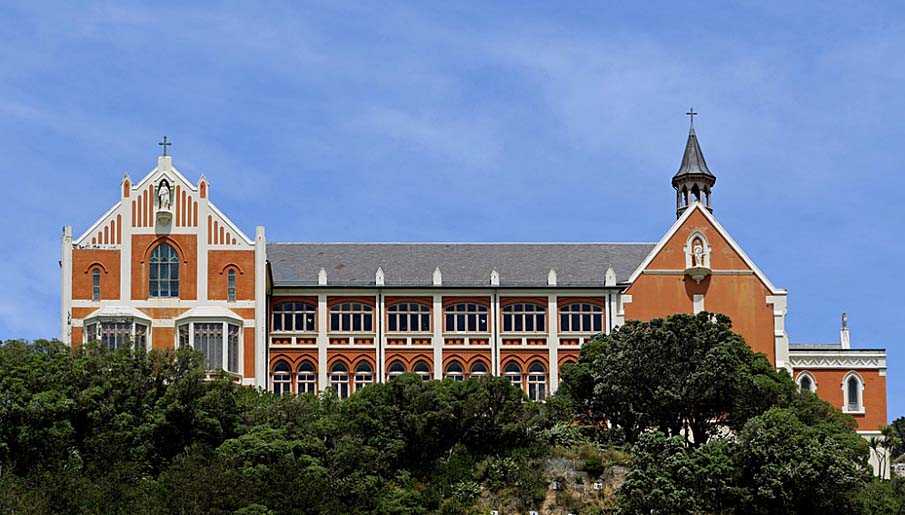
St Gerard's Church. Image courtesy of www.flickr.com | Minicooperd – Paul Le Roy | 05/12/2015 | Paul Le Roy
St Gerard's Church. The Altar. Image courtesy of www.flickr.com | Minicooperd – Paul Le Roy | 04/07/2015 | Paul Le Roy
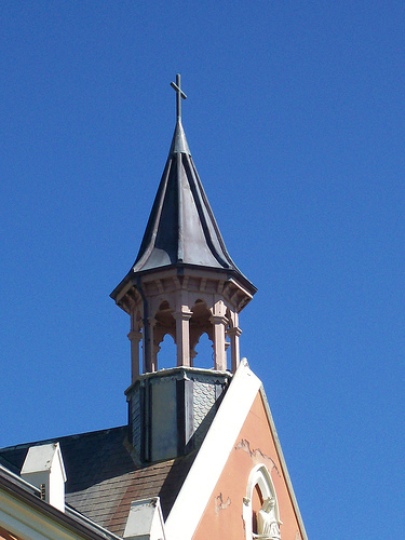
St Gerard's Church. Building detail | Heritage New Zealand
St Gerard's Church, Mt Victoria, Wellington. Stained Glass | Chris Horwell | 05/09/2017 | Heritage New Zealand
St Gerard's Church. Image courtesy of www.flickr.com | Minicooperd – Paul Le Roy | 05/12/2015 | Paul Le Roy
St Gerard's Church. The Altar. Image courtesy of www.flickr.com | Minicooperd – Paul Le Roy | 04/07/2015 | Paul Le Roy
St Gerard's Church. Building detail | Heritage New Zealand
St Gerard's Church, Mt Victoria, Wellington. Stained Glass | Chris Horwell | 05/09/2017 | Heritage New Zealand

List Entry Information

Overview

Status
Listed

List Entry Status
Historic Place Category 1

Access
Private/No Public Access

List Number
226

Date Entered
5th April 1984

Date of Effect
5th April 1984

City/District Council
Wellington City

Region
Wellington Region

Legal description

Lot 3 DP 76510 (RT WN42D/685), Wellington Land District

Location Description

75 Hawker Street, Mount Victoria, Wellington

Detailed List Entry

Construction Professional

Name

Swan, John Sydney

Type

Architect

Biography

Swan (1874-1936) practised architecture during the late nineteenth and early twentieth centuries. He formed part of the last group of architects to follow the traditional Gothic and Classical styles. He was articled to Frederick de Jersey Clere, working with Clere on many major designs such as the Wellington Rowing Club building (then known as the Naval Artillery Boat Shed, 1894) as well as smaller provincial buildings such as the Church of the Good Shepherd, Tinui. The firm was known as Clere, Fitzgerald and Richmond and was one of the most prominent architectural practices in Wellington. From 1901 to 1906 Swan was in partnership with Clere, practising on his own account from 1907. The first major design produced by Swan in this new practice was the Karori Crematorium (1907) which served to establish his architectural identity separate from Clere. During his long and varied career Swan produced a large and wide range of work, including a number of banks for the National Bank such as the head office building in Wellington (1907), educational buildings for the Wellington Technical College with William Gray Young (1922), and a number of major buildings for the Catholic Church including St Gerard's Church, Mt Victoria (1910), Sacred Heart Convent (later Erskine College), Island Bay (1909), and Wanganui Convent (1912). He was an architect of imagination as evidenced by the design of his own house 'The Moorings', Glenbervie Terrace (1905).

Construction Details

Start Year

1908

Type

Original Construction

Start Year

1908

Type

Other

Description

Picture of St Gerard in Ecstasy presented to church

Start Year

1910

Type

Other

Description

Pipe organ installed

Start Year

1983

Type

Other

Description

Waterproofed

Start Year

1985

Type

Other

Description

Floor strengthened

Construction Materials

Built in a simple Gothic style with a brick exterior, the single storey building is arranged in a cross.

Notable Features

Cliff site created when much of the hill was removed during the Te Aro reclamation. High quality stained glass windows. Unusual statue depicting St Mary heavy with child. Marble altar. Pews.

Reference

Completion Date

5th October 2002

Report Written By

Rebecca O'Brien

Information Sources

Duggan, 1965

E. Duggan, Diamond Jubilee of St Gerard's Monastery & Church, Wellington, 1965

Fearnley, 1977

Charles Fearnley, Early Wellington Churches, Wellington, 1977

Kearney, 1997

P. Kearney, Bounteous Redemption; The Redemptorists in New Zealand 1883-1983, Auckland, 1997

Conservation Plan

Conservation Plan

Report Written By

This place was identified as significant under previous legislation with different information requirements. It remains significant under the current legislation. There is opportunity under our legislation and policies to add to this information. Further information about this place may be available from the Central Regional Office of Heritage New Zealand Pouhere Taonga. A fully referenced version of this report is available from the NZHPT Central Region Office Please note that entry on the New Zealand Heritage List/Rarangi Korero identifies only the heritage values of the property concerned, and should not be construed as advice on the state of the property, or as a comment of its soundness or safety, including in regard to earthquake risk, safety in the event of fire, or insanitary conditions.

Further Information

Current Usages

Uses: Religion

Specific Usage: Church

Former Usages

General Usage:: Religion

Specific Usage: Church

Themes

Web Links

Overview

Status

Listed

List Entry Status

Historic Place Category 1

Access

Private/No Public Access

List Number

226

Date Entered

5th April 1984

Date of Effect

5th April 1984

City/District Council

Wellington City

Region

Wellington Region

Legal description

Lot 3 DP 76510 (RT WN42D/685), Wellington Land District

Location Description

75 Hawker Street, Mount Victoria, Wellington

Status

Listed

List Entry Status

Historic Place Category 1

Access

Private/No Public Access

List Number

226

Date Entered

5th April 1984

Date of Effect

5th April 1984

City/District Council

Wellington City

Region

Wellington Region

Legal description

Lot 3 DP 76510 (RT WN42D/685), Wellington Land District

Location Description

75 Hawker Street, Mount Victoria, Wellington

Construction Information

Construction Professional

Name

Swan, John Sydney

Type

Architect

Biography

Swan (1874-1936) practised architecture during the late nineteenth and early twentieth centuries. He formed part of the last group of architects to follow the traditional Gothic and Classical styles. He was articled to Frederick de Jersey Clere, working with Clere on many major designs such as the Wellington Rowing Club building (then known as the Naval Artillery Boat Shed, 1894) as well as smaller provincial buildings such as the Church of the Good Shepherd, Tinui. The firm was known as Clere, Fitzgerald and Richmond and was one of the most prominent architectural practices in Wellington. From 1901 to 1906 Swan was in partnership with Clere, practising on his own account from 1907. The first major design produced by Swan in this new practice was the Karori Crematorium (1907) which served to establish his architectural identity separate from Clere. During his long and varied career Swan produced a large and wide range of work, including a number of banks for the National Bank such as the head office building in Wellington (1907), educational buildings for the Wellington Technical College with William Gray Young (1922), and a number of major buildings for the Catholic Church including St Gerard's Church, Mt Victoria (1910), Sacred Heart Convent (later Erskine College), Island Bay (1909), and Wanganui Convent (1912). He was an architect of imagination as evidenced by the design of his own house 'The Moorings', Glenbervie Terrace (1905).

Construction Details

Start Year

1908

Type

Original Construction

Start Year

1908

Type

Other

Description

Picture of St Gerard in Ecstasy presented to church

Start Year

1910

Type

Other

Description

Pipe organ installed

Start Year

1983

Type

Other

Description

Waterproofed

Start Year

1985

Type

Other

Description

Floor strengthened

Construction Materials

Built in a simple Gothic style with a brick exterior, the single storey building is arranged in a cross.

Notable Features

Cliff site created when much of the hill was removed during the Te Aro reclamation. High quality stained glass windows. Unusual statue depicting St Mary heavy with child. Marble altar. Pews.

Construction Professional

Name

Swan, John Sydney

Type

Architect

Biography

Swan (1874-1936) practised architecture during the late nineteenth and early twentieth centuries. He formed part of the last group of architects to follow the traditional Gothic and Classical styles. He was articled to Frederick de Jersey Clere, working with Clere on many major designs such as the Wellington Rowing Club building (then known as the Naval Artillery Boat Shed, 1894) as well as smaller provincial buildings such as the Church of the Good Shepherd, Tinui. The firm was known as Clere, Fitzgerald and Richmond and was one of the most prominent architectural practices in Wellington. From 1901 to 1906 Swan was in partnership with Clere, practising on his own account from 1907. The first major design produced by Swan in this new practice was the Karori Crematorium (1907) which served to establish his architectural identity separate from Clere. During his long and varied career Swan produced a large and wide range of work, including a number of banks for the National Bank such as the head office building in Wellington (1907), educational buildings for the Wellington Technical College with William Gray Young (1922), and a number of major buildings for the Catholic Church including St Gerard's Church, Mt Victoria (1910), Sacred Heart Convent (later Erskine College), Island Bay (1909), and Wanganui Convent (1912). He was an architect of imagination as evidenced by the design of his own house 'The Moorings', Glenbervie Terrace (1905).

Construction Details

Start Year

1908

Type

Original Construction

Start Year

1908

Type

Other

Description

Picture of St Gerard in Ecstasy presented to church

Start Year

1910

Type

Other

Description

Pipe organ installed

Start Year

1983

Type

Other

Description

Waterproofed

Start Year

1985

Type

Other

Description

Floor strengthened

Construction Materials

Built in a simple Gothic style with a brick exterior, the single storey building is arranged in a cross.

Notable Features

Cliff site created when much of the hill was removed during the Te Aro reclamation. High quality stained glass windows. Unusual statue depicting St Mary heavy with child. Marble altar. Pews.

Reference

Historical and Associated Iwi / Hapū / Whānau

Completion Date

5th October 2002

Report Written By

Rebecca O'Brien

Information Sources

Duggan, 1965

E. Duggan, Diamond Jubilee of St Gerard's Monastery & Church, Wellington, 1965

Fearnley, 1977

Charles Fearnley, Early Wellington Churches, Wellington, 1977

Kearney, 1997

P. Kearney, Bounteous Redemption; The Redemptorists in New Zealand 1883-1983, Auckland, 1997

Conservation Plan

Conservation Plan

Other Information

This place was identified as significant under previous legislation with different information requirements. It remains significant under the current legislation. There is opportunity under our legislation and policies to add to this information. Further information about this place may be available from the Central Regional Office of Heritage New Zealand Pouhere Taonga. A fully referenced version of this report is available from the NZHPT Central Region Office Please note that entry on the New Zealand Heritage List/Rarangi Korero identifies only the heritage values of the property concerned, and should not be construed as advice on the state of the property, or as a comment of its soundness or safety, including in regard to earthquake risk, safety in the event of fire, or insanitary conditions.

Historical and Associated Iwi / Hapū / Whānau

Completion Date

5th October 2002

Report Written By

Rebecca O'Brien

Information Sources

Duggan, 1965

E. Duggan, Diamond Jubilee of St Gerard's Monastery & Church, Wellington, 1965

Fearnley, 1977

Charles Fearnley, Early Wellington Churches, Wellington, 1977

Kearney, 1997

P. Kearney, Bounteous Redemption; The Redemptorists in New Zealand 1883-1983, Auckland, 1997

Conservation Plan

Conservation Plan

Other Information

This place was identified as significant under previous legislation with different information requirements. It remains significant under the current legislation. There is opportunity under our legislation and policies to add to this information. Further information about this place may be available from the Central Regional Office of Heritage New Zealand Pouhere Taonga. A fully referenced version of this report is available from the NZHPT Central Region Office Please note that entry on the New Zealand Heritage List/Rarangi Korero identifies only the heritage values of the property concerned, and should not be construed as advice on the state of the property, or as a comment of its soundness or safety, including in regard to earthquake risk, safety in the event of fire, or insanitary conditions.

Further Information

Current Usages

Uses: Religion

Specific Usage: Church

Former Usages

General Usage: Religion

Specific Usage: Church

Current Usages

Uses: Religion

Specific Usage: Church

Former Usages

General Usage: Religion

Specific Usage: Church

Location

Loading
Related listings
St Gerard's Monastery, Wellington. Image courtesy of www.flickr.com
St Gerard's Monastery
St Gerard's Monastery, Wellington. Image courtesy of www.flickr.com
St Gerard's Monastery
Sign up to hear more

Get the latest heritage news, features and events delivered
straight to your inbox.

Subscribe