St John's Presbyterian Church (Former)

1 Ord Street and Cromarty Street, HERBERT

Historic Place Category 2

List No. 2416

Quick links:
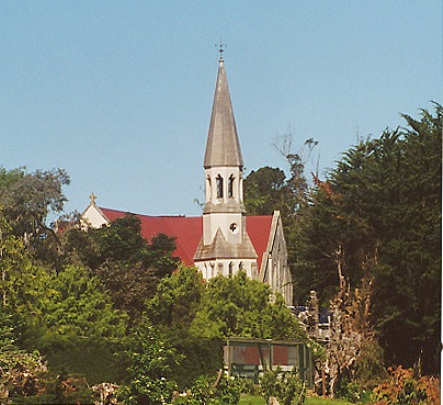
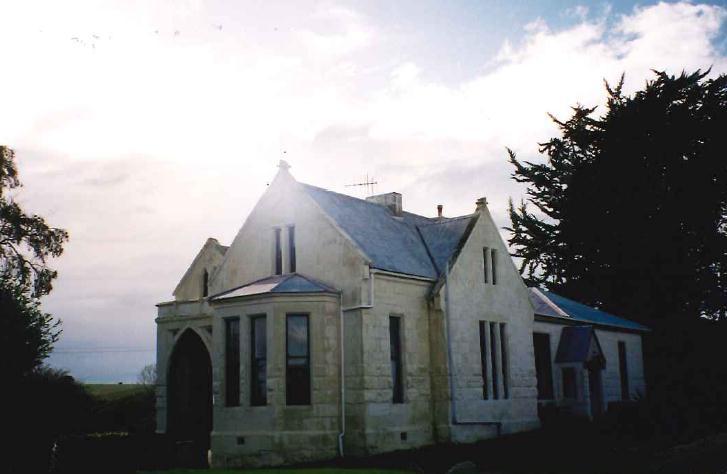
Tucked off State Highway 1 on a countryside lane, is the picturesque St John's Presbyterian Church, constructed in 1866 to the design of noted architect R.A. Lawson. Built of Ōamaru stone, the church holds aesthetic, architectural and historical values. It is an unusual combination of the work of three noted architectural firms – Lawson, Mason and Wales, and Forrester and Lemon; all contracted and paid for by a small rural congregation in North Otago.

Presbyterian services in the small settlement of Ōtepopo were held in woolsheds from around 1858. By 1865 the growing community wanted a church building. They contracted noted Dunedin architect R.A. Lawson to design the small church. It was the architect’s first experience of working with Ōamaru stone. The rectangular church, of English Gothic design, was formally opened on 7 May 1866. The exterior was plainly detailed with trefoil lancet windows alternated with fixed buttresses along the nave. The interiors included polished Ōamaru stone, moulded stone corbels and the roof was diagonally lined wood with an oak stain which contrasted with the Ōamaru stone walls.

Ōtepopo became a separate charge in 1871 and it soon became clear the existing church building was too small. In May 1875, Mason and Wales advertised for tenders for the erection of additions to the Ōtepopo Presbyterian Church, as it was often called. By the end of July the works were underway. The design was prepared by N.Y.A. Wales. Wales’ design was called ‘beautiful and compact’. The new addition, opened in 1876, included transepts which provided space for an additional 200 seats. Cruciform in plan, a tower and spire were also tucked into the angle between the transept and nave. The tower was two levels. Paired windows were on the first level and a belfry was set above. Entrances were located at two corners of the transept as well as the end of the nave.

In 1886 John Lemon, of noted Ōamaru architectural firm Lemon and Forrester, became involved with the church. Lemon largely took the role of business manager in the firm and Forrester, the architectural design. Nevertheless it was John Lemon’s name that appeared in the tender for re-roofing of the church.

In 1898, St John’s underwent an extensive renovation – particularly the interior. A century later, in 1998, the roof was damaged by fire. The original elements were replaced but matched to the original as closely as possible. The Herbert congregation was in decline, however. By 2012 St John’s was still used for weekly services for the consolidated Ōtepopo-Maheno parish but its future was uncertain. In 2015 the community celebrated the 150th anniversary of the church but regular services were no longer held there. In 2018 the church found a new life as the New Zealand Organ Museum. While regular services are no longer held, the pretty Ōamaru stone building which encompasses the contributions of three leading nineteenth century architectural firms continues to grace the Herbert township.
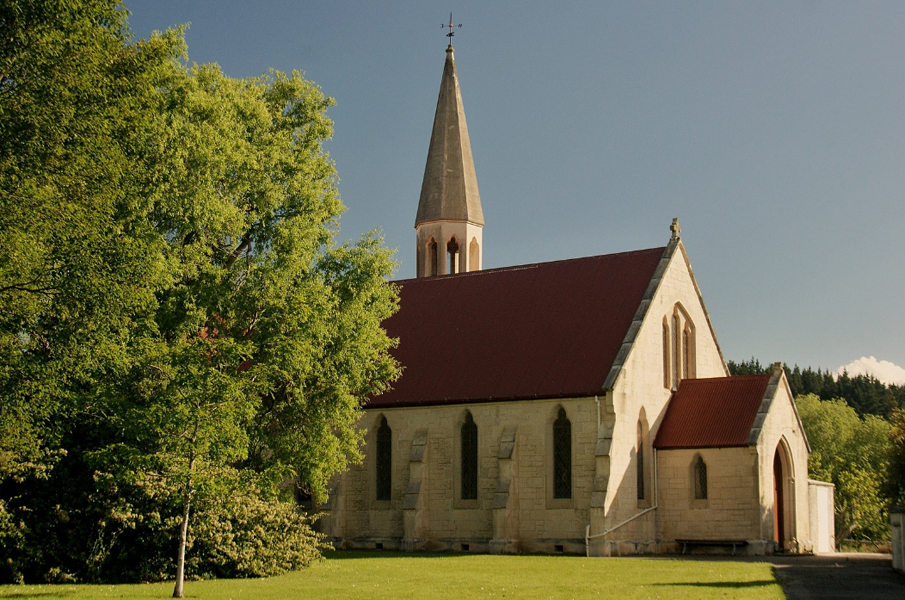
St John's Presbyterian Church (Former), Herbert. Image courtesy of www.flickr.com | PhilBee NZ - Phil Braithwaite | 25/12/2012 | Phil Braithwaite
St John's Presbyterian Church (Former), Herbert | Don Donovan | Photograph © Don Donovan
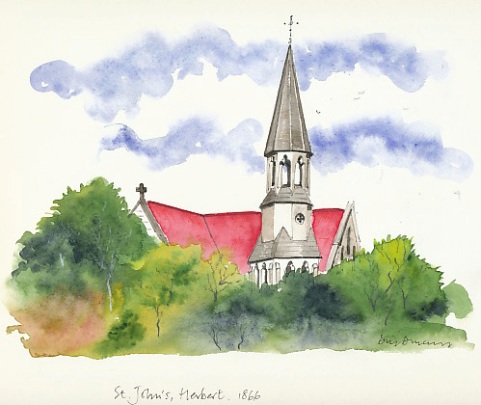
St John's Presbyterian Church (Former), Herbert. Watercolour of Church (Presbyterian) | Don Donovan | Photograph © Don Donovan

List Entry Information

Overview

Status

Listed

List Entry Status

Historic Place Category 2

Access

Private/No Public Access

List Number

2416

Date Entered

7th April 1983

Date of Effect

7th April 1983

City/District Council

Waitaki District

Region

Otago Region

Extent of List Entry

Extent includes the land described as Lot 2 DP 21555 (RT OT13B/369), Otago Land District, and the building known as St John’s Presbyterian Church (Former) thereon.

Legal description

Lot 2 DP 21555 (RT OT13B/369), Otago Land District

Status

Listed

List Entry Status

Historic Place Category 2

Access

Private/No Public Access

List Number

2416

Date Entered

7th April 1983

Date of Effect

7th April 1983

City/District Council

Waitaki District

Region

Otago Region

Extent of List Entry

Extent includes the land described as Lot 2 DP 21555 (RT OT13B/369), Otago Land District, and the building known as St John’s Presbyterian Church (Former) thereon.

Legal description

Lot 2 DP 21555 (RT OT13B/369), Otago Land District

Construction Information

Construction Professional

Name

King, Robert

Type

Stonemason

Biography

No biography is currently available for this construction professional

Name

Wales, Nathaniel Young Armstrong

Type

Architect

Biography

Wales was born in Northumberland, England, and educated at Jedburgh, Scotland. He immigrated to Australia in 1854 and found employment as a carpenter working on the buildings for the first exhibition held in Melbourne. He arrived in Dunedin about 1863, and was a clerk of works for William Mason on the old Bank of New Zealand Building (1862-64), the Post Office Building (1864-68) and the Port Chalmers Graving Dock (1868-72). Wales entered partnership with William Mason in 1871. The firm of Mason and Wales was responsible for many fine buildings in Dunedin including Bishopscourt (1873), St Matthew's Church (1873), Government Life Insurance Building (1897) and Wains Hotel (1878). Wales had military and political interests and was a Member of Parliament for some years. He occupied a seat on the Dunedin Harbour Board and was a Dunedin City Councillor. In 1895 he was elected Mayor of Dunedin. In 1900 he was elected a Fellow of the Royal Institute of British Architects. Nathaniel Wales worked for William Mason as a clerk of works during the 1860s on the old Bank of New Zealand building and on the Post Office building which became the Stock Exchange. He also had the thankless task of being clerk of works to the Port Chalmers Dry dock. Wales began work on his own as an architect untrained, and asked Mason to come back from retirement to enable him to join his firm which became Mason and Wales in 1871 at a time when Wales was building the first part of the Iona Union church at Port Chalmers. Mason retied for good in 1874 and Wales became the senior partner in the firm. Wales designed the Campbell Park Homestead in 1876 and received the commission for the stables about 1878, along with some cottages for the farm labourers. One of his notable buildings is his own big house at 38 Belgrave Crescent (1870), built of stone quarried from the site.

Name

King, Thomas

Type

Stonemason

Biography

No biography is currently available for this construction professional

Name

Lemon, John

Type

Architect

Biography

No biography is currently available for this construction professional

Name

Lawson, Robert Arthur

Type

Architect

Biography

Born in Scotland, Lawson (1833-1902) began his professional career in Perth. At the age of 25 he moved to Melbourne and was engaged in goldmining and journalism before resuming architectural practice. In 1862 Lawson sailed for Dunedin, where his sketch plans had won the competition for the design of First Church. This was built 1867-73. Lawson went on to become one of the most important architects in New Zealand. First Church is regarded as his masterpiece and one of the finest nineteenth century churches in New Zealand. He was also responsible for the design of the Trinity Church (now Fortune Theatre), Dunedin (1869-70), the East Taieri Presbyterian Church (1870), and Knox Church, Dunedin (1874). He designed Park's School (1864) and the ANZ Bank (originally Union Bank, 1874). In Oamaru he designed the Bank of Otago (later National Bank building, 1870) and the adjoining Bank of New South Wales (now Forrester Gallery, 1881). See also: Ledgerwood, Norman, 2013. 'R.A. Lawson: Victorian Architect of Dunedin'. Historic Cemeteries Conservation NZ.

Name

Smith, George

Type

Builder

Biography

No biography is currently available for this construction professional

Name

McDonald, Robert

Type

Builder

Biography

No biography is currently available for this construction professional

Construction Details

Finish Year

1886

Type

Maintenance/repairs

Description

Church re-roofed

Finish Year

1898

Type

Refurbishment/renovation

Description

Interior and exterior renovations

Finish Year

1998

Type

Maintenance/repairs

Description

Roof fire and subsequent repairs

Finish Year

1866

Type

Original Construction

Description

Original portion of church constructed

Start Year

1875

Finish Year

1876

Type

Addition

Description

Additions to church including transept and spire

Construction Professional

Name

King, Robert

Type

Stonemason

Biography

No biography is currently available for this construction professional

Name

Wales, Nathaniel Young Armstrong

Type

Architect

Biography

Wales was born in Northumberland, England, and educated at Jedburgh, Scotland. He immigrated to Australia in 1854 and found employment as a carpenter working on the buildings for the first exhibition held in Melbourne. He arrived in Dunedin about 1863, and was a clerk of works for William Mason on the old Bank of New Zealand Building (1862-64), the Post Office Building (1864-68) and the Port Chalmers Graving Dock (1868-72). Wales entered partnership with William Mason in 1871. The firm of Mason and Wales was responsible for many fine buildings in Dunedin including Bishopscourt (1873), St Matthew's Church (1873), Government Life Insurance Building (1897) and Wains Hotel (1878). Wales had military and political interests and was a Member of Parliament for some years. He occupied a seat on the Dunedin Harbour Board and was a Dunedin City Councillor. In 1895 he was elected Mayor of Dunedin. In 1900 he was elected a Fellow of the Royal Institute of British Architects. Nathaniel Wales worked for William Mason as a clerk of works during the 1860s on the old Bank of New Zealand building and on the Post Office building which became the Stock Exchange. He also had the thankless task of being clerk of works to the Port Chalmers Dry dock. Wales began work on his own as an architect untrained, and asked Mason to come back from retirement to enable him to join his firm which became Mason and Wales in 1871 at a time when Wales was building the first part of the Iona Union church at Port Chalmers. Mason retied for good in 1874 and Wales became the senior partner in the firm. Wales designed the Campbell Park Homestead in 1876 and received the commission for the stables about 1878, along with some cottages for the farm labourers. One of his notable buildings is his own big house at 38 Belgrave Crescent (1870), built of stone quarried from the site.

Name

King, Thomas

Type

Stonemason

Biography

No biography is currently available for this construction professional

Name

Lemon, John

Type

Architect

Biography

No biography is currently available for this construction professional

Name

Lawson, Robert Arthur

Type

Architect

Biography

Born in Scotland, Lawson (1833-1902) began his professional career in Perth. At the age of 25 he moved to Melbourne and was engaged in goldmining and journalism before resuming architectural practice. In 1862 Lawson sailed for Dunedin, where his sketch plans had won the competition for the design of First Church. This was built 1867-73. Lawson went on to become one of the most important architects in New Zealand. First Church is regarded as his masterpiece and one of the finest nineteenth century churches in New Zealand. He was also responsible for the design of the Trinity Church (now Fortune Theatre), Dunedin (1869-70), the East Taieri Presbyterian Church (1870), and Knox Church, Dunedin (1874). He designed Park's School (1864) and the ANZ Bank (originally Union Bank, 1874). In Oamaru he designed the Bank of Otago (later National Bank building, 1870) and the adjoining Bank of New South Wales (now Forrester Gallery, 1881). See also: Ledgerwood, Norman, 2013. 'R.A. Lawson: Victorian Architect of Dunedin'. Historic Cemeteries Conservation NZ.

Name

Smith, George

Type

Builder

Biography

No biography is currently available for this construction professional

Name

McDonald, Robert

Type

Builder

Biography

No biography is currently available for this construction professional

Construction Details

Finish Year

1886

Type

Maintenance/repairs

Description

Church re-roofed

Finish Year

1898

Type

Refurbishment/renovation

Description

Interior and exterior renovations

Finish Year

1998

Type

Maintenance/repairs

Description

Roof fire and subsequent repairs

Finish Year

1866

Type

Original Construction

Description

Original portion of church constructed

Start Year

1875

Finish Year

1876

Type

Addition

Description

Additions to church including transept and spire

Reference

Historical and Associated Iwi / Hapū / Whānau

Completion Date

4th June 2019

Report Written By

Susan Irvine

Information Sources

Knight, 1999

Hardwicke Knight, Church Building in Otago, [Hardwicke Knight, Dunedin], 1999

McKenzie, 1988

Dorothy McKenzie, Otepopo and Herbert Township, Otago Heritage Books, Dunedin, 1988

Otepopo Presbyterian Church, 1915

Otepopo Presbyterian Church, Jubilee Souvenir 1865-1915, March 1915, Ōamaru, 1915

Ledgerwood (2013)

Norman Ledgerwood, R.A. Lawson: Victorian Architect of Dunedin, Historic Cemeteries Conservation Trust of New Zealand, Dunedin, 2013

Other Information

This place was identified as significant under previous legislation with different information requirements. It remains significant under the current legislation. There is opportunity under our legislation and policies to add to this information. Further information about this place may be available from the Otago/Southland Office of Heritage New Zealand Pouhere Taonga. A fully referenced Upgrade Report is available on request from the Otago/Southland Office of Heritage New Zealand. Please note that entry on the New Zealand Heritage List/Rarangi Korero identifies only the heritage values of the property concerned, and should not be construed as advice on the state of the property, or as a comment of its soundness or safety, including in regard to earthquake risk, safety in the event of fire, or insanitary conditions.

Historical and Associated Iwi / Hapū / Whānau

Completion Date

4th June 2019

Report Written By

Susan Irvine

Information Sources

Knight, 1999

Hardwicke Knight, Church Building in Otago, [Hardwicke Knight, Dunedin], 1999

McKenzie, 1988

Dorothy McKenzie, Otepopo and Herbert Township, Otago Heritage Books, Dunedin, 1988

Otepopo Presbyterian Church, 1915

Otepopo Presbyterian Church, Jubilee Souvenir 1865-1915, March 1915, Ōamaru, 1915

Ledgerwood (2013)

Norman Ledgerwood, R.A. Lawson: Victorian Architect of Dunedin, Historic Cemeteries Conservation Trust of New Zealand, Dunedin, 2013

Other Information

This place was identified as significant under previous legislation with different information requirements. It remains significant under the current legislation. There is opportunity under our legislation and policies to add to this information. Further information about this place may be available from the Otago/Southland Office of Heritage New Zealand Pouhere Taonga. A fully referenced Upgrade Report is available on request from the Otago/Southland Office of Heritage New Zealand. Please note that entry on the New Zealand Heritage List/Rarangi Korero identifies only the heritage values of the property concerned, and should not be construed as advice on the state of the property, or as a comment of its soundness or safety, including in regard to earthquake risk, safety in the event of fire, or insanitary conditions.

Further Information

Current Usages

Uses: Civic Facilities

Specific Usage: Museum

Former Usages

General Usage: Religion

Specific Usage: Church

Current Usages

Uses: Civic Facilities

Specific Usage: Museum

Former Usages

General Usage: Religion

Specific Usage: Church

Stay up to date with Heritage this month