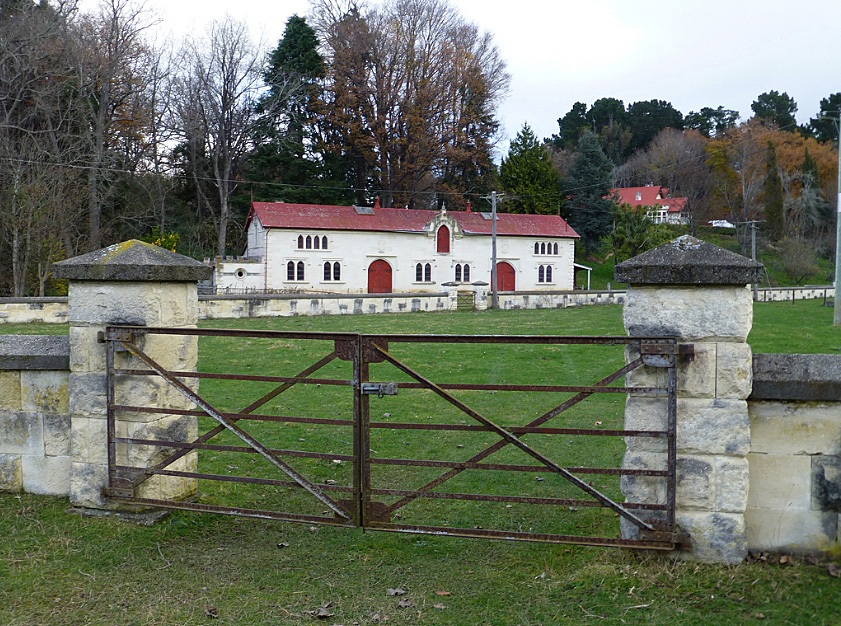
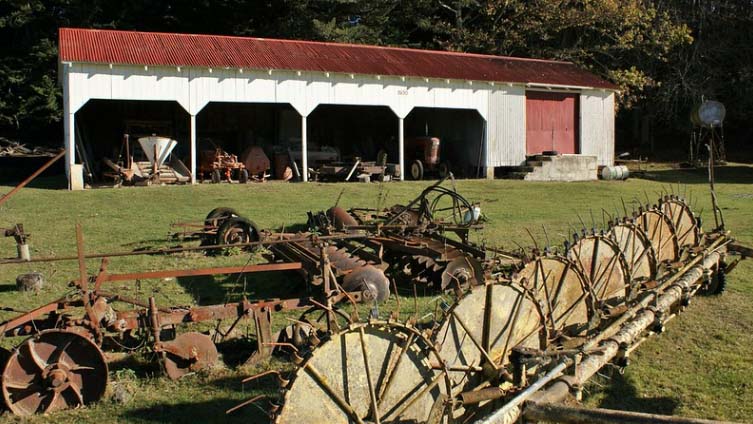
Kuriheka Estate, inland of Oamaru, was a grand country estate, with its buildings illustrating the lifestyle of a nineteenth century gentleman and his workers. The substantial buildings include a two storey stone stable, woolshed, cookshop and shearers’ quarters, as well as several implement sheds. These buildings have historical and architectural significance.
Kuriheka was originally part of the Otepopo Run first taken up by Charles Suisted in the late 1840s, and later owned by members of the Fenwick family. However, Joseph Cowie Nichols established the grand estate in the 1880s. Joseph Cowie Nichols bought Kuriheka at auction on 18 March 1885 for £20,200. Nichols (1859-1954) was born in Tasmania. His father, Charles, wife Mary, and their family had moved to Dunedin in 1869 where Charles was to be F.G. Dalgety’s partner in Dalgety and Nichols (a forerunner to Dalgety and Co., a well-known stock and station agency.) Charles Nichols died in a coach crash near Palmerston in 1878. Son Joseph Cowie bought Kuriheka after an academic education at Cambridge, and another farming education at ‘Benduck’ on the Murrumbidgee River in New South Wales. There he met his bride to be - Helen Hunter Ayres, the daughter of the station owner Robert Mackenzie Ayre. The couple settled at Kuriheka. Cowie Nichols set about establishing his estate in the grand style, assisted by his mother – as a wedding gift Mary had the drawing room, stables, woolshed and cookhouse built.
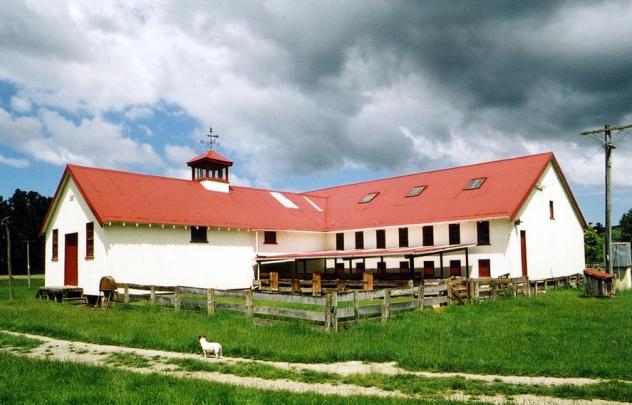
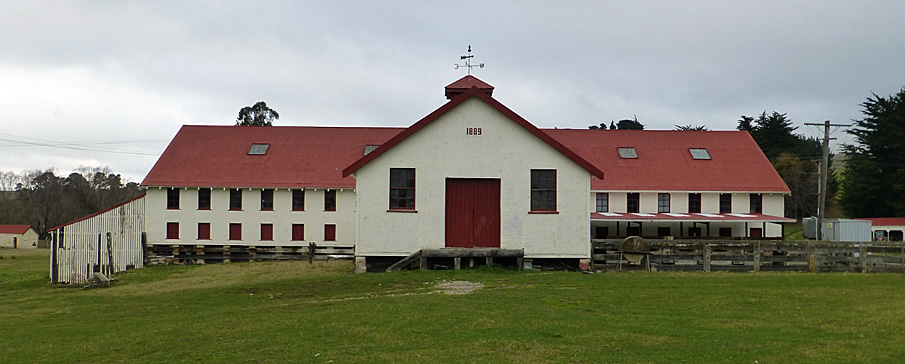
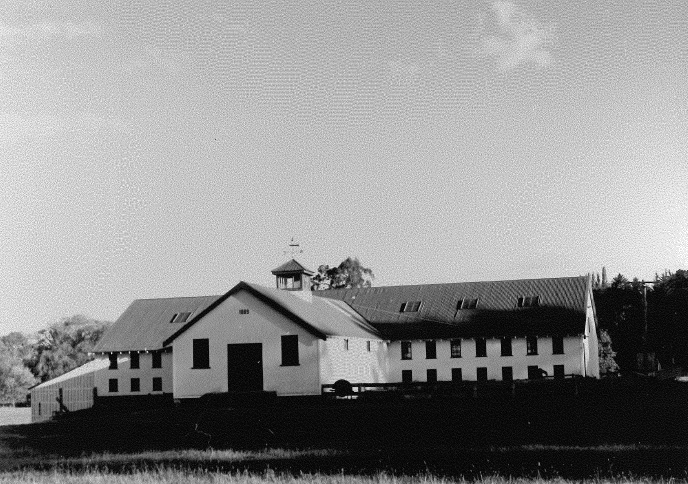
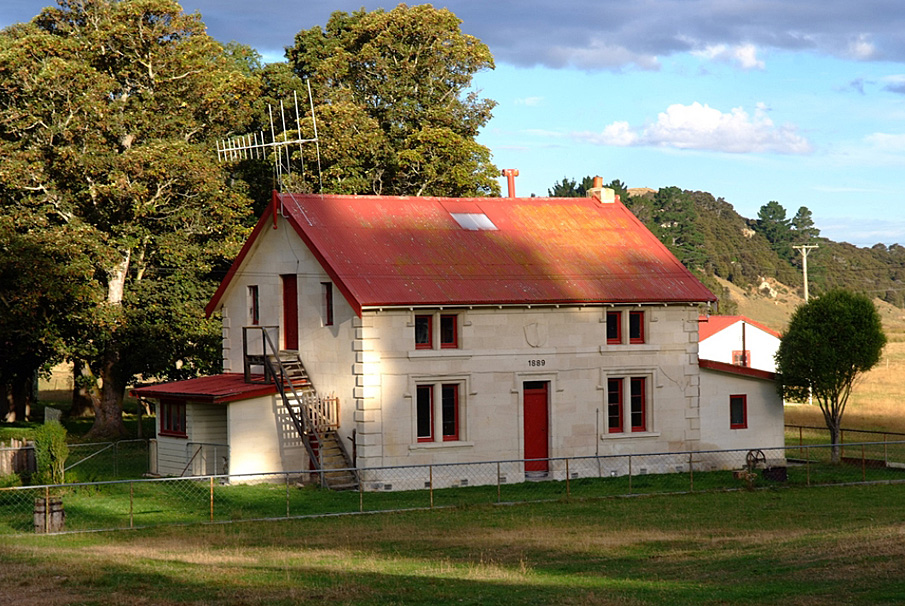
Architect and engineer Geoffrey Thornton describes the stables as the ‘most striking of the dispersed group.’ It is a full two storeys, with a corrugated iron roof and central dormer on the front elevation. The stable has the date ‘1876’ and a coat of arms above the main doors. The woolshed was built in 1889. It has a timber frame and weatherboards, that have been stuccoed at a later date. It is T-shaped with fourteen shearing stands on both sides of the wool room wing. There are windows above each chute. Two plaques commemorate the long serving Harry Ure, a shearer from 1877-1940, ‘axeman and station hand.’ Geoffrey Thornton writes that Kuriheka is ‘well known for its attractive buildings in their park-like setting.’ The limestone cookshop was built in 1889. The limestone is laid in ashlar form with quoins at the edges. He describes this as a ‘neat building’ in this ‘fine complex.’ A separate block was built in 1891 for the single men. It is a single-storey gabled building with a verandah and a small low lean-to at one end. The substantial cookshop and the shearers’ quarters give an insight into the lives of workers on the estate. The implement sheds, including the power house, give an idea of the technologies associated with running the estate.
Historian K.C. McDonald writes that Kuriheka is a place of ‘unusual interest’.’ In 2015, Kuriheka Estate remains significant for its fine group of buildings.
Kuriheka was originally part of the Otepopo Run first taken up by Charles Suisted in the late 1840s, and later owned by members of the Fenwick family. However, Joseph Cowie Nichols established the grand estate in the 1880s. Joseph Cowie Nichols bought Kuriheka at auction on 18 March 1885 for £20,200. Nichols (1859-1954) was born in Tasmania. His father, Charles, wife Mary, and their family had moved to Dunedin in 1869 where Charles was to be F.G. Dalgety’s partner in Dalgety and Nichols (a forerunner to Dalgety and Co., a well-known stock and station agency.) Charles Nichols died in a coach crash near Palmerston in 1878. Son Joseph Cowie bought Kuriheka after an academic education at Cambridge, and another farming education at ‘Benduck’ on the Murrumbidgee River in New South Wales. There he met his bride to be - Helen Hunter Ayres, the daughter of the station owner Robert Mackenzie Ayre. The couple settled at Kuriheka. Cowie Nichols set about establishing his estate in the grand style, assisted by his mother – as a wedding gift Mary had the drawing room, stables, woolshed and cookhouse built.
Architect and engineer Geoffrey Thornton describes the stables as the ‘most striking of the dispersed group.’ It is a full two storeys, with a corrugated iron roof and central dormer on the front elevation. The stable has the date ‘1876’ and a coat of arms above the main doors. The woolshed was built in 1889. It has a timber frame and weatherboards, that have been stuccoed at a later date. It is T-shaped with fourteen shearing stands on both sides of the wool room wing. There are windows above each chute. Two plaques commemorate the long serving Harry Ure, a shearer from 1877-1940, ‘axeman and station hand.’ Geoffrey Thornton writes that Kuriheka is ‘well known for its attractive buildings in their park-like setting.’ The limestone cookshop was built in 1889. The limestone is laid in ashlar form with quoins at the edges. He describes this as a ‘neat building’ in this ‘fine complex.’ A separate block was built in 1891 for the single men. It is a single-storey gabled building with a verandah and a small low lean-to at one end. The substantial cookshop and the shearers’ quarters give an insight into the lives of workers on the estate. The implement sheds, including the power house, give an idea of the technologies associated with running the estate.
Historian K.C. McDonald writes that Kuriheka is a place of ‘unusual interest’.’ In 2015, Kuriheka Estate remains significant for its fine group of buildings.