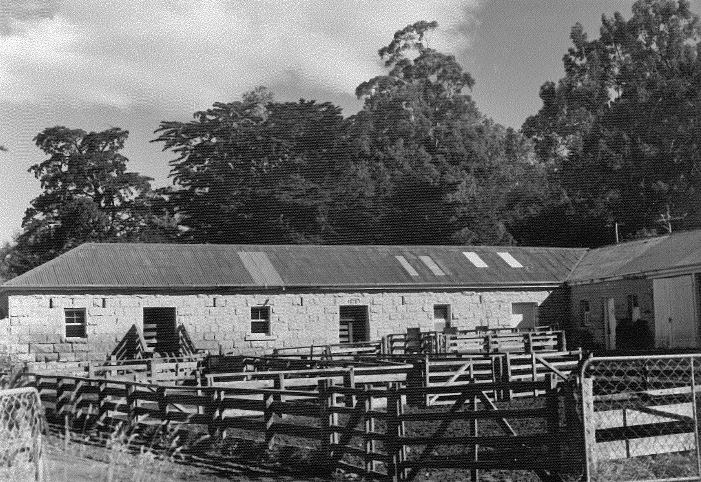
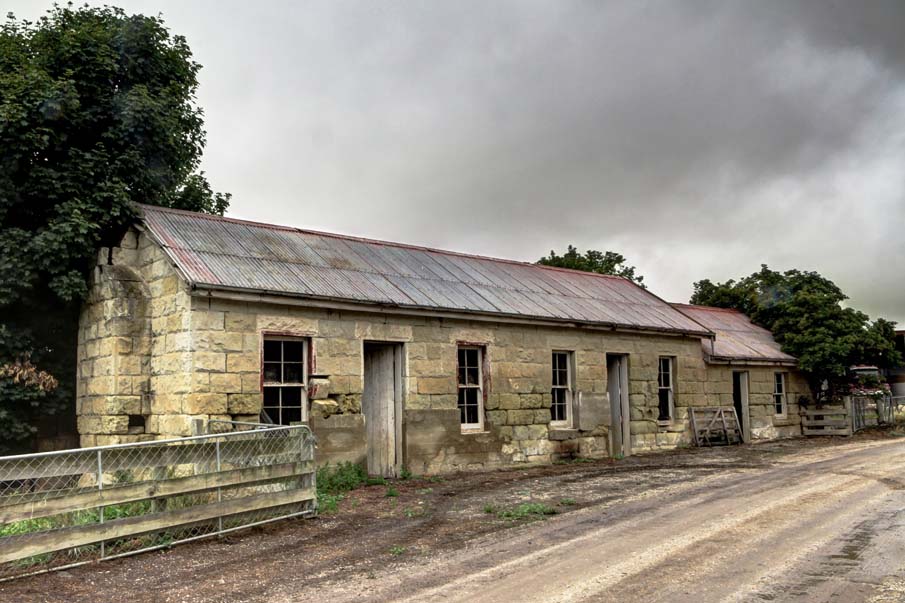
Tokarahi homestead, probably built around 1876, with susbstantial additions constructed circa 1890, is located on Dip Hill Road, close to the settlement of Tokarahi in North Otago. Tokarahi Station homestead has historic significance for its association with Tokarahi Station and the domestic side of early pastoralism in North Otago; prominent land-owning families the McMasters and Reids; and the Liberal government’s closer settlement policy which resulted in the break-up of large landholdings in the 1890’s. In more recent years the story of the homestead has mirrored that of other large country homes in offering traveller accommodation in conjunction with its continued use as a family home.
The building has architectural significance as a fine example of a station homestead of the time, and through its association with TC Dennison who was also responsible for the design of other impressive North Otago buildings such as the Kuriheka Estate Stables (List No. 347, Category 1) and the Loan and Mercantile Building (List No. 354, Category 1); as well as a possible connection with notable Oamaru architect John Megget Forrester.
Tokarahi Station is a pastoral run with origins in the larger Maerewhenua run taken up by John Borton and Alexander McMaster in 1861. When Borton and McMaster’s partnership broke up in 1878 the run was divided with McMaster retaining the Tokarahi portion, and Borton the Maerewhenua portion. Tokarahi then comprised 70,000 acres of leasehold and 13,000 acres of freehold land. .
The original farm homestead at Tokarahi was perhaps built around 1876, and constructed of roughly hewn blocks of limestone. No records relating to this building have been found. Substantial additions were constructed circa 1890, providing the building with the grandeur still present today. The substantial additions to the front of the house consisted of two bedrooms, a drawing room, dining room and a grand entrance hall featuring pillars, a domed skylight and intricate plaster work. The exterior is a brownish stone, reputedly Australian sandstone shipped to New Zealand as ships ballast. Art historian Conal McCarthy refers to the stone as ‘reddish Mount Gambia stone.’ McCarthy describes the house as having ‘a distinctly Australian air’ due to its ‘rambling verandah.’
In 1897 Tokarahi (excluding the 1500 acre homestead block) was purchased by the Crown pursuant to the Lands for Settlement Act 1892 and the estate was divided for closer settlement. In more recent years, the homestead and immediate surroundings have been subdivided off from the remainder of the farm.
The building has architectural significance as a fine example of a station homestead of the time, and through its association with TC Dennison who was also responsible for the design of other impressive North Otago buildings such as the Kuriheka Estate Stables (List No. 347, Category 1) and the Loan and Mercantile Building (List No. 354, Category 1); as well as a possible connection with notable Oamaru architect John Megget Forrester.
Tokarahi Station is a pastoral run with origins in the larger Maerewhenua run taken up by John Borton and Alexander McMaster in 1861. When Borton and McMaster’s partnership broke up in 1878 the run was divided with McMaster retaining the Tokarahi portion, and Borton the Maerewhenua portion. Tokarahi then comprised 70,000 acres of leasehold and 13,000 acres of freehold land. .
The original farm homestead at Tokarahi was perhaps built around 1876, and constructed of roughly hewn blocks of limestone. No records relating to this building have been found. Substantial additions were constructed circa 1890, providing the building with the grandeur still present today. The substantial additions to the front of the house consisted of two bedrooms, a drawing room, dining room and a grand entrance hall featuring pillars, a domed skylight and intricate plaster work. The exterior is a brownish stone, reputedly Australian sandstone shipped to New Zealand as ships ballast. Art historian Conal McCarthy refers to the stone as ‘reddish Mount Gambia stone.’ McCarthy describes the house as having ‘a distinctly Australian air’ due to its ‘rambling verandah.’
In 1897 Tokarahi (excluding the 1500 acre homestead block) was purchased by the Crown pursuant to the Lands for Settlement Act 1892 and the estate was divided for closer settlement. In more recent years, the homestead and immediate surroundings have been subdivided off from the remainder of the farm.
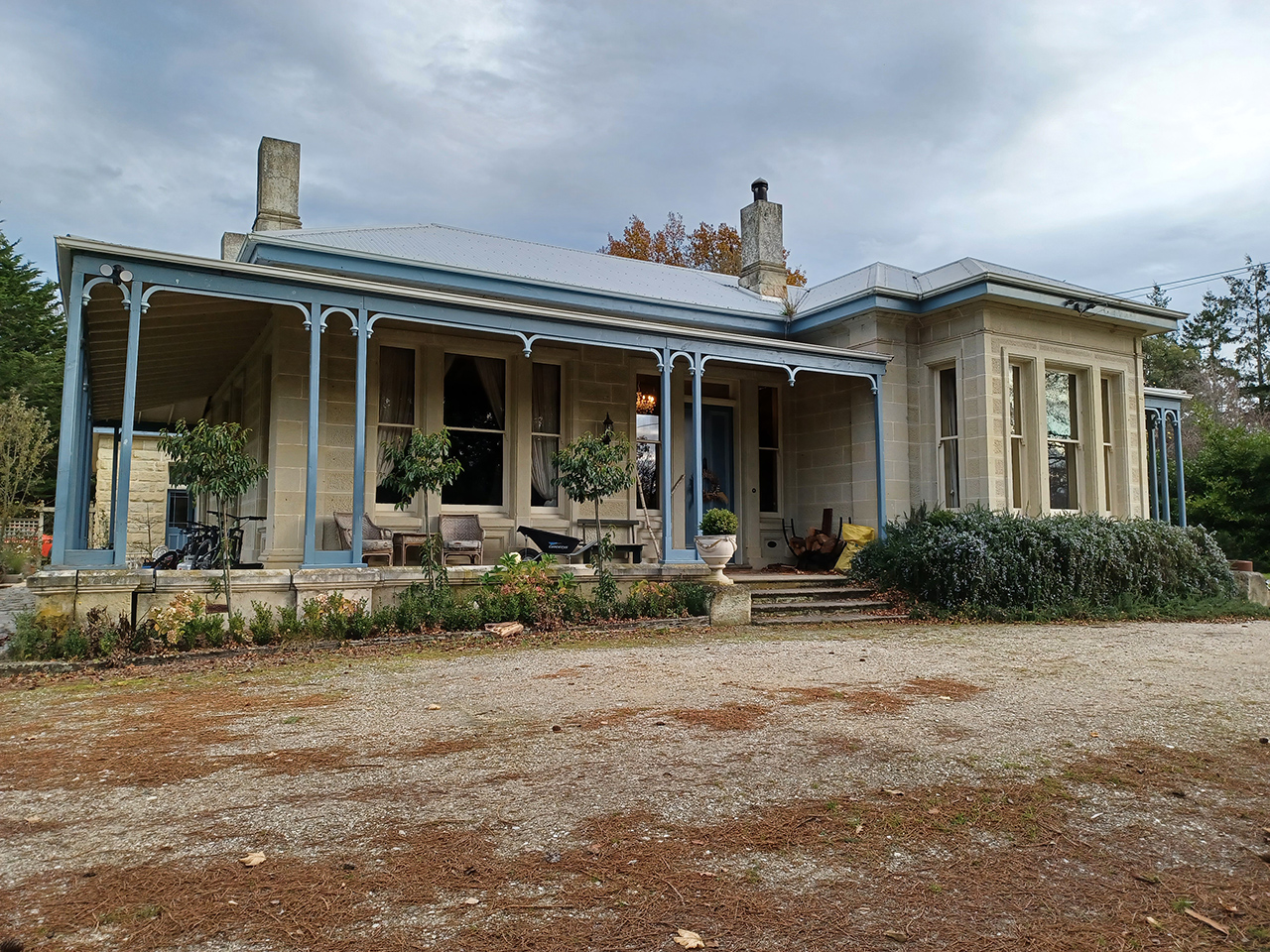
Tokarahi Station Homestead | S Farminer | 29/05/2023 | Heritage New Zealand Pouhere Taonga
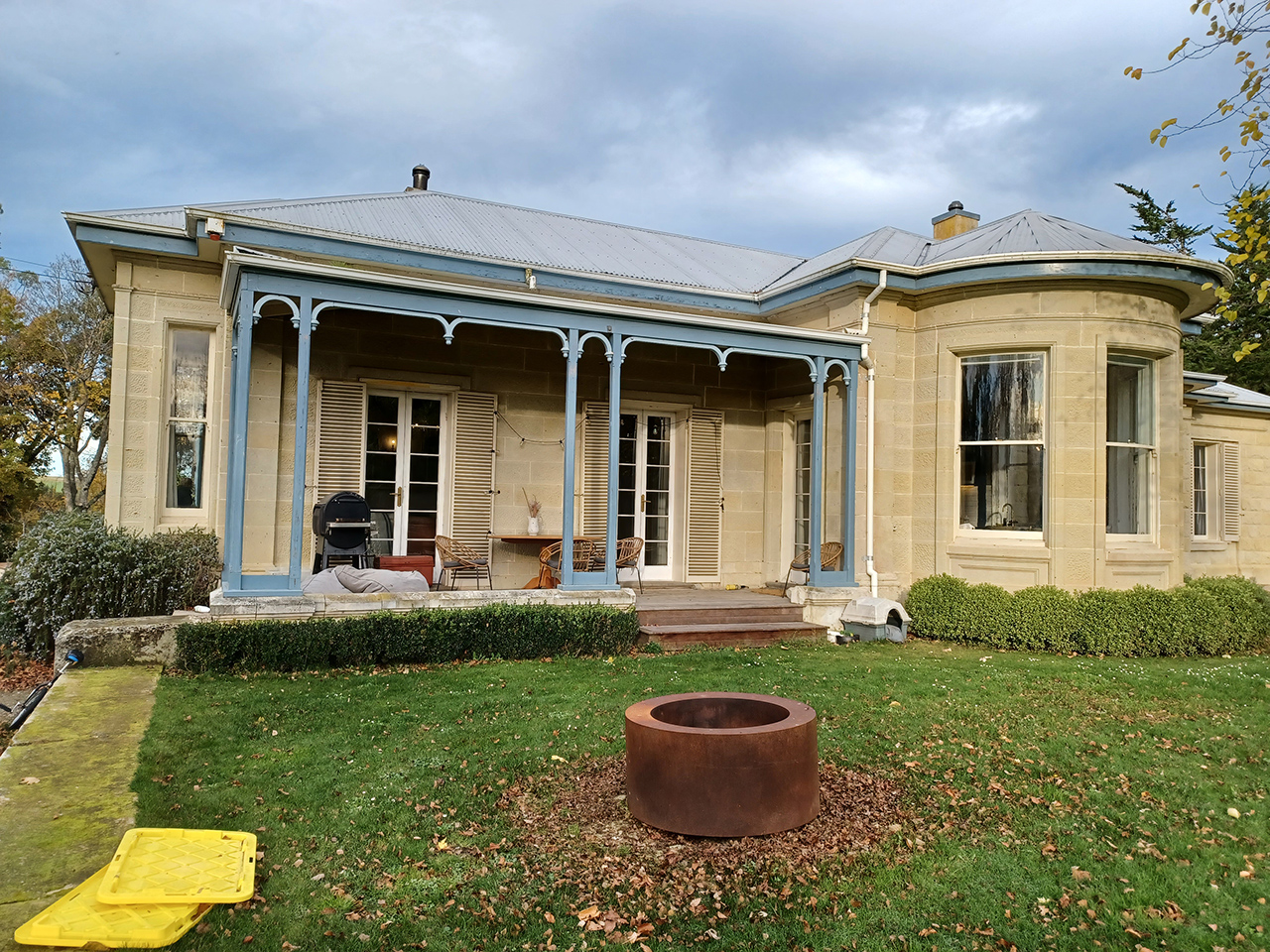
Tokarahi Station Homestead | S Farminer | 29/05/2023 | Heritage New Zealand Pouhere Taonga
Tokarahi Station Homestead | S Farminer | 29/05/2023 | Heritage New Zealand Pouhere Taonga
Tokarahi Station Homestead | S Farminer | 29/05/2023 | Heritage New Zealand Pouhere Taonga