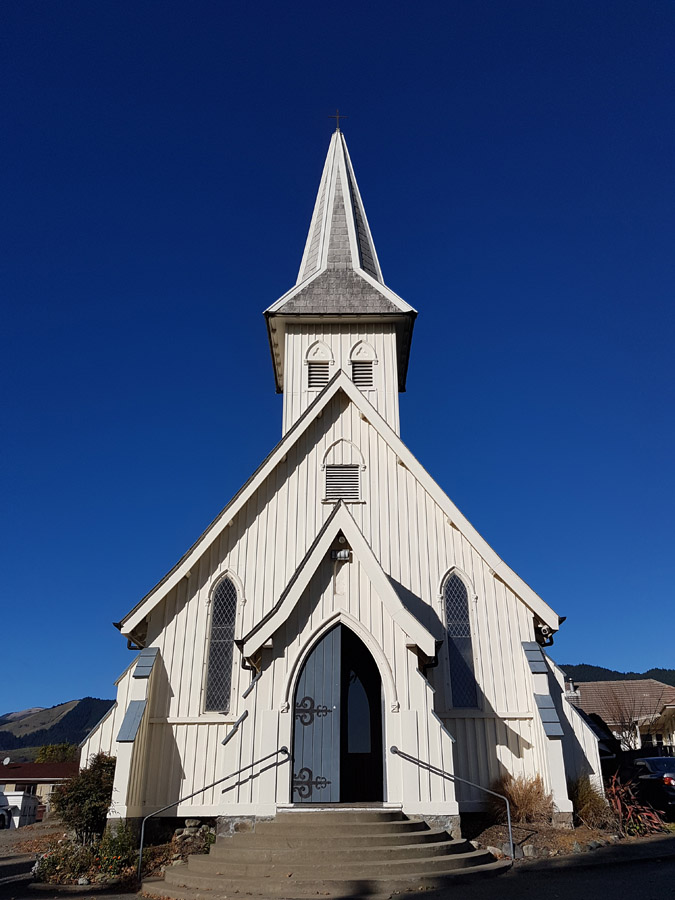
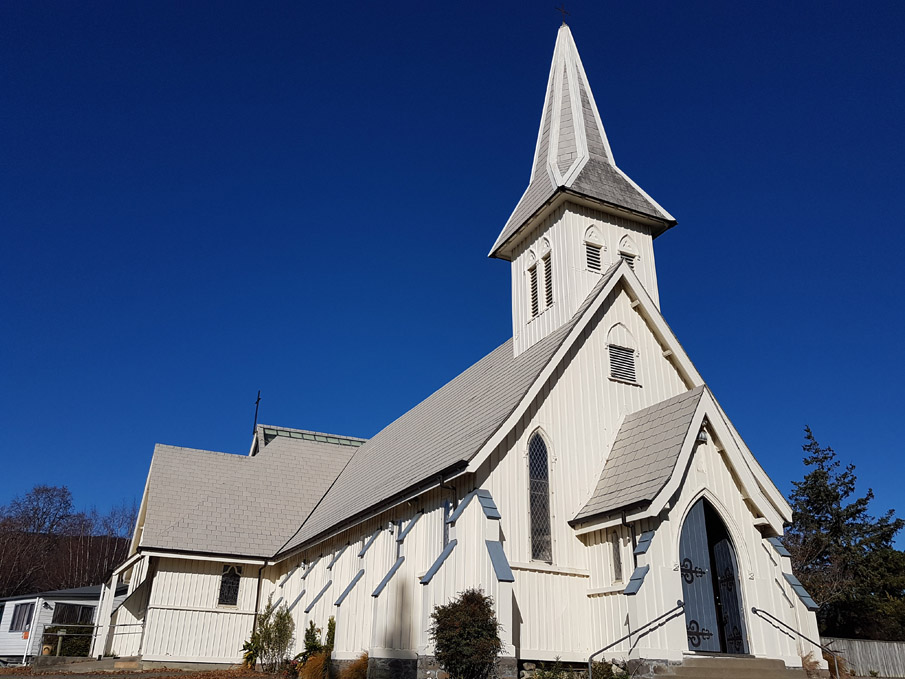
Holy Trinity Church, completed in 1872 and then extended in 1984, is centrally and prominently located in Richmond, Nelson. The post-modern transept and chancel are integrated into the Gothic Revival influenced church architecture of the original porch and nave through the common use of board and batten timber cladding and other features.
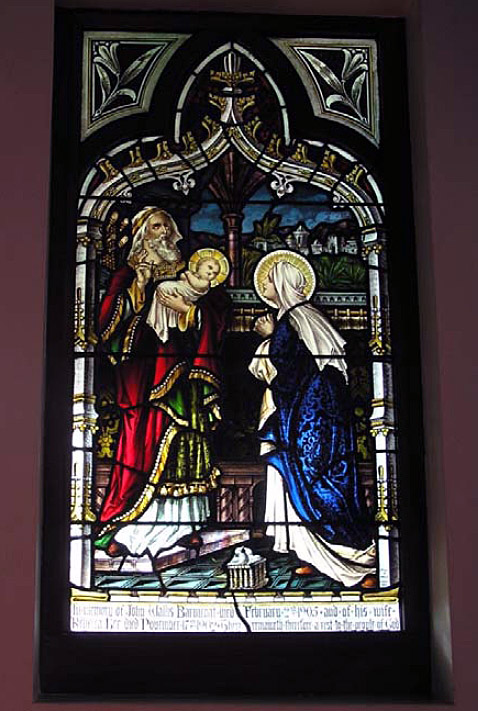
After the New Zealand Company established its Nelson settlement in 1841, areas close to this nucleus began to be settled. Richmond was one of the first such communities to develop because of its proximity to Nelson, and in conjunction with other advantages such the quality of its farmland, by the 1850s it was beginning to coalesce into the second settlement of the province. At this time the first Anglican church in Richmond was constructed. However, the population had increased significantly by 1870 therefore a new, and significantly larger, church was constructed. The importance of Holy Trinity Church to this principally rural community was demonstrated by the building committee engaging well-known local architect William Beatson (1807-1870) to design the church. Because of the predominance of the Anglican population in the area, over the years many people had an association with the church and the history of donations of chattels and fittings, such as several memorial stained glass windows, as well as monetary and physical support of repair and construction projects by the community is well documented. By the late twentieth century the population which Holy Trinity Church served had outgrown the building, and several options, including demolition, relocation, or extension were proposed as a means of remedying this. In the end it was decided to extend the existing structure.
The vertical emphasis of the Gothic Revival influenced architecture of the original section of Holy Trinity Church is apparent in the use of the spire and other elements. Another aspect common in Nelson's early provincial churches, and those designed by Beatson, is timber construction and the incorporation of external buttresses and lofty gabled roofs supported by timber bracing on the interior. In this way the original section of Holy Trinity Church is a representative example of early New Zealand church architecture and, despite its post-modernist asymmetry, the 1984 Warren and Mahoney Architects addition is integrated into this by replicating and reinterpreting New Zealand Gothic Revival church architecture features.
Holy Trinity Church is a prominent landmark within Richmond and has historical, social and spiritual significance because it has been the focus of Anglican worship in the area since its construction in the late nineteenth century. The initial size of the church demonstrates that by 1870 the town was home to an established population that was continuing to grow. Over time this community has shown its esteem for the building by donating time and money to maintain, repair, and extend it. Holy Trinity Church also has heritage value as the last church Beatson designed and because of the involvement of the important architectural firm Warren and Mahoney Architects in creating the late twentieth century addition. The extension to Holy Trinity Church's original nave meant that plans to demolish or relocate the building were forestalled and the changing needs of the congregation were also catered for.
After the New Zealand Company established its Nelson settlement in 1841, areas close to this nucleus began to be settled. Richmond was one of the first such communities to develop because of its proximity to Nelson, and in conjunction with other advantages such the quality of its farmland, by the 1850s it was beginning to coalesce into the second settlement of the province. At this time the first Anglican church in Richmond was constructed. However, the population had increased significantly by 1870 therefore a new, and significantly larger, church was constructed. The importance of Holy Trinity Church to this principally rural community was demonstrated by the building committee engaging well-known local architect William Beatson (1807-1870) to design the church. Because of the predominance of the Anglican population in the area, over the years many people had an association with the church and the history of donations of chattels and fittings, such as several memorial stained glass windows, as well as monetary and physical support of repair and construction projects by the community is well documented. By the late twentieth century the population which Holy Trinity Church served had outgrown the building, and several options, including demolition, relocation, or extension were proposed as a means of remedying this. In the end it was decided to extend the existing structure.
The vertical emphasis of the Gothic Revival influenced architecture of the original section of Holy Trinity Church is apparent in the use of the spire and other elements. Another aspect common in Nelson's early provincial churches, and those designed by Beatson, is timber construction and the incorporation of external buttresses and lofty gabled roofs supported by timber bracing on the interior. In this way the original section of Holy Trinity Church is a representative example of early New Zealand church architecture and, despite its post-modernist asymmetry, the 1984 Warren and Mahoney Architects addition is integrated into this by replicating and reinterpreting New Zealand Gothic Revival church architecture features.
Holy Trinity Church is a prominent landmark within Richmond and has historical, social and spiritual significance because it has been the focus of Anglican worship in the area since its construction in the late nineteenth century. The initial size of the church demonstrates that by 1870 the town was home to an established population that was continuing to grow. Over time this community has shown its esteem for the building by donating time and money to maintain, repair, and extend it. Holy Trinity Church also has heritage value as the last church Beatson designed and because of the involvement of the important architectural firm Warren and Mahoney Architects in creating the late twentieth century addition. The extension to Holy Trinity Church's original nave meant that plans to demolish or relocate the building were forestalled and the changing needs of the congregation were also catered for.