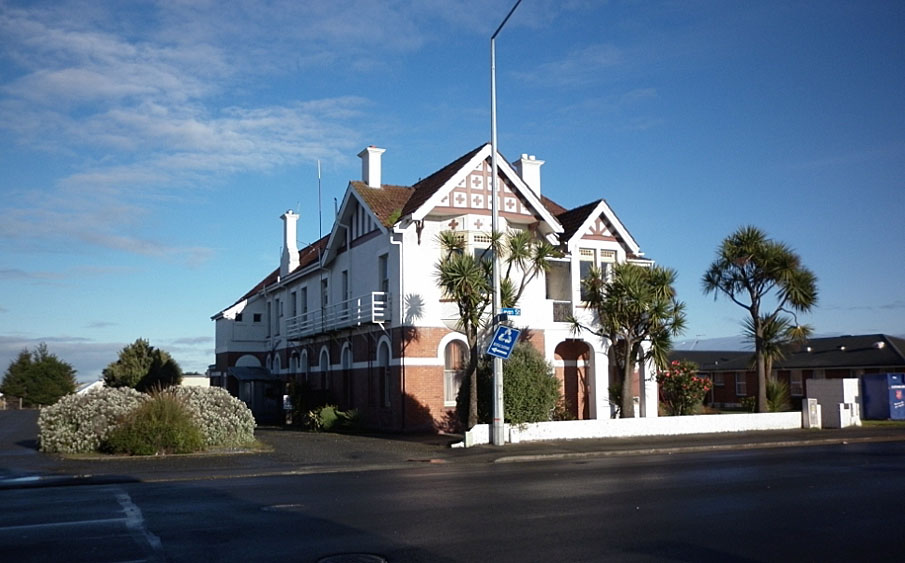
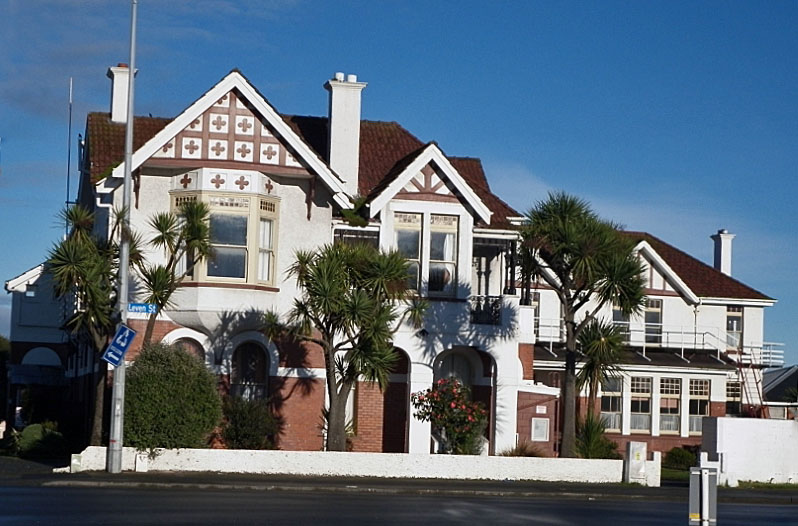
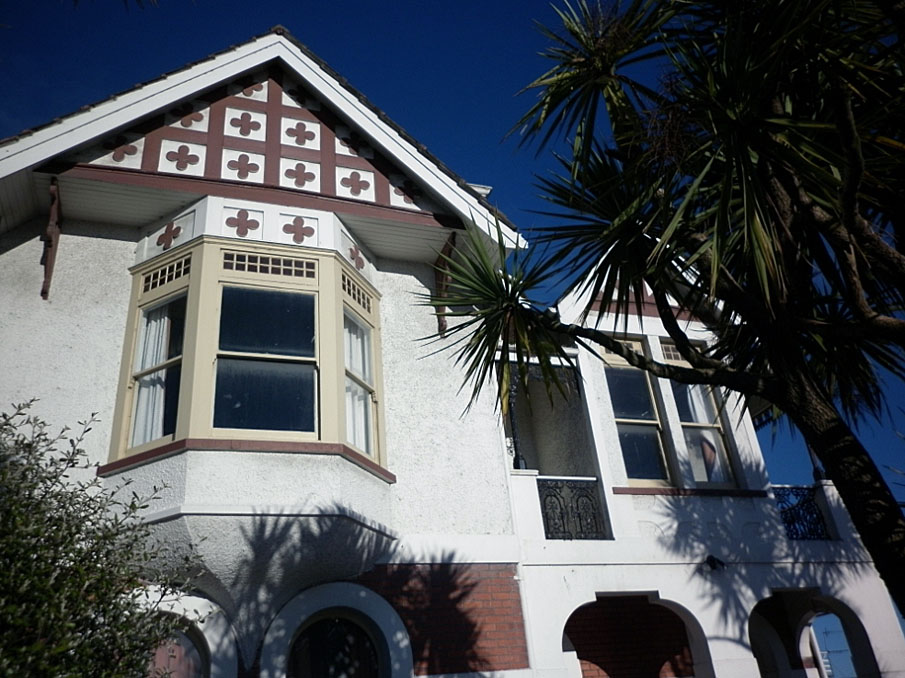
The Southland Hospital Nurses' Home (Former) was designed by Invercargill architect Charles Brodrick and opened in 1907. The substantial Arts and Crafts style building has aesthetic, architectural, historic and social significance.
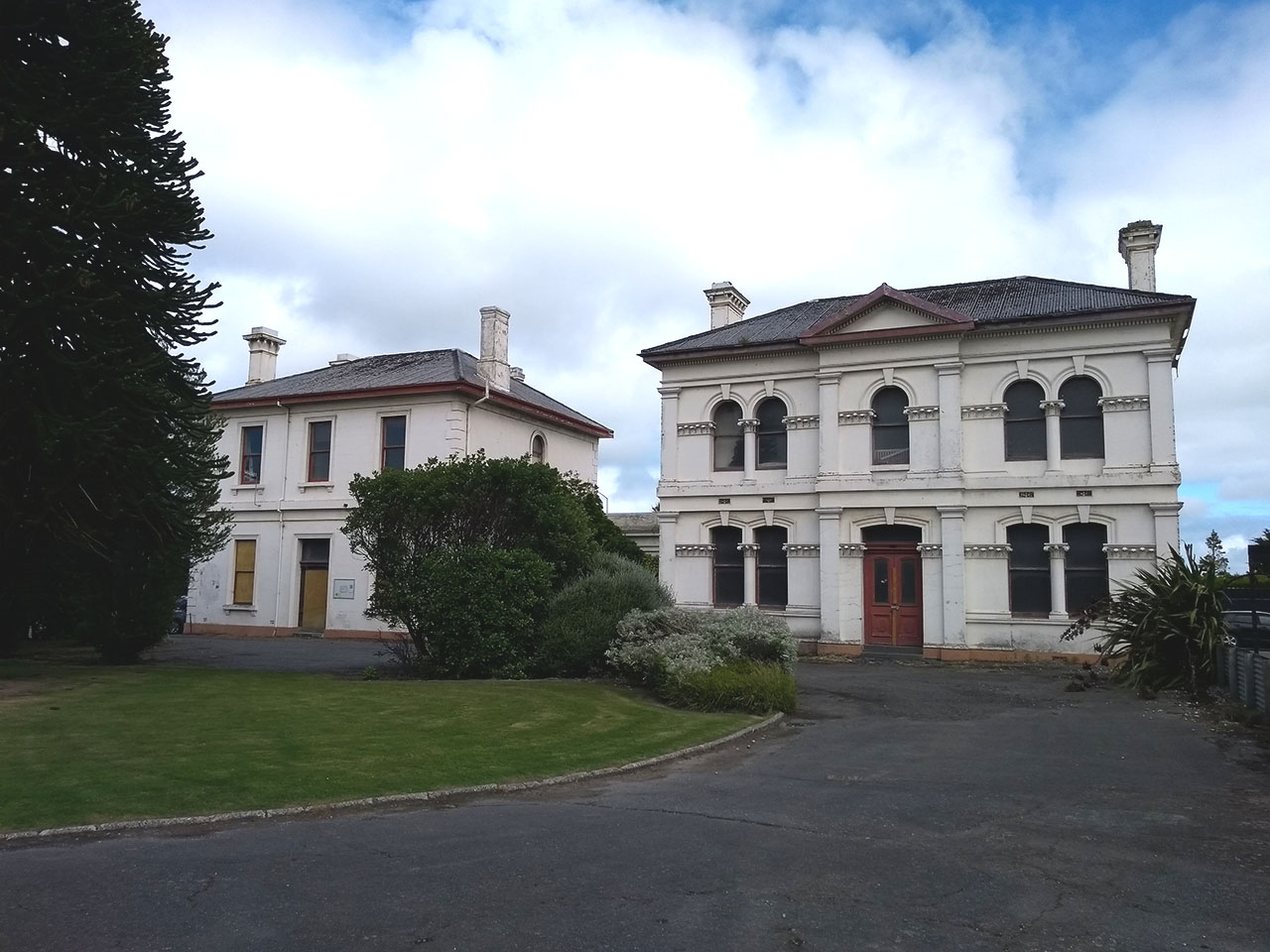
The former nurses' home is associated with the hospital on the adjoining block which was established on Dee Street in 1862 (List No. 7777, Category 1). Originally accommodation for nurses was within the hospital, but overcrowding meant a separate facility was required. In 1905, it was first proposed that the Fallen Troopers’ Memorial (commemorating those who died in the South African War, 1899-1902) take the form of a nurses’ home. The Southland Hospital Trust approached the Hospital and Charitable Aid Board with this suggestion in early 1906. Chair of the Trust, A.F. Hawke told the board that at present three rooms at the hospital were occupied by nine nurses and maids, and in other rooms two were accommodated. If the nurses were provided with separate accommodation, this would provide more room for much-needed ward space. Funding was available through a government subsidy, and through a donation from the Temperance Hall Trustees. Hawke argued that the building should be a ‘substantial and permanent one.’ The chair of the board suggested that the trust present the board with definite proposals, and requested that they submit plans for a nurses’ home.
The Southland Hospital Trust, with help from the New Zealand Institute of Architects, organised a competition for plans, distributed to local architects. In September 1906, Hawke returned to the Board with plans for the proposed nurses’ home, to be situated at the ‘blind end’ of Gala Street. The plans showed ‘a handsome two storey building, containing nineteen bedrooms, a large sitting room and a large dining room with all conveniences.’ The estimated cost was £3,000. Hawke argued that ‘women employed at the arduous calling of nursing should be housed in reasonable comfort, and that their Home should be apart from the institution itself.’ Two competitive plans were received and that of Charles Brodrick selected.
Brodrick invited tenders for ‘the ERECTION of two-storey brick NURSES’ HOME’ on 25 October 1906. Contractors J. Walker and Sons won the contract. The cottage on the Gala Street site was sold and removed. By June 1907, the nurses’ home was approaching completion. An opening afternoon tea was held attended by 500 visitors. Many of the visitors contributed items towards furnishing the home. The Southern Cross reporter described the building as a ‘brilliant success’, and the home as ‘completed and furnished in a modern style – not elaborately, but in a useful labour-saving way.’ The matron and nurses conducted visitors around the ‘airy’ rooms. The £2,912 was well spent and provided ‘accommodation for the staff that will do duty for many years to come.’
In 1915-1916, the Nurses’ Home was enlarged. A new wing was built at right angles to the 1907 building. Architect Edmund Wilson was responsible for the design. In 1918, the decision was made to build a new hospital at Kew, where a fever ward had been built in 1907. In 1977, alterations and additions were carried out to convert the building into the Salvation Army Social Services Centre. The building provided emergency accommodation, a hostel for people with alcoholism, as well as providing a manager’s residence and a flat for the assistant manager. In 2018, the former Nurses’ Home remains home to the Salvation Army’s community ministries.
The former nurses' home is associated with the hospital on the adjoining block which was established on Dee Street in 1862 (List No. 7777, Category 1). Originally accommodation for nurses was within the hospital, but overcrowding meant a separate facility was required. In 1905, it was first proposed that the Fallen Troopers’ Memorial (commemorating those who died in the South African War, 1899-1902) take the form of a nurses’ home. The Southland Hospital Trust approached the Hospital and Charitable Aid Board with this suggestion in early 1906. Chair of the Trust, A.F. Hawke told the board that at present three rooms at the hospital were occupied by nine nurses and maids, and in other rooms two were accommodated. If the nurses were provided with separate accommodation, this would provide more room for much-needed ward space. Funding was available through a government subsidy, and through a donation from the Temperance Hall Trustees. Hawke argued that the building should be a ‘substantial and permanent one.’ The chair of the board suggested that the trust present the board with definite proposals, and requested that they submit plans for a nurses’ home.
The Southland Hospital Trust, with help from the New Zealand Institute of Architects, organised a competition for plans, distributed to local architects. In September 1906, Hawke returned to the Board with plans for the proposed nurses’ home, to be situated at the ‘blind end’ of Gala Street. The plans showed ‘a handsome two storey building, containing nineteen bedrooms, a large sitting room and a large dining room with all conveniences.’ The estimated cost was £3,000. Hawke argued that ‘women employed at the arduous calling of nursing should be housed in reasonable comfort, and that their Home should be apart from the institution itself.’ Two competitive plans were received and that of Charles Brodrick selected.
Brodrick invited tenders for ‘the ERECTION of two-storey brick NURSES’ HOME’ on 25 October 1906. Contractors J. Walker and Sons won the contract. The cottage on the Gala Street site was sold and removed. By June 1907, the nurses’ home was approaching completion. An opening afternoon tea was held attended by 500 visitors. Many of the visitors contributed items towards furnishing the home. The Southern Cross reporter described the building as a ‘brilliant success’, and the home as ‘completed and furnished in a modern style – not elaborately, but in a useful labour-saving way.’ The matron and nurses conducted visitors around the ‘airy’ rooms. The £2,912 was well spent and provided ‘accommodation for the staff that will do duty for many years to come.’
In 1915-1916, the Nurses’ Home was enlarged. A new wing was built at right angles to the 1907 building. Architect Edmund Wilson was responsible for the design. In 1918, the decision was made to build a new hospital at Kew, where a fever ward had been built in 1907. In 1977, alterations and additions were carried out to convert the building into the Salvation Army Social Services Centre. The building provided emergency accommodation, a hostel for people with alcoholism, as well as providing a manager’s residence and a flat for the assistant manager. In 2018, the former Nurses’ Home remains home to the Salvation Army’s community ministries.