Quick links


Quick links
Quick links
Quick links
Quick links
Quick links
16 Merivale Lane, Merivale, CHRISTCHURCH
Private
Historic Place Category 1
List No. 304
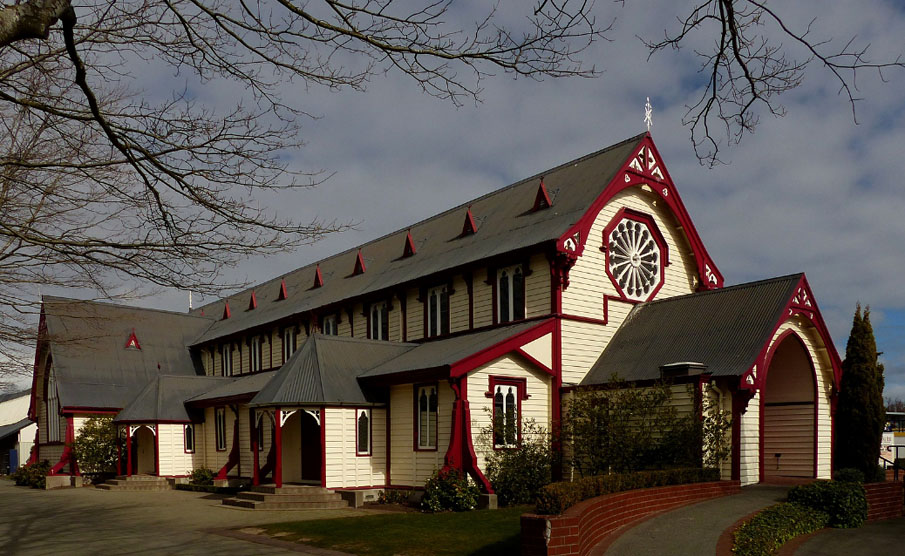
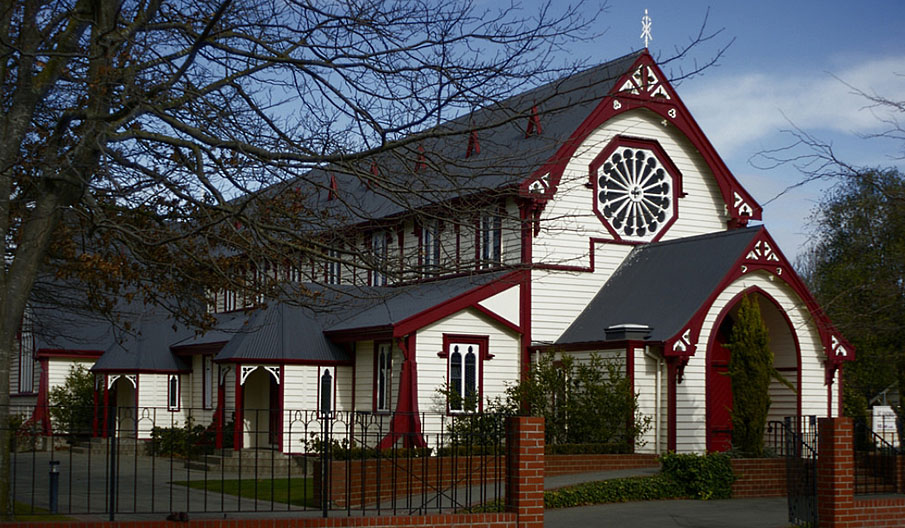
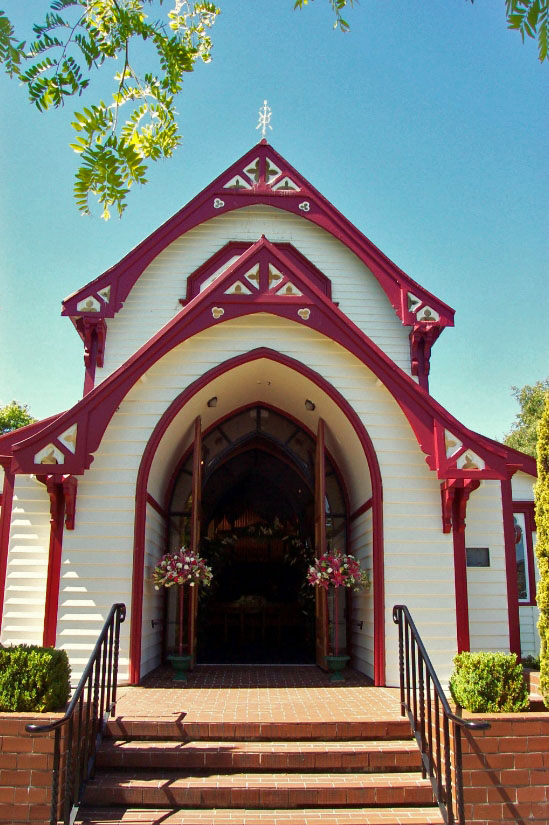
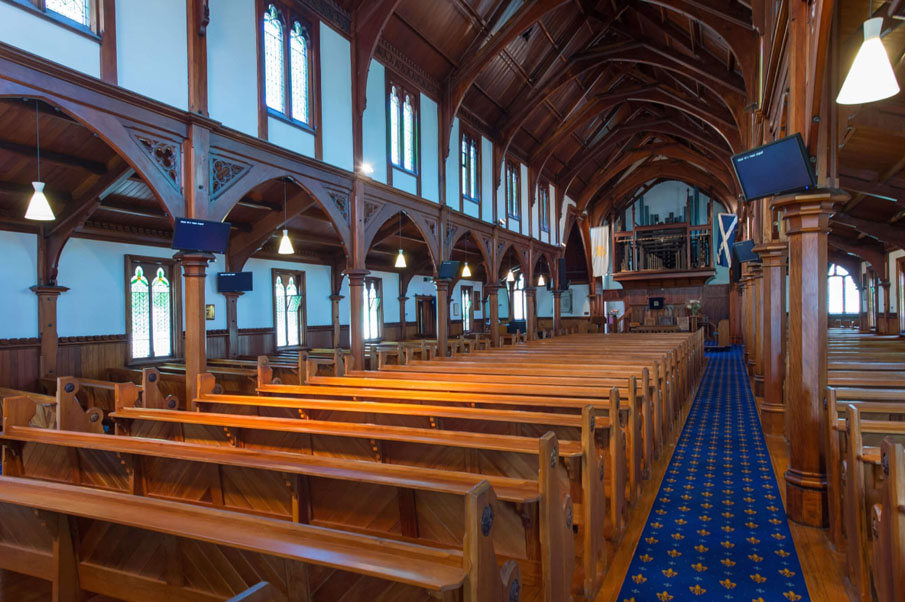
List Entry Information
Status
Listed
List Entry Status
Historic Place Category 1
Access
Private/No Public Access
List Number
304
Date Entered
7th April 1983
Date of Effect
7th April 1983
City/District Council
Christchurch City
Region
Canterbury Region
Legal description
Lot 1 DP 7774 (RT CB407/153) and Lot 15 DP 6620 (RT CB369/45), Canterbury Land District
Location Description
The church is located in the grounds of Rangi Ruru School at 59 Hewitts Road, Merivale, Christchurch.
Construction Professional
Name
Cridland, H.J.
Type
Architect
Biography
H.J. Cridland (1823 -1867) Cridland had arrived in Wellington in 1843 and was employed in the Colonial Survey Office. He designed a number of buildings in Wellington including St Peter's Church (1848) and the Hutt Anglican Church (1849.) In the middle of 1849 Cridland moved to Lyttelton to become the Superintendent of Public Works for the Canterbury Association. Although working primarily as a surveyor, he possibly designed and certainly supervised the construction of various buildings for the Canterbury Association in Lyttelton and can claim therefore to be the first architect to work in Canterbury. St Andrew's Presbyterian Church appears to have been his last building. (Mane, 1990; 39-41)
Name
England, Robert William & Edward Herbert
Type
Architectural Partnership
Biography
Robert William England (1863-1908) was born at Lyttelton, the son of a timber merchant. Educated in Christchurch, he chose to go to England for his architectural training and began practicing as an architect in Christchurch around the age of twenty-three. In 1906 he took his younger brother Edward (1875 - c.1953) into practice with him. Among the notable residential designs the England Brothers were responsible for are McLean's Mansion, (1899 - 1902), and the third stage of Riccarton House (1900). Robert was more concerned with the final effect achieved than stylistic fidelity and drew on a variety of styles including the English Arts and Crafts movement. Some of their more well-known public works include the former D.I.C building in Cashel Street (1908), the A.J White building on the corner of Tuam and High Streets (c.1904-1910) and the Kaiapoi Woollen Mills building in Manchester Street (now demolished). They were also involved in designing a number of churches around Christchurch, including Knox Church in Bealey Avenue and St Albans Methodist Church. The firm continued after Robert's death in 1908 until 1941, although it is generally considered Edward was a more conservative architect than his brother and the firm's most notable commissions occurred before Robert's death.
Construction Details
Start Year
1856
Finish Year
1857
Type
Original Construction
Start Year
1862
Type
Addition
Description
Original divided and became transepts. Nave built
Start Year
1892
Finish Year
1893
Type
Addition
Description
Nave lifted and new nave with aisles built underneath.
Start Year
1986
Type
Modification
Description
Moved to Rangi Ruru Girls' School. Vestry and ancillary room removed and seating extended
Historical and Associated Iwi / Hapū / Whānau
Completion Date
15th August 2001
Report Written By
Melanie Lovell-Smith
Information Sources
New Zealand Historic Places
New Zealand Historic Places
Other Information
This place was identified as significant under previous legislation with different information requirements. It remains significant under the current legislation. There is opportunity under our legislation and policies to add to this information. Further information about this place may be available from the Southern Regional Office of Heritage New Zealand Pouhere Taonga. Please note that entry on the New Zealand Heritage List/Rarangi Korero identifies only the heritage values of the property concerned, and should not be construed as advice on the state of the property, or as a comment of its soundness or safety, including in regard to earthquake risk, safety in the event of fire, or insanitary conditions.
Current Usages
Uses: Religion
Specific Usage: Church
Former Usages
General Usage: Religion
Specific Usage: Church
Current Usages
Uses: Religion
Specific Usage: Church
Former Usages
General Usage: Religion
Specific Usage: Church
Location
Get the latest heritage news, features and events delivered
straight to your inbox.
