

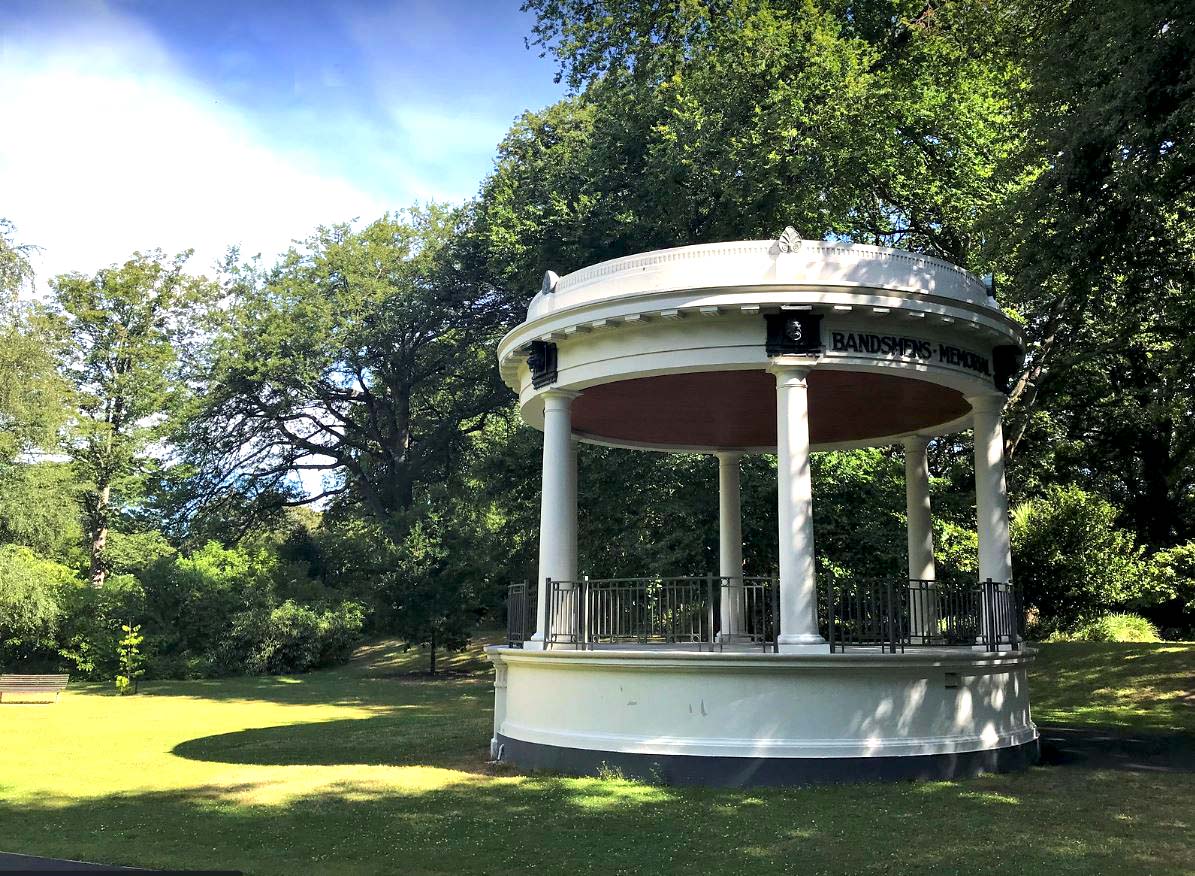
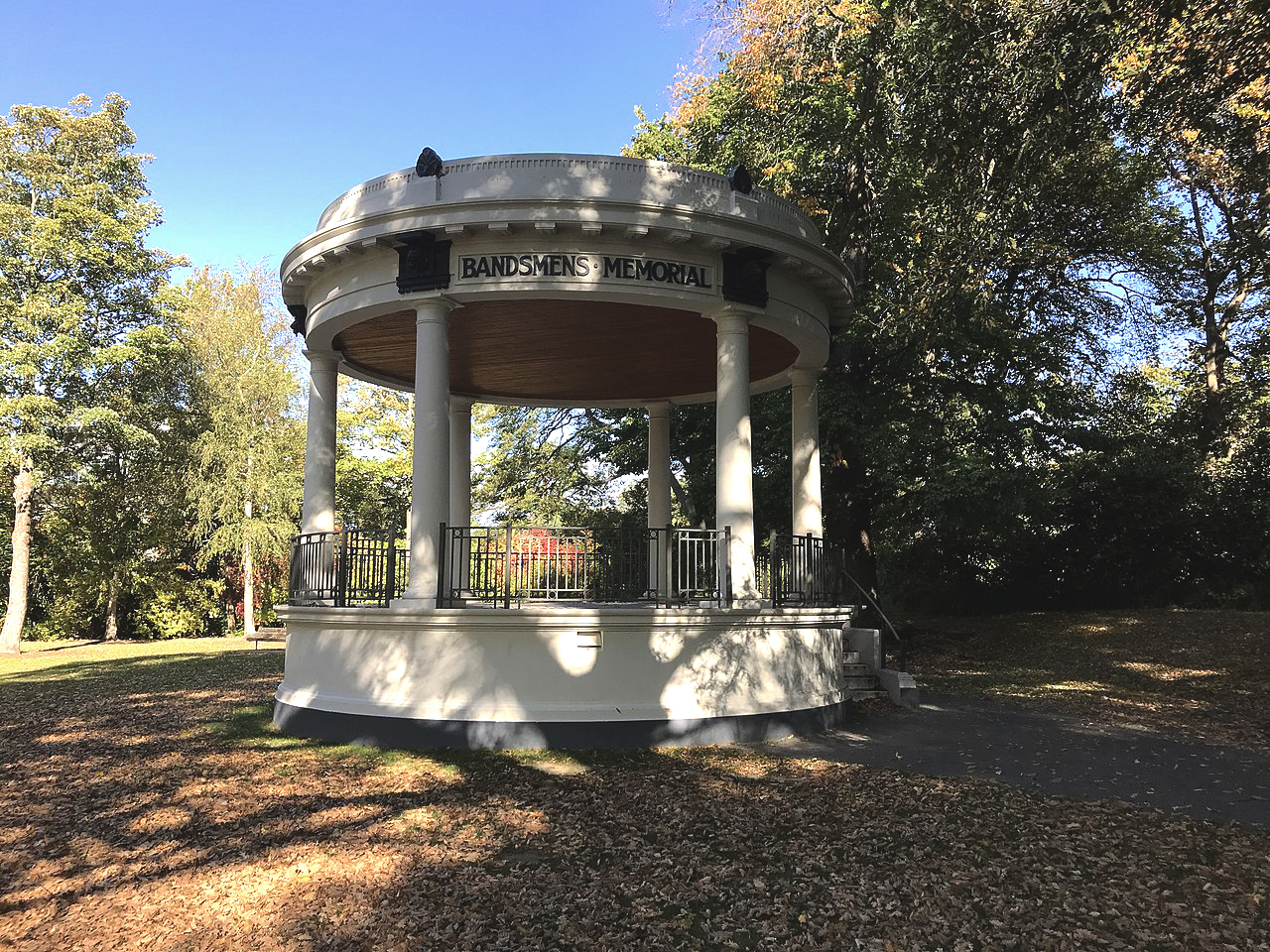
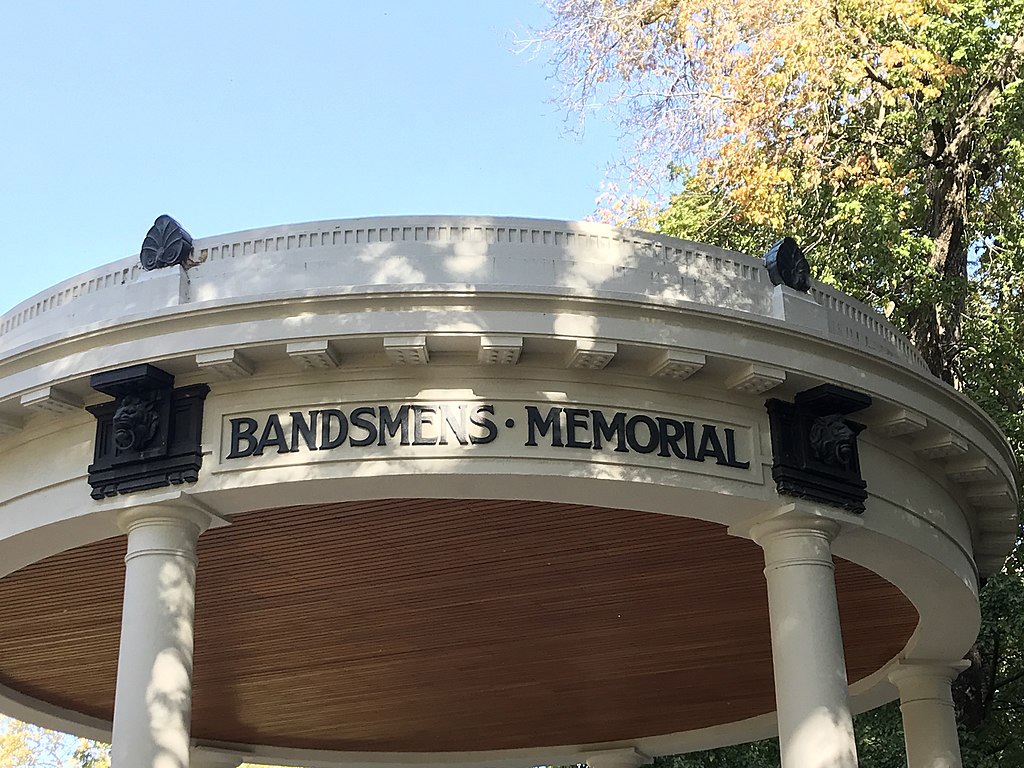
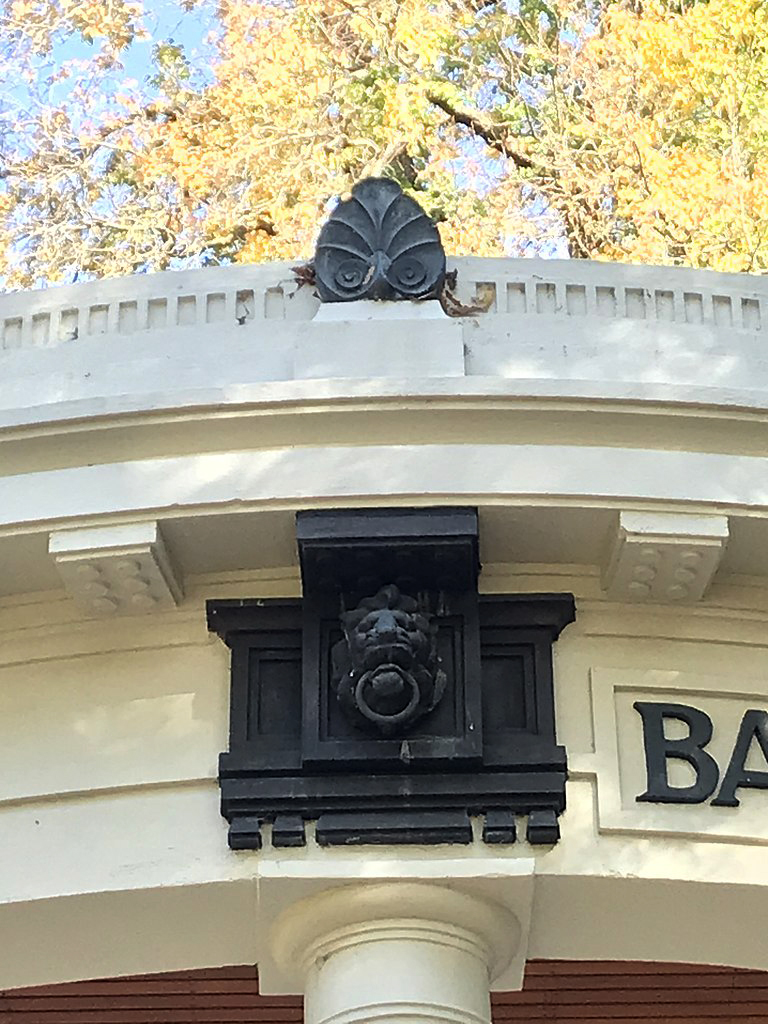
The Band Rotunda was built by the Rennell Brothers and the foundation stone was laid in 1925. The Band Rotunda is one of the few First World War memorials in New Zealand that commemorates a community 'created by the war itself'. The others include the Nurses' Memorial Chapel, also on Riccarton Avenue, and the seat, just outside Wanganui, that commemorates the New Zealand Rifle Brigade.
List Entry Information
Status
Listed
List Entry Status
Historic Place Category 2
Access
Able to Visit
List Number
3093
Date Entered
26th November 1981
Date of Effect
26th November 1981
City/District Council
Christchurch City
Region
Canterbury Region
Legal description
RS 41181 SO 15235
Status
Listed
List Entry Status
Historic Place Category 2
Access
Able to Visit
List Number
3093
Date Entered
26th November 1981
Date of Effect
26th November 1981
City/District Council
Christchurch City
Region
Canterbury Region
Legal description
RS 41181 SO 15235
Construction Professional
Name
Luttrell, Alfred Edgar And Edward Sidney
Type
Architect
Biography
Alfred (1865-1924) and Sidney (1872-1932) Luttrell established one of New Zealand's foremost Edwardian architectural practices when they arrived in Christchurch in 1902. The brothers had left Australia on the eve of Federation to pursue a more rewarding career in New Zealand. Alfred had been based in Launceston, Tasmania, where he had been the apprentice of Harry Conway. In 1886 he started his own firm. Sidney came into the partnership in 1897. The two men assumed different responsibilities within the firm, with Alfred acting as the principal designer and engineer while Sidney co-ordinated building programmes and dealt with clients. Sidney served his apprenticeship with his brother, and in 1897 they became partners of A. & S. Luttrell. By 1902 they had established themselves in New Zealand, where they were known as S. & A. Luttrell The Luttrells ran their own contracting firm for many years, designing a wide variety of building types throughout the country. They were the unofficial Diocesan architects for the Roman Catholic Church in Christchurch during the second decade of the twentieth century. Their chief contribution to New Zealand architecture was in the introduction of the Chicago "skyscraper" style, as seen in the New Zealand Express Company buildings in Christchurch (1905-7) and Dunedin (1908-10). Alfred's habitual use of concrete construction, both mass and reinforced, is another significant feature of his work. The grandstands at Trentham racecourse are his most important work in reinforced concrete, and reveal Sidney's close involvement with the racing world, which led to numerous commissions for the firm.
Construction Details
Start Year
1926
Type
Original Construction
Construction Professional
Name
Luttrell, Alfred Edgar And Edward Sidney
Type
Architect
Biography
Alfred (1865-1924) and Sidney (1872-1932) Luttrell established one of New Zealand's foremost Edwardian architectural practices when they arrived in Christchurch in 1902. The brothers had left Australia on the eve of Federation to pursue a more rewarding career in New Zealand. Alfred had been based in Launceston, Tasmania, where he had been the apprentice of Harry Conway. In 1886 he started his own firm. Sidney came into the partnership in 1897. The two men assumed different responsibilities within the firm, with Alfred acting as the principal designer and engineer while Sidney co-ordinated building programmes and dealt with clients. Sidney served his apprenticeship with his brother, and in 1897 they became partners of A. & S. Luttrell. By 1902 they had established themselves in New Zealand, where they were known as S. & A. Luttrell The Luttrells ran their own contracting firm for many years, designing a wide variety of building types throughout the country. They were the unofficial Diocesan architects for the Roman Catholic Church in Christchurch during the second decade of the twentieth century. Their chief contribution to New Zealand architecture was in the introduction of the Chicago "skyscraper" style, as seen in the New Zealand Express Company buildings in Christchurch (1905-7) and Dunedin (1908-10). Alfred's habitual use of concrete construction, both mass and reinforced, is another significant feature of his work. The grandstands at Trentham racecourse are his most important work in reinforced concrete, and reveal Sidney's close involvement with the racing world, which led to numerous commissions for the firm.
Construction Details
Start Year
1926
Type
Original Construction
Historical and Associated Iwi / Hapū / Whānau
Completion Date
20th August 2001
Report Written By
Melanie Lovell-Smith
Information Sources
MacLean, 1990
Chris MacLean and Jock Phillips, The Sorrow and the Pride: New Zealand War Memorials, Wellington, 1990
McEwan, 1988
Ann McEwan, 'The Architecture of A.E. and E.S. Luttrell in Tasmania and New Zealand', MA thesis, University of Canterbury, 1988
Other Information
This place was identified as significant under previous legislation with different information requirements. It remains significant under the current legislation. There is opportunity under our legislation and policies to add to this information. Further information about this place may be available from the Southern Regional Office of Heritage New Zealand Pouhere Taonga. Please note that entry on the New Zealand Heritage List/Rarangi Korero identifies only the heritage values of the property concerned, and should not be construed as advice on the state of the property, or as a comment of its soundness or safety, including in regard to earthquake risk, safety in the event of fire, or insanitary conditions.
Historical and Associated Iwi / Hapū / Whānau
Completion Date
20th August 2001
Report Written By
Melanie Lovell-Smith
Information Sources
MacLean, 1990
Chris MacLean and Jock Phillips, The Sorrow and the Pride: New Zealand War Memorials, Wellington, 1990
McEwan, 1988
Ann McEwan, 'The Architecture of A.E. and E.S. Luttrell in Tasmania and New Zealand', MA thesis, University of Canterbury, 1988
Other Information
This place was identified as significant under previous legislation with different information requirements. It remains significant under the current legislation. There is opportunity under our legislation and policies to add to this information. Further information about this place may be available from the Southern Regional Office of Heritage New Zealand Pouhere Taonga. Please note that entry on the New Zealand Heritage List/Rarangi Korero identifies only the heritage values of the property concerned, and should not be construed as advice on the state of the property, or as a comment of its soundness or safety, including in regard to earthquake risk, safety in the event of fire, or insanitary conditions.
Current Usages
Uses: Civic Facilities
Specific Usage: Bandstand/Rotunda
Uses: Commemoration
Specific Usage: Memorial - World War One
Current Usages
Uses: Civic Facilities
Specific Usage: Bandstand/Rotunda
Uses: Commemoration
Specific Usage: Memorial - World War One
