

List Entry Information
Status
Listed
List Entry Status
Historic Place Category 2
Access
Private/No Public Access
List Number
3359
Date Entered
19th April 1990
Date of Effect
19th April 1990
City/District Council
Clutha District
Region
Otago Region
Legal description
Sec 13 Blk XIII Inch Clutha SD (RT OT239/31) Otago Land District.
Status
Listed
List Entry Status
Historic Place Category 2
Access
Private/No Public Access
List Number
3359
Date Entered
19th April 1990
Date of Effect
19th April 1990
City/District Council
Clutha District
Region
Otago Region
Legal description
Sec 13 Blk XIII Inch Clutha SD (RT OT239/31) Otago Land District.
Why is this place significant?
Physical Significance
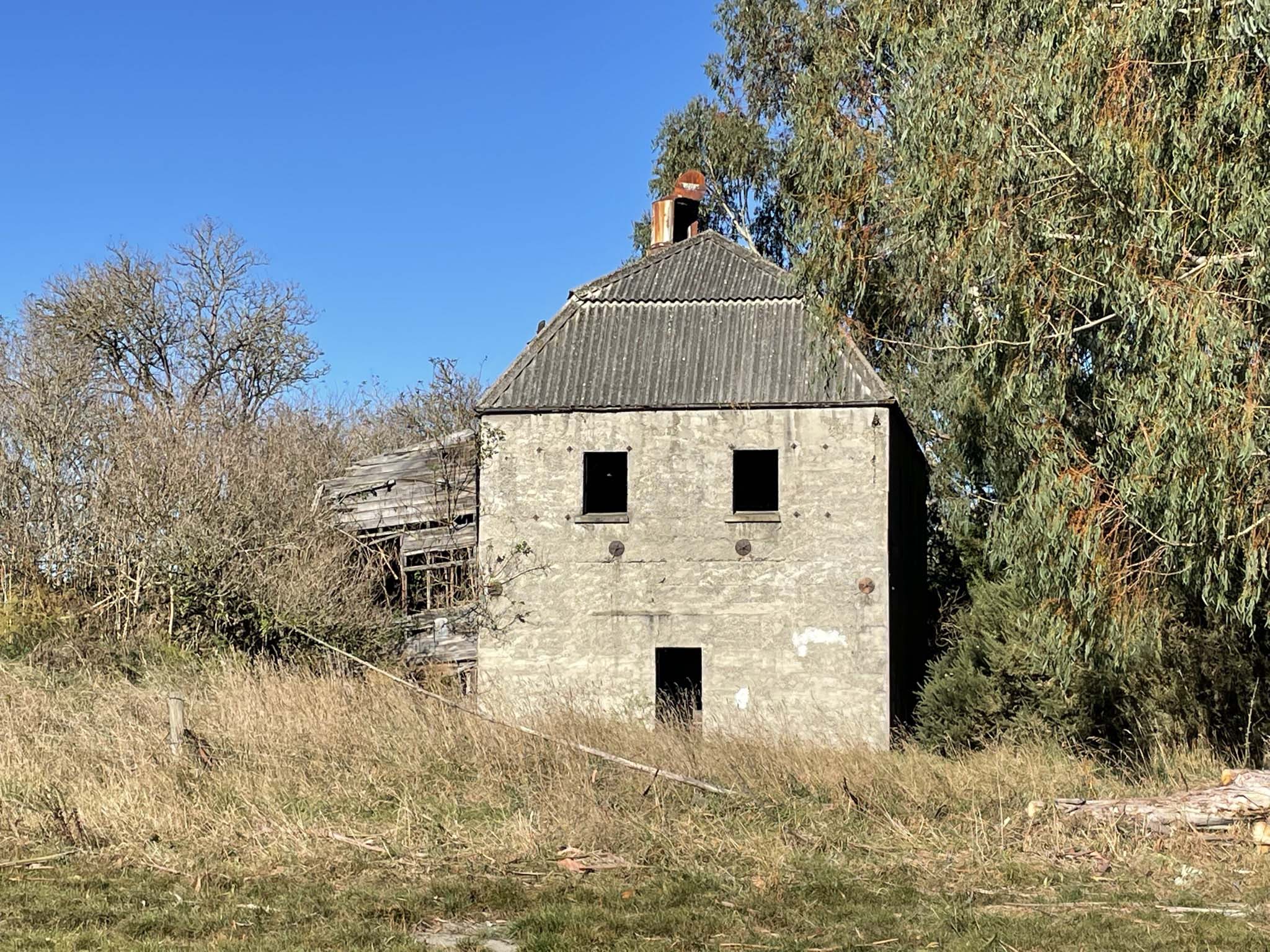
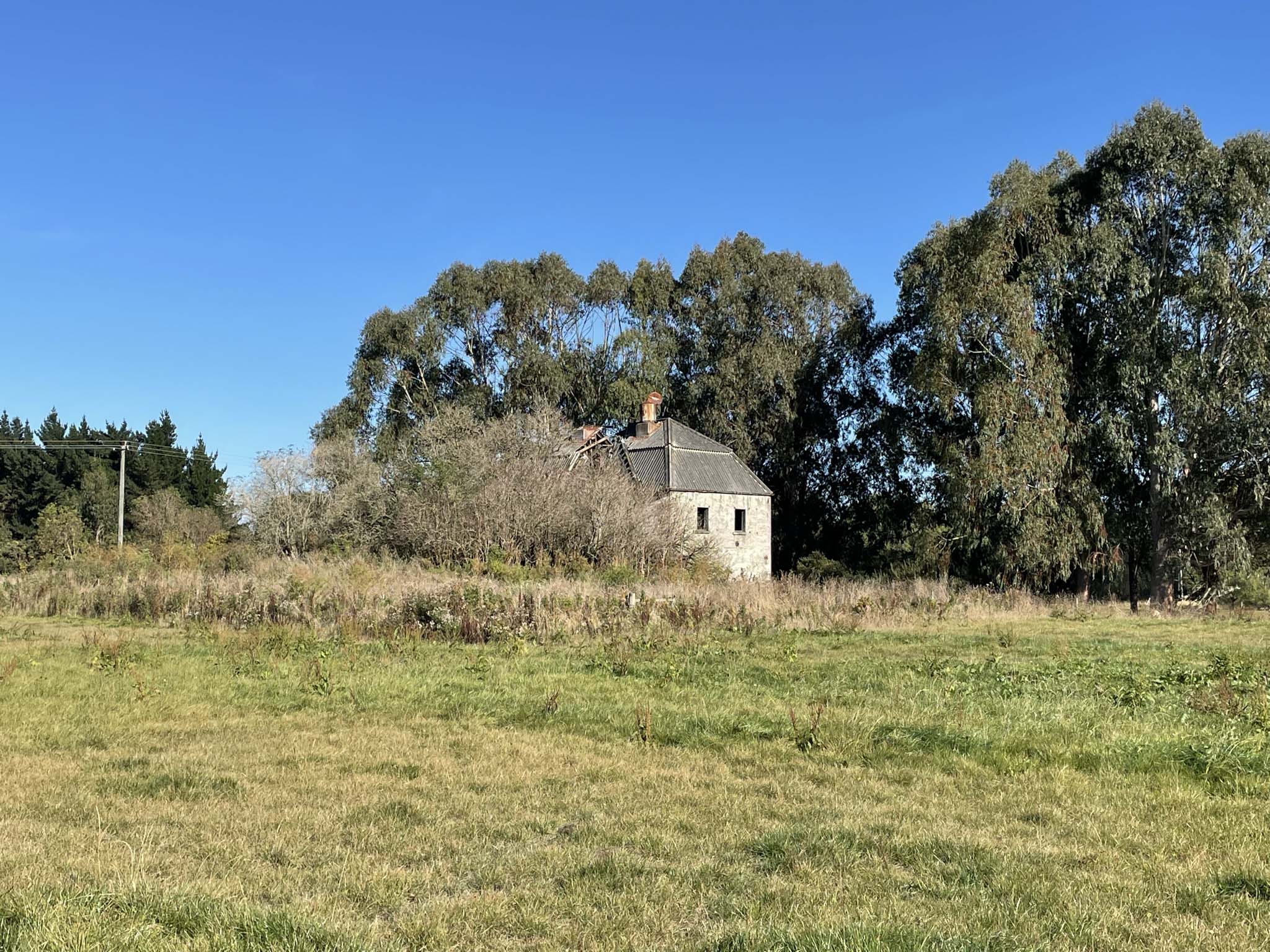
ARCHITECTURAL QUALITY: This is a rare pioneer concrete industrial structure built to dry chicory. TOWNSCAPE/LANDMARK VALUE: It is a prominent feature of the flat Inch Clutha landscape.
Why is this place significant?
Physical Significance
ARCHITECTURAL QUALITY: This is a rare pioneer concrete industrial structure built to dry chicory. TOWNSCAPE/LANDMARK VALUE: It is a prominent feature of the flat Inch Clutha landscape.
Construction Professional
Name
Mason & Wales Architects Ltd
Type
Architectural Partnership
Biography
Mason and Wales Architects Ltd is the oldest architectural practice in New Zealand, having been founded by William Mason (1810-1897) in 1862 Dunedin. Mason was born in England, studied under Peter Nicholson and worked under Thomas Telford and Edward Blore. In 1838 he immigrated to New South Wales, and came to New Zealand in 1840. Having spent 22 years in Auckland he went to Dunedin at the time of the gold discoveries and was elected the first mayor of Dunedin in 1865. He was active in politics as well as in architecture. Mason was in partnership firstly with David Ross (1827-1908) and William Henry Clayton (1823-1877) and he took in N.Y.A. Wales (1832-1903) when Clayton left the firm to become Colonial Architect in Wellington. Wales had worked as a clerk of works and was very competent in all aspects of construction. The firm was responsible for many of Dunedin's early important buildings such as the Post Office (later known as the Exchange Building), Princes Street (1864-68), the Exhibition Building (later the Dunedin Hospital), Great King Street (1864), St Matthew's Church, Stafford Street (1873), and the Wains Hotel, Princes Street (1878). Mason and Wales designed the Abbotsford Farm Steading (1871) at Outram, Otago (NZHPT Reg. No. 7579). This farm steading was designed for James Shand, a prominent land owner, politician and businessman in the area. Mason and Wales designed another farm steading for Shand at his property Berkeley in 1881 (demolished 1981). In 1881, Mason and Wales also designed a plain concrete Chicory Kiln (NZHPT Reg. No. 3359, Cat II) at Inch Clutha, South Otago for Gregg and Coy. Mason and Wales continues today. N.Y.A. Wales (b.1927) is a fourth generation director of the firm. WALES, Nathaniel Young Armstrong (1832-1903) Wales was born in Northumberland, England, and educated at Jedburgh, Scotland. He immigrated to Australia in 1854 and found employment as a carpenter working on the buildings for the first exhibition held in Melbourne. He arrived in Dunedin about 1863, and was a clerk of works for William Mason on the old Bank of New Zealand Building (1862-64), the Post Office Building (1864-68) and the Port Chalmers Graving Dock (1868-72). Wales entered partnership with William Mason in 1871. The firm of Mason and Wales was responsible for many fine buildings in Dunedin including Bishopscourt (1873), St Matthew's Church (1873), Government Life Insurance Building (1897) and Wains Hotel (1878). Wales had military and political interests and was a Member of Parliament for some years. He occupied a seat on the Dunedin Harbour Board and was a Dunedin City Councillor. In 1895 he was elected Mayor of Dunedin. In 1900 he was elected a Fellow of the Royal Institute of British Architects.
Construction Details
Start Year
1881
Type
Original Construction
Description
Tenders let 18 Feb 1881 for Messrs Gregg and Co.
Start Year
1929
Type
Addition
Description
Second drying floor added, new elevator added.
Type
Modification
Description
Roof vent removed and replaced with lower pitched roof.
Start Year
1956
Type
Other
Description
Stock and plant dispersed.
Construction Materials
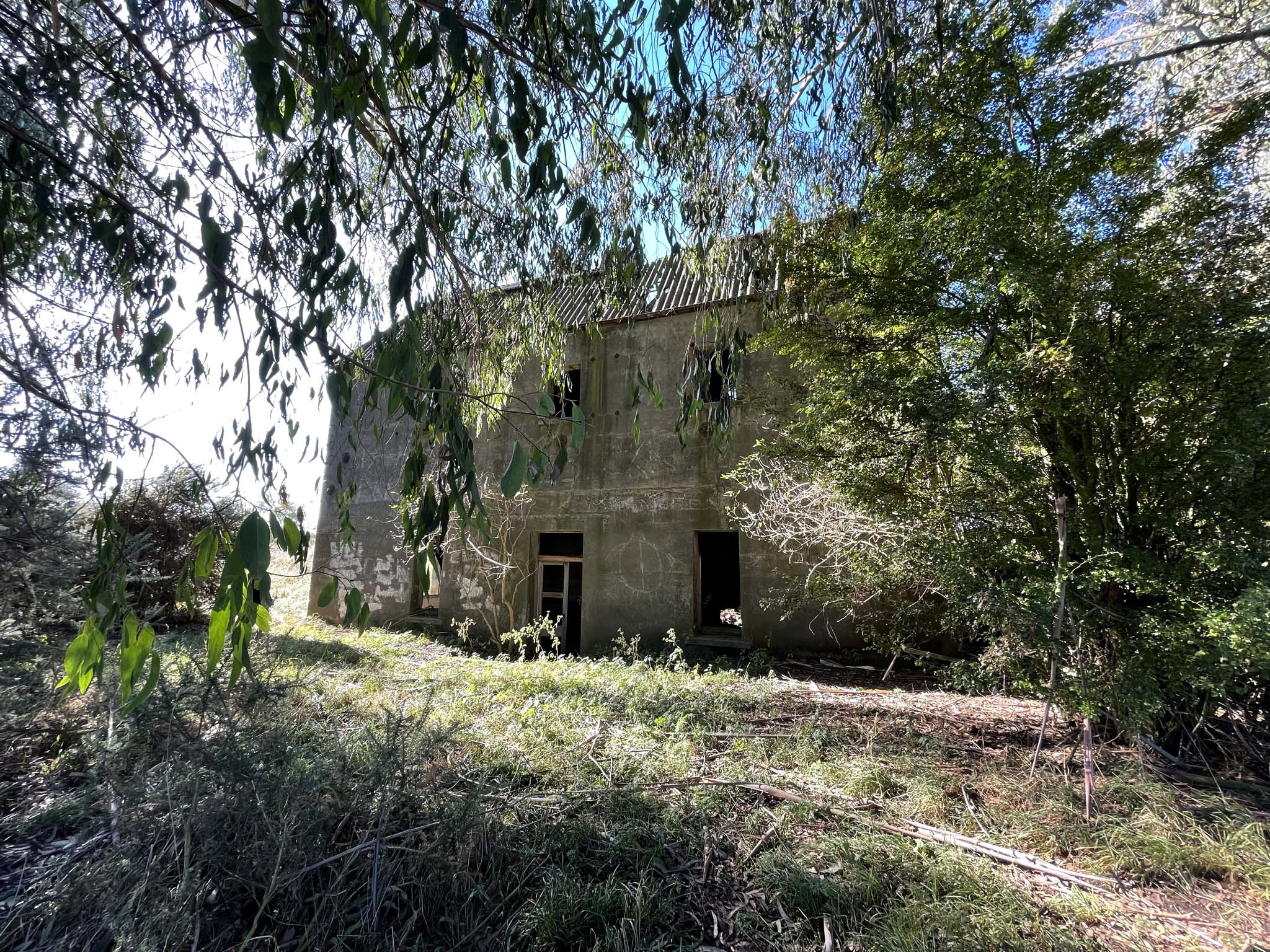
This is an early iron reinforced concrete building. The iron bars are cast in the concrete at each corner of the inside arches, forming a concave ceiling in the ground floor. These bars are now partly exposed. The kiln furnace occupies about half of the ground floor, the interior of this has now collapsed. A small vertical ladder stair leads to the upper drying floors. The roof is asbestos corrugated sheet.
Construction Professional
Name
Mason & Wales Architects Ltd
Type
Architectural Partnership
Biography
Mason and Wales Architects Ltd is the oldest architectural practice in New Zealand, having been founded by William Mason (1810-1897) in 1862 Dunedin. Mason was born in England, studied under Peter Nicholson and worked under Thomas Telford and Edward Blore. In 1838 he immigrated to New South Wales, and came to New Zealand in 1840. Having spent 22 years in Auckland he went to Dunedin at the time of the gold discoveries and was elected the first mayor of Dunedin in 1865. He was active in politics as well as in architecture. Mason was in partnership firstly with David Ross (1827-1908) and William Henry Clayton (1823-1877) and he took in N.Y.A. Wales (1832-1903) when Clayton left the firm to become Colonial Architect in Wellington. Wales had worked as a clerk of works and was very competent in all aspects of construction. The firm was responsible for many of Dunedin's early important buildings such as the Post Office (later known as the Exchange Building), Princes Street (1864-68), the Exhibition Building (later the Dunedin Hospital), Great King Street (1864), St Matthew's Church, Stafford Street (1873), and the Wains Hotel, Princes Street (1878). Mason and Wales designed the Abbotsford Farm Steading (1871) at Outram, Otago (NZHPT Reg. No. 7579). This farm steading was designed for James Shand, a prominent land owner, politician and businessman in the area. Mason and Wales designed another farm steading for Shand at his property Berkeley in 1881 (demolished 1981). In 1881, Mason and Wales also designed a plain concrete Chicory Kiln (NZHPT Reg. No. 3359, Cat II) at Inch Clutha, South Otago for Gregg and Coy. Mason and Wales continues today. N.Y.A. Wales (b.1927) is a fourth generation director of the firm. WALES, Nathaniel Young Armstrong (1832-1903) Wales was born in Northumberland, England, and educated at Jedburgh, Scotland. He immigrated to Australia in 1854 and found employment as a carpenter working on the buildings for the first exhibition held in Melbourne. He arrived in Dunedin about 1863, and was a clerk of works for William Mason on the old Bank of New Zealand Building (1862-64), the Post Office Building (1864-68) and the Port Chalmers Graving Dock (1868-72). Wales entered partnership with William Mason in 1871. The firm of Mason and Wales was responsible for many fine buildings in Dunedin including Bishopscourt (1873), St Matthew's Church (1873), Government Life Insurance Building (1897) and Wains Hotel (1878). Wales had military and political interests and was a Member of Parliament for some years. He occupied a seat on the Dunedin Harbour Board and was a Dunedin City Councillor. In 1895 he was elected Mayor of Dunedin. In 1900 he was elected a Fellow of the Royal Institute of British Architects.
Construction Details
Start Year
1881
Type
Original Construction
Description
Tenders let 18 Feb 1881 for Messrs Gregg and Co.
Start Year
1929
Type
Addition
Description
Second drying floor added, new elevator added.
Type
Modification
Description
Roof vent removed and replaced with lower pitched roof.
Start Year
1956
Type
Other
Description
Stock and plant dispersed.
Construction Materials
This is an early iron reinforced concrete building. The iron bars are cast in the concrete at each corner of the inside arches, forming a concave ceiling in the ground floor. These bars are now partly exposed. The kiln furnace occupies about half of the ground floor, the interior of this has now collapsed. A small vertical ladder stair leads to the upper drying floors. The roof is asbestos corrugated sheet.
Chicory growing in the area began in the late 1870s with the efforts of a Mr Baird who took up Gregg & Co.'s offer of free chicory seed to anyone who would grow for the Company. Baird's efforts were so successful that Greggs decided to buy his property and erect a kiln on the site. Tenders were called for the erection of a kiln on 18 February 1881, with the successful tenderer being George Bain who began work immediately, and the building was completed by August of that year. Bain also completed extensive flood protection works on the riverbank, and a short railway line was constructed to connect the kiln with the riverbank. The river was used to link the kiln to the main railway connection to Dunedin at Balclutha. When the kiln was completed Mr Torrens was appointed as the first manager and lived at the newly purchased Koaubank property two miles distant. The chicory plant itself was a tall herbaceous perennial, the root of which was harvested at the end of the first year. The root was then dried, ground, and roasted. The roots were washed and chopped in the factory, and then transported by bucket elevator to the top kiln floor where it was spread. The first and second floors of the kiln were perforated to allow hot drying air from coke furnaces on the ground floor to pass through the root. In addition to roof ventilators, the air was circulated with a fan. After 12 hours drying the partly dry root was shovelled on the first floor where it dried for another 12 hours. When drying was complete the chicory was sent down chutes to sacks on the ground floor. In the early years of the twentieth century Greggs decided that chicory could be obtained more cheaply from Canterbury. The farm and buildings were sold to farmer Dan Boyd.. Greggs bought the property back subsequently and appointed Jack McKinlay manager. What is locally known as "The Chicory House" was built by Greggs for the McKinlay family in 1915. Three generations of the McKinlay family were involved in running the Chicory Farm. A second drying floor was added to the kiln in the late 1920s. Chicory was also grown on contract at surrounding farms. When the protective tariff was lifted on chicory local growing was no longer viable, and the plant was sold in the mid-1950s. The Chicory Kiln has been used for various farm-related purposes since that time.
Chicory growing in the area began in the late 1870s with the efforts of a Mr Baird who took up Gregg & Co.'s offer of free chicory seed to anyone who would grow for the Company. Baird's efforts were so successful that Greggs decided to buy his property and erect a kiln on the site. Tenders were called for the erection of a kiln on 18 February 1881, with the successful tenderer being George Bain who began work immediately, and the building was completed by August of that year. Bain also completed extensive flood protection works on the riverbank, and a short railway line was constructed to connect the kiln with the riverbank. The river was used to link the kiln to the main railway connection to Dunedin at Balclutha. When the kiln was completed Mr Torrens was appointed as the first manager and lived at the newly purchased Koaubank property two miles distant. The chicory plant itself was a tall herbaceous perennial, the root of which was harvested at the end of the first year. The root was then dried, ground, and roasted. The roots were washed and chopped in the factory, and then transported by bucket elevator to the top kiln floor where it was spread. The first and second floors of the kiln were perforated to allow hot drying air from coke furnaces on the ground floor to pass through the root. In addition to roof ventilators, the air was circulated with a fan. After 12 hours drying the partly dry root was shovelled on the first floor where it dried for another 12 hours. When drying was complete the chicory was sent down chutes to sacks on the ground floor. In the early years of the twentieth century Greggs decided that chicory could be obtained more cheaply from Canterbury. The farm and buildings were sold to farmer Dan Boyd.. Greggs bought the property back subsequently and appointed Jack McKinlay manager. What is locally known as "The Chicory House" was built by Greggs for the McKinlay family in 1915. Three generations of the McKinlay family were involved in running the Chicory Farm. A second drying floor was added to the kiln in the late 1920s. Chicory was also grown on contract at surrounding farms. When the protective tariff was lifted on chicory local growing was no longer viable, and the plant was sold in the mid-1950s. The Chicory Kiln has been used for various farm-related purposes since that time.
ARCHITECT/ENGINEER/DESIGNER: MASON & WALES were the architects. It was most likely N.Y.A. Wales as Mason left the practice in 1874 to live in Queenstown. ARCHITECTURAL DESCRITPION: This is an early iron reinforced concrete building, consisting of three storeys with a Mansard roof. It is considered a rare pioneering concrete industrial structure. The iron bars are cast in the concrete at each corner of the inside arches, forming a concave ceiling at the ground floor level. These bars are now partly exposed. The kiln furnace occupies half the ground floor. The interior of the furnace is partly collapsed. A small vertical ladder stair leads to the upper drying floors. The roof is asbestos corrugated sheet. MODIFICATIONS: 1929 - Addition of second drying floor, new elevator and its housing. At this time or later the roof vent has been removed and replaced with a lower pitched roof, possibly to provide more space in the third floor.
ARCHITECT/ENGINEER/DESIGNER: MASON & WALES were the architects. It was most likely N.Y.A. Wales as Mason left the practice in 1874 to live in Queenstown. ARCHITECTURAL DESCRITPION: This is an early iron reinforced concrete building, consisting of three storeys with a Mansard roof. It is considered a rare pioneering concrete industrial structure. The iron bars are cast in the concrete at each corner of the inside arches, forming a concave ceiling at the ground floor level. These bars are now partly exposed. The kiln furnace occupies half the ground floor. The interior of the furnace is partly collapsed. A small vertical ladder stair leads to the upper drying floors. The roof is asbestos corrugated sheet. MODIFICATIONS: 1929 - Addition of second drying floor, new elevator and its housing. At this time or later the roof vent has been removed and replaced with a lower pitched roof, possibly to provide more space in the third floor.
Historical and Associated Iwi / Hapū / Whānau
Iwi: Ngāi Tahu
Completion Date
3rd September 2007
Report Written By
Heather Bauchop
Information Sources
New Zealand Historic Places Trust (NZHPT)
New Zealand Historic Places Trust
Rutherford, 1998
Alma M. Rutherford and the Inch Clutha Committee, The Inch: The Reproduction and Update of the Story of Stirling and Inch Clutha, 1998
Other Information
This historic place was registered under the Historic Places Act 1980. This report includes the text from the original Building Classification Committee report considered by the NZHPT Board at the time of registration. Please note that entry on the New Zealand Heritage List/Rarangi Korero identifies only the heritage values of the property concerned, and should not be construed as advice on the state of the property, or as a comment of its soundness or safety, including in regard to earthquake risk, safety in the event of fire, or insanitary conditions.
Historical and Associated Iwi / Hapū / Whānau
Iwi: Ngāi Tahu
Completion Date
3rd September 2007
Report Written By
Heather Bauchop
Information Sources
New Zealand Historic Places Trust (NZHPT)
New Zealand Historic Places Trust
Rutherford, 1998
Alma M. Rutherford and the Inch Clutha Committee, The Inch: The Reproduction and Update of the Story of Stirling and Inch Clutha, 1998
Other Information
This historic place was registered under the Historic Places Act 1980. This report includes the text from the original Building Classification Committee report considered by the NZHPT Board at the time of registration. Please note that entry on the New Zealand Heritage List/Rarangi Korero identifies only the heritage values of the property concerned, and should not be construed as advice on the state of the property, or as a comment of its soundness or safety, including in regard to earthquake risk, safety in the event of fire, or insanitary conditions.
Current Usages
Uses: Agriculture
Specific Usage: Shed
Uses: Vacant
Specific Usage: Vacant
Current Usages
Uses: Agriculture
Specific Usage: Shed
Uses: Vacant
Specific Usage: Vacant
Location
Sign up to hear more
Get the latest heritage news, features and events delivered
straight to your inbox.
