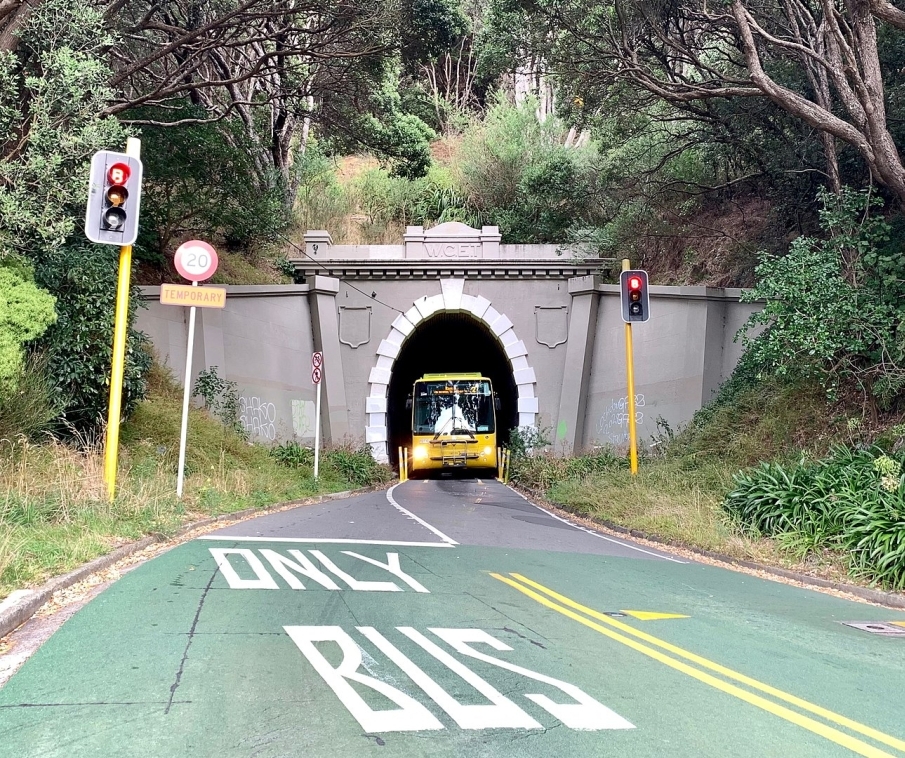
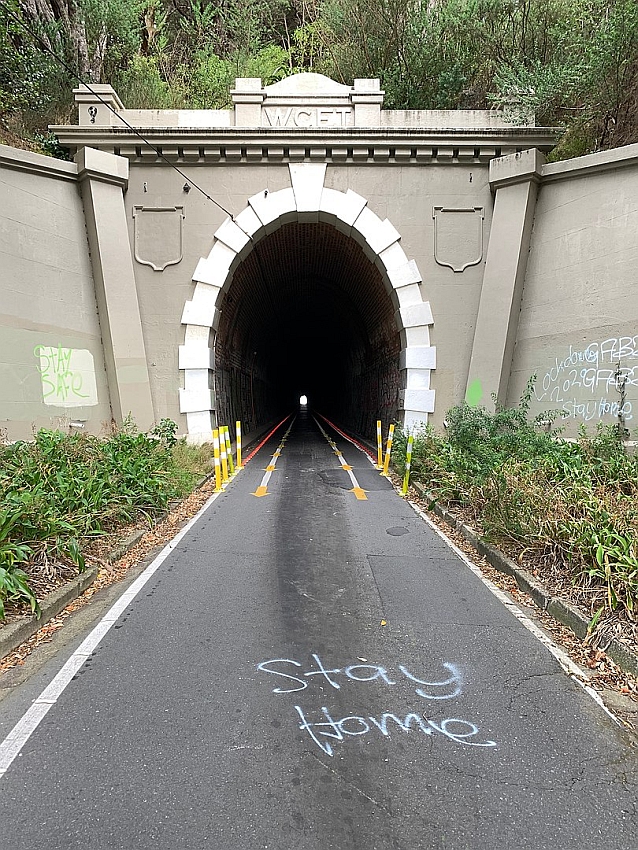
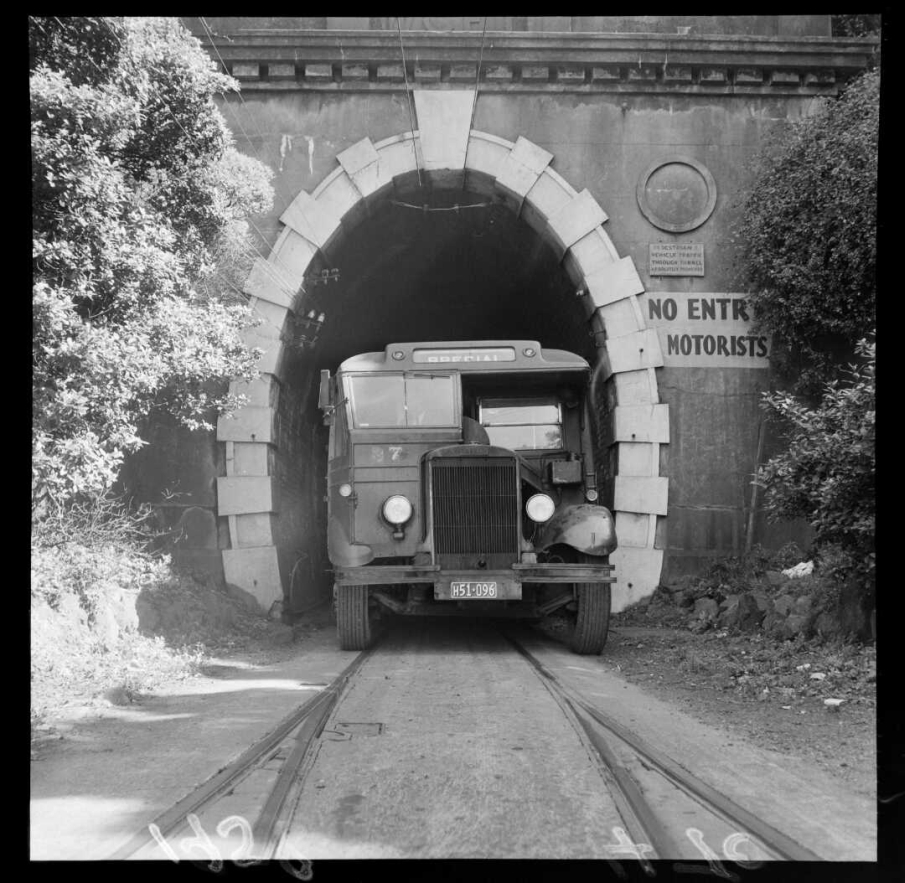
Built to encourage development of the eastern suburbs of Wellington in the early twentieth century, the Bus tunnel was a vital transport link for Wellington city workers living in Kilbirnie and its environs. Prior to its construction, the only way to reach Kilbirnie was either via the winding coast road through Evans Bay; via a lengthy roundabout route through Crawford Road in Newtown; or over the rough walking tracks of Matairangi (Mount Victoria). On its completion the Bus tunnel accommodated tram traffic for over fifty years until the phasing out of trams during the 1960s. Today it operates solely as a bus tunnel, continuing its long social and technological history of providing an arterial connection between the city and the eastern suburbs of Wellington.
The renowned Polynesian navigator Kupe first explored the Wellington area during his voyage to Aotearoa from Hawaiki, the ancestral homeland of Māori. It is generally accepted that the first people to permanently occupy the Wellington area were the Whātonga people of Hawke’s Bay. Tara, son of Whātonga, travelled south from the Mahia peninsula and established a settlement at what came to be known as Te Whanganui-a-Tara, the great harbour of Tara. He founded the Ngai Tara iwi, which over time became known as Ngāti Ira. Many other tribes came and went through Wellington. Ngāti Mamoe, Ngāi Tahu ki Wairoa are said to have coexisted around the harbour with the Ngāti Ira people. Several migrations from Taranaki occurred between 1824 and 1834, with Taranaki hapū settling around the coastline of Te Whanganui-a-Tara and into Wairarapa. In 1835 Ngāti Mutunga and Ngāti Tama migrated to Wharekauri (the Chatham Islands) and Te Ātiawa hapū that had moved to Wairarapa returned to Te Whanganui-a-Tara. The name Hataitai refers to the great taniwha Whātaitai, whose body, according to legend, turned to stone and formed what is now Hataitai, Kilbirnie and Miramar. The inner harbour of Te Whanganui-a-Tara, which includes Hataitai, Kilbirnie and the slopes of Matairangi provided a rich food source prior to European arrival. Kāinga were established from Pito-one through to the south coast at Owhiro, with extensive ngākinga laid out on north-facing hillside clearings, as well as on the fertile flatlands. After European arrival this area became farmland.
At the beginning of the twentieth century, the eastern peninsula was largely rural. Wellington city was expanding rapidly and more land for housing development was required, but the undeveloped area of what is now the eastern suburbs was not easily reachable. In November 1901 residents of Hataitai and Kilbirnie met to consider the issue of access to Kilbirnie from the city, with the notion of a tunnel through Mount Victoria for ‘vehicular and tram traffic’ mooted as a solution. Vigorous lobbying continued over the next few years, strongly supported by the Hataitai Land Company who was keen to improve land value through improved road connections and who provided almost £10,000 towards the cost.
City Engineer William Hobbard Morton created a 388-metre tunnel design with classically influenced arched portals and elaborate stylised keystones supporting an entablature and cornice emblazoned with the Wellington City Electric Tramway logo. Construction began in October 1905 but was not without incident. The tunnel was dug using explosives with the spoil carted out by hand, and the excavated area shored up with timbering before being finished by brickwork ribs and lagging to form the brick arch. In February 1907 one of the supports gave way and the shoring collapsed, bringing down tonnes of rain-sodden clay above the tunnel. Three men were killed in the accident. Despite the inevitable delays following the tragedy the tunnel was completed on 11 April 1907, with the public opening on 16 April 1907.
With the phasing out of Wellington’s tram system the tunnel was converted, and the tram tracks and wires replaced with trolley bus wires. The first trolley bus travelled through the tunnel in October 1963 and continued using the tunnel till the decommissioning of trolley buses in 2017. Earthquake strengthening of the portals was undertaken in 2013.
The renowned Polynesian navigator Kupe first explored the Wellington area during his voyage to Aotearoa from Hawaiki, the ancestral homeland of Māori. It is generally accepted that the first people to permanently occupy the Wellington area were the Whātonga people of Hawke’s Bay. Tara, son of Whātonga, travelled south from the Mahia peninsula and established a settlement at what came to be known as Te Whanganui-a-Tara, the great harbour of Tara. He founded the Ngai Tara iwi, which over time became known as Ngāti Ira. Many other tribes came and went through Wellington. Ngāti Mamoe, Ngāi Tahu ki Wairoa are said to have coexisted around the harbour with the Ngāti Ira people. Several migrations from Taranaki occurred between 1824 and 1834, with Taranaki hapū settling around the coastline of Te Whanganui-a-Tara and into Wairarapa. In 1835 Ngāti Mutunga and Ngāti Tama migrated to Wharekauri (the Chatham Islands) and Te Ātiawa hapū that had moved to Wairarapa returned to Te Whanganui-a-Tara. The name Hataitai refers to the great taniwha Whātaitai, whose body, according to legend, turned to stone and formed what is now Hataitai, Kilbirnie and Miramar. The inner harbour of Te Whanganui-a-Tara, which includes Hataitai, Kilbirnie and the slopes of Matairangi provided a rich food source prior to European arrival. Kāinga were established from Pito-one through to the south coast at Owhiro, with extensive ngākinga laid out on north-facing hillside clearings, as well as on the fertile flatlands. After European arrival this area became farmland.
At the beginning of the twentieth century, the eastern peninsula was largely rural. Wellington city was expanding rapidly and more land for housing development was required, but the undeveloped area of what is now the eastern suburbs was not easily reachable. In November 1901 residents of Hataitai and Kilbirnie met to consider the issue of access to Kilbirnie from the city, with the notion of a tunnel through Mount Victoria for ‘vehicular and tram traffic’ mooted as a solution. Vigorous lobbying continued over the next few years, strongly supported by the Hataitai Land Company who was keen to improve land value through improved road connections and who provided almost £10,000 towards the cost.
City Engineer William Hobbard Morton created a 388-metre tunnel design with classically influenced arched portals and elaborate stylised keystones supporting an entablature and cornice emblazoned with the Wellington City Electric Tramway logo. Construction began in October 1905 but was not without incident. The tunnel was dug using explosives with the spoil carted out by hand, and the excavated area shored up with timbering before being finished by brickwork ribs and lagging to form the brick arch. In February 1907 one of the supports gave way and the shoring collapsed, bringing down tonnes of rain-sodden clay above the tunnel. Three men were killed in the accident. Despite the inevitable delays following the tragedy the tunnel was completed on 11 April 1907, with the public opening on 16 April 1907.
With the phasing out of Wellington’s tram system the tunnel was converted, and the tram tracks and wires replaced with trolley bus wires. The first trolley bus travelled through the tunnel in October 1963 and continued using the tunnel till the decommissioning of trolley buses in 2017. Earthquake strengthening of the portals was undertaken in 2013.