Quick links


Quick links
Quick links
Quick links
Quick links
Quick links
188 Williams Street, KAIAPOI
Private
Historic Place Category 1
List No. 3677
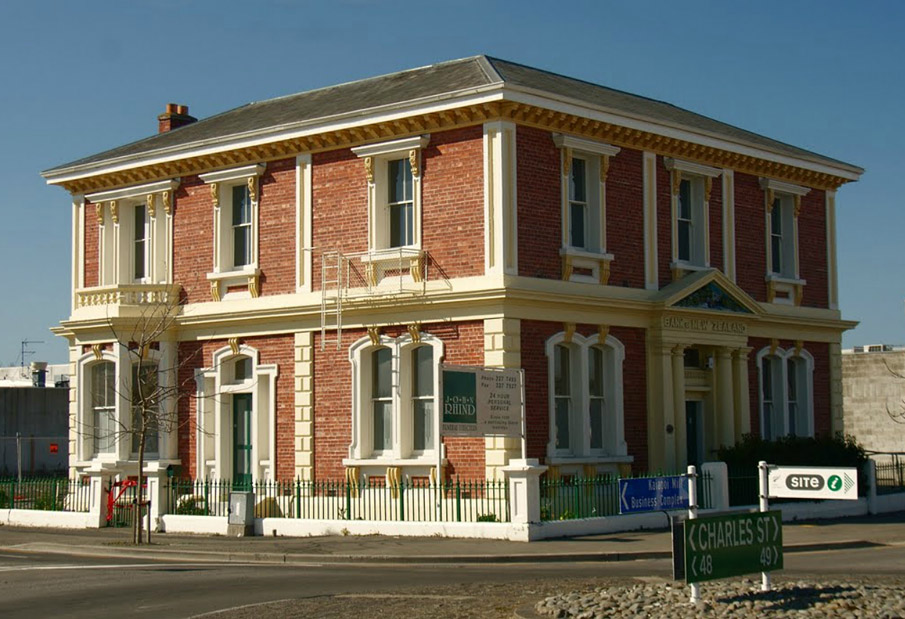
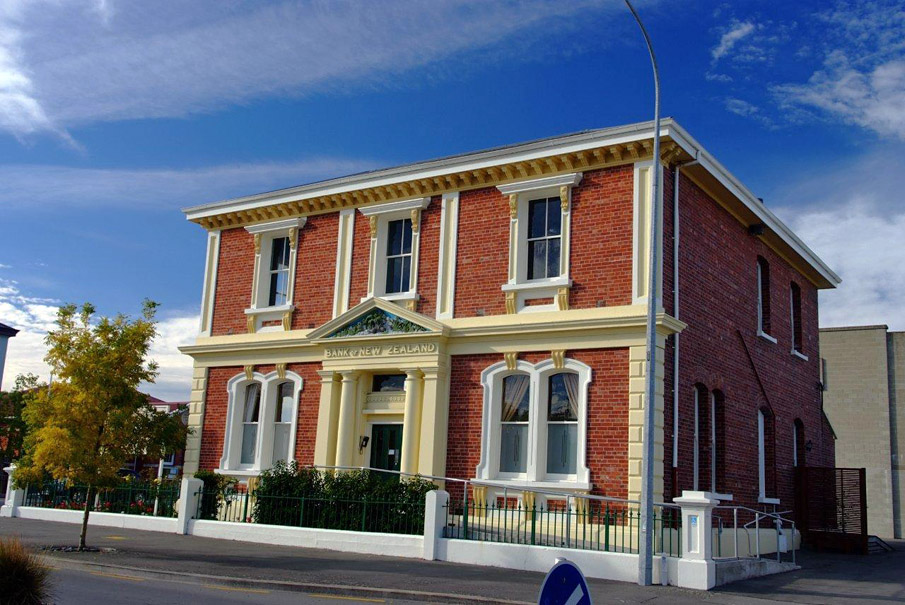
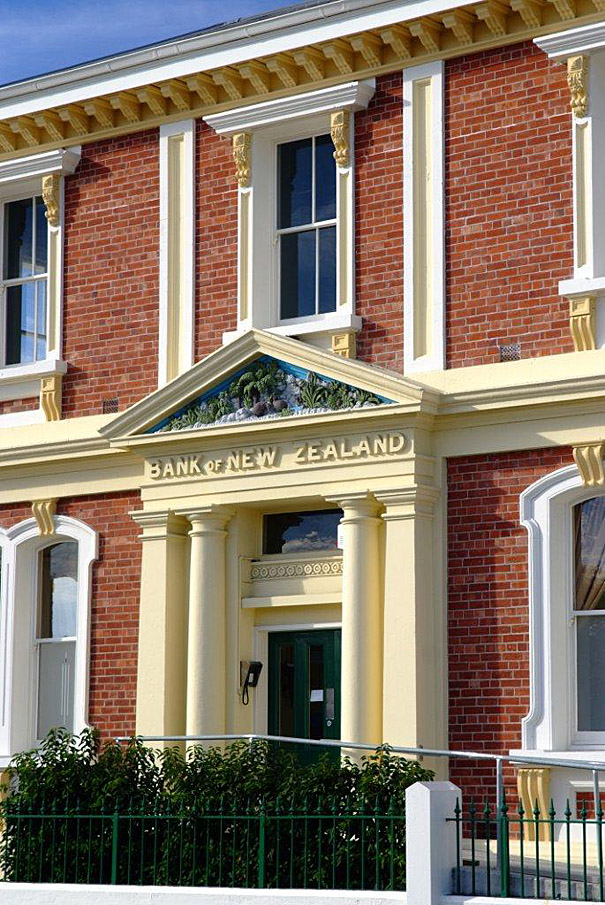
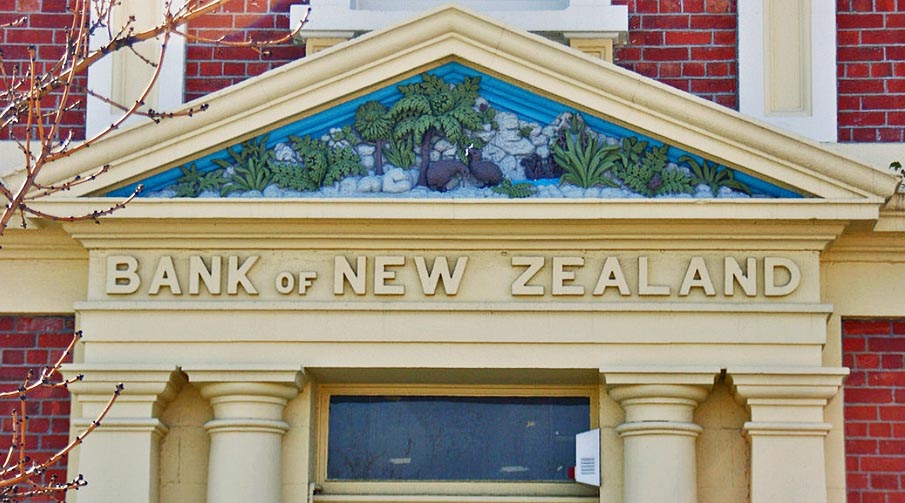
List Entry Information
Status
Listed
List Entry Status
Historic Place Category 1
Access
Private/No Public Access
List Number
3677
Date Entered
27th June 1985
Date of Effect
27th June 1985
City/District Council
Waimakariri District
Region
Canterbury Region
Legal description
Lot 1 DP 36550
Status
Listed
List Entry Status
Historic Place Category 1
Access
Private/No Public Access
List Number
3677
Date Entered
27th June 1985
Date of Effect
27th June 1985
City/District Council
Waimakariri District
Region
Canterbury Region
Legal description
Lot 1 DP 36550
Construction Professional
Name
Lambert, T S (1840-1915)
Type
Architect
Biography
Thomas Stoddart Lambert (1840-1915) served articles and studied in Edinburgh before coming to Christchurch in 1874 where he worked for three years in Frederick Strouts' office. He established an independent practice in 1877 and rapidly gained a reputation as a sensible and economical architect. He designed a variety of structures including churches, warehouses, business premises and schools (serving as Education Board architect for four years). He was the architect for Christchurch's second Theatre Royal in 1876 gaining valuable experience for his commission to design the Tuam Street Hall five years later. The Odeon is now one of only few surviving examples of his many prominent inner city buildings. The Synagogue, 1880, Canterbury Farmers' Association Building, 1882, United Services Hotel, 1883, and Young Men's Christian Association Building, 1884, have all been demolished. In 1893 he moved from Christchurch and continued his practice in Dunedin and then Wellington.
Construction Details
Start Year
1883
Type
Original Construction
Notable Features
The fence, surmounted by an iron railing, was built at the same time as the building, and is included in the registration.
Construction Professional
Name
Lambert, T S (1840-1915)
Type
Architect
Biography
Thomas Stoddart Lambert (1840-1915) served articles and studied in Edinburgh before coming to Christchurch in 1874 where he worked for three years in Frederick Strouts' office. He established an independent practice in 1877 and rapidly gained a reputation as a sensible and economical architect. He designed a variety of structures including churches, warehouses, business premises and schools (serving as Education Board architect for four years). He was the architect for Christchurch's second Theatre Royal in 1876 gaining valuable experience for his commission to design the Tuam Street Hall five years later. The Odeon is now one of only few surviving examples of his many prominent inner city buildings. The Synagogue, 1880, Canterbury Farmers' Association Building, 1882, United Services Hotel, 1883, and Young Men's Christian Association Building, 1884, have all been demolished. In 1893 he moved from Christchurch and continued his practice in Dunedin and then Wellington.
Construction Details
Start Year
1883
Type
Original Construction
Notable Features
The fence, surmounted by an iron railing, was built at the same time as the building, and is included in the registration.
Historical and Associated Iwi / Hapū / Whānau
Completion Date
2nd April 2002
Report Written By
Melanie Lovell-Smith
Information Sources
Chappell, 1961
N.M. Chappell, New Zealand Banker's Hundred: Bank of New Zealand 1861-1961, Wellington, 1961
Cyclopedia of New Zealand, 1903
Cyclopedia Company, Industrial, descriptive, historical, biographical facts, figures, illustrations, Wellington, N.Z, 1897-1908, Vol. 3, Canterbury Provincial District, Christchurch, 1903
Griffin, 1983
R.H. Griffin, 'Victorian Bank Architecture in New Zealand: A paper delivered to the Australasian Victorian Studies Association on 26 January 1982 at Massey University of the Manawatu, Palmerston North, New Zealand', BNZ Archives, Wellington, 1983 (with corrections)
Wolfe, 1991
Richard Wolfe, Kiwi: More than a Bird, Auckland, 1991
Lyttelton Times
Lyttelton Times
Oliver, 1981
William H. Oliver, The Oxford History of New Zealand, Wellington, 1981
Other Information
This place was identified as significant under previous legislation with different information requirements. It remains significant under the current legislation. There is opportunity under our legislation and policies to add to this information. Further information about this place may be available from the Southern Regional Office of Heritage New Zealand Pouhere Taonga. Please note that entry on the New Zealand Heritage List/Rarangi Korero identifies only the heritage values of the property concerned, and should not be construed as advice on the state of the property, or as a comment of its soundness or safety, including in regard to earthquake risk, safety in the event of fire, or insanitary conditions.
Historical and Associated Iwi / Hapū / Whānau
Completion Date
2nd April 2002
Report Written By
Melanie Lovell-Smith
Information Sources
Chappell, 1961
N.M. Chappell, New Zealand Banker's Hundred: Bank of New Zealand 1861-1961, Wellington, 1961
Cyclopedia of New Zealand, 1903
Cyclopedia Company, Industrial, descriptive, historical, biographical facts, figures, illustrations, Wellington, N.Z, 1897-1908, Vol. 3, Canterbury Provincial District, Christchurch, 1903
Griffin, 1983
R.H. Griffin, 'Victorian Bank Architecture in New Zealand: A paper delivered to the Australasian Victorian Studies Association on 26 January 1982 at Massey University of the Manawatu, Palmerston North, New Zealand', BNZ Archives, Wellington, 1983 (with corrections)
Wolfe, 1991
Richard Wolfe, Kiwi: More than a Bird, Auckland, 1991
Lyttelton Times
Lyttelton Times
Oliver, 1981
William H. Oliver, The Oxford History of New Zealand, Wellington, 1981
Other Information
This place was identified as significant under previous legislation with different information requirements. It remains significant under the current legislation. There is opportunity under our legislation and policies to add to this information. Further information about this place may be available from the Southern Regional Office of Heritage New Zealand Pouhere Taonga. Please note that entry on the New Zealand Heritage List/Rarangi Korero identifies only the heritage values of the property concerned, and should not be construed as advice on the state of the property, or as a comment of its soundness or safety, including in regard to earthquake risk, safety in the event of fire, or insanitary conditions.
Current Usages
Uses: Health
Specific Usage: Doctor’s Surgery
Uses: Trade
Specific Usage: Office building/Offices
Former Usages
General Usage: Finance
Specific Usage: Bank
Web Links
Current Usages
Uses: Health
Specific Usage: Doctor’s Surgery
Uses: Trade
Specific Usage: Office building/Offices
Former Usages
General Usage: Finance
Specific Usage: Bank
Web Links
Location
Get the latest heritage news, features and events delivered
straight to your inbox.
