Quick links


Quick links
Quick links
Quick links
Quick links
Quick links
91 McIvor Road, INVERCARGILL
Private
Historic Place Category 1
List No. 385
List Entry Information
Status
Listed
List Entry Status
Historic Place Category 1
Access
Private/No Public Access
List Number
385
Date Entered
22nd November 1984
Date of Effect
22nd November 1984
City/District Council
Invercargill City
Region
Southland Region
Extent of List Entry
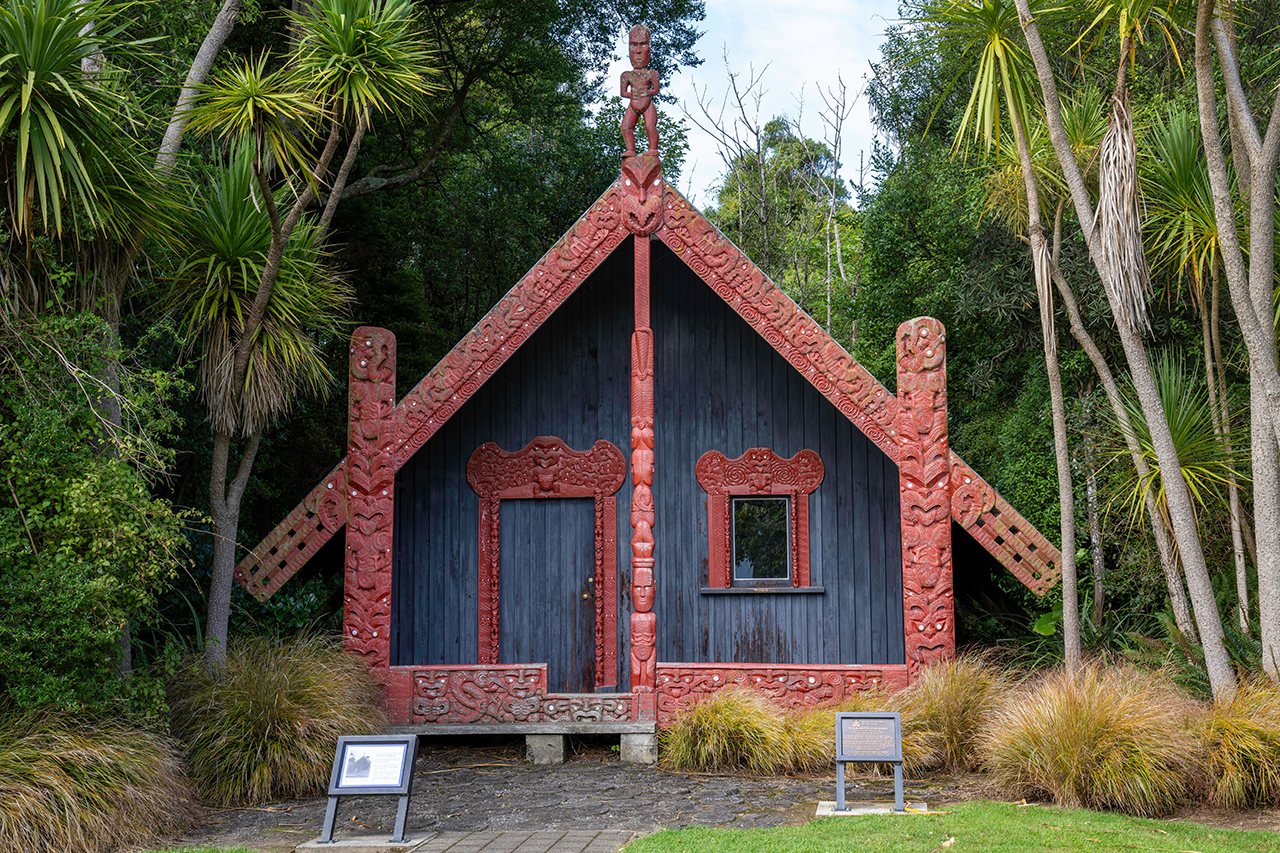
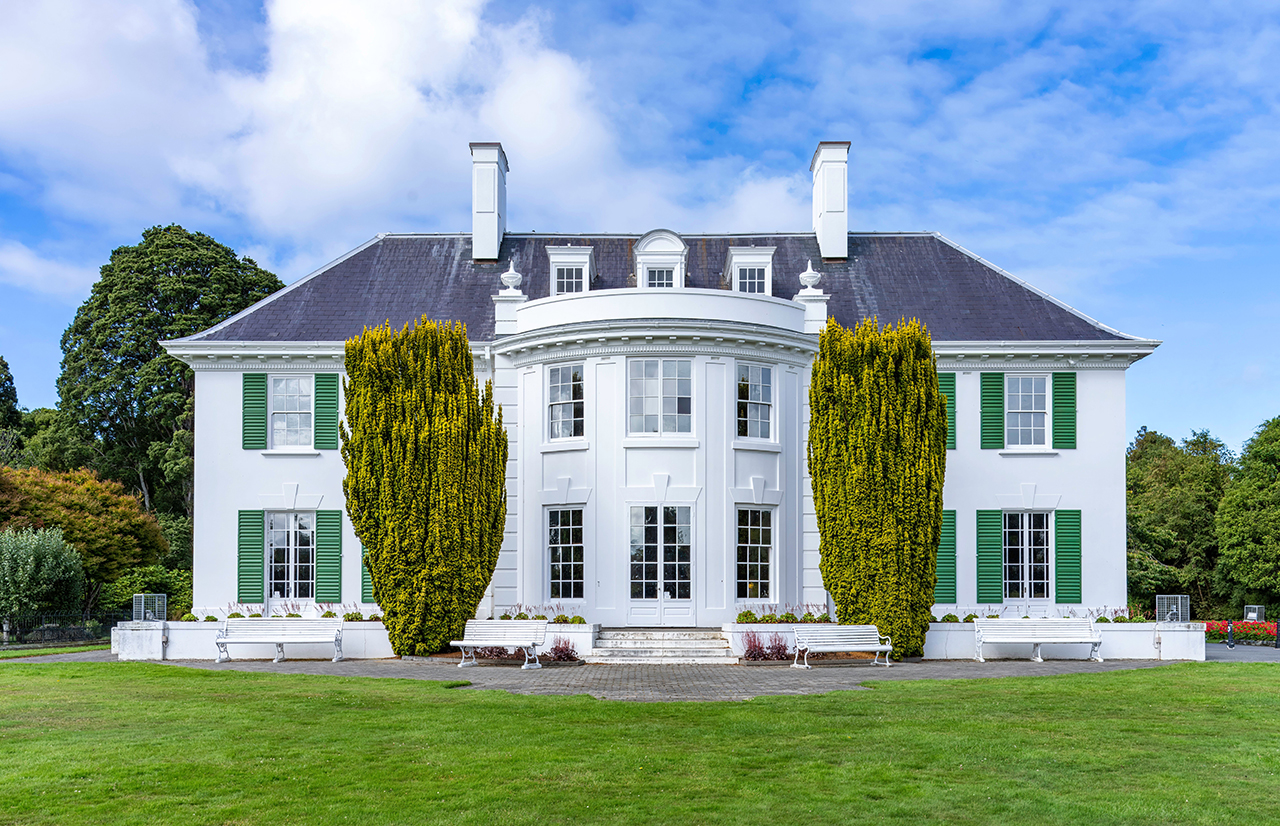
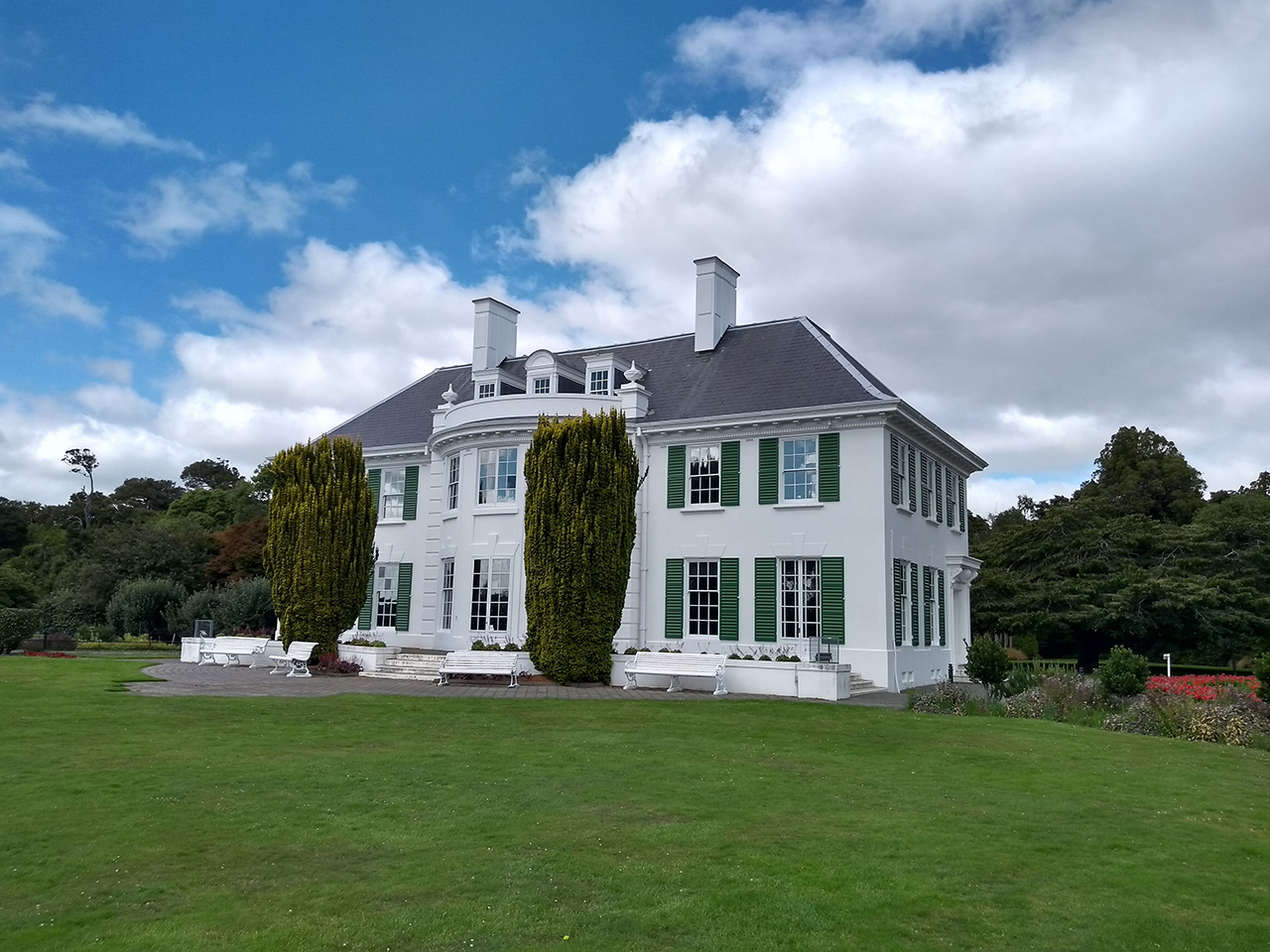
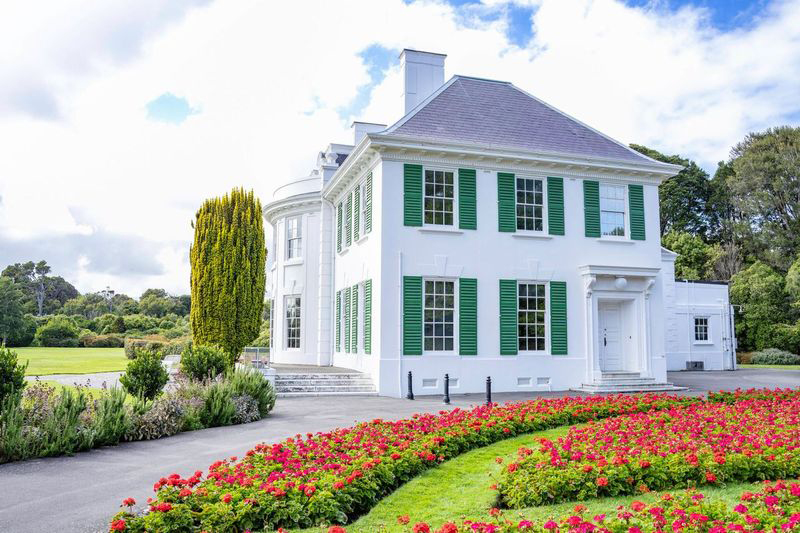
Extent includes the land described as Lot 1 DP 4477 (RT SL8D/387, NZ Gazette 1974, p. 983), Southland Land District and the building known as Anderson House its grounds and the building known as Te Wharepuni o Anehana (List No. 9811, Wahi Tupuna), thereon.
Legal description
Lot 1 DP4477 (RT SL8D/387), (NZ Gazette 1974, p. 983), Southland Land District
Construction Professional
Name
Ball, Alf.
Type
Builder
Biography
Builder of Anderson House, Invercargill for prominent local businessman Sir Robert Anderson. As referenced in Shaw (1991)
Name
Wood, Cecil Walter
Type
Architect
Biography
Born in Christchurch, Wood (1878-1947) was articled to the local architect Frederick Strouts between 1894 and 1899. He worked for a short time as a draughtsman with the firm Clarkson and Ballantyne before travelling to England in 1901. Here Wood was exposed to a high quality of architectural design in the Edwardian Free Style, and was employed by two leading Edwardian architects Robert Weir Shultz and Leonard Stokes. In 1907 Wood returned to New Zealand to take up partnership with Samuel Hurst Seager. The partnership lasted for only one year for Wood set up his own practice in 1908. The years 1908-1915 were dominated by domestic commissions, but it was also during this time that he began his association with Christ's College, which included such commissions as Hare Memorial Library (1915), the Memorial Dining Hall (1923-5), Jacob's House (1931) and Open Air Classrooms (1932). During the 1920s Wood's practice began to expand and a Georgian influence can be seen in such works as Weston House Park Terrace (1923-4) and Bishopscourt (1926-7). A short lived partnership in 1927 with R S D Harman allowed Wood to travel to the United States while another in 1937 with Paul Pascoe allowed him to travel to England, Europe and the United States without neglecting his practice. During this second trip he made preparations for the design of St Paul's Anglican Cathedral in Wellington, which was erected after his death. During his life Wood had made a substantial contribution to the architecture of Christchurch, having an enthusiasm for both European and American styles.
Construction Details
Finish Year
2010
Type
Maintenance/repairs
Description
Repairs to roof
Finish Year
2017
Type
Maintenance/repairs
Description
Repairs to spouting and shutters
Start Year
1924
Finish Year
1925
Type
Original Construction
Notable Features
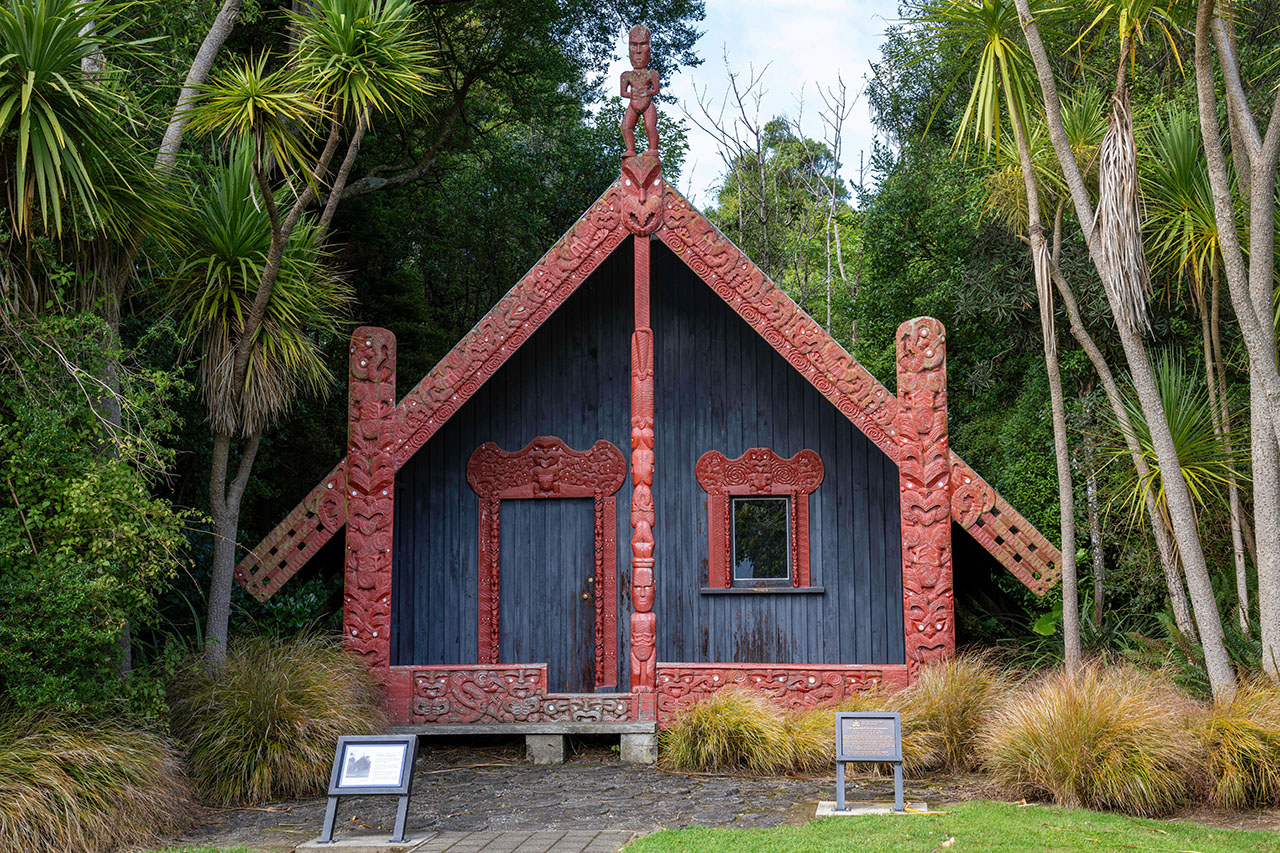
Surrounding grounds and bush. Whare puni at rear of house.
Historical and Associated Iwi / Hapū / Whānau
Completion Date
10th March 2020
Report Written By
Sarah Gallagher
Information Sources
Anderson Park Art Gallery Collection
Anderson Park Art Gallery Collection
Helms, 1996
Ruth M. Helms, 'The architecture of Cecil Wood', PhD thesis, University of Canterbury, 1996
Muller, 2001
Peter Muller, ''Art in the Park' : The first 50 years of the Anderson Park Art Gallery', Invercargill, 2001
Shaw, 1997 (2003)
Peter Shaw, A History of New Zealand Architecture, Auckland, 1997
Historic Places in New Zealand
Historic Places in New Zealand
Historic Places in New Zealand
Historic Places in New Zealand
Other Information
This place was identified as significant under previous legislation with different information requirements. It remains significant under the current legislation. There is opportunity under our legislation and policies to add to this information. Further information about this place may be available from the Otago/Southland Office of Heritage New Zealand Pouhere Taonga. Please note that entry on the New Zealand Heritage List/Rarangi Korero identifies only the heritage values of the property concerned, and should not be construed as advice on the state of the property, or as a comment of its soundness or safety, including in regard to earthquake risk, safety in the event of fire, or insanitary conditions. A fully referenced upgrade report is available on request from the Otago/Southland Office of Heritage New Zealand.
Former Usages
General Usage: Accommodation
Specific Usage: House
General Usage: Civic Facilities
Specific Usage: Art Gallery
Former Usages
General Usage: Accommodation
Specific Usage: House
General Usage: Civic Facilities
Specific Usage: Art Gallery
Get the latest heritage news, features and events delivered
straight to your inbox.