Quick links


Quick links
Quick links
Quick links
Quick links
Quick links
House
57 Bryce Street, SHANNON
Private
Historic Place Category 2
List No. 4053
Quick links:
List GalleryLocationDetails
57 Bryce Street, SHANNON
Private
Historic Place Category 2
List No. 4053
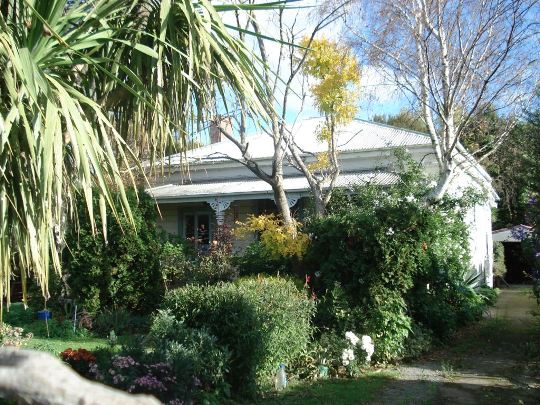
List Entry Information
Status
Listed
List Entry Status
Historic Place Category 2
Access
Private/No Public Access
List Number
4053
Date Entered
5th September 1985
Date of Effect
5th September 1985
City/District Council
Horowhenua District
Region
Horizons (Manawatū-Whanganui) Region
Extent of List Entry
Extent includes the land described as Lot 364 DP 368 (RT WN210/134), Wellington Land District, and the building known as House thereon.
Legal description
Lot 364 DP 368 (RT WN210/134), Wellington Land District
Status
Listed
List Entry Status
Historic Place Category 2
Access
Private/No Public Access
List Number
4053
Date Entered
5th September 1985
Date of Effect
5th September 1985
City/District Council
Horowhenua District
Region
Horizons (Manawatū-Whanganui) Region
Extent of List Entry
Extent includes the land described as Lot 364 DP 368 (RT WN210/134), Wellington Land District, and the building known as House thereon.
Legal description
Lot 364 DP 368 (RT WN210/134), Wellington Land District
Construction Details
Start Year
1912
startYearCirca
Type
Original Construction
Type
Addition
Description
Addition to the rear of the lean-to
Period
Unknown
Construction Details
Start Year
1912
startYearCirca
Type
Original Construction
Type
Addition
Description
Addition to the rear of the lean-to
Period
Unknown
Historical and Associated Iwi / Hapū / Whānau
Completion Date
21st November 2016
Report Written By
James A. Jacobs
Information Sources
Salmond, 1986
Jeremy Salmond, Old New Zealand Houses 1800-1940, Auckland, 1986, Reed Methuen
Other Information
This place was identified as significant under previous legislation with different information requirements. It remains significant under the current legislation. There is opportunity under our legislation and policies to add to this information. Further information about this place may be available from the Central Regional Office of Heritage New Zealand Pouhere Taonga. Please note that entry on the New Zealand Heritage List/Rarangi Korero identifies only the heritage values of the property concerned, and should not be construed as advice on the state of the property, or as a comment of its soundness or safety, including in regard to earthquake risk, safety in the event of fire, or insanitary conditions. A fully referenced upgrade report is available on request from the Central Region Office of Heritage New Zealand.
Historical and Associated Iwi / Hapū / Whānau
Completion Date
21st November 2016
Report Written By
James A. Jacobs
Information Sources
Salmond, 1986
Jeremy Salmond, Old New Zealand Houses 1800-1940, Auckland, 1986, Reed Methuen
Other Information
This place was identified as significant under previous legislation with different information requirements. It remains significant under the current legislation. There is opportunity under our legislation and policies to add to this information. Further information about this place may be available from the Central Regional Office of Heritage New Zealand Pouhere Taonga. Please note that entry on the New Zealand Heritage List/Rarangi Korero identifies only the heritage values of the property concerned, and should not be construed as advice on the state of the property, or as a comment of its soundness or safety, including in regard to earthquake risk, safety in the event of fire, or insanitary conditions. A fully referenced upgrade report is available on request from the Central Region Office of Heritage New Zealand.
Current Usages
Uses: Accommodation
Specific Usage: House
Former Usages
General Usage: Accommodation
Specific Usage: House
Current Usages
Uses: Accommodation
Specific Usage: House
Former Usages
General Usage: Accommodation
Specific Usage: House
Location
Get the latest heritage news, features and events delivered
straight to your inbox.
